landmark
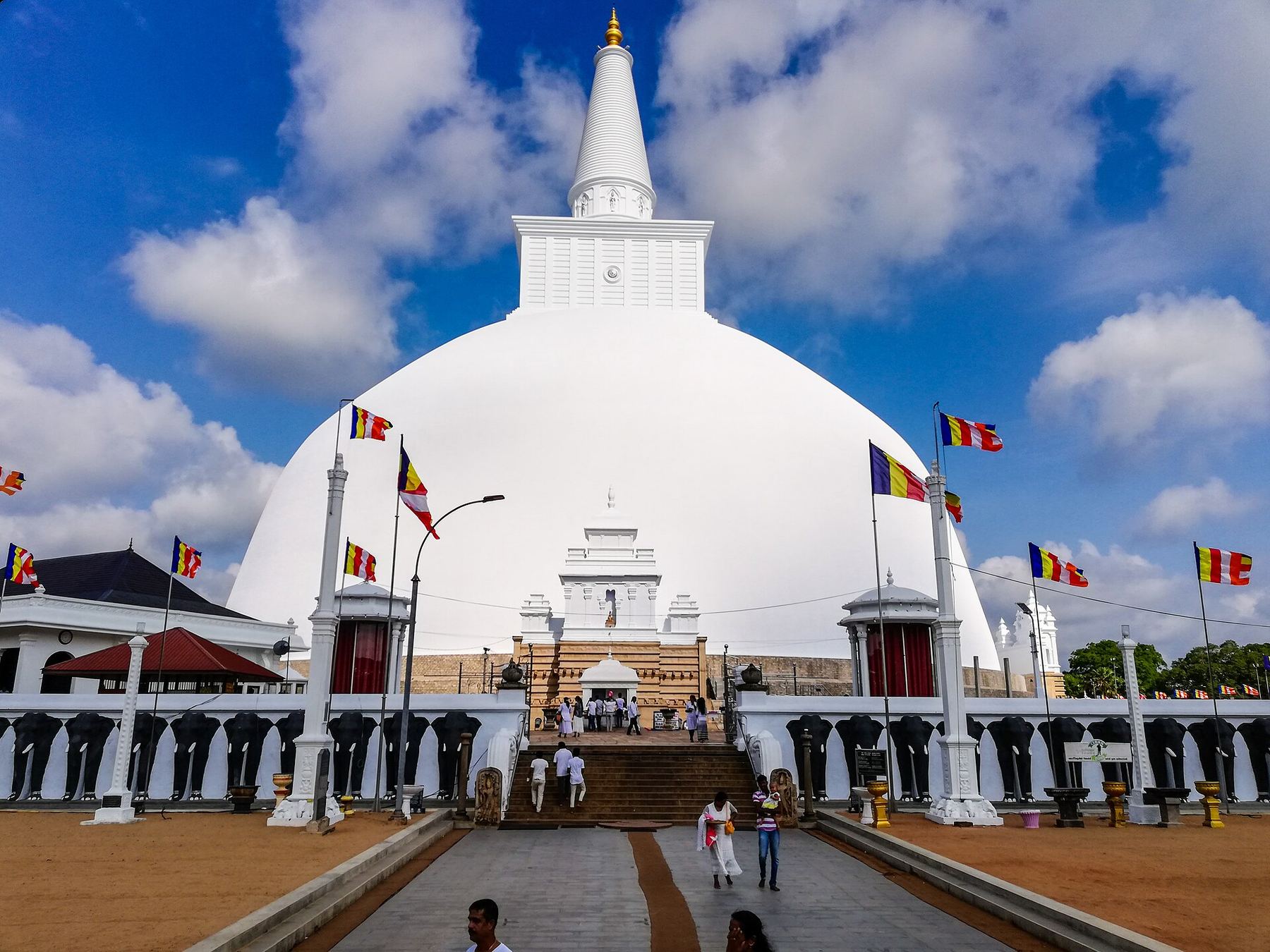
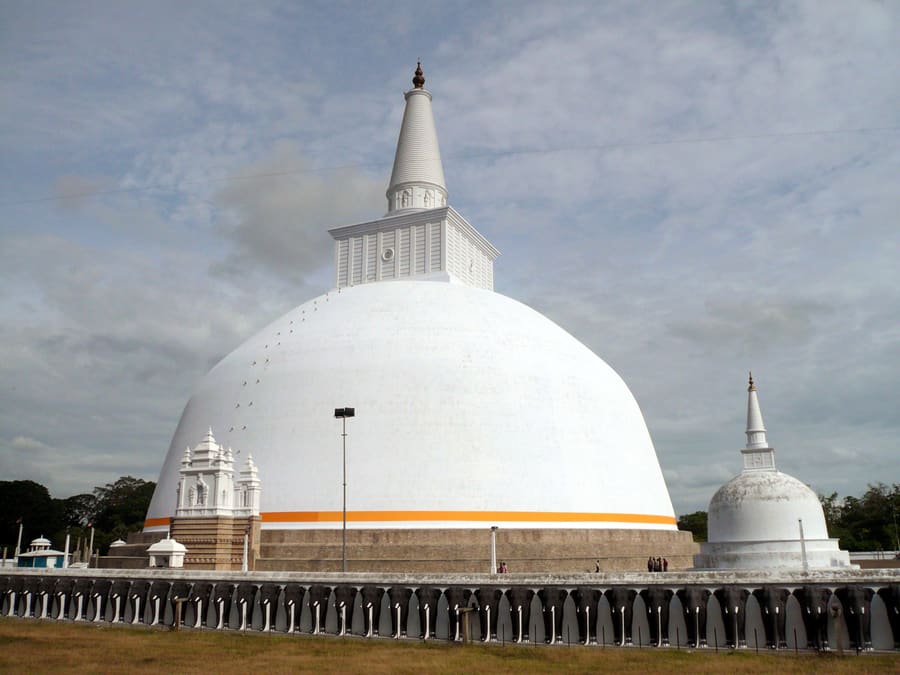
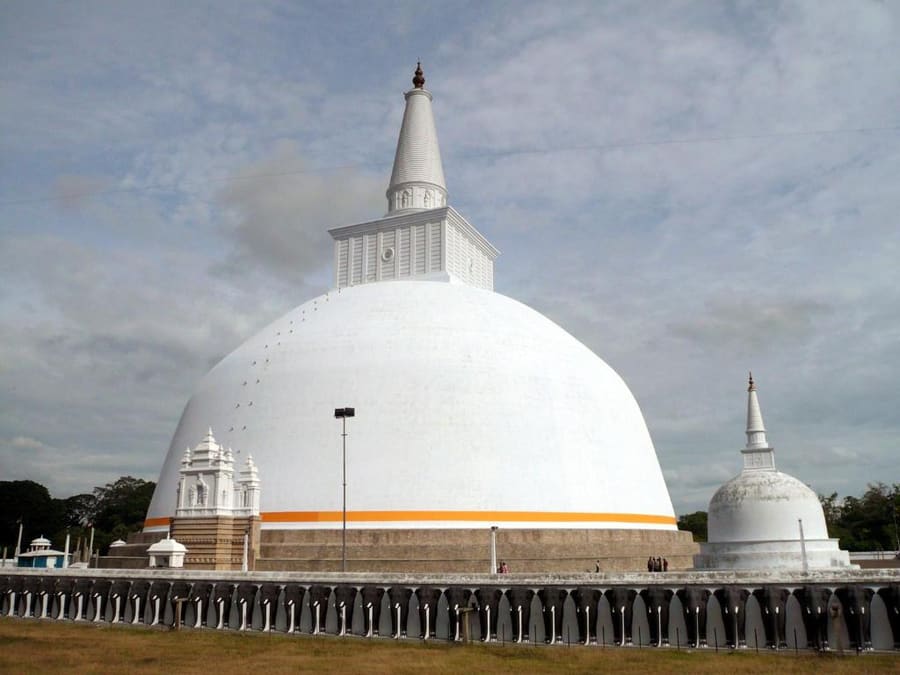
Ruwanwelisaya
A towering white stupa built in 140 BCE. Visit after dusk to see pilgrims chant illuminated by white spotlights.
اسأل Parleyسريلانكا
Sri Lanka's ancient monastic capital, where the major stupas and architectural monuments were constructed out of brick.
introduction
Anuradhapura is a vast, active sacred landscape where massive brick stupas rise above dry-zone forests and artificial reservoirs. You navigate it by bicycle or tuk-tuk across a sprawl divided into ancient monastic complexes and modern settlements. Expect long distances between sites, intense midday sun, and active worship rather than open-air museum quiet.
Arrival trick
Board the early morning express train from Colombo Fort to Anuradhapura. You dodge highway congestion and arrive directly in town by mid-morning.
Recognition
UNESCO listed the Sacred City in 1982. It served as Sri Lanka's royal capital for over thirteen centuries.
Planning trick
Buy your central cultural ticket at the Archaeological Museum office. It covers most major sites except the Jaya Sri Maha Bodhi shrine.
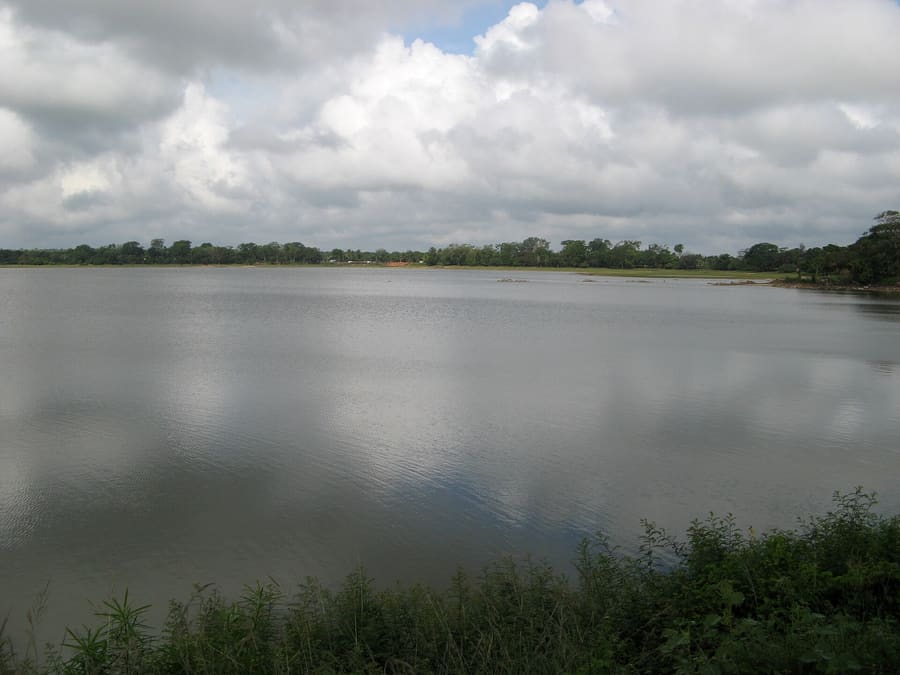
Anuradhapura
Michael Gunther · CC BY-SA 4.0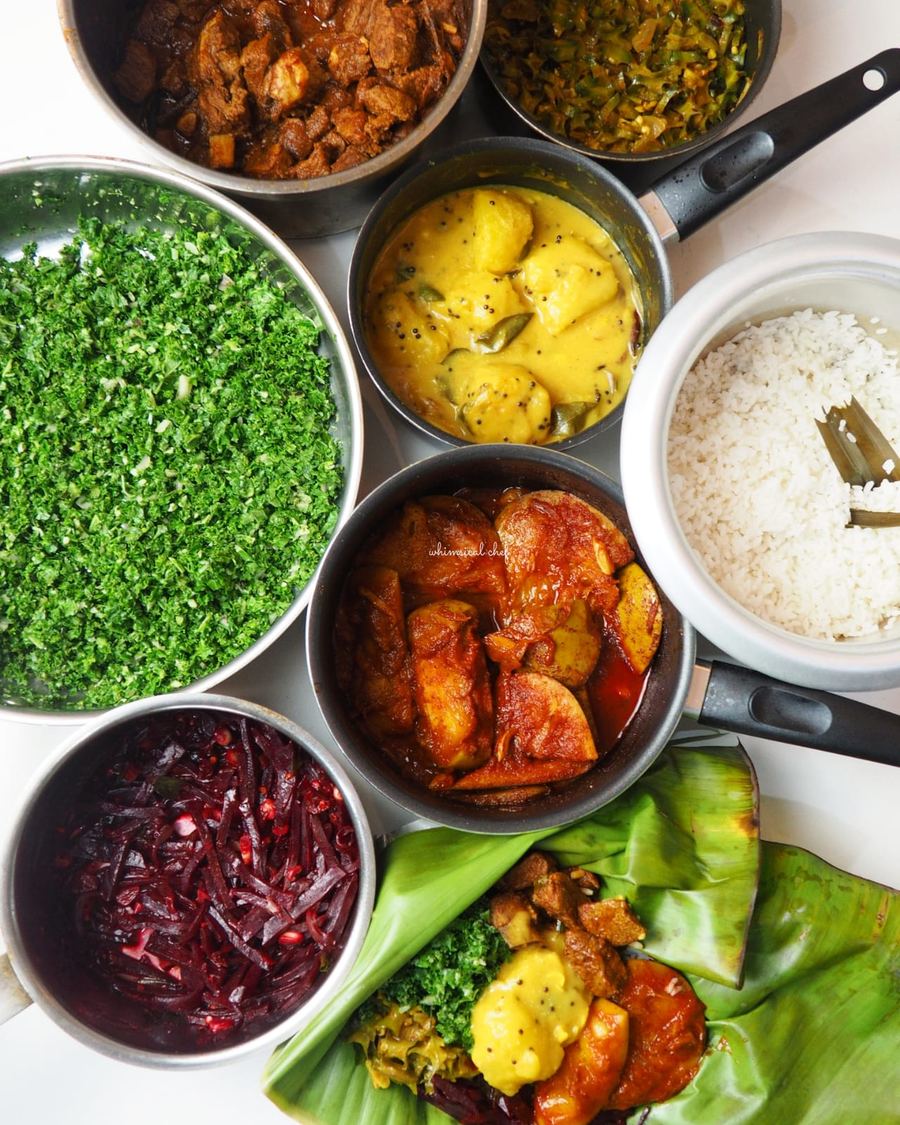
A classic Sri Lankan rice and curry lunch served in clay pots.
Lankan Foodie · CC BY-SA 4.0highlights
landmark
A towering white stupa built in 140 BCE. Visit after dusk to see pilgrims chant illuminated by white spotlights.
اسأل Parley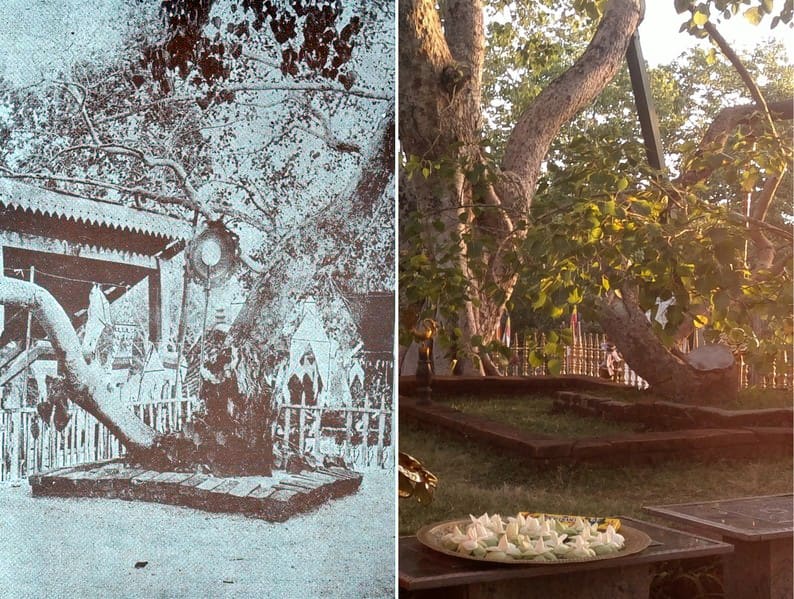
landmark
The oldest human-planted tree with a known planting date (288 BCE). Remove your shoes and hat well before the outer gate.
اسأل Parley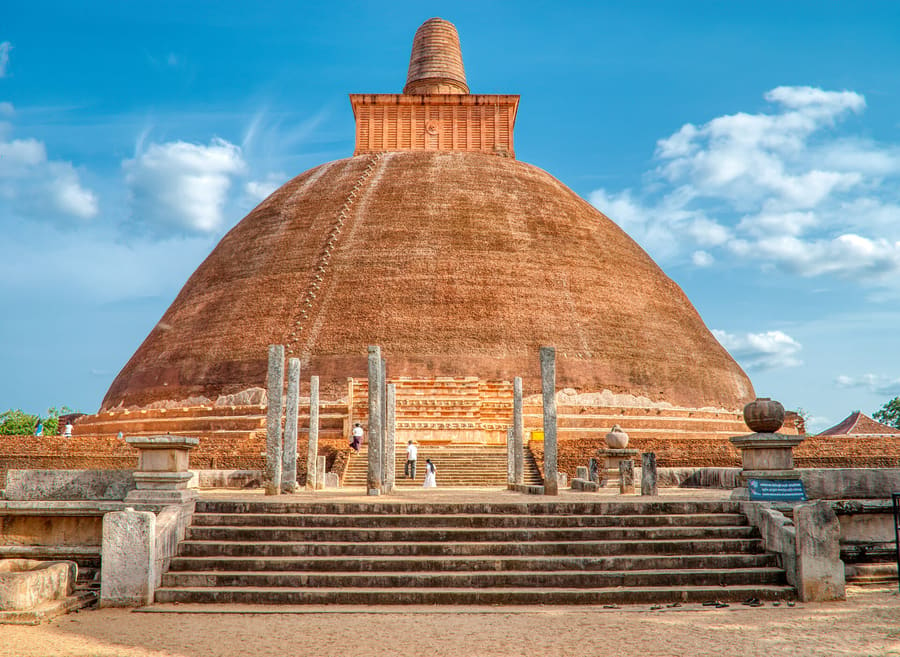
landmark
Once the third tallest structure in the ancient world. The unplastered red brick dome reveals incredible ancient masonry scale.
اسأل Parley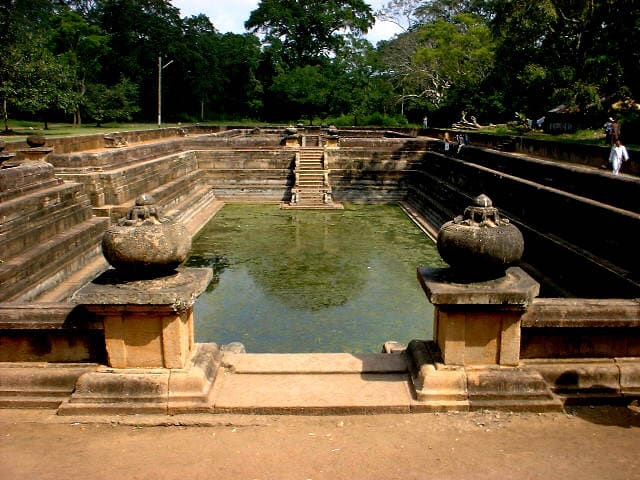
landmark
Sixth-century stone bathing pools showcasing advanced hydraulic engineering. Park your bike directly at the northern entrance.
اسأل Parleyattractions
areas
Shaded parkland containing ancient stupas, stone ruins, and barefoot pilgrimage paths.
قريبRuwanwelisaya, Jaya Sri Maha Bodhi
اسأل ParleyCommercial strip with banks, transport hubs, and casual local eateries.
قريبAnuradhapura Railway Station, Main Bus Terminal
اسأل ParleyDense commercial grid featuring market stalls, produce vendors, and tuk-tuk stands.
قريبOld Town Railway Station, Sacred City East Gate
اسأل ParleyOpen green banks along an ancient reservoir with breeze and sunset spots.
قريبTissa Wewa, Mirisawetiya Stupa, Royal Pleasure Gardens
اسأل Parleyfood
Dining in Anuradhapura centers on traditional North Central rice and curry lunches cooked over wood fires. Local rice varieties like red kekulu anchor plates heaped with pumpkin curry, lotus root, gotu kola sambol, and lake fish. Evening meals switch to egg hoppers and string hoppers served alongside spicy dhal curry.Because the Sacred City sector bans meat and alcohol sales, full restaurant meals concentrate along Market Road and the New Town roads. Look for small family-run rice-and-curry joints displaying clay pots behind glass counters at noon.
A classic Sri Lankan rice and curry lunch served in clay pots.
Lankan Foodie · CC BY-SA 4.0The best rice and curry spreads are fresh at 12:00. By 14:00, most local lunch spots run out of popular curry pots.
You will not find meat or alcohol served inside the designated Sacred City boundaries. Eat in New Town or Old Town instead.
Local eateries fry fresh wewal maalu (tank fish) caught daily in nearby ancient reservoirs like Tissa Wewa.
history
Anuradhapura served as the capital of the Sinhalese kingdom from the 4th century BCE until the beginning of the 11th century CE. Its development relied on sophisticated hydraulic engineering, where rulers constructed massive artificial reservoirs to sustain agriculture in the dry zone.The arrival of Buddhism in the 3rd century BCE transformed the city into a major Asian monastic hub. Royal patrons constructed colossal stupas that rivaled the Egyptian pyramids in scale and brick volume. After foreign invasions led to its abandonment around 1017 CE, the forest reclaimed the monuments until British archaeological surveys began clearing the site in the late 19th century.
Capital Founded
King Pandukabhaya establishes Anuradhapura as the official royal capital of Sri Lanka.
Arrival of Buddhism
Arhat Mahinda introduces Buddhism, initiating the construction of major monastic complexes.
Ruwanwelisaya Construction
King Dutugemunu unifies the island and starts work on the grand Ruwanwelisaya stupa.
Fall to Chola Forces
Chola invaders capture the city, prompting the relocation of the capital south to Polonnaruwa.
UNESCO Inscription
The Sacred City receives UNESCO World Heritage status for its preservation of Buddhist civilization.
where to stay
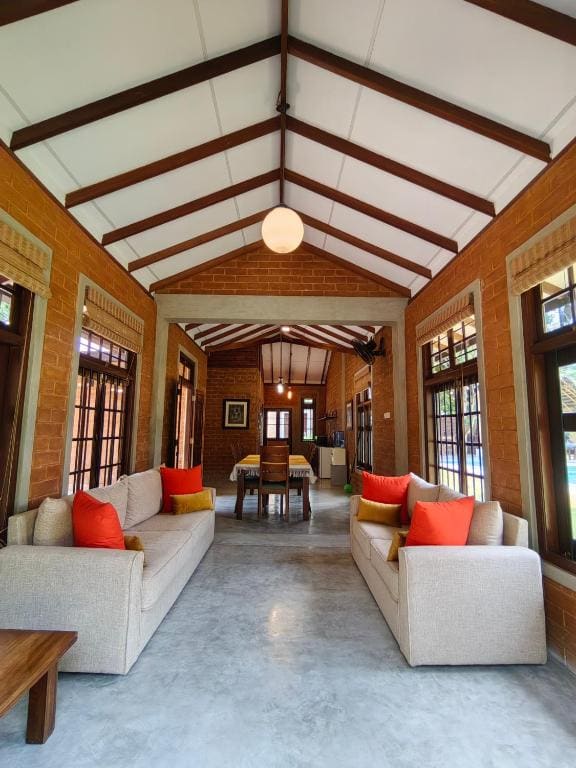
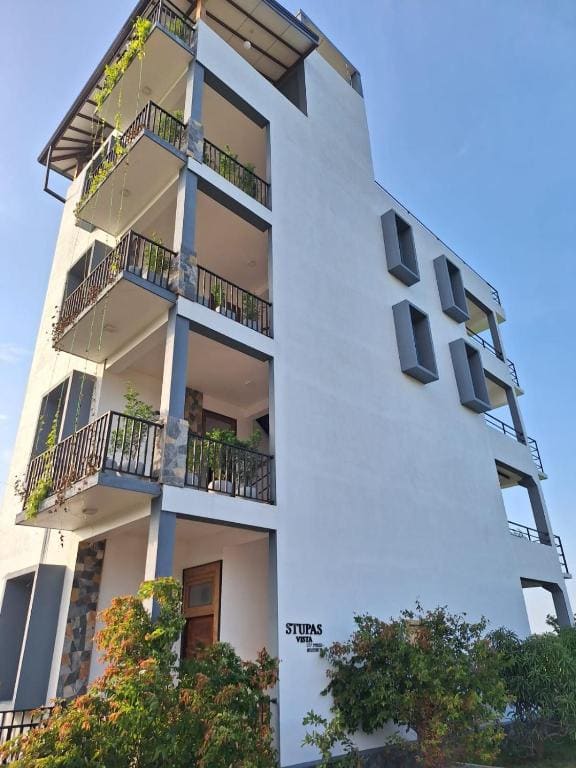
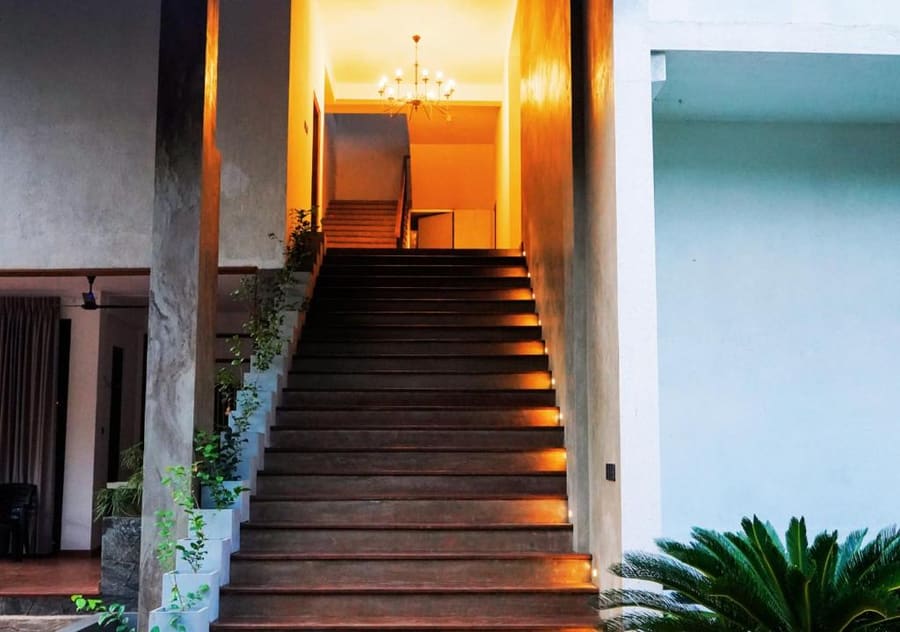
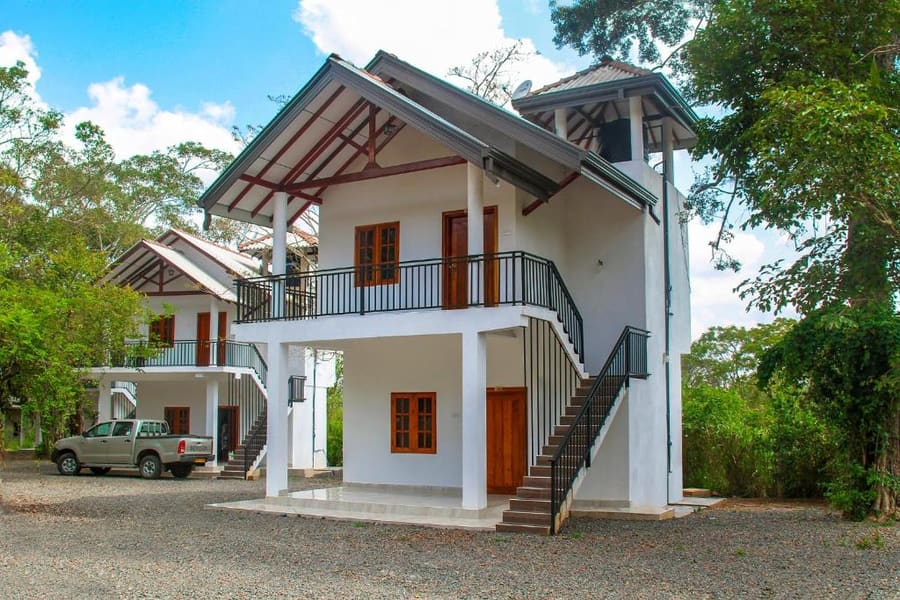
Choose your base by deciding between proximity to transit or evening tranquility. New Town places you steps from train connections and late-night food stalls. Tissa Wewa offers quiet lakeside boutique hotels, but requires hiring tuk-tuks for every meal and excursion.
Live rates, matched to the areas above.
transport
The ruins spread across more than 40 square kilometers. Walking between complexes under midday sun is impractical. Renting a bicycle offers complete freedom on forest paths, while hiring a private tuk-tuk for half a day saves energy across longer distances.
من Bandaranaike International Airport (CMB)
Pre-paid airport taxi counters offer fixed rates directly to Anuradhapura hotels.
Air-conditioned express buses run frequently from Colombo Central Bus Stand.
Most guest houses rent simple single-speed bicycles for around LKR 1,000–1,500 per day. Inspect brakes before riding.
Drivers do not use meters here. Agree on a fixed daily rate (LKR 4,000–6,000) for a guided ruins circuit.
Heat peaks between 12:00 and 15:00. Schedule sight visits for early morning or late afternoon.
Tuk-tuk drivers and local bike hire stands accept physical LKR cash notes exclusively.
cost
Anuradhapura is affordable for daily expenses like food and tuk-tuks, but site entry tickets for international tourists are priced higher in USD equivalents. Carry cash in smaller denomination notes for fruit stalls and shoe counters.
Covers Jetavanaramaya, Abhayagiri, and the Archaeological Museum.
Ticket fee collected separately at the shrine gate.
Covers custom drop-offs across the entire archaeological park.
Price per plate at local eateries in New Town.
seasonality
DEC – FEB
Dry and relatively cooler conditions. Ideal for long days cycling around ruins.
MAR – MAY
Extremely high temperatures. Plan all sightseeing strictly before 10:00 and after 16:00.
JUN – SEP
Dry wind season. Poson Poya in June brings massive Buddhist pilgrim crowds.
OCT – NOV
Inter-monsoon rains bring afternoon downpours. Park paths can become muddy.
practicalities
You must remove shoes at stupas. Stone flags get blistering hot by midday; wear thick socks to protect your soles.
Never turn your back directly to a Buddha statue for photos. Never pose beside or touch statues.
ATMs are available in New Town, but vendors rarely have change for LKR 5,000 notes.
Monkeys frequent the ruins. Keep plastic bags and visible food item containers hidden in your backpack.