landmark
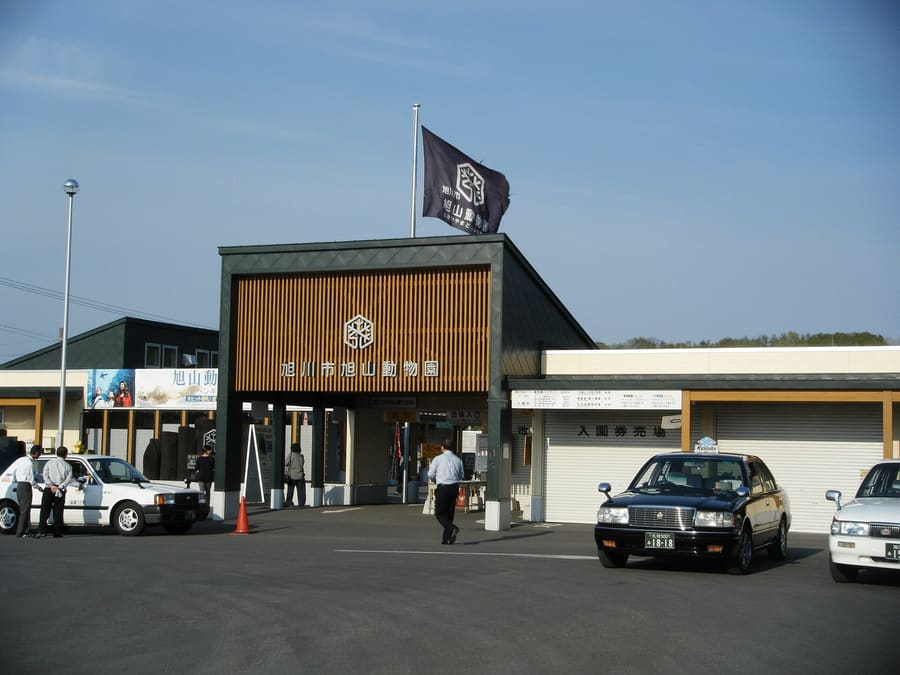
Asahiyama Zoo
Enclosures put you eye-to-eye with polar bears and swimming seals. Winter visitors can see daily penguin walks.
اسأل Parleyاليابان
Shoyu ramen, wood design, and the gate to Daisetsuzan.
introduction
Hokkaido's second city sits in a river basin encircled by volcanic peaks. Grid-patterned streets make navigation straightforward from the central railway terminal. You come here for rich soy-sauce ramen, craft woodwork, and direct bus links to deep powder snow.
UNESCO City of Design
Designated a UNESCO Creative City of Design in 2019, recognizing a century of wood craftsmanship and local furniture manufacturing.
Coldest temperature recorded
Japan's official record low of -41.0°C was set in Asahikawa in 1902. Layer heavily if visiting between December and February.
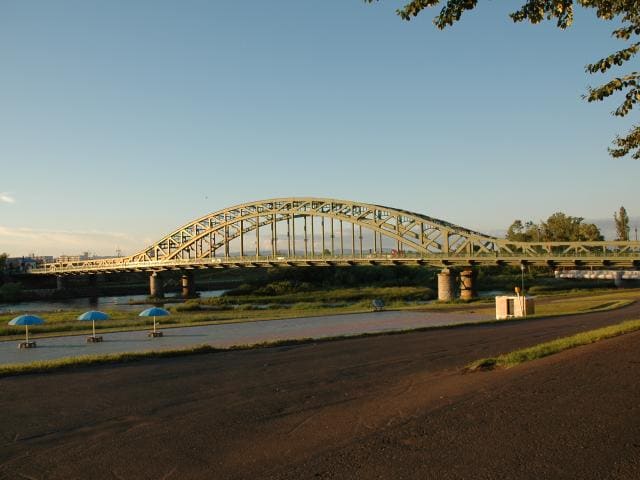
Asahikawa
663highland · CC BY 2.5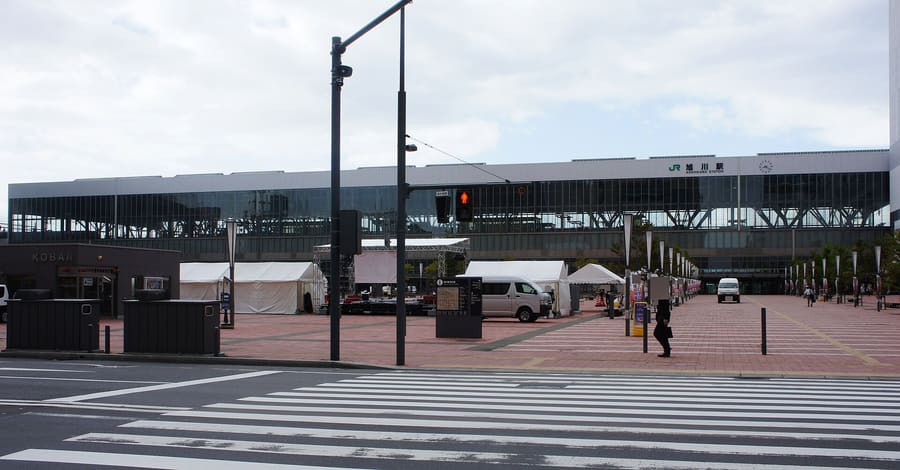
Station & Kaimono Koen — Transit hub connected to a wide pedestrian avenue lined with department stores and cafes.
Mister0124 · CC BY-SA 4.0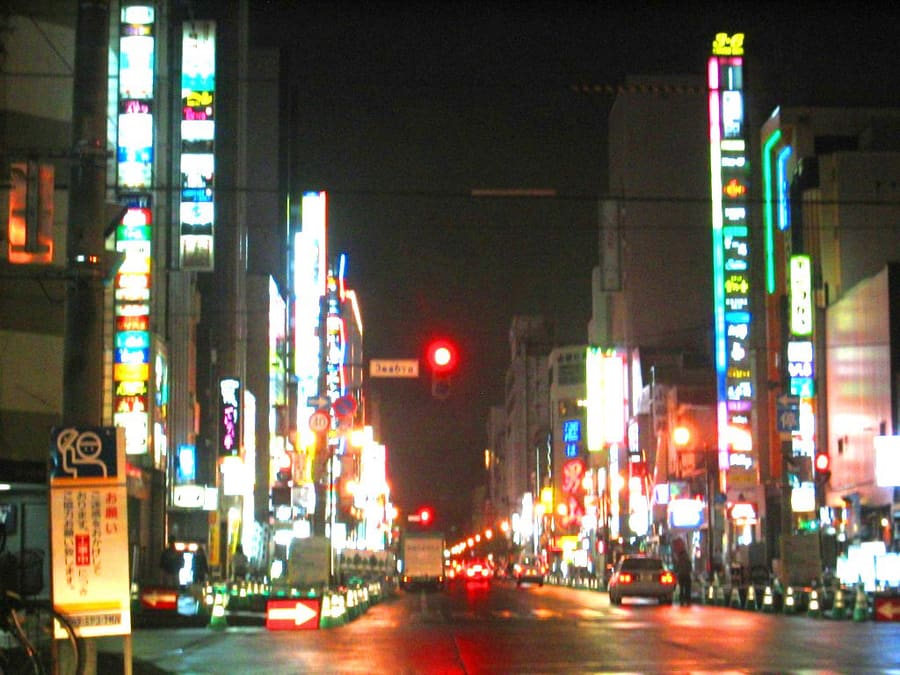
Sanroku-gai — Northern Japan's densest nightlife grid packed with Izakaya, yakitori counters, and tiny bars.
Wandaba (talk · contribs) · CC BY-SA 3.0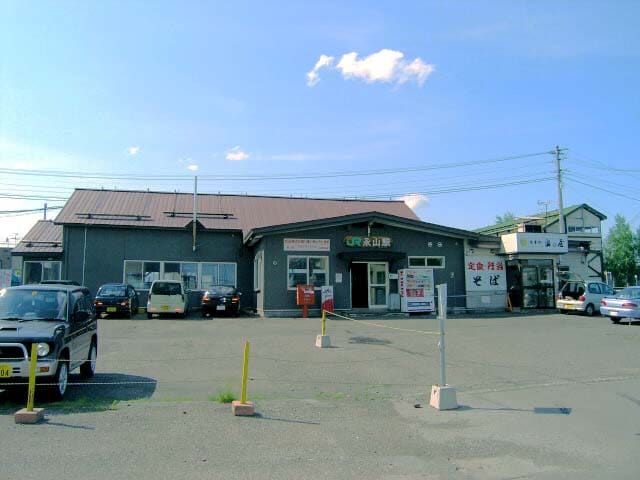
Nagayama — Sprawling commercial district north of downtown housing light manufacturing and food hubs.
User:Mr-haruka · CC BY-SA 3.0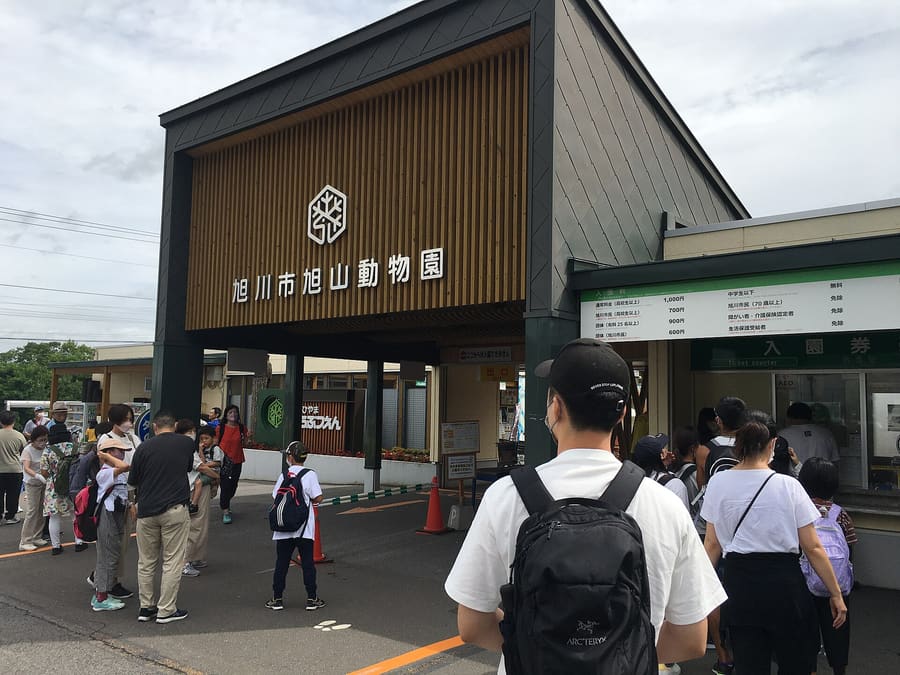
Asahiyama Foothills — Quiet eastern suburb where suburban housing meets forest slopes and wildlife parks.
Nesnad · CC BY 4.0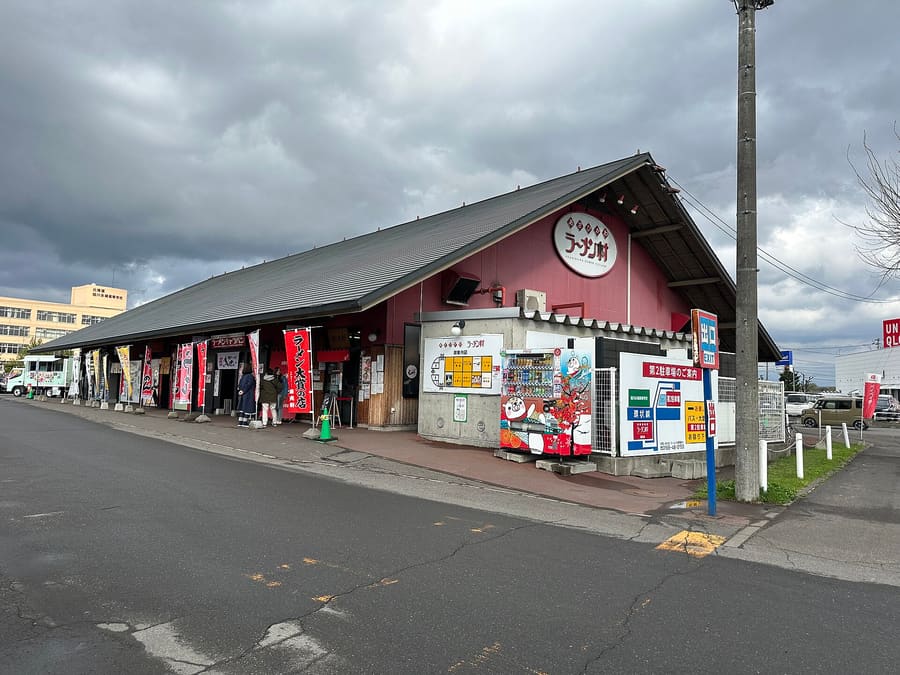
Asahikawa soy sauce ramen features a floating layer of lard to retain heat.
ノボホショコロトソ · CC BY 4.0highlights
landmark
Enclosures put you eye-to-eye with polar bears and swimming seals. Winter visitors can see daily penguin walks.
اسأل Parleylandmark
Eight local ramen shops operate under one roof. Half-size bowls let you sample multiple broths in one visit.
اسأل Parley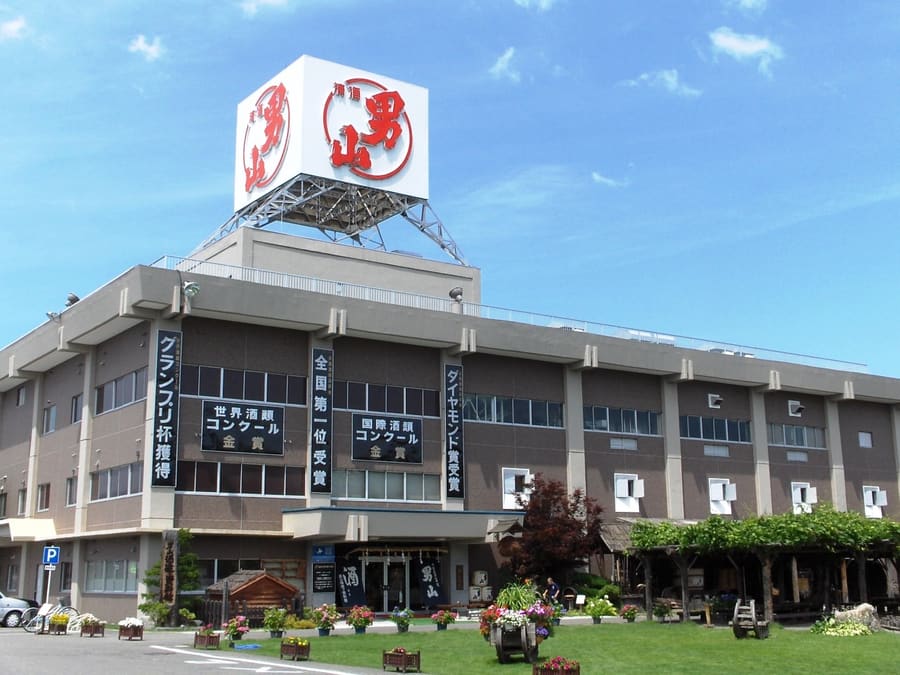
landmark
Centuries-old sake producer utilizing Daisetsuzan meltwater. Free museum exhibits lead directly to cold tasting pours.
اسأل Parley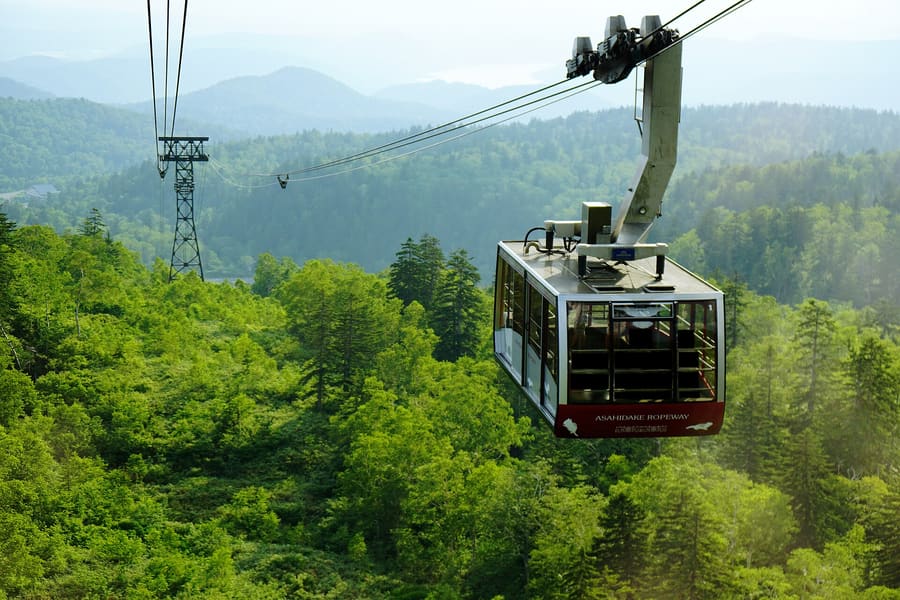
landmark
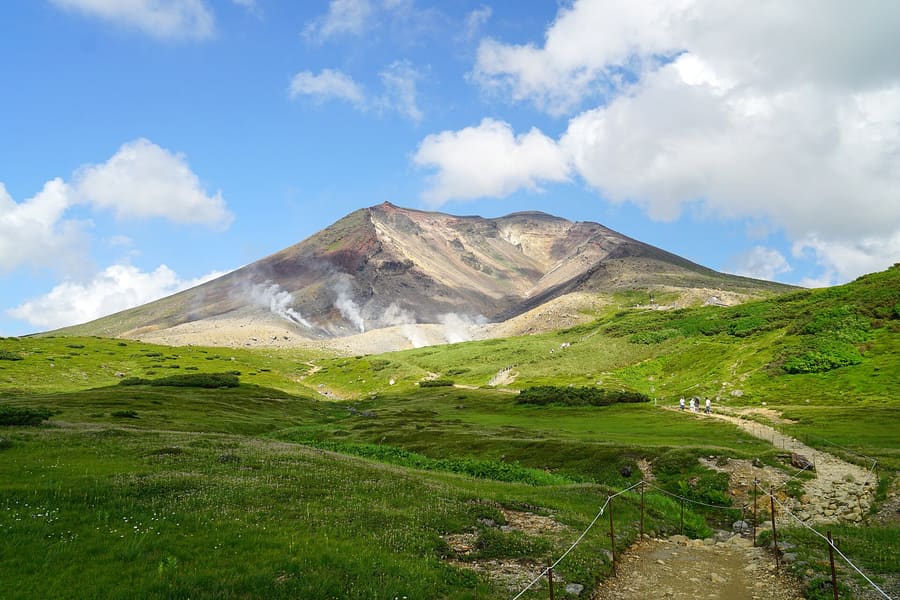
Cable car ascends Hokkaido's tallest peak in 10 minutes. Access alpine hiking trails or deep winter powder snow.
اسأل Parley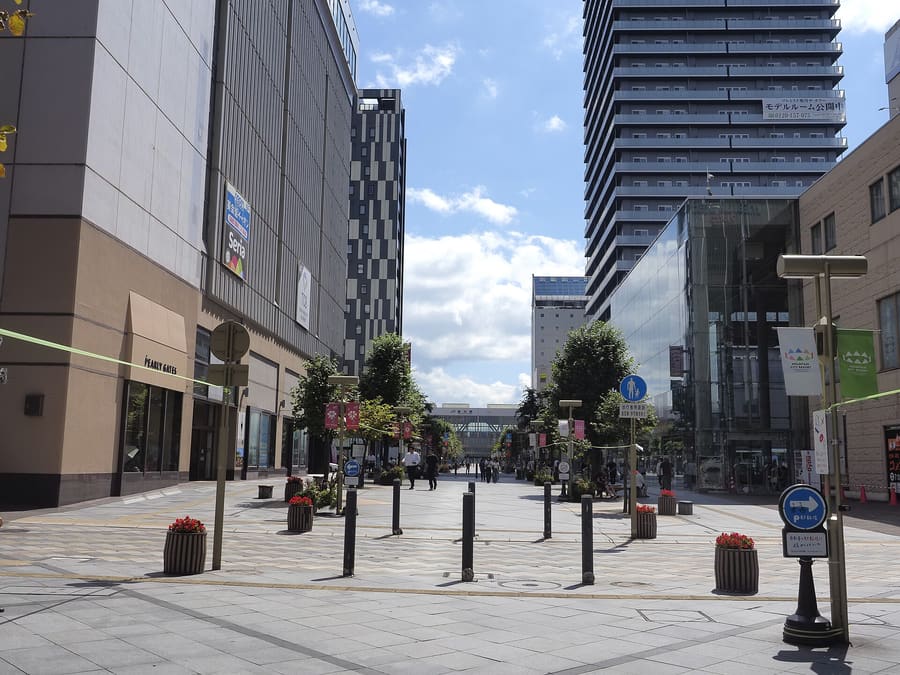
landmark
Japan's first permanent pedestrian mall stretches 1 kilometer north from the station. Heated walkways melt winter snow.
اسأل Parleyattractions
areas
Transit hub connected to a wide pedestrian avenue lined with department stores and cafes.
قريبJR Lines, Airport Buses, Heiwa Dori
اسأل ParleyNorthern Japan's densest nightlife grid packed with Izakaya, yakitori counters, and tiny bars.
قريبDaikoku-cho, Heiwa Dori
اسأل ParleySprawling commercial district north of downtown housing light manufacturing and food hubs.
قريبRamen Village, Design Center
اسأل ParleyQuiet eastern suburb where suburban housing meets forest slopes and wildlife parks.
قريبAsahiyama Zoo, Kurazuko Park
اسأل Parleyfood
Asahikawa ramen differs sharply from Sapporo's miso style. The local standard uses a double stock made from seafood and pork bones, seasoned with soy sauce. A thin layer of rendered lard floats on top to trap steam and keep the bowl piping hot in freezing temperatures. Wavy, medium-thin noodles absorb the broth quickly.
Asahikawa soy sauce ramen features a floating layer of lard to retain heat.
ノボホショコロトソ · CC BY 4.0Hachiya adds scorched lard to its broth for a smoky aroma. Baikoken uses a clearer double stock with thick bamboo shoots.
Daikokuya gets busy by 17:30. Take a numbered ticket at the door for grilled mutton cooked over charcoal braziers.
Ticket vending machines at older ramen shops accept only ¥1,000 notes and 100/500 coins.
history
Indigenous Ainu communities lived along the Kamuy-kotan ravine long before military pioneer settlers arrived in 1890. The Imperial government designated Asahikawa as a strategic northern defense base, constructing a major rail hub to supply surrounding agricultural colonies.
Tondenhei Settlement
Military farmer-colonists settle in the Kamikawa basin to secure northern borders and clear land.
Asahiyama Zoo Opens
Municipal zoo opens, later pioneering behavioral enclosures that revolutionized Japanese zoo architecture.
First Pedestrian Street
Heiwa Dori opens as Japan's first permanent vehicle-free shopping street.
where to stay
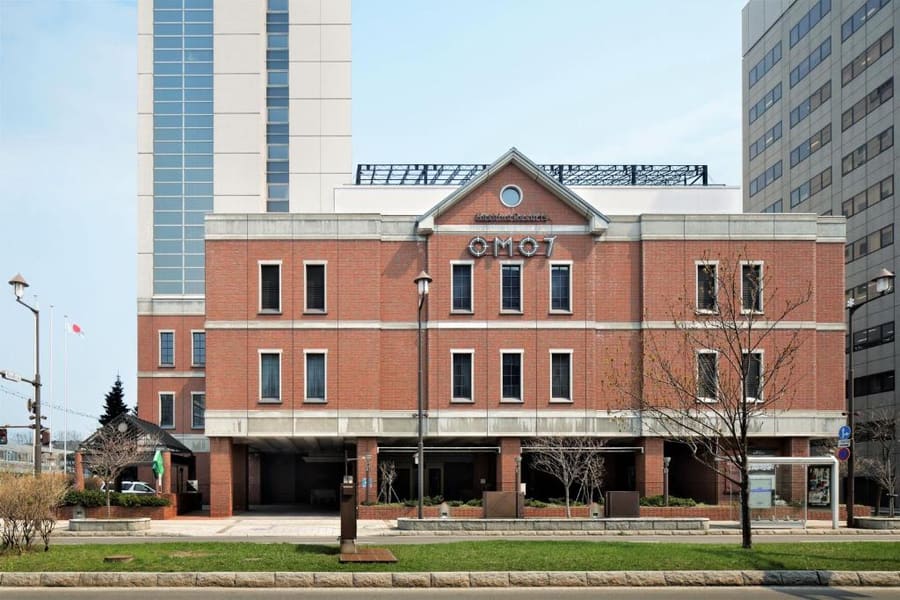
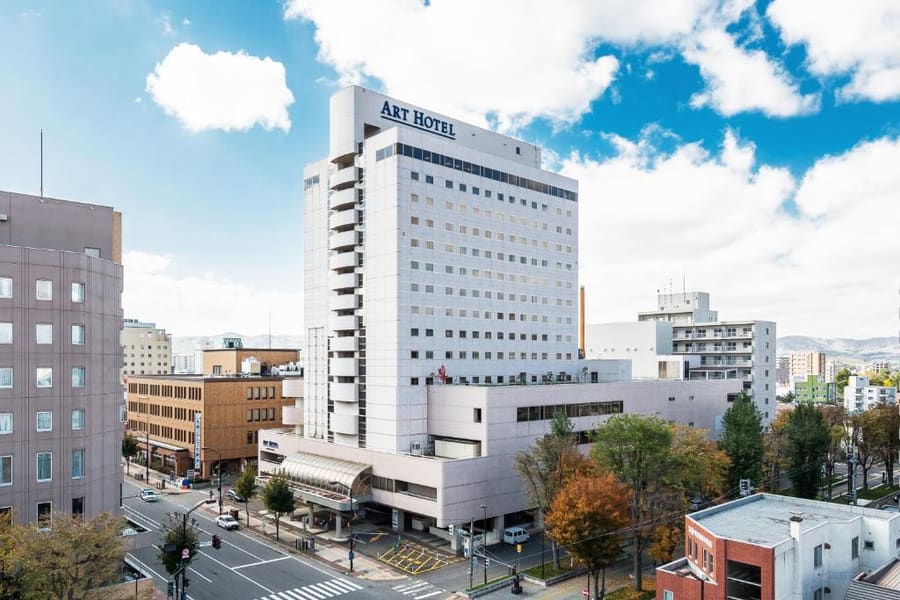
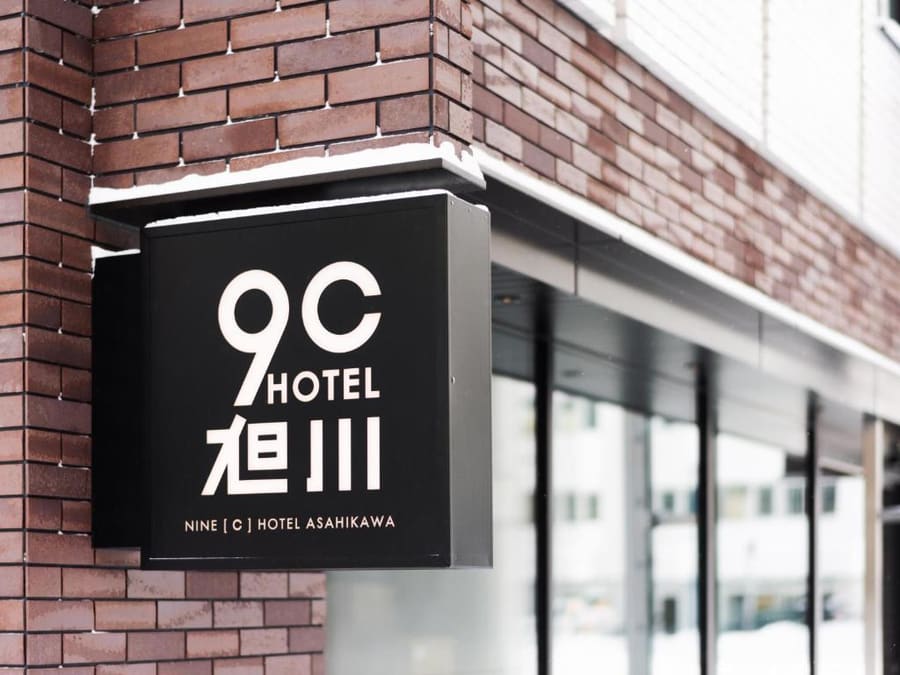
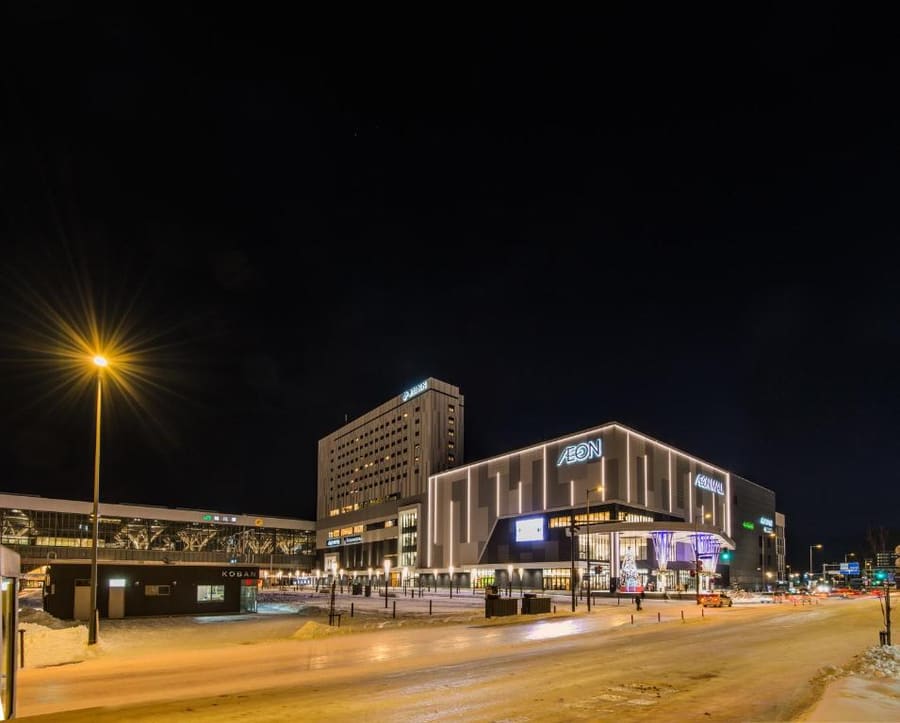
Choose your location based on your morning transit plans. Staying directly at Asahikawa Station grants immediate access to highway buses bound for Asahidake and Furano. Staying near Sanroku-gai puts you within walking distance of late-night dining.
Live rates, matched to the areas above.
transport
Departs from Asahikawa Station Bus Stop 6 every 30 minutes. The fare costs ¥500 one way.
Ideyu-go bus departs Station Stop 9 three times daily for Asahidake Ropeway. Board early for seats.
Heavy snowfall can delay municipal buses by 15-20 minutes during morning commute hours.
cost
Asahikawa costs less than Sapporo or Niseko for lodging and food. Expect lower meal prices, though winter equipment rentals and mountain transit fees add up quickly.
Standard soy sauce ramen with char siu pork at local downtown shops.
Adult entry to Asahiyama Zoo. Free for children aged junior high school and under.
Seasonal rate variations apply between winter snow season and summer hiking season.
Covers unlimited city bus travel within the central zone and out to the zoo.
seasonality
DEC – FEB
Deep powder snow and freezing temperatures. The Winter Festival takes place in early February.
MAR – MAY
Snow thaws from late March. Cherry blossoms bloom in early May around Kaguraoka Park.
JUN – AUG
Warm and clear days without Japan's rainy season. Ideal base for Furano flower field excursions.
SEP – NOV
Early foliage on Asahidake starts in mid-September. Temperatures drop fast by late October.
practicalities
Kaimono Koen has underground heating to melt snow, but side streets remain solid ice in winter.
Ramen shops outside Sanroku-gai often close by 19:30 or when broth runs out.
In December, darkness arrives by 16:00. Plan outdoor sight-seeing for morning hours.
Seven-Bank ATMs inside 7-Eleven stores accept international credit and debit cards 24/7.
Daisetsuzan conditions change rapidly. Check ropeway operation status before leaving the station.