landmark
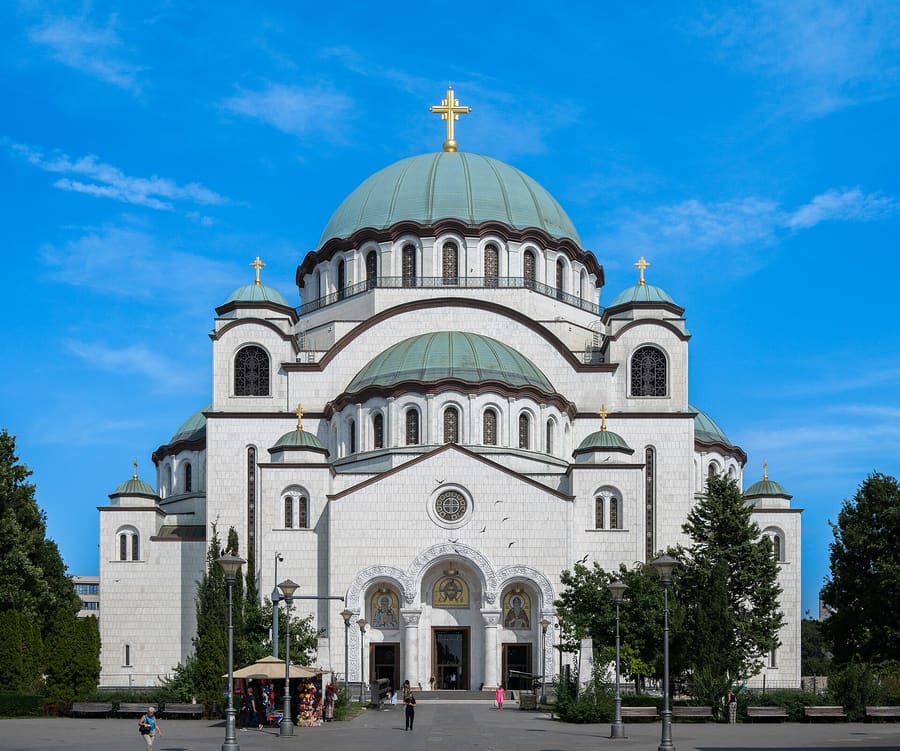
Church of Saint Sava
One of the largest Orthodox temples in the world with stunning mosaic interiors. Visit the crypt for detailed gold tile mosaic work.
اسأل Parleyصربيا
Gritty Ottoman history meets unpolished Balkan momentum.
introduction
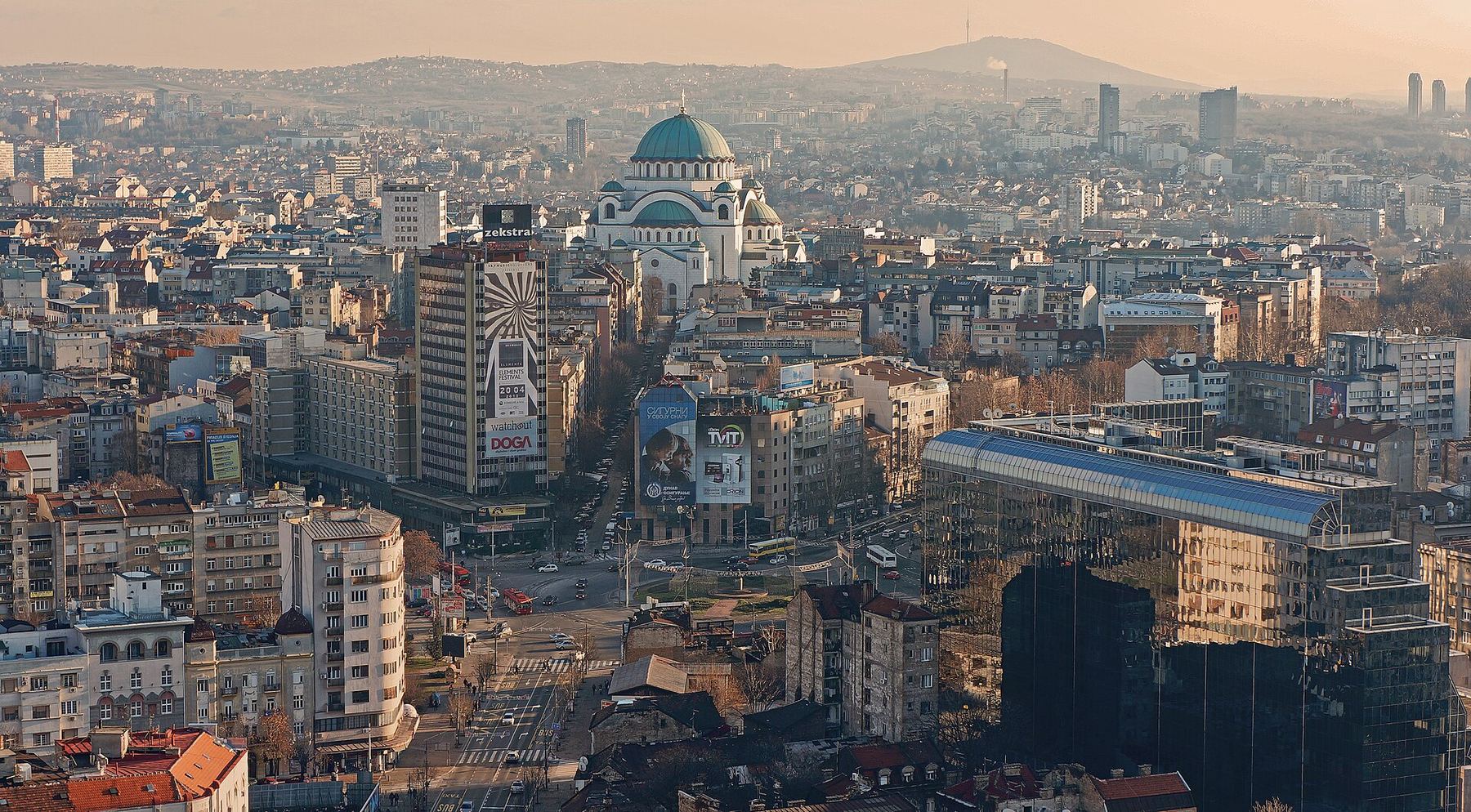
Belgrade is a high-energy river city defined by frequent destruction and rebuilding. You move through it on foot across distinct ridges above the Sava and Danube, or by tram through wide socialist avenues. Do not expect tidy resort charm; the appeal lies in open-air coffee culture, brutalist concrete, and fierce local pride. You trade calm, orderly streetscapes for late nights and unpretentious hospitality.
Taxi vouchers from BEG
Ignore street taxi spruikers at Nikola Tesla Airport. Buy a fixed-price voucher from the official taxi desk in baggage reclaim before stepping outside.
Fortress heritage status
Belgrade Fortress preserves two millennia of military architecture above the Sava confluence. It sits on Serbia's tentative UNESCO list.
Café seat etiquette
Belgrade café tables fill by 11:00 with slow drinkers. Sit down freely; servers take your order at the table, and paying cash is expected.
Belgrade
Pudelek (Marcin Szala) · CC BY-SA 3.0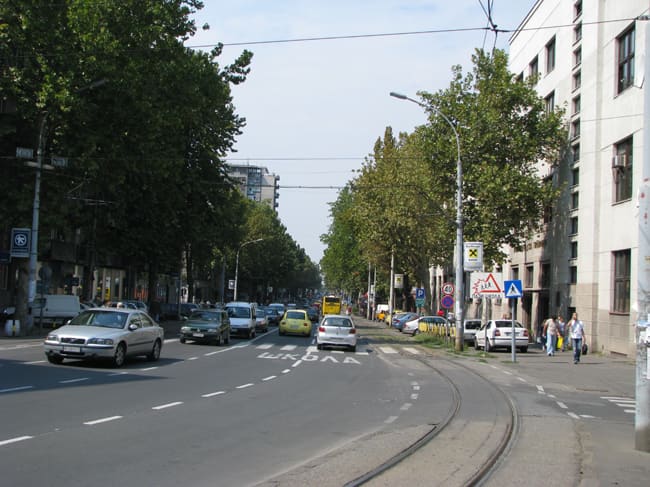
Dorćol — Tree-lined streets of Lower and Upper Dorćol blending Ottoman grid layout with specialty coffee bars.
en:User:BoskoM · Public domain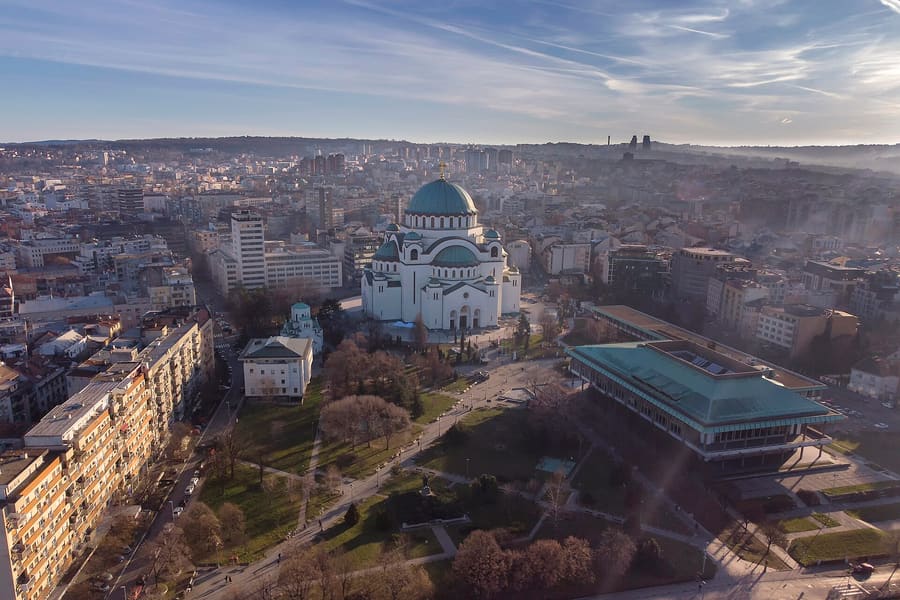
Vračar — An upscale residential district dominated by Saint Sava, bustling bakeries, and quiet avenues.
Ivanbuki · CC BY-SA 4.0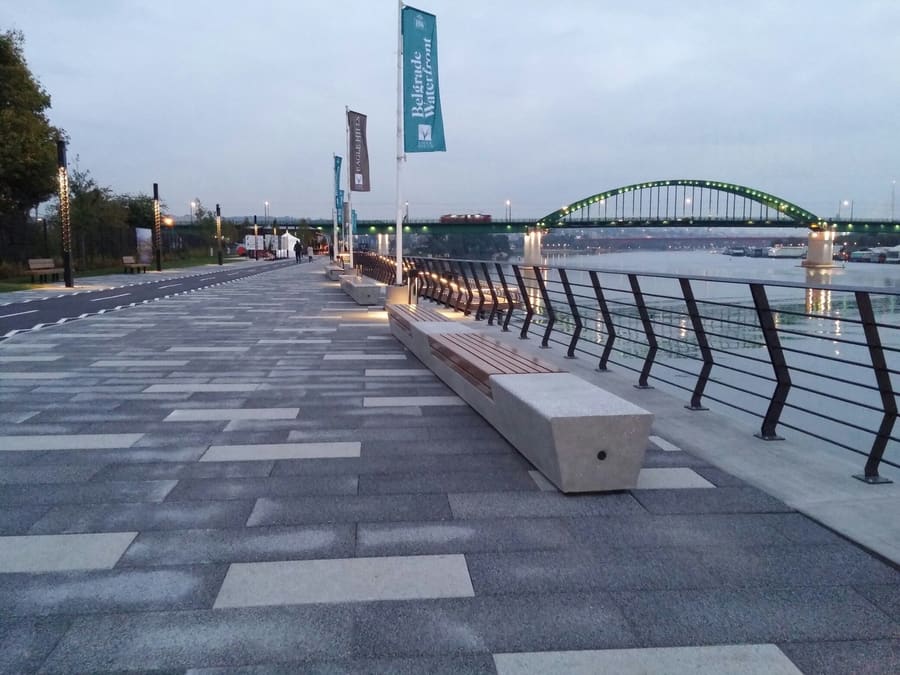
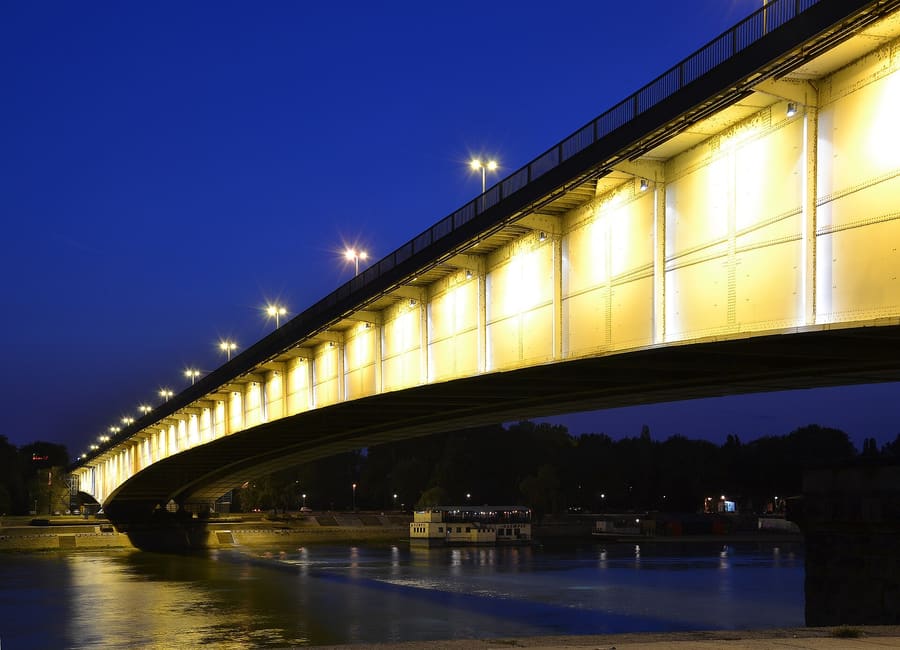
Savamala — A riverfront nightlife district undergoing rapid urban re-development beneath heavy concrete bridges.
Mile Jovic · CC BY-SA 4.0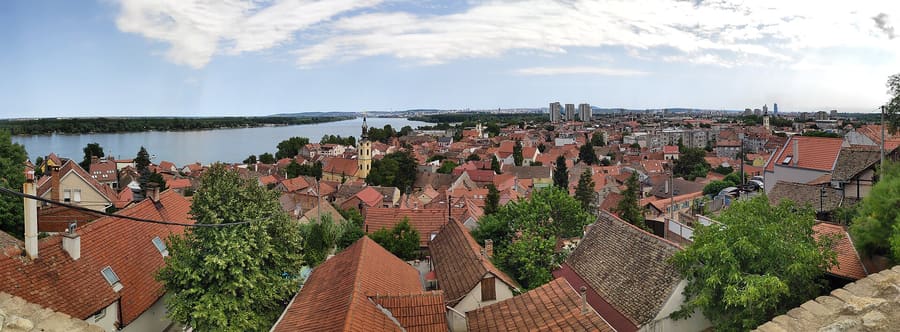
Zemun — A former Habsburg town of cobbled lanes and river fish restaurants with Central European architecture.
Petar Milošević · CC BY-SA 4.0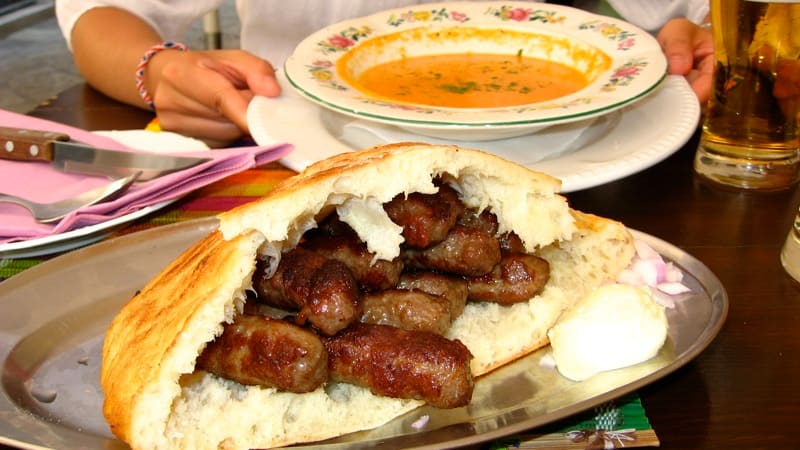
Freshly grilled ćevapi served with somun flatbread, raw onions, and a dollop of creamy kajmak.
Christian Paul from Vancouver, Canada · CC BY-SA 2.0highlights
landmark
One of the largest Orthodox temples in the world with stunning mosaic interiors. Visit the crypt for detailed gold tile mosaic work.
اسأل Parley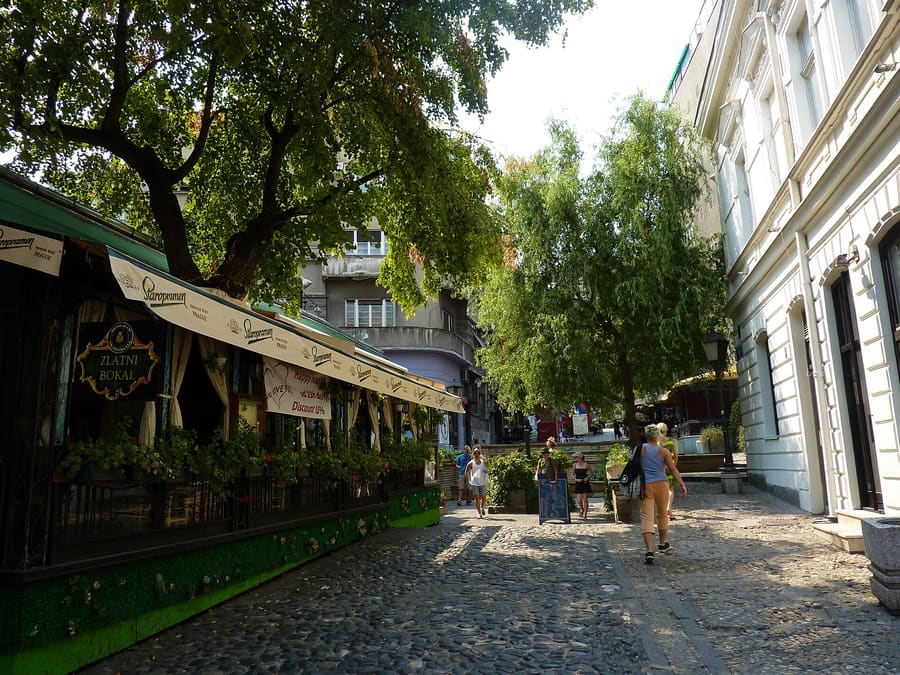
landmark
A cobblestone dining alley lined with traditional kafanas. Come after 20:00 for live tambourine music, but prepare for tourist markups.
اسأل Parley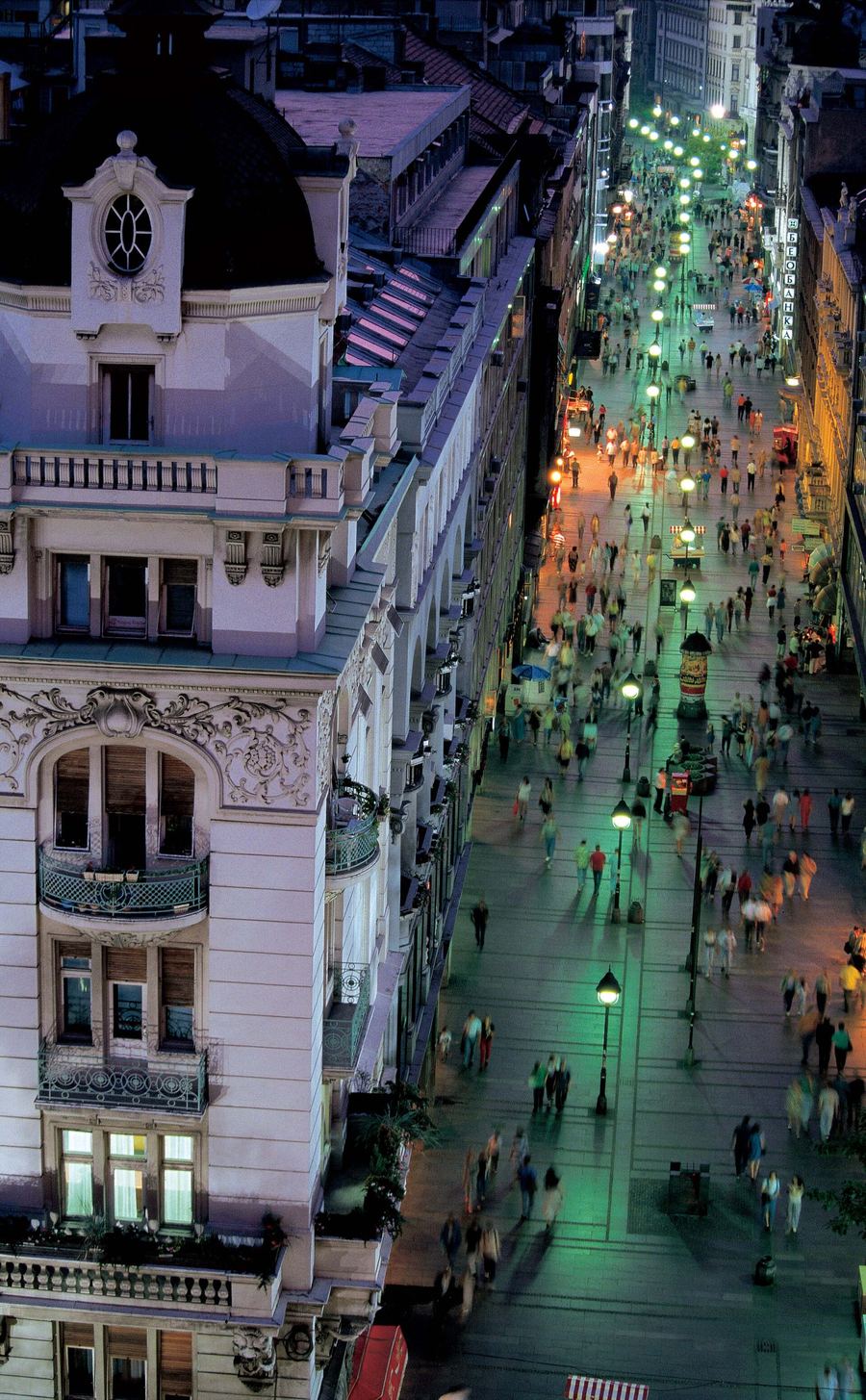
landmark
The central pedestrian artery connecting Terazije square to Kalemegdan. Excellent for late-night coffee and observing urban Belgrade life.
اسأل Parley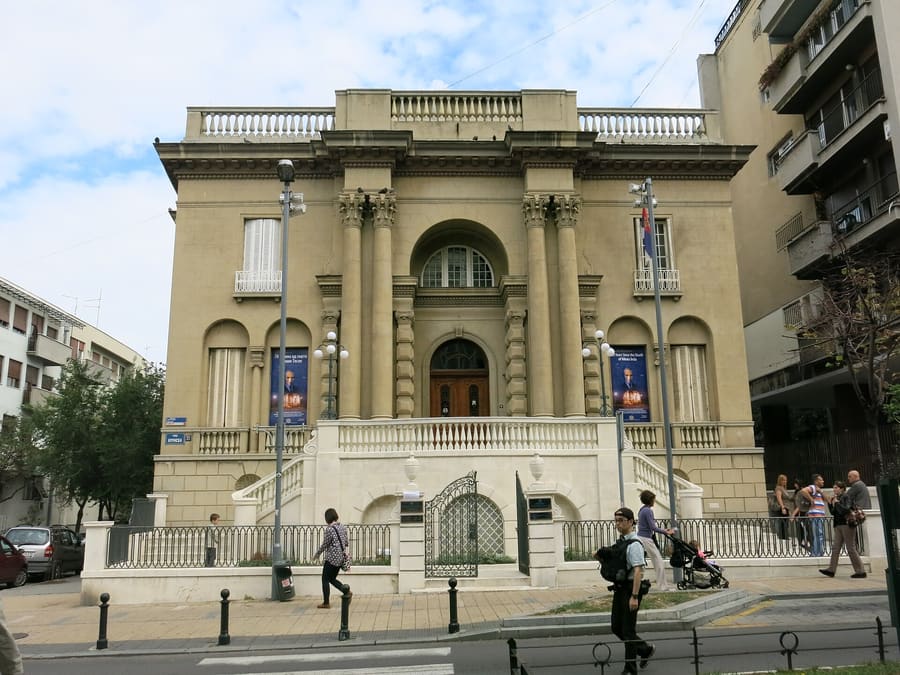
landmark
Houses Tesla's personal archives and working models of his inventions. Book guided English tours in advance to watch live electrical demos.
اسأل Parley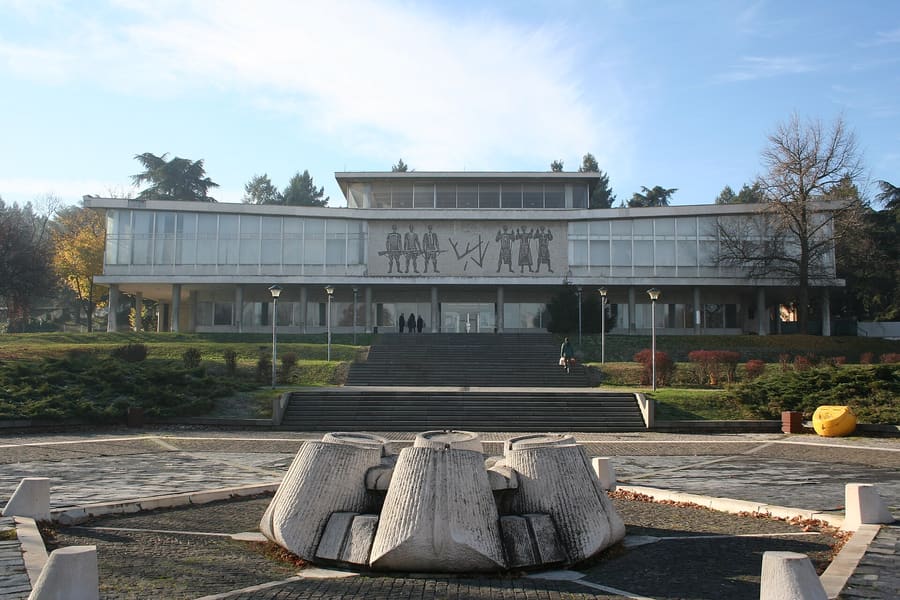
landmark
Exhibits on 20th-century history and Josip Broz Tito's tomb at the House of Flowers. Take trolleybus 40 or 41 directly from the centre.
اسأل Parleyattractions
areas
Tree-lined streets of Lower and Upper Dorćol blending Ottoman grid layout with specialty coffee bars.
قريبKalemegdan, Bajrakli Mosque, Danube promenade
اسأل ParleyAn upscale residential district dominated by Saint Sava, bustling bakeries, and quiet avenues.
قريبChurch of Saint Sava, Kalenić Market, Nikola Tesla Museum
اسأل ParleyA riverfront nightlife district undergoing rapid urban re-development beneath heavy concrete bridges.
قريبBranko's Bridge, Sava Promenade, Belgrade Waterfront
اسأل ParleyA former Habsburg town of cobbled lanes and river fish restaurants with Central European architecture.
قريبGardoš Tower, Zemun Quay, Great War Island
اسأل Parleyfood
Dining in Belgrade revolves around the kafana — an unpretentious tavern serving grilled meats, slow-cooked stews, and cold šljivovica (plum brandy). Portions run large, and meals are meant to stretch over hours with live acoustics or loud conversation.For breakfast, hit a local pekara (bakery) for fresh burek, a flaky phyllo pastry stuffed with minced beef or cheese, traditionally paired with a small plastic bottle of liquid yogurt. Fine dining exists in Dorćol and Savamala, but the soul of the city stays firmly in traditional smoke-filled grill houses.
Freshly grilled ćevapi served with somun flatbread, raw onions, and a dollop of creamy kajmak.
Christian Paul from Vancouver, Canada · CC BY-SA 2.0Specify 5 or 10 pieces of grilled minced meat, always request a side of kajmak (clotted cream), and eat it with raw chopped onions.
Bakeries bake the best burek early; by 11:00 the crisp layers soften. Eat it hot at standing counters alongside local commuters.
High-end restaurants take cards, but neighborhood kafanas and markets frequently demand cash dinars.
history
Belgrade's location at the confluence of the Sava and Danube rivers made it one of Europe's most contested military focal points. Destroyed and rebuilt over 40 times across two millennia, the city bears physical scars from Ottoman, Austro-Hungarian, Socialist, and NATO eras.
Ottoman Withdrawal
The last Ottoman garrison surrenders the keys of Belgrade Fortress to Prince Mihailo Obrenović, establishing full Serbian autonomy.
Socialist Capital
Belgrade becomes the capital of the Non-Aligned Socialist Federal Republic of Yugoslavia under Josip Broz Tito, spurring massive expansion into New Belgrade.
NATO Bombing
78 days of air strikes target government facilities and infrastructure; select damaged buildings remain untouched today as monuments.
where to stay
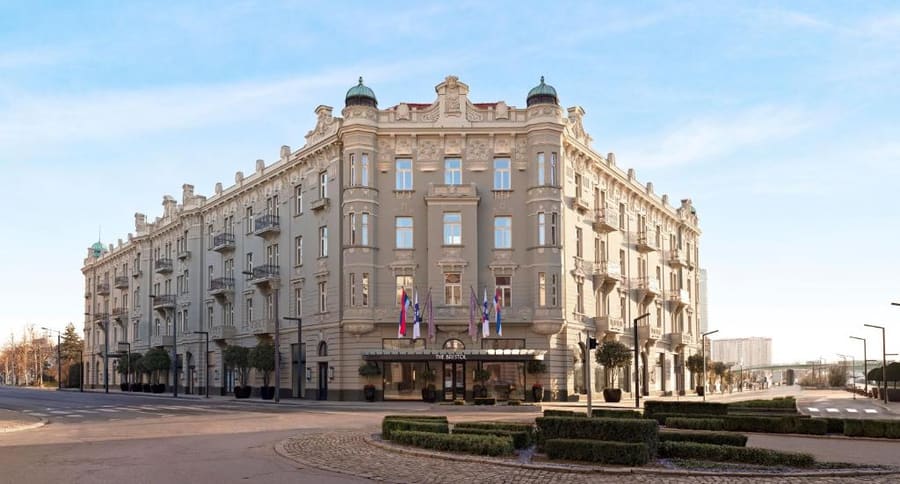
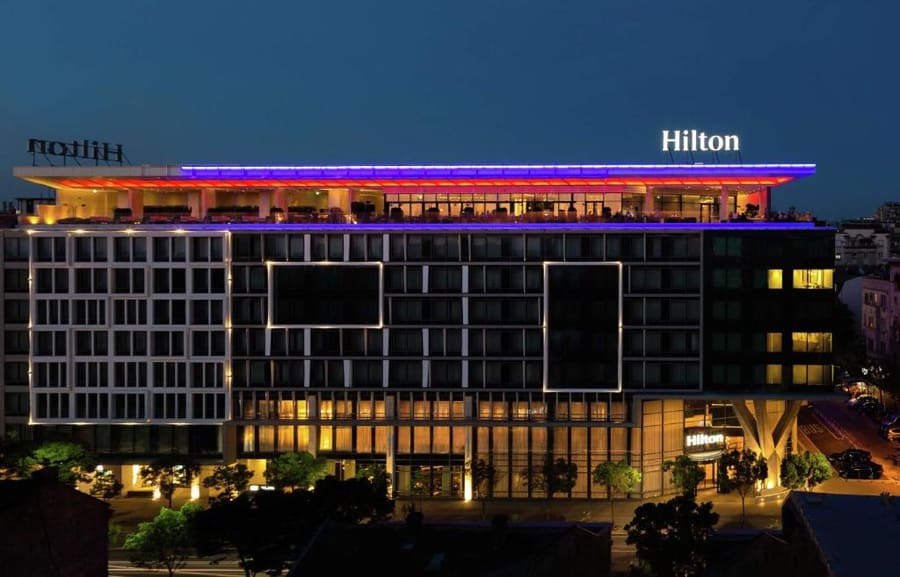
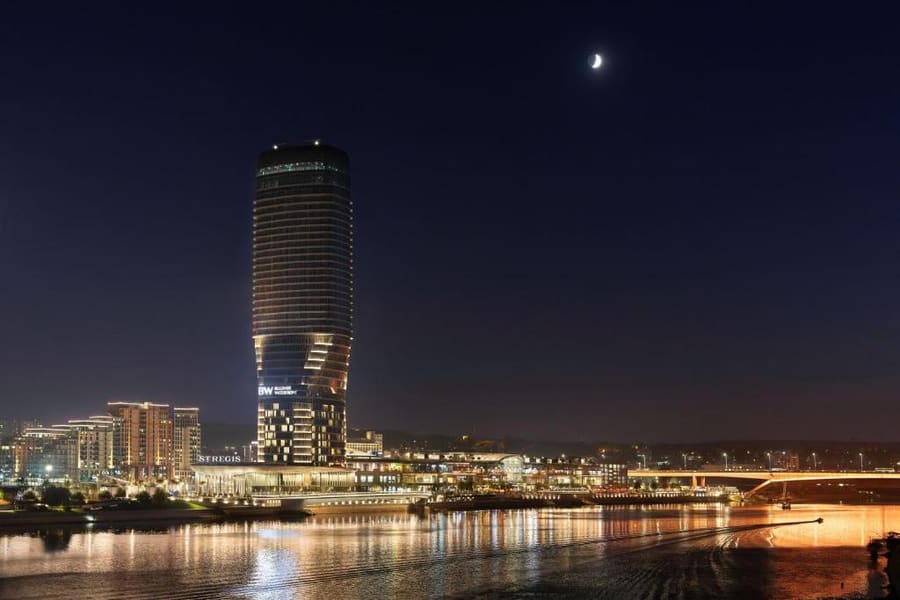
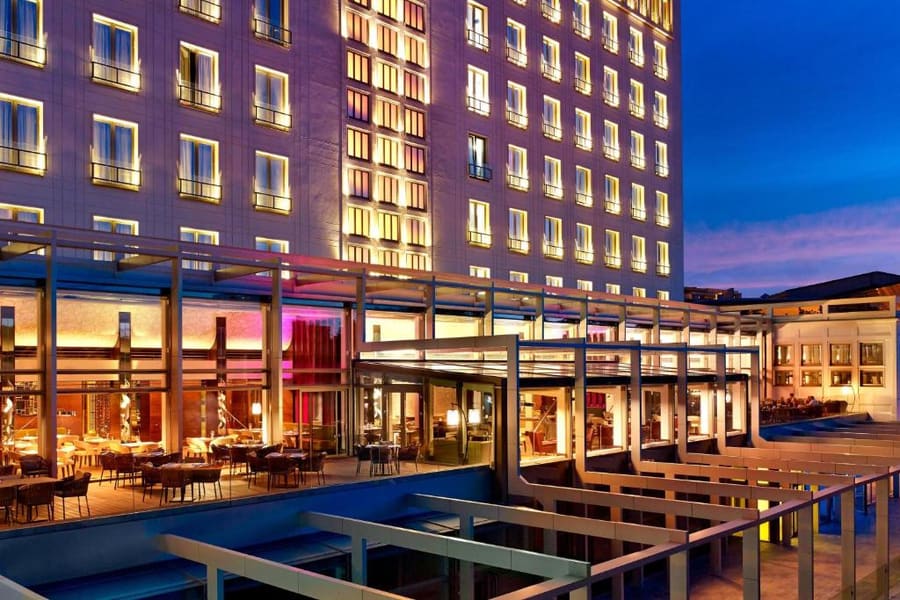
Choose your base by your mobility tolerance and night schedule. Dorćol offers walkable access to historic sights and quiet coffee spots. Savamala puts you right on the water and near night venues, but brings traffic and music noise. Vračar provides an authentic local residential feel, though you will rely more on public transit or rideshare apps.
Live rates, matched to the areas above.
transport
Belgrade's public transport consists of buses, trams, and trolleybuses. The city center is compact and best explored on foot, though steep hills between the riverfront and upper town will test your legs. Taxis are cheap but require strict reliance on official apps to avoid inflated tourist fares.
من Belgrade Nikola Tesla Airport (BEG)
Purchase a fixed-rate voucher at the official desk inside the airport arrivals hall before exiting.
Minibus A1 runs from the airport terminal to Slavija Square with a stop at Fontana in New Belgrade.
City bus line 72 connects the airport to Zeleni Venac transit hub. Slower, but significantly cheaper.
Public transit fare payment uses contactless payment cards or the official Beograd Plus SMS ticketing system.
Download the CarGo or Pink Taxi apps to order rides with upfront transparent pricing instead of flagging random street cars.
Tram line 2 circles the historic core (Stari Grad), acting as a cheap sightseeing circuit past main landmarks.
Branko's Bridge and Gazela experience severe vehicular congestion during 08:00-09:30 and 16:30-18:00 rush hours.
cost
Belgrade remains affordable compared to Western European capitals, though prices in central tourist areas have risen noticeably. Cash is widely required at street kiosks, green markets, and smaller taverns.
A sitting coffee in a Dorćol café or street kiosk.
A generous slice of meat burek with drinking yogurt at a local pekara.
Main meat platter, salad, and two beers or rakija shots per person.
Standard 90-minute transit pass purchased electronically.
seasonality
MAR – MAY
Pleasant temperatures and blossoming trees. Ideal for outdoor coffee culture and comfortable fortress walks.
JUN – AUG
Hot and humid, often topping 35°C. City life shifts to river barges (splavovi) and late-night outdoor dining.
SEP – NOV
Warm autumn light and comfortable outdoor temperatures. Green markets are peak seasonal abundance.
DEC – FEB
Cold, grey, and prone to heavy smog. Indoor kafanas with wood heating and live music offer warm refuge.
practicalities
Serbia permits indoor smoking in many bars and older kafanas. Seek non-smoking sections or terrace seating if sensitive.
While card readers are common in supermarkets, smaller bakeries, taxi drivers, and market stalls strictly require RSD cash.
Younger residents and hospital workers in central districts speak fluent English; older vendors respond well to basic Serbian phrases.
Street signs use both scripts. Learning to read Cyrillic characters helps immensely when reading bus destination boards.
Mains tap water across Belgrade is clean and drinkable, and public drinking fountains line Kalemegdan and main plazas.