landmark
Playa de Levante
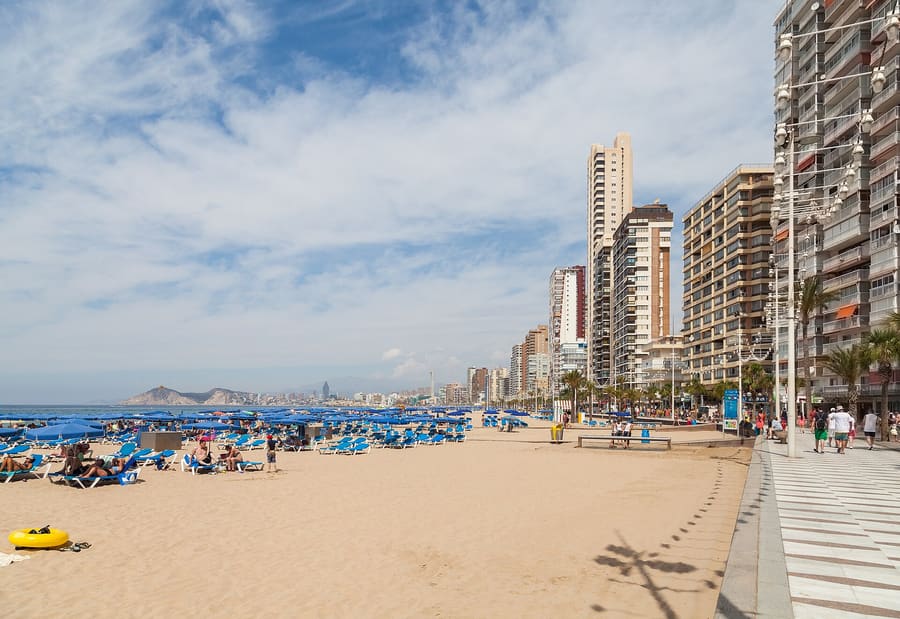
The energetic two-kilometre eastern beach face. Sunbeds book out fast by mid-morning in midsummer.
اسأل Parleyإسبانيا
Vertical urbanism meets two distinct Mediterranean shores.
introduction
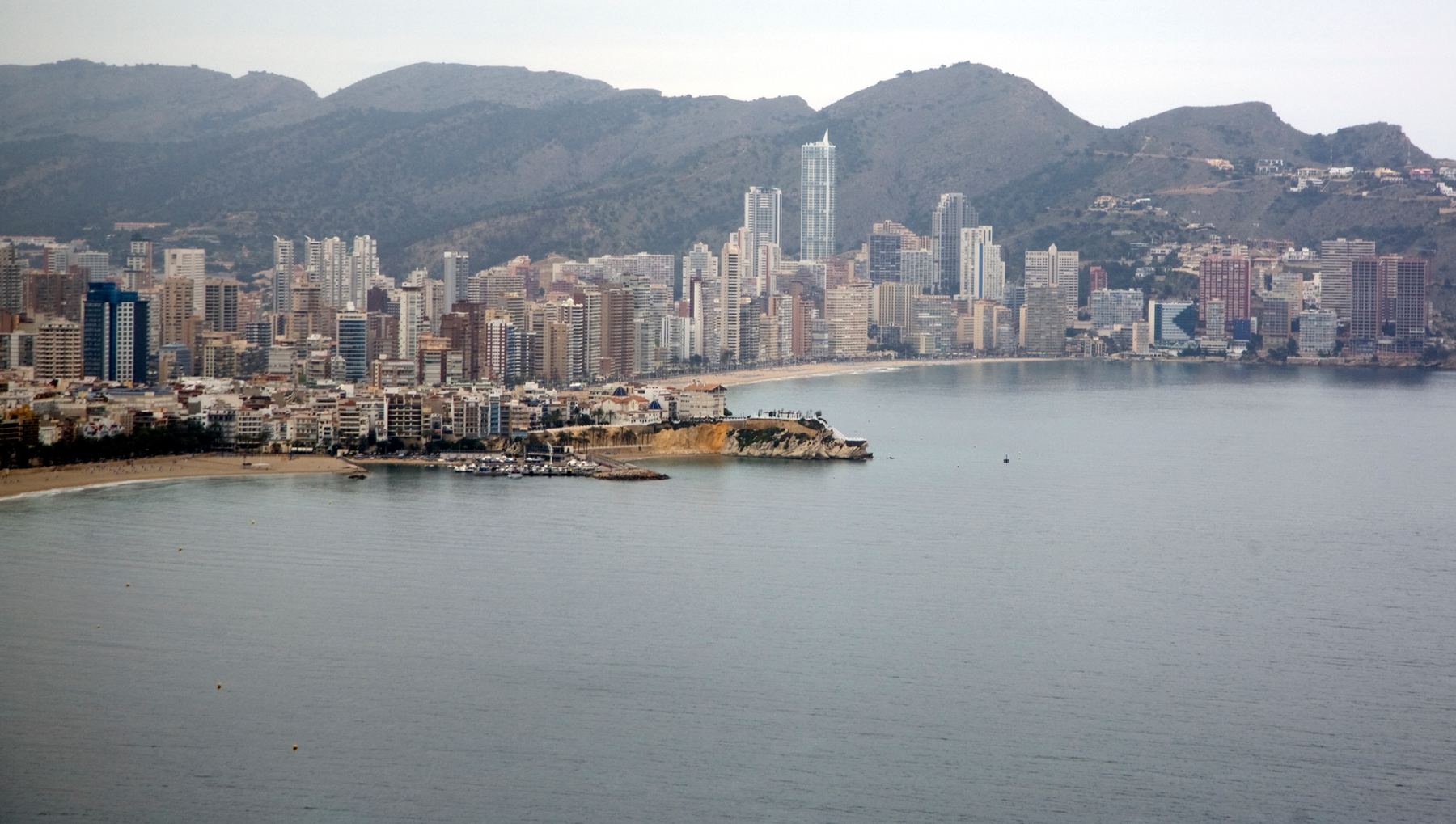
Benidorm is Europe's most densely built coastal city, designed intentionally in the 1950s so every tower gets a sea view. A rocky promontory divides two distinct beaches, the two-kilometre Levante and three-kilometre Poniente, with completely different personalities. You navigate mostly on foot along pedestrian promenades or on regional trams connecting coastal towns. Expect intense high-rise density, clear water, and a sharp divide between British pub zones and Spanish tapas alleys.
Airport transport option
ALSA buses run directly from Alicante Airport (ALC) to Benidorm station in 45 minutes for under €10.
Pioneering urban plan
Mayor Pedro Zaragoza's 1956 urban plan created the modern high-rise model to guarantee light and sea air for every block.
Benidorm
FDV · CC BY-SA 3.0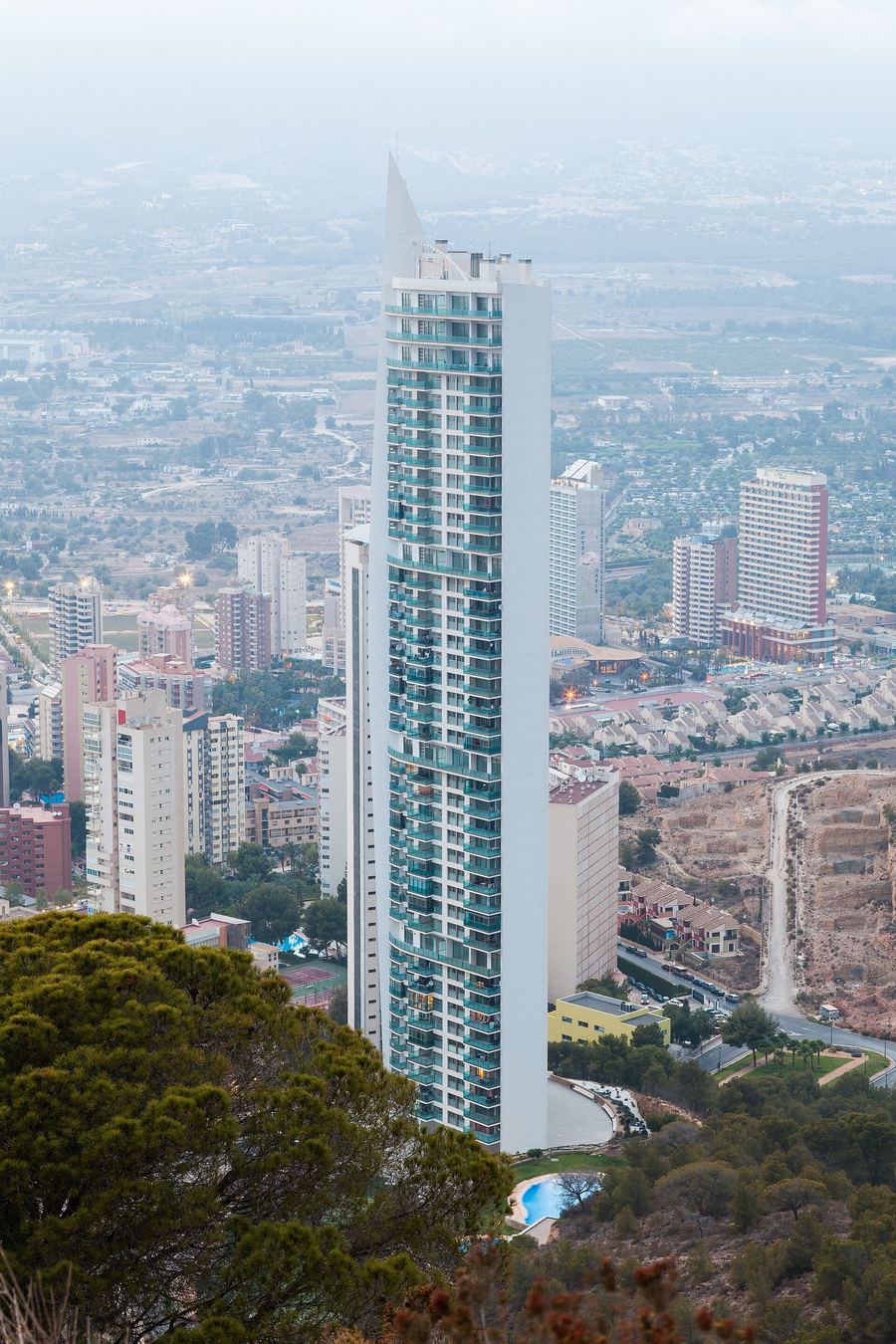
Levante — High-density holiday strip packed with British pubs, direct beach access, and late-night music venues.
Diego Delso · CC BY-SA 3.0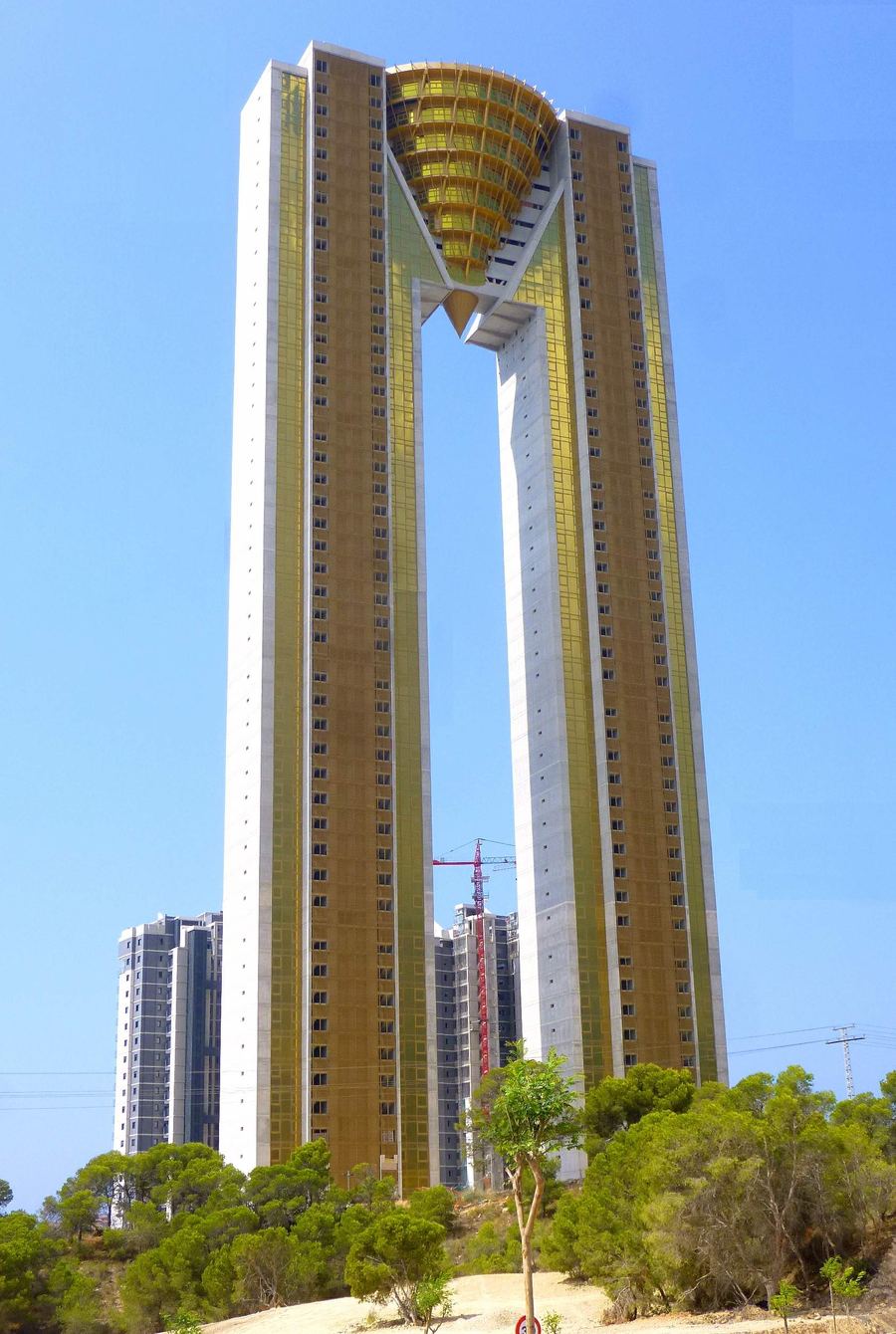
Poniente — Broader, residential beachfront preferred by Spanish families and long-stay winter visitors.
Zarateman · CC0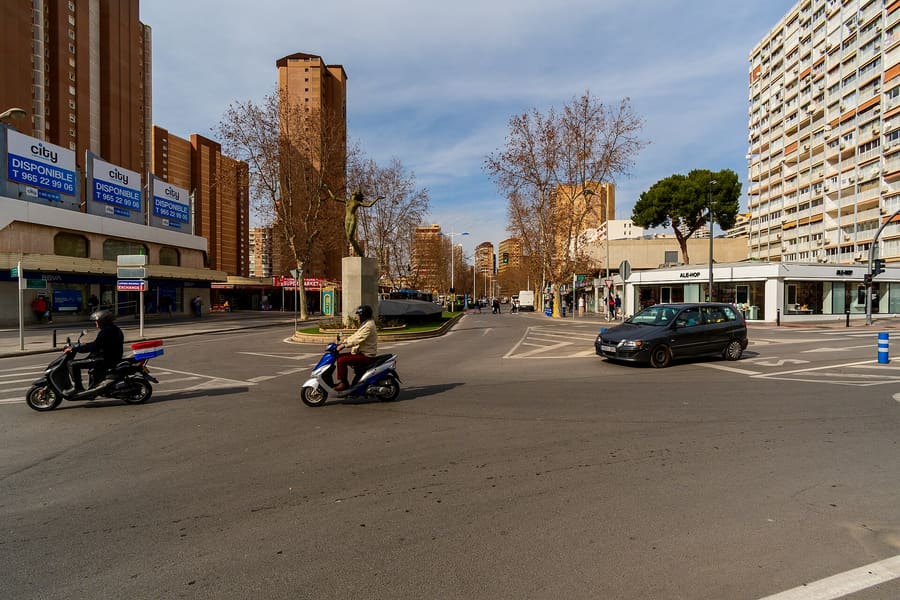
Rincón de Loix — Skyscraper residential district at the eastern end of town beneath the natural park mountains.
Simon Cobb · CC0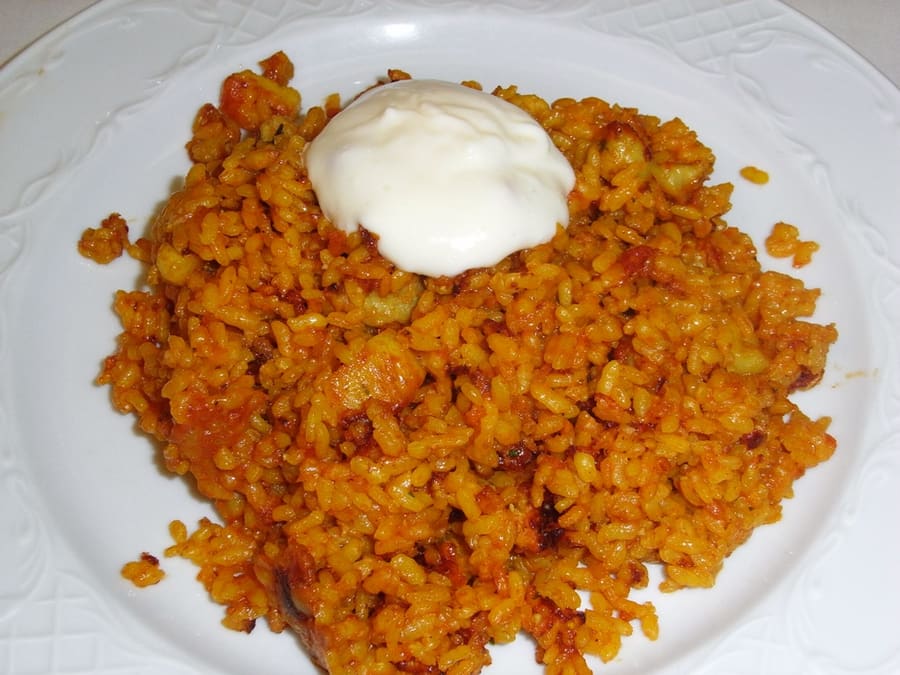
Arroz a banda cooked in rich fish stock, served with homemade garlic alioli.
Javier Lastras · CC BY 2.0highlights
landmark
The energetic two-kilometre eastern beach face. Sunbeds book out fast by mid-morning in midsummer.
اسأل Parley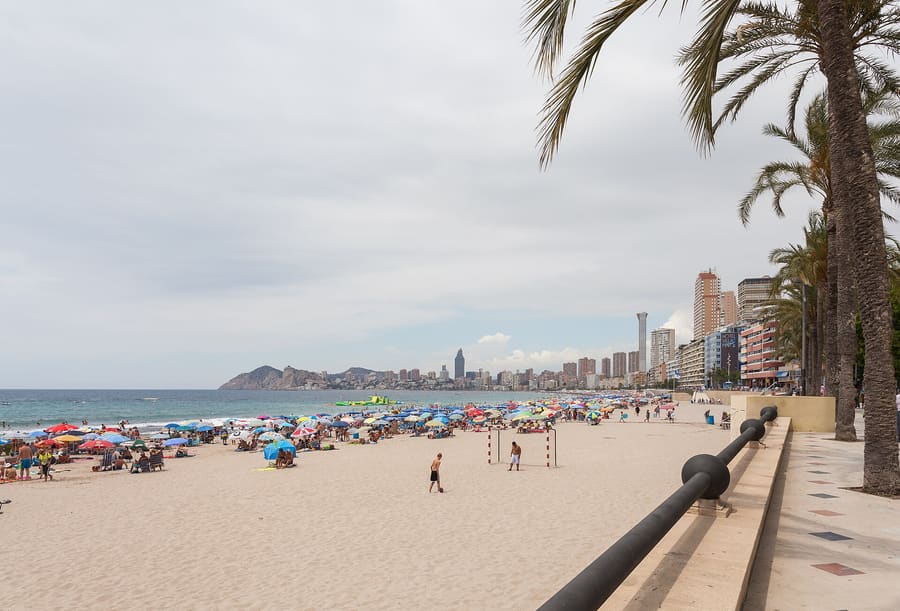
landmark
Three kilometres of wider, quieter sand framed by an architectural wave promenade. Popular with Spanish holidaymakers.
اسأل Parley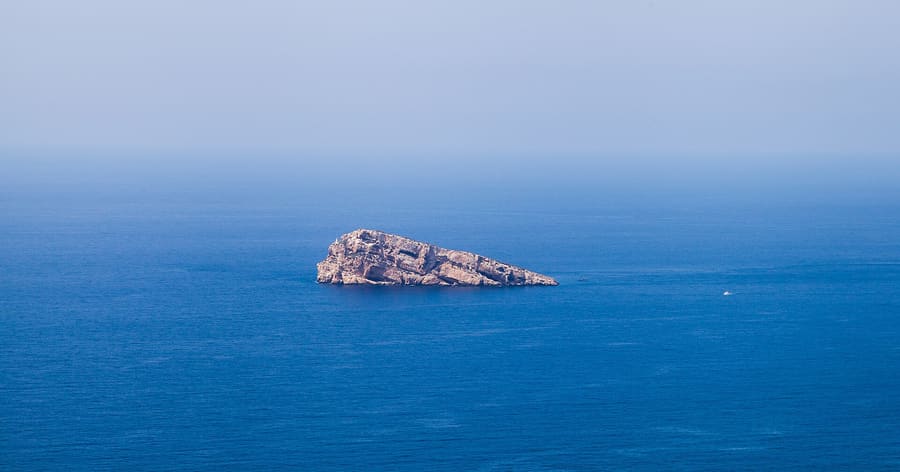
landmark
Uninhabited islet two miles offshore. Ferries run hourly from the marina with glass-bottom viewing windows.
اسأل Parley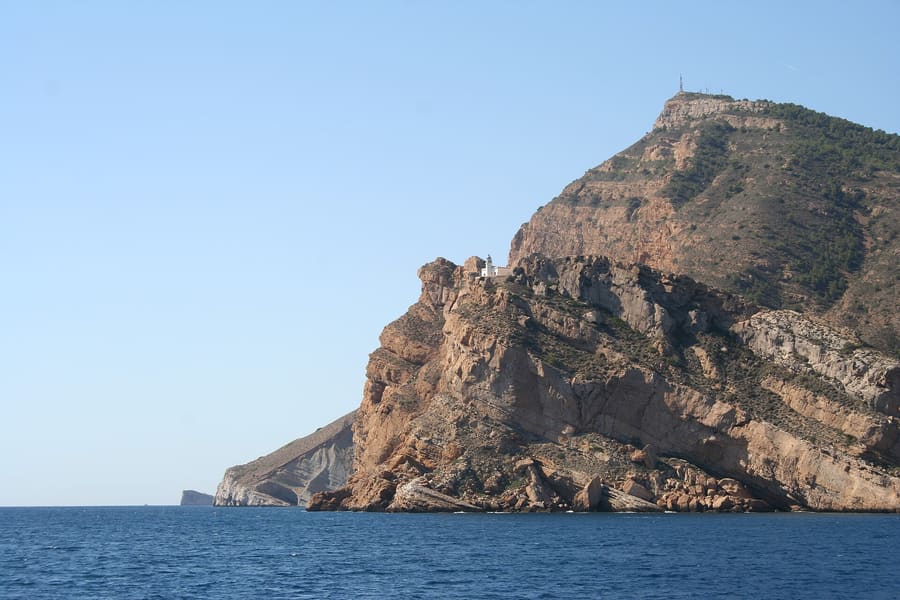
landmark
Cliffs rising 300 metres directly out of the water. The paved trail to La Cruz lookout takes 90 minutes uphill.
اسأل Parleyattractions
areas
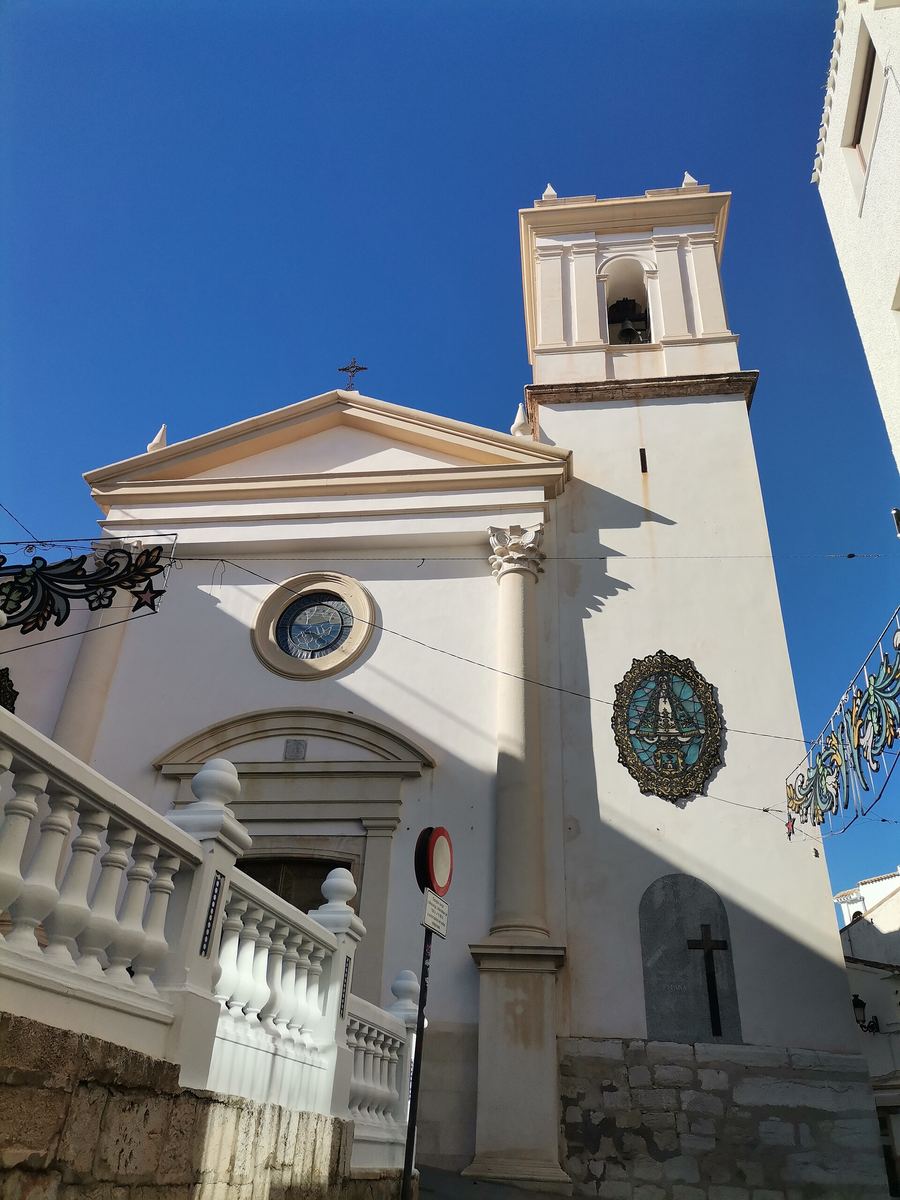
Cobblestone pedestrian grid anchored by San Jaime church, local bakeries, and Basque taverns.
قريبBalcón del Mediterráneo and Tapas Alley
اسأل ParleyHigh-density holiday strip packed with British pubs, direct beach access, and late-night music venues.
قريبLevante Beach and Calle Gerona
اسأل ParleyBroader, residential beachfront preferred by Spanish families and long-stay winter visitors.
قريبPoniente Beach and La Cala harbour
اسأل ParleySkyscraper residential district at the eastern end of town beneath the natural park mountains.
قريبMundomar, Aqualandia, and Serra Gelada
اسأل Parleyfood
Benidorm's food culture splits sharply between two culinary worlds. Calle Santo Domingo and surrounding lanes form the Basque Quarter, established decades ago by northern immigrants who introduced pincho counters stacked high with skewered seafood, jamón, and salted cod. You collect pinchos on a plate and hand over your toothpicks to settle the tab at the end.Along the port and Poniente promenade, traditional Valencian rice houses serve local specialties rather than generic pan-Spanish dishes. The regional standard is arroz a banda, where rice is boiled in concentrated rockfish broth and served separately from the seafood alongside garlic alioli.Winter brings fish stews like caldero benidormense or suquet de peix and savory cocas baked with red peppers and tuna. Avoid restaurants with laminated picture menus on the main Levante strip if you want regional cooking.
Arroz a banda cooked in rich fish stock, served with homemade garlic alioli.
Javier Lastras · CC BY 2.0Authentic rice places serve paella and arroz a banda strictly at lunch (13:30–16:00). Reheated rice served at dinner is a tourist red flag.
In Calle Santo Domingo, grab a stool near the bar counter. Staff circulate with hot pinchos straight from the kitchen.
Look for midday three-course fixed lunch menus in the Old Town priced between €12 and €16 including wine.
history
For centuries, Benidorm was a modest fishing village vulnerable to Barbary pirate raids. Local fishermen specialized in the almadraba, an ancient Mediterranean net technique for trapping migrating bluefin tuna.When the local tuna fisheries collapsed and drought hit agriculture in the early 1950s, Mayor Pedro Zaragoza made a calculated gamble. He drafted the 1956 General Urban Plan, permitting high-rise construction to maximize land efficiency while ensuring every building had light, air, and sea views.Zaragoza famously rode a Vespa to Madrid in 1953 to persuade General Franco to allow bikinis on Benidorm's beaches, averting excommunication by the local bishop. The decision transformed the town into Europe's pioneer of package mass tourism.
Town Charter
Bernat de Sarrià grants Benidorm its official town charter to secure the coastline against pirate attacks.
The Master Plan
Mayor Pedro Zaragoza approves the high-rise urban grid plan, setting the template for vertical beach tourism.
The High-Rise Boom
Skyscrapers replace low-rise housing along Levante beach as northern European charter flights expand.
Gran Hotel Bali
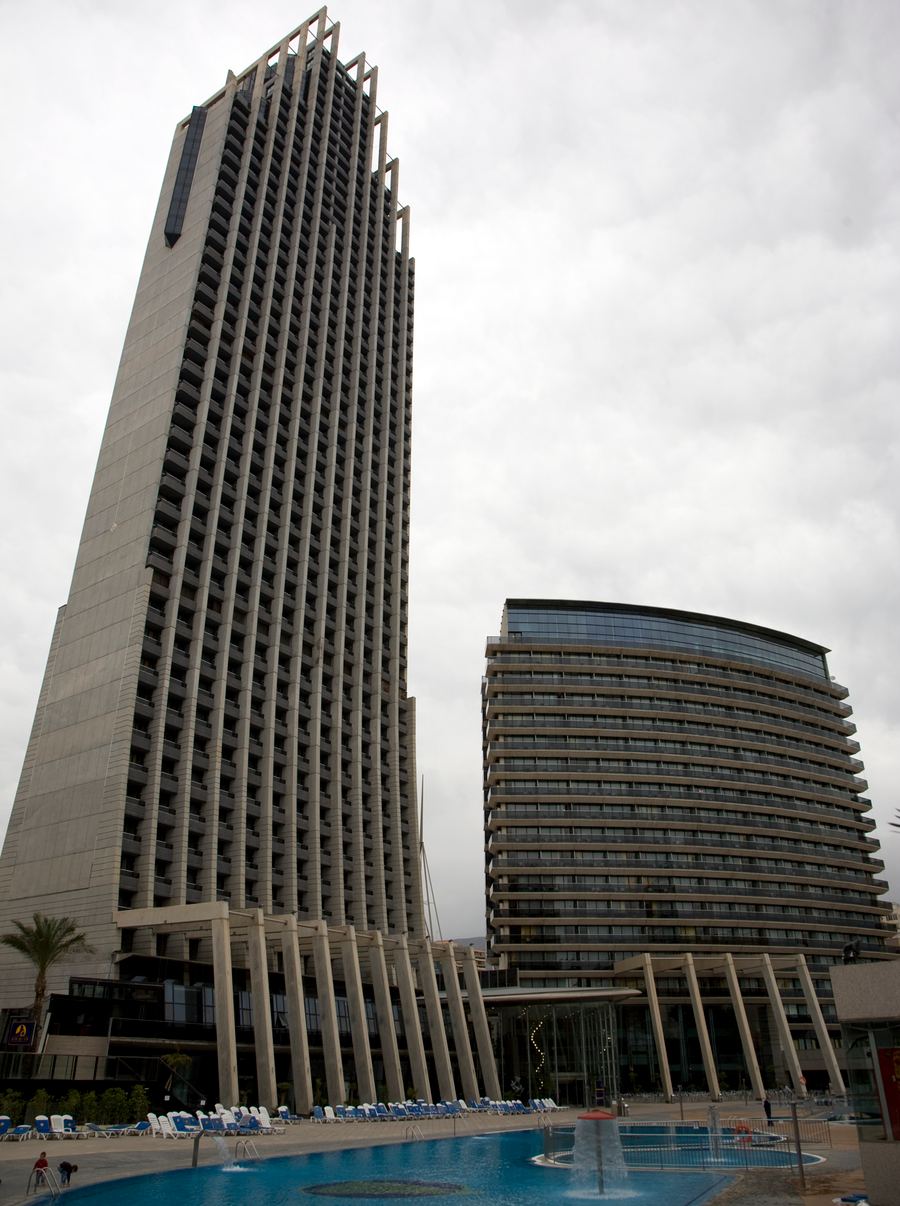
Opening of the 186-metre Gran Hotel Bali solidifies Benidorm's position as Europe's tallest hotel city.
where to stay
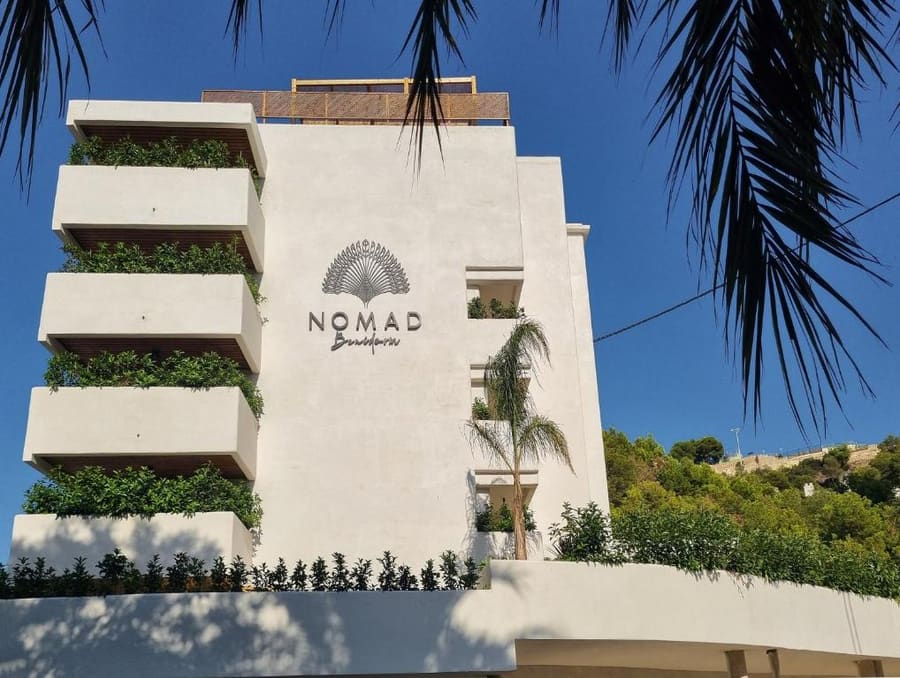
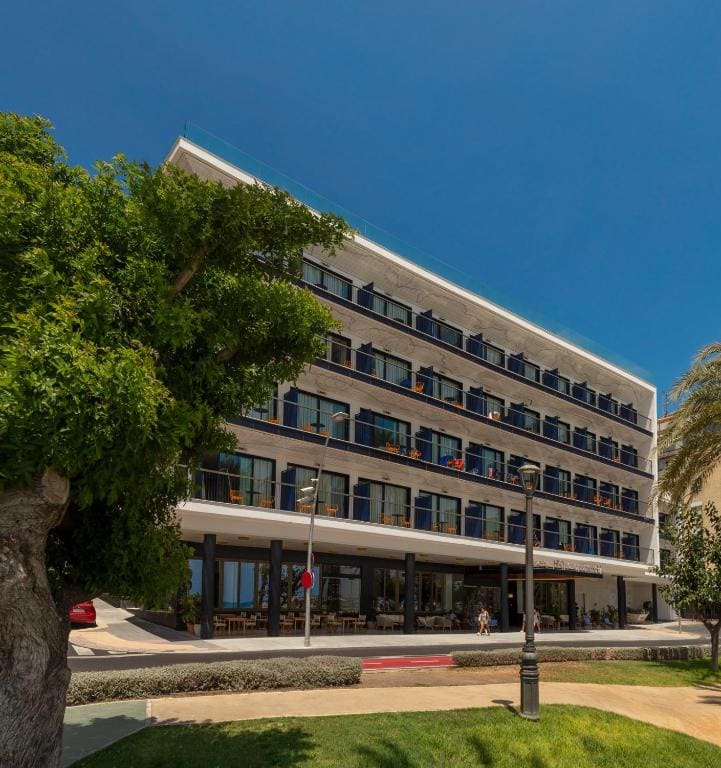
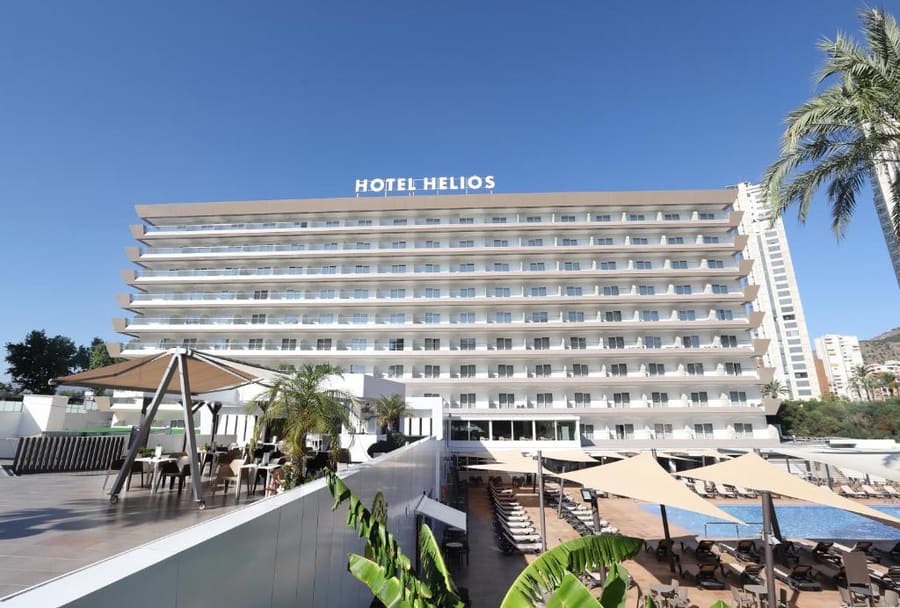
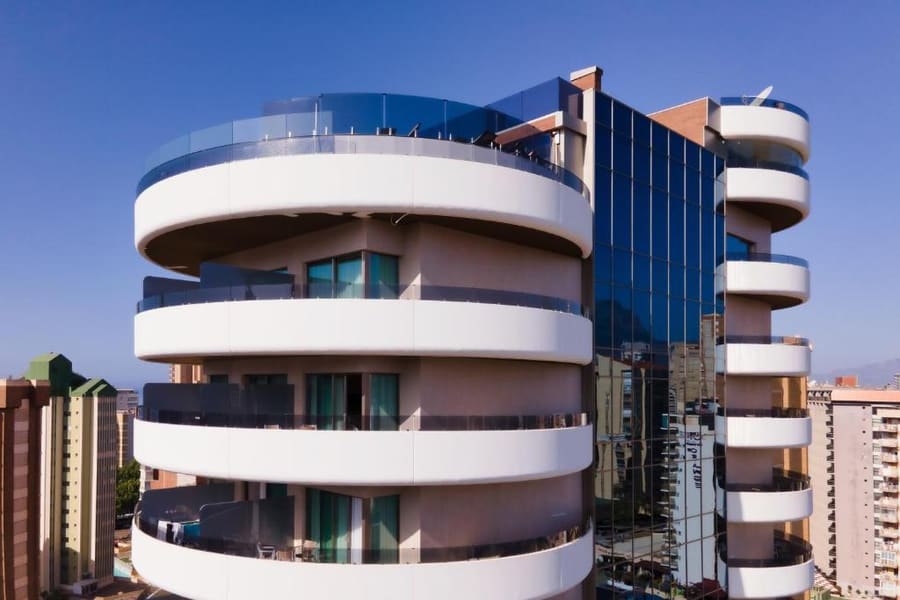
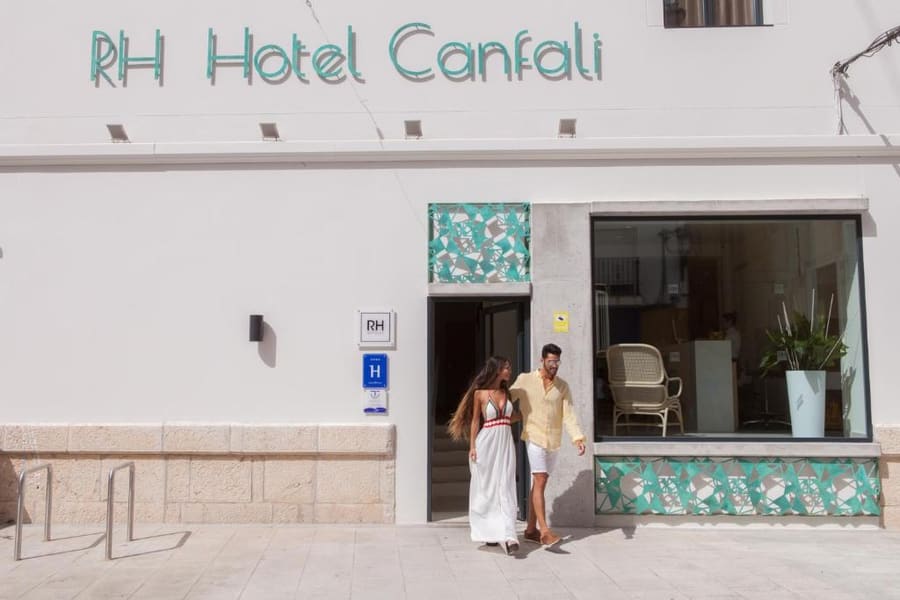
Choose your base by sound tolerance and target daily rhythm. Levante is built for social nights and immediate beach access, while Poniente suits travellers seeking quiet evenings and space on the sand. The Old Town provides atmospheric alleyways and mid-range boutique options close to local dining.
Live rates, matched to the areas above.
transport
Benidorm is entirely walkable along its seven-kilometre coastal curve. For longer trips across town or into the surrounding mountains, local bus lines operated under the Avanza brand connect key nodes efficiently.
من ALC (Alicante Airport)
ALSA direct express bus departs hourly outside airport departures.
Official airport taxi rank outside arrivals. Fixed meter rate applies.
Shared door-to-door shuttles require pre-booking 24 hours prior.
Single rides on Llorente buses cost €1.60 cash aboard. A multi-ride bus card reduces per-trip costs if staying several days.
Taxis cannot access narrow inner streets of Casco Antiguo; drop-offs happen at Plaza de España or Mercado Central.
Night buses N3 connect Levante and Poniente beachfronts between 23:30 and 06:00 on summer weekends.
cost
Benidorm remains one of Spain's most competitively priced coastal cities due to high venue density and high-volume competition.
Daily rate per sunbed or umbrella set by municipality on both Levante and Poniente beaches.
Standard price for one tapas skewer paired with local Monastrell red wine in Casco Antiguo.
Three-course lunch menu including bread, drink, and dessert at traditional neighborhood venues.
One-way coastal light rail ticket spanning two transit zones.
seasonality
MAR – MAY
Pleasant temperatures around 20°C. Ideal for coastal walks and Serra Gelada hikes before summer crowds arrive.
JUN – AUG
Hot, humid conditions peaking above 30°C. Beaches operate at maximum capacity; advance sunbed claims are common.
SEP – NOV
Warm sea temperatures persist through October. November brings the famous Benidorm Fiestas with parade floats.
DEC – FEB
Mild daytime sun near 16°C attracts winter long-stayers. Many seasonal sea venues close, but local life continues.
practicalities
Reserving unassigned beach sunbeds with towels before 09:00 is prohibited by city ordinance and towels are removed.
Drinking alcohol directly on public beaches or street promenades outside licensed terraces incurs municipal fines.
Independent Old Town shops close between 13:30 and 17:00, while beachfront supermarkets stay open straight through.
Contactless card payment is accepted virtually everywhere, including small market stalls and local buses.
Pay close attention to beach warning flags; strong undercurrents near the Balcón divide trigger red flags periodically.