landmark
Praia da Sepultura
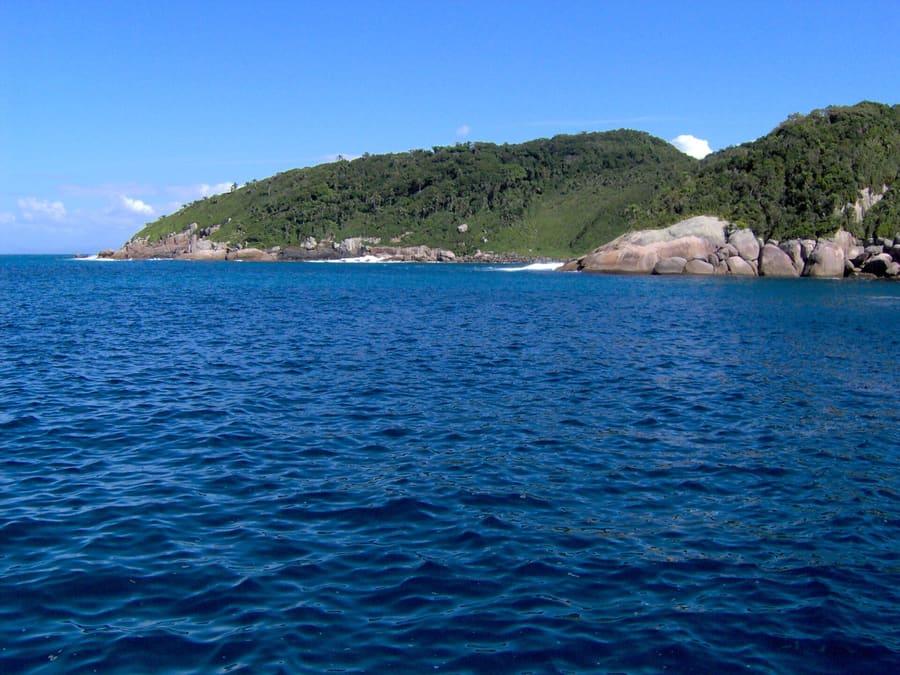
A small, protected cove with exceptionally clear water for snorkeling. Walk the trail early to arrive before daytime crowds fill the tiny beach.
اسأل Parleyالبرازيل
Santa Catarina’s peninsula of sheltered coves and dive sites.
introduction
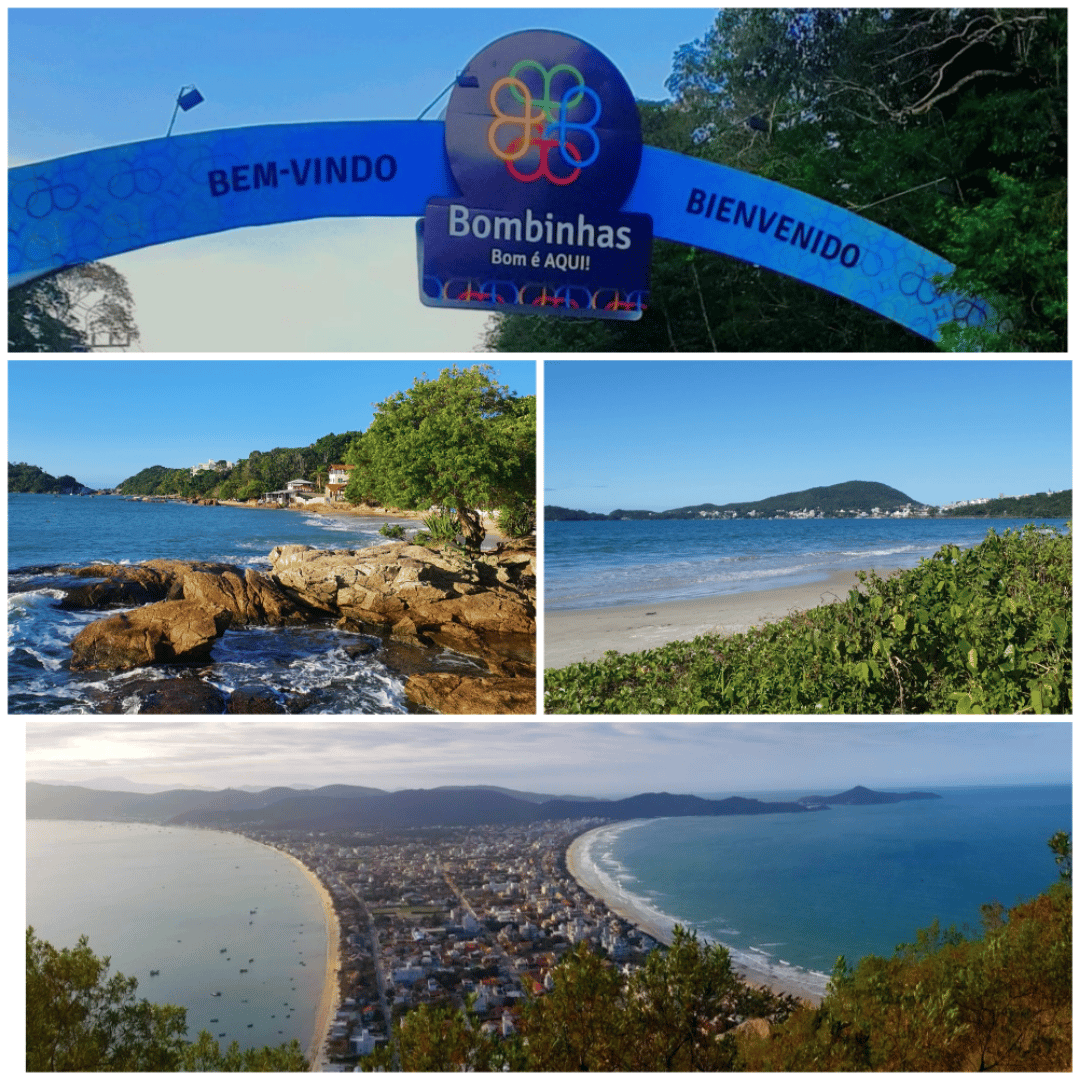
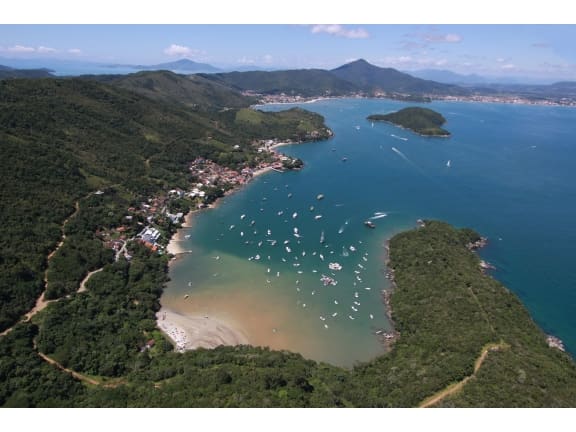
Bombinhas sits on a narrow, hook-shaped peninsula jutting into the South Atlantic in Santa Catarina. The topography creates two distinct marine environments: tranquil, waveless bays on the inside and surf-heavy open ocean on the outside. A single access road leads into the municipality, which means summer traffic builds up rapidly. Navigating the peninsula requires planning around the bottleneck and matching your beach choice to the wind direction.
Environmental entry tax
Vehicles pay the TPA entry fee automatically via license plate scanners between November and April. Pay online within 30 days to avoid late fines.
Marine reserve protection
The nearby Arvoredo Biological Marine Reserve limits human access, preserving offshore clear waters that make this Santa Catarina's primary scuba diving hub.
highlights
landmark
A small, protected cove with exceptionally clear water for snorkeling. Walk the trail early to arrive before daytime crowds fill the tiny beach.
اسأل Parley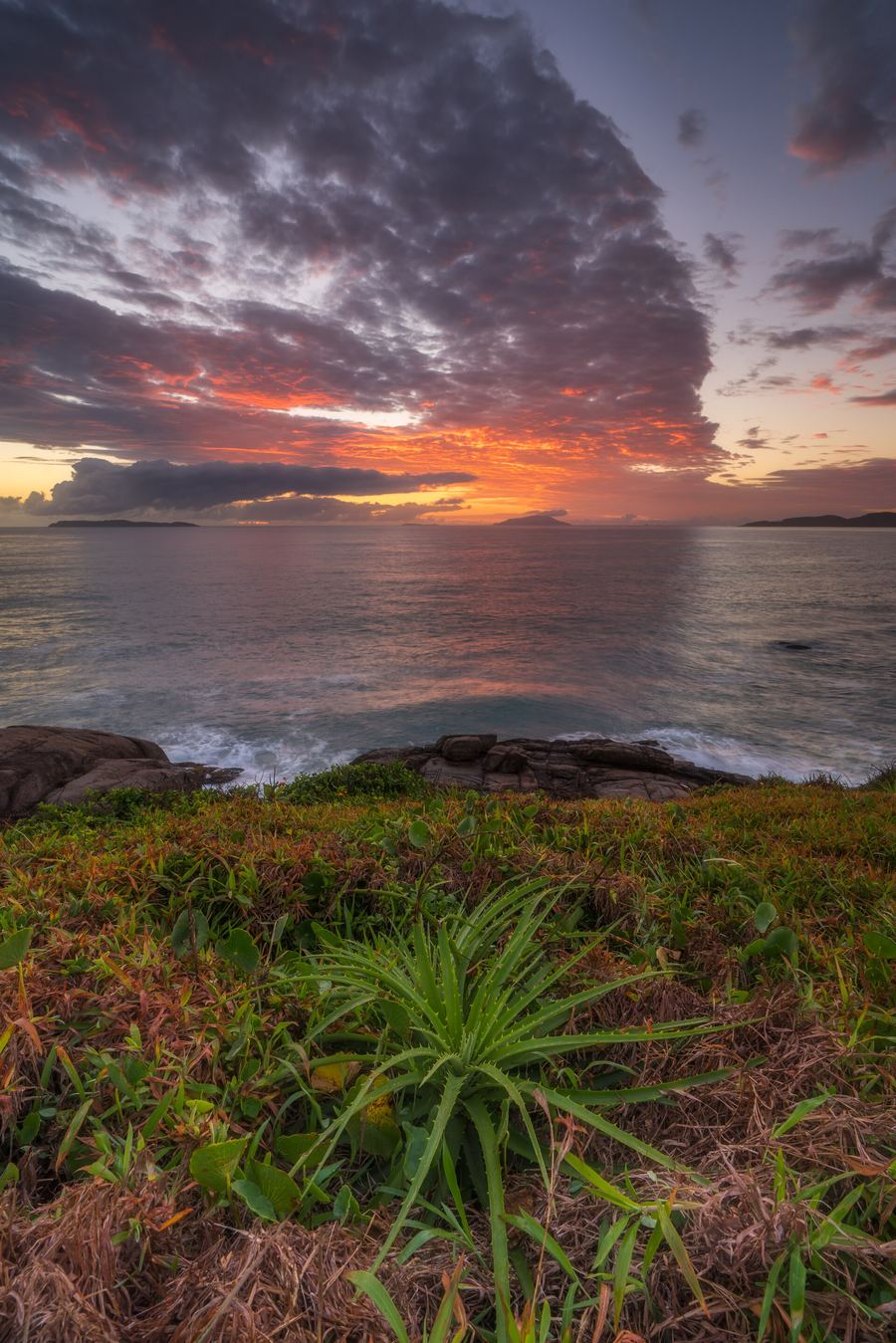
landmark
Offshore biological sanctuary with visibility reaching up to 15 meters. Authorized dive operators run boat trips from Bombinhas harbor.
اسأل Parley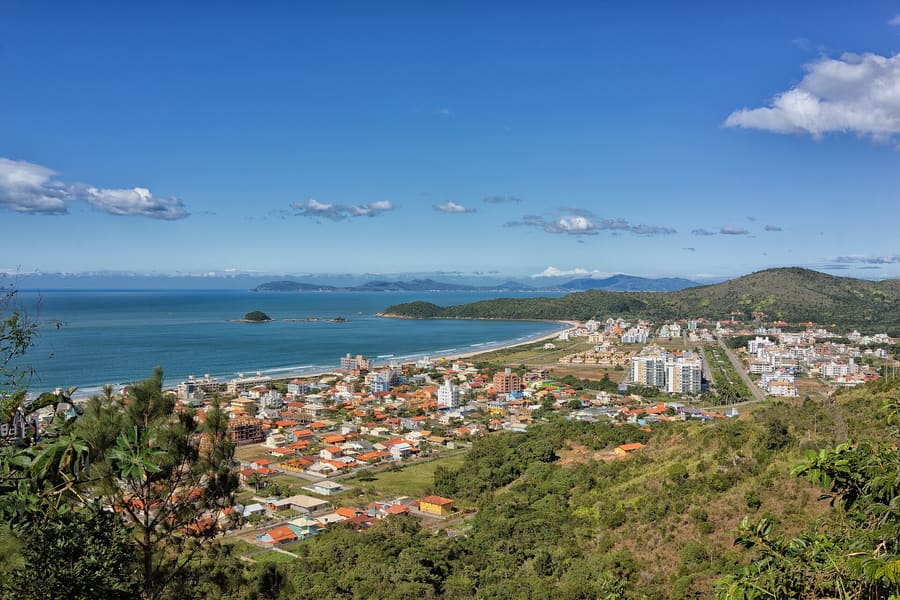
landmark
A four-kilometer stretch of sand backed by preserved coastal vegetation. The open water draws surfers and long-distance runners.
اسأل Parleyattractions
areas
Dense commercial hub with direct boardwalk access, dive shops, and full evening foot traffic.
قريبPraia da Sepultura and Bombas
اسأل ParleySpacious residential area defined by broad sandy shores and open ocean surf.
قريبQuatro Ilhas and Canto Grande
اسأل ParleyTraditional fishing community on a calm bay, suitable for stand-up paddleboarding.
قريبTrilha da Costeira de Zimbros
اسأل ParleySet on a thin neck of land giving quick access to both calm inner waters and open sea.
قريبMorro do Macaco trail
اسأل Parleyfood
Bombinhas seafood draws heavily on Azorean heritage. Local cooperatives farm oysters and mussels in the sheltered bays around Zimbros and Canto Grande, ensuring daily fresh harvests. Restaurants along the shore serve straightforward grilled fish alongside traditional cassava flour sides.Between May and July, artisanal fishers run the pesca da tainha (mullet fishing). Coastal communities set up spotters on high rocks to signal incoming schools. Fresh mullet is roasted whole over open coals or served prepared with local spices.
Mussels steamed with coconut milk and pepper highlight local mariculture from the Zimbros bay.
In May and June, look for roadside grill setups selling fresh mullet directly from the nets.
Kitchens at coastal restaurants slow down heavily between 13:30 and 15:00 in January.
history
The peninsula was inhabited by Carijó indigenous groups before Portuguese settlers arrived from the Azores archipelago in the 18th century. These settlers built isolated fishing hamlets and cassava processing mills along the sheltered coves.Bombinhas remained part of neighbouring Porto Belo until gaining municipal independence in 1992. The creation of the Arvoredo Biological Marine Reserve in 1990 halted commercial exploitation offshore, transforming the local economy toward eco-tourism and scuba diving.
Azorean Settlement
Settlers establish fishing communities and build cassava mills along the coast.
Marine Reserve Created
Federal decree establishes the Reserva Biológica Marinha do Arvoredo to protect marine fauna.
Municipal Independence
Bombinhas separates politically from Porto Belo to manage its own development.
Environmental Fee Initiated
The municipality introduces the TPA conservation tax for incoming motor vehicles.
where to stay
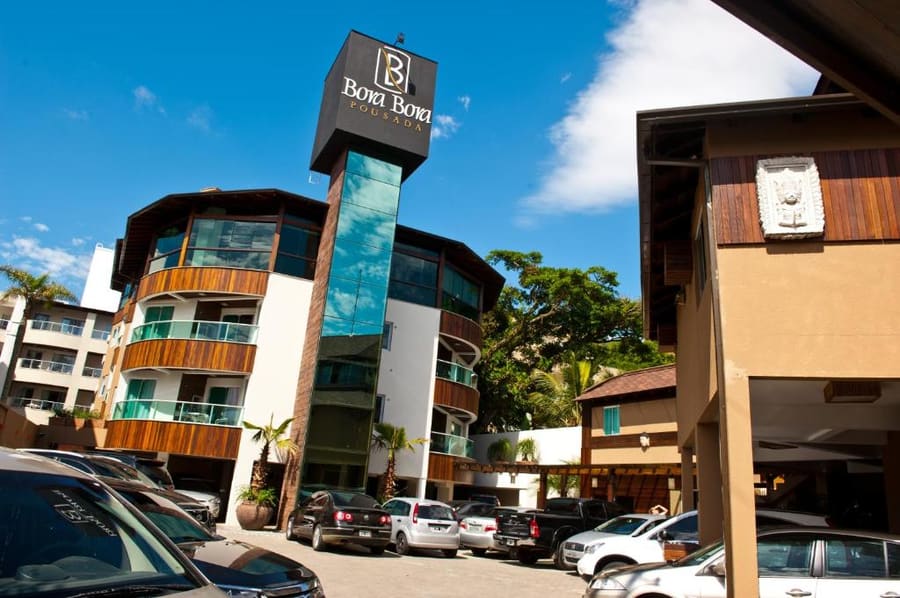
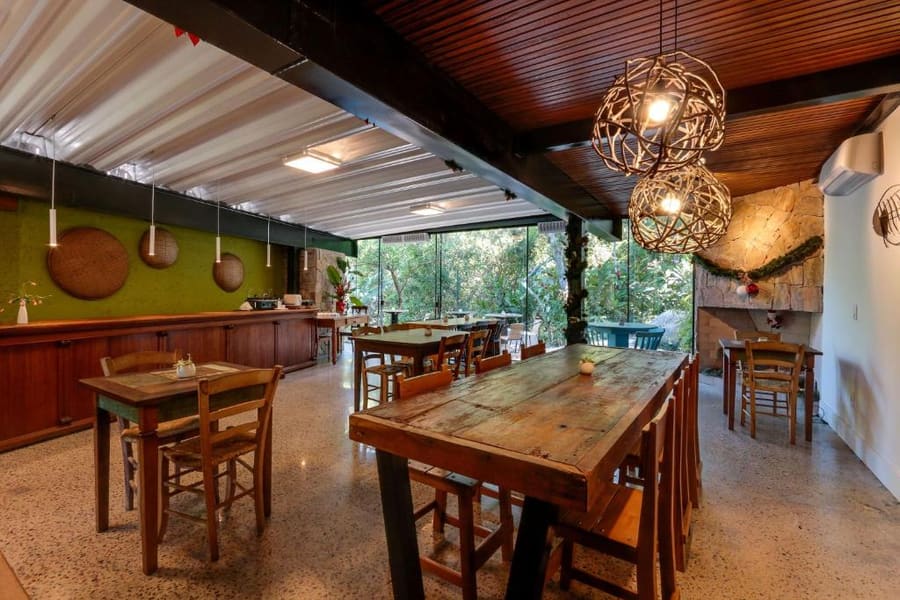
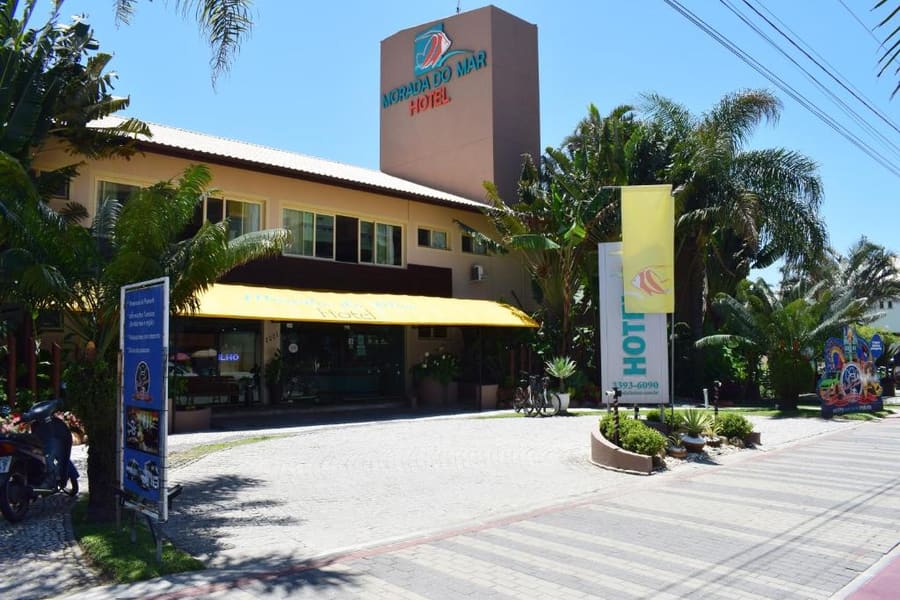
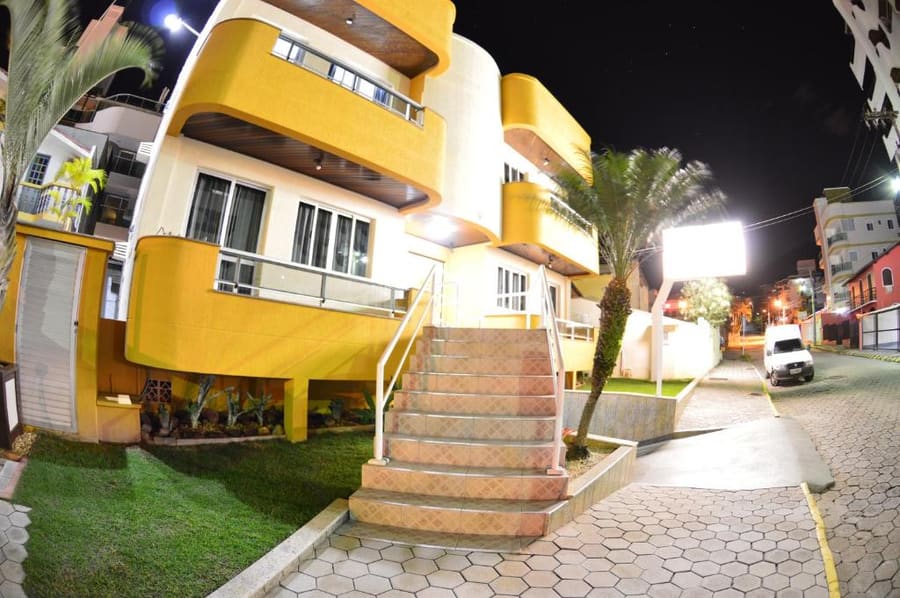
Selection depends on your tolerance for vehicular traffic. Staying in Centro eliminates driving to restaurants and dive shops, but brings street noise. Mariscal offers open beach space with lower building density, while Canto Grande provides proximity to trailheads and calm water options.
Live rates, matched to the areas above.
transport
Bombinhas lacks a commercial airport or train station. Most visitors arrive through Navegantes Airport (NVT) or Florianópolis Airport (FLN), then complete the journey by highway. Once on the peninsula, walking or using small rental scooters avoids local gridlock.
من Navegantes Airport (NVT)
Prices increase during summer holidays. Negotiate flat rates prior to departure.
Drivers may refuse trips into the peninsula during peak traffic hours.
Requires changing buses at the Balneário Camboriú or Itapema bus terminal.
Cameras read license plates at the boundary. Pay through the official municipal website within 30 days.
Viação Praiana operates minibuses linking Centro, Mariscal, and Canto Grande for short trips.
cost
Prices in Bombinhas follow extreme seasonal swings. Rates for lodging and services double between late December and February, then contract significantly for the rest of the year.
Includes equipment rental and park access fees for Arvoredo Reserve.
Available for daily rental along busy beaches like Bombinhas and Mariscal.
Standard price at sit-down beachfront restaurants serving local fish and rice.
Daily rate for standard passenger cars entering the municipality during high season.
seasonality
DEC – FEB
Warm waters and hot days. High lodging costs, packed beaches, and severe road delays.
MAR – APR
Ocean temperatures remain warm while summer crowds depart. Outstanding window for underwater visibility.
MAY – JUL
Cooler weather and mullet fishing season. Surf spots perform well with southern winter swells.
AUG – NOV
Low tourism season with quiet streets. Water temperatures drop, requiring thicker wetsuits for diving.
practicalities
Protected western bays offer smooth water when eastern ocean beaches face heavy surf.
Card readers on remote beaches like Sepultura often drop mobile signal during peak hours.
The summit trail involves steep, loose dirt. Wear sturdy shoes rather than flip-flops.
Buy groceries before 10:00 or after 21:00 to skip long checkout queues in Centro.
Red flags indicate strong rip currents on open-ocean shores like Quatro Ilhas and Mariscal.