landmark
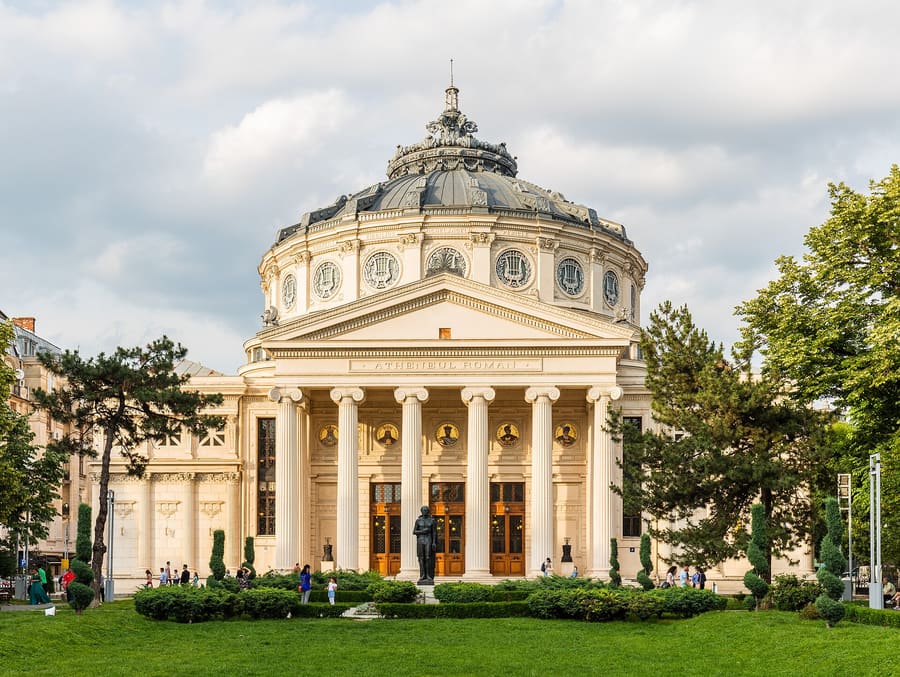
Romanian Athenaeum
A neoclassical 1888 concert hall with a circular interior fresco. Buy concert tickets online weeks ahead.
اسأل Parleyرومانيا
Brutalist scale, French elegance, and quiet residential lanes.
introduction
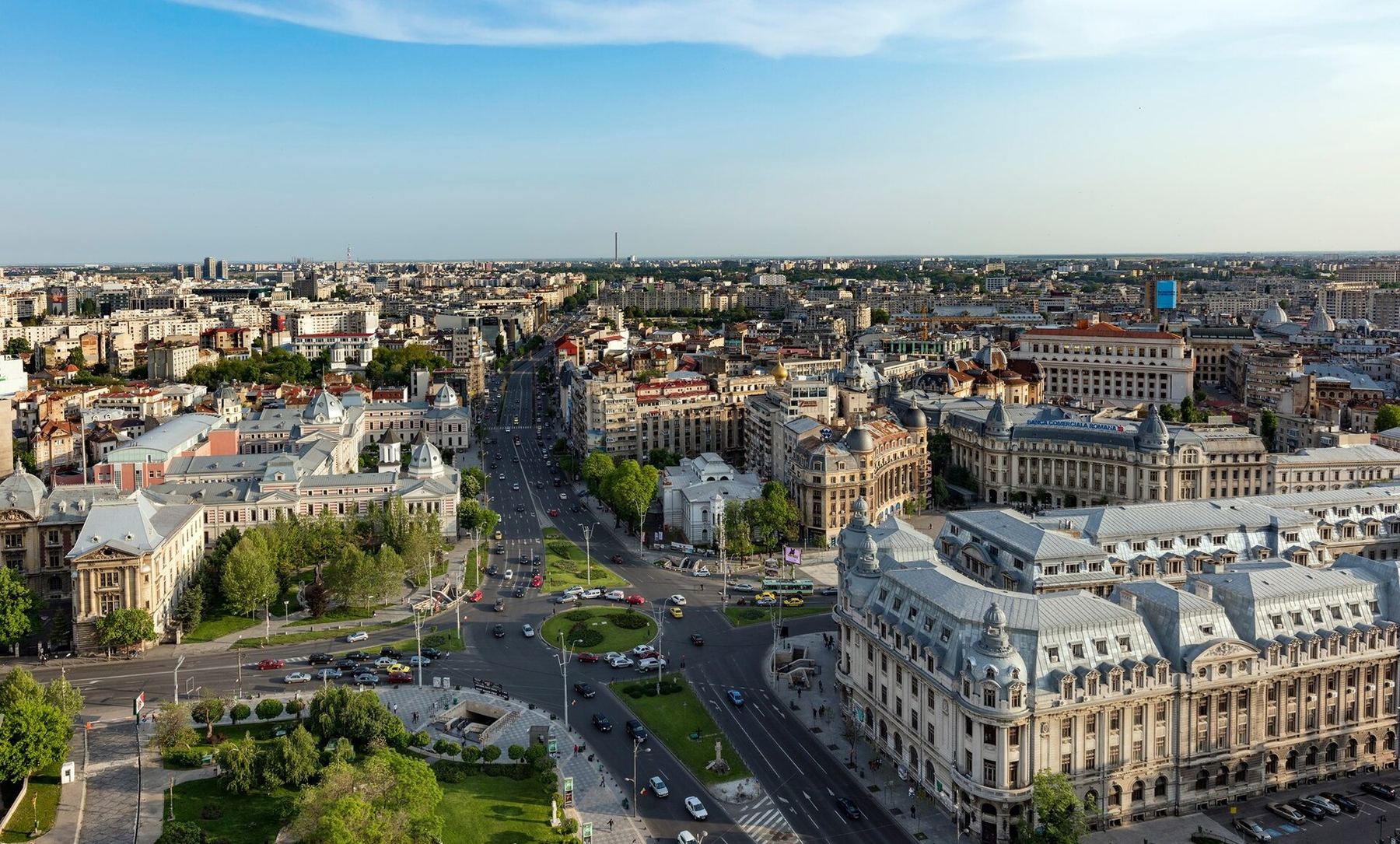
Bucharest is a city of sharp architectural contrast. Heavily sculpted avenues cut through 19th-century residential pockets. You move efficiently between neighborhoods on the metro or on foot along key axes like Calea Victoriei. Expect energetic street life alongside tranquil Orthodox church courtyards.
Airport rail link
Trains run directly from OTP airport to Gara de Nord station in 20 minutes for 5.5 RON. Tickets are sold at platform kiosks.
Contactless transit
You tap any contactless bank card at yellow metro turnstiles and onboard buses. Single fares cost 3 RON across all surface transit.
Bucharest
Nicubunu · CC BY-SA 3.0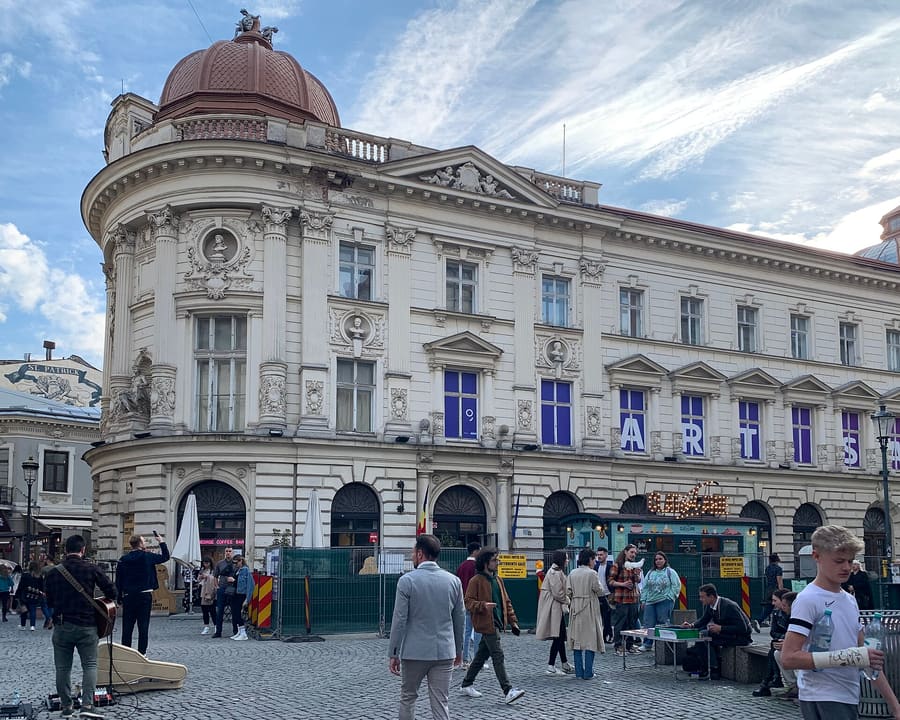
Old Town (Lipscani) — Pedestrian historic quarter packed with outdoor bars, music venues, and restored merchant passages.
Chainwit. · CC BY 4.0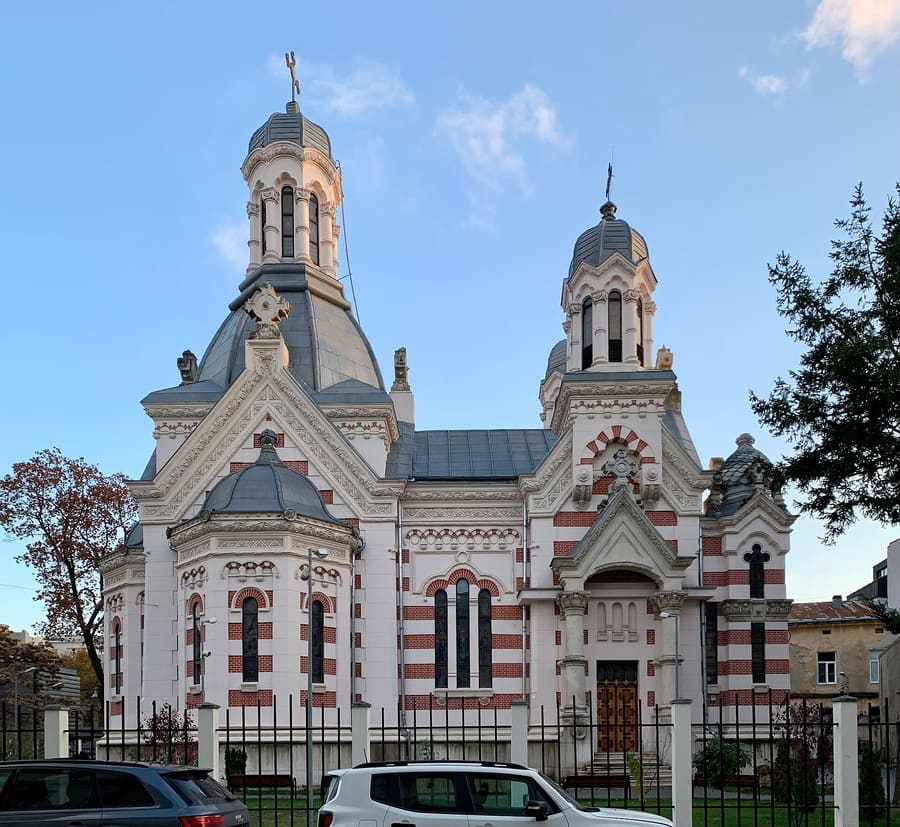
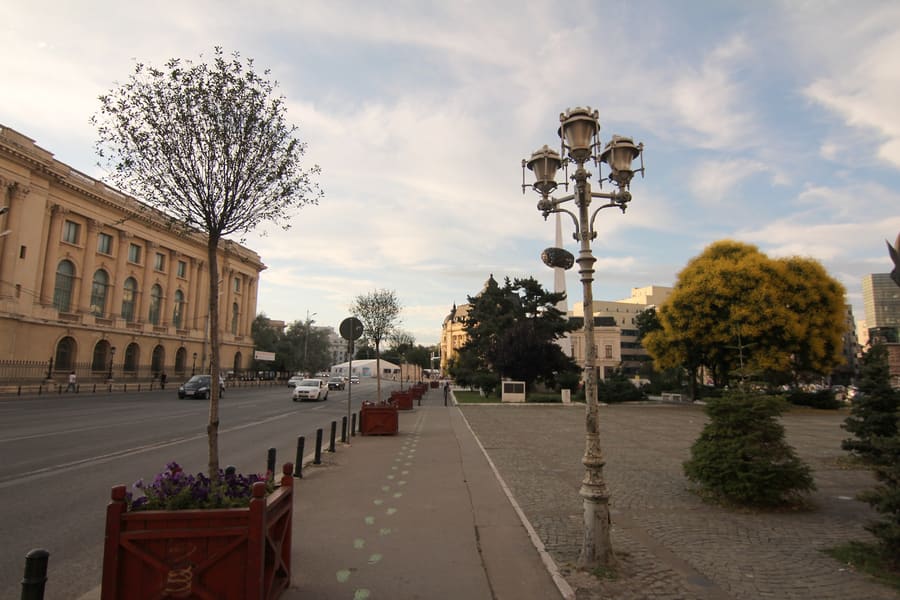
Amzei & Calea Victoriei — Central district filled with speciality coffee shops, grand mansions, and fresh food markets.
Neoclassicism Enthusiast · CC BY-SA 4.0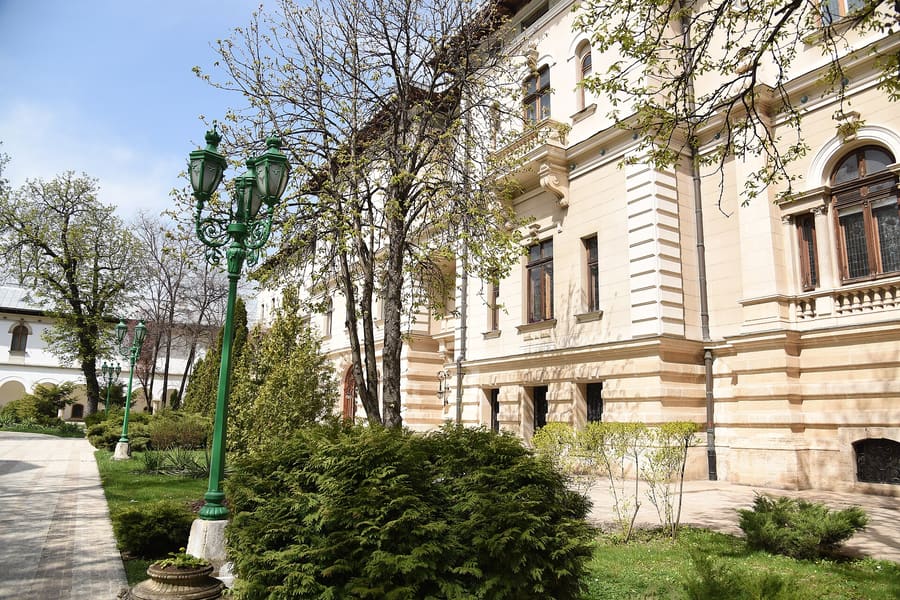
Cotroceni — Quiet residential neighborhood featuring early 20th-century villas and wide leafy streets.
Rakoon · CC0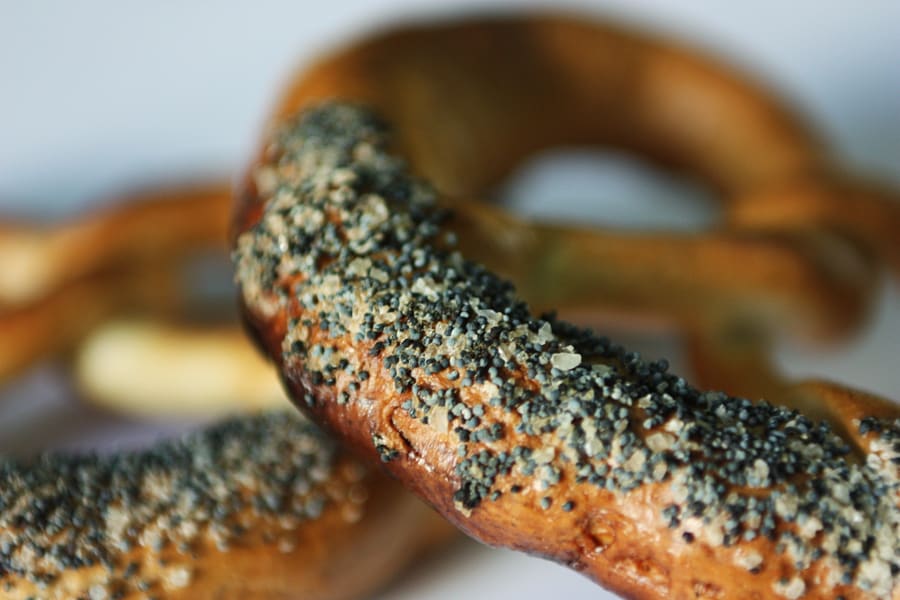
Bakeries across the city sell warm covrigi directly from street windows.
Nicubunu · CC BY-SA 3.0highlights
landmark
A neoclassical 1888 concert hall with a circular interior fresco. Buy concert tickets online weeks ahead.
اسأل Parley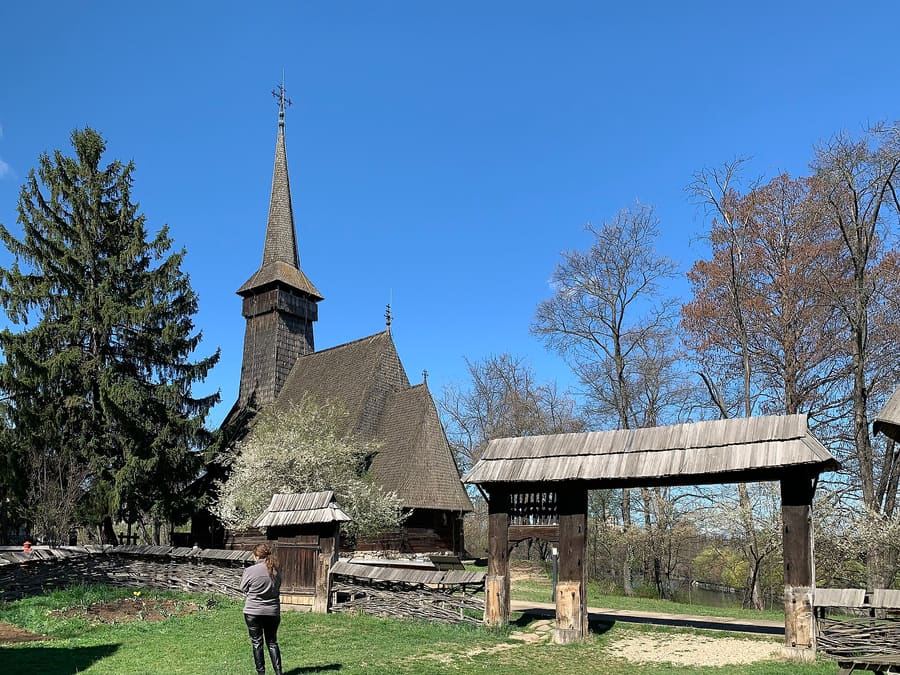
landmark
An outdoor museum showcasing authentic peasant homes from across Romania. Visit on weekday mornings.
اسأل Parley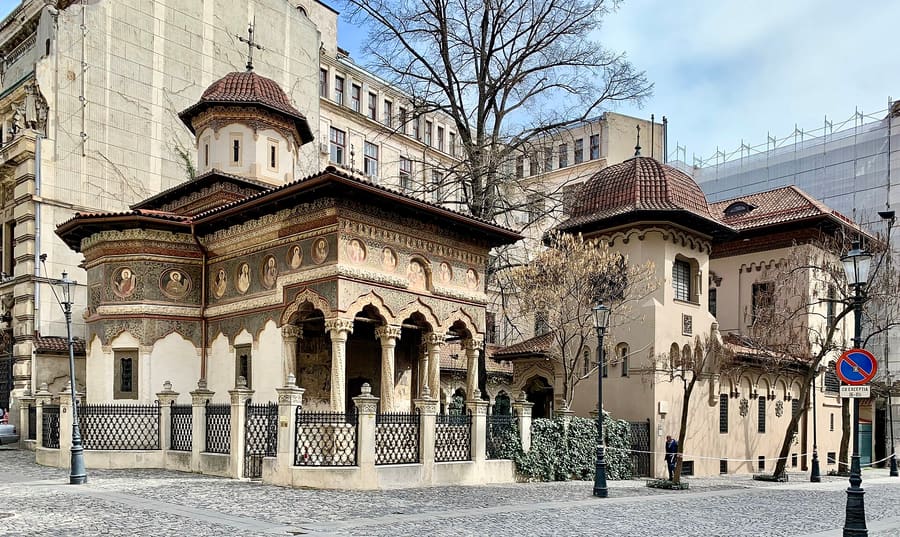
landmark
An 18th-century Brâncovenesc-style church tucked in Lipscani. Entry to the quiet courtyard is free.
اسأل Parley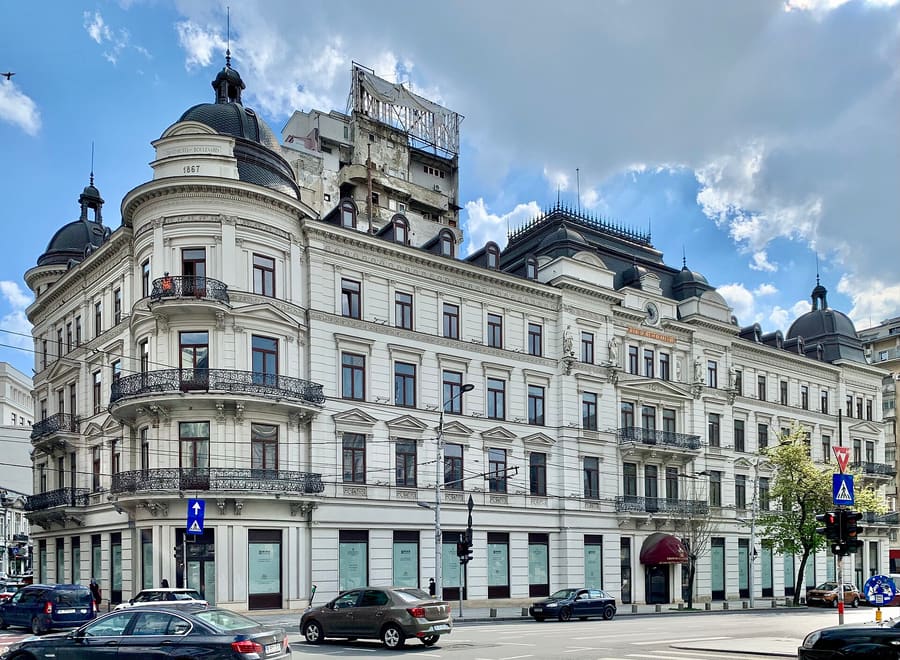
landmark
Bucharest's main historic avenue lined with palaces and cafes. The street turns pedestrian on summer weekends.
اسأل Parley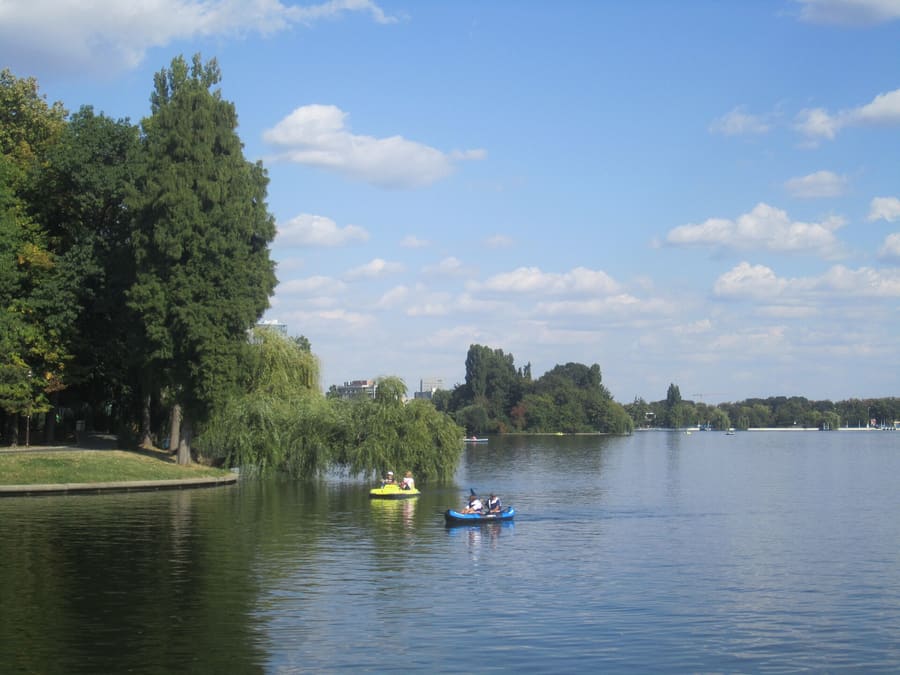
landmark
A sprawling northern park surrounding Herăstrău Lake. Rent a rowboat at the central pier in summer.
اسأل Parleyattractions
areas
Pedestrian historic quarter packed with outdoor bars, music venues, and restored merchant passages.
قريبStavropoleos Monastery, National History Museum.
اسأل ParleyCentral district filled with speciality coffee shops, grand mansions, and fresh food markets.
قريبRomanian Athenaeum, Art Museum.
اسأل ParleyQuiet residential neighborhood featuring early 20th-century villas and wide leafy streets.
قريبCotroceni Palace, Botanical Garden.
اسأل ParleyUpmarket northern district known for contemporary dining, cocktail bars, and modern bakeries.
قريبHerăstrău Park, Floreasca Lake.
اسأل Parleyfood
Bucharest eating balances Balkan tradition with a competitive specialty coffee culture. Traditional meals rely on sour soups called ciorbă, often flavoured with garlic and lovage. Street bakeries sell hot covrigi, twisted salted pretzels cooked constantly throughout the day.
Bakeries across the city sell warm covrigi directly from street windows.
Nicubunu · CC BY-SA 3.0Eat grilled minced meat rolls at Terasa Obor inside the central market. Order them with mustard and a draft beer.
Try ciorbă rădăuțeană, a sour chicken soup enriched with garlic and cream, for a classic weekday lunch.
Bakeries like Luca sell hot cheese-filled pastries through street-facing windows for cash or contactless cards.
history
Bucharest expanded as a trading post on the Dâmbovița River in the 15th century. Vlad the Impaler fortified the settlement as a royal residence. Nineteenth-century urban planning introduced French architectural styles, before communist reconstruction heavily altered the central district after 1977.
First written record
Vlad the Impaler issues a document referencing the fortress of Bucharest for the first time.
National capital
Bucharest becomes the unified capital of Wallachia and Moldavia.
French influence
Boulevards and neoclassical architecture give the city its nickname as the Paris of the East.
Civic centre project
Nicolae Ceaușescu clears historic quarters to construct the Palace of the Parliament.
Romanian Revolution
Mass public protests in Revolution Square end communist rule in December.
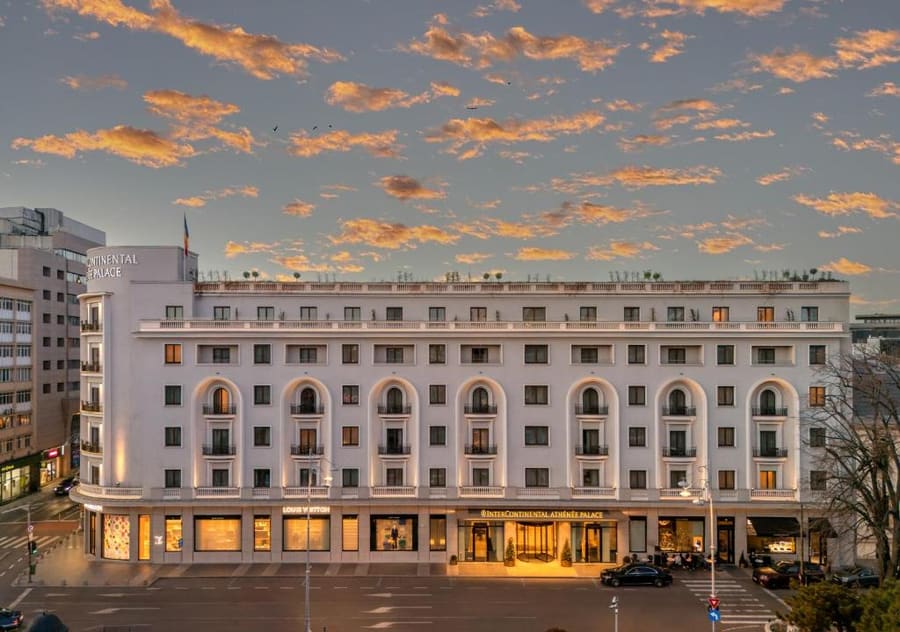
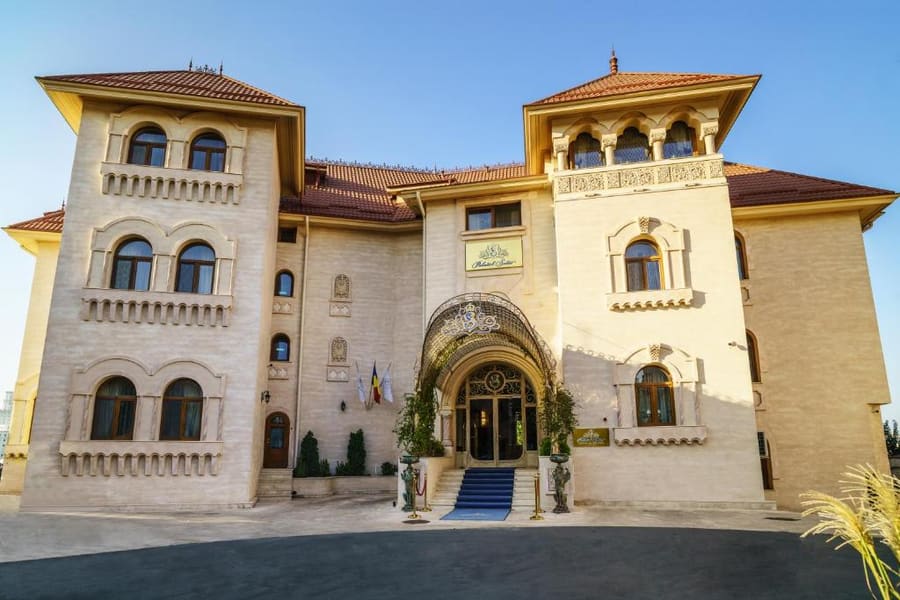
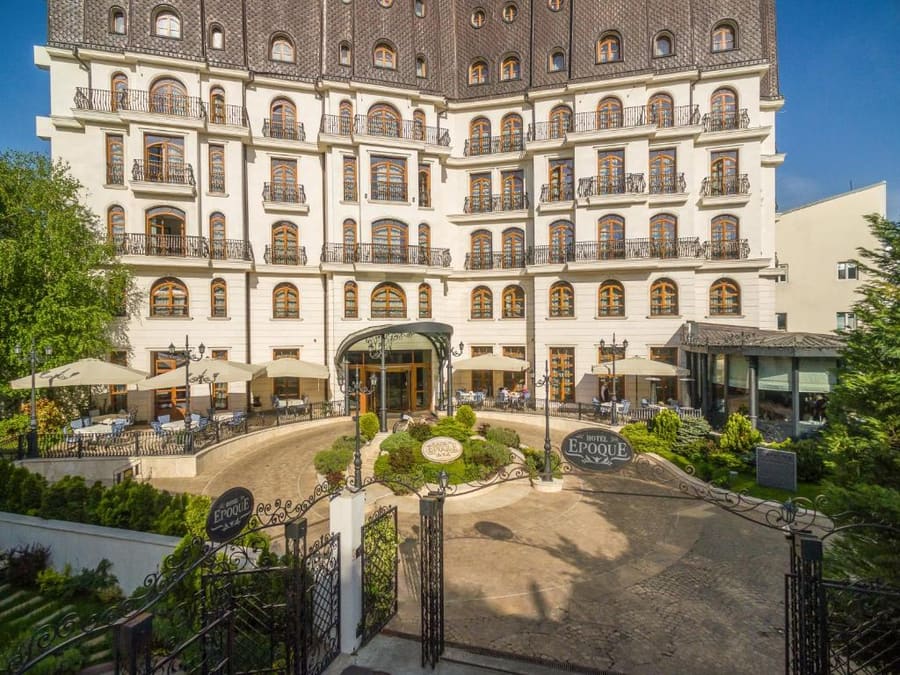
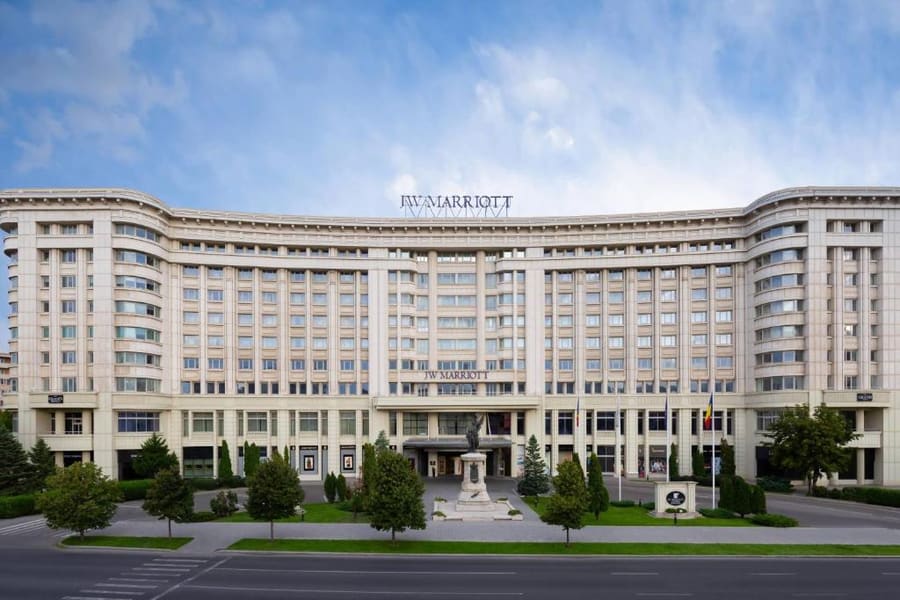
where to stay
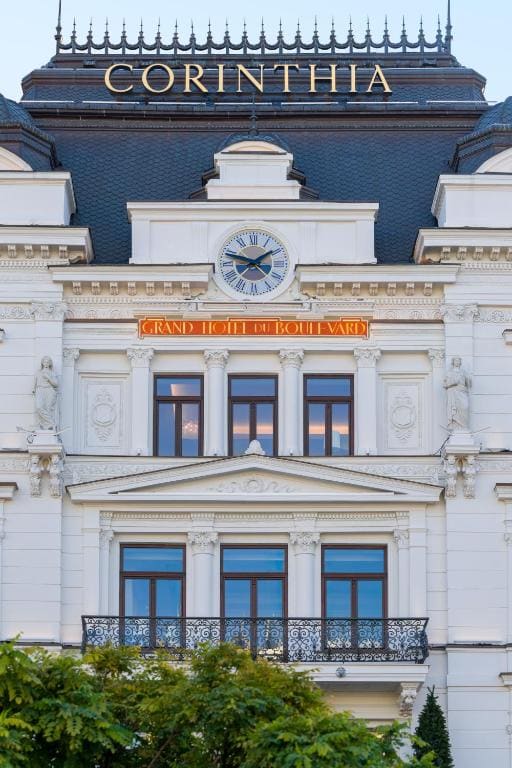
Choose your district based on your tolerance for street noise and your planned sights. Staying near Calea Victoriei puts major museums within walking distance. Cotroceni offers residential quiet. Lipscani fits travellers who prefer late nightlife access.
Live rates, matched to the areas above.
transport
Public transit includes five underground metro lines (M1 through M5) along with surface buses and trams. The metro offers the most predictable travel times across central zones.
من Henri Coandă International Airport (OTP)
Direct rail link from OTP terminal to Gara de Nord. Trains run 24/7.
Line 100 connects OTP to central Piața Unirii. Pay with a contactless card onboard.
Uber and Bolt pick up passengers on the upper level outside arrivals.
Order an official yellow taxi via touchscreens inside the arrivals hall.
The underground metro runs frequently between 05:00 and 23:00. Lines M1 and M3 loop central transit hubs.
Tap your Visa or Mastercard at yellow gate validators on the metro or inside buses for direct payment.
Buses get delayed on Magheru Boulevard during peak traffic from 08:00 to 09:30 and 17:00 to 19:00.
Check the per-kilometer rate printed on the front door before boarding yellow street taxis.
cost
Bucharest offers affordable daily transit and street dining, while modern international dining sits closer to broader European standards.
Single-origin espresso drinks at central specialty shops cost around 16 RON.
A weekday lunch special with soup and a main course costs around 40 RON at neighborhood spots.
Unlimited travel on all surface buses and trams costs 8 RON per calendar day.
Standard entry to major state museums costs around 25 RON per adult.
seasonality
MAR – MAY
Temperatures stay comfortable around 15-22°C. Park trees bloom along central avenues.
JUN – AUG
Summer heat often exceeds 35°C. Calea Victoriei turns pedestrian on weekends.
SEP – NOV
Cooler days bring clear skies around 18°C. Classical music and theater seasons open.
DEC – FEB
Temperatures frequently drop below freezing. Cold weather closes restaurant terraces.
practicalities
State museums like the National Museum of Art close on Mondays and Tuesdays.
Cards work across almost all shops, but keep small cash notes for tipping and Obor Market stalls.
Cover shoulders and knees when visiting active Orthodox places of worship like Stavropoleos.
Calea Victoriei closes to vehicle traffic on summer weekends, turning into a pedestrian promenade.
You must present an original physical passport to enter the Palace of the Parliament on guided tours.