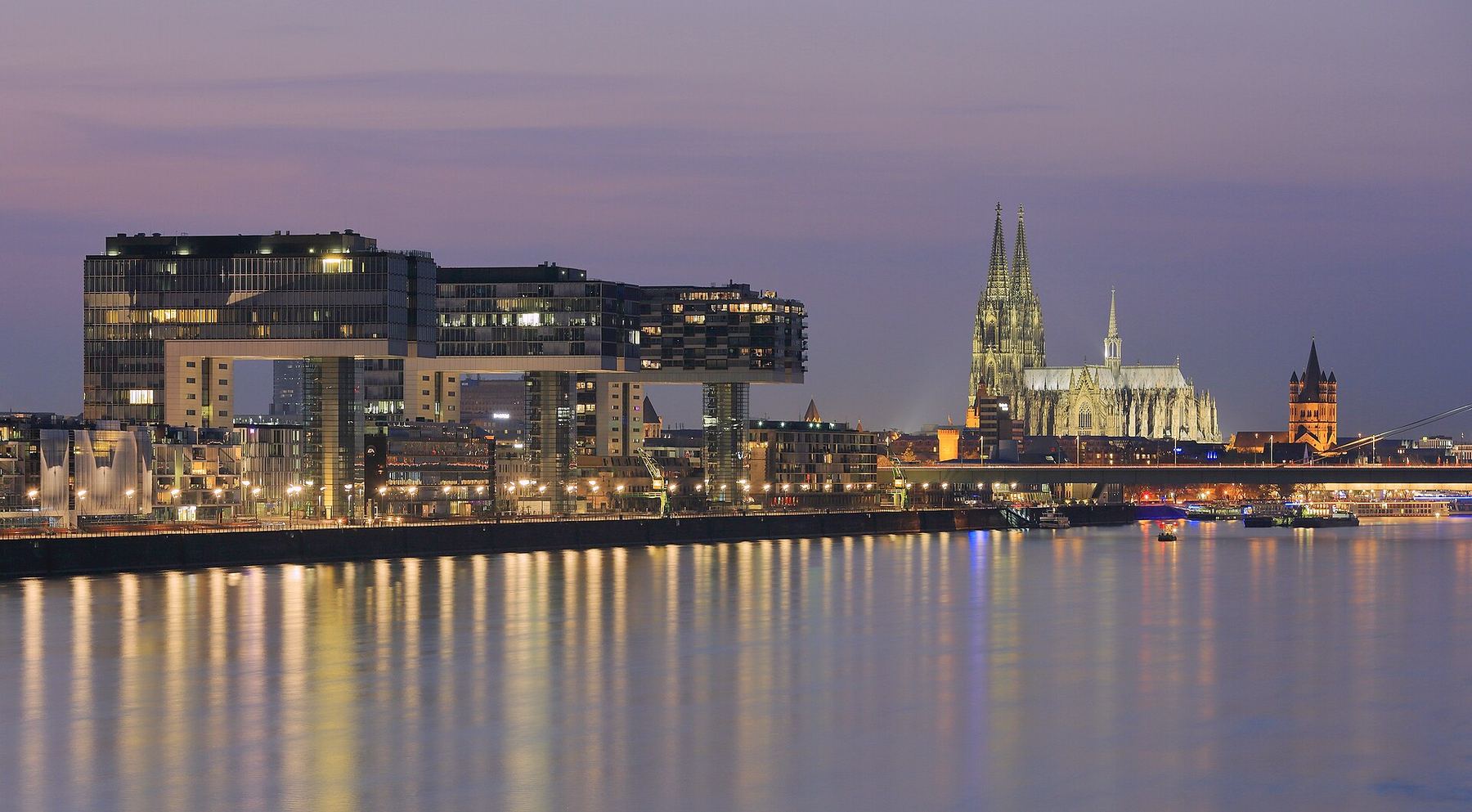
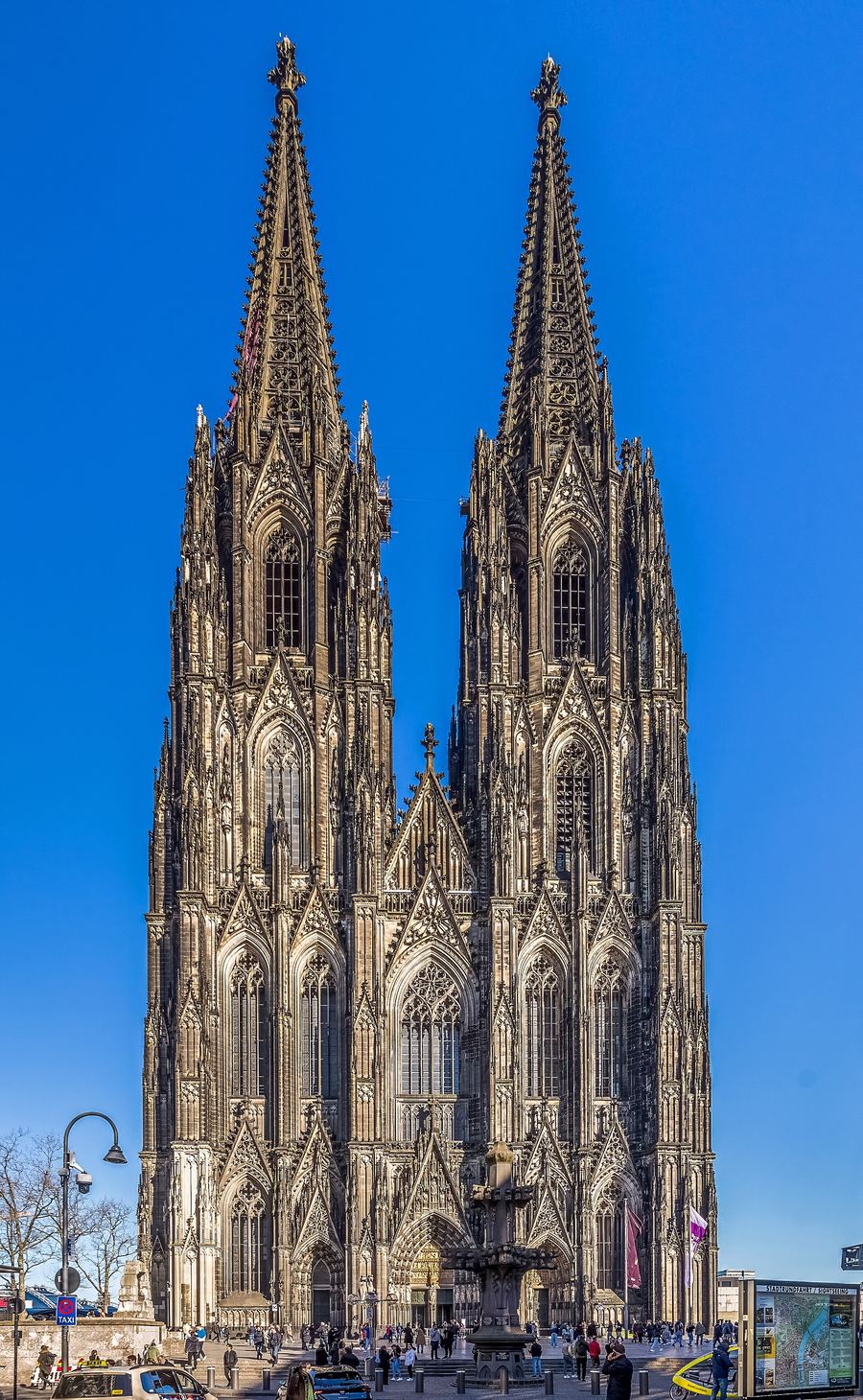
landmark
Cologne Cathedral
Gothic landmark containing the Shrine of the Three Kings. Climb the 533 steps of the south tower for river views.
اسأل Parleyألمانيا
Rheinland pragmatism, Gothic stone, and two-decilitre pours.
introduction
Cologne centres entirely on its river and its cathedral. The central train station drops you directly onto the cathedral forecourt, making orientation immediate. Modern concrete built after 1945 surrounds medieval churches and brutalist museum structures. You move through the city on a dense tram network or on foot along the Rhine.
Airport rail connection
Line S19 runs from Köln/Bonn Airport directly to Hauptbahnhof in 15 minutes. Trains depart every 20 minutes throughout the day.
World Heritage listing
Cologne Cathedral gained UNESCO World Heritage status in 1996. The twin spires took over 600 years to complete.
Traditional tavern service
Köbes servers bring fresh 0.2-litre glasses of Kölsch automatically. Place your coaster on top of your glass to signal you are finished.
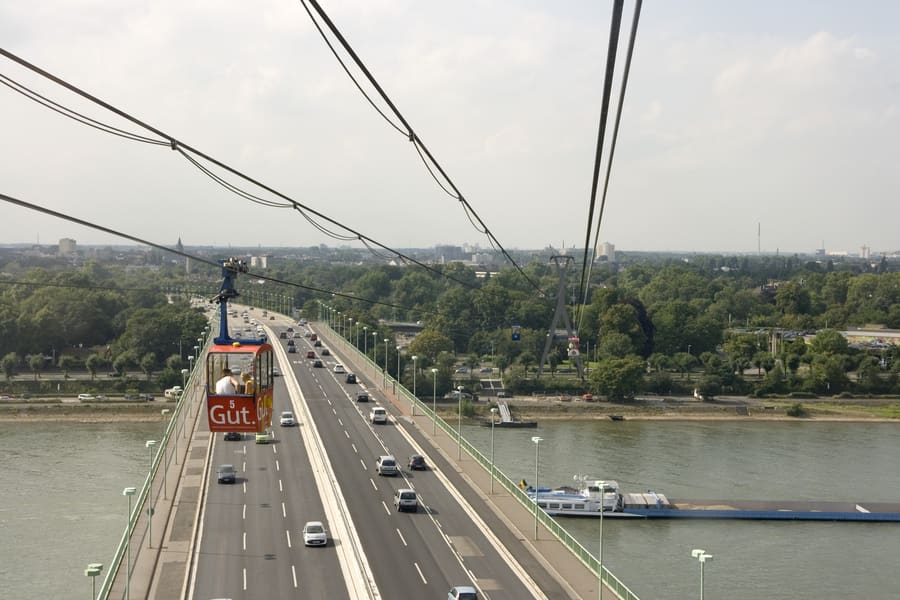
Cologne
Maxim75 · CC BY-SA 3.0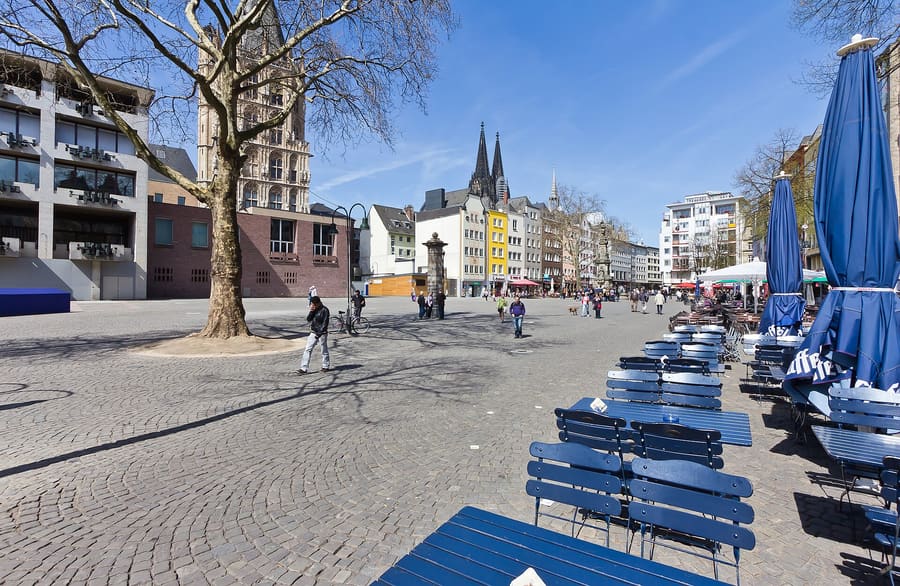
Altstadt — Traditional beer halls, riverside promenades, and dense tourist crowds.
Raimond Spekking · CC BY-SA 4.0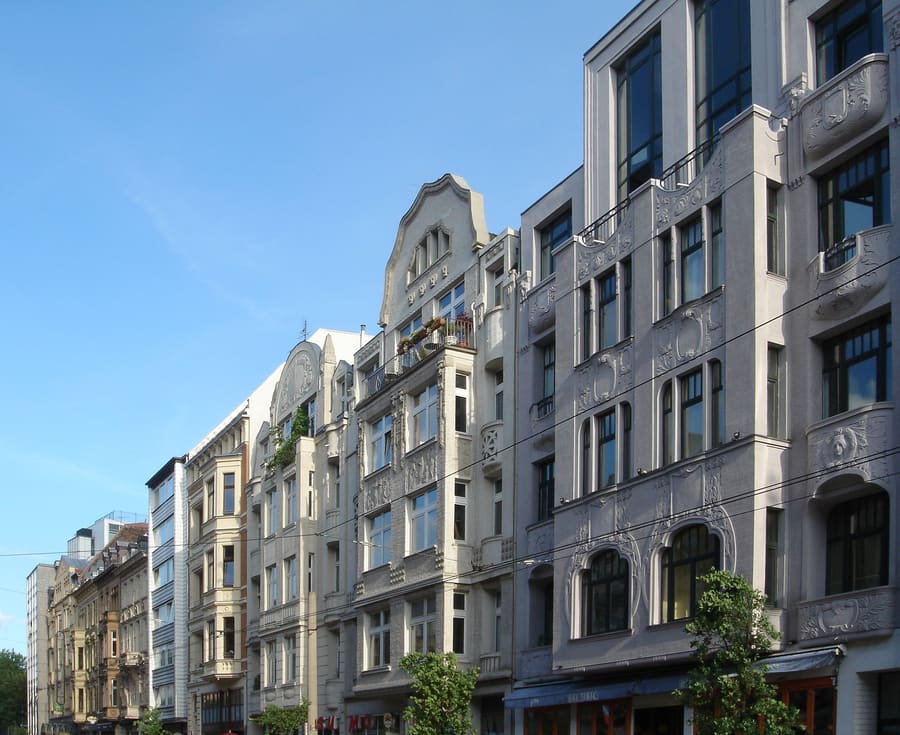
Belgisches Viertel — Boutiques, indie cafes, and evening crowds on Brüsseler Platz.
Bordeaux · CC BY-SA 3.0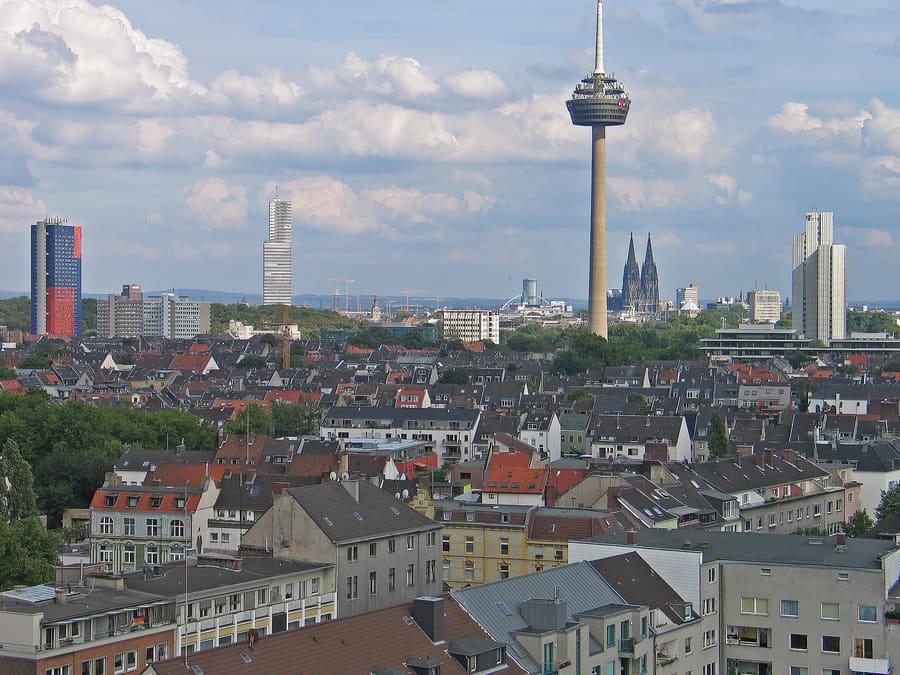
Ehrenfeld — Former industrial district with street art, music venues, and Turkish bakeries.
Superbass · CC BY-SA 3.0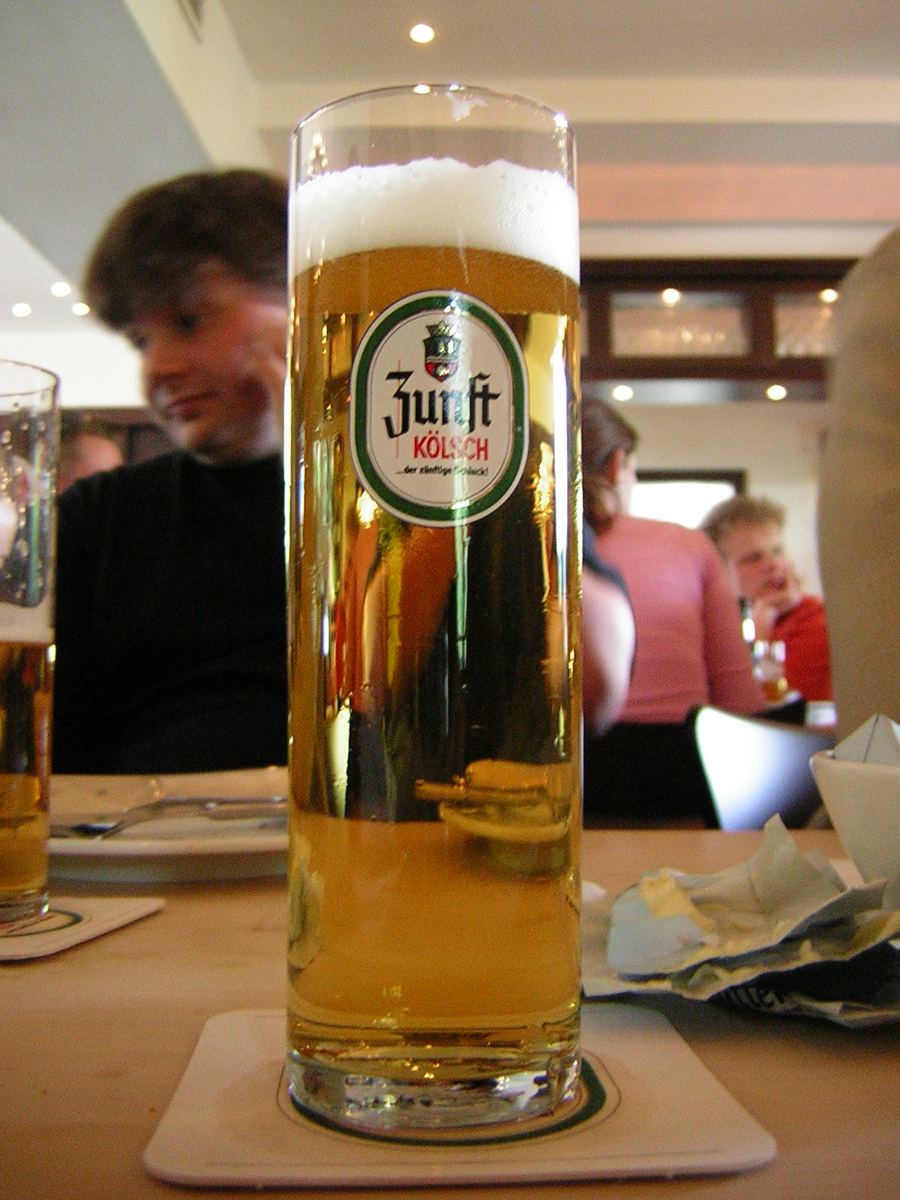
A metal Kranz tray carrying fresh 0.2-litre Stangen glasses in a traditional Cologne tavern.
User:Trexer · CC BY-SA 3.0highlights
landmark
Gothic landmark containing the Shrine of the Three Kings. Climb the 533 steps of the south tower for river views.
اسأل Parley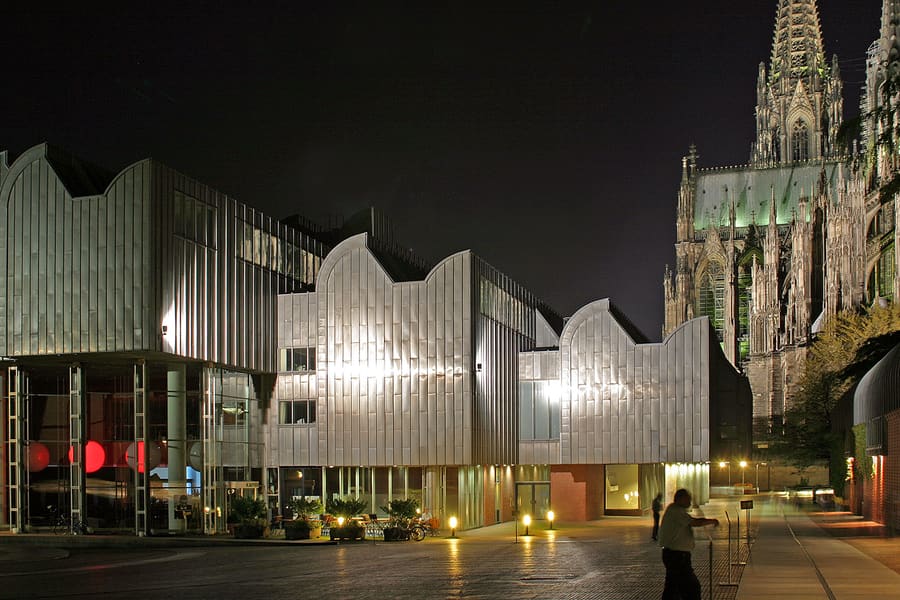
landmark
Major 20th-century art collection behind the Cathedral. Holds extensive Picasso and Pop Art works.
اسأل Parley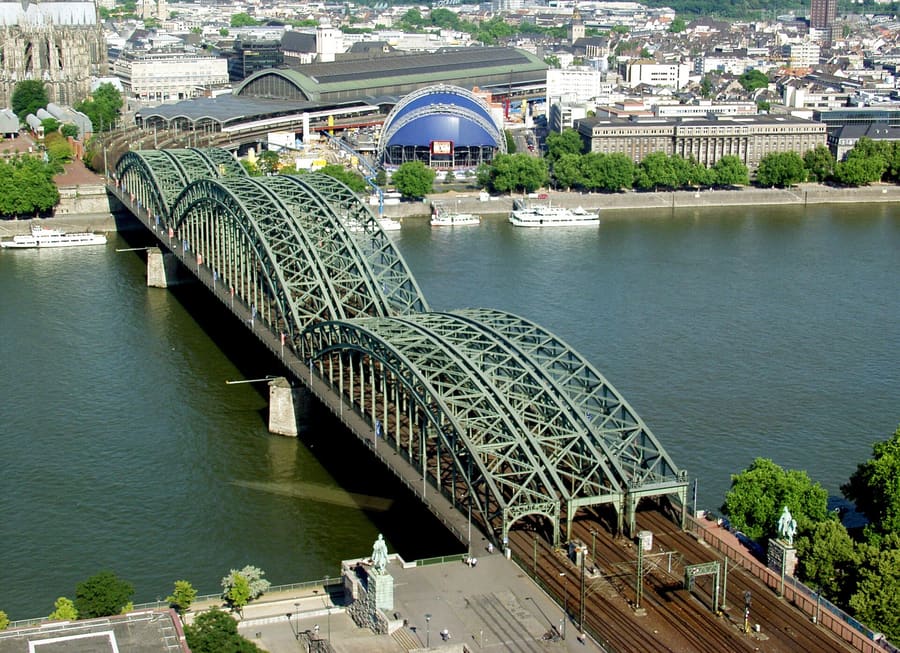
landmark
Three-arched railway bridge carrying 1,200 trains daily. Walk the pedestrian deck for classic city angles.
اسأل Parley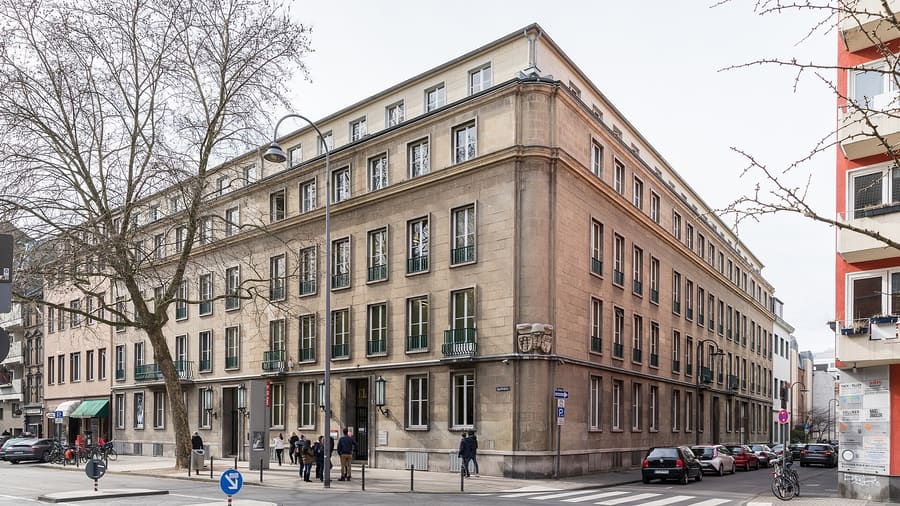
landmark
Former Gestapo headquarters preserving original basement jail cells. Displays document wartime city history.
اسأل Parley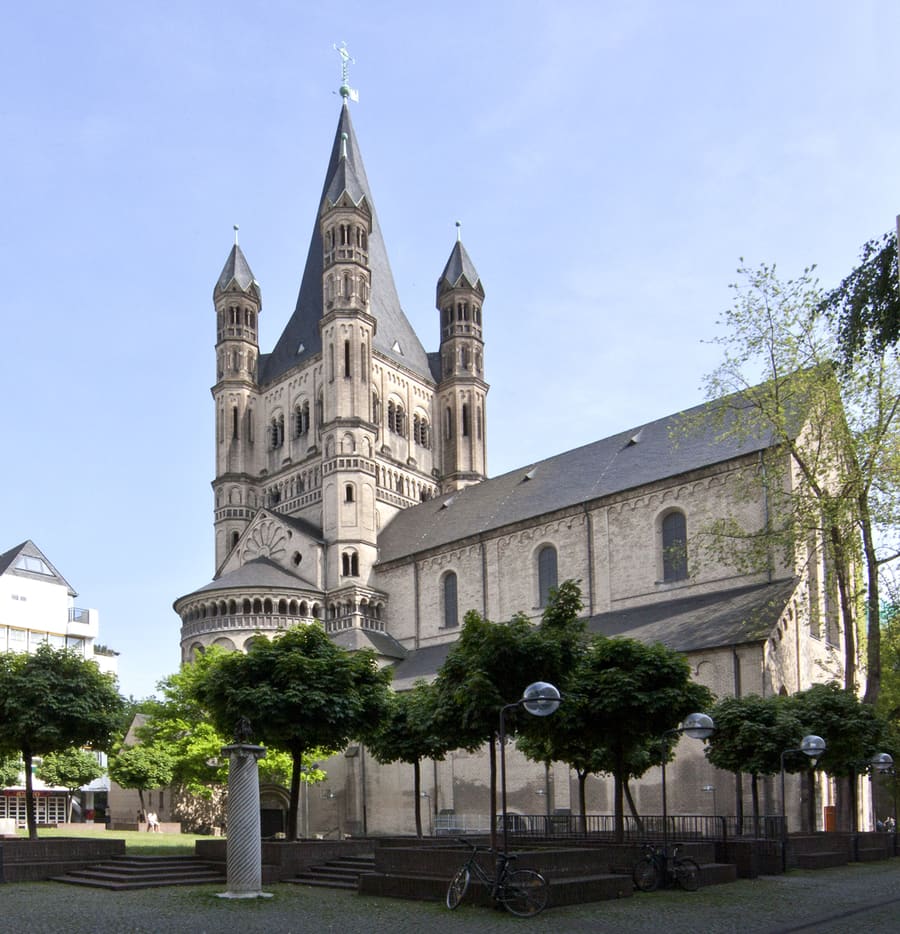
landmark
Romanesque church towering over the old fish market. The interior offers quiet contrast to central streets.
اسأل Parley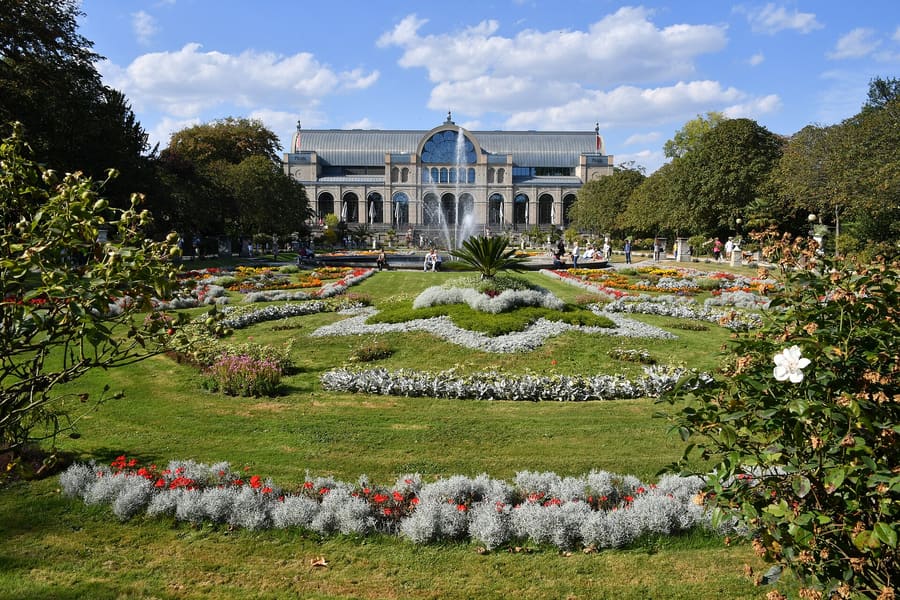
landmark
Nineteenth-century park with glasshouses and 10,000 plant species. Free entry year-round near the zoo.
اسأل Parleyattractions
areas
Traditional beer halls, riverside promenades, and dense tourist crowds.
قريبHauptbahnhof and Museum Ludwig.
اسأل ParleyBoutiques, indie cafes, and evening crowds on Brüsseler Platz.
قريبAachener Straße and Stadtgarten.
اسأل ParleyFormer industrial district with street art, music venues, and Turkish bakeries.
قريبVenloer Straße commercial strip.
اسأل ParleyResidential green avenues, neighborhood pubs, and Rhine parkland.
قريبRheinauhafen Kranhäuser.
اسأل Parleyfood
Cologne drinking culture centres on Kölsch, a pale top-fermented beer served exclusively in narrow 0.2-litre glasses called Stangen. Servers known as Köbes wear blue aprons and carry metal trays full of fresh glasses. They replace your empty glass automatically without asking. The server records each drink as a tally mark on your cardboard coaster. To stop the service, place your coaster flat over the top of your glass. Traditional Brauhaus menus feature regional tavern staples rather than fine dining. Halver Hahn is not chicken, but a thick slice of Gouda cheese served with a rye roll and mustard. Himmel un Ääd combines fried blood sausage with mashed potatoes and stewed apples.
A metal Kranz tray carrying fresh 0.2-litre Stangen glasses in a traditional Cologne tavern.
User:Trexer · CC BY-SA 3.0Tavern servers practice deadpan humor. Do not expect dry customer service or requests for your drink order.
Traditional beer halls serve food continuously from 11:30 until 22:00. Reservations are essential for dinner groups.
Historic Brauhäuser often expect cash payment directly to your designated Köbes at the table.
history
Cologne originated as a Roman outpost founded in 38 BC. It grew into a provincial capital named Colonia Claudia Ara Agrippinensium. In 1164, Archbishop Rainald von Dassel brought the relics of the Three Kings from Milan, turning the city into a major European pilgrimage destination. Cathedral construction began in 1248 to house the relics but stalled for 282 years before completion in 1880. Allied bombing during World War II destroyed ninety percent of the central city, though the cathedral structure survived standing amid the ruins.
Relics arrive
Archbishop Dassel brings the Three Kings relics, funding major expansion and pilgrimage trade.
Cathedral construction
Work begins on the Gothic building. Construction halted in 1560 and resumed in 1842.
Wartime destruction
Bombing raids level the inner city. Post-war planning retains medieval street layouts.
Museum Ludwig opens
Modern art institution opens beside the Rhine, anchoring modern cultural re-development.
where to stay
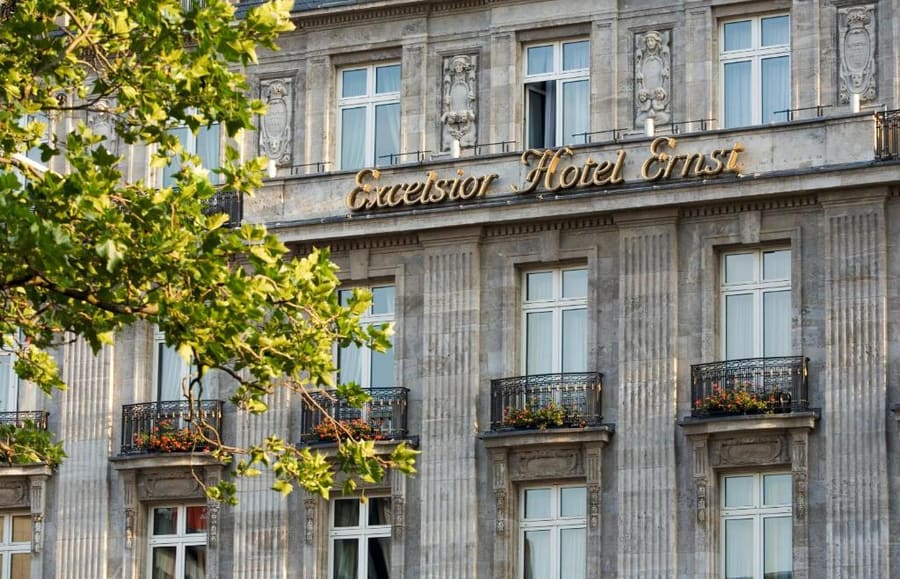
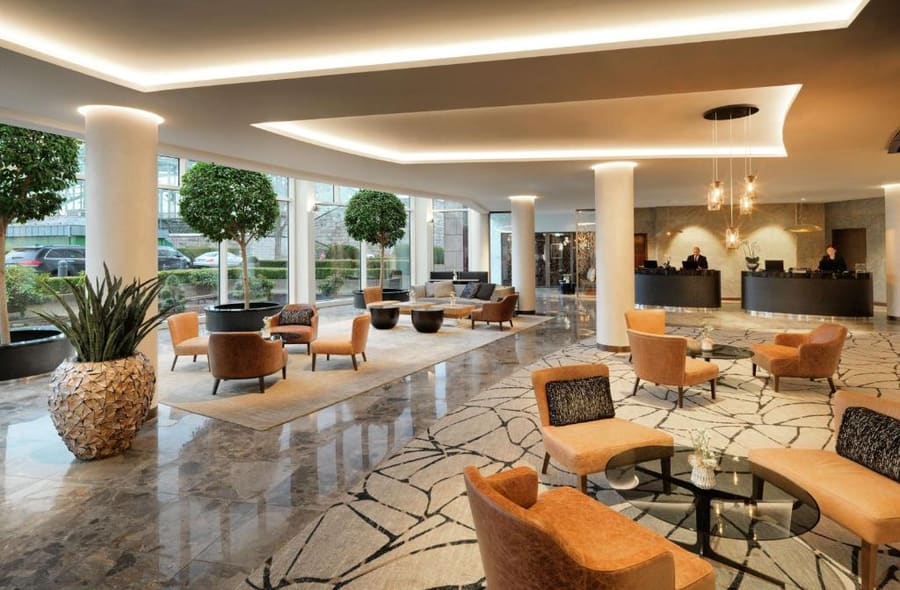
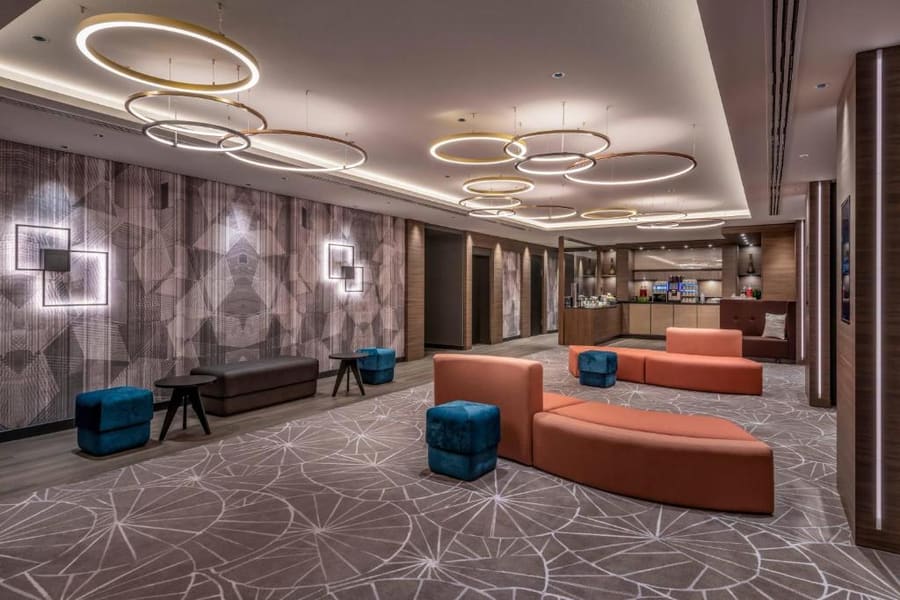
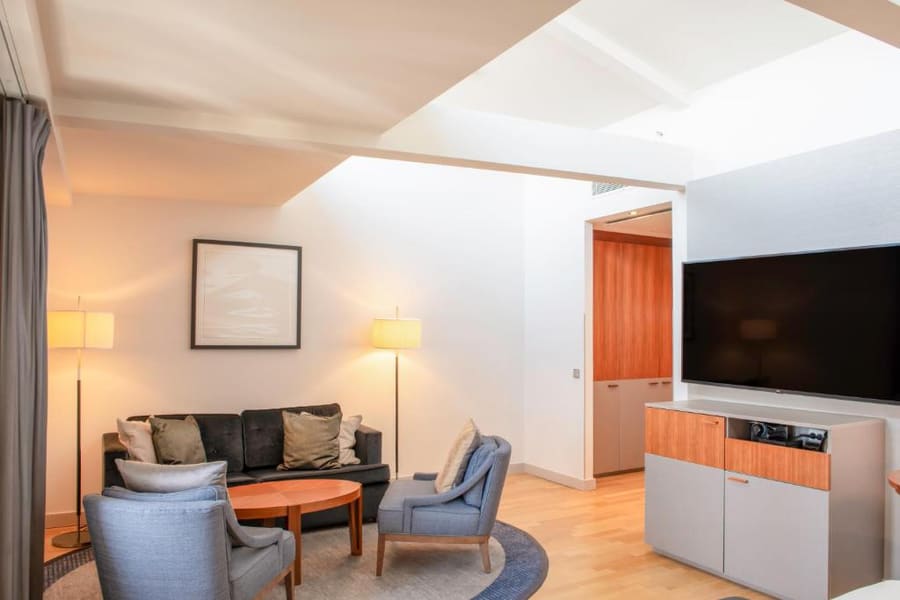
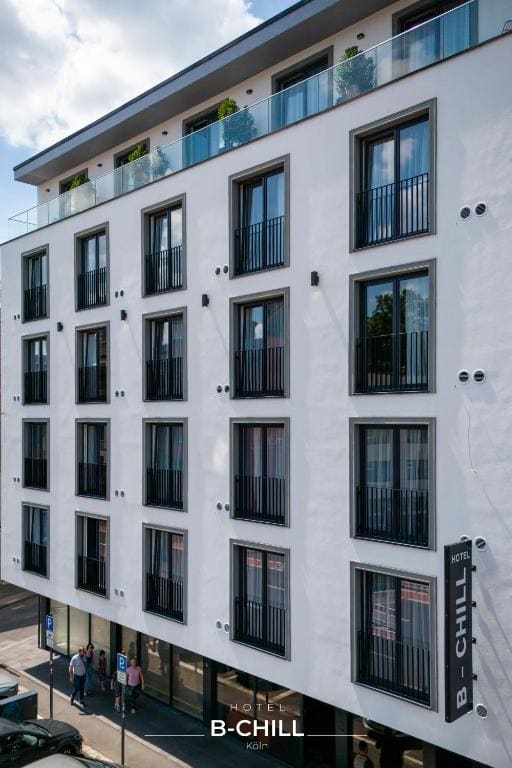
Choose your hotel based on your transit needs and night tolerance. Staying near Hauptbahnhof puts you within five minutes of major rail lines and the cathedral. Belgisches Viertel suits travellers who want independent bars and boutique streets outside room windows. Ehrenfeld offers cheaper hotel room rates alongside direct nightlife access, while Südstadt provides quiet residential surroundings near the Rhine riverbank.
Live rates, matched to the areas above.
transport
Cologne operates a combined tram and underground light rail network managed by KVB. Lines converge underground at Hauptbahnhof, Neumarkt, and Heumarkt. Suburban S-Bahn trains cross the Rhine over Hohenzollern Bridge to connect central stations with outer quarters. Ticket validation takes place on platforms or inside tram vehicles before departure.
من Köln/Bonn Airport (CGN)
Fixed meter rates operate inside city boundaries.
Pickups occur at designated rideshare zones at Terminal 1 departures.
A 24-hour individual ticket costs €9.20 and breaks even on your third transit ride of the day.
Schildergasse and Hohe Straße are strictly pedestrianised shopping avenues. Trams skirt around these corridors.
cost
Cologne costs match large western German cities. Museum entries sit around ten euros, while tavern beers remain accessible due to standard small-pour volumes. Budgeting for cash is necessary when visiting historic taverns or independent bakery counters.
Price varies slightly between historic central Brauhäuser and neighbourhood corner pubs.
Expect heavy portions of pork, sausages, or fried fish with potato sides.
Concessions available. The entry covers all permanent contemporary art galleries.
seasonality
MAR – MAY
Mild temperatures and manageable museum queues. Rhine river cruise operators launch full seasonal schedules.
JUN – AUG
Warm daylight hours and outdoor beer garden drinking. Hotel prices spike during summer trade fairs.
SEP – NOV
Cooler weather and autumn foliage along the Rhine parks. Carnival season officially opens on November 11.
DEC – FEB
Christmas markets fill central squares through December. February brings intense street carnival street parades.
practicalities
German federal law keeps retail shops closed on Sundays. Hauptbahnhof station shops remain open for essentials.
Smaller cafes and food stalls often accept local EC-cards or cash, declining international credit cards.
Drinking alcohol in public parks and open plazas is legal throughout the city.
Major Koelnmesse trade fairs triple local hotel rates. Check fair dates before setting your stay.