landmark
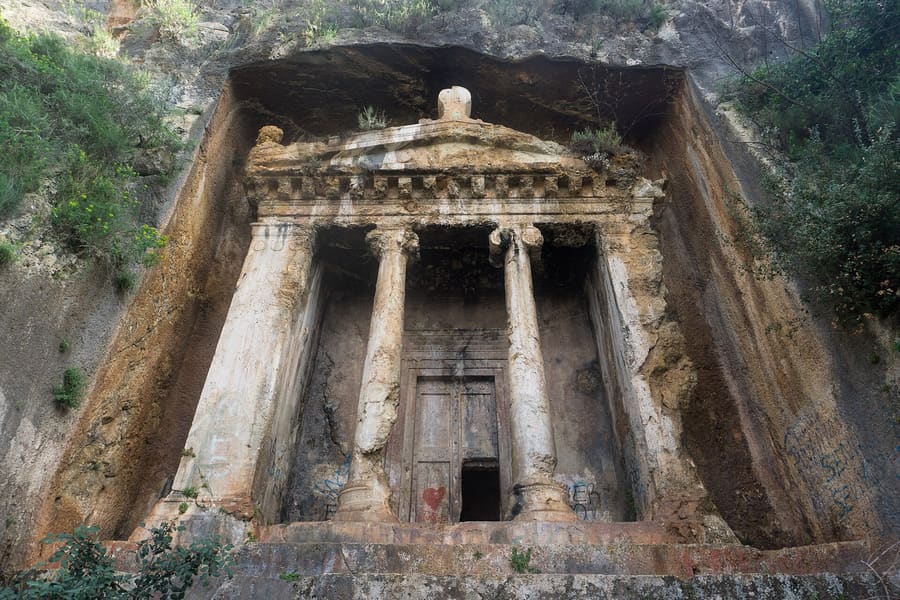
Tomb of Amyntas
4th-century BCE Ionic facade carved into sheer cliff. Steep climb; pay cash or use Museum Pass at the turnstile.
اسأل Parleyتركيا
Lycian rock tombs, pine forests, and aworking harbour.
introduction
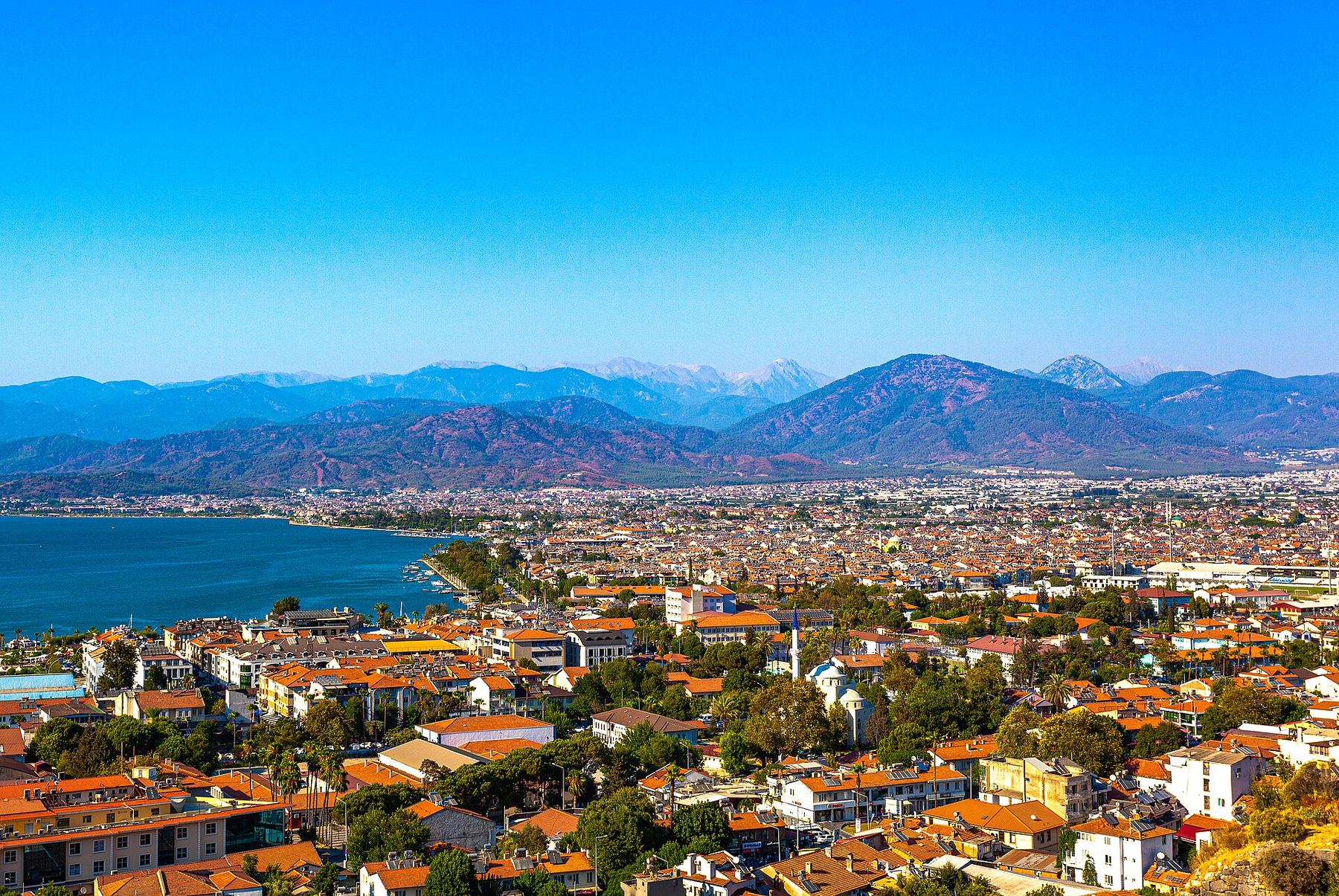
Fethiye sits on a deep natural bay where the Taurus Mountains meet the Mediterranean Sea. The town functions as a working commercial hub rather than a manicured resort, with ruins scattered directly among modern apartment blocks. Public dolmuş minibuses link the urban centre to coastal cliffs, beach lagoons, and mountain hiking trails. Expect simple, direct logistics and stark terrain shifts within a short drive.
Airport shuttle line
Muttaş and Havaş buses match Dalaman flight arrivals. They run directly to Fethiye Otogar for a fraction of taxi fares.
Lycian Rock Tombs access
The steep stone steps to Amyntas Tombs offer no shade. Visit before 09:30 to avoid intense midday heat on open rock.
Fish Market dining rule
Buy fresh fish from central stalls before sitting at any surrounding restaurant. You pay a flat preparation fee per person.
Fethiye
Georges Jansoone (JoJan · CC BY-SA 3.0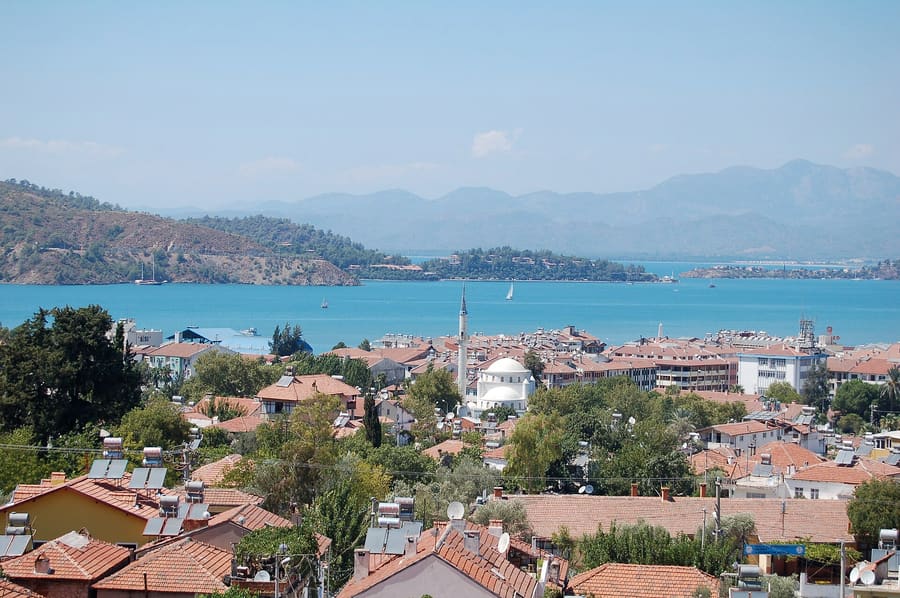
Paspatur & Marina — Pedestrian narrow streets, old souvenir stalls, and harbour transport nodes.
https://www.flickr.com/photos/astolath/ · CC BY 2.0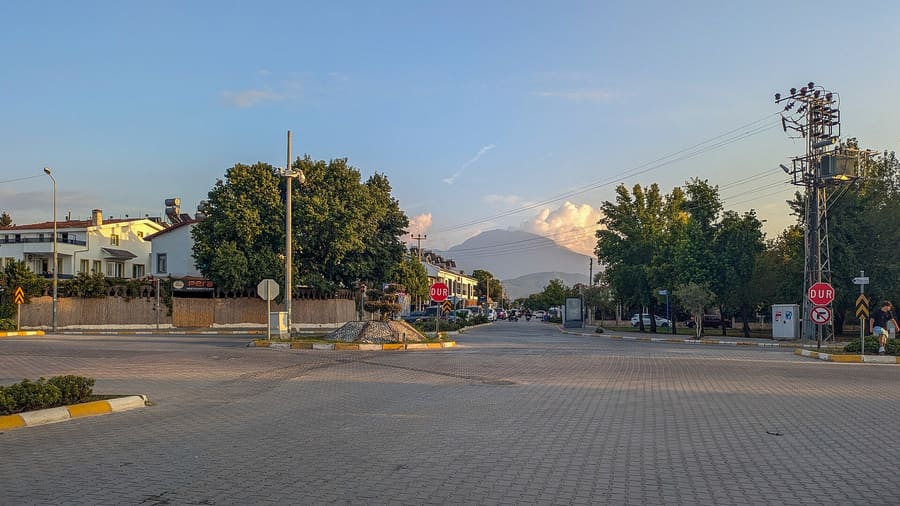
Çalış Beach — Flat coastal promenade facing west, prone to afternoon wind.
Vano111ru · CC BY-SA 4.0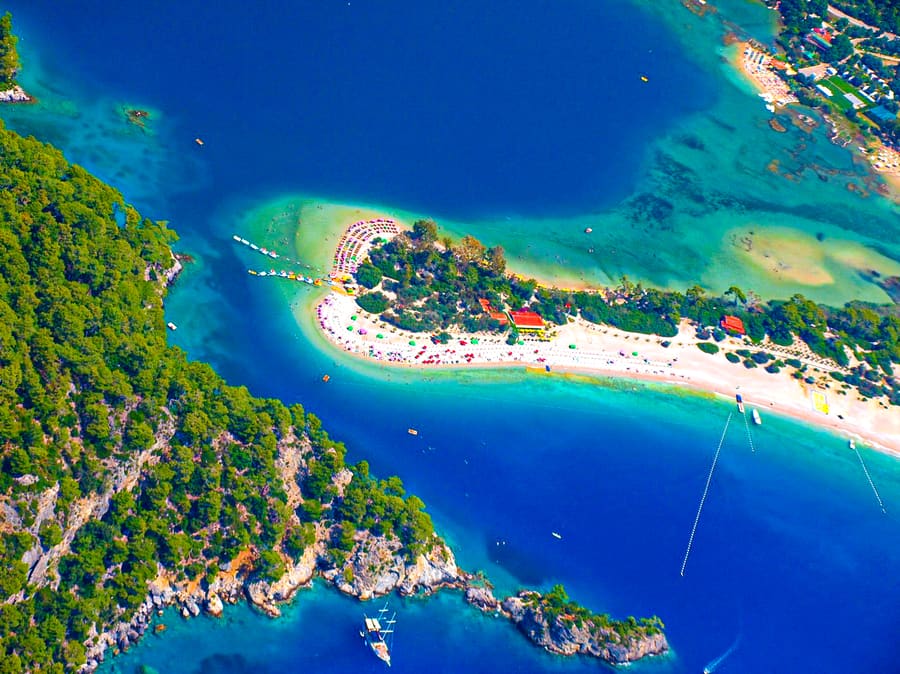
Ölüdeniz & Hisarönü — Resort zone split between high-altitude party strips and lagoon beaches.
Andrzej Szkopiński · CC BY 3.0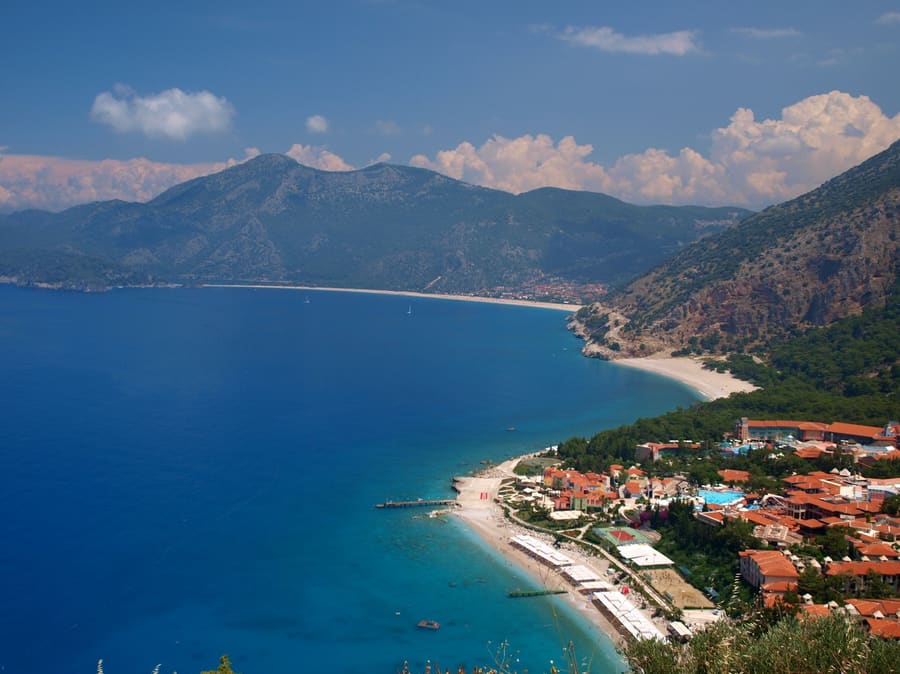
Faralya & Kabak — Isolated cliffside hamlets with wooden cabins and steep sea descents.
Andrzej Szkopiński · CC BY 3.0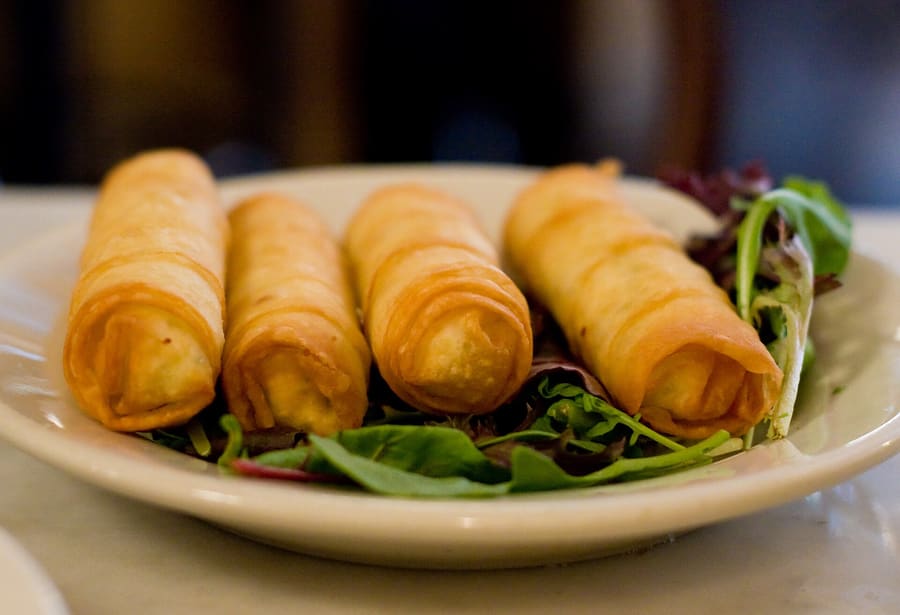
Cold meze spreads feature locally picked wild rock samphire and garlic.
Garrett Ziegler · CC BY-SA 4.0highlights
landmark
4th-century BCE Ionic facade carved into sheer cliff. Steep climb; pay cash or use Museum Pass at the turnstile.
اسأل Parley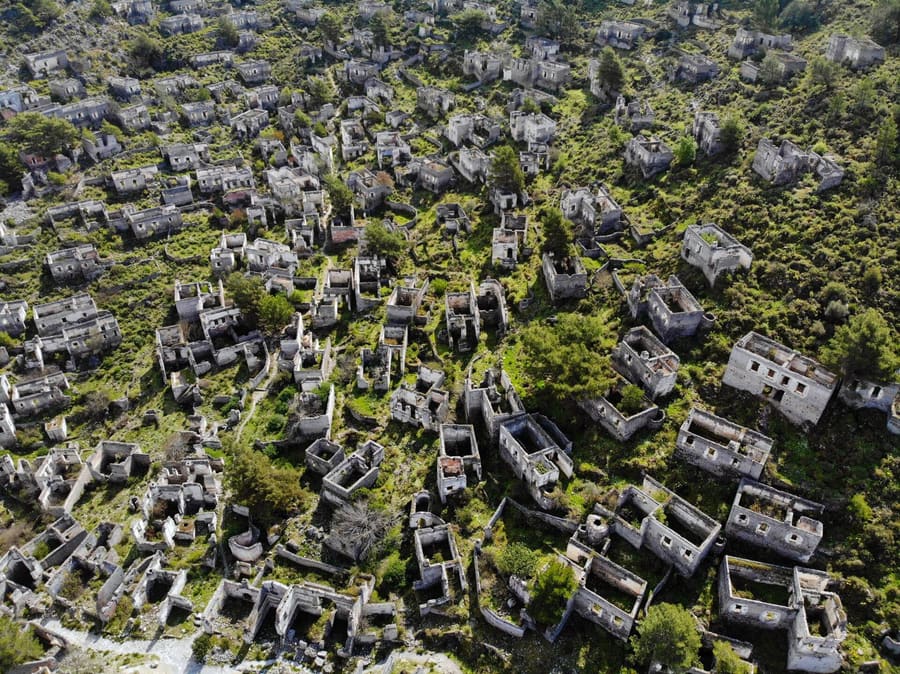
landmark
Hundreds of deserted Greek stone houses abandoned in 1923. Wear trail shoes to navigate uneven stone paths.
اسأل Parleylandmark
Protected shallow bay with strict boat limits. National park entry fee applies at the beach turnstile.
اسأل Parley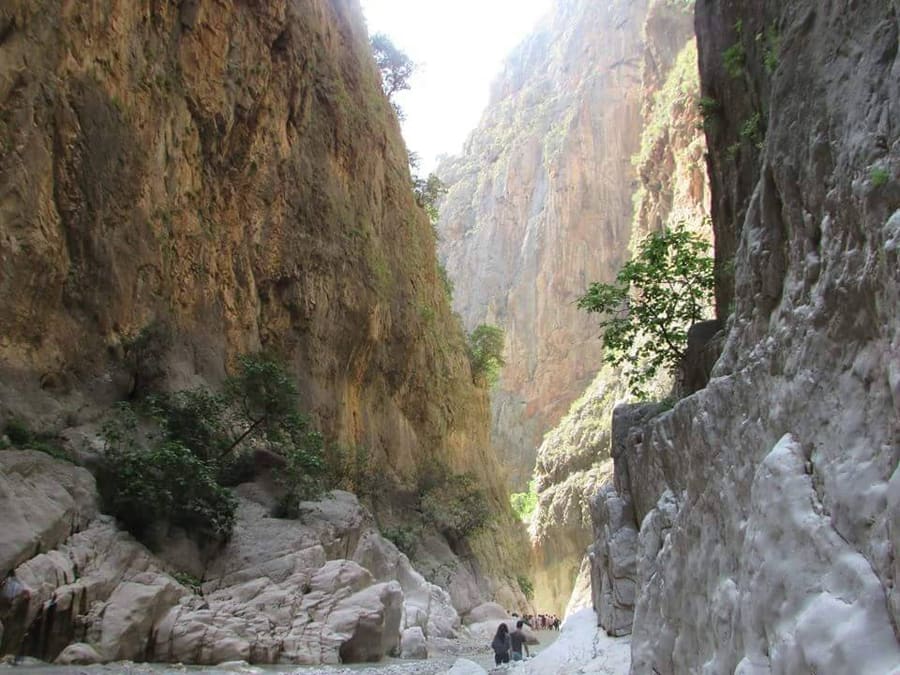
landmark
300-metre-deep canyon carved by icy mountain runoff. Rent rubber water shoes at the entrance for traction.
اسأل Parley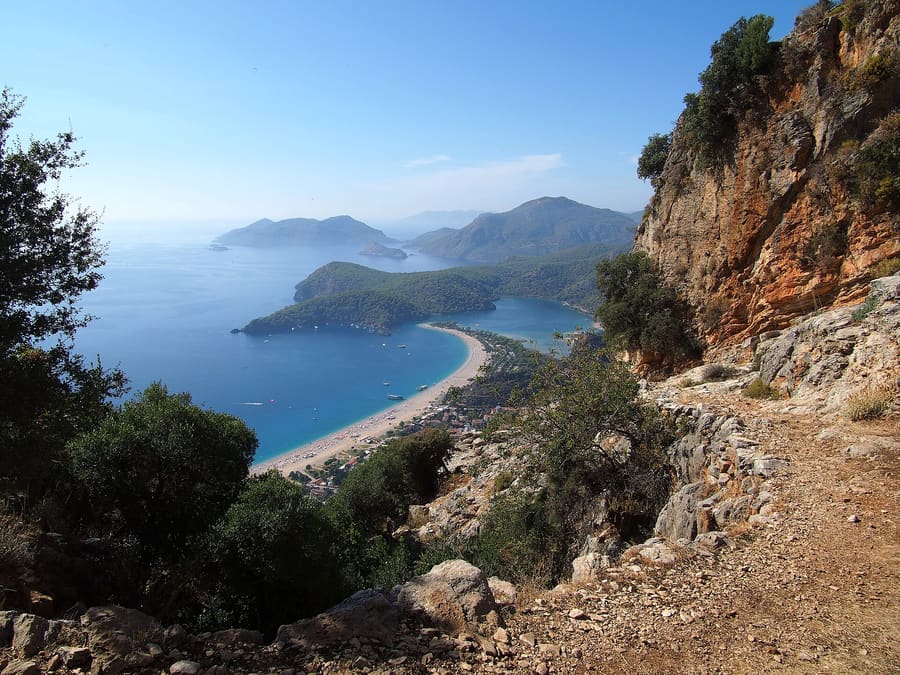
landmark
The marked start of Turkey's 540km coastal trail. Ovacık trailhead marks the start of the coastal cliff section.
اسأل Parleyattractions
areas
Pedestrian narrow streets, old souvenir stalls, and harbour transport nodes.
قريبFethiye Fish Market, Central Dolmuş Station
اسأل ParleyFlat coastal promenade facing west, prone to afternoon wind.
قريبÇalış Water Taxi, Aquapark
اسأل ParleyResort zone split between high-altitude party strips and lagoon beaches.
قريبBlue Lagoon Park, Babadag Cable Car
اسأل ParleyIsolated cliffside hamlets with wooden cabins and steep sea descents.
قريبButterfly Valley Lookout, Lycian Way Trail
اسأل Parleyfood
Fethiye cuisine reflects its position between Mediterranean waters and mountain pastures. The central fish market operates on an explicit system: buy raw catch from independent counters, then hand it to perimeter restaurants for grill or pan preparation. Regional olive oil dishes use wild herbs gathered from surrounding hillsides.
Cold meze spreads feature locally picked wild rock samphire and garlic.
Garrett Ziegler · CC BY-SA 4.0Check table service fees per person before handing over your fish. Stalls sell by net weight, and cooking charges apply per head.
Order rock samphire pickled in garlic and vinegar. Local foraging yields this wild coastal herb throughout spring and summer.
Winter menus feature this traditional spiced chicken broth served alongside cold dough swallows.
history
Fethiye stands on the ancient Lycian port city of Telmessos. Known in antiquity for its school of diviners, the city operated independently within the Lycian League before Roman integration. Twentieth-century geopolitical shifts and seismic disasters reshaped the modern urban grid.
Lycian Carvings
Monumental rock-cut tombs are carved into the limestone cliff faces above the city harbour.
Population Exchange
The Treaty of Lausanne empties nearby Levissi, creating the abandoned stone settlement of Kayaköy.
Fethiye Earthquake
A 7.1 magnitude earthquake destroys historic stone structures, prompting modern concrete rebuilding.
where to stay
Choose your base based on transit needs versus water access. Staying in Fethiye town center gives year-round infrastructure and central dolmuş connections. Staying in Ölüdeniz or Faralya places you directly on beaches or trails but increases transit times to central services.
transport
Fethiye uses a system of dolmuş minibuses to link its spread-out coastlines. Taxis operate on fixed meters for urban trips or published rate cards for long resort runs. Driving involves winding coastal roads that require caution at night.
Dolmuş minibuses accept cash or local contactless cards on entry. State your destination when boarding to confirm fare.
Small passenger boats cross the bay between Fethiye marina and Çalış beach every 30 minutes in summer.
Muğla Kentkart reloads at major kiosks and pays for municipal city buses across Fethiye district.
Yellow taxi call buttons sit on street light poles. Pressing one summons the nearest vehicle.
cost
Prices fluctuate with inflation and seasonal demand. Tourism services quote in both Euros and Turkish Lira, but local transit and markets clear exclusively in Lira.
seasonality
MAR – MAY
Spring flowers bloom on Lycian Way. Sea temperature remains cool, but hiking conditions are optimal.
JUN – AUG
Peak sea swimming weather. Daily temperatures exceed 35°C, and coastal traffic peaks.
SEP – OCT
Warm sea water, dropping air temperatures, and lower trail crowds. Ideal balance for active trips.
NOV – FEB
Heavy winter rain showers down from Taurus Mountains. Seasonal resort services close in Ölüdeniz.
practicalities
No natural water sources exist on the coastal Lycian Way sections. Carry at least three litres of water per person.
Restaurants accept major credit cards. Small dolmuş lines and rural village stalls require Turkish Lira cash.
The massive weekly market operates near the canal every Tuesday, selling regional produce and olive oil.
Fethiye State Hospital sits north of the centre, offering emergency services with English-speaking staff.
Belcekız and Çalış beaches feature rough pebbles. Water shoes make swimming entries far more comfortable.