landmark
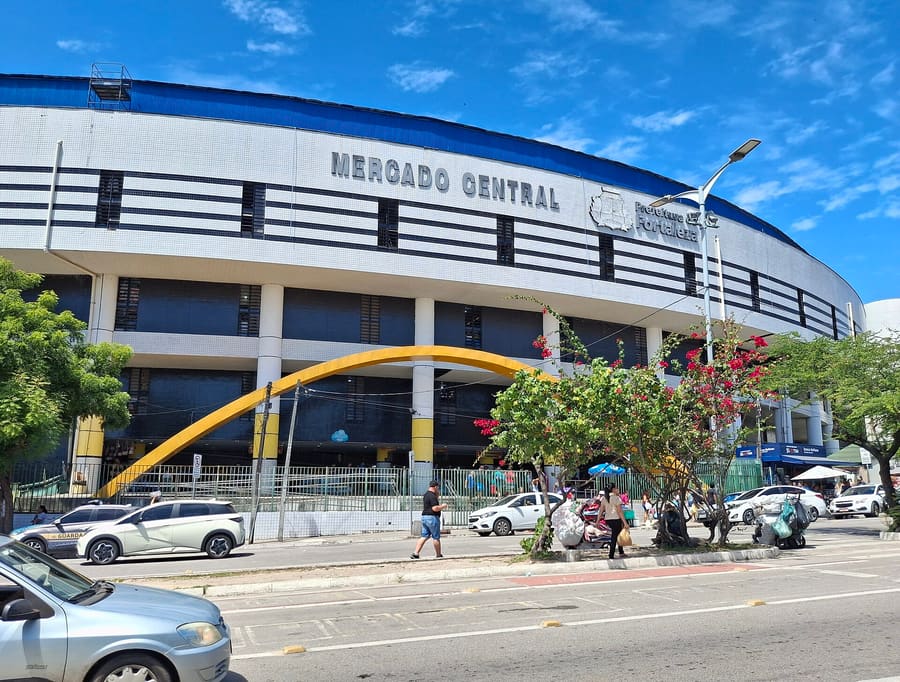
Mercado Central de Fortaleza
Multi-story complex selling regional lace, nuts, and cachaça. Haggle gently on handicraft floors.
اسأل Parleyالبرازيل
Wind-swept urban coastlines and northeastern crab culture.
introduction
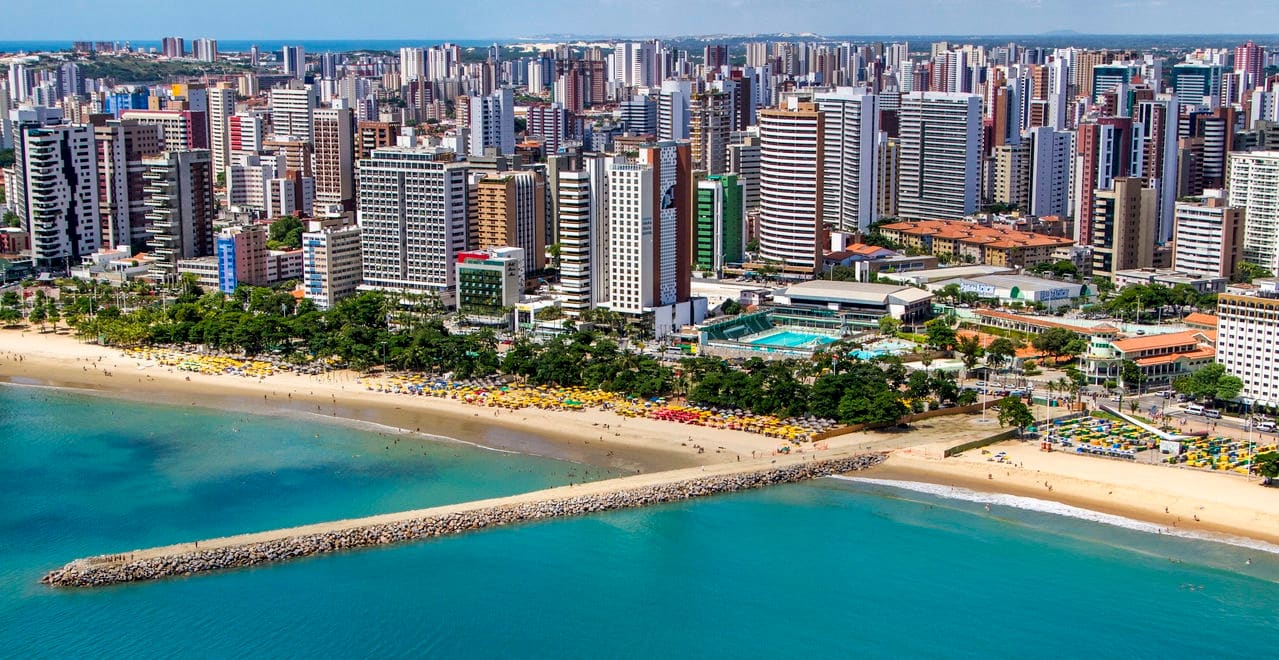
Fortaleza is a sprawling, high-rise Atlantic port city driven by beach life and northeastern trade. You navigate it primarily along the long coastal boulevard connecting historic districts to modern high-rises. Strong winds keep the coast cooler than the humid interior. Expect heavy urban traffic, lively beach shacks, and distinct evening neighborhoods.
Airport pick-up strategy
App rideshares pick up on the departures level at FOR airport. Standard airport taxis charge significantly higher fixed rates.
Architectural heritage
Theatro José de Alencar features a cast-iron Art Nouveau structure imported directly from Scotland in 1910.
Thursday crab tradition
Thursdays are traditional crab night across coastal beach shacks. Arrive before 19:00 at Praia do Futuro to secure a table.
Fortaleza
Governo Federal Brasileiro · CC BY-SA 3.0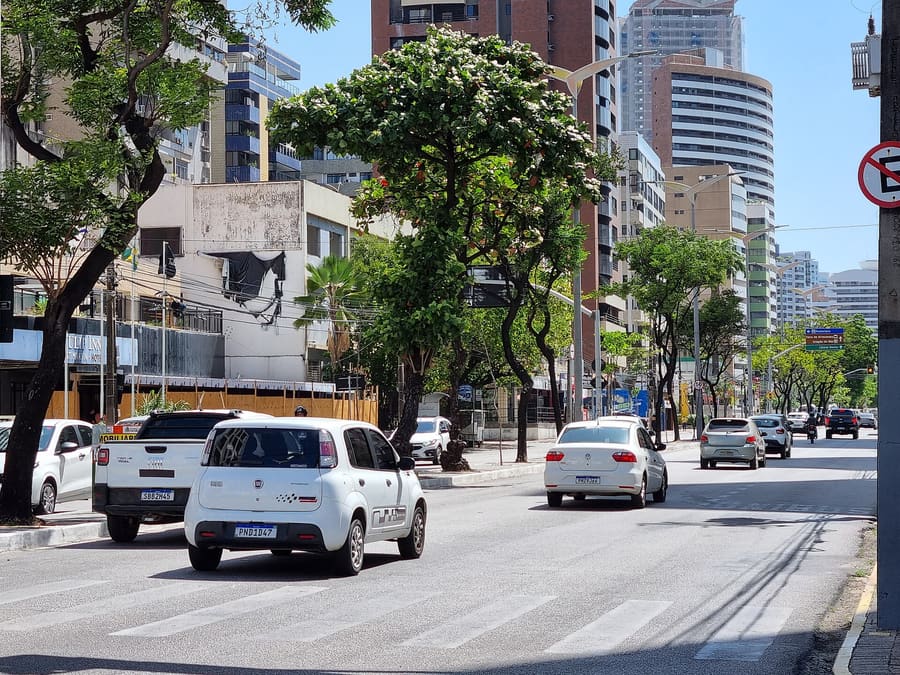
Meireles — Upmarket oceanfront strip with dense residential towers and constant foot traffic.
Fronteira · CC BY-SA 4.0highlights
landmark
Multi-story complex selling regional lace, nuts, and cachaça. Haggle gently on handicraft floors.
اسأل Parley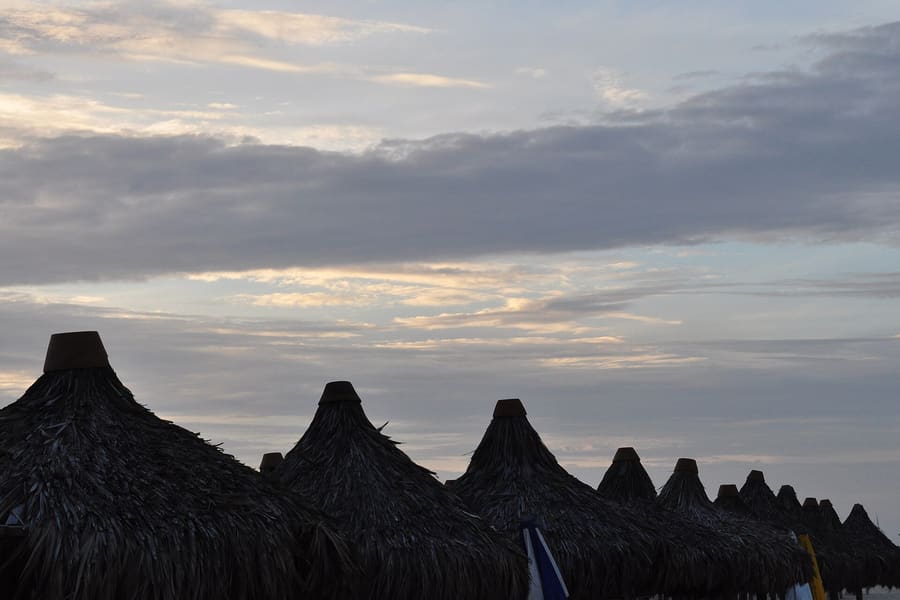
landmark
Wide urban ocean beach lined with massive dining structures. Ocean currents are strong here.
اسأل Parley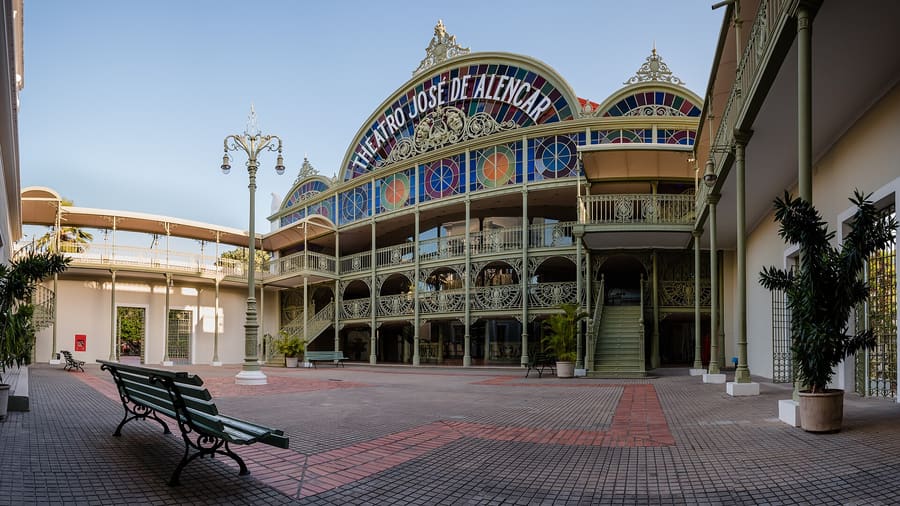
landmark
Historical theater featuring imported Scottish ironwork. Guided tours run hourly on weekdays.
اسأل Parleyattractions
areas
Upmarket oceanfront strip with dense residential towers and constant foot traffic.
قريبFeirinha da Beira Mar
اسأل ParleySprawling beach district dominated by massive beachfront complexes.
قريبOceanfront barracas
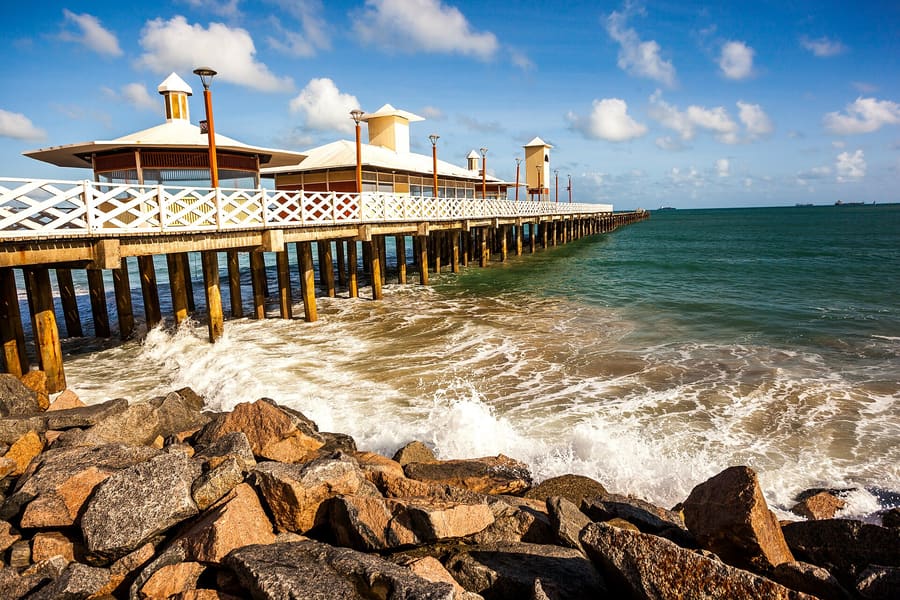
اسأل ParleyEdgy nightlife neighborhood with street art, bars, and sunset pier views.
قريبDragão do Mar
اسأل ParleyInland dining district packed with regional and international restaurants.
قريبMeireles border
اسأل Parleyfood
Dining in Fortaleza centers on regional northeastern staples rather than southern Brazilian barbecue. You will find baião de dois, a dish mixing rice, black-eyed peas, and squeaky queijo coalho cheese. Fresh mud crabs dominate Thursday night menus across the coast. Coastal waters supply red snapper, boiled whole or fried with fried garlic.
Beach barracas operate as full restaurants on the sand. You pay for food and drink, while seating is included.
Locals head to Praia do Futuro on Thursday evenings for whole steamed crabs. Book or arrive before 19:00.
Sun-dried beef served with clarified butter appears on lunch menus citywide. Pair it with cassava puree.
history
Fortaleza developed around a 17th-century Dutch fortification later taken by the Portuguese. Droughts in the Ceará hinterland drove rural populations to the coast, accelerating rapid urban growth. The city grew into a major shipping port for cotton, cashew nuts, and textiles, turning its coastal strip into a modern metropolis.
Fort Schoonenborch
Dutch forces build a fort on the Pajeú river, laying the structural roots of the settlement.
Portuguese takeover
Portuguese take control and rename the installation Forte de Nossa Senhora da Assunção.
Art Nouveau landmark
Theatro José de Alencar opens, importing its entire cast-iron frame directly from Europe.
Coastal expansion
High-rise tourism developments transform Avenida Beira Mar into a major urban leisure corridor.
where to stay
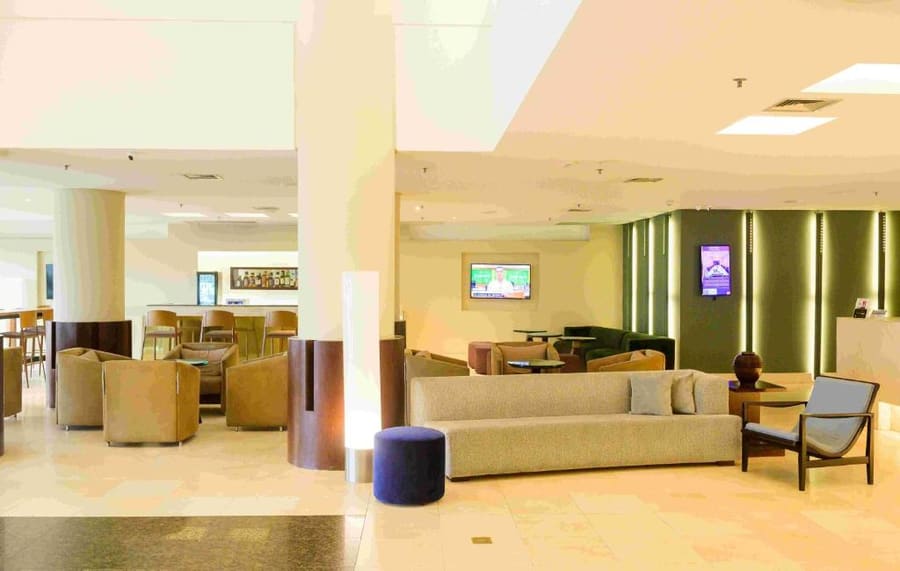
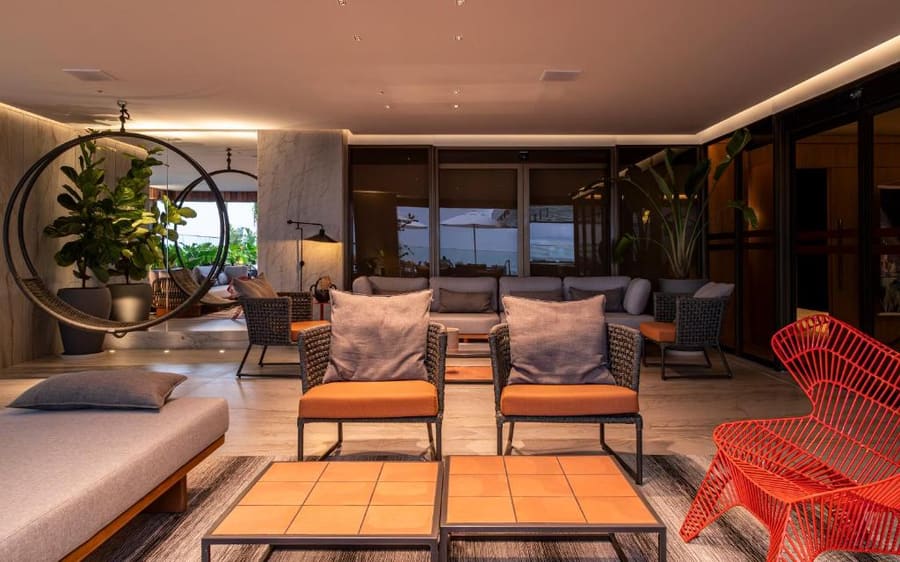
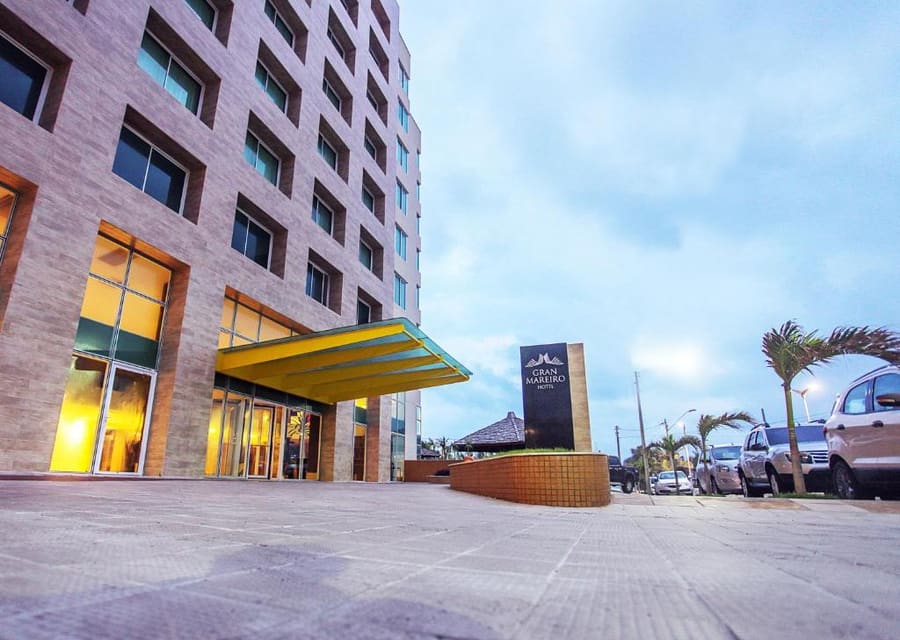
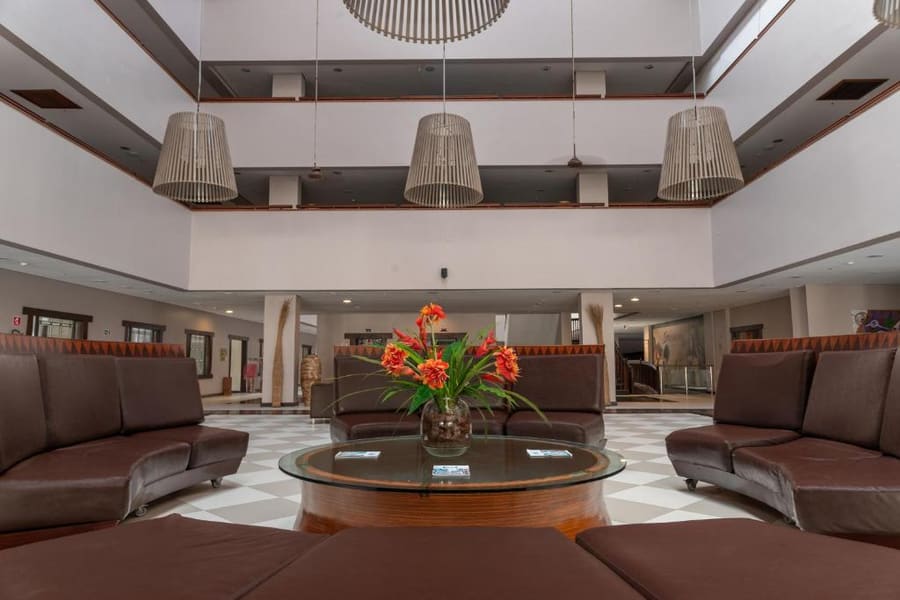
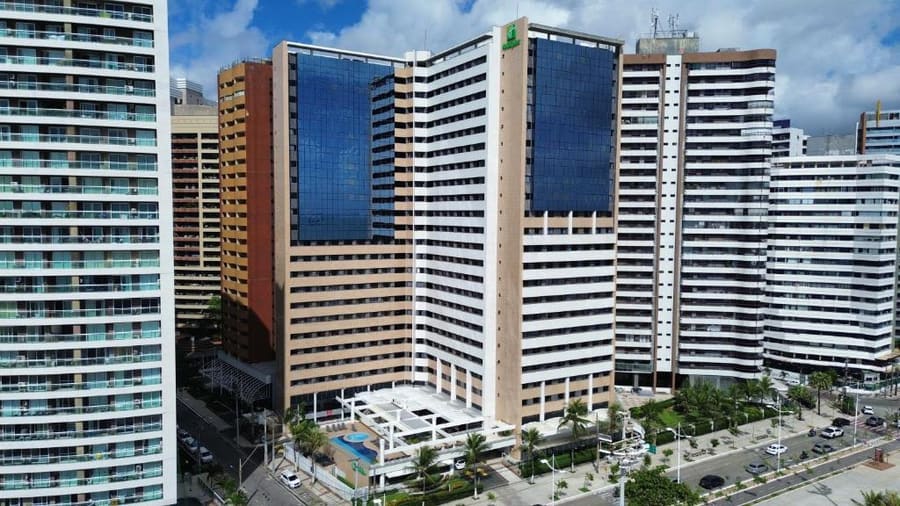
Choose your base based on nighttime walking habits and beach access. Meireles offers the highest density of safe evening dining and promenade walks. Praia do Futuro suits travellers seeking immediate resort-style beach access, though you must rely on taxis after dark.
Live rates, matched to the areas above.
transport
Fortaleza is geographically wide. While you can walk within Meireles and Mucuripe along the coastal path, moving between districts requires vehicles. App-based rideshares are affordable and reliable throughout the city day and night.
من Pinto Martins International Airport (FOR)
Pick-up point is located on the upper departures level.
Official airport taxis use fixed zones paid at the terminal desk.
Line 066 connects airport to downtown; slow with limited luggage space.
Uber and 99 apps function reliably across Fortaleza. Drivers accept both in-app card payments and cash.
Avenida Washington Soares and Avenida Beira Mar stall during rush hours (07:30–09:00 and 17:30–19:00).
Avoid walking between Iracema and Downtown after dark. Take a short rideshare ride instead.
The light rail system links Parangaba to Mucuripe. Useful for rapid daylight transfers across town.
cost
Fortaleza is generally cheaper than Rio de Janeiro or São Paulo. Eating at beach shacks and shopping at municipal markets offers excellent value, though tourist-facing restaurants along Avenida Beira Mar charge higher prices.
Served steamed with coconut milk broth at coastal barracas.
Includes whole fish, rice, beans, and farofa in Varjota.
Covers movement between Meireles and Iracema or Varjota.
Bought directly from vendors along the Beira Mar promenade.
seasonality
JAN – APR
Rainy season. Frequent heavy downpours interrupt sun exposure, but ocean water remains warm.
MAY – JUL
Transition period. Rains taper off, humidity drops, and hotel pricing dips.
AUG – DEC
Dry and windy season. Peak conditions for beach days, windsurfing, and kitesurfing.
practicalities
Fortaleza sits near the equator. UV radiation is high year-round, making sunscreen essential even on cloudy days.
Check local environmental reports (SEMACE) before swimming in Iracema or Meireles; Praia do Futuro is cleaner.
Leave high-value jewelry and passports in your hotel safe when spending the day on public beaches.
Fortaleza operates on 220V power at 60Hz. Standard Brazilian Type N plugs are used everywhere.
Nearly all street vendors accept contactless card payments, but carry small cash notes for beach tips.