landmark
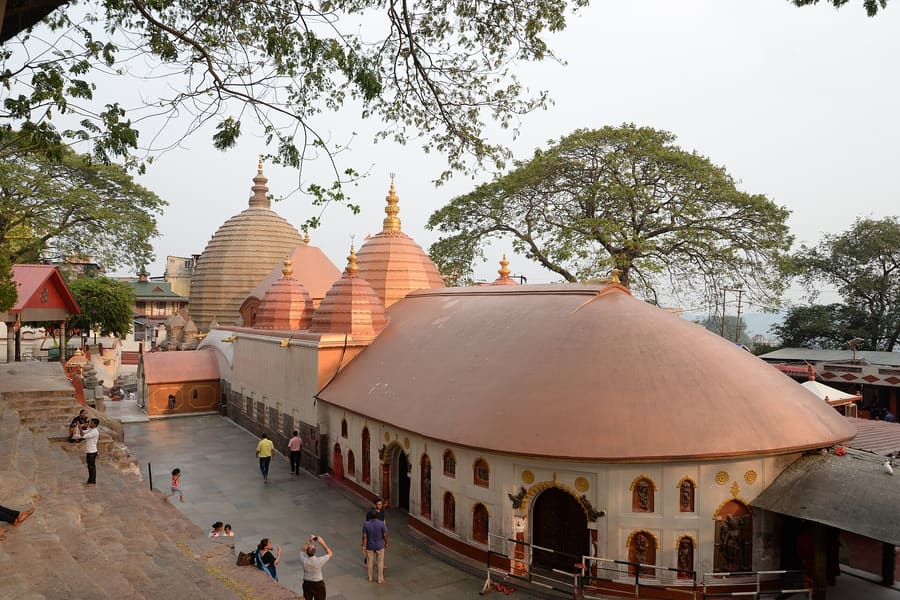
Kamakhya Temple
Tantra shrine atop Nilachal Hill. VIP entry tickets online cut waiting time from four hours to one.
اسأل Parleyالهند
Gateway to the Northeast anchored by the Brahmaputra River.
introduction
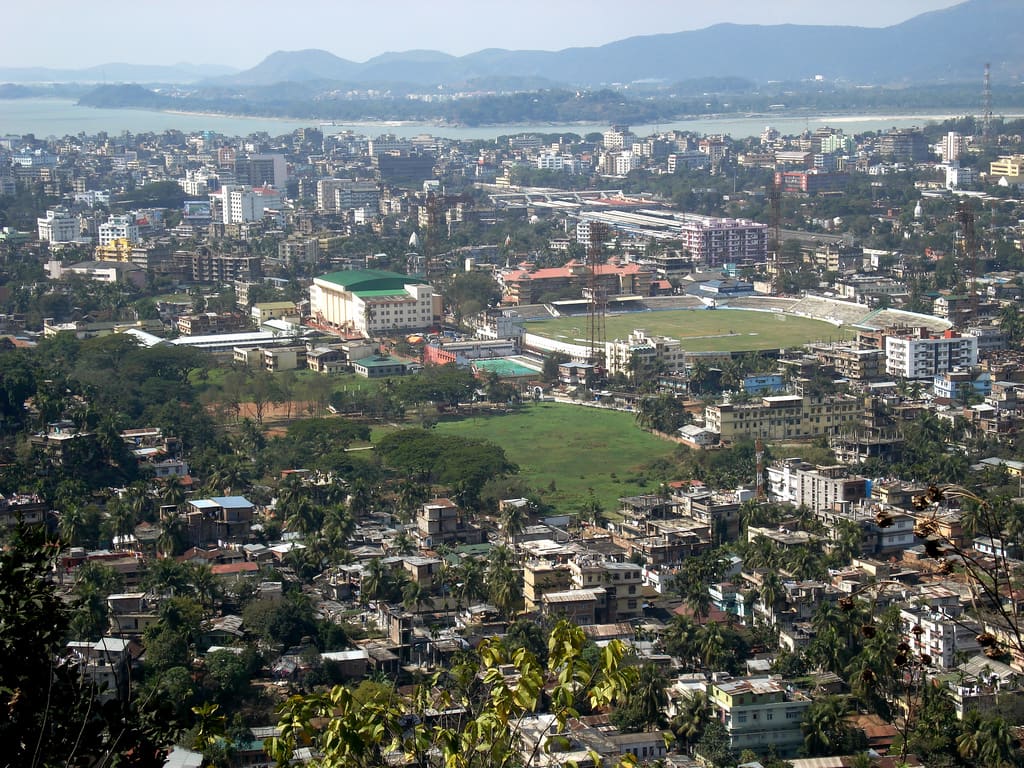
Guwahati sits on the south bank of the Brahmaputra River as Assam's commercial capital. You come here to transition into Northeast India or to trade urban density for riverfront rhythm. The city runs on tea, ferry crossings, and temple pilgrimages. Navigation is straightforward if you anchor your plans to GS Road or the riverbank.
Arrival hack
Pre-paid taxis at GAU airport charge fixed rates to the centre. Avoid unmetered street cabs at the terminal exit.
Key landmark
Kamakhya Temple hosts the annual Ambubachi Mela every June. The main shrine closes for four days during the festival.
Planning trick
Cross the Brahmaputra on the public ferry from Kachari Ghat. It costs ₹20 and saves an hour of highway traffic.
Guwahati
Tridib Sarma · CC BY-SA 3.0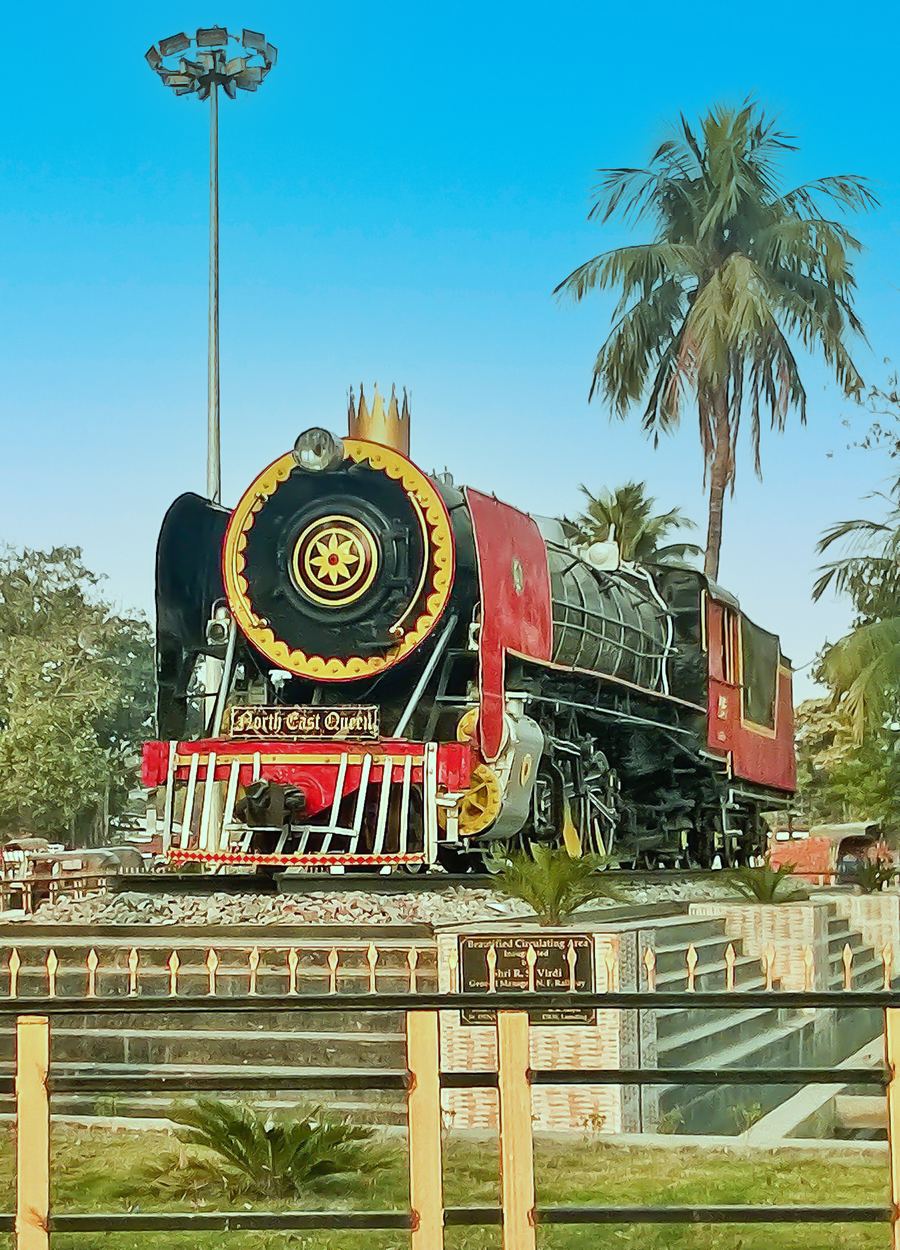
Pan Bazar — Colonial-era streets packed with historic publishing houses, administrative offices, and traditional eateries.
Kanad Sanyal · CC BY-SA 4.0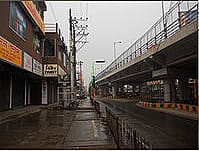
Ganeshguri — Dense commercial sector centered under a major flyover, packed with garment vendors and food stalls.
GUWAHATI.jpg: suman bora derivative work: Bhaskarbhagawati · Public domain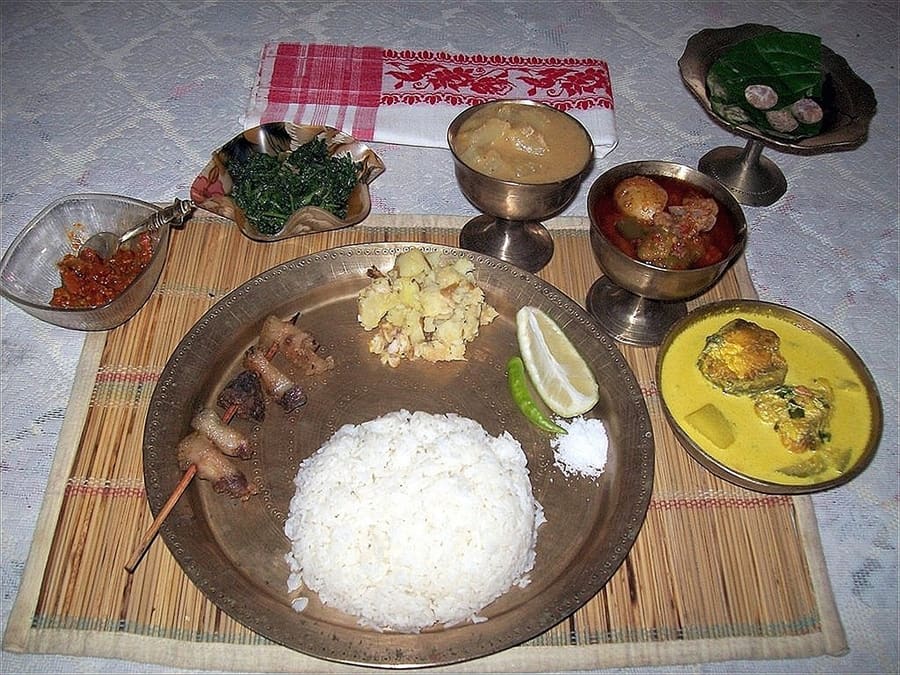
A traditional Assamese meal served in bell-metal kansa dishes.
Soyuz Sharma · CC BY-SA 3.0highlights
landmark
Tantra shrine atop Nilachal Hill. VIP entry tickets online cut waiting time from four hours to one.
اسأل Parley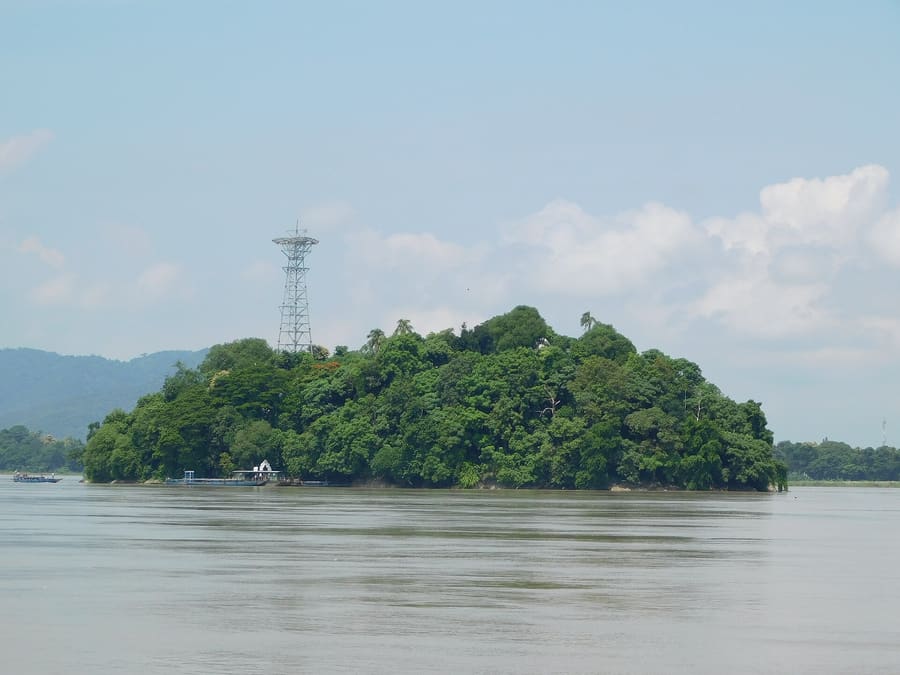
landmark
Smallest inhabited river island. Shared boats depart frequently from Uzan Ghat for ₹20.
اسأل Parley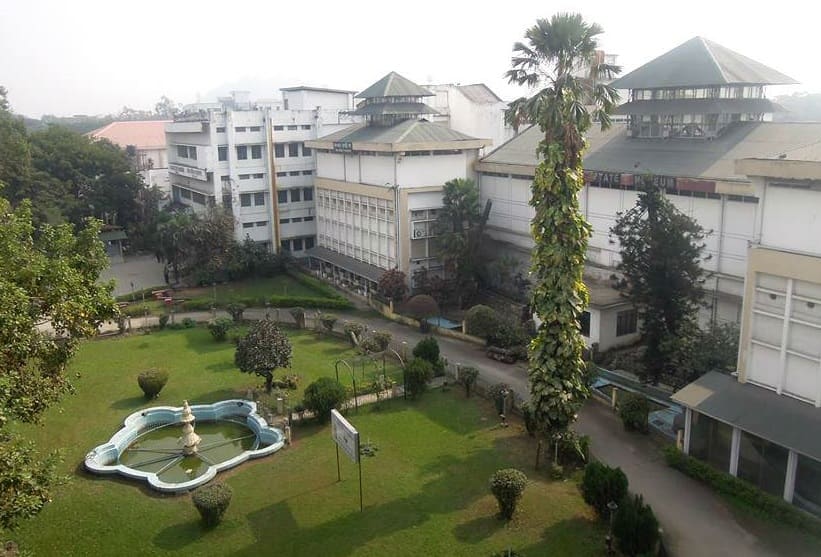
landmark
Houses 5th-century sculptures and Ahom armor. Closed Mondays and alternating Saturdays.
اسأل Parley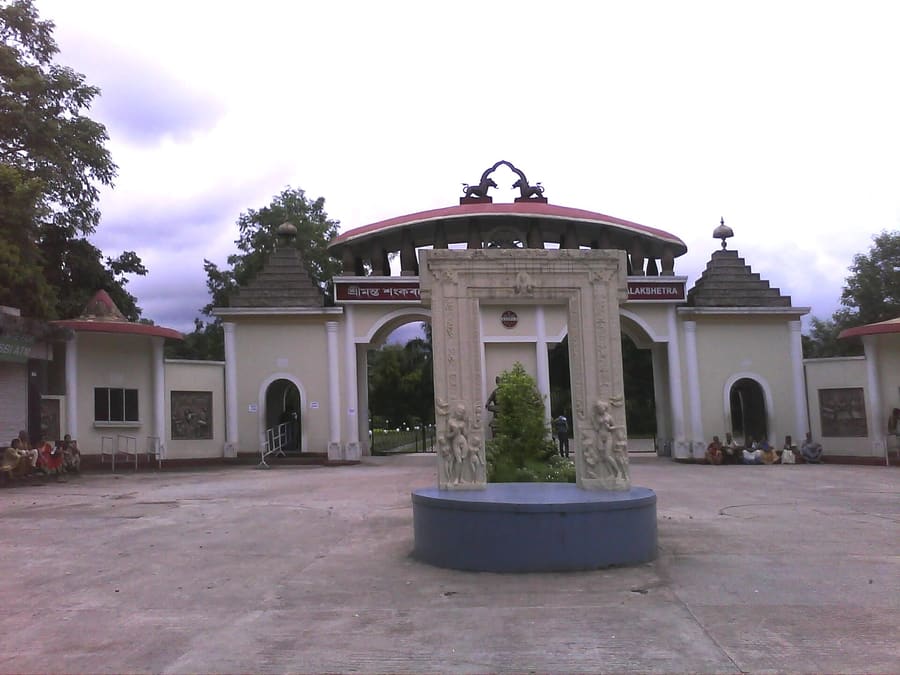
landmark
Sprawling grounds dedicated to regional arts. Budget two hours to walk the open-air exhibits.
اسأل Parleyattractions
areas
Colonial-era streets packed with historic publishing houses, administrative offices, and traditional eateries.
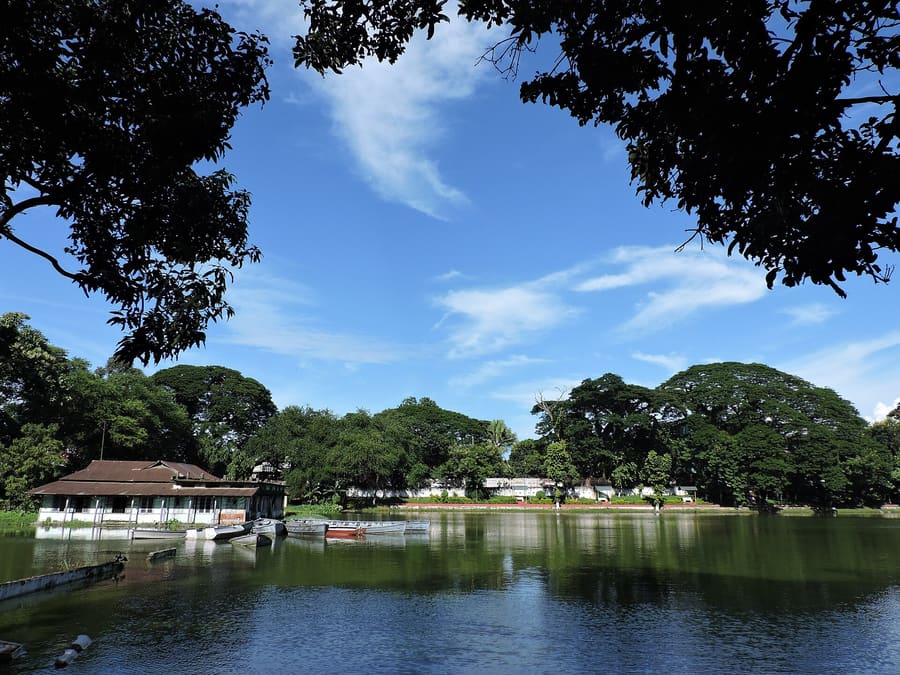
قريبGuwahati Railway Station and Dighalipukhuri Lake.
اسأل ParleyDense commercial sector centered under a major flyover, packed with garment vendors and food stalls.
قريبAssam State Zoo.
اسأل ParleyThe city's main modern commercial artery with high-rise hotels, shopping malls, and late-night bars.
قريبDispur administrative capital.
اسأل ParleyResidential riverside enclave with fresh morning fish markets and quiet leafy avenues.
قريبBrahmaputra riverbanks and ferry piers.
اسأل Parleyfood
Assamese food prioritizes fermented ingredients, fresh river fish, and subtle herb seasoning over heavy spices. Rice forms the backbone of every traditional meal. A standard thali includes pitika (mashed vegetables seasoned with raw mustard oil and chillies) alongside masor tenga (sour fish curry made with elephant apple or lemon). Smoked pork cooked with bamboo shoot is widely available in specialized regional eateries.
A traditional Assamese meal served in bell-metal kansa dishes.
Soyuz Sharma · CC BY-SA 3.0Arrive at 07:00 to see local cooks select freshly caught Boroli and Chital fish from the river.
Specializes in ethnic Assamese barbecue and pork with mustard greens near GS Road.
history
Guwahati was historically known as Pragjyotishpura, an ancient capital mentioned in classical epics. It served as a strategic river fortress controlling passage into the Brahmaputra valley. The Ahom Kingdom ruled the region for six centuries, successfully repelling Mughal expansion at the Battle of Saraighat in 1671. British rule in 1826 annexed Assam, shifting commercial focus to tea cultivation and river logistics.
Battle of Saraighat
Ahom General Lachit Borphukan defeated Mughal naval forces on the Brahmaputra River.
Treaty of Yandabo
The British East India Company took control of Assam, establishing tea plantations.
Bridge Construction
Saraighat Bridge opened, creating the first rail and road span over the Brahmaputra.
Capital Shift
Assam's administrative capital moved from Shillong to Dispur within Guwahati limits.
where to stay
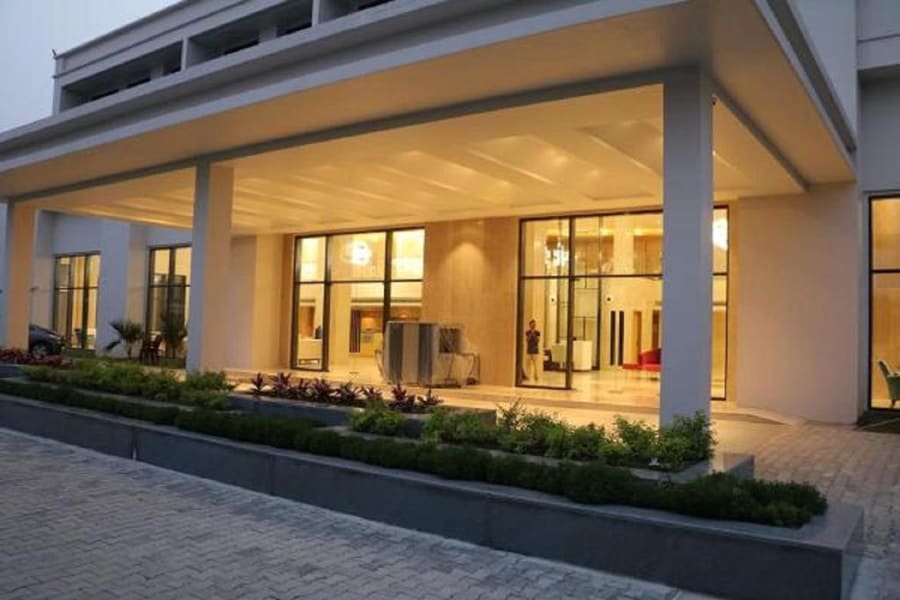
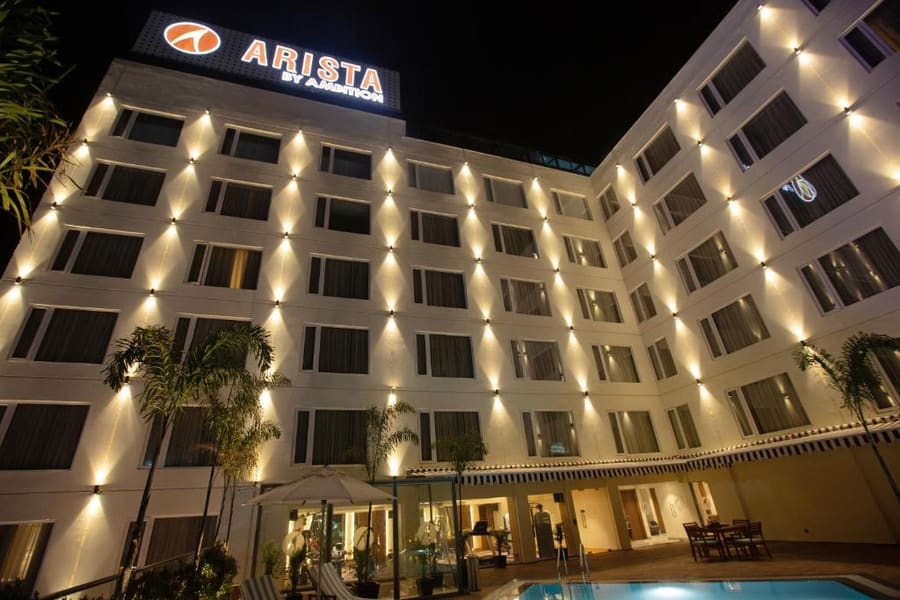
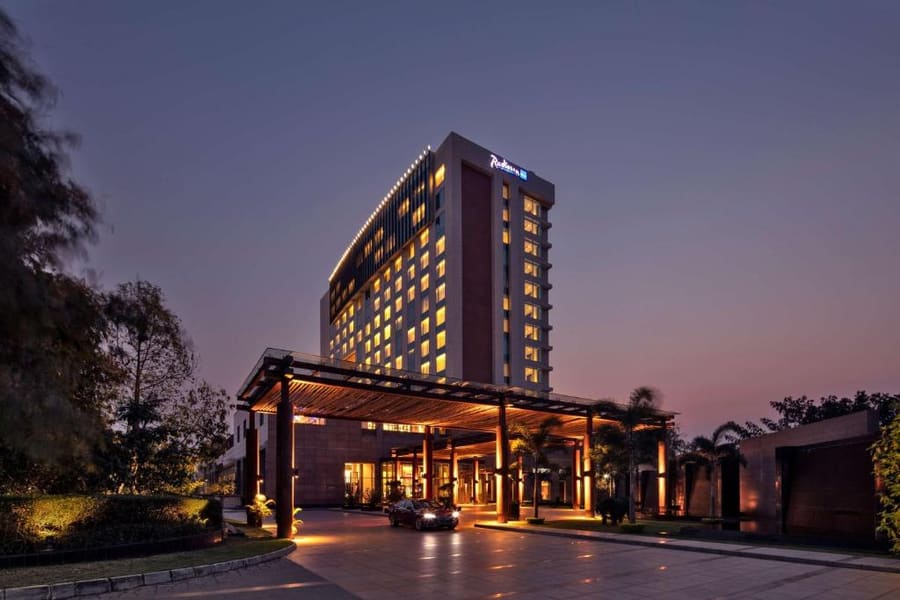
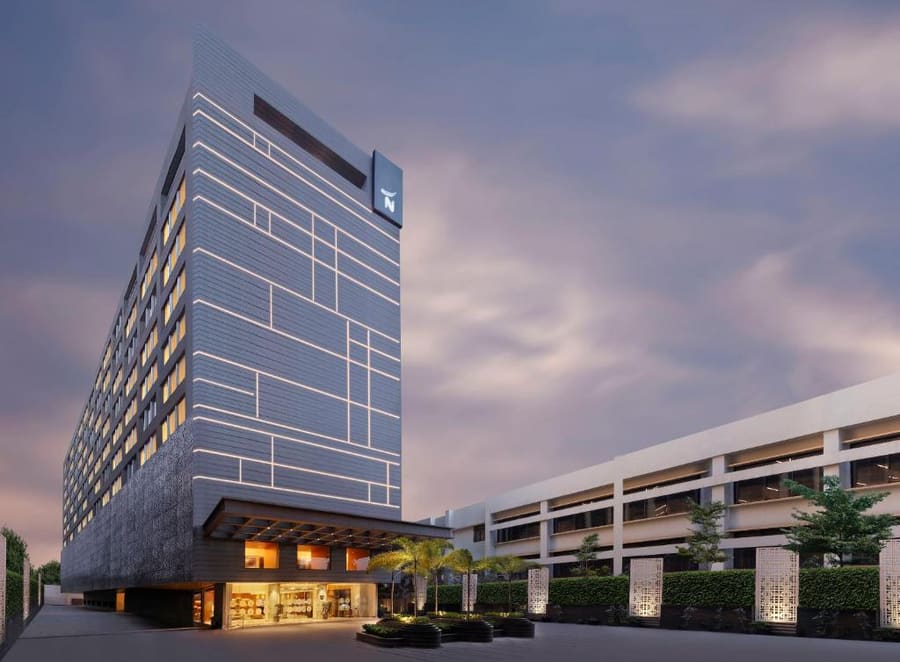
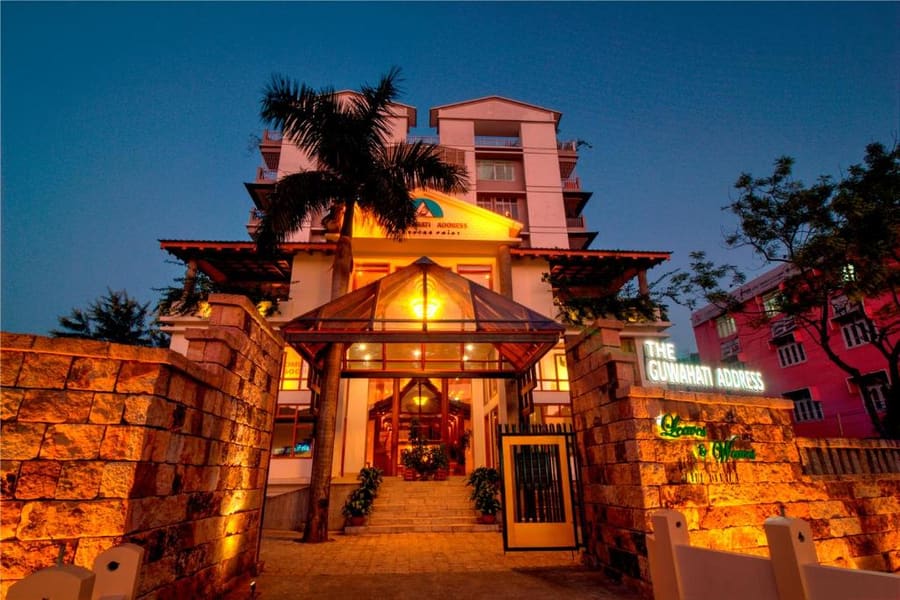
Choose your location based on your departure plans. If you rely on trains or ferries, stay in Pan Bazar or Uzan Bazar. If you prefer high-end business hotels and access to dining, book along GS Road. Stay near Azara or Gotanagar if you have early flights or late highway connections.
Live rates, matched to the areas above.
transport
Guwahati stretches horizontally along the river. Public city buses are cheap but frequently overcrowded. Rideshare apps function reliably across the urban core. For crossing the river, public ferries beat vehicle traffic on the bridges.
من Lokpriya Gopinath Bordoloi International Airport (GAU)
Pay fixed fare at the pre-paid counter inside the arrivals terminal.
Uber and Ola pick up at designated zones outside the terminal.
ASTC green buses run from airport to Paltan Bazar until 20:00.
Uber and Ola work well for city movement. Cash payment option is preferred by drivers.
Rickshaws do not use meters. Agree on the total fare before getting inside.
The main train hub is located in Paltan Bazar. Allow 20 extra minutes for security checks.
GS Road jams between 09:00–11:00 and 17:00–20:00. Use auto-rickshaws to bypass standstills.
cost
Guwahati is affordable compared to Tier-1 Indian metros. Daily travel expenses remain low unless you hire private cars for outstation trips. Most mid-range establishments accept cards or UPI mobile payments, but cash is essential for street markets and ferries.
One-way deck ticket from Kachari Ghat to North Guwahati.
Ticket price for the river cable car crossing.
Standard fare for 3–5 kilometer trips inside central zones.
seasonality
OCT – MAR
Cool, dry weather with daytime temperatures around 20–25°C. Best time for river trips.
APR – MAY
Rising heat and humidity. Bohag Bihu festival in mid-April brings cultural celebrations.
JUN – SEP
Monsoon rains cause river swell and street flooding. Pobitora sanctuary closes for safety.
practicalities
Guwahati sits far east in its timezone. It gets dark by 17:00 in winter.
ATMs in commercial hubs work reliably. Carry cash for small vendors and entry fees.
Remove footwear and leather items before entering Kamakhya Temple compound.
Assamese and Bengali are widely spoken. Hindi and English are broadly understood in service areas.
Avoid unauthorized small wooden boats during high water flow from June to August.