landmark
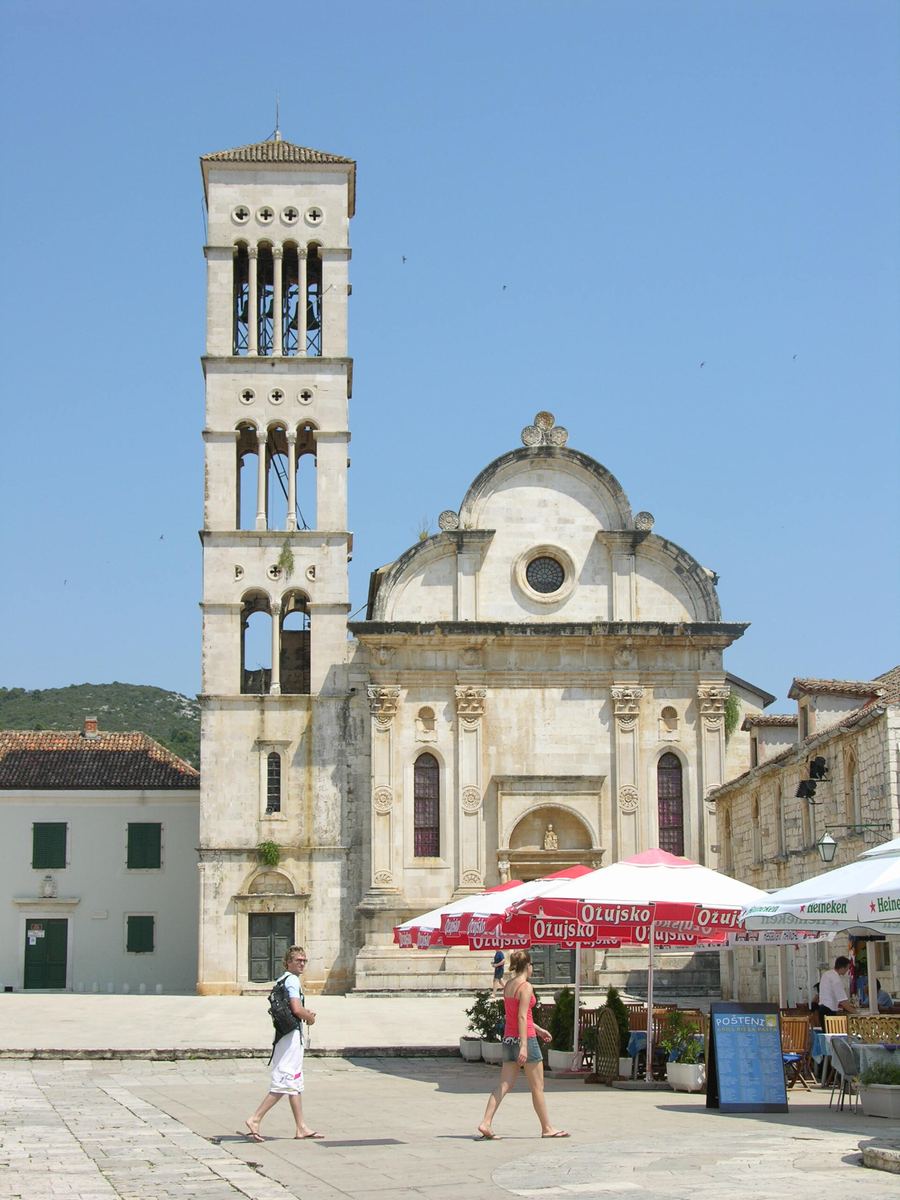
St. Stephen's Cathedral
Dominates the east end of the square with a late Renaissance bell tower and stone plaza.
اسأل Parleyكرواتيا
Sunlit limestone, Venetian history, and island boat trips.
introduction
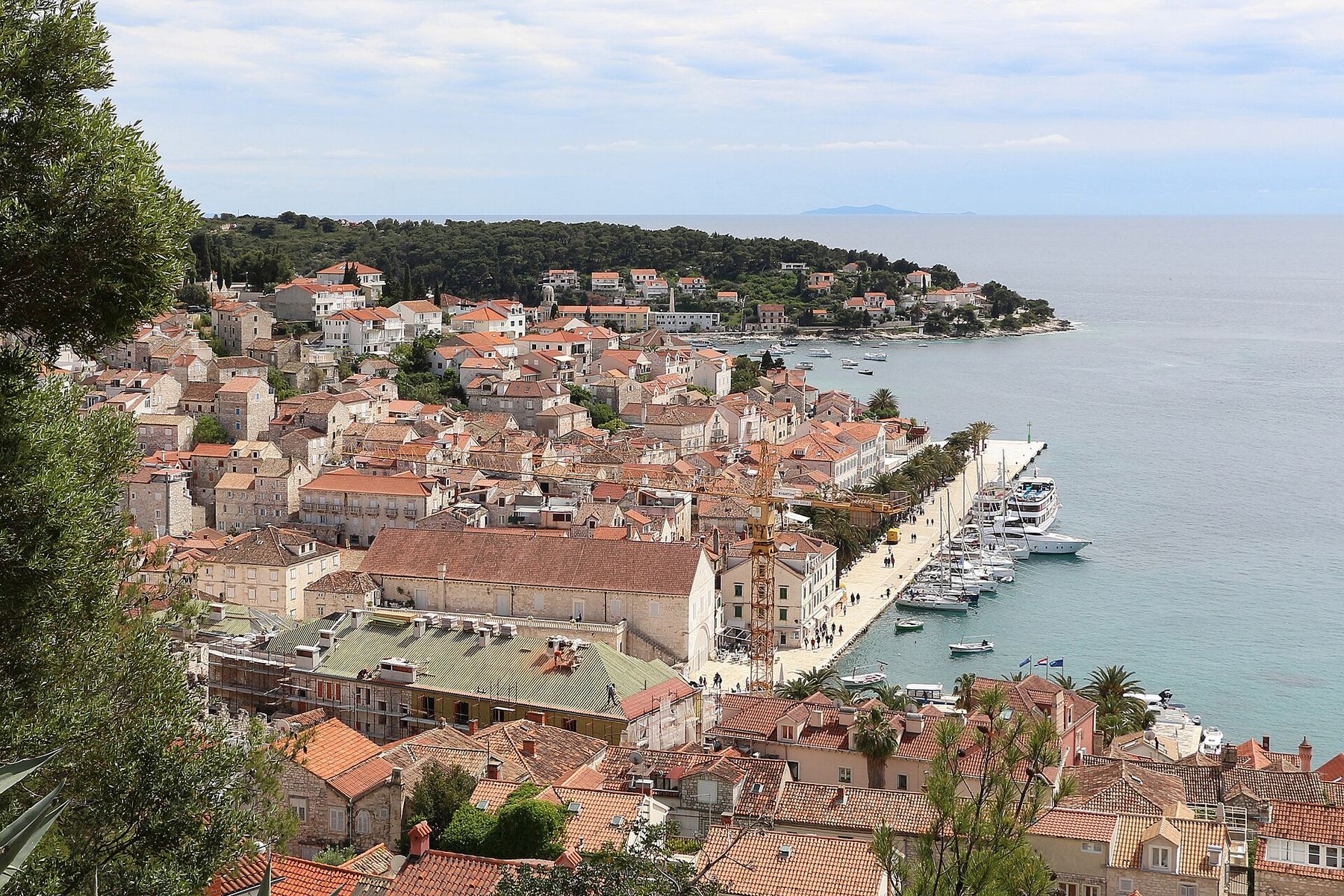
Hvar Town is a car-free stone core built around a sheltered Adriatic bay. You move through it on foot, navigating steep alleys and limestone steps that climb from the marina. The harbor draws luxury yachts and evening revellers, while quiet lavender fields sit just inland. Water taxis lined up along the pier connect the waterfront to uninhabited islets nearby.
Arrival port difference
Passenger catamarans land directly at Hvar Town pier. Car ferries dock in Stari Grad, requiring a 20-minute bus ride to reach the main square.
UNESCO agricultural site
The nearby Stari Grad Plain is a preserved UNESCO site. Its field boundaries were surveyed by ancient Greek settlers in the 4th century BC.
Fortress timing
Walk up to Fortica Fortress before 09:00 to avoid mid-day heat. Crowds multiply quickly once passenger catamarans arrive from Split.
Hvar
Niels Elgaard Larsen - User: (WT-shared) Elgaard at wts wikivoyage · CC BY-SA 4.0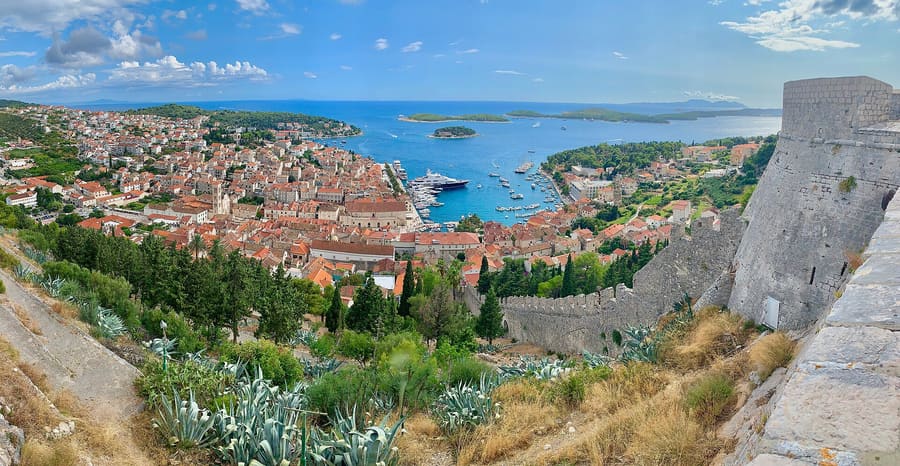
Hvar Old Town — Marble lanes packed with restaurants, bars, and historical architecture.
Steve Jurvetson · CC BY 2.0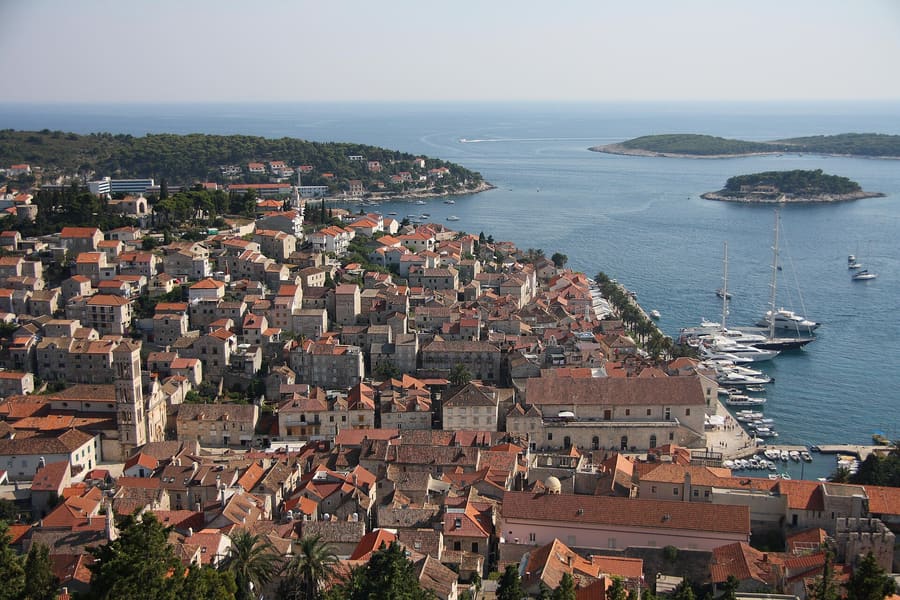
Križna Glavica — Residential hilltop area with views over the harbor and fewer staircases.
Schorle · CC BY-SA 3.0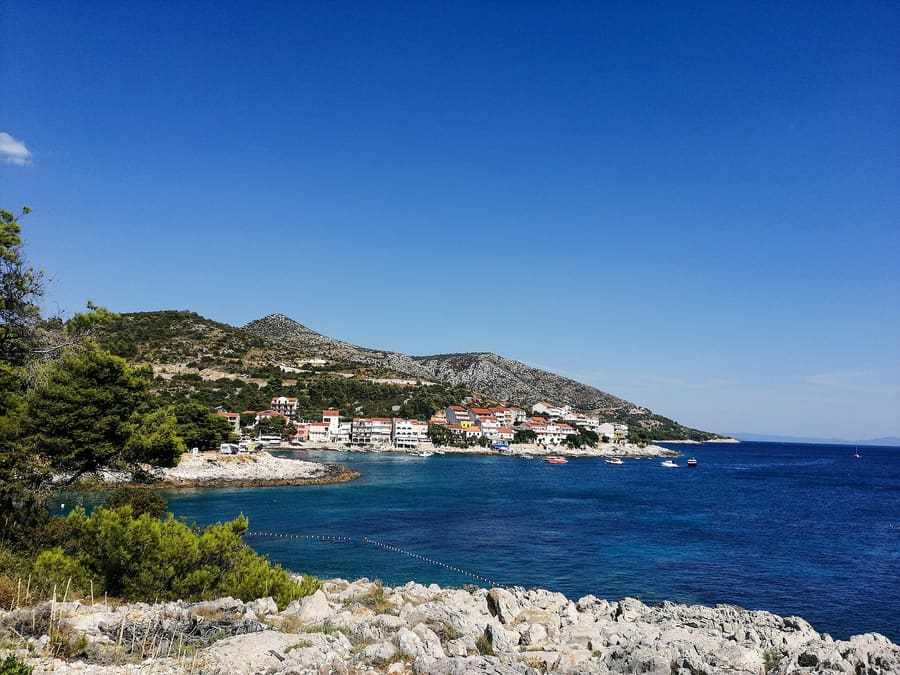
Milna — Sleepy coastal village 4km east, known for pebble beaches and calm bays.
Lucija Bušić · CC BY-SA 4.0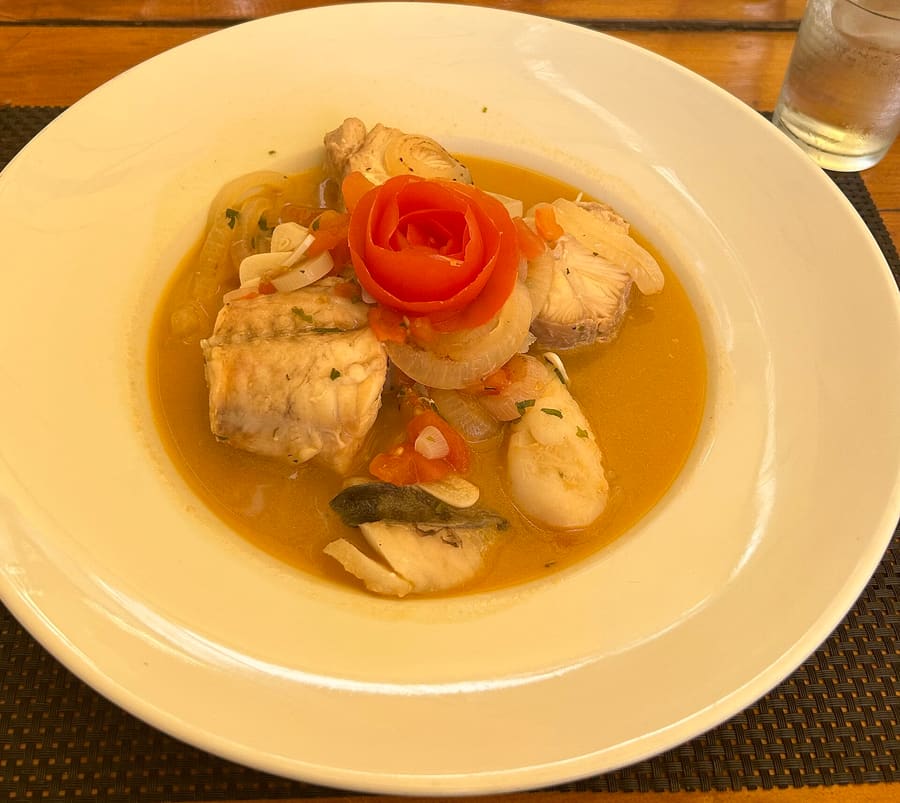
Gregada simmered in a copper pot with local fish and potatoes.
LilKil · CC BY-SA 4.0highlights
landmark
Dominates the east end of the square with a late Renaissance bell tower and stone plaza.
اسأل Parley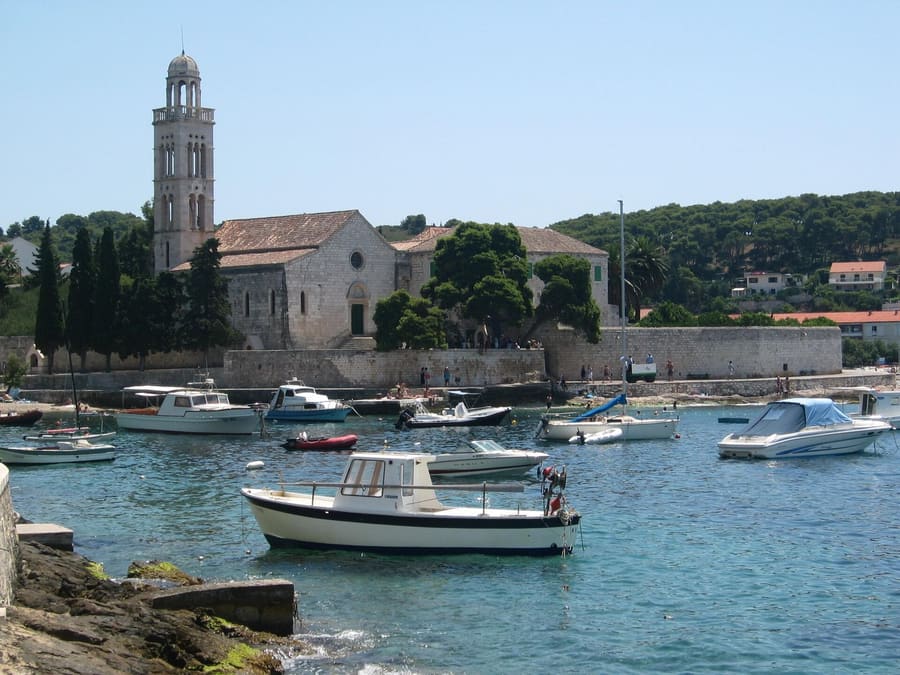
landmark
Houses a 16th-century Last Supper painting and a quiet garden right at the water's edge.
اسأل Parley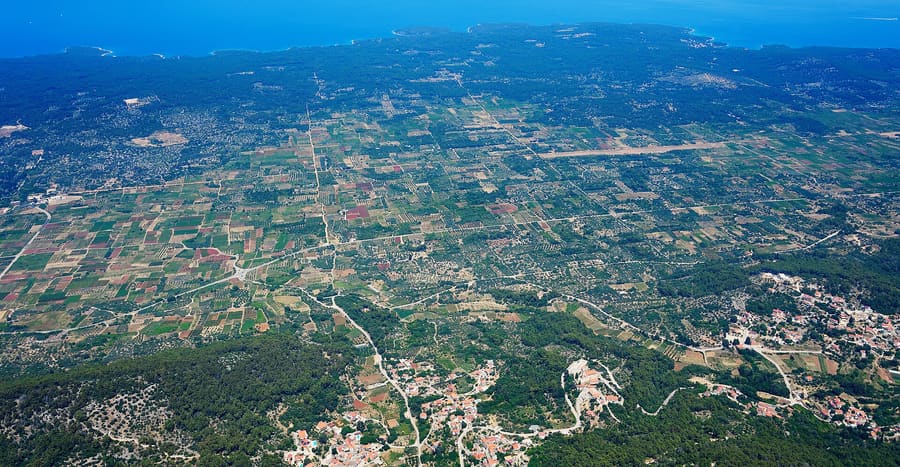
landmark
Ancient Greek agricultural landscape mapped in 384 BC and cultivated continuously since.
اسأل Parleyattractions
areas
Marble lanes packed with restaurants, bars, and historical architecture.
قريبHvar Harbour, Arsenal, St. Stephen's Square
اسأل ParleyResidential hilltop area with views over the harbor and fewer staircases.
قريبFranciscan Monastery, Pokonji Dol Beach
اسأل ParleySleepy coastal village 4km east, known for pebble beaches and calm bays.
قريبMilna Beach, Zarace Bay
اسأل Parleyfood
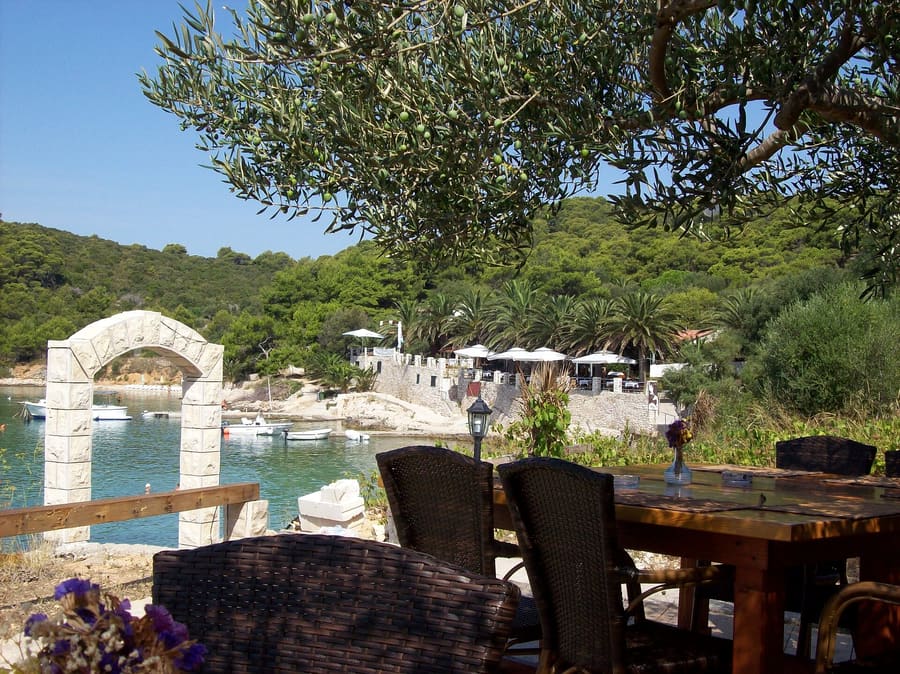
Hvar cuisine relies on fresh fish, olive oil, and herbs grown on the island's hills. The signatures dish is gregada, a slow-simmered stew of white fish, potatoes, garlic, and olive oil cooked in a flat metal pan. Order it at traditional konobas away from the main harbor front to avoid tourist pricing. Local indigenous white wines like Bogdanuša and Prč are produced directly in island vineyards around Jelsa and Svirče.
Gregada simmered in a copper pot with local fish and potatoes.
LilKil · CC BY-SA 4.0Look for local family taverns called konobas tucked into high alleyways rather than directly on the waterfront.
Gregada takes up to 45 minutes to prepare properly. Tell your server as soon as you sit down.
Bogdanuša translates to 'gift from God'. It is a crisp white wine grown almost exclusively on Hvar.
history
Greek colonists from Paros established Pharos at present-day Stari Grad in 384 BC. The center of power later shifted to Hvar Town under Venetian rule in the 13th century, creating a fortified naval base.
Greek Settlement
Greeks settle in Pharos and map out the agricultural field division system still visible today.
Venetian Rule
Hvar votes to join the Venetian Republic, which develops the town harbor into a major naval station.
Public Theatre
The Prince of Hvar converts the naval Arsenal upper floor into one of Europe's first civic theatres.
Health Association
The Hvar Health Society forms to market the island's winter climate, starting modern tourism.
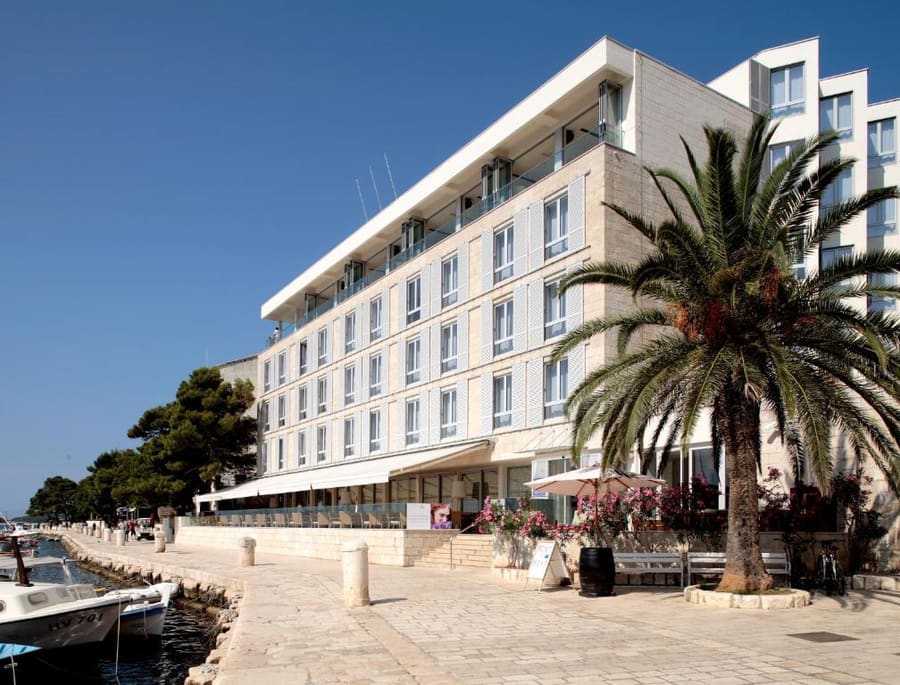
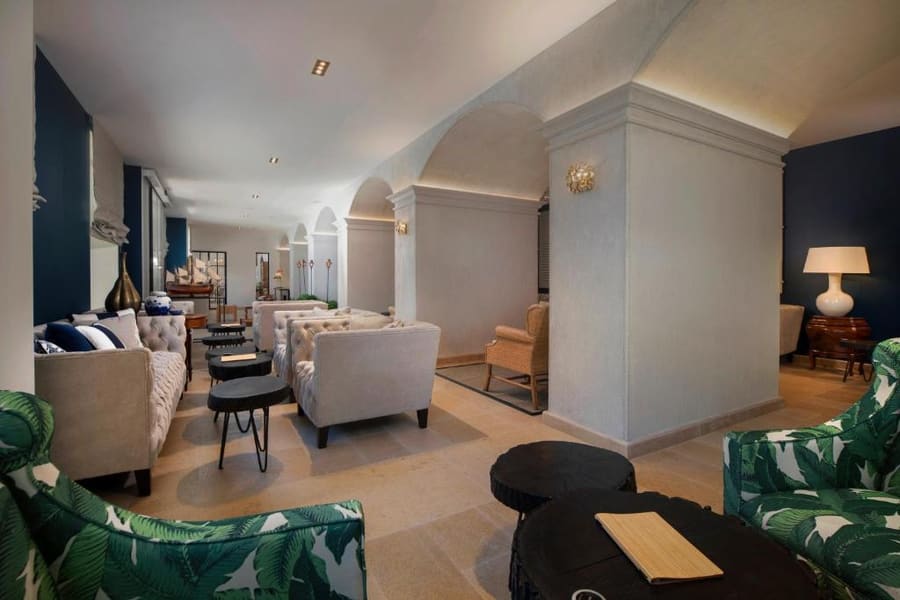
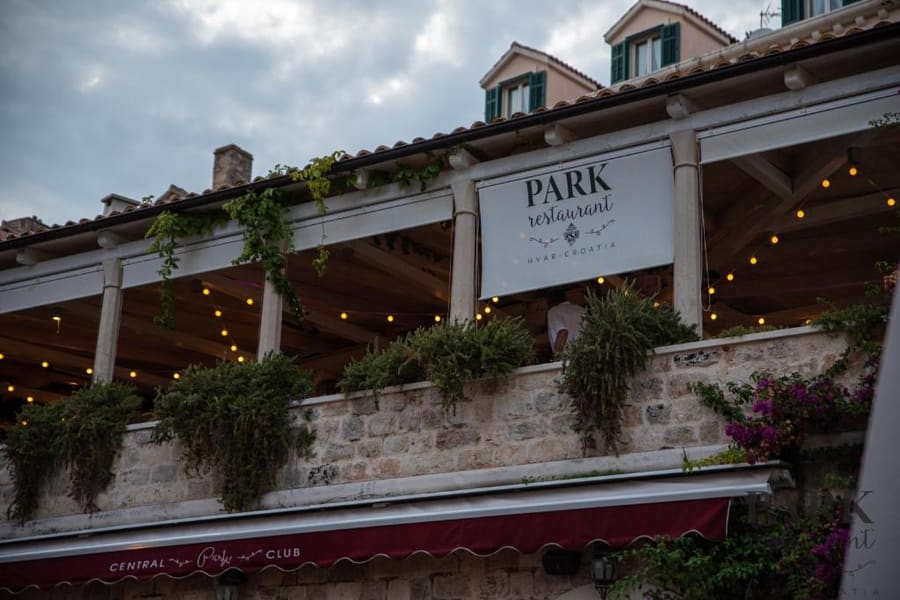
where to stay
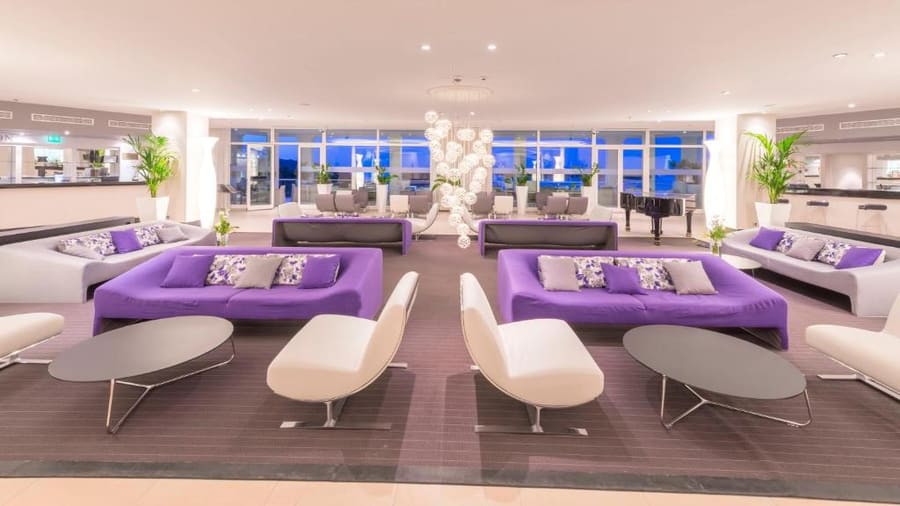
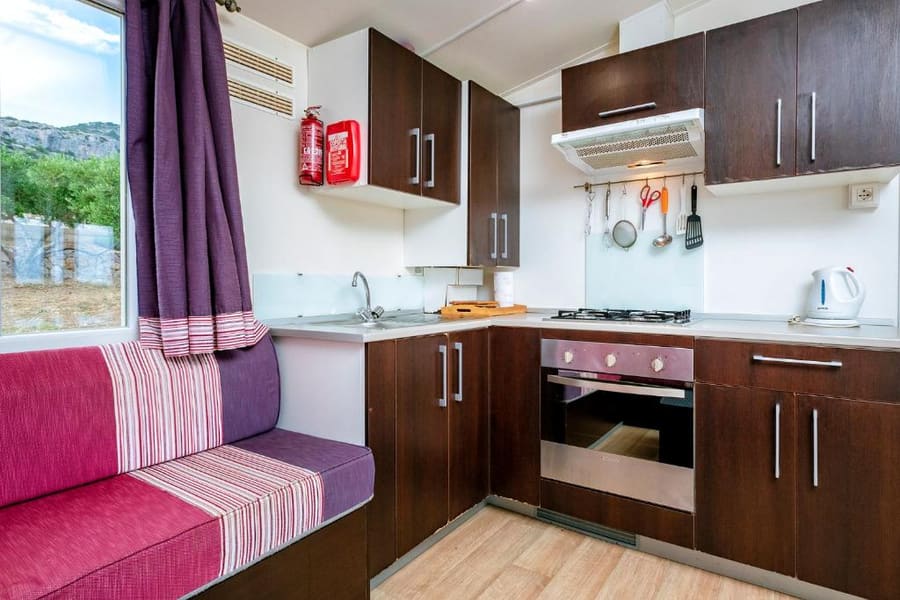
Choose your stay based on noise tolerance and how many steps you want to climb.
Live rates, matched to the areas above.
transport
Hvar Town proper is pedestrian-only. Cars are parked in outer lots, while small boats and scooters handle local travel.
من Split Airport (SPU)
Direct boat from airport dock to Hvar harbour. Fastest route, avoiding Split harbour traffic.
Shuttle bus to Split Port (8 EUR), then high-speed catamaran directly to Hvar Town main harbour.
Taxi/Uber to Split harbour (35-50 EUR), then passenger catamaran directly to Hvar Town.
Ferry from Split to Stari Grad (2h), then local bus to Hvar Town outer parking lot/bus station.
The center is entirely paved with smooth limestone. Wear shoes with reliable grip.
Taxiboats depart continuously from the main harbor near the Arsenal to islets like Jerolim and Marinkovac.
Scooters are popular for exploring inland roads, but watch for gravel on mountain bends.
cost
Hvar is one of the pricier islands in Croatia during summer months, especially for waterfront dining and private boat charters.
Covers return transit to the nearest Pakleni beaches.
Seafood dishes sell by weight or per plate depending on the daily catch.
Includes access to the battlements and small museum inside.
Prices double on the primary waterfront strip compared to back alleys.
seasonality
MAY – JUN
Warm enough for swimming without mid-summer crowds. Ferry schedules operate at near-full capacity.
JUL – AUG
Peak heat and nightlife. Accommodation prices reach maximum rates; advance booking is mandatory.
SEP – OCT
Sea temperatures stay warm through September. Wine harvest begins inland.
NOV – APR
Quiet winter season. Most seasonal hotels, restaurants, and boat operators close down entirely.
practicalities
Hvar Town has many staircases. Book accommodation near the main flat plaza if traveling with heavy bags.
Walking through the historical town center in swimwear is prohibited and enforced by local fines.
Rocky entry points along the coast often host sea urchins. Wear rubber water shoes for swimming.
Outdoor music in town must turn down significantly at midnight under local regulations.
Croatia uses the Euro (€). Avoid high-fee third-party ATMs along the main marina.