landmark
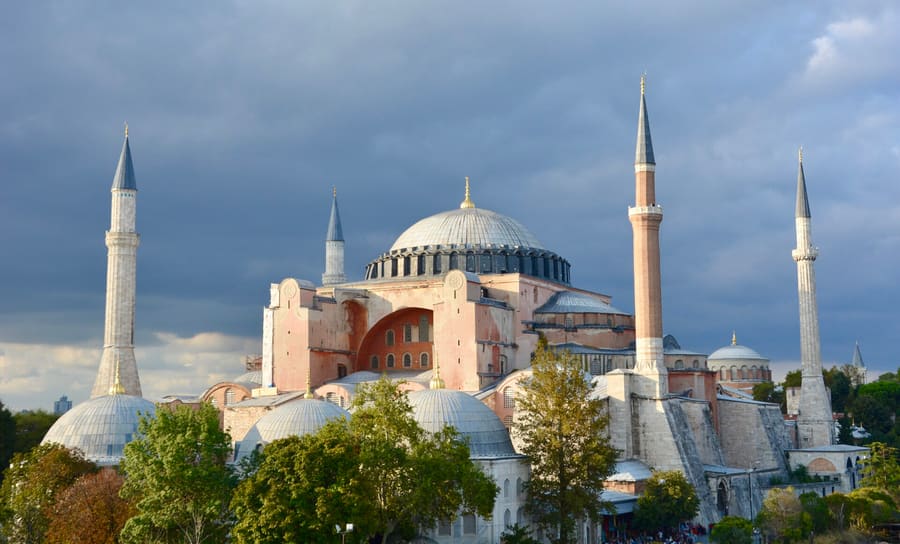
Hagia Sophia
Sixth-century masterpiece of Byzantine engineering. Foreign visitors enter through a separate side gallery line.
اسأل Parleyتركيا
Two continents connected by ferries, history, and steep hills.
introduction
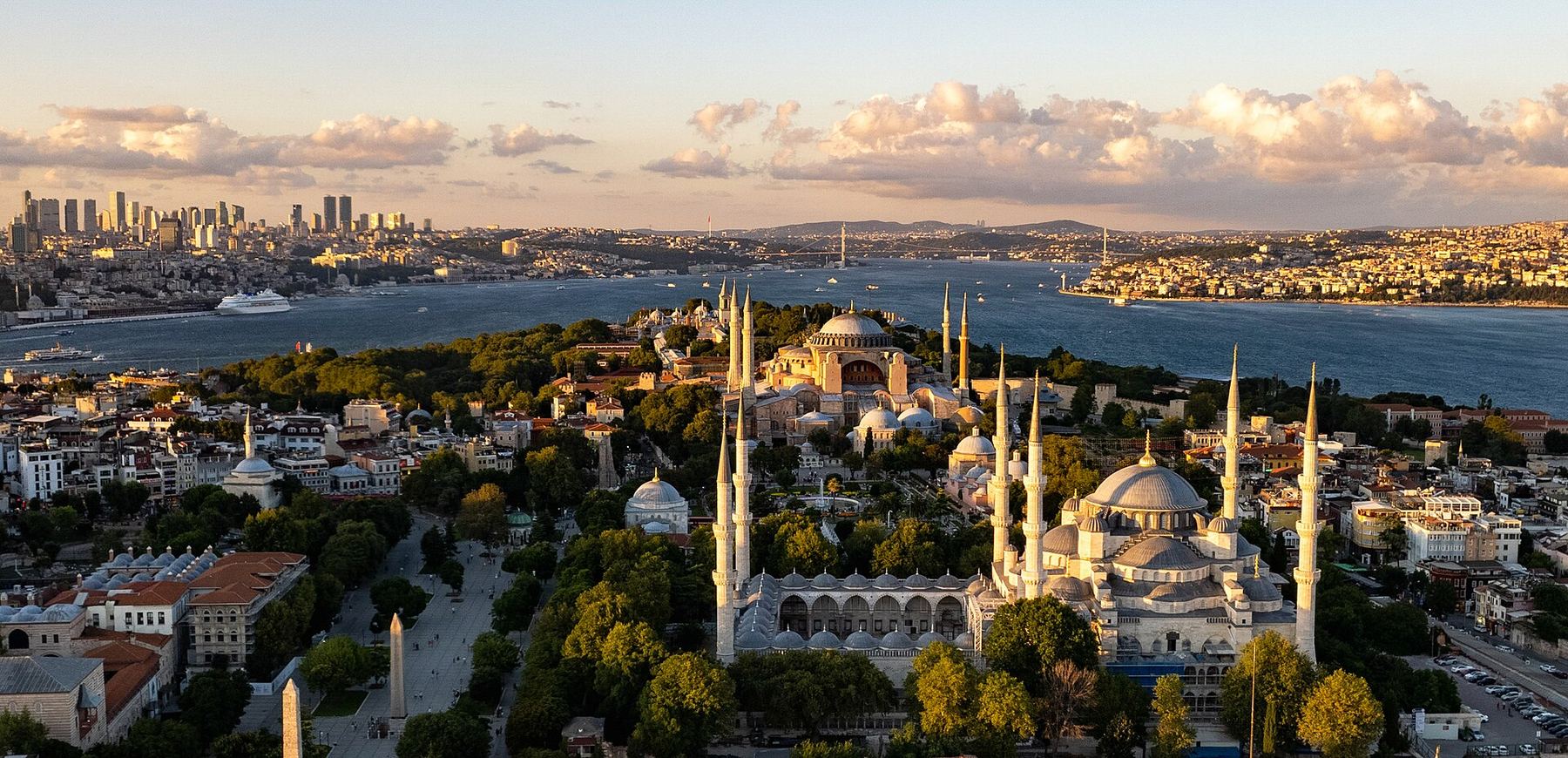
Istanbul is divided by water and built on steep hills. You navigate it by combining metro lines, hill-climbing funiculars, and public ferries across the Bosphorus. Expect dense crowds around major historical sites and quiet backstreets three blocks away.
Airport transit tip
Take the M11 metro from IST airport to Gayrettepe, then switch to the M2 line. It bypasses highway congestion completely.
UNESCO site status
The Historic Areas of Istanbul hold UNESCO status, covering the Old City peninsula, Byzantine walls, and key imperial mosques.
Transit payment trick
Buy a physical Istanbulkart at any metro station yellow vending machine. One card can be tapped for multiple travellers on ferries and trams.
Istanbul
Rrburke · CC BY-SA 3.0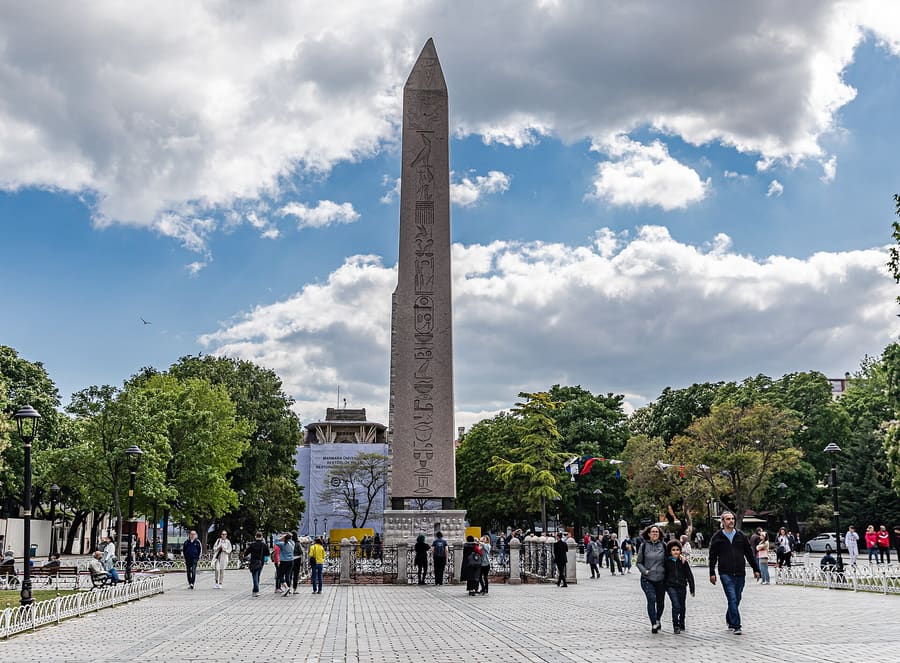
Sultanahmet — Dense historical core packed with major monuments, cobblestones, and tourist amenities.
Ninara · CC BY 2.0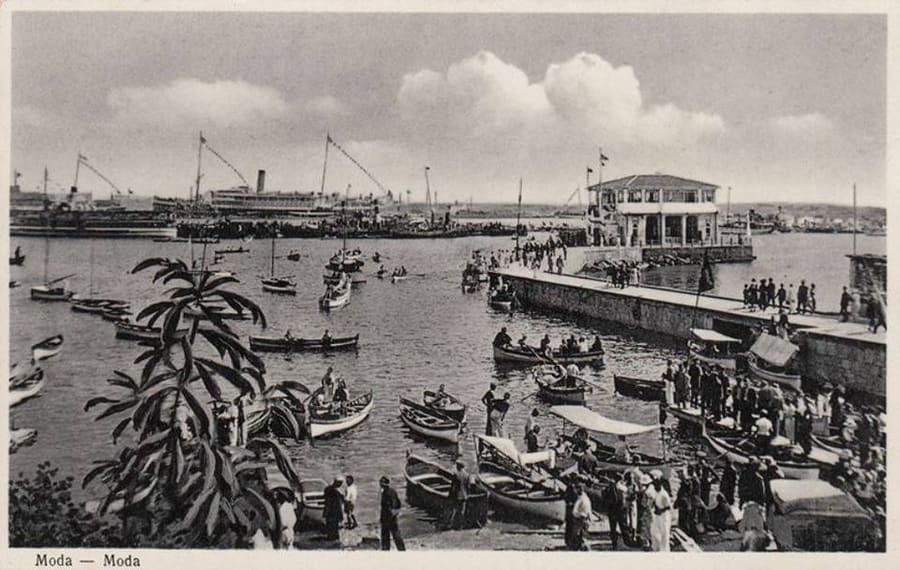
Kadıköy — Laid-back Asian-side neighbourhood defined by produce markets, bars, and seaside parks.
KOKO · CC BY-SA 4.0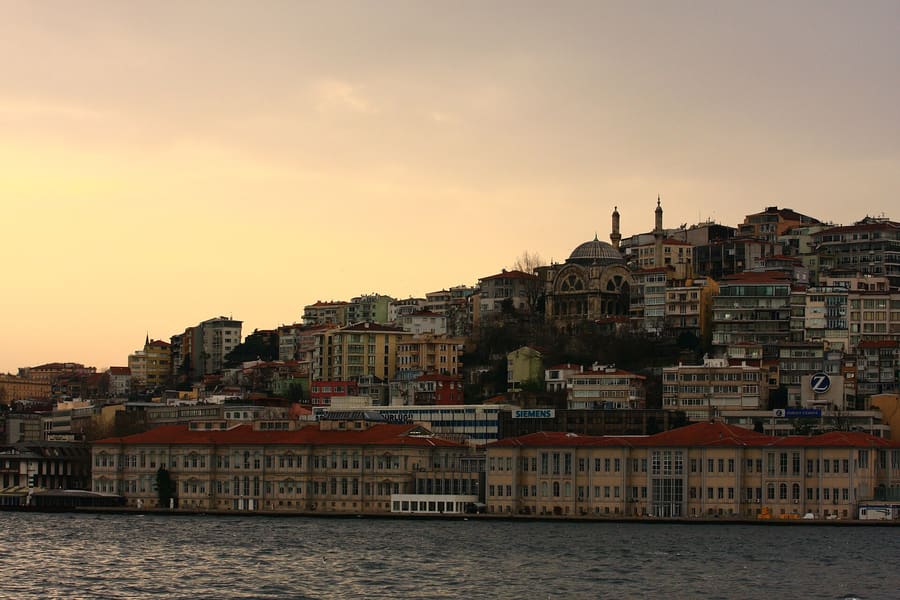
Beyoğlu & Cihangir — Hilly 19th-century district filled with antique shops, passages, and late-night venues.
Grzegorz Jereczek from Gdańsk, Poland · CC BY-SA 2.0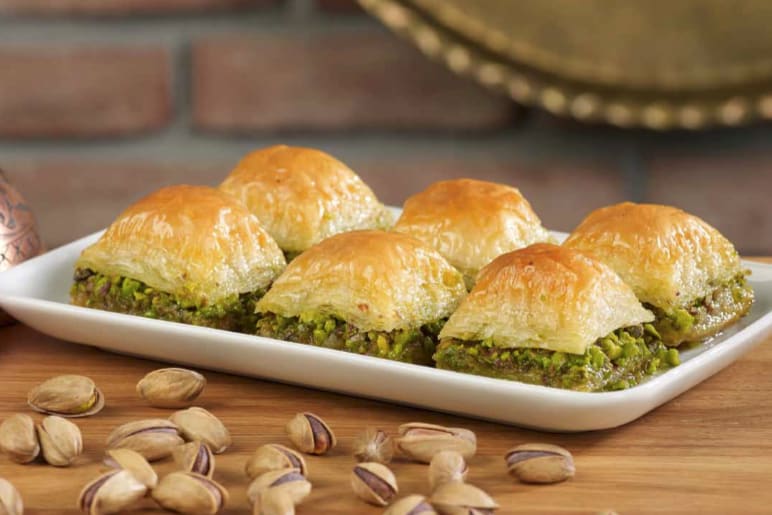
Freshly layered pistachio baklava served at Karaköy Güllüoğlu.
Sakaman · CC BY-SA 4.0highlights
landmark
Sixth-century masterpiece of Byzantine engineering. Foreign visitors enter through a separate side gallery line.
اسأل Parley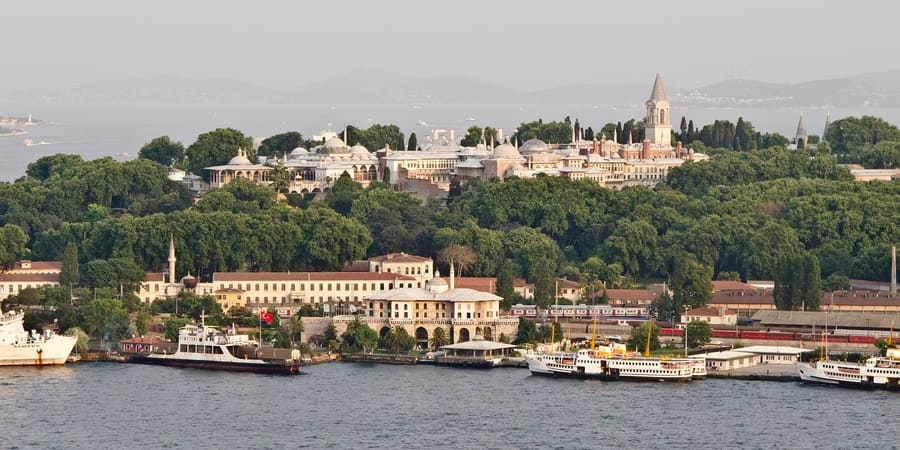
landmark
Ottoman seat of power for four centuries. Pay the extra fee for the Harem apartments to escape the main courtyard crowds.
اسأل Parley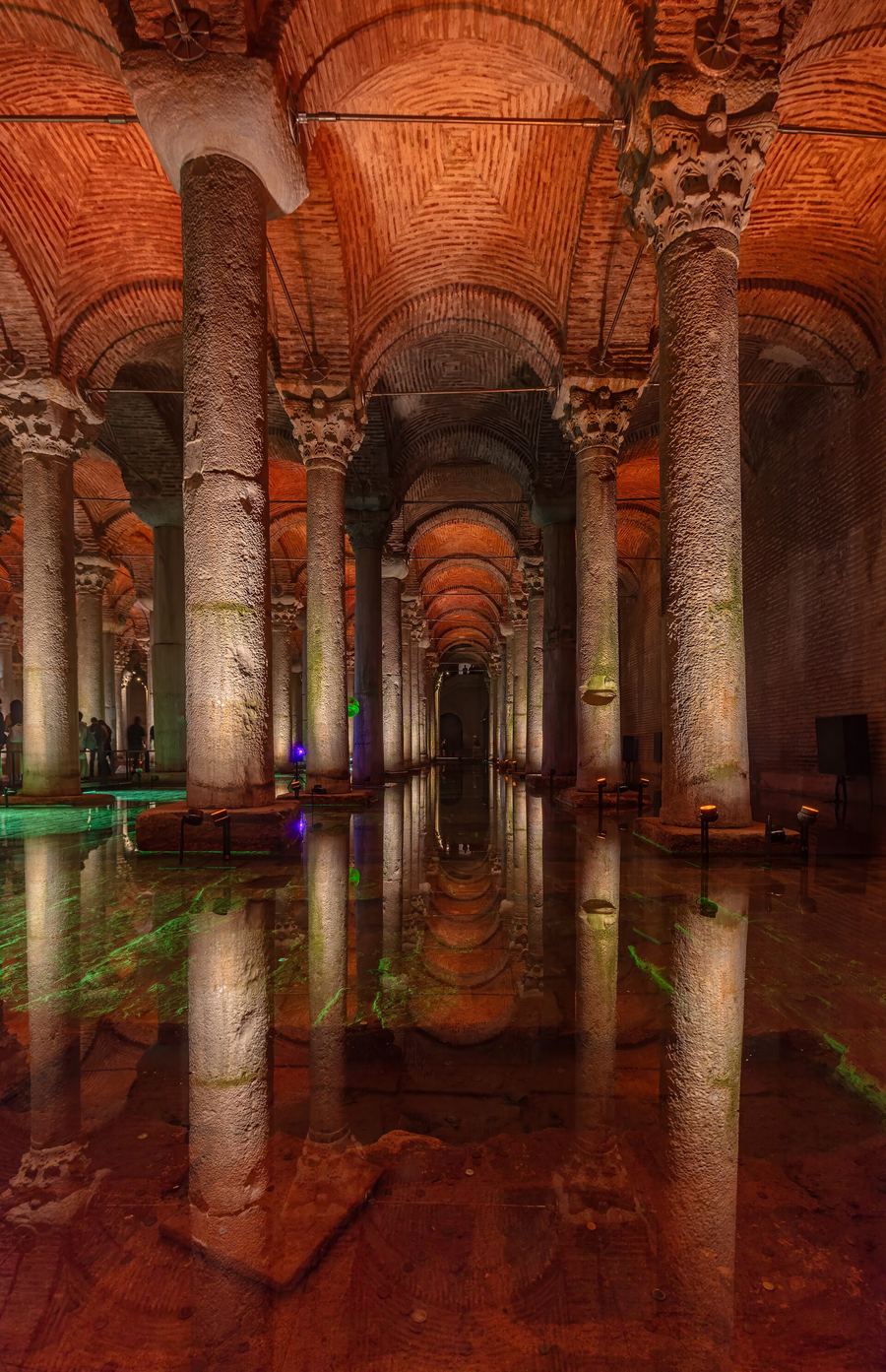
landmark
Subterranean Roman water reservoir supported by 336 marble columns. Pre-book online tickets to skip ticket office lines.
اسأل Parley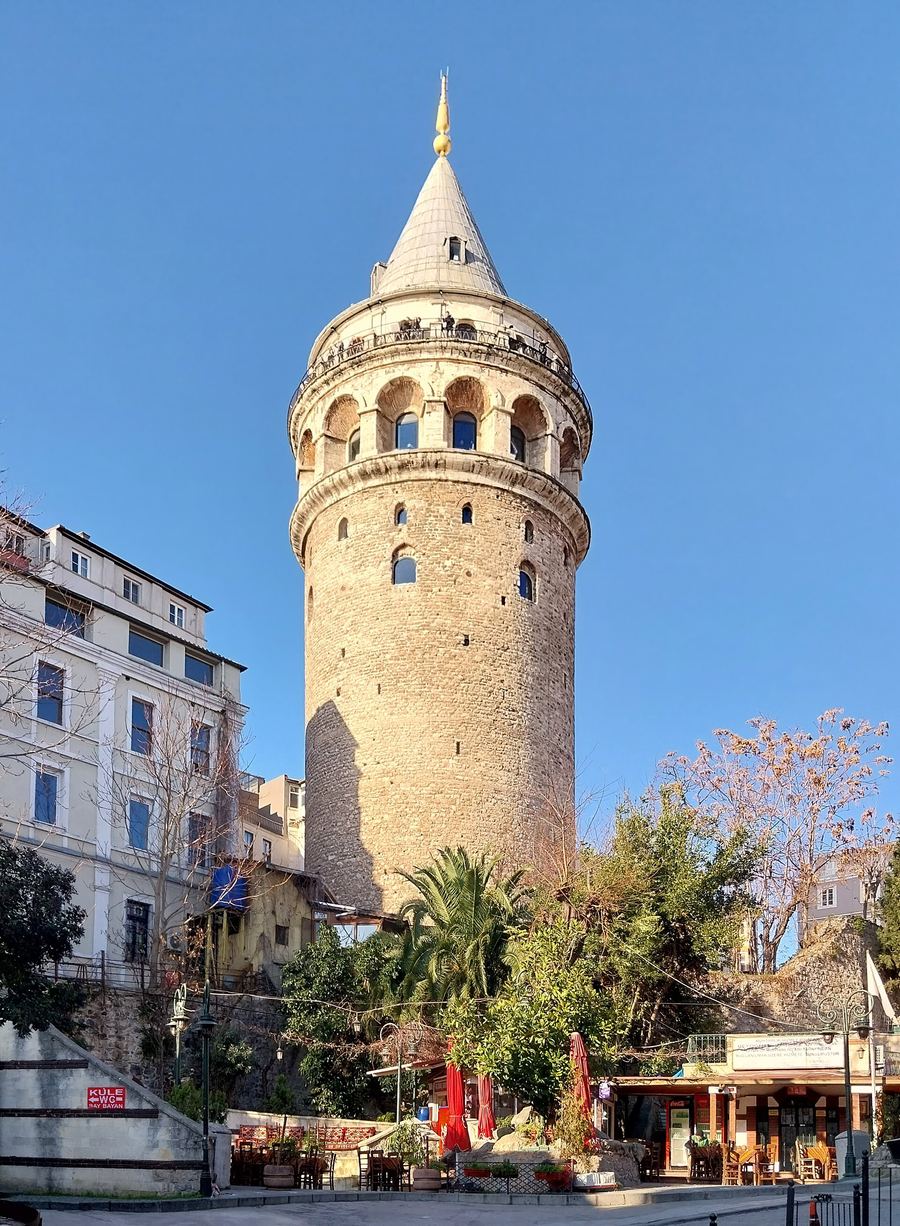
landmark
Genoese stone tower built in 1348. Climb early morning for unobstructed views across the Golden Horn.
اسأل Parley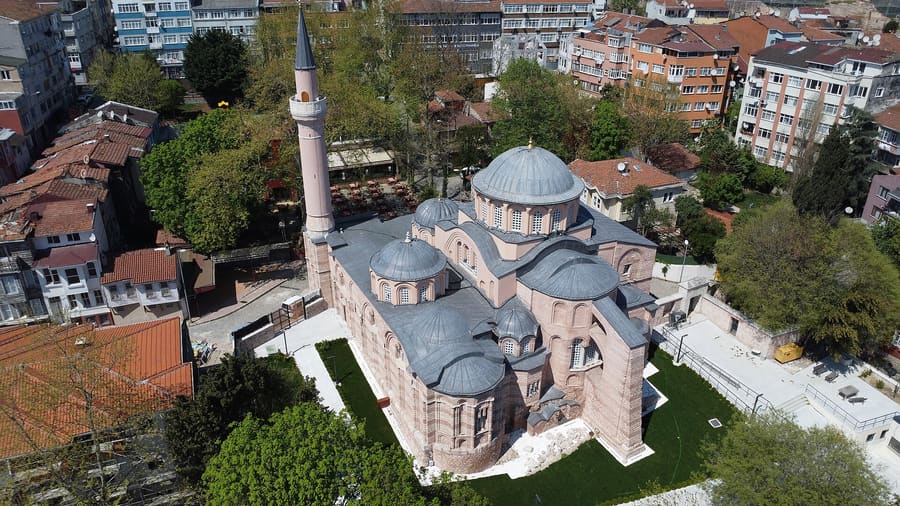
landmark
Contains some of the finest surviving late Byzantine mosaics. Located outside the central historic core.
اسأل Parleyattractions
areas
Dense historical core packed with major monuments, cobblestones, and tourist amenities.
قريبHagia Sophia, Blue Mosque, Basilica Cistern
اسأل ParleyLaid-back Asian-side neighbourhood defined by produce markets, bars, and seaside parks.
قريبModa Park, Kadıköy Ferry Terminal
اسأل ParleyHilly 19th-century district filled with antique shops, passages, and late-night venues.
قريبİstiklal Avenue, Taksim Square, Galata
اسأل ParleyFormer harbour district turned modern dining and museum Quarter along the Bosphorus.
قريبGalata Tower, Galataport, T1 Tram
اسأل Parleyfood
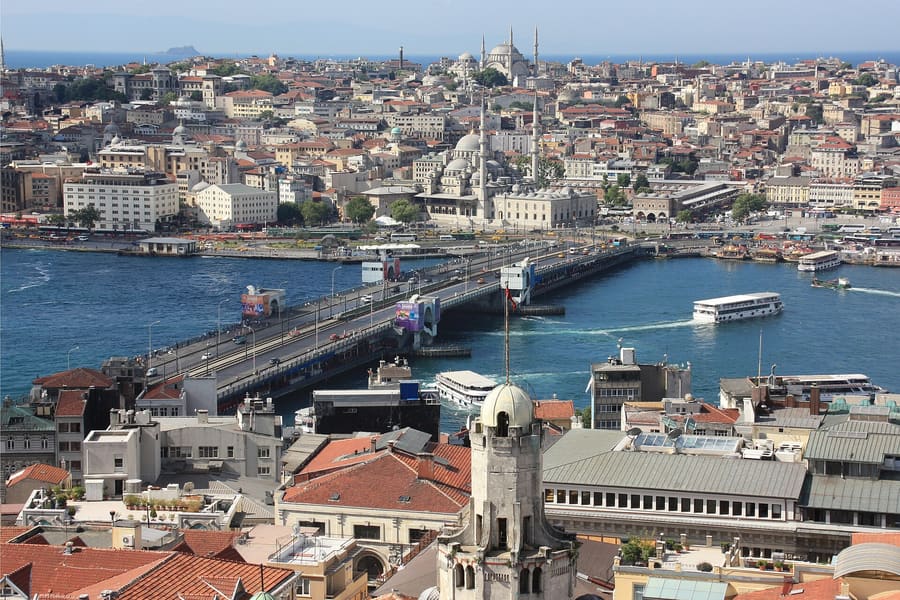
Eating well in Istanbul means looking beyond standard kebab houses. Esnaf Lokantası (tradesmen cafeterias) serve cooked vegetable stews, slow-baked meats, and pilaf from steam trays. Waterfront fish sandwiches under Galata Bridge remain an iconic fast meal. High-end restaurants in Karaköy reinterpret classic Anatolian recipes.
Freshly layered pistachio baklava served at Karaköy Güllüoğlu.
Sakaman · CC BY-SA 4.0Point at trays in the display window to order. Dishes change daily and offer realistic pricing.
Visit Karaköy Güllüoğlu in the afternoon when trays rotate rapidly.
Order grilled lamb wrapped in lavaş bread from charcoal stalls around Taksim.
history
Founded as Byzantium, the city became Constantinople, capital of the Eastern Roman Empire. Mehmet II conquered it in 1453, transforming it into the heart of the Ottoman Empire. Modern Turkey moved its administrative capital to Ankara in 1923, but Istanbul remains the nation's cultural and economic powerhouse.
Roman Capital
Emperor Constantine dedicates the city as Nova Roma, making it the Imperial capital.
Hagia Sophia built
Emperor Justinian completes the massive cathedral, creating an architectural marvel.
Ottoman conquest
Sultan Mehmet II takes the city, ending the Byzantine Empire.
Republic founded
Mustafa Kemal Atatürk proclaims the Turkish Republic; capital moves to Ankara.
where to stay
Base yourself according to your daily rhythm. First-time visitors who want to walk to major monuments should pick Sultanahmet. Dining-focused travellers benefit from staying in Karaköy or Beyoğlu. Those seeking a neighbourhood atmosphere away from tour buses should cross the Bosphorus to Kadıköy.
transport
Istanbul's transit system relies on interconnected metro, tram, and ferry lines. Avoid street taxis during rush hours when traffic grinds to a halt. Trams connect the Old City with Karaköy, while ferries offer fast, panoramic transit between continents.
من Istanbul Airport (IST)
Take M11 metro line to Gayrettepe, then transfer to M2 towards Taksim or Old City.
Havaist buses run direct to Aksaray and Taksim. Heavy highway traffic can delay arrivals.
Board only at official ranks. Insist the driver turns on the digital meter before departing.
Card readers at metro turnstiles do not take contact credit cards reliably. Load cash at yellow kiosks.
The T1 links Sultanahmet directly to Eminönü pier and Karaköy across the Golden Horn.
The public Sehir Hatlari ferries between Eminönü and Kadıköy cost a fraction of private cruise tours.
Ferries reduce frequency after 21:00. Check board timings if staying out late across the strait.
cost
Inflation in Turkey causes frequent price adjustments across museums, transit, and dining. Always double-check current admission rates for major state museums. Cash is helpful for street food, while credit cards are accepted almost everywhere else.
Sesame-crusted bread rings sold from red carts across every neighbourhood square.
Single tap on an Istanbulkart to travel between Europe and Asia.
A full lunch plate of stew, rice, and salad at a neighbourhood tradesmen cafeteria.
Five-day pass covering major state museums including Topkapı Palace.
seasonality
MAR – MAY
Mild temperatures and blooming tulips in city parks. Ideal conditions for walking steep hill tracks.
JUN – AUG
Hot and humid conditions. High tourist density along historical routes. Ferry breezes offer relief.
SEP – NOV
Warm autumn days with thinning cruise ship crowds. Excellent time for street food markets.
DEC – FEB
Cold, rainy, and occasionally snowy. Low hotel rates, empty museum queues, and hot tea indoors.
practicalities
Remove shoes at the door. Women must cover hair with a scarf, and shoulders and knees must be covered.
Active mosques close to tourists during five daily prayer sessions and on Friday midday service.
Keep 20 and 50 Lira notes ready for street simit sellers and public restrooms.
Wear sturdy walking shoes with solid traction. Wet cobblestones on hills become very slick.
Politely decline strangers offering unsolicited tours, carpet shop invitations, or shoe-shine favours.