landmark
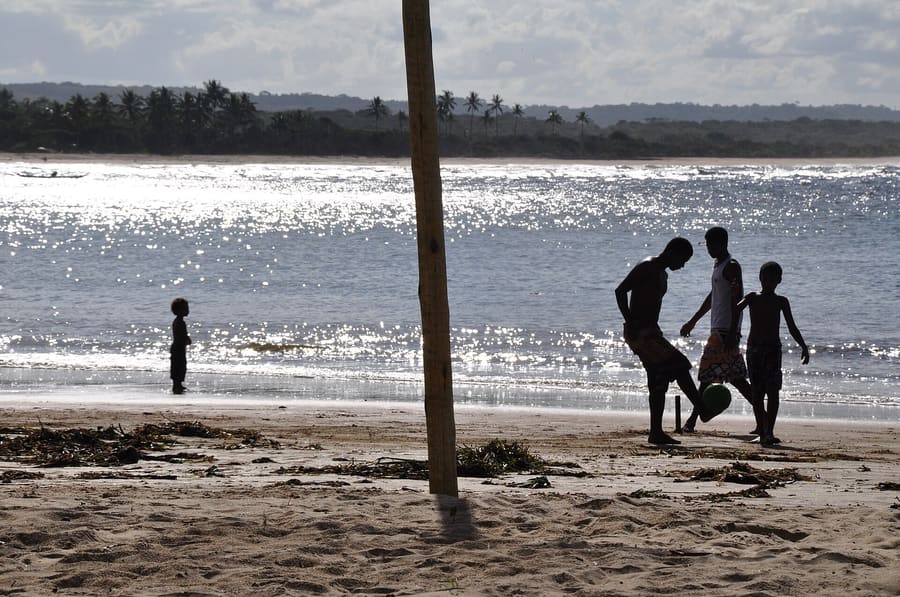
Praia da Concha
The calmest bay in town for swimming and paddleboarding. Arrive early to claim shade near the shore.
اسأل Parley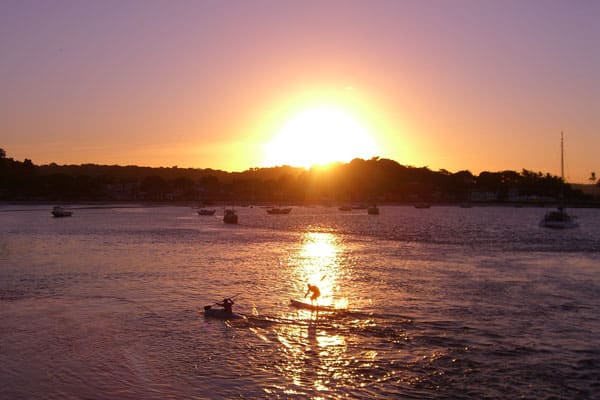
البرازيل
Bahian surf, Atlantic rainforest, and cacao history.
introduction
Itacaré trades high-rise resort strips for dense Atlantic Forest running straight into surf breaks. You navigate the town mostly on foot along a single paved axis connecting the riverfront harbour to the open ocean beaches. Paved roads end where the coastal trails begin, requiring short hikes or 4x4 transfers to reach secluded coves. Expect warm water year-round, heavy humidity, and an informal pace driven by tides and sunset routines.
Arrival via Ilhéus
Fly into Ilhéus Airport (IOS) and take a transfer north along highway BA-001. The 75-kilometre drive takes 80 minutes.
Biosphere reserve
The surrounding coastal rainforest forms part of the UNESCO Atlantic Forest Biosphere Reserve. Protected zones limit large beachfront developments.
Trail access trick
Bring cash in real (R$) for trailhead parking and private land access fees. Mobile network signals drop along forest tracks.
highlights
landmark
The calmest bay in town for swimming and paddleboarding. Arrive early to claim shade near the shore.
اسأل Parley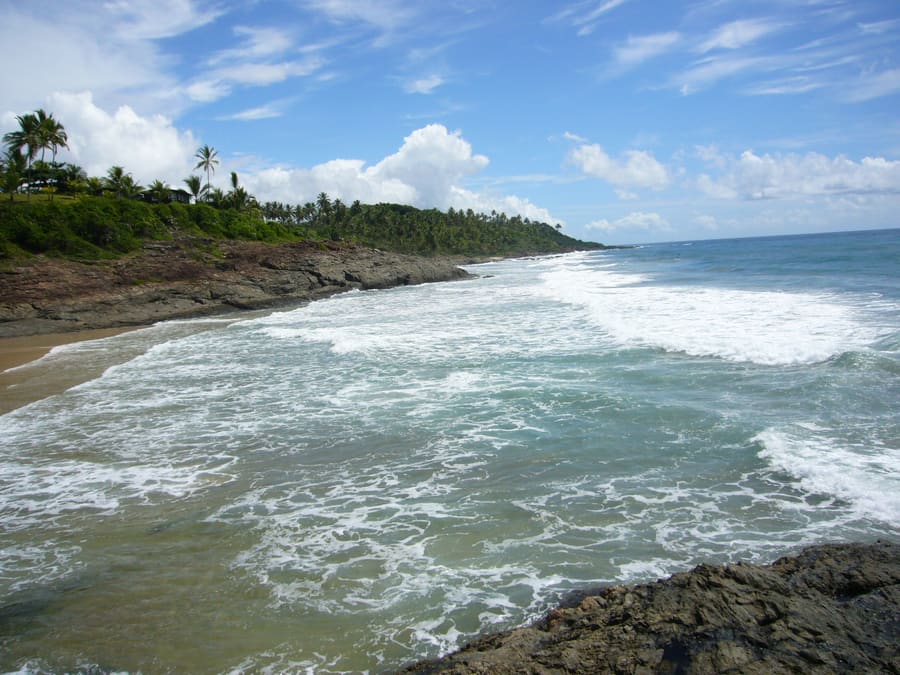
landmark
A compact cove with quick, consistent surf breaks. Strong currents make it better for ocean bathers to watch from shore.
اسأل Parley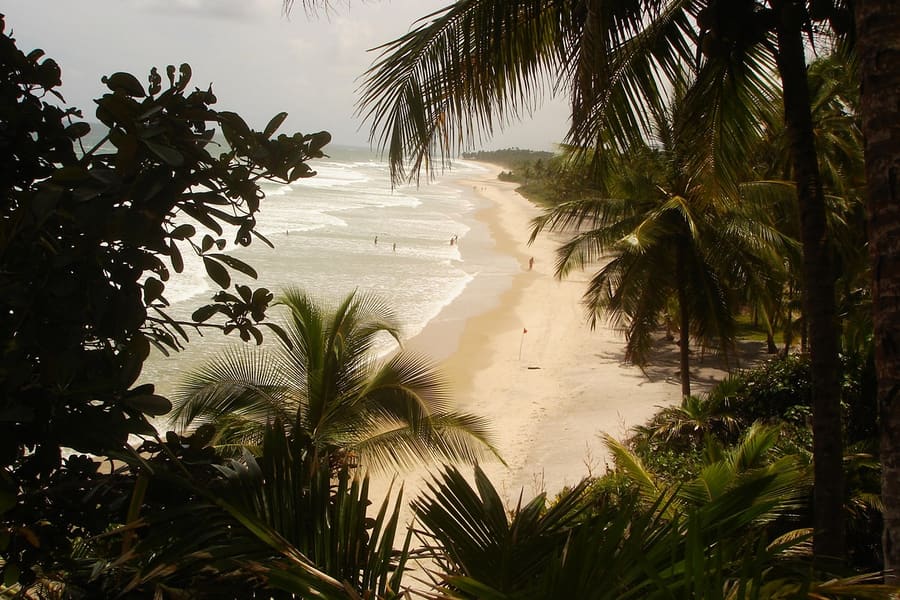
landmark
A 3.5-kilometre stretch of palm trees and ocean breaks. Reach it via trail or paid parking through a private estate.
اسأل Parleyattractions
areas
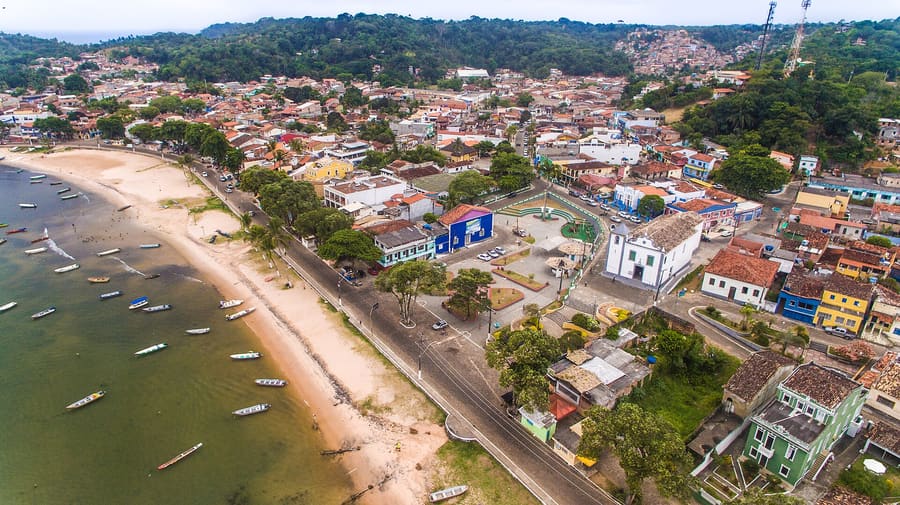
Working Bahian river town with historic cacao houses, docks, and daily markets.
قريبClose to the bus station, main quay, and riverfront bars.
اسأل Parley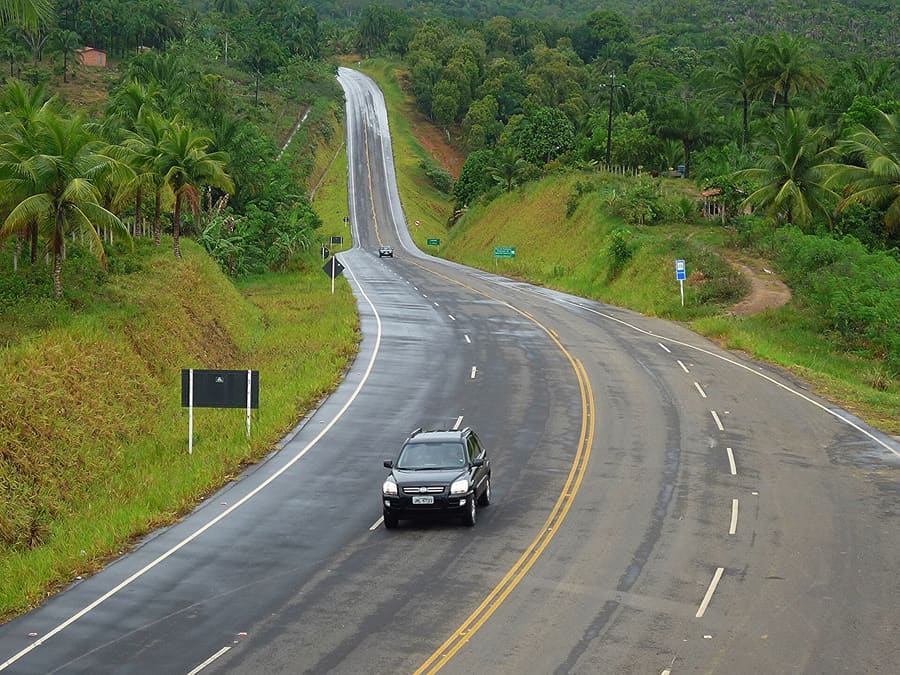
Secluded forest retreats and eco-lodges spread along the highway towards Ilhéus.
قريبDirect access to Itacarezinho and forest waterfalls.
اسأل ParleyPedestrian-oriented street lined with outdoor dining, surf shops, and evening bars.
قريبWalkable to town beaches and urban restaurants.
اسأل ParleyQuiet residential pocket packed with garden pousadas steps from calm bay water.
قريبImmediate access to Praia da Concha and Ponta do Xaréu.
اسأل Parleyfood
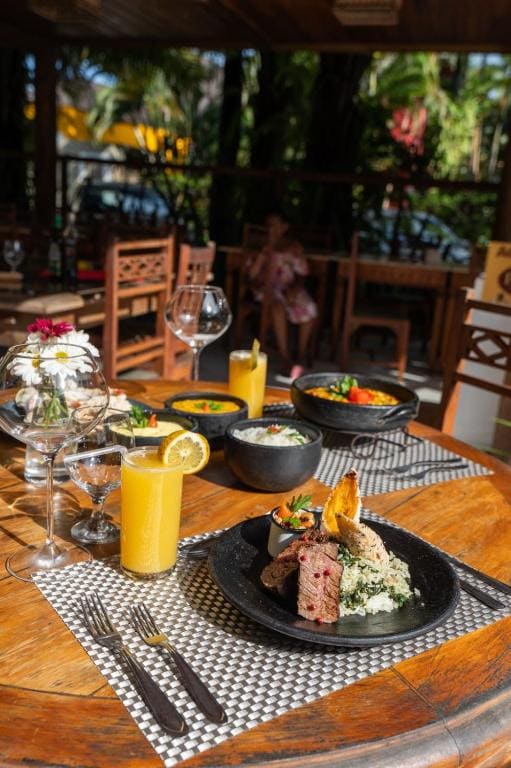
Bahian coastal cooking relies on three main staples: dendê palm oil, coconut milk, and fresh seafood. Moqueca is cooked in unglazed clay pots that hold heat long after leaving the stove. In Itacaré, cocoa pods move from surrounding orchards straight into craft chocolate shops along Rua Pedro Longo. Local juice stands blend seasonal native fruits like cupuaçu, graviola, and umbu into thick cold drinks.
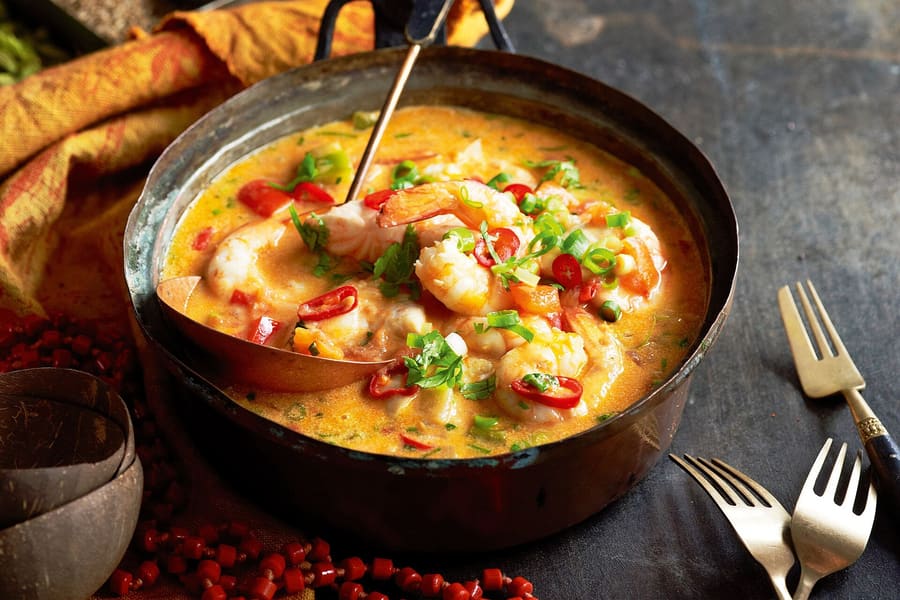
Moqueca Baiana cooked slowly with dendê oil, peppers, and fresh catch.
BR · CC BY-SA 4.0One clay pot of moqueca serves two adults comfortably. It comes standard with farofa, white rice, and pirão gravy.
Visit craft shops on Pituba to sample tree-to-bar dark chocolate made from regional farms.
Beach kiosks serve heavy fish plates until 17:00. Sit-down dinner service in Pituba starts after 19:30.
history
Itacaré developed as an export gateway for cacao grown along the Rio de Contas basin. When witch's broom disease devastated cocoa crops in the late 20th century, the regional economy shifted toward environmental preservation and surf tourism.
Crop Collapse
Fungal disease destroys cocoa plantations across Bahia, prompting rural workers to turn to fishing.
BA-001 Highway
Completion of the paved BA-001 connects Itacaré to Ilhéus, introducing national and international surf tourism.
where to stay
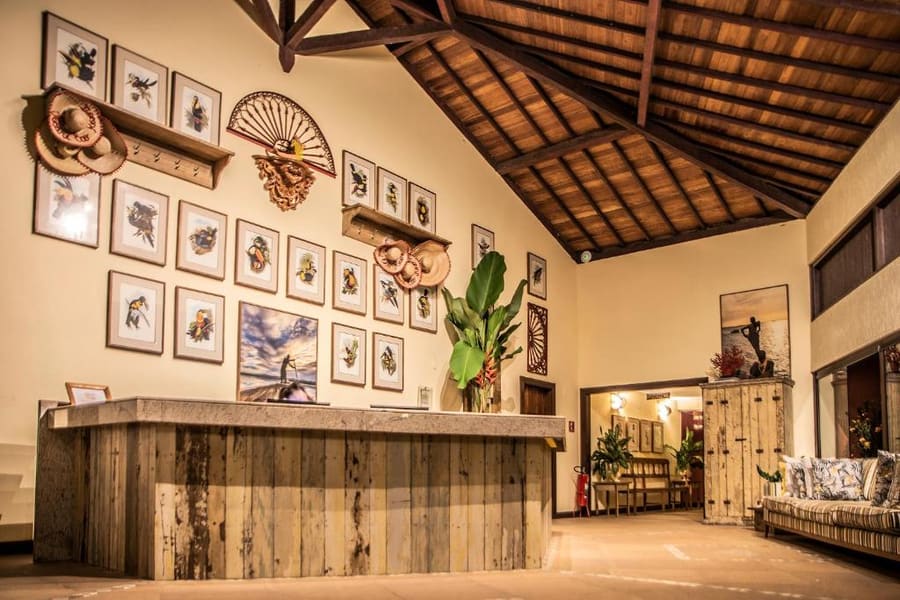
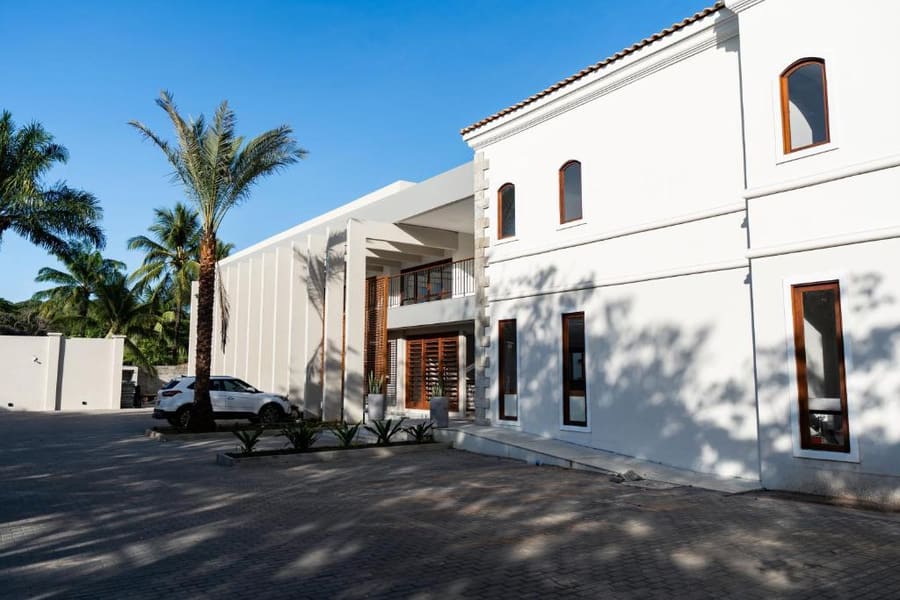
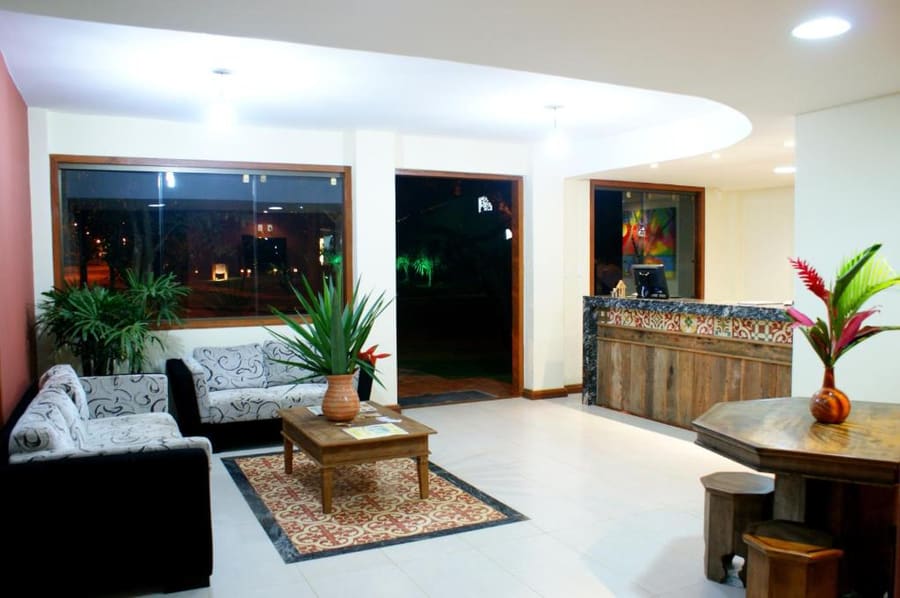
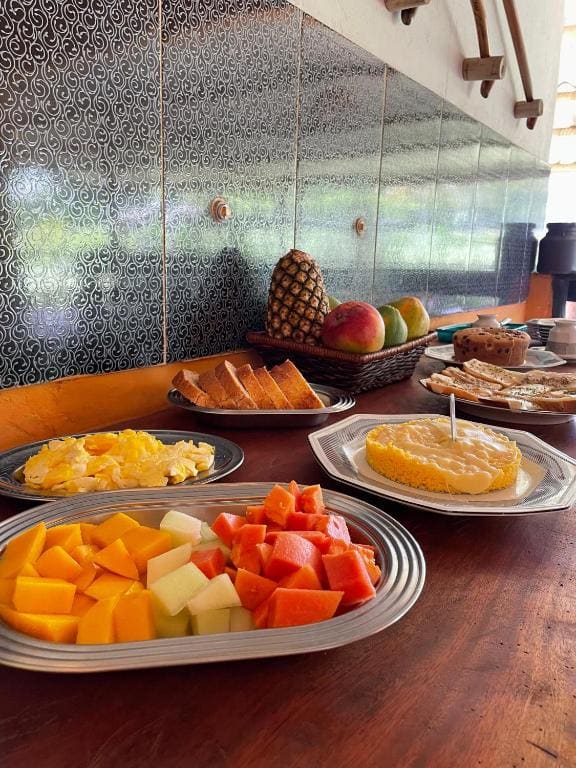
Choose your lodging based on your daily routine. Staying in Pituba puts you steps from restaurants and nightlife. Choosing Praia da Concha suits families wanting quiet nights and calm water. Ocean surfers often choose pousadas near Praia Tiririca or secluded eco-lodges along BA-001.
Live rates, matched to the areas above.
transport
Central Itacaré is compact and walked easily. Taxis and motor-taxis handle trips between town, distant trailheads, and southern beaches. Local buses connect the central terminal to Ilhéus along the BA-001 highway at regular daily intervals.
من Ilhéus Airport (IOS)
Driver meets you inside arrivals. Best option when travelling with surfboards or heavy luggage.
Official airport taxis operate with fixed rates to Itacaré.
Rota Transportes operates buses from Ilhéus bus station (Rodoviária) to Itacaré main terminal.
You can walk between Pituba, Praia da Concha, and Praia da Ribeira without using motorized transport.
Licensed moto-taxis wear yellow vests. Negotiate the price before getting on.
cost
Prices peak during the Brazilian summer holiday season from December through February. Card payments are accepted in most town shops, but cash remains necessary for beach kiosks and trail parking.
Often waived if you order drinks or meals at the accompanying beach kiosk.
Varies based on seafood selection, with fish cheaper than shrimp or lobster.
Available directly from shops along Praia Tiririca and Pituba.
Flat rates apply for short runs between Centro, Pituba, and Praia da Concha.
seasonality
DEC – FEB
High summer season brings hot days, packed beaches, and high hotel rates. Book months ahead.
MAR – MAY
Warm sea temperatures, lower accommodation prices, and lighter rainfall. Excellent time for hiking.
JUN – AUG
Stronger ocean swells bring optimal surf conditions. Expect occasional heavy rain showers.
SEP – NOV
Transition season with moderate crowds, pleasant temperatures, and reliable sunny windows.
practicalities
Repellent is necessary near forest streams and during late afternoon coastal sunsets.
Open-ocean beaches like Tiririca and Engenhoca have strong undertows. Swim where local surfers operate.
ATMs in town can run out of cash on holiday weekends. Carry emergency bills.
Check local tide charts before hiking coastal trails to avoid getting cut off by incoming waves.
Trails to Prainha pass through dense forest. Hiring a local guide at the trailhead prevents wrong turns.