landmark
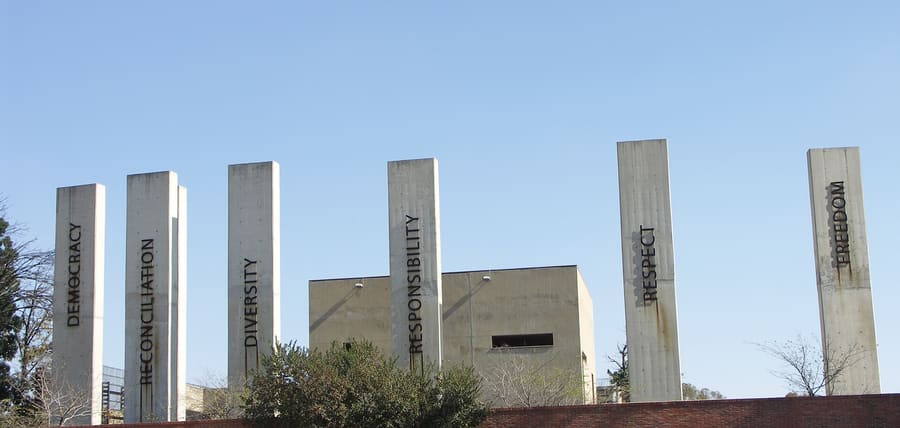
Apartheid Museum
Comprehensive exhibits detail South Africa's 20th-century history. Reserve three hours and book tickets online.
اسأل Parleyجنوب أفريقيا
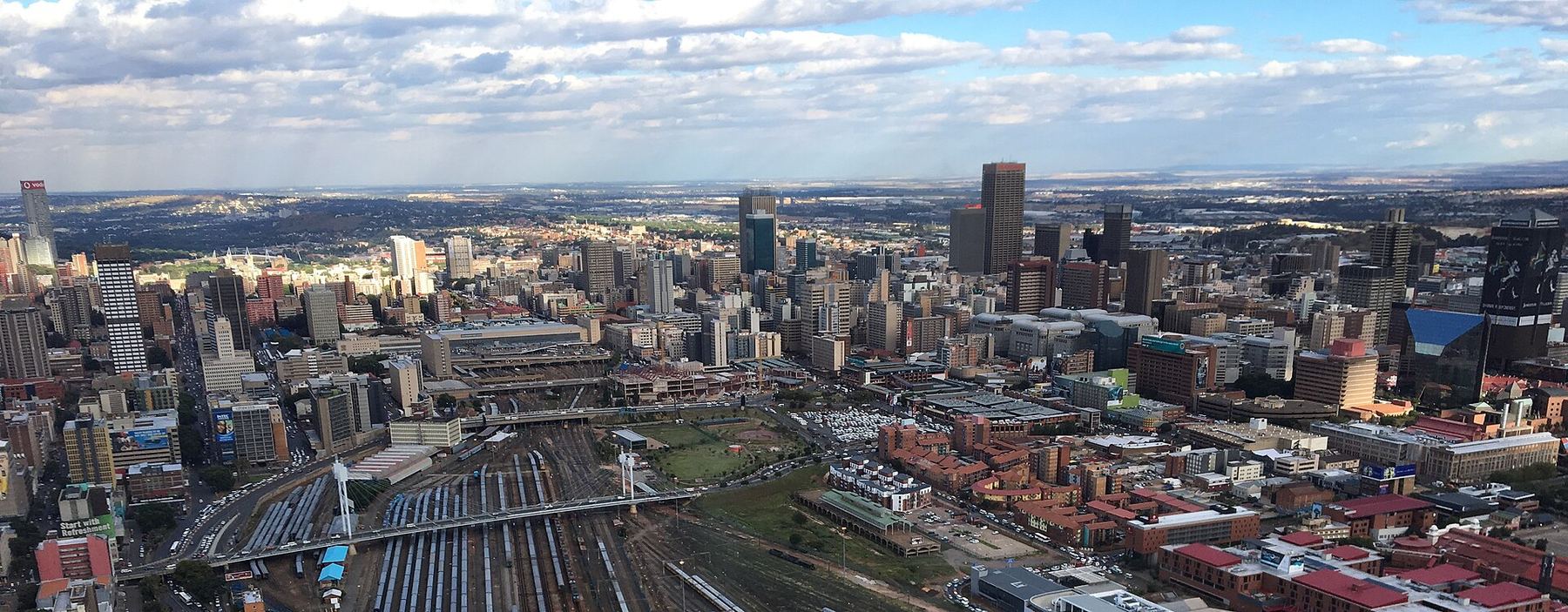
South Africa's ambitious, fast-moving financial engine.
introduction
Johannesburg is a sprawling, fast-paced metropolis built on gold and commerce. You move through it primarily by car or Gautrain, navigating distinct suburban hubs rather than a single pedestrian centre. Fortified walls and gated complexes define residential areas, while high-energy commercial districts drive daily life. Approach the city with clear plans and local awareness to unlock its remarkable modern culture.
Airport transit trick
Take the Gautrain directly from O. R. Tambo Airport to Sandton in 15 minutes. It avoids highway gridlock entirely.
Urban canopy recognition
Johannesburg claims one of the world's largest human-made urban forests. Over six million trees cover the northern suburbs.
Rideshare navigation
Uber is the safest and most reliable way to travel between suburban hubs at night. Always verify driver details before entering.
Johannesburg
Thuvack · CC BY-SA 3.0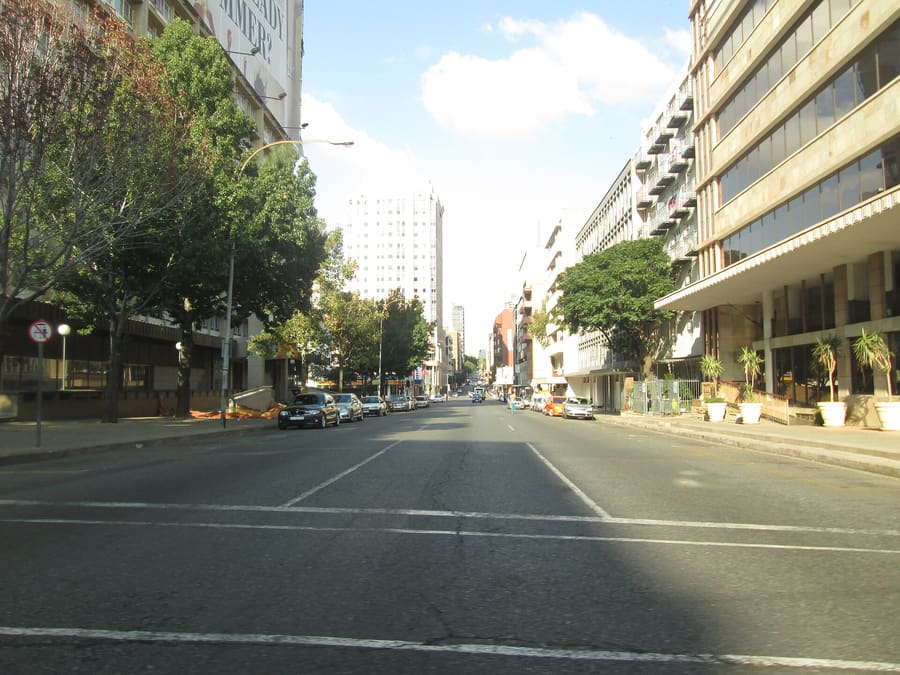
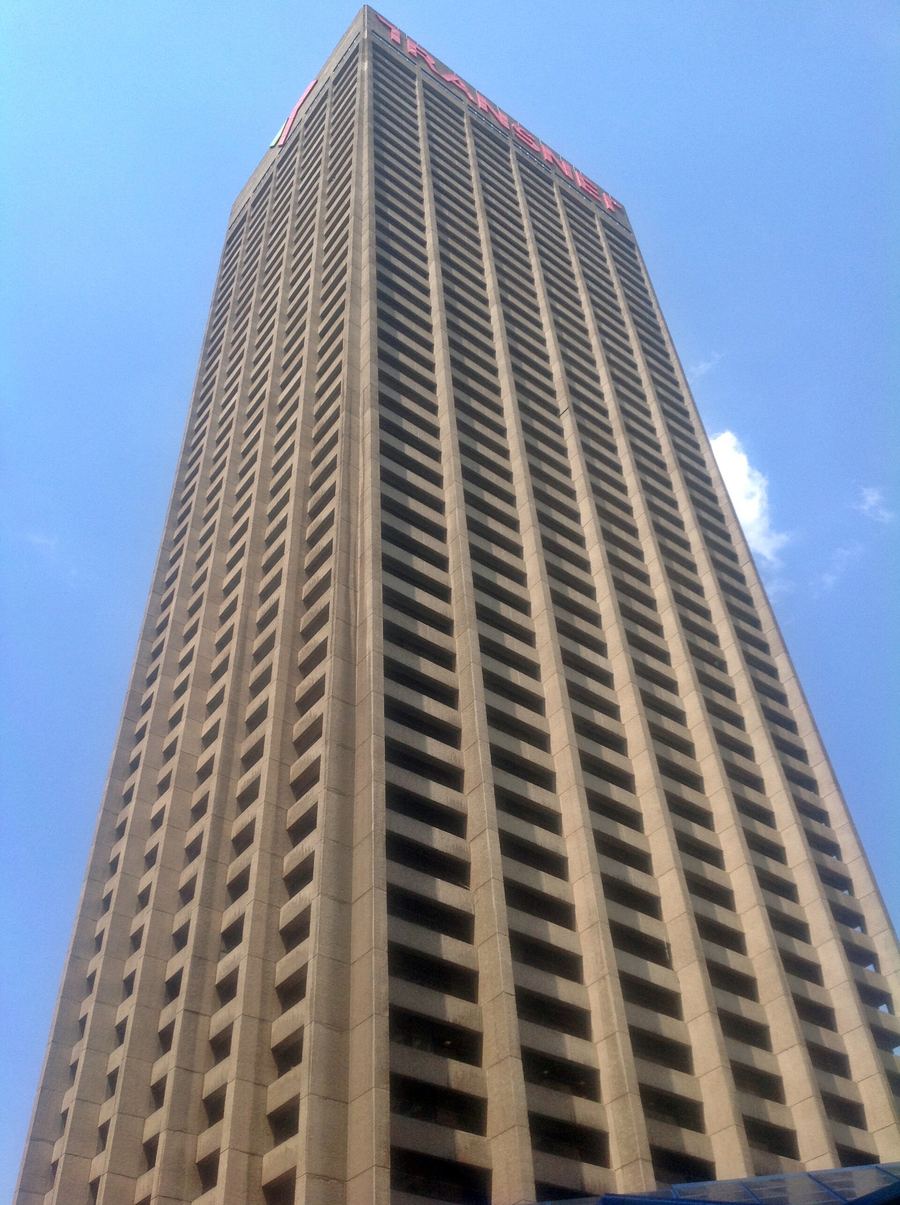
Braamfontein — High-density university enclave filled with student cafes, galleries, and corporate headquarters.
Heather Elke · CC BY-SA 4.0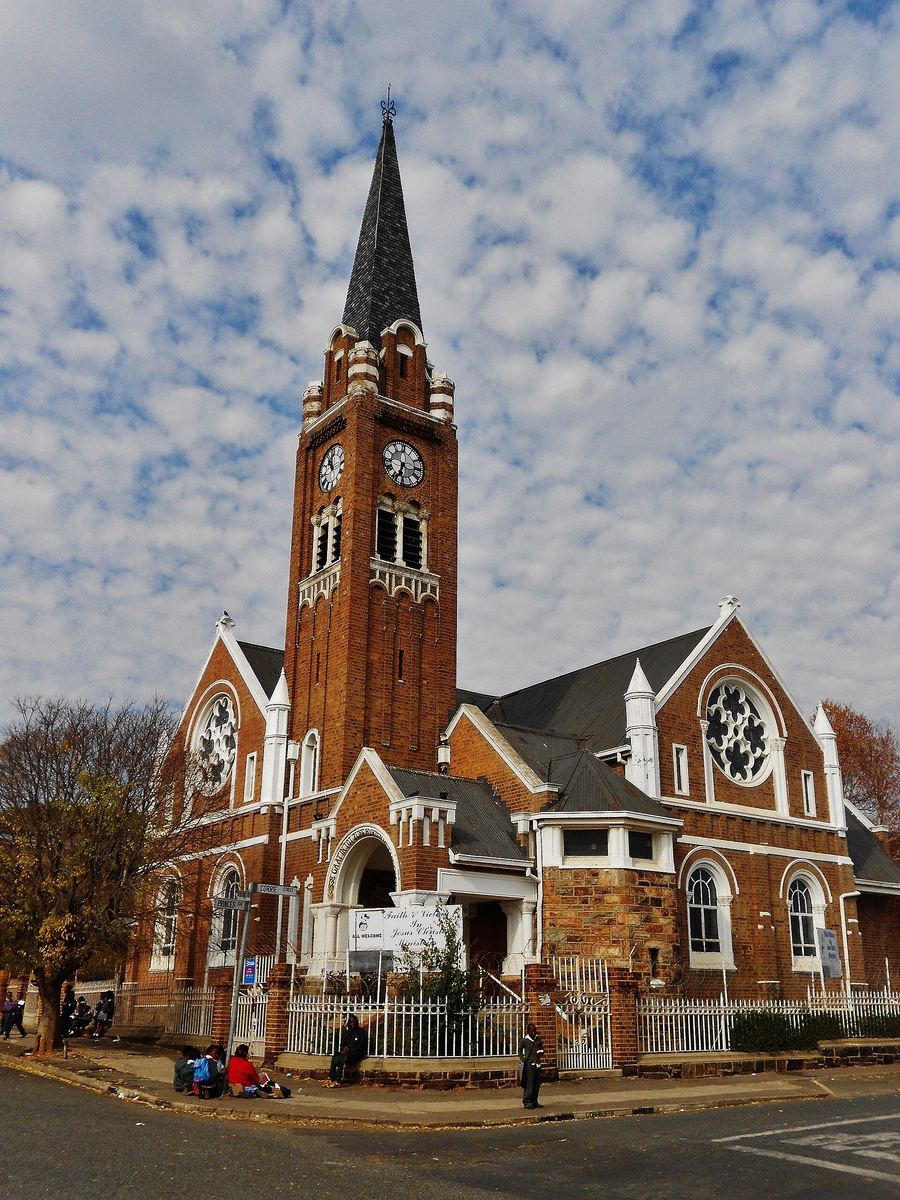
Maboneng — Post-industrial urban renewal district with loft apartments, street murals, and independent bars.
Darly Nkuna · CC BY-SA 3.0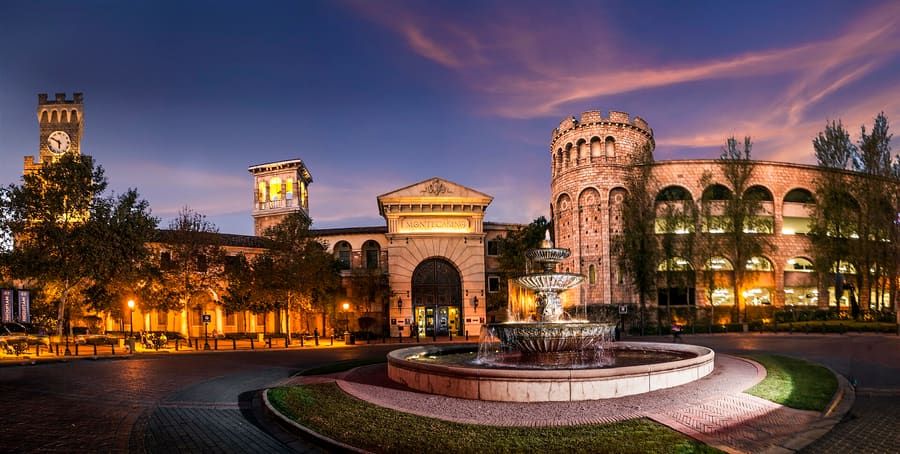
Sandton — Glitzy commercial capital featuring financial headquarters, luxury hotels, and massive shopping centres.
Tsogosun · CC BY-SA 4.0highlights
landmark
Comprehensive exhibits detail South Africa's 20th-century history. Reserve three hours and book tickets online.
اسأل Parley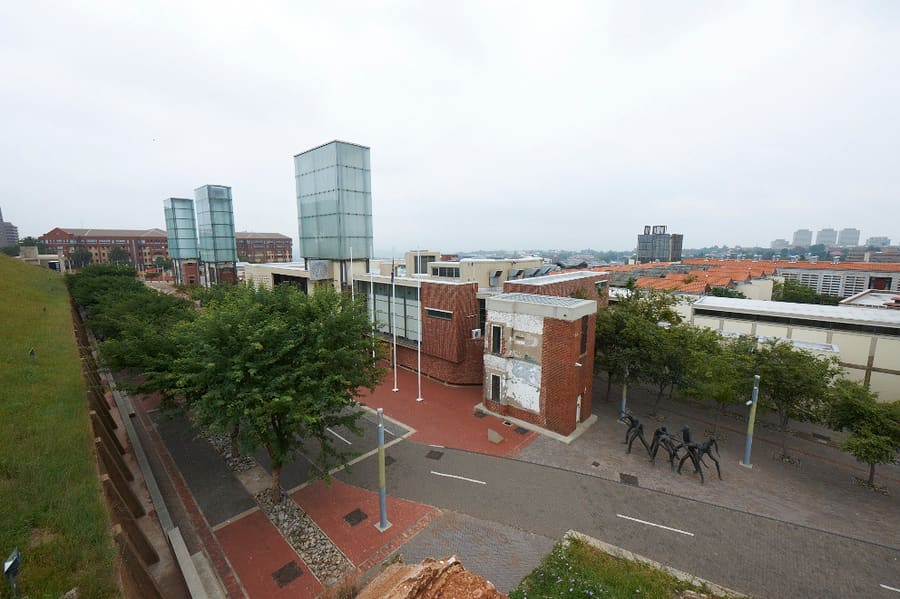
landmark
Former prison complex turned Constitutional Court. Guided tours explain the transition to democracy.
اسأل Parley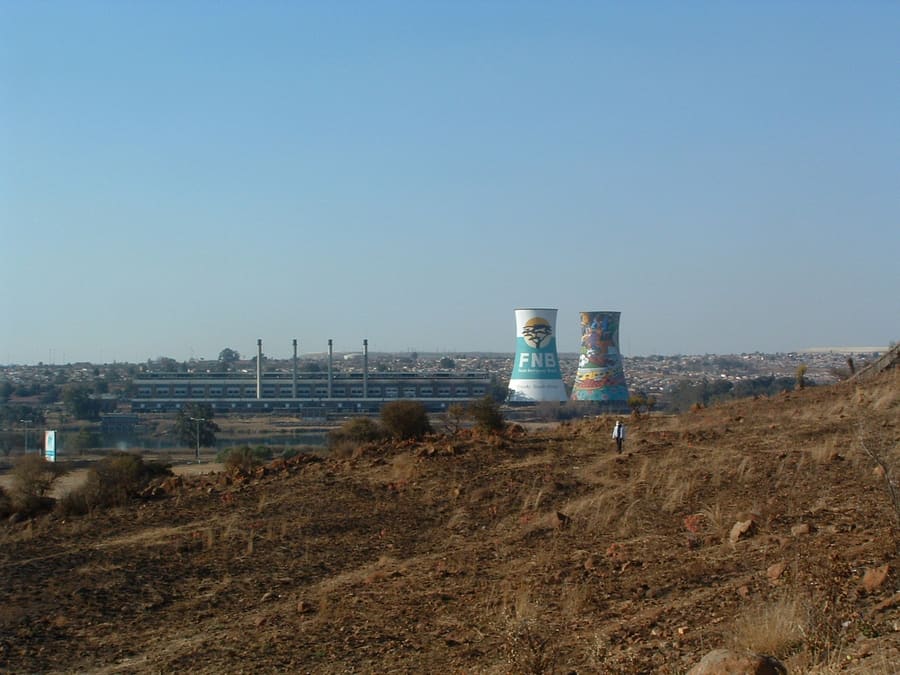
landmark
Decommissioned cooling towers transformed into an adventure center and street art canvas. Bungee jumping available.
اسأل Parley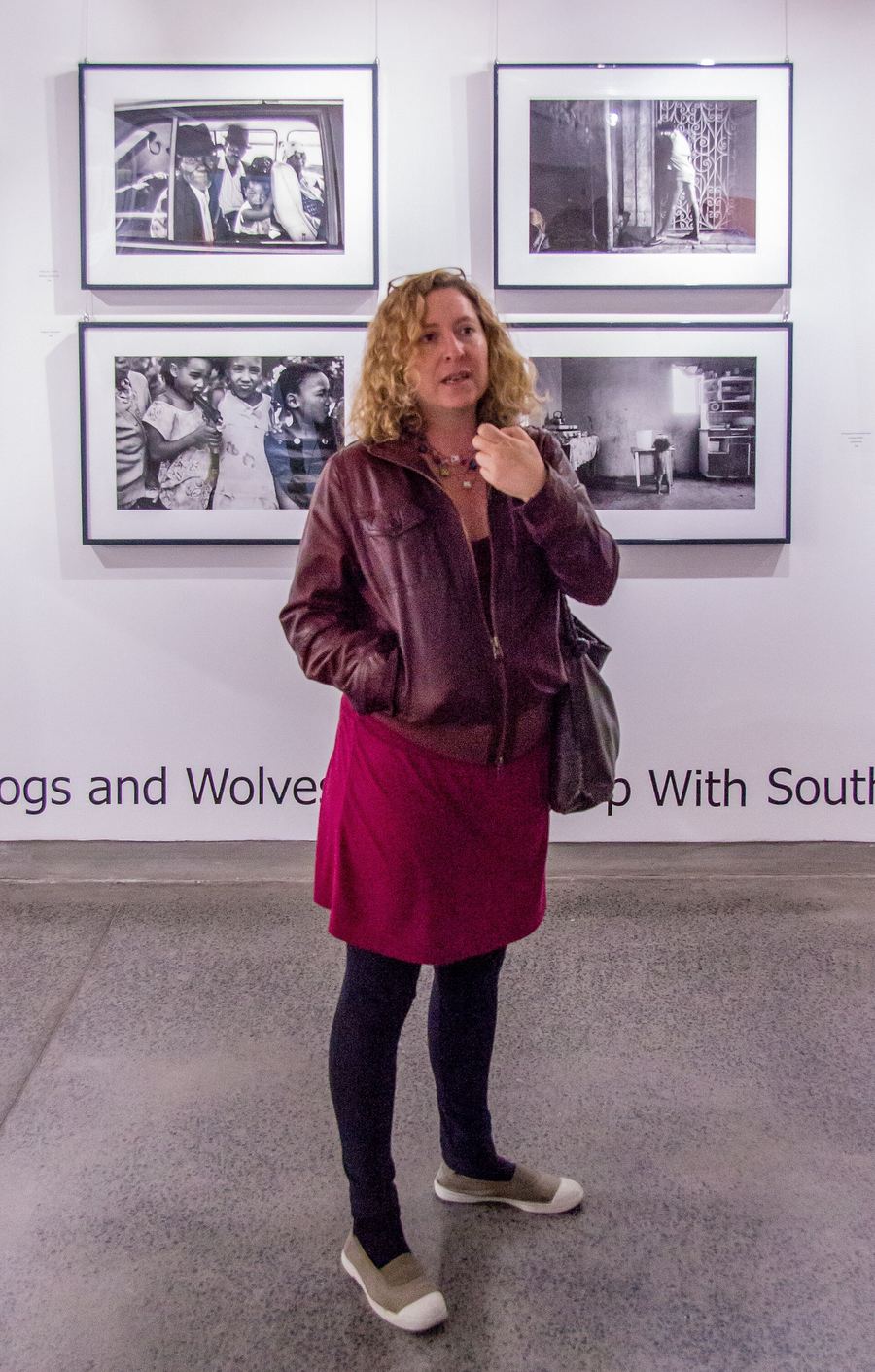
landmark
Houses an extensive collection of African art in Braamfontein. Admission is free and exhibition turnarounds are frequent.
اسأل Parley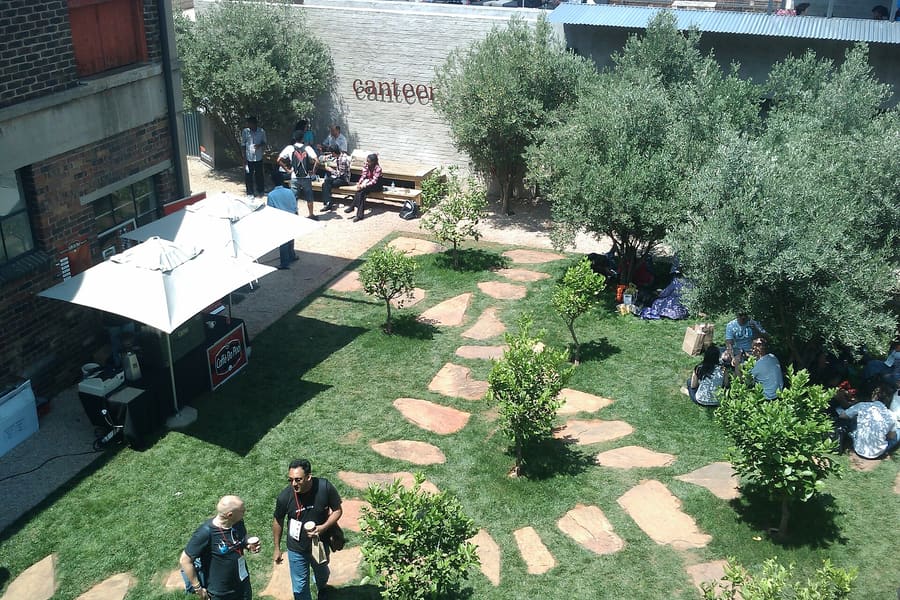
landmark
An eastern city precinct converted into studios, galleries, and rooftop venues. Best visited on Sunday afternoons.
اسأل Parleyattractions
areas
High-density university enclave filled with student cafes, galleries, and corporate headquarters.
قريبWits University and Constitution Hill.
اسأل ParleyPost-industrial urban renewal district with loft apartments, street murals, and independent bars.
قريبJewel City and Johannesburg CBD.
اسأل ParleyGlitzy commercial capital featuring financial headquarters, luxury hotels, and massive shopping centres.
قريبMorningside and Rosebank.
اسأل Parleyfood
Dining in Johannesburg reflects its intense migration history. You find open-fire shisa nyama meat spots beside high-end contemporary pan-African restaurants in suburban retail strips.Central to local eating is the braai culture, where grilled meats are paired with pap, a stiff maize porridge, and chakalaka, a spicy vegetable relish. In Soweto and township precincts, street stalls serve the kota, a hollowed-out quarter loaf of bread stuffed with chips, sausage, and processed cheese.
At authentic shisa nyama venues like Busy Corner Imbizo Shisanyama in Midrand, choose raw meat at the butcher counter first, then hand it over for grilling.
Suburban dining enclaves like Parkhurst's 4th Avenue fill completely by 13:00 on Saturdays. Reserve tables three days ahead.
Buy a fresh kota from vendors in Soweto or Alexandra for an authentic fast meal costing under R50.
history
Johannesburg grew rapidly after gold was struck on the Witwatersrand ridge in 1886. Migrant workers poured into tent towns, creating an industrial economic engine overnight.Twentieth-century racial segregation policies codified forced removals, segregating non-white residents into township peripheries like Soweto. Since the end of apartheid in 1994, the city has continuously redefined its inner core and expanding suburbs.
Gold discovered
George Harrison strikes gold on Langlaagte farm, starting a massive global migration rush.
Forced removals begin
Authorities forcibly displace black urban residents to designated township zones outside the city centre.
Soweto Uprising
Student protests against compulsory Afrikaans instruction trigger nationwide resistance to apartheid.
Democratic transition
South Africa holds its first fully democratic election, initiating urban structural shifts.
Gautrain launches
High-speed modern commuter rail opens, linking the airport, Sandton, and central Pretoria.
where to stay
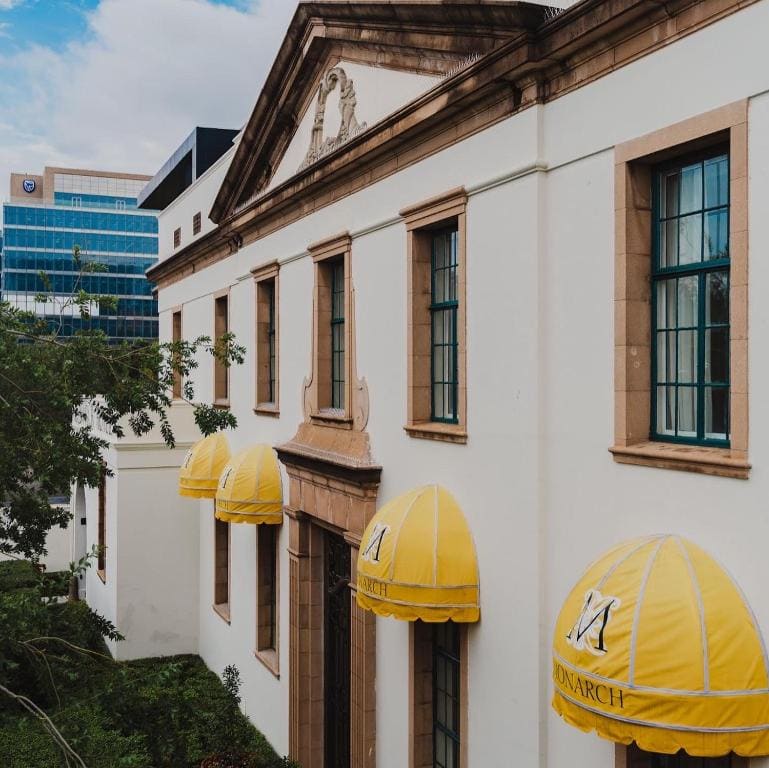
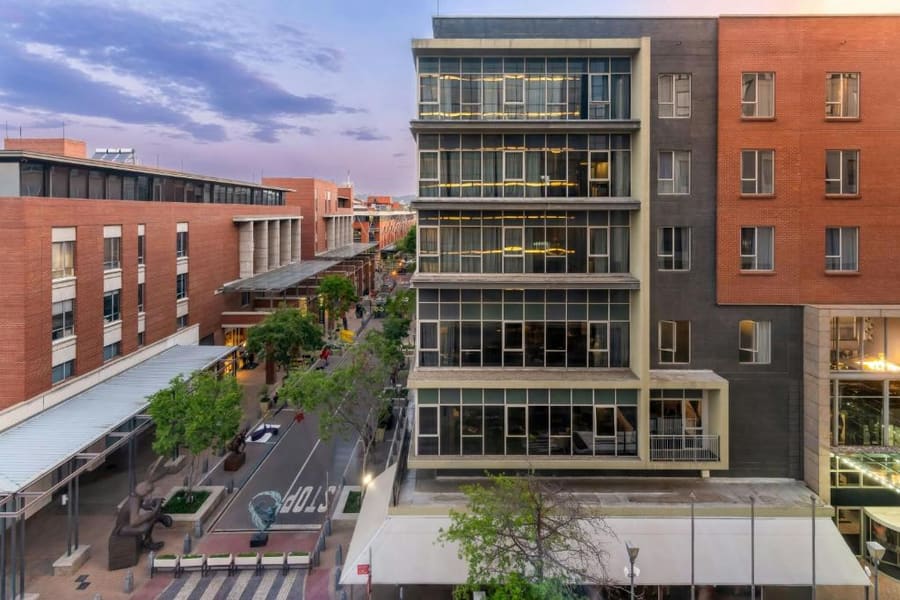
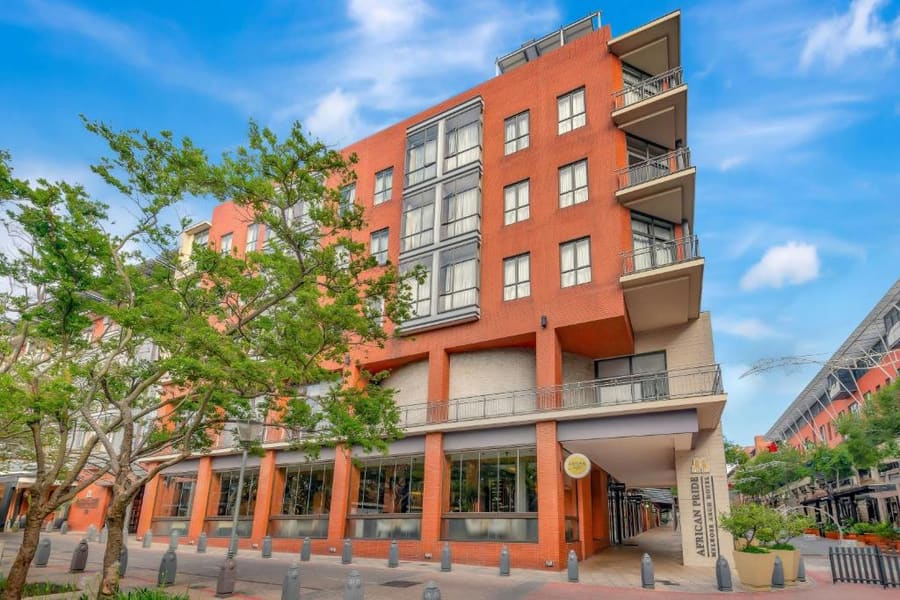
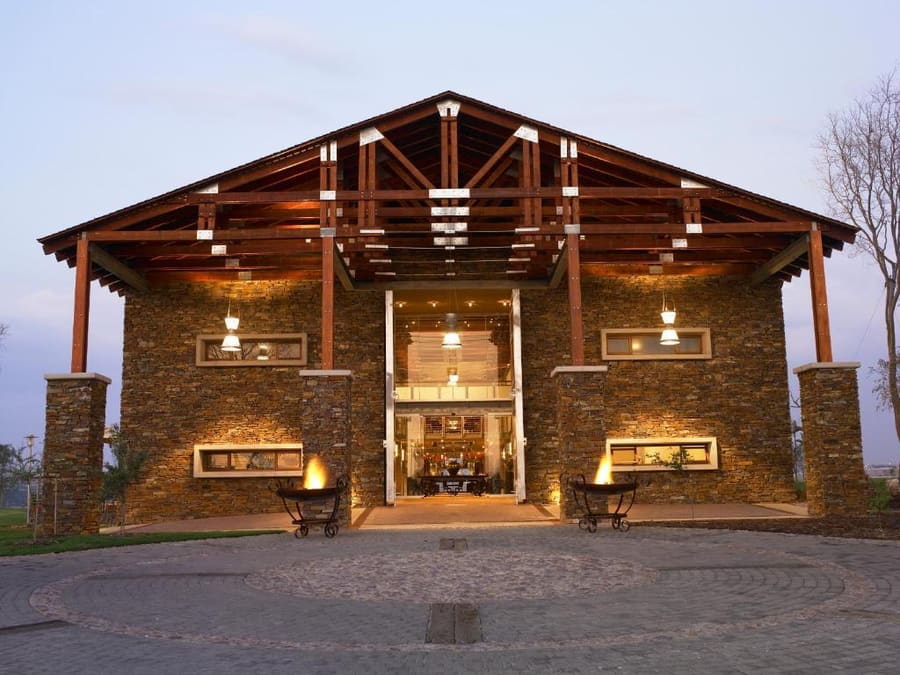
Choose your base based on transit access and evening walkability. Public street wandering is limited after dark, so neighbourhood precincts with integrated security offer the smoothest experience for short visits.
Live rates, matched to the areas above.
transport
Johannesburg is designed around highway networks. Driving or using rideshare services is necessary for most trips outside the limited Gautrain rail corridor.
من O. R. Tambo International Airport (JNB)
Gautrain service direct to Sandton station. Safe, efficient, and avoids traffic.
Uber pick-ups use designated lanes in the airport parkade complex.
Use official airport transfer desks inside the arrivals terminal only.
Buy a reusable Gold Card or tap your contactless bank card at Gautrain station turnstiles.
Uber and Bolt operate widely across the city. Unmetered street hailing is not recommended.
The N1 and M1 highways lock up between 07:00–09:00 and 16:30–18:30. Add 45 minutes to airport trips.
White minibus taxis carry millions daily, but routes use hand signs instead of maps. Stick to rideshares unless guided.
cost
Johannesburg offers excellent value for travellers spending international currencies. Credit cards are accepted almost everywhere, from fine dining establishments to local cafes.
Specialty coffee roasters in Rosebank or Braamfontein charge standard rates.
Covers a burger, wood-fired pizza, or township shisa nyama plate.
High-end dining in Sandton or Melville excluding wine.
Fixed fare from O. R. Tambo to Sandton terminal.
seasonality
SEP – NOV
Spring brings jacaranda blooms across northern suburbs. Temperatures are warm and rainfall is light.
DEC – FEB
Summer brings hot days punctuated by dramatic afternoon thunderstorms. High domestic holiday travel.
MAR – MAY
Autumn features mild temperatures and clear dry days. Great conditions for outdoor walking tours.
JUN – AUG
Winter brings crisp, sunny days and cold nights. Minimal rainfall makes it an excellent period for safari extensions.
practicalities
Keep phones and valuables concealed when walking along main roads. Keep car doors locked while driving.
Electrical rolling blackouts can occur. Download the EskomSePush app to monitor scheduled power outages.
Visa and Mastercard are accepted virtually everywhere. Keep small cash notes handy for informal tipping.
At 1,750 metres above sea level, UV exposure is strong year-round. Wear high-factor sunscreen.
Municipal tap water in Johannesburg is clean, high quality, and completely safe to drink.