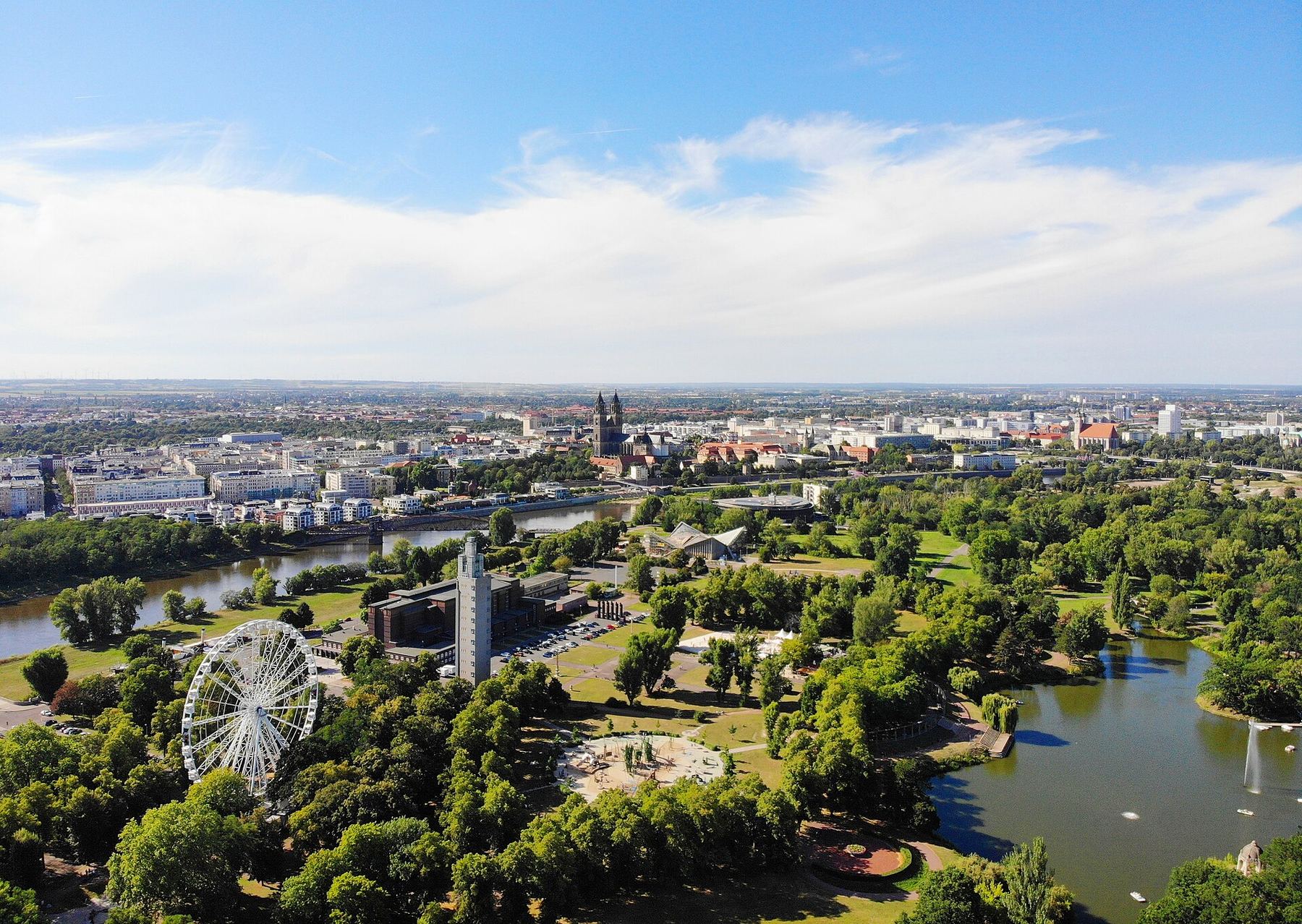
landmark
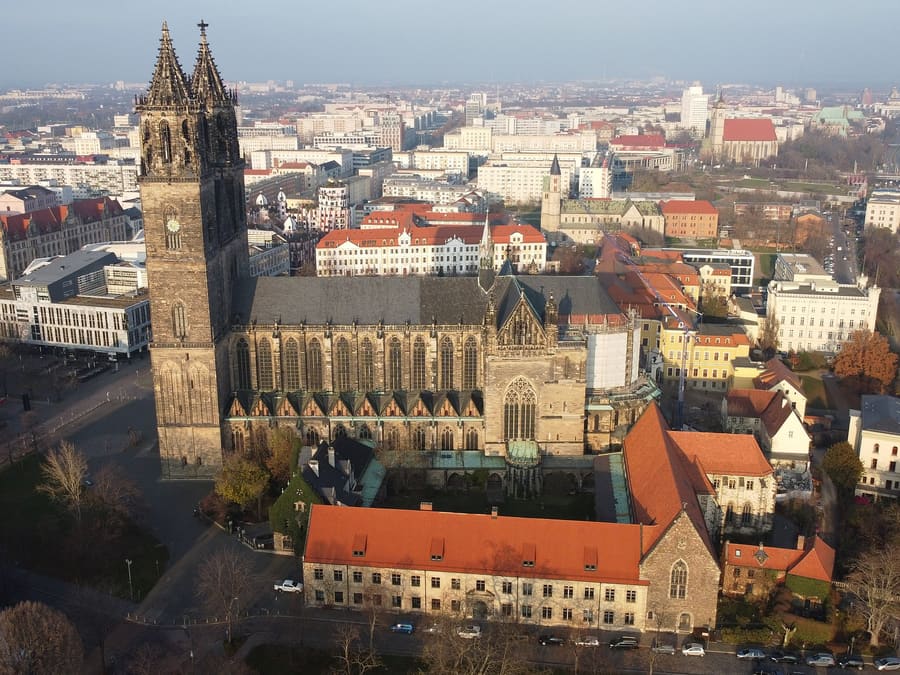
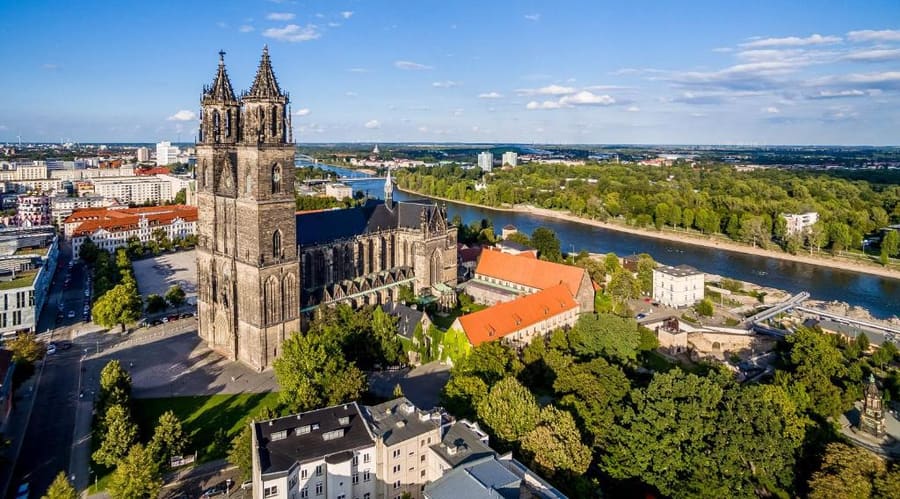
Magdeburg Cathedral
Germany's oldest Gothic cathedral houses Otto the Great's tomb. Entrance is free; tower climbs require a ticket at the shop.
اسأل Parleyألمانيا
Ottonian and Gothic monuments meet Elbe river paths.
introduction
Magdeburg spreads along the Elbe River in Saxony-Anhalt. Heavy wartime destruction and socialist replanning left a city of stark architectural contrasts. You move easily on the MVB tram network or along flat river bike trails. Expect quiet plazas, massive brick churches, and pink concrete facades.
Historical distinction
Magdeburg Cathedral contains the tomb of Emperor Otto I. It stands as the oldest Gothic cathedral structure in Germany.
Transit savings
Buy a single Marego day ticket covering Magdeburg zone 010. It costs less than three single trips on trams.
Magdeburg
Stern · CC BY-SA 3.0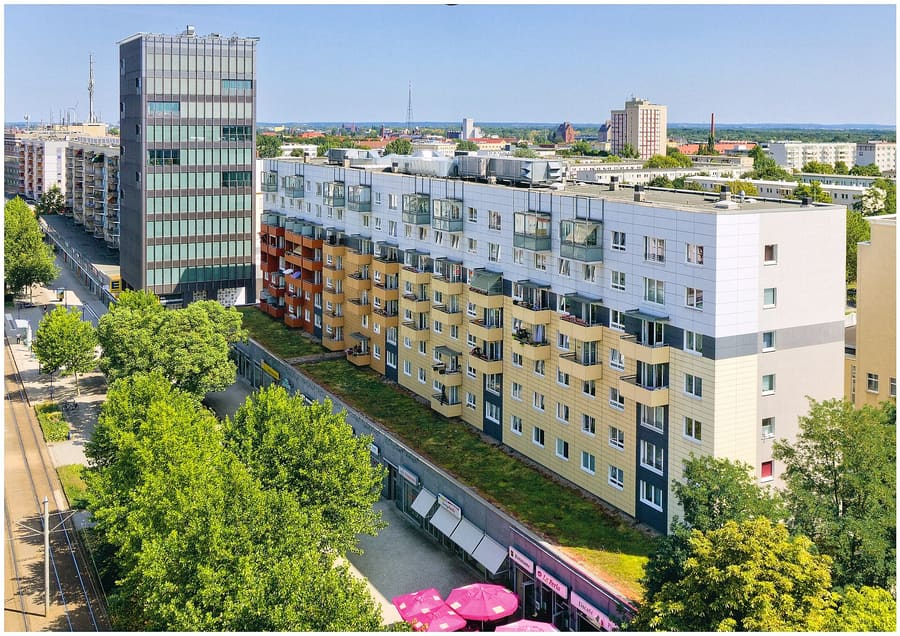
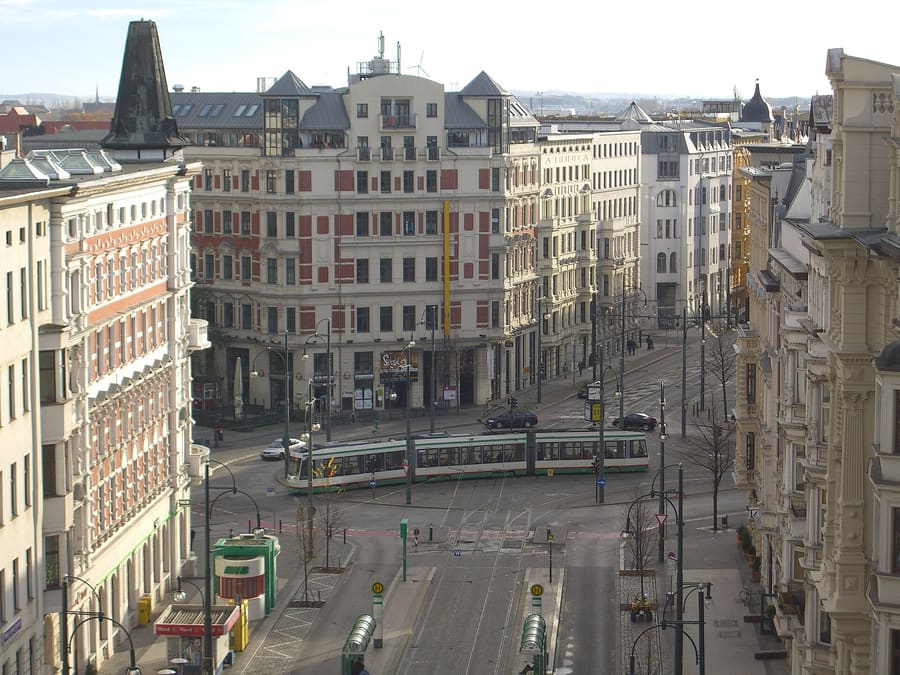
Altstadt — Spacious socialist avenues meet medieval church ruins.
Bacardii1281 · CC BY-SA 4.0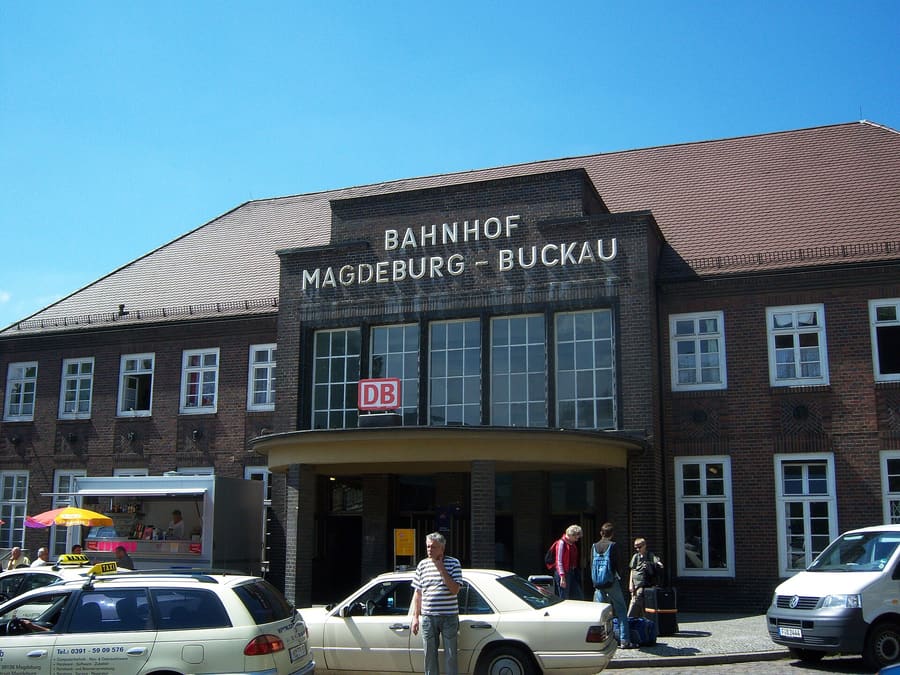
Buckau — Former industrial port turned creative arts corner.
Jan Schomaker · Public domain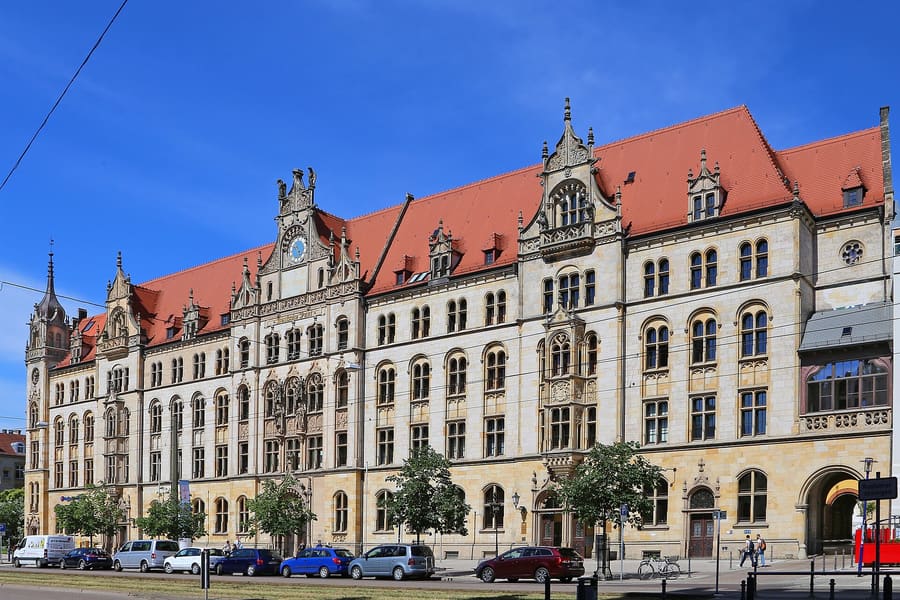
Hasselbachplatz — Late-night pub hub with Gründerzeit apartment blocks.
W. Bulach · CC BY-SA 4.0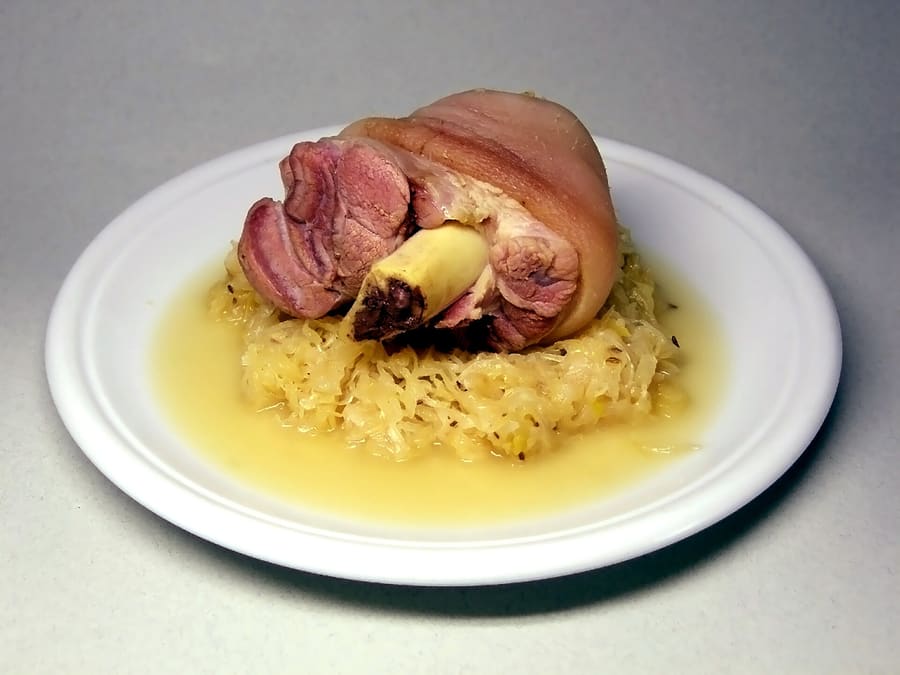
Magdeburger Bötel served with pea puree and sauerkraut.
Rainer Zenz · CC BY-SA 3.0highlights
landmark
Germany's oldest Gothic cathedral houses Otto the Great's tomb. Entrance is free; tower climbs require a ticket at the shop.
اسأل Parley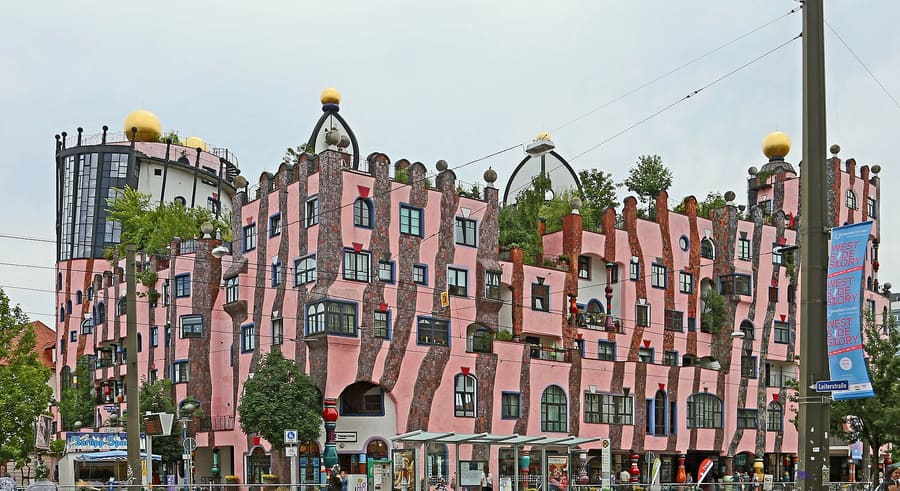
landmark
Friedensreich Hundertwasser's final pink building complex. Walk the inner courtyards free or book a roof tour.
اسأل Parley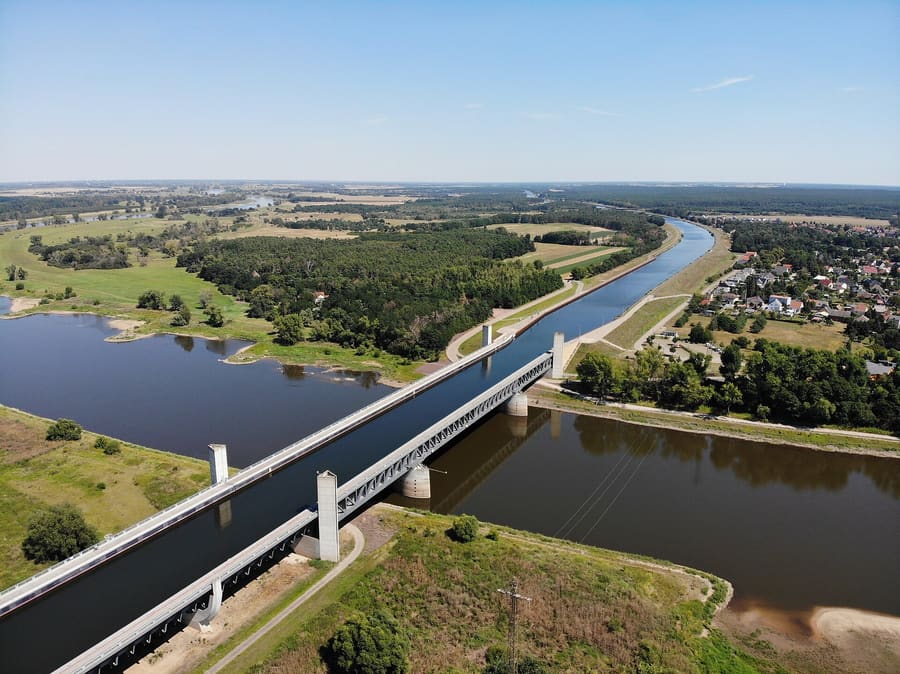
landmark
The world's longest navigable aqueduct carries ships across the Elbe. Drive north to Rothensee or cycle the river path.
اسأل Parley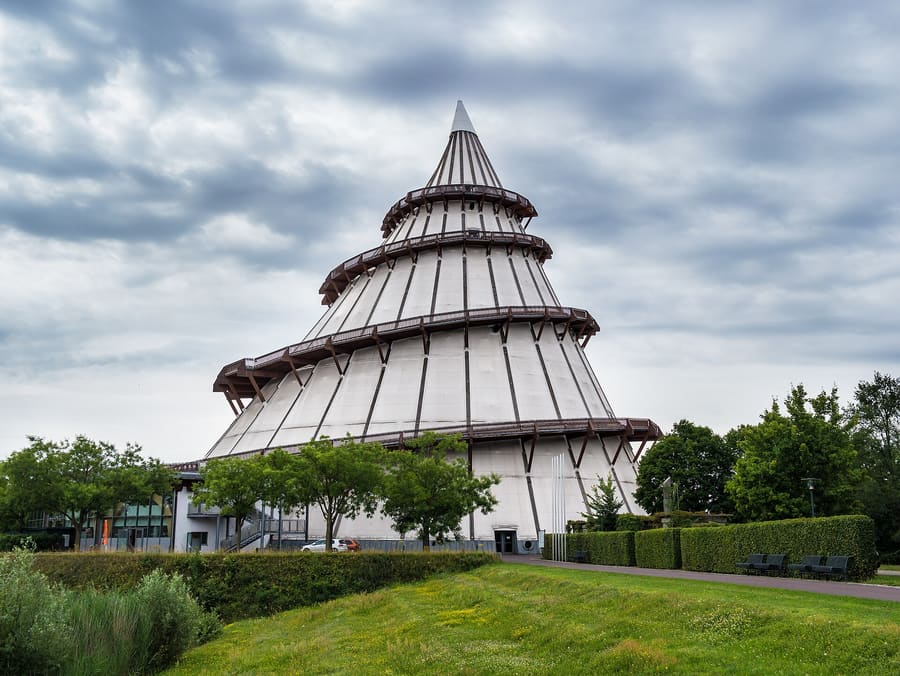
landmark
A 60-metre wooden tower inside Elbauenpark housing human science history. Closed on Mondays outside summer months.
اسأل Parley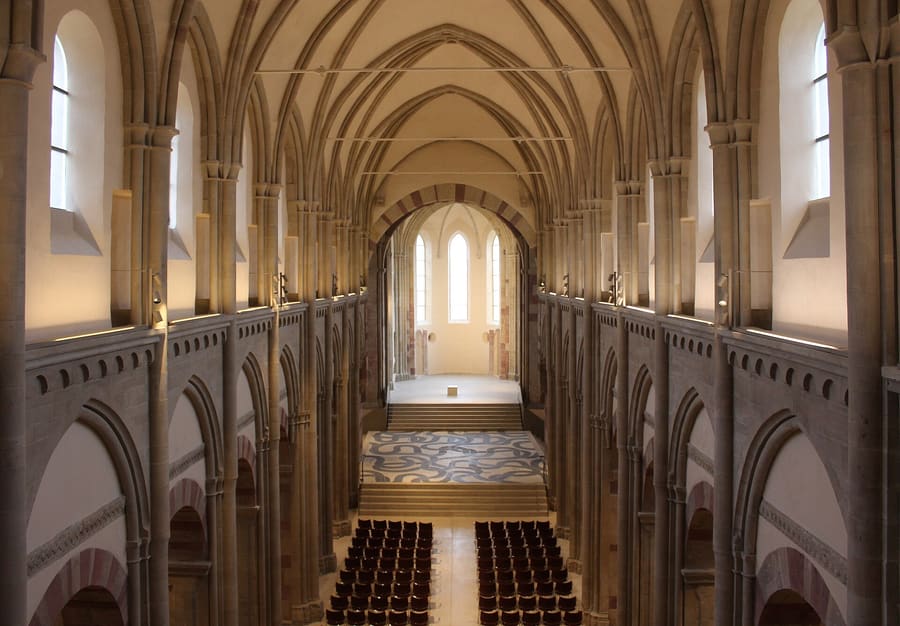
landmark
Magdeburg's oldest surviving structure holds modern sculpture exhibitions. The cloister garden offers total silence.
اسأل Parley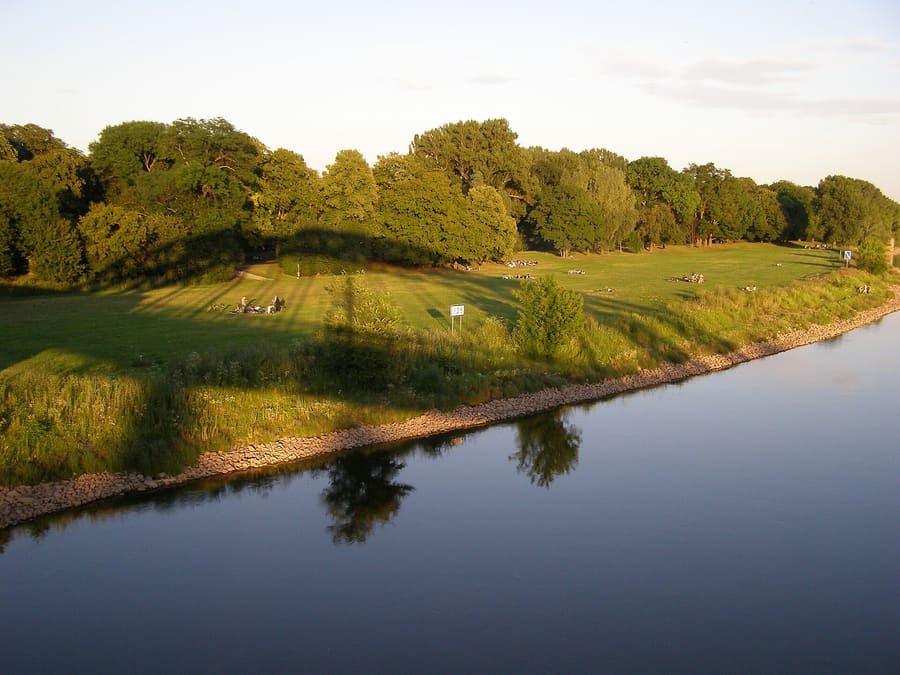
landmark
An island park in the Elbe featuring Bauhaus architecture. Rent a rowboat on Adolf-Mittag-See during warm months.
اسأل Parleyattractions
areas
Spacious socialist avenues meet medieval church ruins.
قريبDomplatz and Elbe embankment
اسأل ParleyFormer industrial port turned creative arts corner.
قريبElbe cycle path south
اسأل ParleyLate-night pub hub with Gründerzeit apartment blocks.
قريبSouth Altstadt rail line
اسأل Parleyfood
Magdeburg culinary culture draws heavily from the surrounding Börde agricultural region. Local menus favor hearty root vegetables and slow-cooked pork cutlets over refined dining. You will find traditional dishes concentrated near Domplatz and along Hasselbachplatz.
Magdeburger Bötel served with pea puree and sauerkraut.
Rainer Zenz · CC BY-SA 3.0Try local turnip and potato soup called Bördesuppe during lunch hours in Old Town taverns.
history
Magdeburg grew from an Imperial stronghold into one of medieval Europe's most powerful cities. Heavy destruction in the Seventeenth Century and World War II repeatedly forced the city to rebuild its identity from scratch.
Imperial Seat
Emperor Otto I establishes the Archbishopric of Magdeburg, making the city a key power center of the Holy Roman Empire.
The Sack of Magdeburg
Imperial troops burn the city during the Thirty Years' War, destroying almost every building and killing 20,000 residents.
Wartime Destruction
Air raids destroy 80 percent of the city center. Reconstruction favors wide socialist boulevards.
Green Citadel Opening
Architect Friedensreich Hundertwasser's final project opens, creating a colorful contrast to surrounding concrete blocks.
where to stay
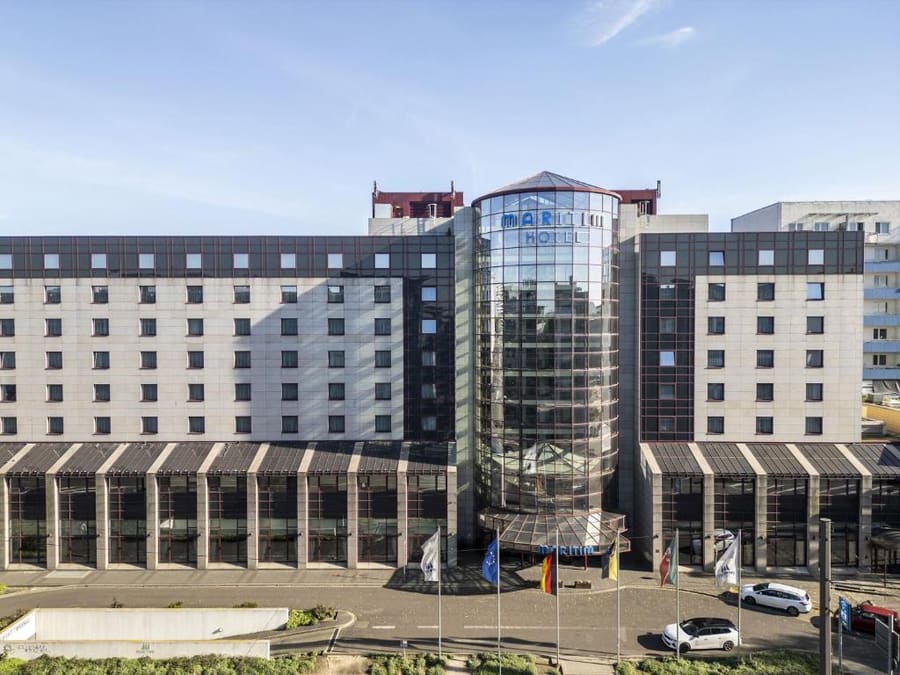
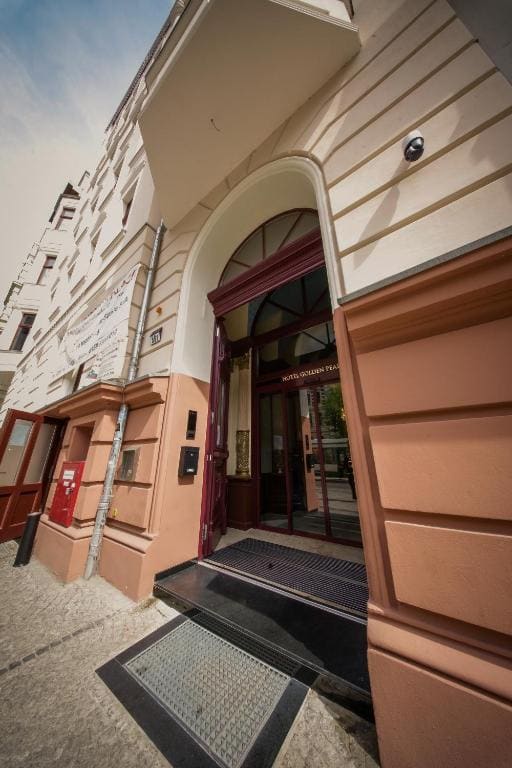
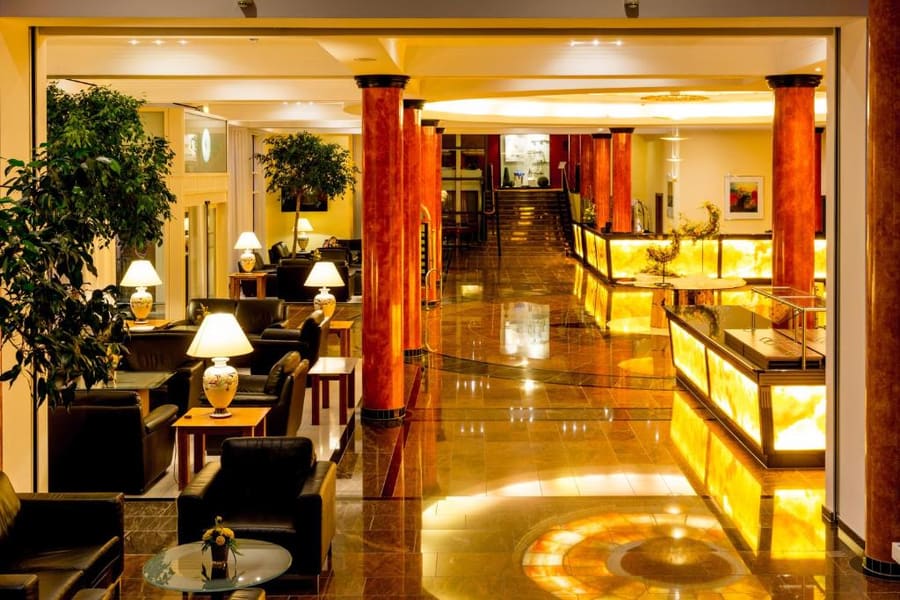
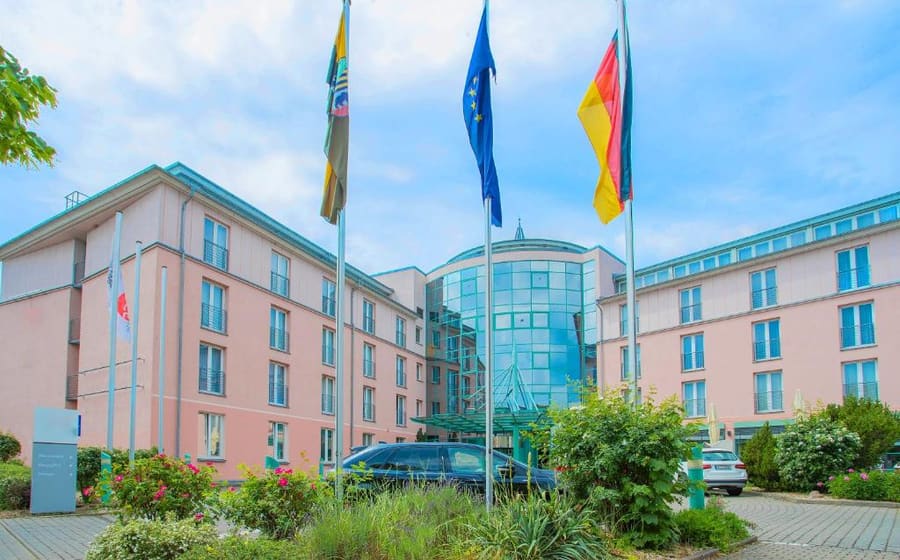
Choose your base by transit access and evening noise levels. Altstadt keeps you within walking distance of historical sights and main rail connections. Hasselbachplatz suits travelers seeking late-night dining, while Buckau offers quiet riverside stays.
Live rates, matched to the areas above.
transport
Magdeburg features a fast tram network operated by MVB. The city layout is linear along the river, making navigation straightforward either on tracks or on two wheels.
من Magdeburg Hauptbahnhof
RE1 regional trains run twice per hour from Berlin Hauptbahnhof direct to Magdeburg Hbf.
IC and RE trains connect Leipzig Hauptbahnhof directly.
MVB tram lines 1, 8, and 9 run from Hbf forecourt straight into Altstadt.
Taxis park directly outside the main exit of Magdeburg Hauptbahnhof.
Single tickets cost €2.70 and remain valid for 60 minutes across all MVB trams and buses.
Trams convert to hourly central connection trips meeting at Hasselbachplatz after 23:00.
MVB day tickets include passage on the Westerhüsen and Buckau cable ferries across the Elbe.
cost
Magdeburg remains noticeably more affordable than Berlin or Leipzig. Entry fees to public sights are low, and local transit day passes offer solid value.
Unlimited travel on all trams, buses, and river ferries in zone 010 until 04:00 the next day.
Access to the nave and cloister is free; optional tower tours cost €5.
Traditional main plates like Bötel or schnitzel cost under €18 at city taverns.
Entry to the grounds and Jahrtausendturm costs €8 in summer, dropping to €4 in winter.
seasonality
MAR – MAY
Mild weather with light tourist crowds. Spring parks open, though river winds remain cold along the Elbe.
JUN – AUG
Warm days averaging 24°C. Open-air events fill Elbauenpark and Stadtpark Rotehorn. Book hotels ahead for festival weekends.
SEP – NOV
Crisp autumn days ideal for river cycling. Museum hours shorten toward November.
DEC – FEB
Cold and damp weather. Domplatz hosts the Magdeburg Christmas Market through late December.
practicalities
Supermarkets and retail stores close completely on Sundays; railway station shops remain open.
The inner court of the Green Citadel stays open until 22:00 daily without ticket requirements.
A joint ticket covers both the Lukasklause museum and the Jahrtausendturm scientific exhibits.