landmark
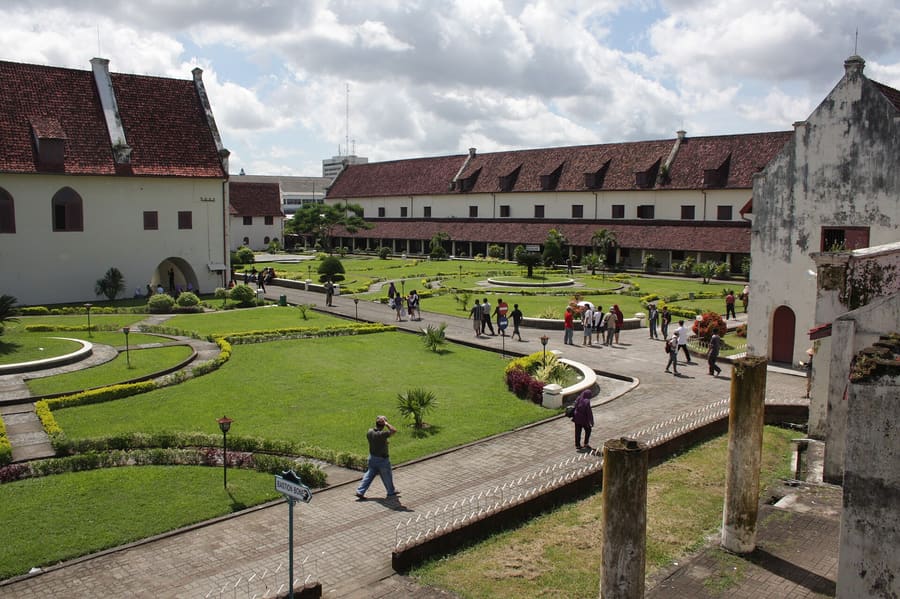
Fort Rotterdam
17th-century Dutch bastion built over a Gowa fort. Visit early morning before noon heat bakes the open stone courtyards.
اسأل Parleyإندونيسيا
Eastern Indonesia's maritime crossroads and culinary capital.
introduction
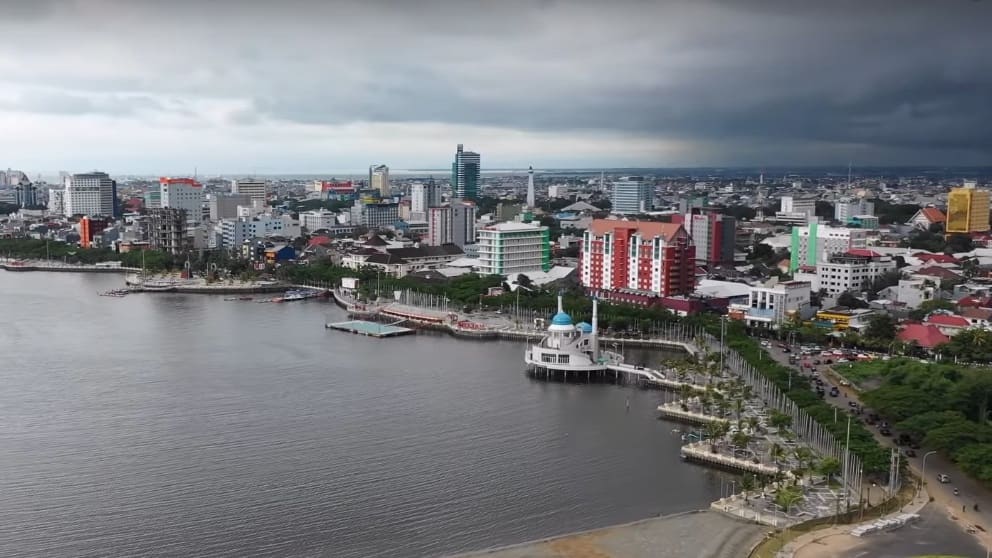
Makassar is Eastern Indonesia’s main port and urban engine. Heat, heavy traffic, and rich maritime trade define daily life along the Makassar Strait. You come here to eat grilled fish on Jalan Somba Opu, trace Dutch colonial footprints, and board boats to outer islands. Treat the city as an energetic staging ground rather than a quiet resort.
Airport taxi queue trick
Book Grab or Gojek at the designated airport pickup zone to avoid unmetered street taxi quotes.
Pinisi shipbuilding status
UNESCO recognizes Bugis pinisi boatbuilding as Intangible Cultural Heritage. Paotere Harbor still docks these wooden schooners.
Waterfront sunset timing
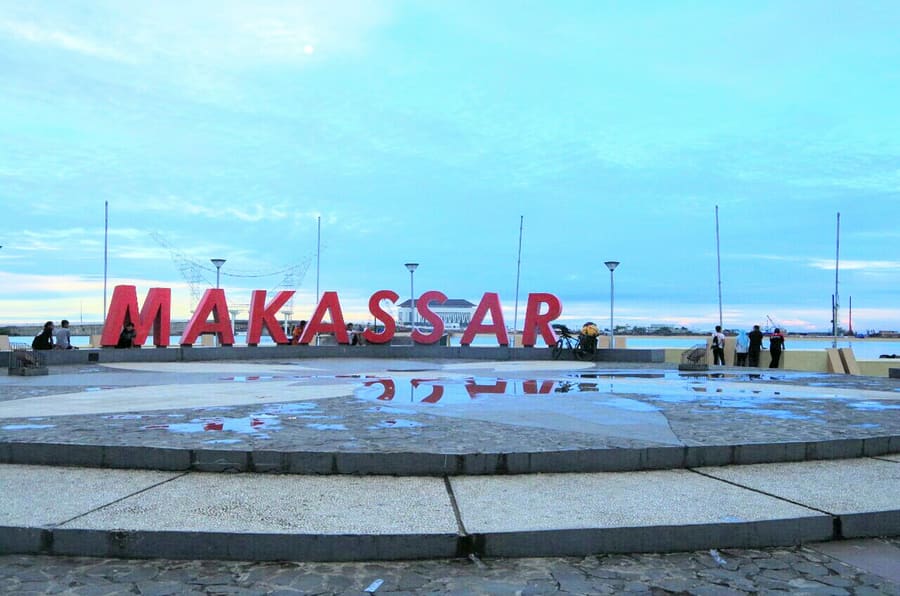
Arrive at Losari Beach by 17:30. Sunset traffic peaks fast, and prime seating at street stalls fills before dusk.
Makassar
Rainer Jehl · CC BY-SA 4.0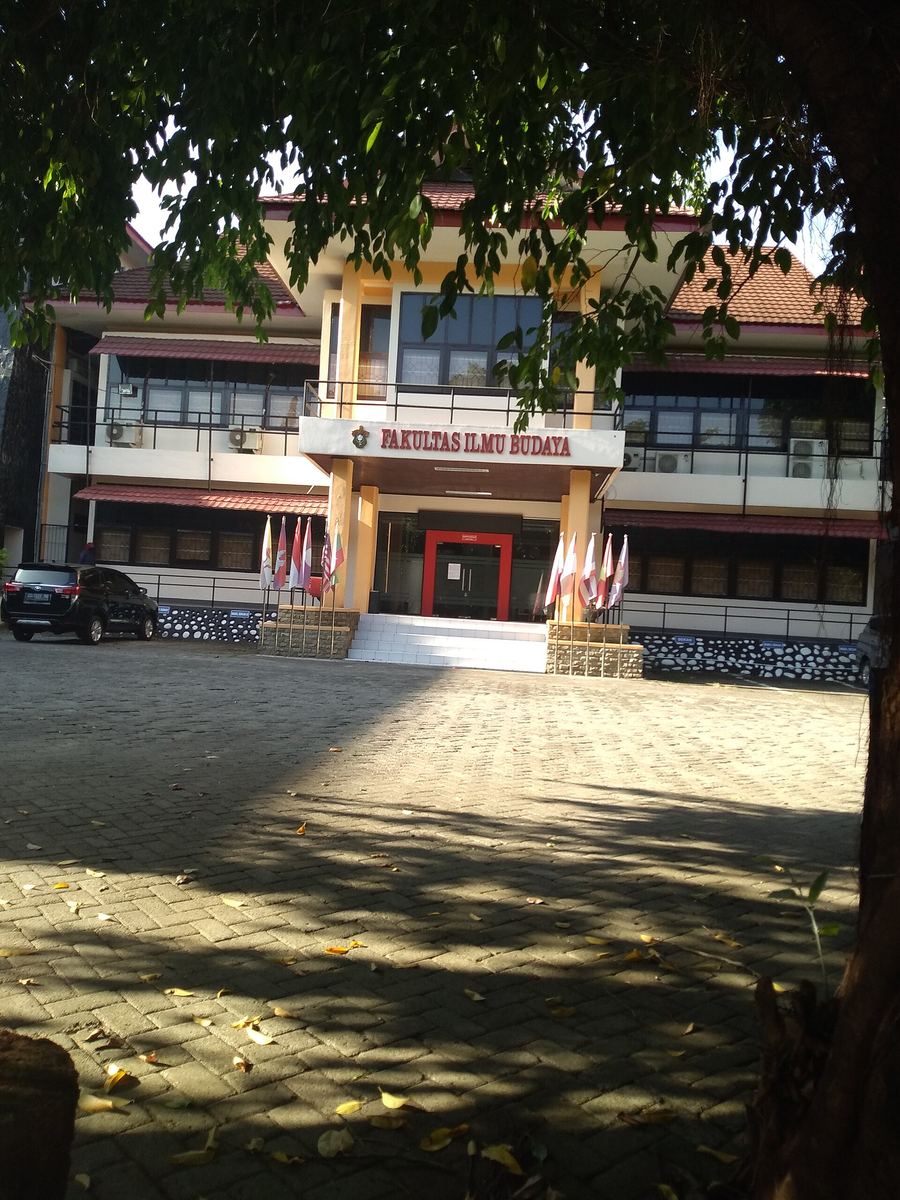
Tamalanrea — Sprawling university precinct with cheap eateries and calm streets.
Araaa28 · CC BY-SA 4.0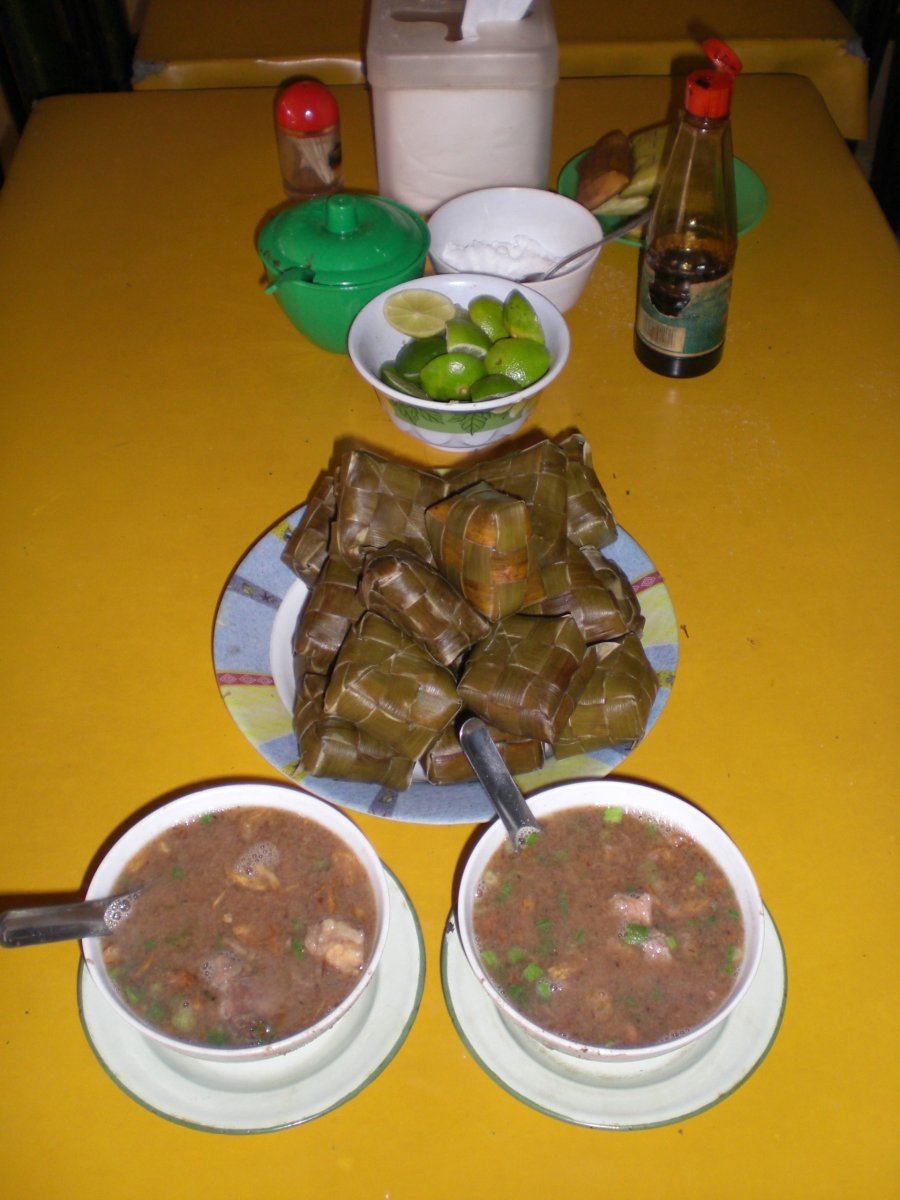
Coto Makassar, rich beef soup served with ketupat rice cakes.
(Lofor) · CC BY 3.0highlights
landmark
17th-century Dutch bastion built over a Gowa fort. Visit early morning before noon heat bakes the open stone courtyards.
اسأل Parley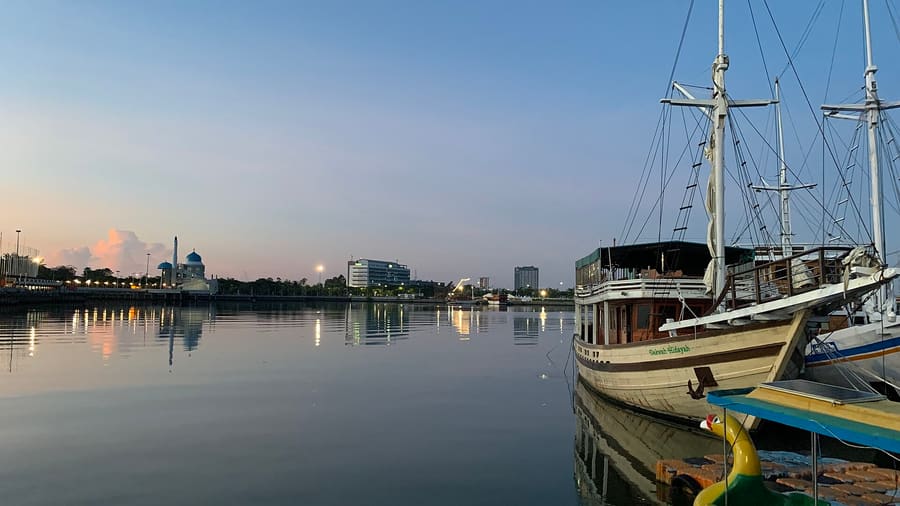
landmark
Makassar's main oceanfront gathering point. Walk the paved promenade at dusk for sunset views and fresh grilled plantain stalls.
اسأل Parley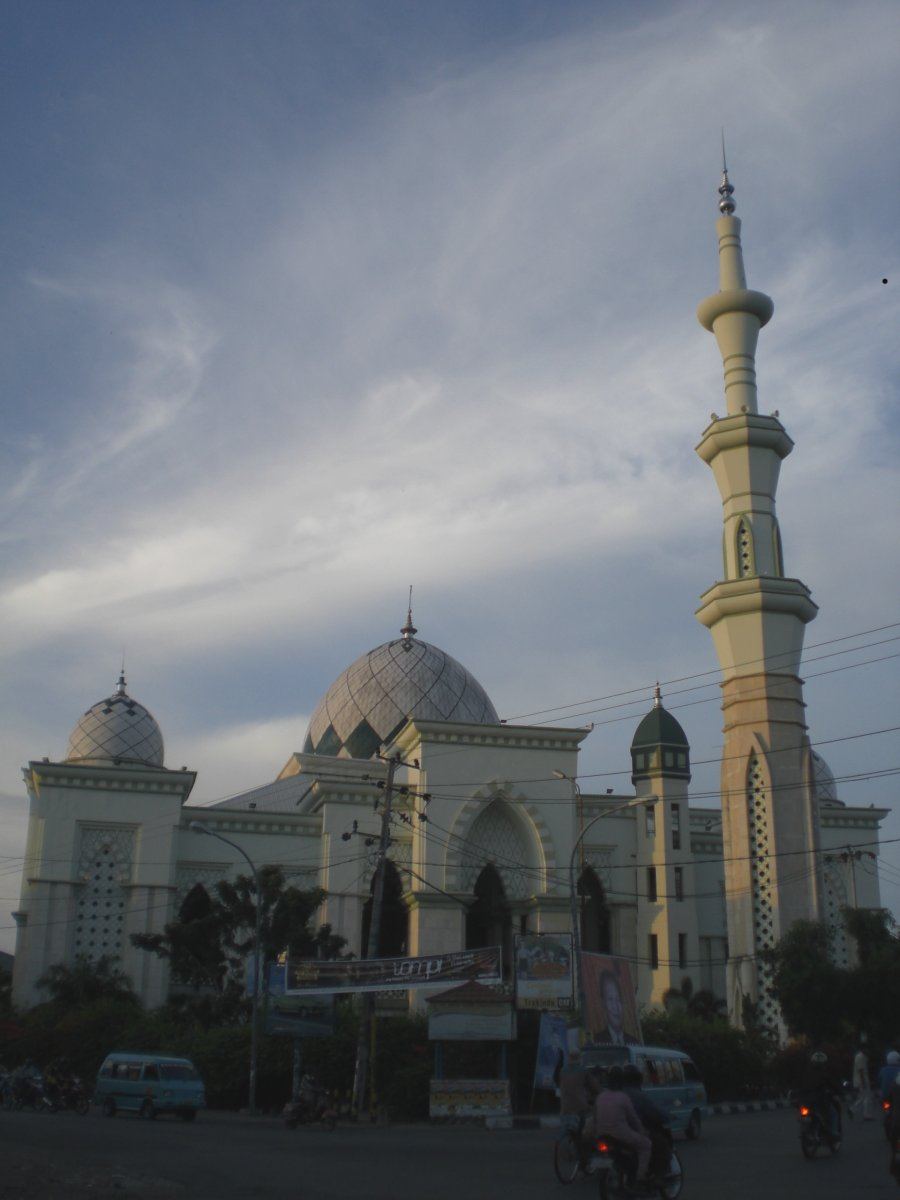
landmark
Major landmark with striking twin minarets and vast prayer hall. Dress conservatively covering shoulders and knees to enter.
اسأل Parley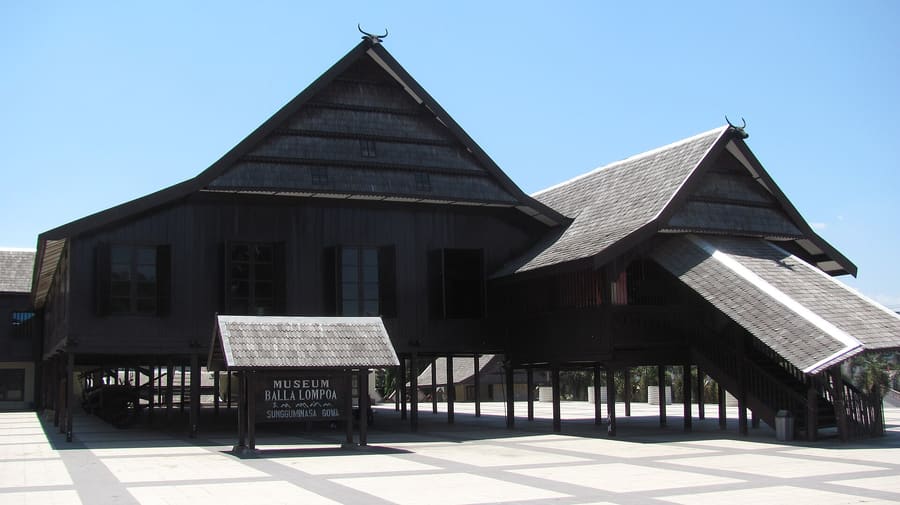
landmark
Reconstructed wooden palace of the Gowa Kingdom south of the city. Houses royal regalia and traditional South Sulawesi weapons.
اسأل Parleyattractions
areas
Sprawling university precinct with cheap eateries and calm streets.
قريبHasanuddin University campus
اسأل ParleyColonial grid meets street food hubs and heritage sites.
قريبFort Rotterdam and city museums
اسأل ParleyCoastal strip famous for sunset walks and seafood night markets.
قريبJalan Somba Opu gold and souvenir shops
اسأل ParleyModern business and shopping hub away from the sea.
قريبMall Panakkukang and major dining avenues
اسأل Parleyfood
Makassar food revolves around intense beef broths and super-fresh seafood from the Makassar Strait. Coto Makassar simmered with crushed peanuts and local spices leads breakfast, while roasted ribs and grilled fish dominate late nights. Expect rich flavors, chili pastes, and rice cakes wrapped in palm leaves.
Coto Makassar, rich beef soup served with ketupat rice cakes.
(Lofor) · CC BY 3.0Order Coto Makassar at Warung Coto Nusantara near the port before noon when broth is freshest.
Select live fish by weight at Rumah Makan Lae Lae on Jalan Datu Musi before ordering it grilled with parape spice.
history
Makassar grew as the powerful capital of the Gowa Sultanate, dominating maritime trade routes across Eastern Indonesia. The Dutch East India Company seized the city in 1667 after the Treaty of Bongaya, reshaping its fortifications into Fort Rotterdam. Renamed Ujung Pandang for decades before reverting to Makassar, the city remains Sulawesi’s economic anchor.
Treaty of Bongaya
Sultan Hasanuddin surrenders trade control to Dutch forces after prolonged naval warfare.
Fort Rotterdam Built
Dutch Governor Cornelis Speelman rebuilds the conquered Gowa fortress into a European bastion.
State of East Indonesia
Makassar becomes capital of the short-lived Dutch-sponsored East Indonesia state post-WWII.
where to stay
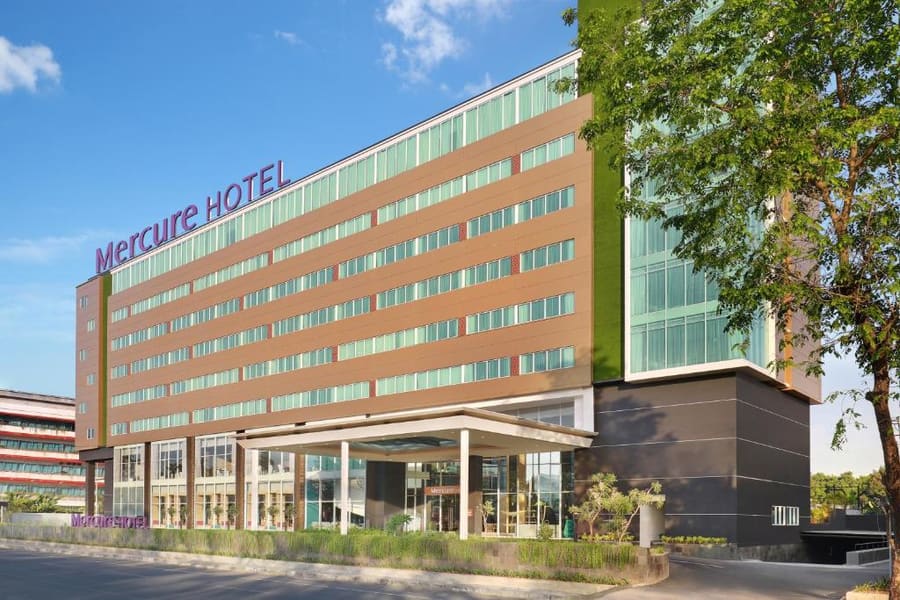
Choose your base by your priority: coastal access or commercial convenience. Waterfront Losari suits first-time visitors seeking sea views and sunset dining. Panakkukang suits business travelers and shoppers wanting modern amenities without coastal traffic.
Live rates, matched to the areas above.
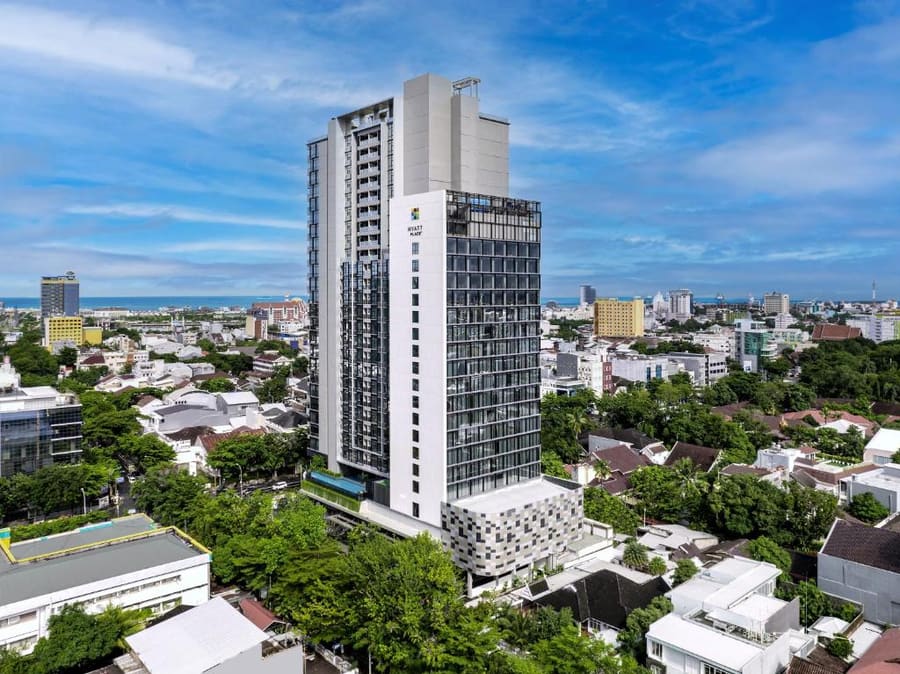
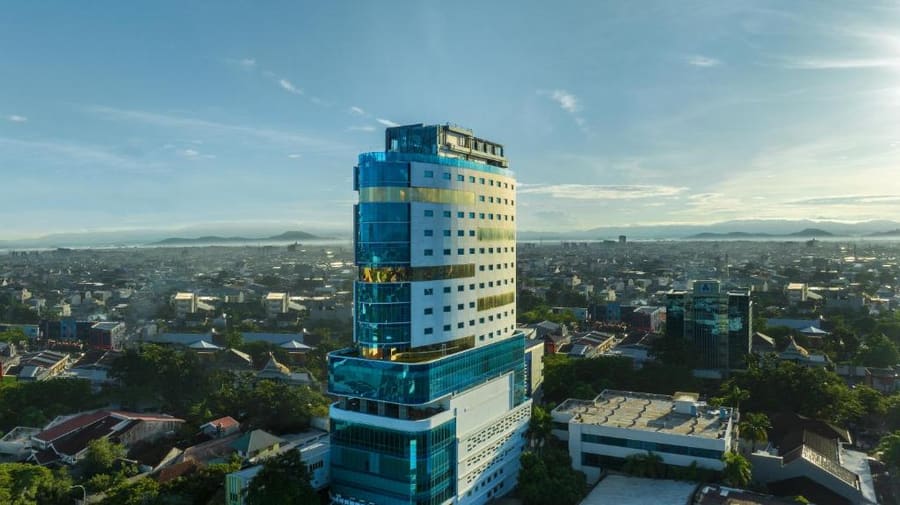
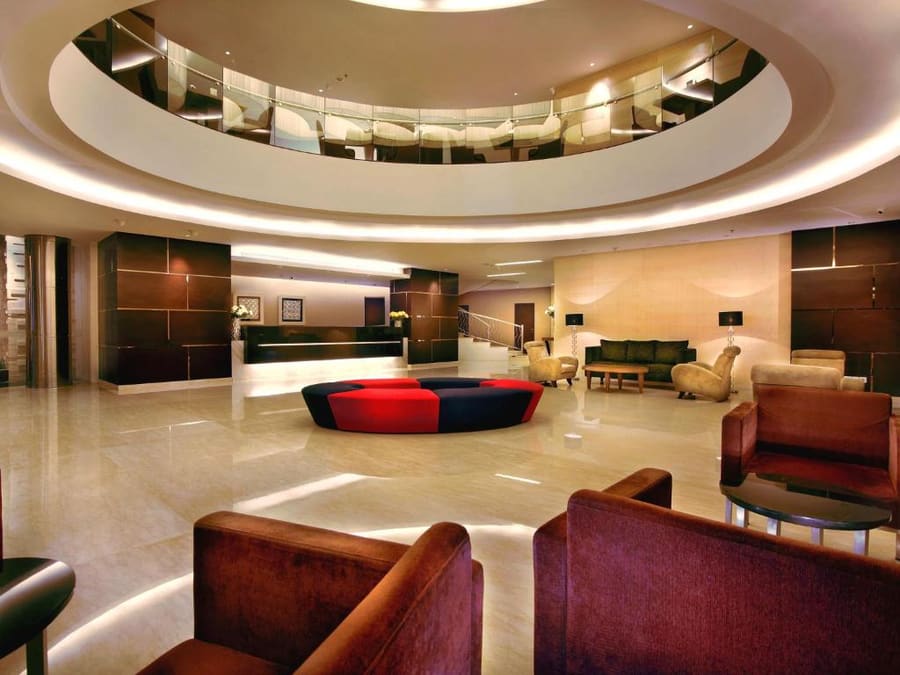
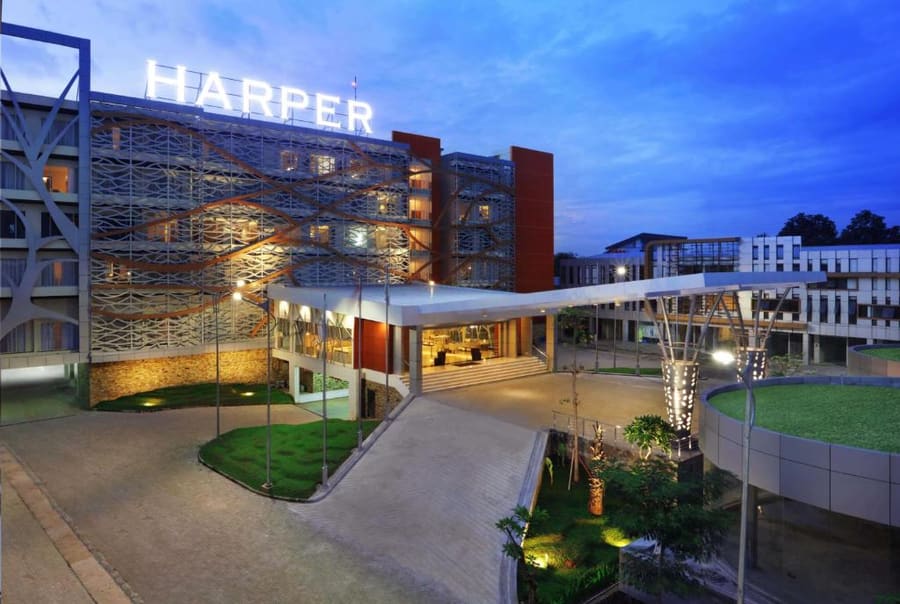
transport
Makassar's transit relies on ride-hailing apps, local minibuses called pete-pete, and taxis. Ride-hailing via Grab and Gojek offers transparent pricing and easy pickups across the metropolitan area.
من Sultan Hasanuddin International Airport (UPG)
Pickup at designated Grab/Gojek lounge outside arrivals.
Use official airport taxi counters; confirm toll fee inclusion.
Damri bus operates to Karebosi Park in the city centre.
Catch fixed-route pete-pete minibuses for short city hops; pay cash IDR 5,000 directly to the driver.
App rides accept digital payment, but keep small IDR bills for street parking and minor entry fees.
Avoid major thoroughfares like Jalan A.P. Pettarani between 17:00 and 19:00 when gridlock peaks.
Charter wooden motorboats to Samalona Island from Kayu Bangkoa pier; negotiate round-trip fare before boarding.
cost
Makassar offers exceptional value compared to Bali or Jakarta. Seafood and local broths are remarkably affordable, while hotel rates remain reasonable year-round.
Includes beef soup and two ketupat rice cakes.
Price per person for fresh fish, rice, and sambal at local seafood houses.
Standard car ride within core city limits.
Private return boat trip from Kayu Bangkoa pier for up to 5 people.
seasonality
JUN – SEP
Driest months with calmer seas. Ideal for boat trips to Samalona Island and outdoor sightseeing.
OCT – NOV
Transitional period with increasing humidity and occasional afternoon showers.
DEC – FEB
Peak monsoon season. Expect heavy downpours and rough water around offshore islands.
MAR – MAY
Tapering rains and warm days. Coastal breezes make evening strolls pleasant.
practicalities
Tropical humidity is intense year-round; carry water when walking open sites like Fort Rotterdam.
Modest attire covering shoulders and knees is expected outside international hotels and beach resorts.
ATMs are abundant along major roads, but small warungs and boat captains require cash.
Shops and warungs close or pause service between 11:30 and 13:00 on Fridays for prayers.
Inspect life jackets before boarding small wooden motorboats to surrounding coral islands.