landmark
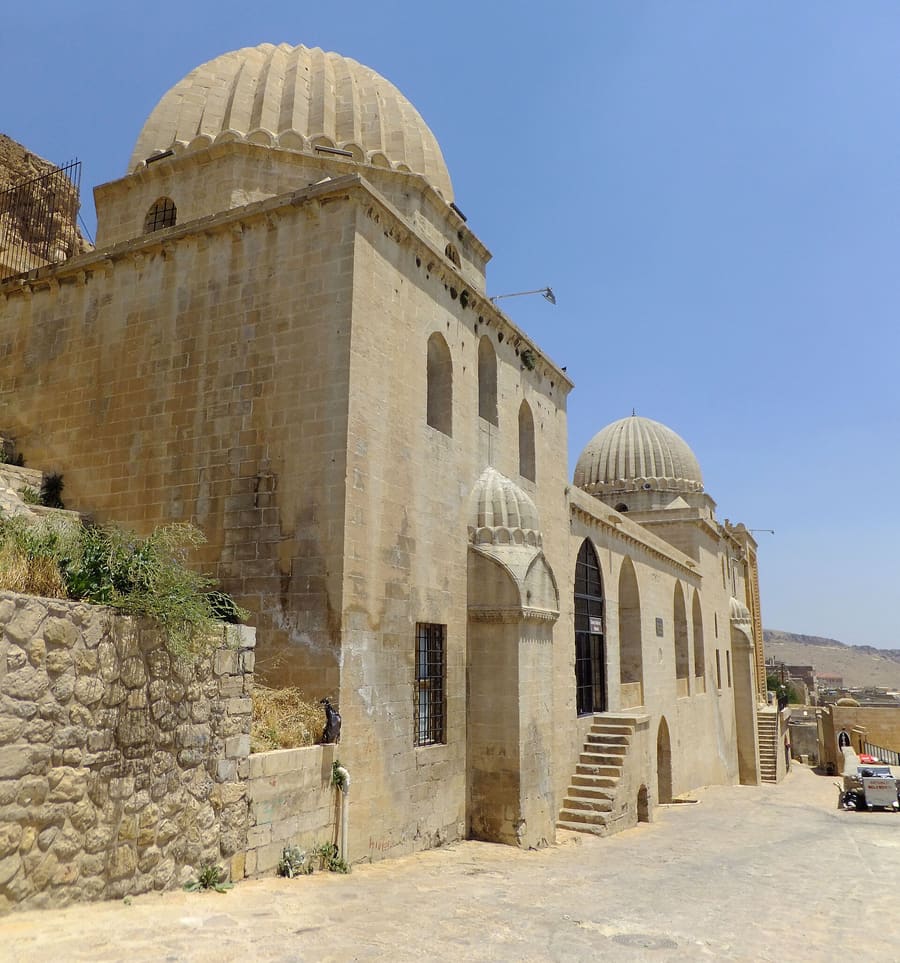
Zinciriye Medresesi
14th-century Artuqid school with fluted domes. Visit at 08:00 to see the Mesopotamian plain before tour groups arrive.
اسأل Parleyتركيا
Yellow stone mansions carved into a Mesopotamian cliffside.
introduction
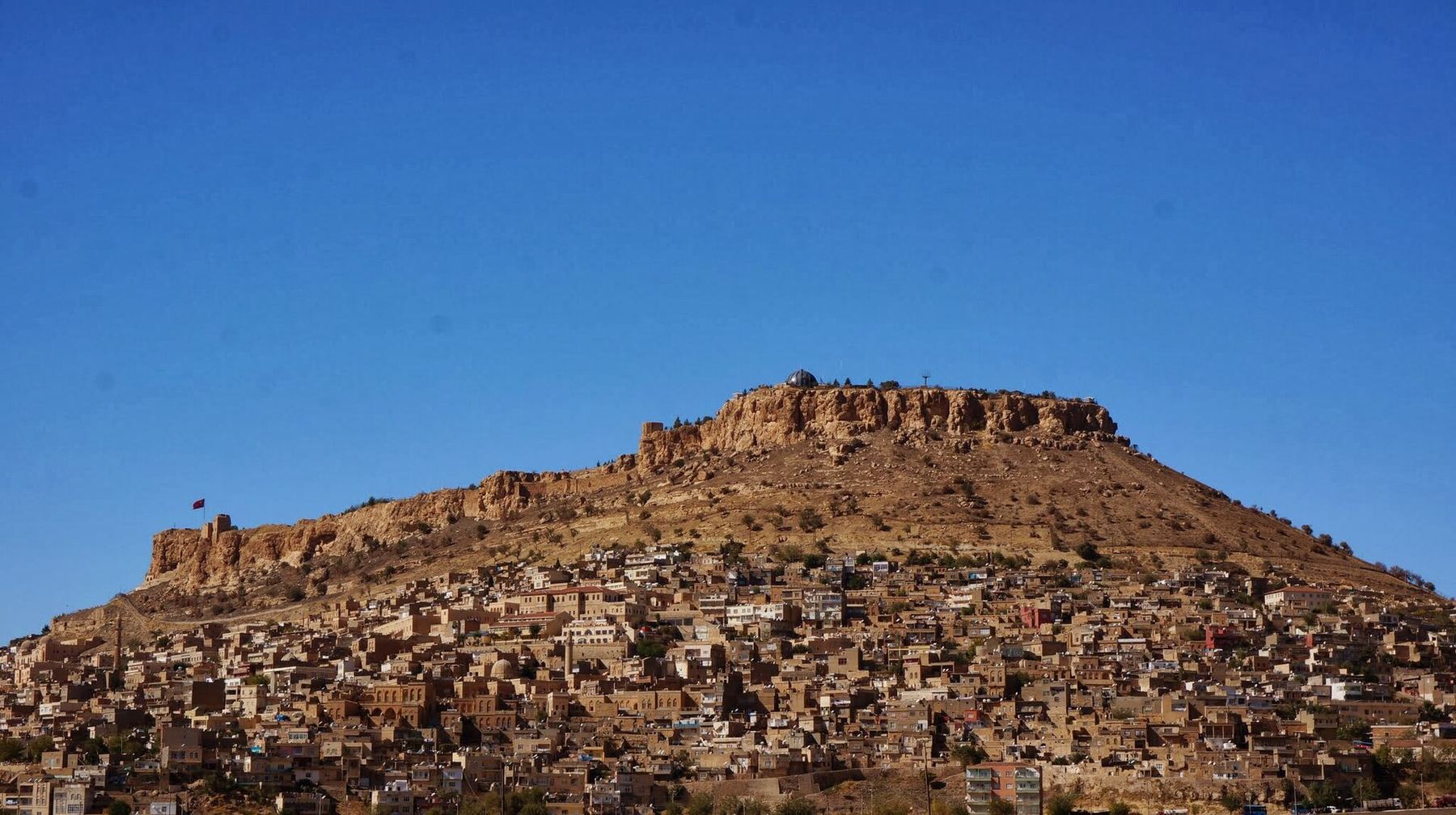
Mardin sits on a limestone ridge facing the flat plains of northern Mesopotamia. The historic town relies on steep staircases and narrow stone alleys where motor vehicles cannot operate. You move through the city on foot, climbing between medieval Islamic schools, Syriac churches, and stone mansions.
Arrival shuttle
Mardin Airport sits 20 kilometers south on the plain. Minibuses to the old town board outside arrivals and take 30 minutes.
UNESCO tentative list
Old Mardin sits on the UNESCO World Heritage tentative list for its intact Artuqid stone architecture.
Luggage warning
Old Mardin relies on stairs and narrow alleyways where cars cannot go. Pack a backpack or carry lightweight luggage.
Mardin
Nevit Dilmen · CC BY-SA 3.0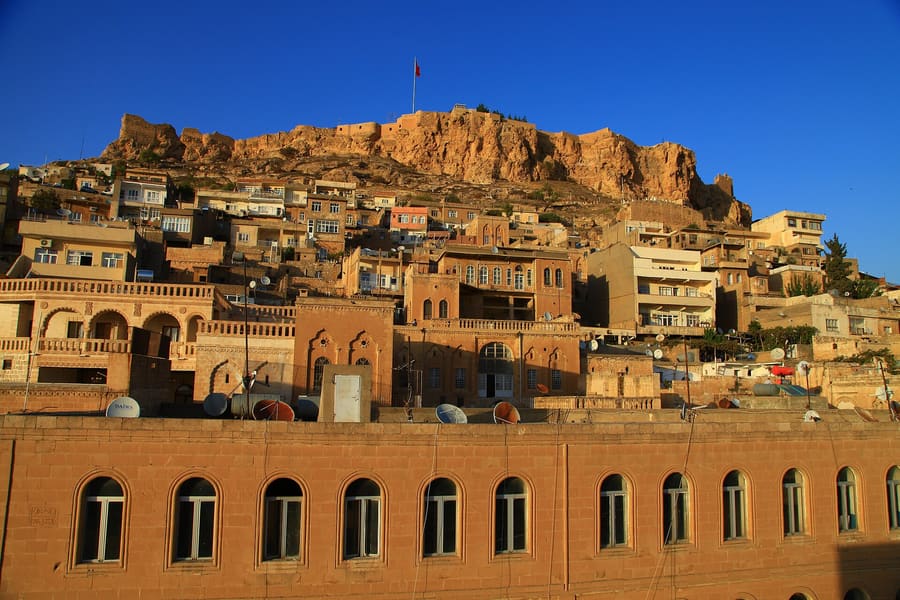
Bab-ı Sor Slopes — Quiet residential alleys dropping down steep stone steps toward the plain.
MSinjari · CC BY-SA 4.0highlights
landmark
14th-century Artuqid school with fluted domes. Visit at 08:00 to see the Mesopotamian plain before tour groups arrive.
اسأل Parley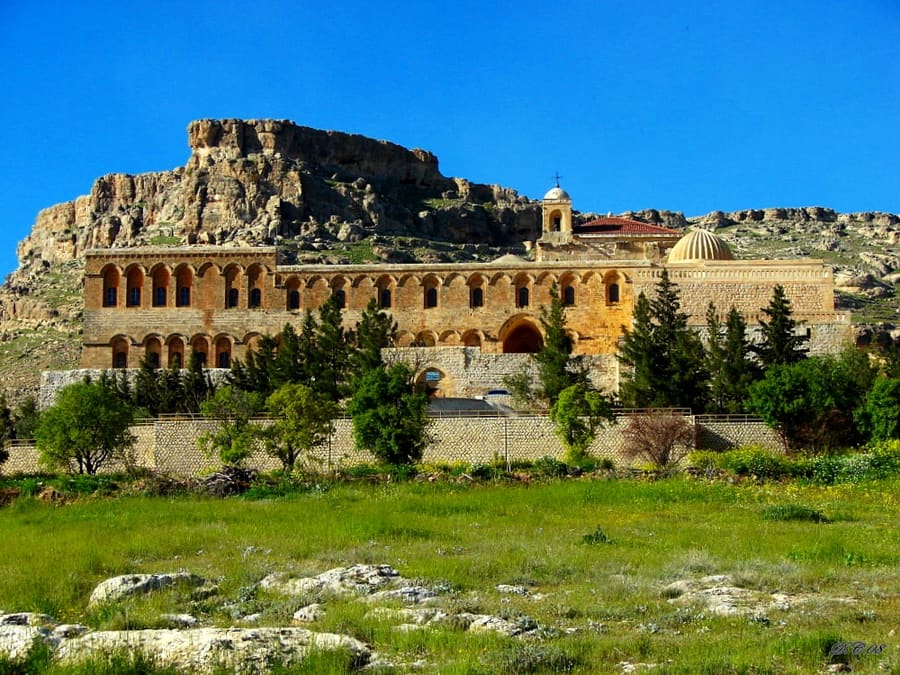
landmark
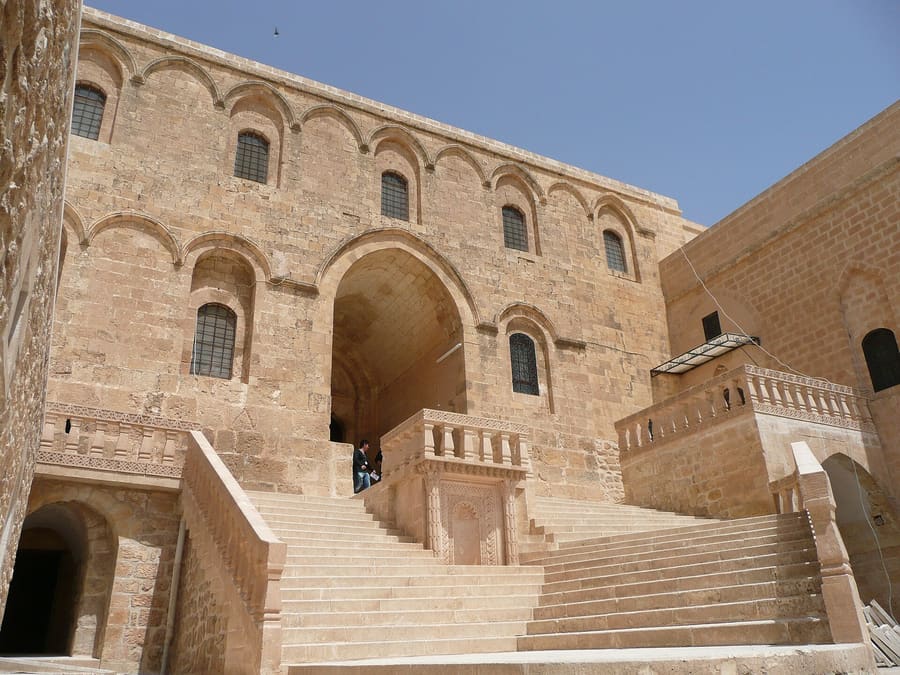
Active Syriac Orthodox monastery founded in the 5th century. Guided tours run continuously from 08:30.
اسأل Parley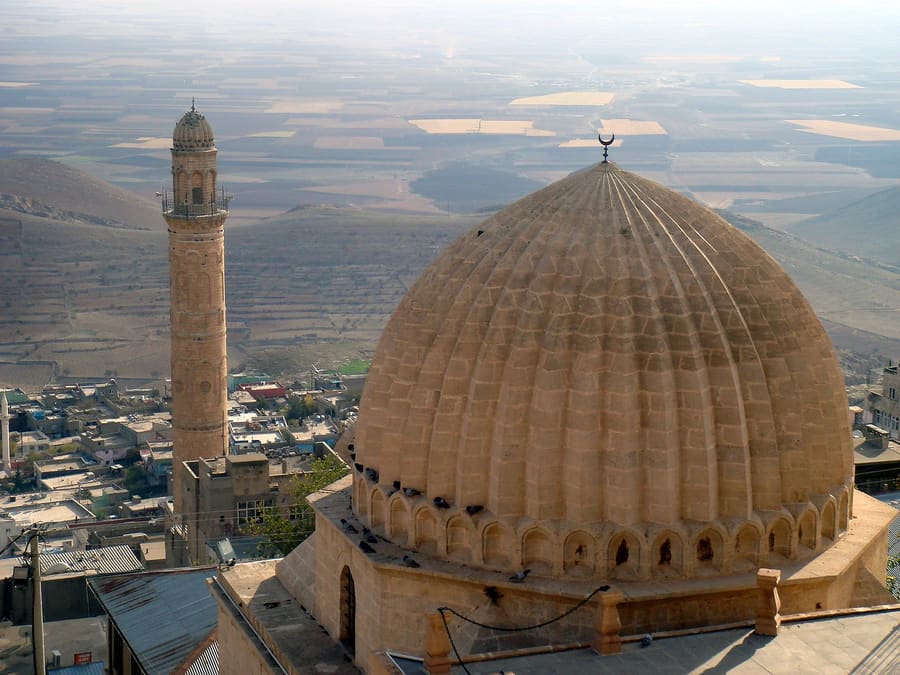
landmark
12th-century mosque with a carved Artuqid minaret. Access it via the steep stone stairs below Birinci Caddesi.
اسأل Parley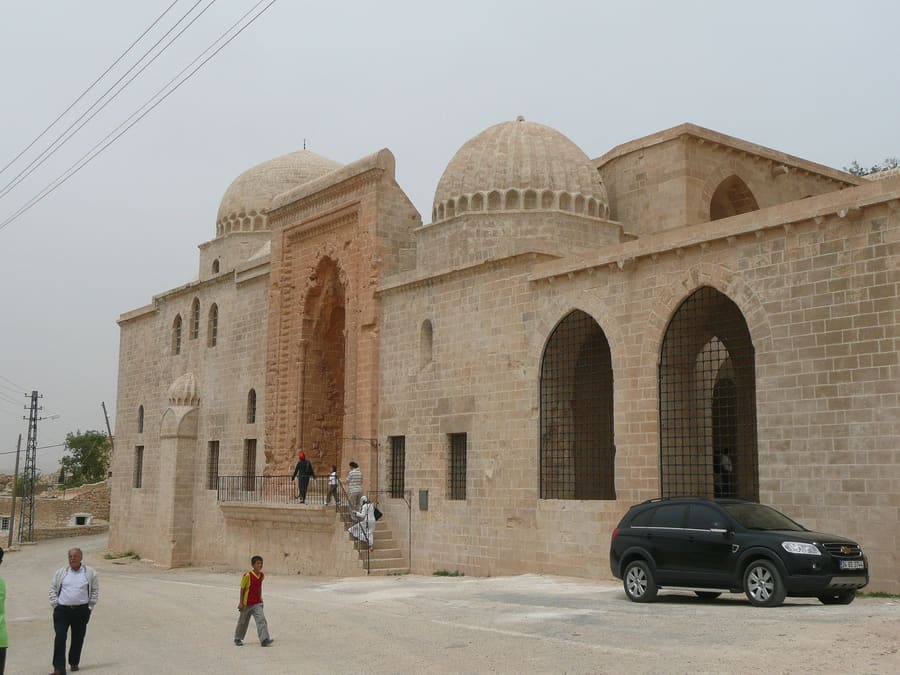
landmark
15th-century madrasa featuring a stone pool designed to symbolize life. Arrive late afternoon for warm sunlight on stone.
اسأل Parley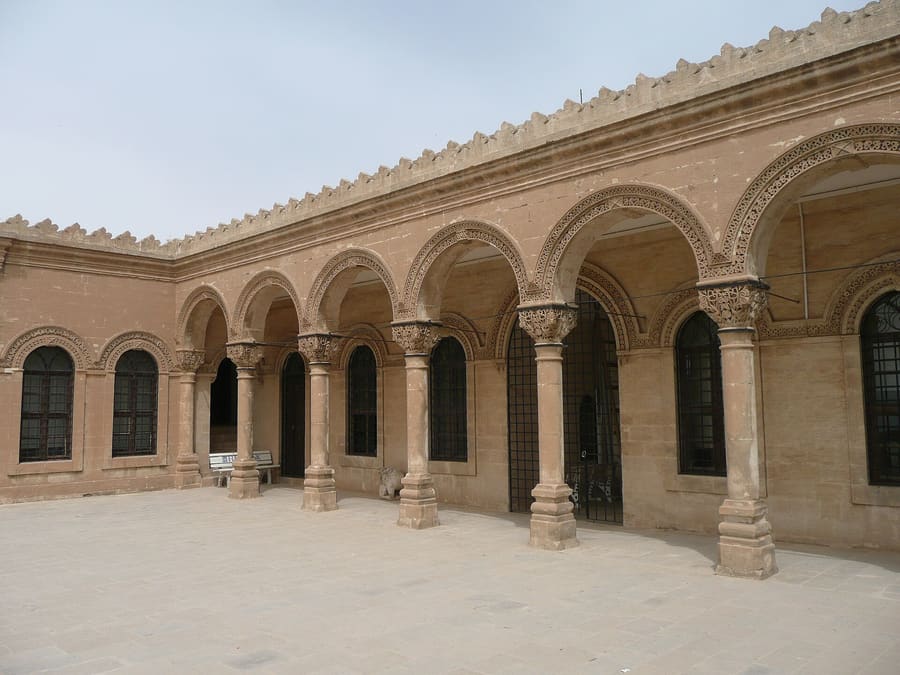
landmark
19th-century military barracks converted into a museum of local culture. Buy tickets at the door with cash.
اسأل Parleyattractions
areas
Quiet residential alleys dropping down steep stone steps toward the plain.
قريبKasımıye Medresesi
اسأل ParleyThe main paved ridge lined with stone hotels, shops, and rooftop cafes.
قريبUlu Cami and Revaklı Çarşı
اسأل ParleyModern urban expansion on the flat plateau with concrete apartment blocks.
قريبMardin Bus Terminal
اسأل ParleyRural valley five kilometers east, set among olive trees and stone monasteries.
قريبDeyrulzafaran Monastery
اسأل Parleyfood
Mardin cuisine uses distinct spices like mahleb, allspice, and wild coriander. Local cooks bake stuffed meats and pastries in wood-fired stone ovens across the old town.
Eat sembusek, a local flatbread turnover stuffed with spiced minced meat and onions, at street bakeries along Birinci Caddesi.
Order kaburga dolması (stuffed lamb rib) hours ahead at traditional restaurants, as slow roasting takes half a day.
Drink dibek coffee, ground manually in stone mortars with cardamom, at outdoor open-air tea stalls.
history
Mardin developed as a fortified trading stop overlooking northern Mesopotamia. Islamic dynasties, Syriac Christians, and Ottoman governors shaped its terraced urban layout.
Artuqid Dynasty
The Artuqid rulers build Mardin's core stone madrasas, mosques, and monumental terraced civic structures.
Ottoman Rule
Sultan Selim I incorporates Mardin into the Ottoman Empire, securing trade routes across the region.
Modern Expansion
Construction of Yeni Mardin shifts modern government offices and commercial housing off the historic hill.
where to stay
Choose your accommodation based on mobility and transit needs. Historic mansions in Old Mardin require walking up stone stairs, while Yeni Mardin offers modern chain hotels with parking.
transport
Old Mardin is not strictly pedestrian; while its narrow terraced stairways are pedestrian-only, vehicular traffic operates along its main thoroughfare, Birinci Caddesi. Minibuses connect the old town to Yeni Mardin along the single main road.
Wear sturdy shoes with good grip. The stone paving wears smooth and gets slippery.
Flag down blue dolmuş minibuses along Birinci Caddesi to travel between the old and new towns.
Birinci Caddesi jams during weekend afternoons. Walk instead of taking taxis across Old Town.
cost
Prices in Mardin are lower than in Istanbul, though tourist-focused restaurants on Birinci Caddesi charge higher rates for terrace seating.
seasonality
MAR – MAY
Warm spring days and clear skies. Perfect conditions for walking stone staircases.
JUN – AUG
Extreme heat often exceeds 40°C. Sightseeing between 11:00 and 16:00 is difficult.
SEP – NOV
Mild autumn weather and clear views over the plain. High domestic travel season.
DEC – FEB
Cold weather with occasional snow on stone alleys. Slippery stairs require caution.
practicalities
Historic mosques close to tourists during prayer times. Time visits between prayer calls.
Small market stalls and bakeries prefer payment in Turkish Lira cash.
Cover shoulders and knees when visiting active Syriac churches and historic mosques.
Limestone walls reflect intense sunlight. Wear sunglasses and head protection.
Tour groups fill Old Town streets on weekends. Visit major sites on weekdays.