landmark
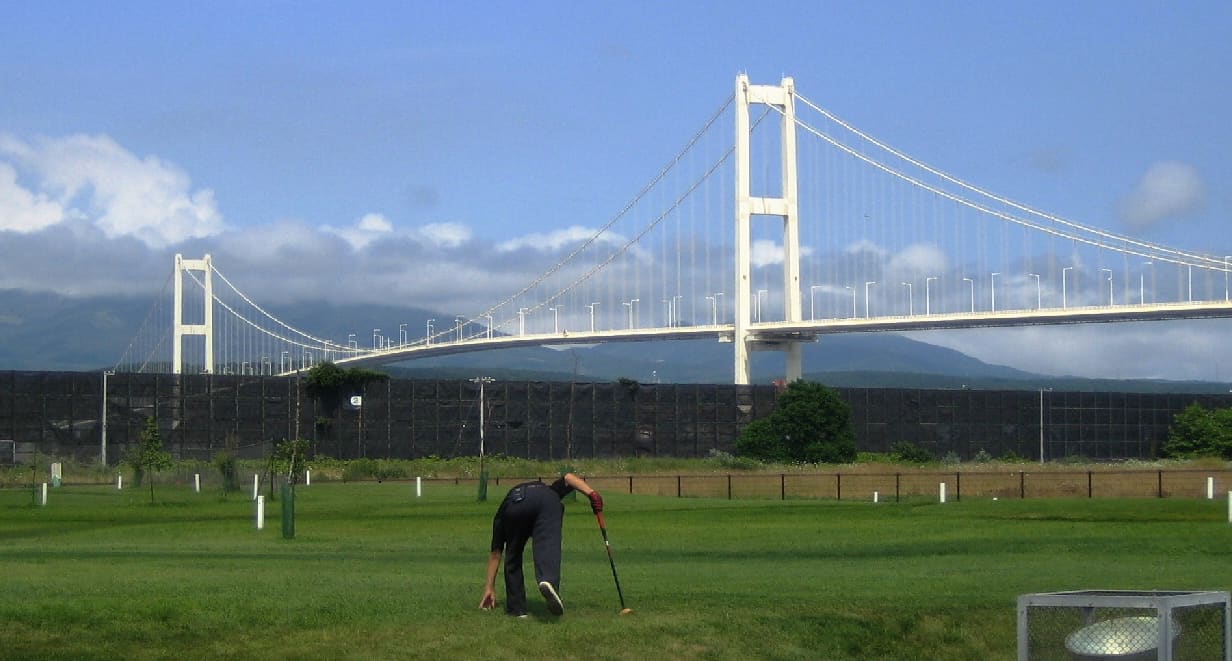
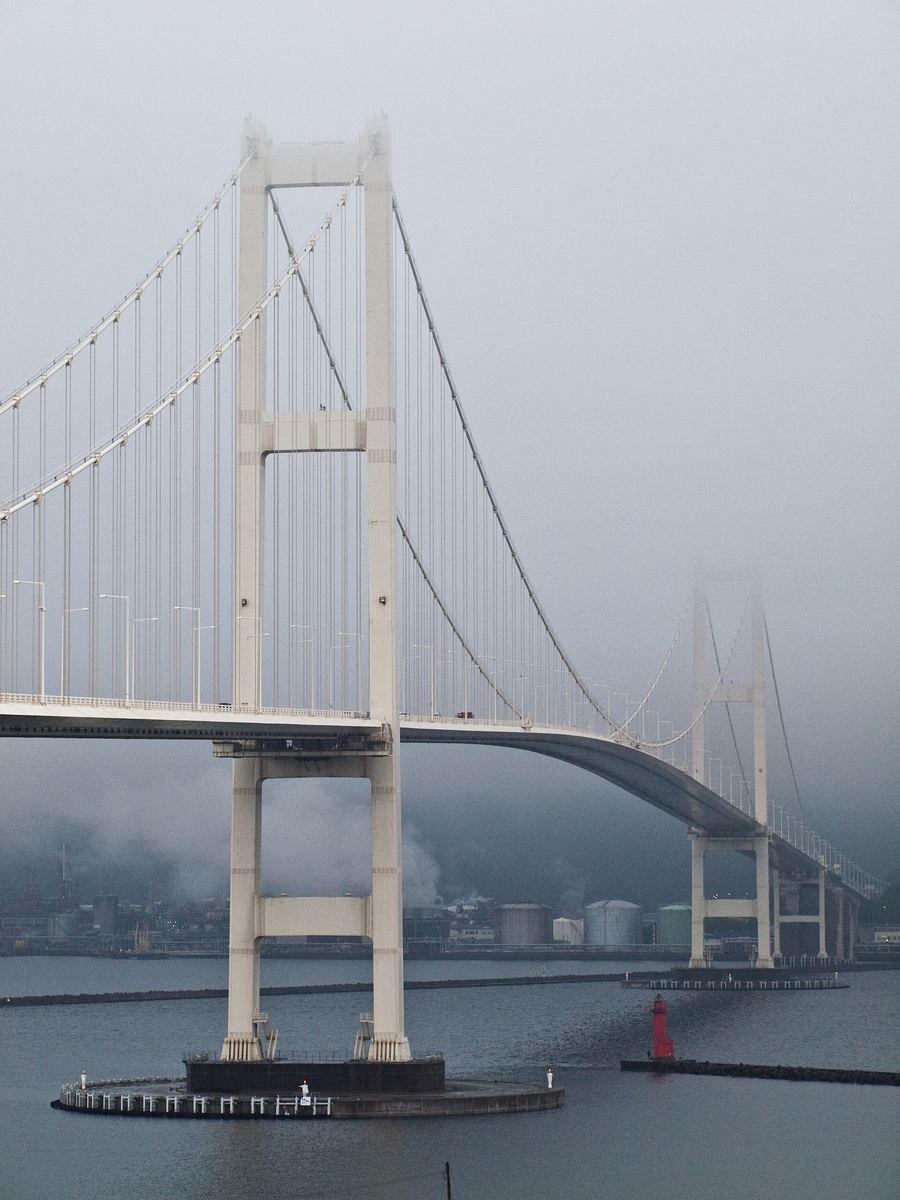
Hakucho Bridge
Eastern Japan's largest suspension bridge across the harbour mouth. Driving across is free.
اسأل Parleyاليابان
Steel plants, coastal cliffs, and pork skewered as yakitori.
introduction
Muroran is an industrial peninsula town shaped by steel mills and sheer sea cliffs. Express trains stop at Higashi-Muroran, sending many travellers past the old downtown center. You come here for lighted factory skylines, ocean lookouts, and pork skewers called yakitori. Navigation requires paying attention to local bus routes or renting a car.
Night view heritage
Japan designates Muroran's illuminated factory district as an official industrial night view heritage site. The steelworks glow continuously along the bay.
The pork yakitori rule
Ordering yakitori in Muroran gets you skewered pork and onions served with karashi mustard. Local izakayas do not default to chicken.
Muroran
くろふね · CC BY 3.0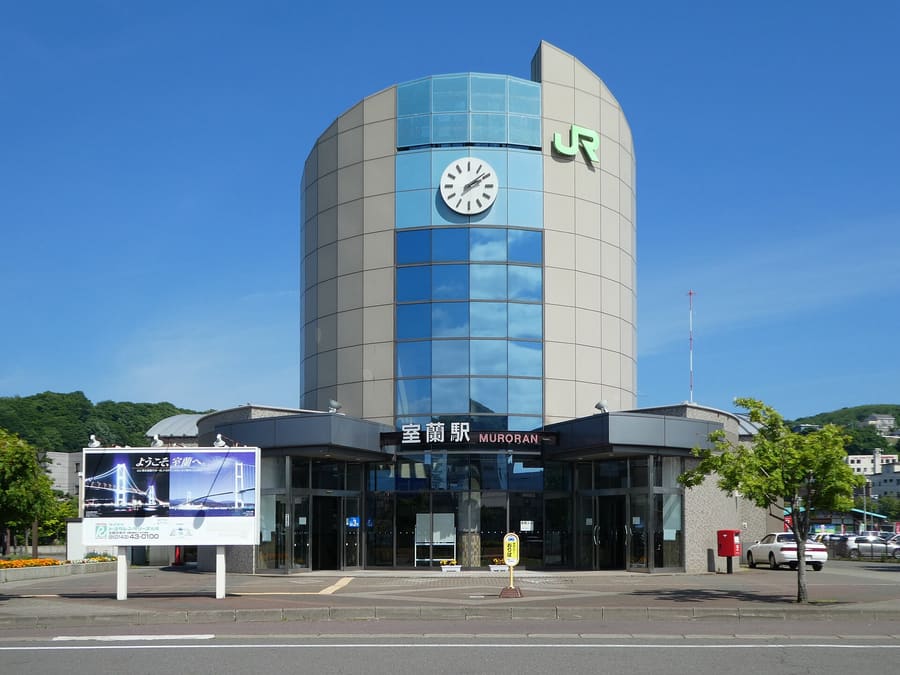
Chuo-cho — Quiet historical center with aged izakayas and retro shopfronts.
切干大根 (Kiriboshi Daikon) · CC BY-SA 4.0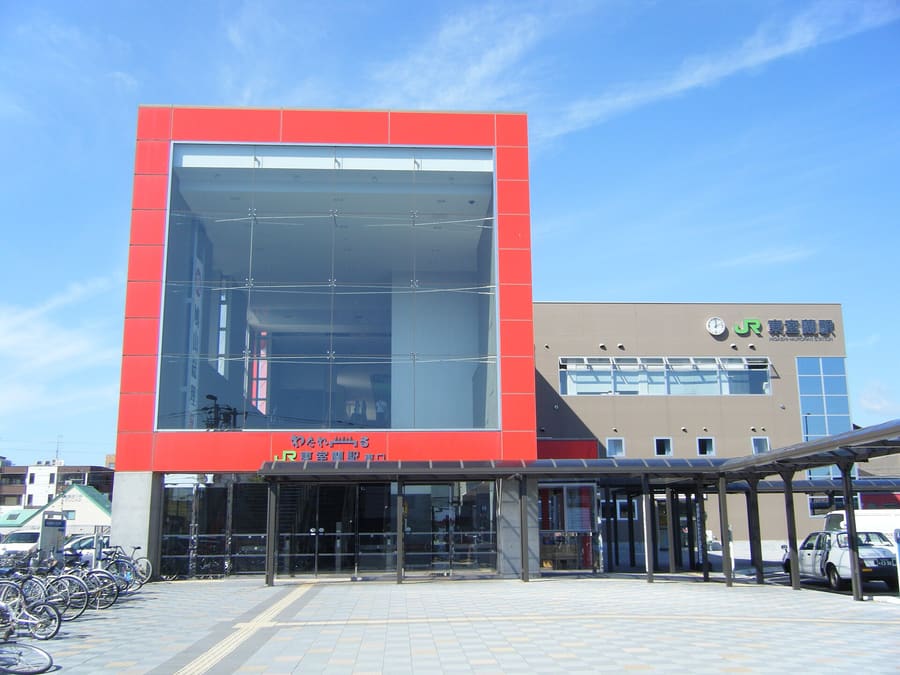
Nakajima-cho — Modern commercial hub filled with business hotels, bars, and pachinko parlours.
User:欅 · CC BY-SA 3.0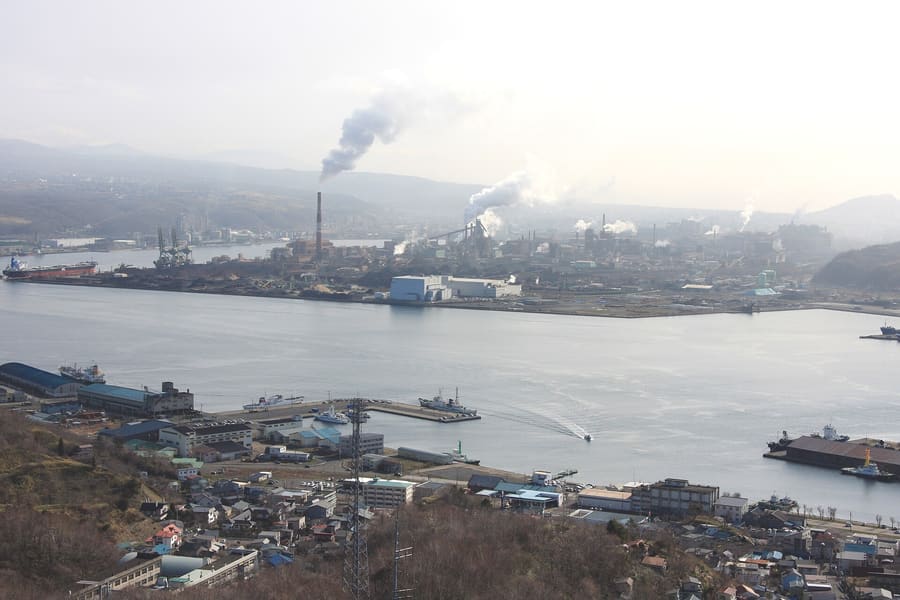
Shukutsu — Harbour-mouth district dominated by the bridge towers and public parks.
Highten31 · CC BY-SA 3.0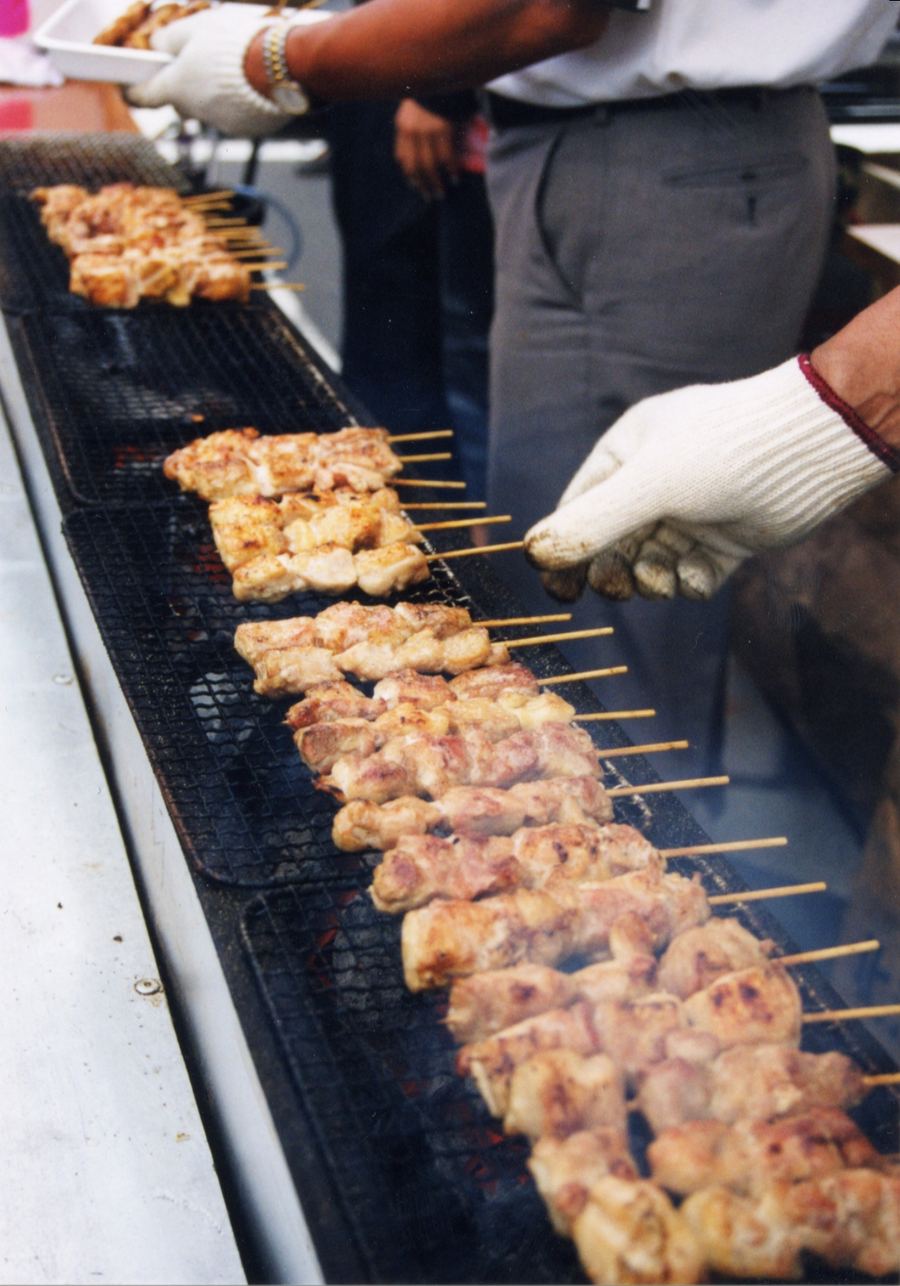
Muroran yakitori features pork shoulder, onions, and yellow mustard.
竹麦魚(Searobin) · CC BY-SA 3.0highlights
landmark
Eastern Japan's largest suspension bridge across the harbour mouth. Driving across is free.
اسأل Parley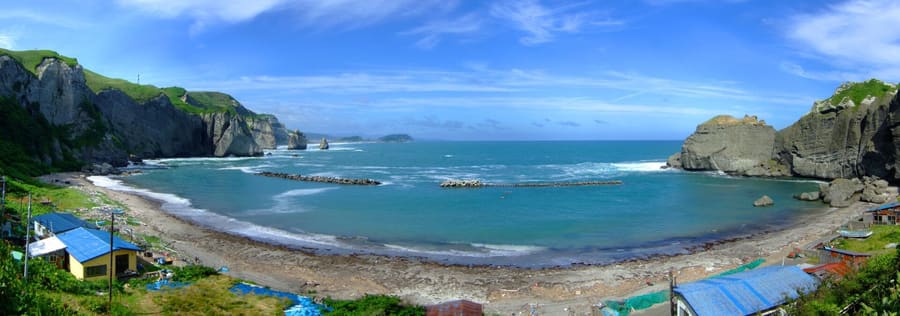
landmark
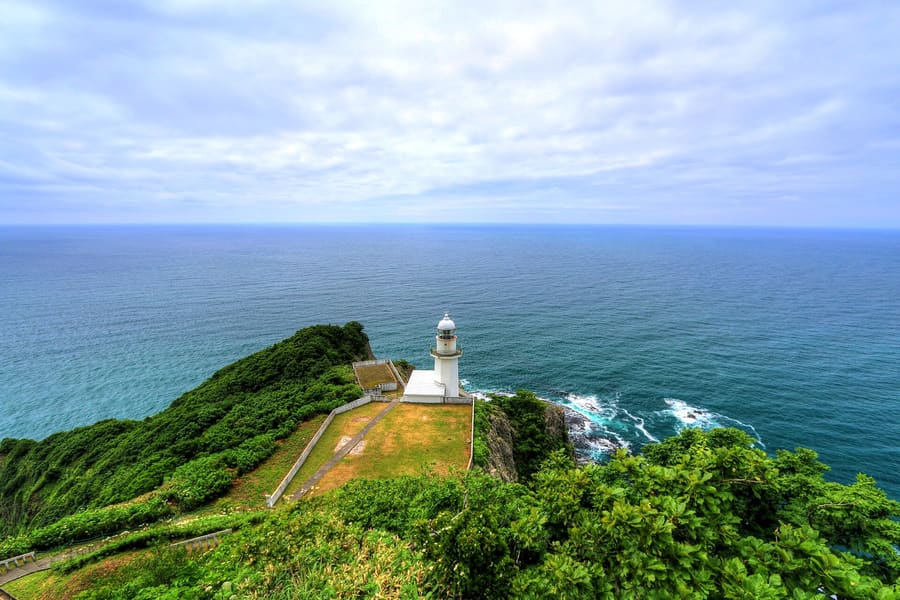
Sharp volcanic crags meet the ocean south of the peninsula. High winds require secure outerwear.
اسأل Parleyattractions
areas
Quiet historical center with aged izakayas and retro shopfronts.
قريبMuroran Station and the ferry terminal.
اسأل ParleyModern commercial hub filled with business hotels, bars, and pachinko parlours.
قريبHigashi-Muroran Station.
اسأل ParleyHarbour-mouth district dominated by the bridge towers and public parks.
قريبHakucho Bridge and Shukutsu Park.
اسأل Parleyfood
Muroran serves two regional dishes that deviate from standard Japanese food terms. Muroran yakitori consists of pork shoulder, white onion, and sweet tare sauce accompanied by yellow mustard. Local steel mill workers preferred pork for energy, creating a municipal tradition that persists today. Muroran curry ramen combines thick pork-bone broth with curry paste and curly yellow noodles.
Muroran yakitori features pork shoulder, onions, and yellow mustard.
竹麦魚(Searobin) · CC BY-SA 3.0Specify pork if you want standard Muroran style, though local izakayas serve pork by default when you order yakitori.
Popular curry ramen shops like Aji no Kare Ramen Ajihei close once broth runs out, often by 14:30.
history
Muroran grew around its deep natural harbour, serving as Hokkaido's primary coal shipping port in the late 19th century. Steel mills established operation here in 1909, transforming the peninsula into a heavy manufacturing center. WWII bombings targeted these industrial assets, forcing a postwar reconstruction that built modern Hokkaido's industrial backbone.
Port opening
Muroran harbour opens as a regional transport hub for southern Hokkaido settlement.
Railway connection
The coal railway opens, transporting inland Hokkaido coal directly to Muroran docks.
Hakucho Bridge opens
The suspension bridge opens across the port mouth, cutting driving times to the north bay.
where to stay
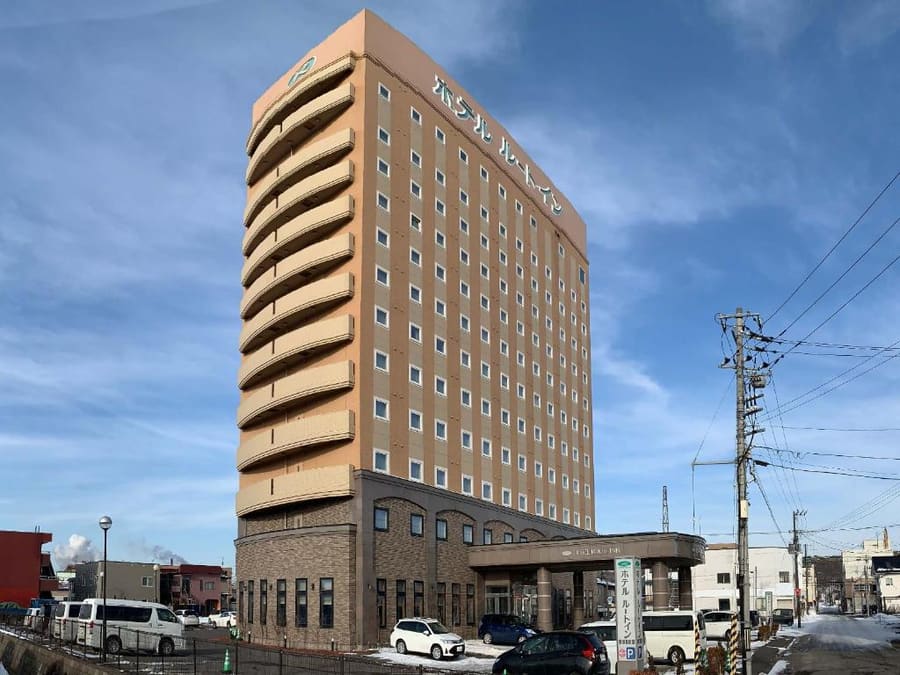
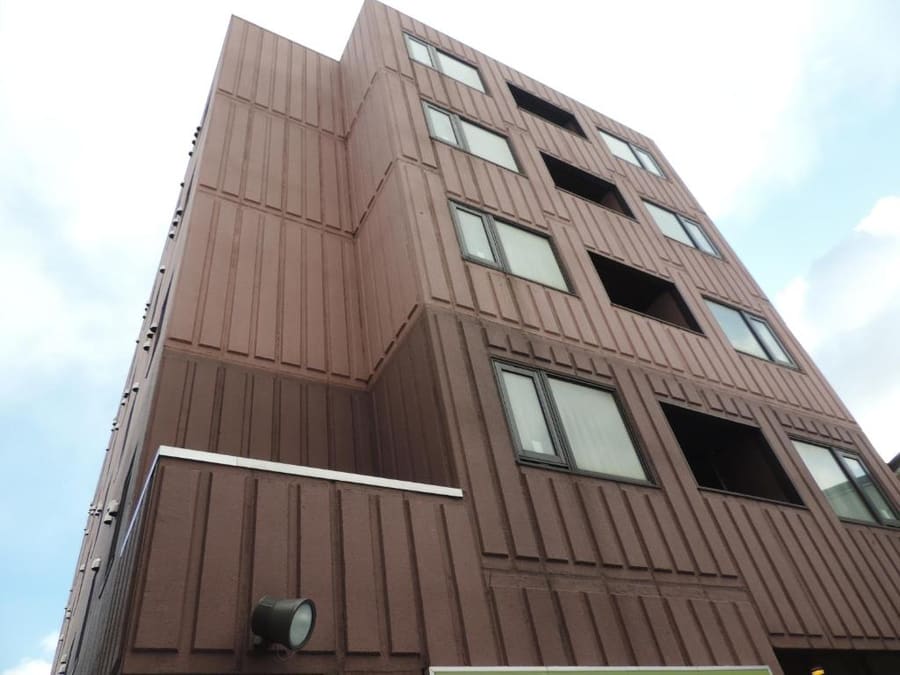
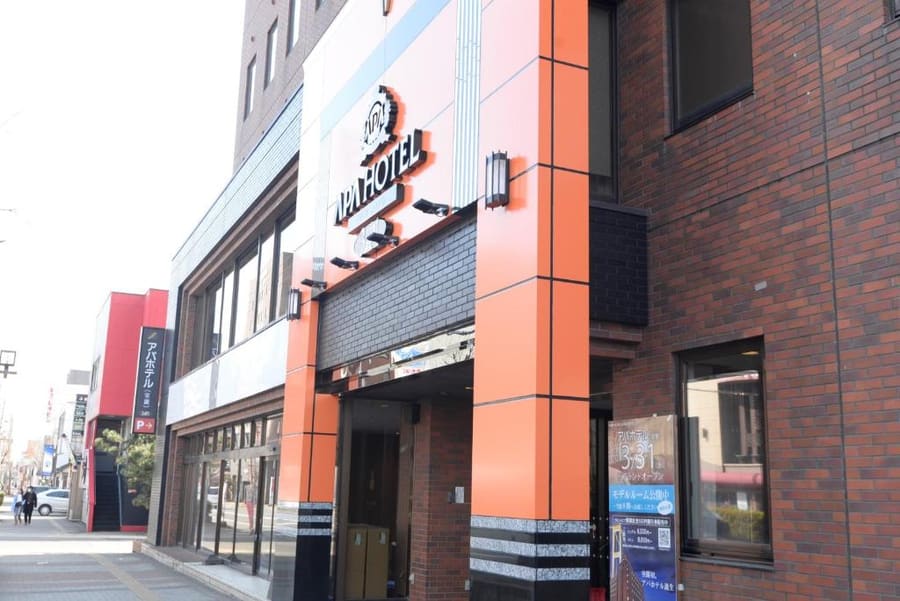
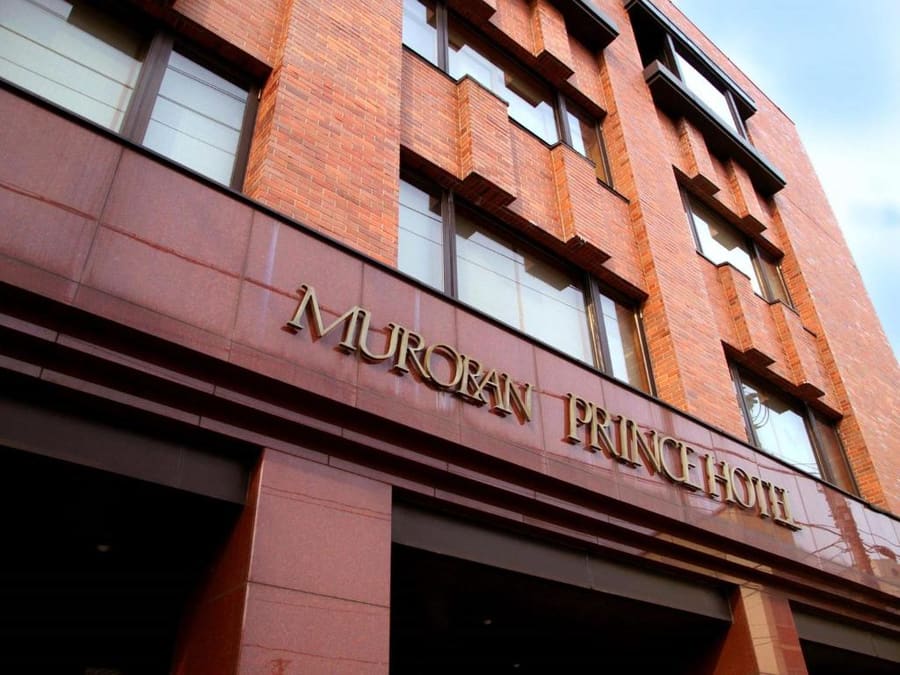
Choose your base based on your primary transport mode. Nakajima-cho suits train travellers using Higashi-Muroran Station, while Chuo-cho offers walkability to old-town izakayas.
Live rates, matched to the areas above.
transport
Muroran stretches along a narrow peninsula. Navigating requires understanding the distinction between Higashi-Muroran Station on the trunk line and Muroran Station at the terminus.
من New Chitose Airport (CTS)
JR Express Hokuto runs directly from Minami-Chitose to Higashi-Muroran.
Donan Bus runs direct services from airport terminals to Higashi-Muroran.
Fixed-rate highway taxis require booking one day prior.
Local trains connect Higashi-Muroran to Muroran Station in 12 minutes for ¥250.
Donan Bus operates local routes; buy a day pass for ¥1,000 at Higashi-Muroran bus terminal.
Kitaca and Suica cards work on JR trains, but local Donan buses accept cash or local IC cards only.
Buses stop running around 20:30, after which taxis are the only option.
cost
Muroran is cheaper than Sapporo or Hakodate. Accommodation prices remain steady except during national holidays.
Individual pork yakitori skewers at local izakayas.
Standard lunch portion at specialty ramen shops.
Unlimited ride pass on Donan city buses.
seasonality
MAR – MAY
Snow melts by April. Crisp ocean breezes make cliff hikes pleasant.
JUN – AUG
Cool summer weather with temperatures rarely exceeding 25°C. Coastal fog can obscure sea views.
SEP – NOV
Clear autumn skies offer the best coastal visibility. Autumn foliage peaks in October.
DEC – FEB
Heavy snowfall and cold sea winds. Factory lights reflect off snow-covered bay ice.
practicalities
Most local food spots close by 22:00 on weekdays, earlier than in major cities.
Do not fly drones near steel plant perimeters due to strict industrial security regulations.
Smaller yakitori stalls and local buses require Japanese Yen in cash.
Coastal lookouts like Cape Chikyu experience sudden high winds; hold gear firmly.
Factory night view boat tours operate seasonally from April through November only.