landmark
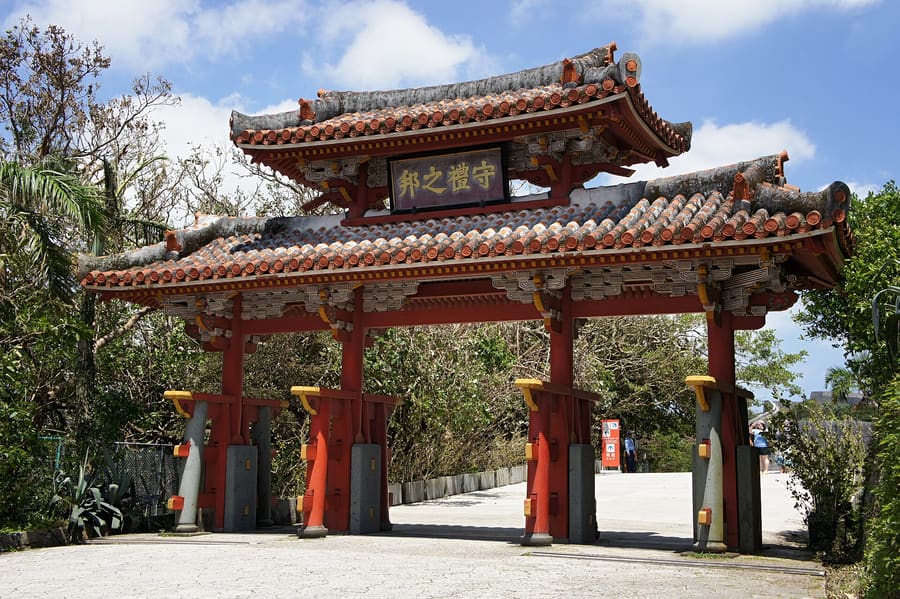
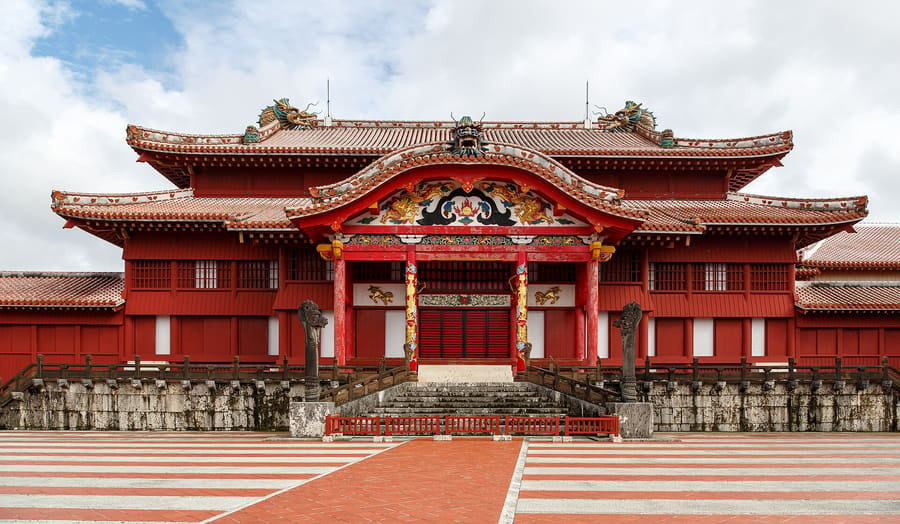
Shuri Castle
The former Ryukyu royal palace site. Reconstruction continues on the main hall, but the outer stone gates remain accessible.
اسأل Parleyاليابان
Subtropical maritime port shaped by Ryukyu and trade
introduction
Naha is the urban center of Okinawa, shaped by Ryukyuan maritime trading history and post-war American military influence. The Yui Rail monorail connects the airport directly to the core, making car rentals unnecessary for exploring the city. Expect subtropical humidity, distinct regional pork cuisine, and a relaxed atmosphere compared to mainland Japan.
Airport monorail access
Yui Rail connects Naha Airport directly to downtown in 13 minutes for ¥270. Main IC cards work at all turnstiles.
UNESCO World Heritage site
Shuri Castle's stone walls and Shikinaen garden form part of Okinawa's UNESCO Heritage grouping.
Sunday main street closure
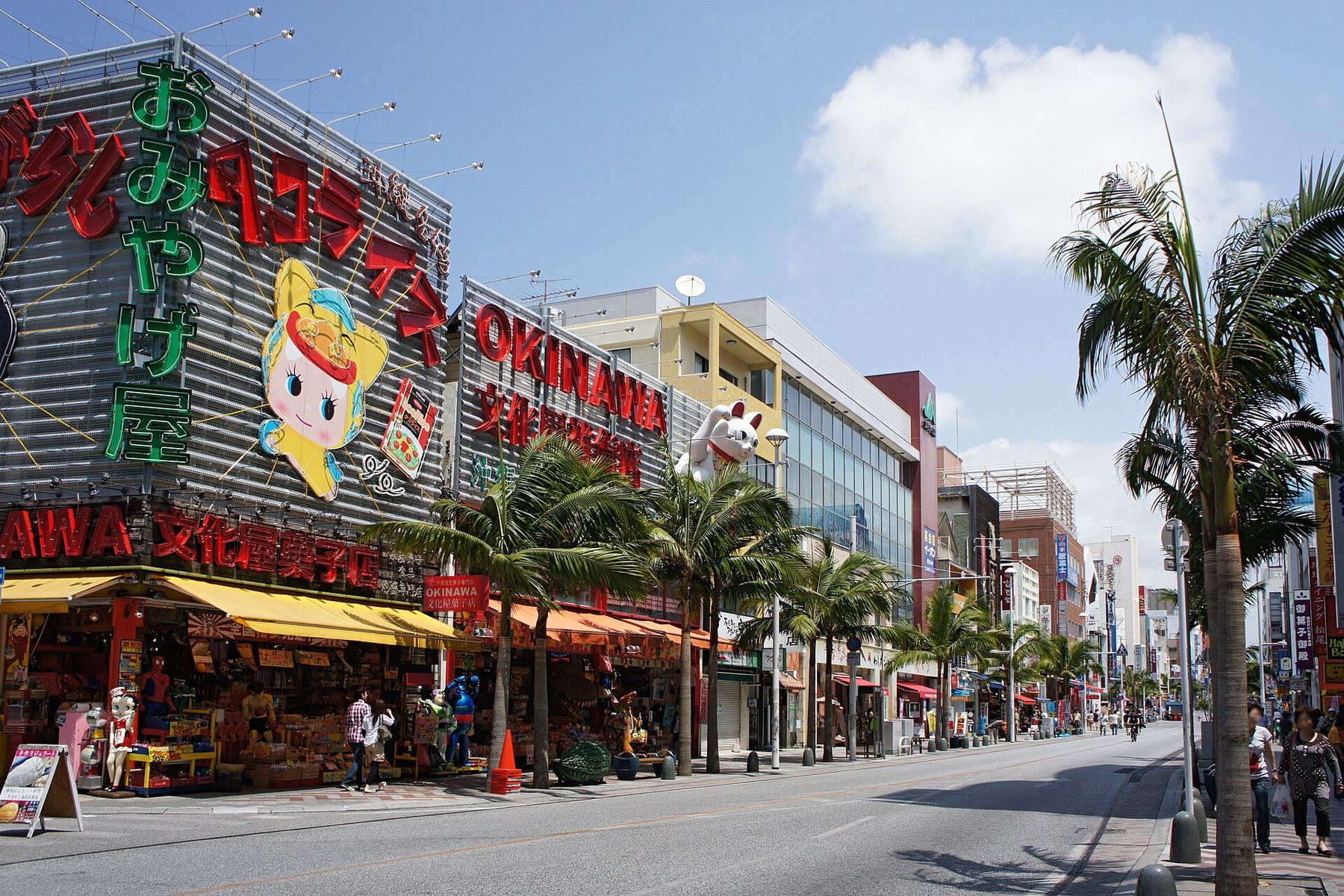
Kokusai-dori turns pedestrian-only every Sunday from 12:00 to 18:00. Local buses divert to parallel routes.
Naha
CEphoto, Uwe Aranas · CC BY-SA 3.0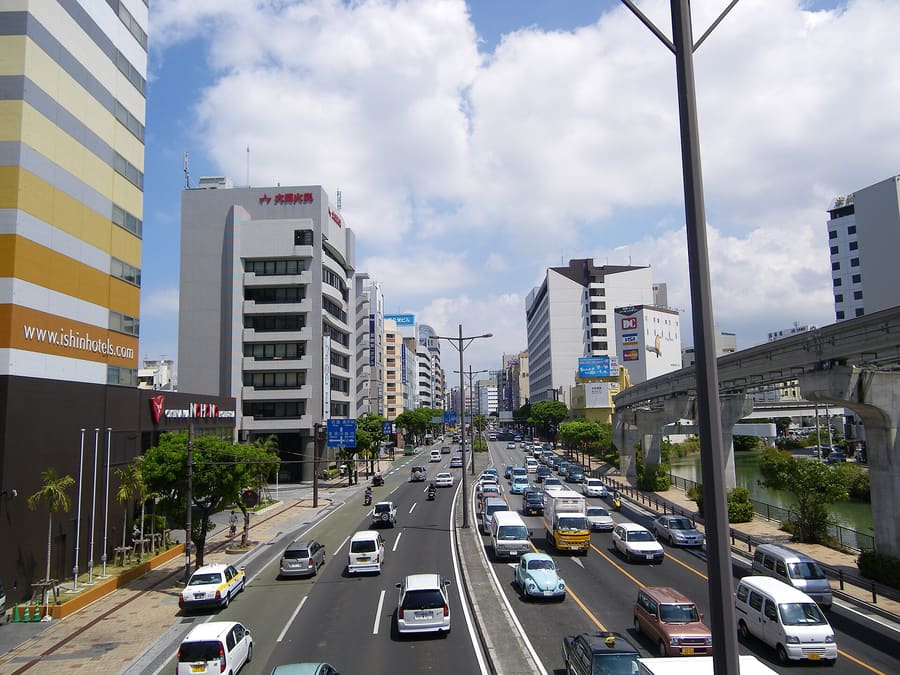
Kumoji — Financial district along the Kumoji River with quiet izakayas and modern hotels.
Kugel · CC BY-SA 3.0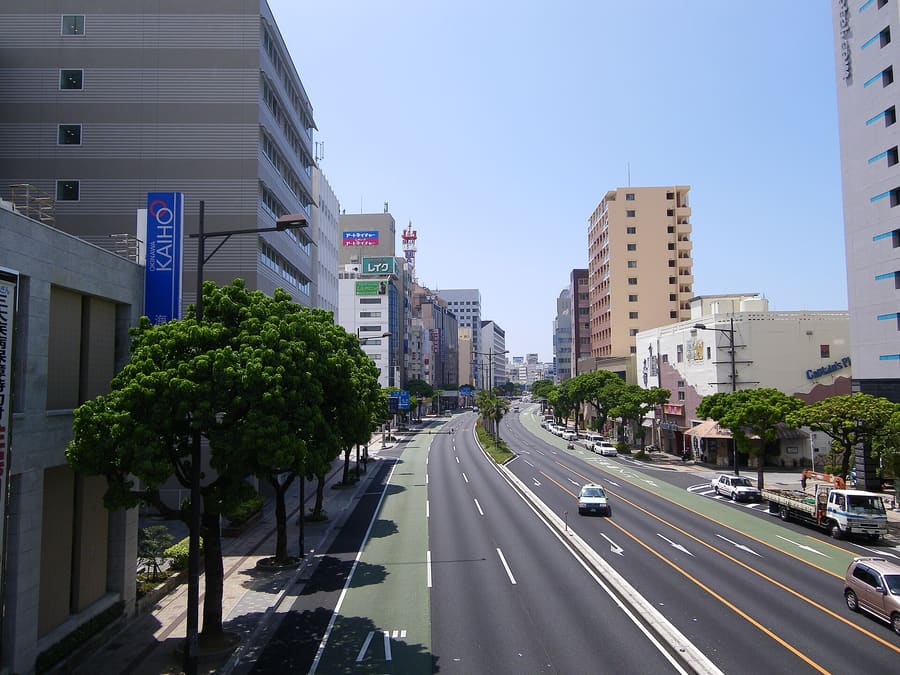
Matsuyama — Naha's main nightlife zone, packed with bars, karaoke lounges, and late-night noodle shops.
Kugel · Public domain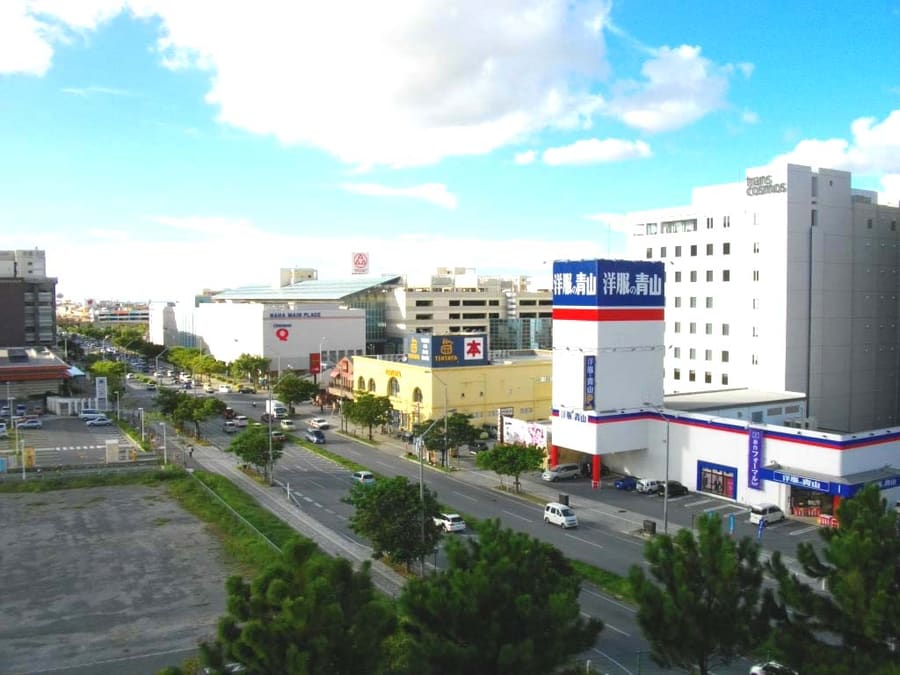
Omoromachi — Modern commercial district built on former US military land, featuring wide avenues and malls.
Abasaa · Public domain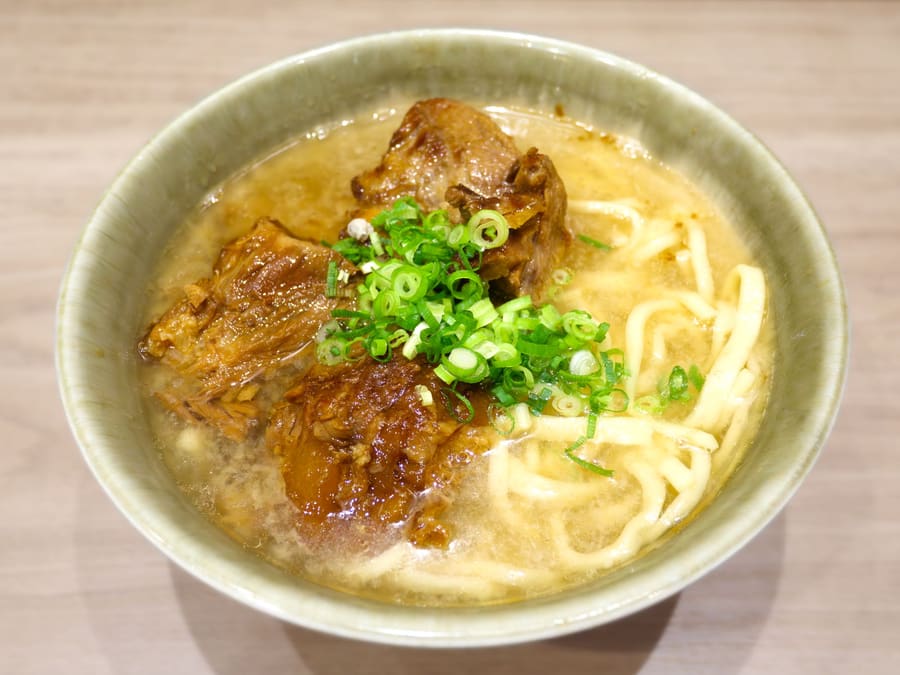
Okinawa soba topped with braised pork belly (rafute) and pickled ginger.
くろふね · CC BY 4.0highlights
landmark
The former Ryukyu royal palace site. Reconstruction continues on the main hall, but the outer stone gates remain accessible.
اسأل Parley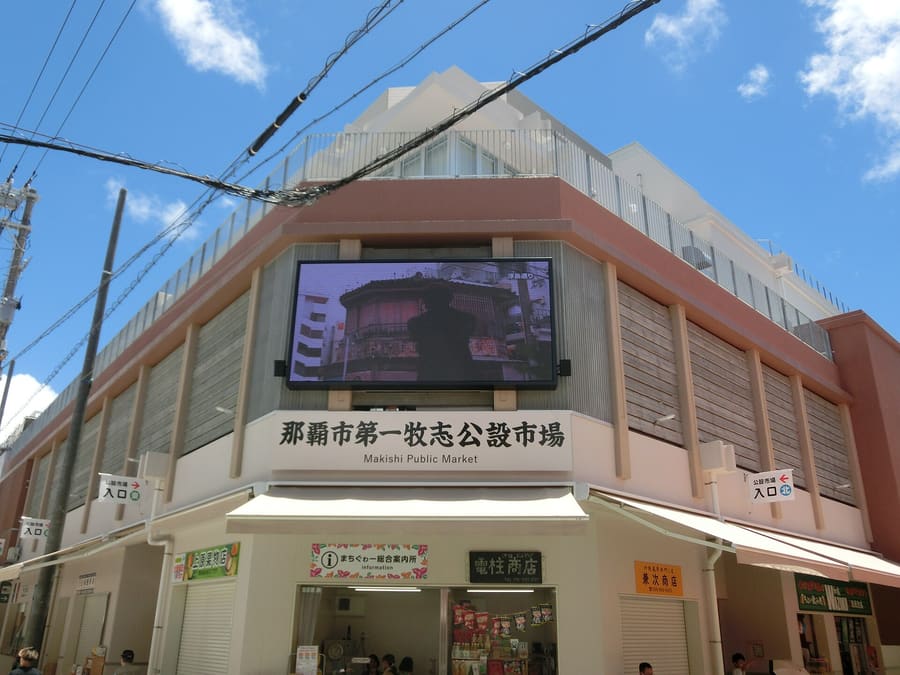
landmark
Buy fresh fish on the ground floor and take it upstairs for immediate preparation at a small seating fee.
اسأل Parley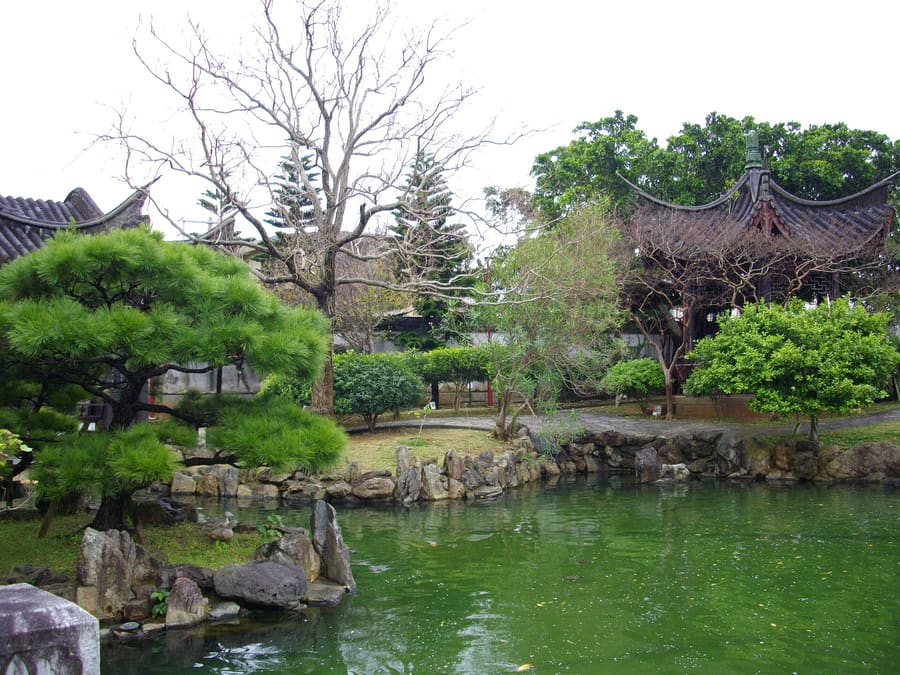
landmark
Chinese landscape garden built with Fuzhou craftspeople to mark trading ties between Ryukyu and Fujian province.
اسأل Parley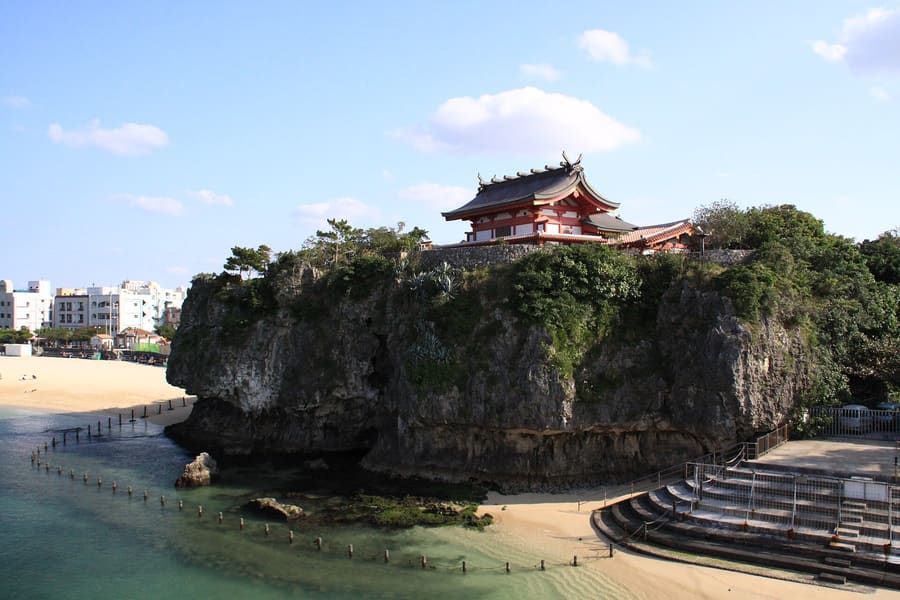
landmark
Okinawa's top Shinto shrine sits on a coral cliff overlooking a city beach and highway bridge.
اسأل Parley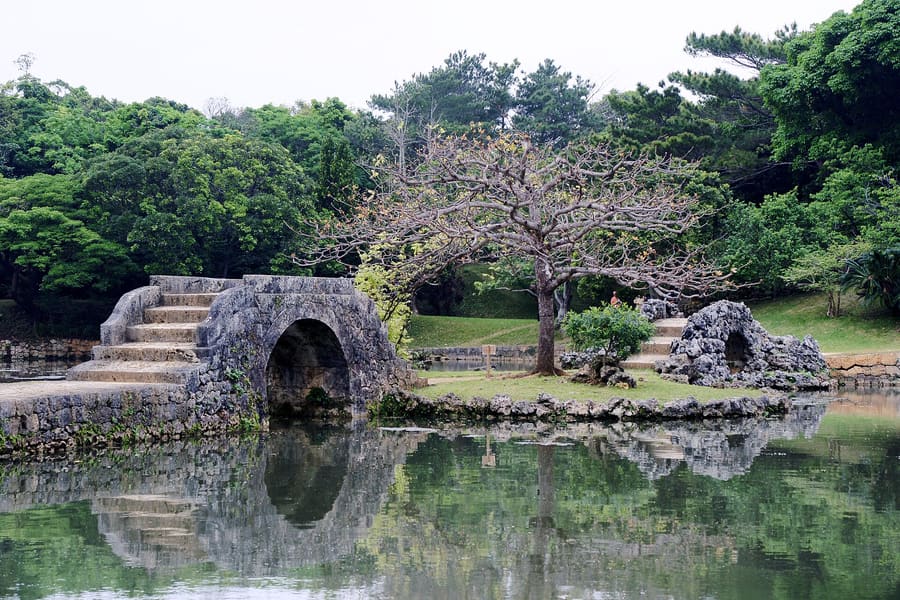
landmark
Second residence of the Ryukyu kings. Features wooden palaces, arched stone bridges, and circular walking paths.
اسأل Parleyattractions
areas
Financial district along the Kumoji River with quiet izakayas and modern hotels.
قريبKencho-mae Station and Prefectural Office
اسأل ParleyNaha's main nightlife zone, packed with bars, karaoke lounges, and late-night noodle shops.
قريبNaminoue Beach and Fukushuen Garden
اسأل ParleyModern commercial district built on former US military land, featuring wide avenues and malls.
قريبOkinawa Prefectural Museum and DFS Galleria
اسأل ParleyHigh-density retail strip filled with souvenir shops, izakayas, and street stalls.
قريبFirst Makishi Public Market and Tsuboya
اسأل Parleyfood
Okinawan cuisine diverges sharply from the Japanese mainland due to centuries of trade and post-war American military presence. Pork forms the foundation of almost every meal, from soki rib soup to pig trotters. Wheat flour replaces buckwheat in local soba, served in broth made from dashi and pork stock. Meals end with awamori, a distilled rice spirit unique to the archipelago.
Okinawa soba topped with braised pork belly (rafute) and pickled ginger.
くろふね · CC BY 4.0Soki features tender stewed pork ribs with soft bone, while rafute is slow-braised pork belly cooked in awamori and soy sauce.
This bitter melon stir-fry combines goya, egg, tofu, and spam or pork belly. It appears on lunch menus across all district markets.
Order awamori diluted with water and ice (mizuwari). Distilleries in Shuri have produced this rice spirit for five centuries.
history
Naha grew as the chief seaport for the Ryukyu Kingdom, trading with China, Southeast Asia, and Japan. Annexed by Japan in 1879, the city suffered catastrophic damage during the 1945 Battle of Okinawa. US military occupation lasted until 1972, leaving a distinct cultural imprint.
Kingdom Unification
King Sho Hashi unifies Okinawa under the Ryukyu Kingdom, making Shuri the royal seat and Naha its main port.
Satsuma Invasion
Feudal lords from Satsuma in southern Japan invade Ryukyu, controlling external trade while maintaining Chinese tribute ties.
Japanese Annexation
Japan abolishes the Ryukyu Kingdom and creates Okinawa Prefecture, making Naha the official capital city.
Battle of Okinawa
WWII fighting destroys most of Naha. US military forces occupy Okinawa and govern the island for 27 years.
Reversion to Japan
Okinawa returns to Japanese administration. Naha develops into a regional commercial and tourism hub.
where to stay
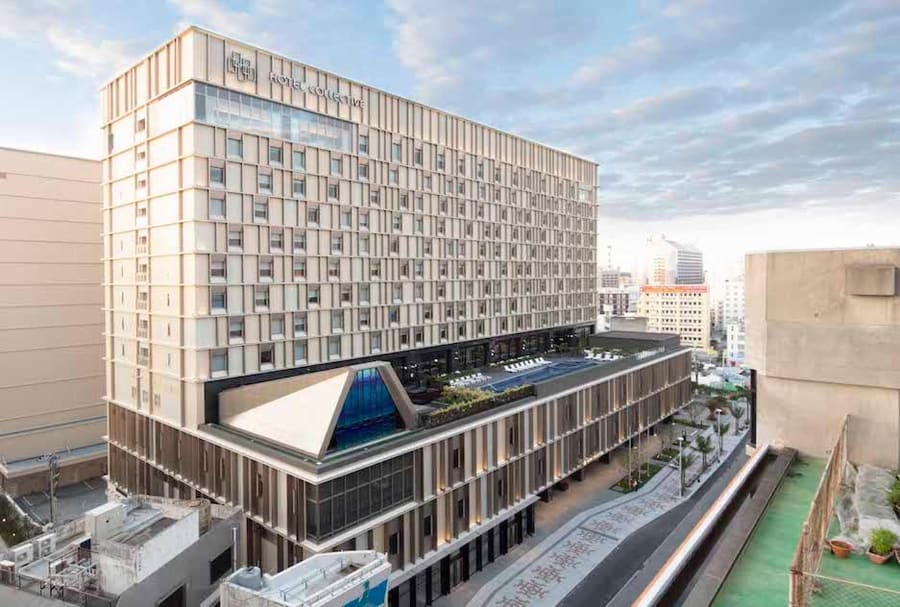
Choose your accommodation by proximity to the Yui Rail. Kokusai-dori puts you steps from dining, Kumoji offers quiet streets near transit, and Omoromachi provides larger rooms in modern towers.
Live rates, matched to the areas above.
/ba4fc2133ea3.jpg)
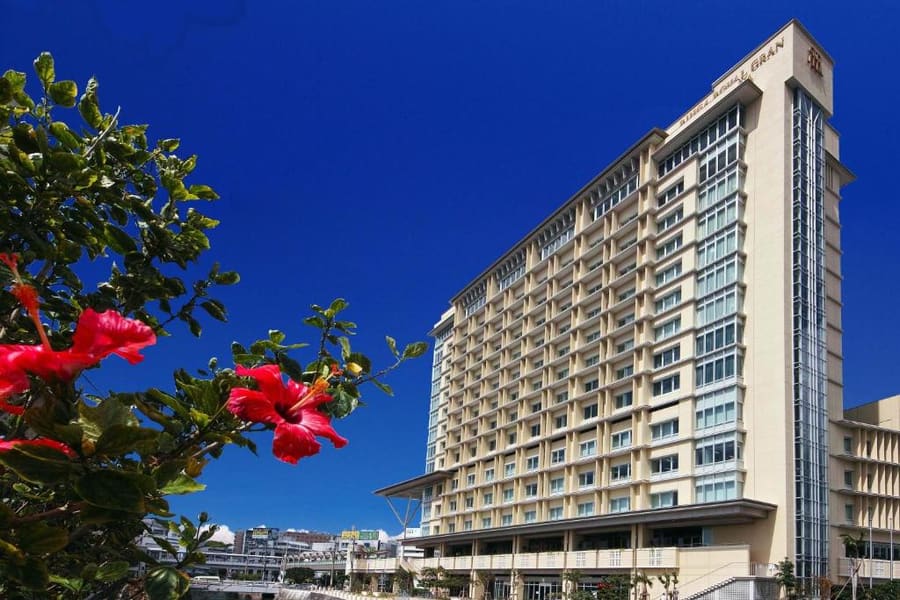
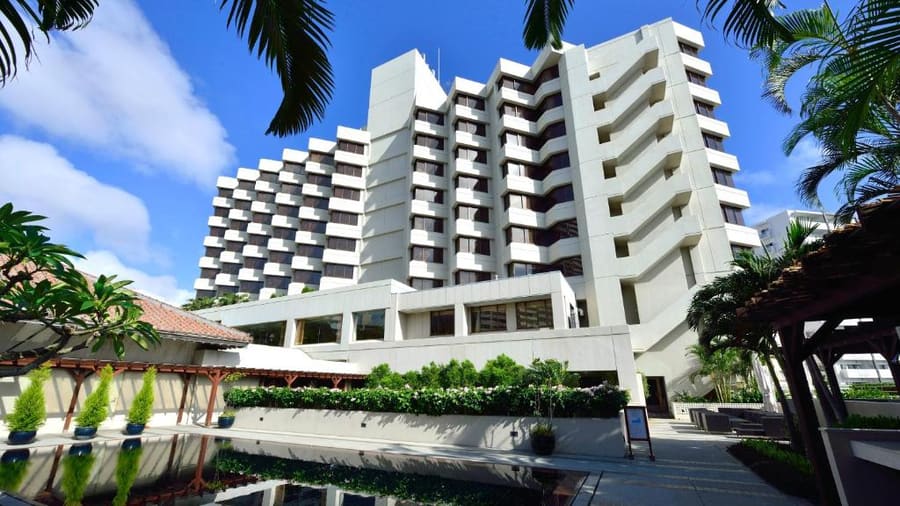
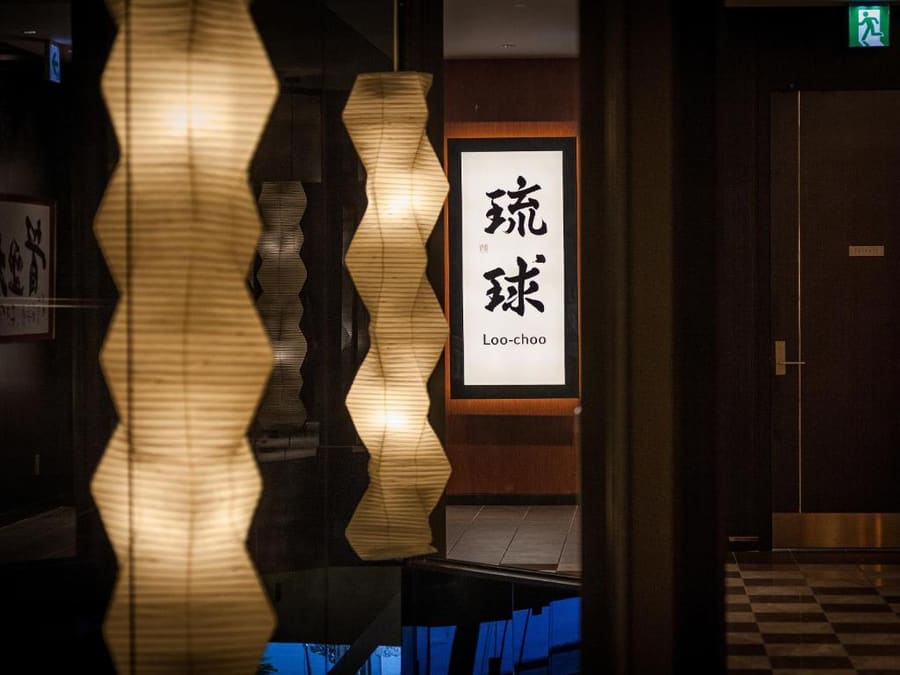
transport
Naha is compact compared to mainland metropolitan areas. The Yui Rail monorail handles city transit between the airport and Shuri Castle. Local buses cover areas off the monorail line.
من Naha Airport (OKA)
Yui Rail monorail connects directly to Kencho-mae (downtown Naha).
Ranks sit immediately outside domestic and international arrivals.
Local buses route through Kokusai-dori to Naha Bus Terminal.
A 24-hour monorail ticket costs ¥800 and pays for itself after four rides within a single calendar day.
Located at Asahibashi Station, this central hub handles both municipal buses and long-distance island routes.
Ferries to the Kerama Islands depart from Tomarin terminal, accessible via a 10-minute walk from Miebashi monorail station.
cost
Prices in Naha are lower than Tokyo or Osaka, though imported mainland goods command a slight premium. Local food and monorail travel remain exceptionally budget-friendly.
A standard lunch bowl at a local diner includes wheat noodles and pork broth.
Allows unlimited monorail travel across all 19 stations from airport to Tedako-Uranishi.
Covers two or three small plates and two drinks, including awamori or Orion beer.
One-way high-speed or standard ferry fare from Tomari Port to Tokashiki Island.
seasonality
MAR – MAY
Comfortable temperatures around 20–25°C. Swimming season begins in late March across Okinawan beaches.
JUN – JUL
High heat and humidity following rainy season end in mid-June. Ideal conditions for diving and ocean swimming.
AUG – OCT
Peak summer heat with sea temperatures above 28°C. Typhoon season causes occasional flight and ferry cancellations.
NOV – FEB
Cooler weather with highs near 18–21°C. Swimming stops, but walking conditions and hotel prices improve.
practicalities
Typhoons peak between July and October. Monorail services stop during high winds, and ferries to outer islands cancel early.
Venomous habu snakes inhabit overgrown areas. Stick to marked trails when visiting historical ruins and gardens.
While hotels accept credit cards, vendors at First Makishi Market and Tsuboya stalls often require cash in yen.
Makishi Public Market closes on the fourth Sunday of each month. Individual stalls open around 09:00 and close by 19:00.
Naminoue Beach is monitored by lifesavers from April to October. Swimming outside netted areas is prohibited due to jellyfish.
changing now
2026
Shuri Castle ReconstructionReconstruction of Shuri Castle's main hall continues following the 2019 fire, with public viewing walkways open.