landmark
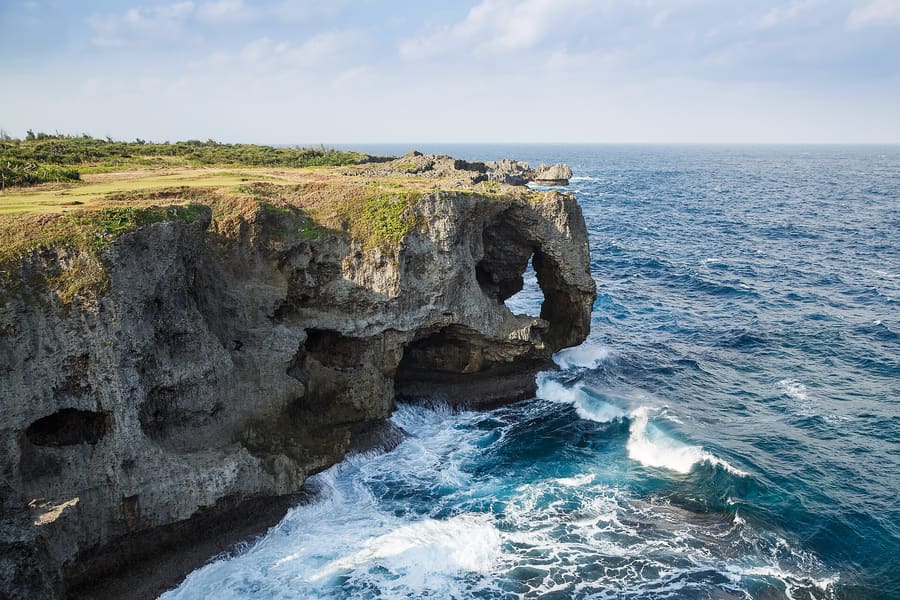
Cape Manzamo
Limestone formation shaped like an elephant trunk. The site charges a small admission fee and gets crowded by late morning.
اسأل Parleyاليابان
Resort strip on Okinawa's western coral coast.
introduction
Onna stretches 27 kilometers along Okinawa's central west coast. Highway 58 connects all major resort enclaves, public beaches, and dive entry points. A rental car offers mobility along this coastal strip of Okinawa's main island, though airport buses run directly to major hotels. Expect resort-heavy coastlines backed by forested hills.
Airport transit
Express shuttle buses connect Naha Airport to Onna resorts in 70 to 90 minutes. Taxis cover the same distance in under an hour.
Protected coast
Cape Manzamo forms part of Okinawa Kaigan Quasi-National Park. The park preserves elevated coral reef cliffs and native coastal plants.
Rental car bottleneck
Reserve rental vehicles months in advance for summer travel. Supply shortages at Naha Airport regularly leave last-minute travelers without cars.
Onna
Yuet Man Lee · CC BY-SA 4.0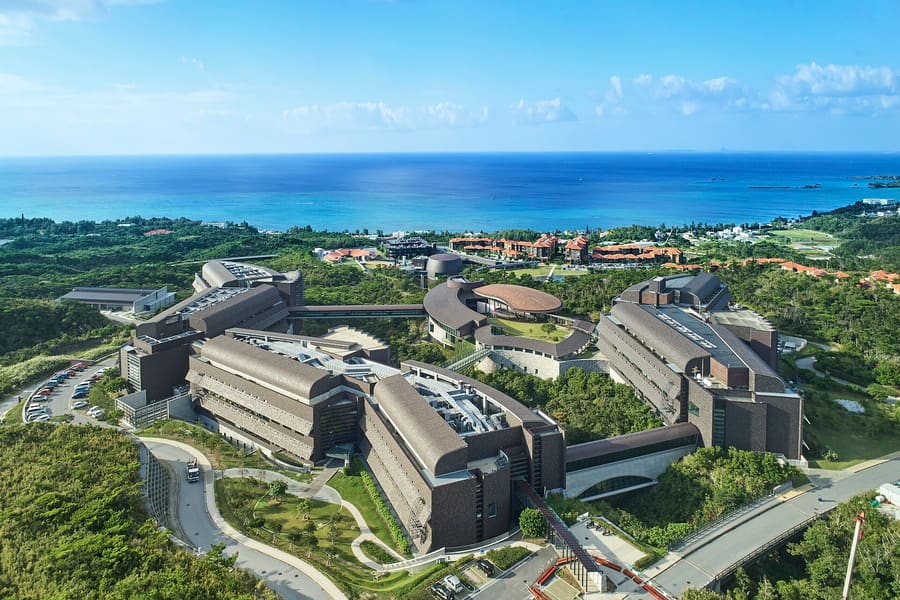
Seragaki — Quiet northern enclave defined by high-end island resorts and clear water.
OIST from Onna Village, Japan · CC BY 2.0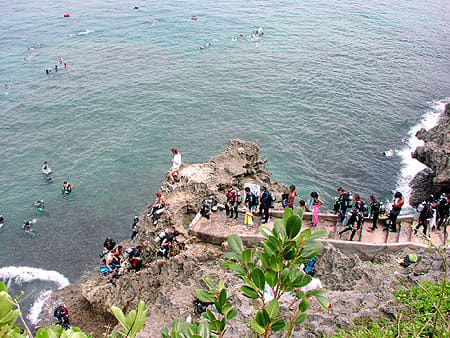
Maeda — Rural coastal pocket structured around diving operations and agricultural fields.
N · Public domain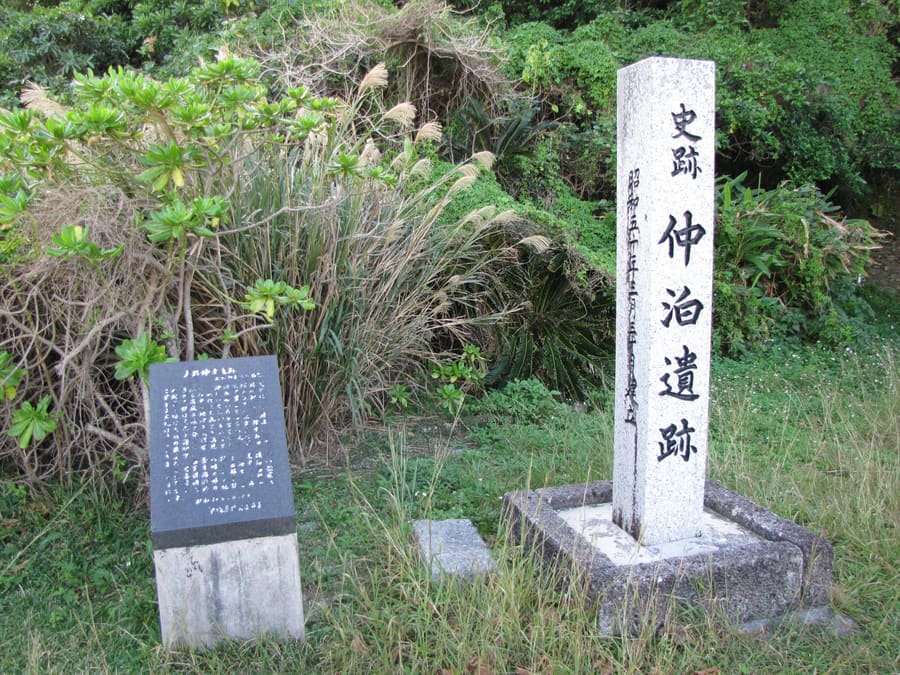
Nakadomari — Local harbor settlement known for seafood markets and road station eateries.
ja:user:Muramasa · CC BY-SA 3.0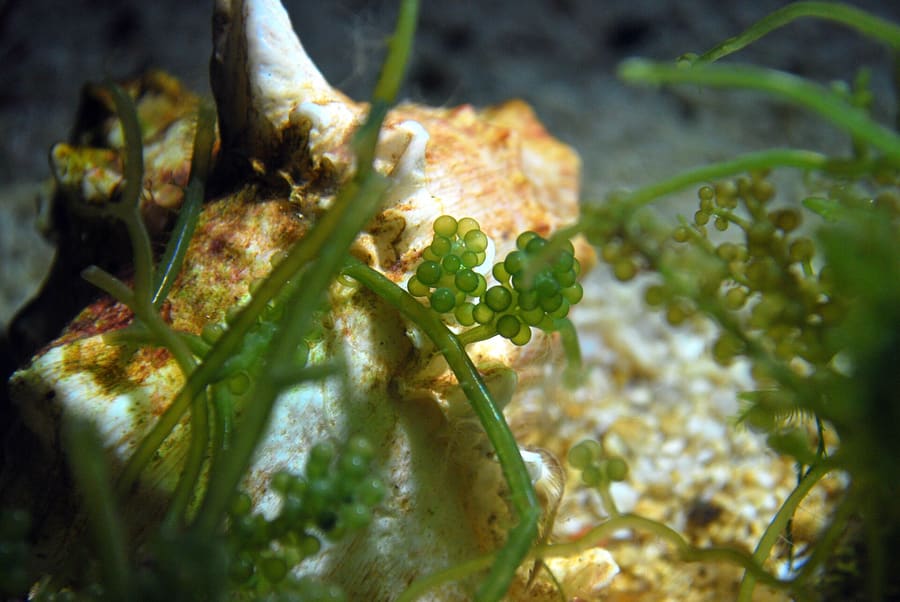
Freshly harvested sea grapes (umibudo) served locally in Onna.
Harsha K R · CC BY-SA 2.0highlights
landmark
Limestone formation shaped like an elephant trunk. The site charges a small admission fee and gets crowded by late morning.
اسأل Parleylandmark
Sea cavern flooded with blue light. Book early morning slots to avoid heavy queue lines in the water.
اسأل Parley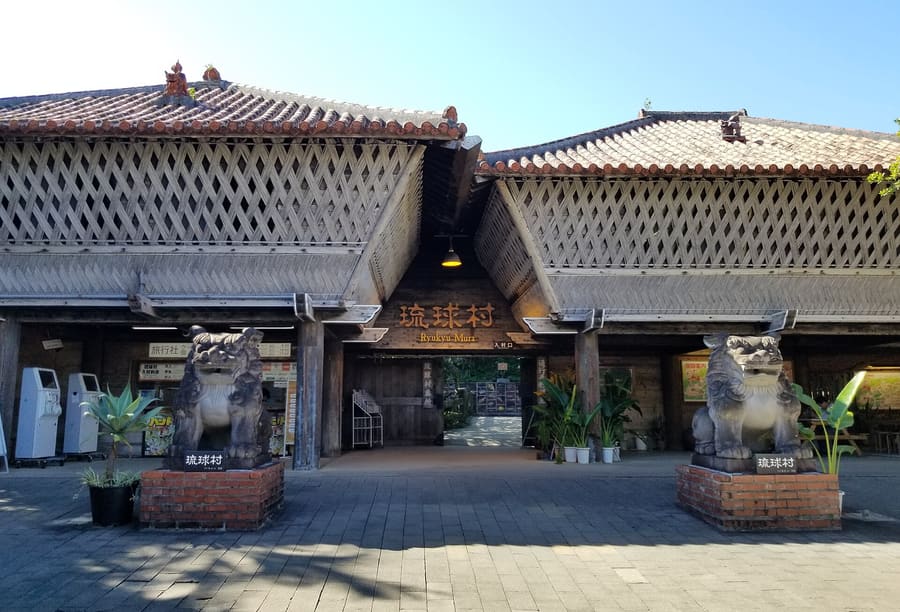
landmark
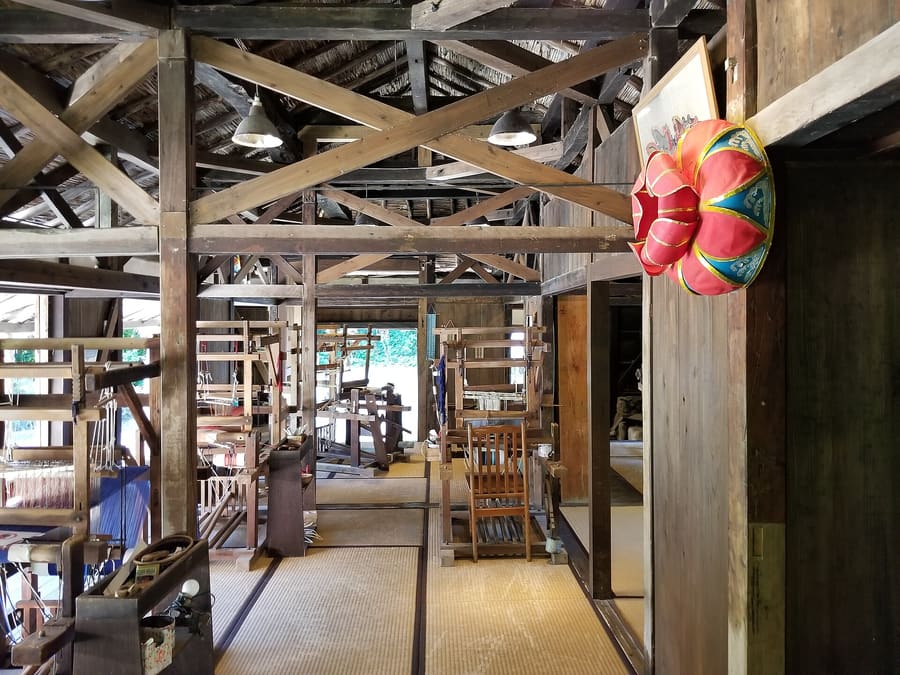
Preserved traditional Okinawan village with restored tiled roofs. Demonstrations cover weaving, pottery, and Sanshin music.
اسأل Parley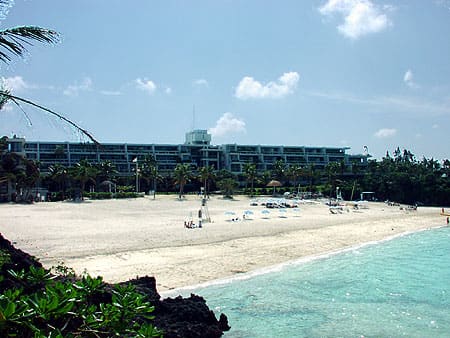
landmark
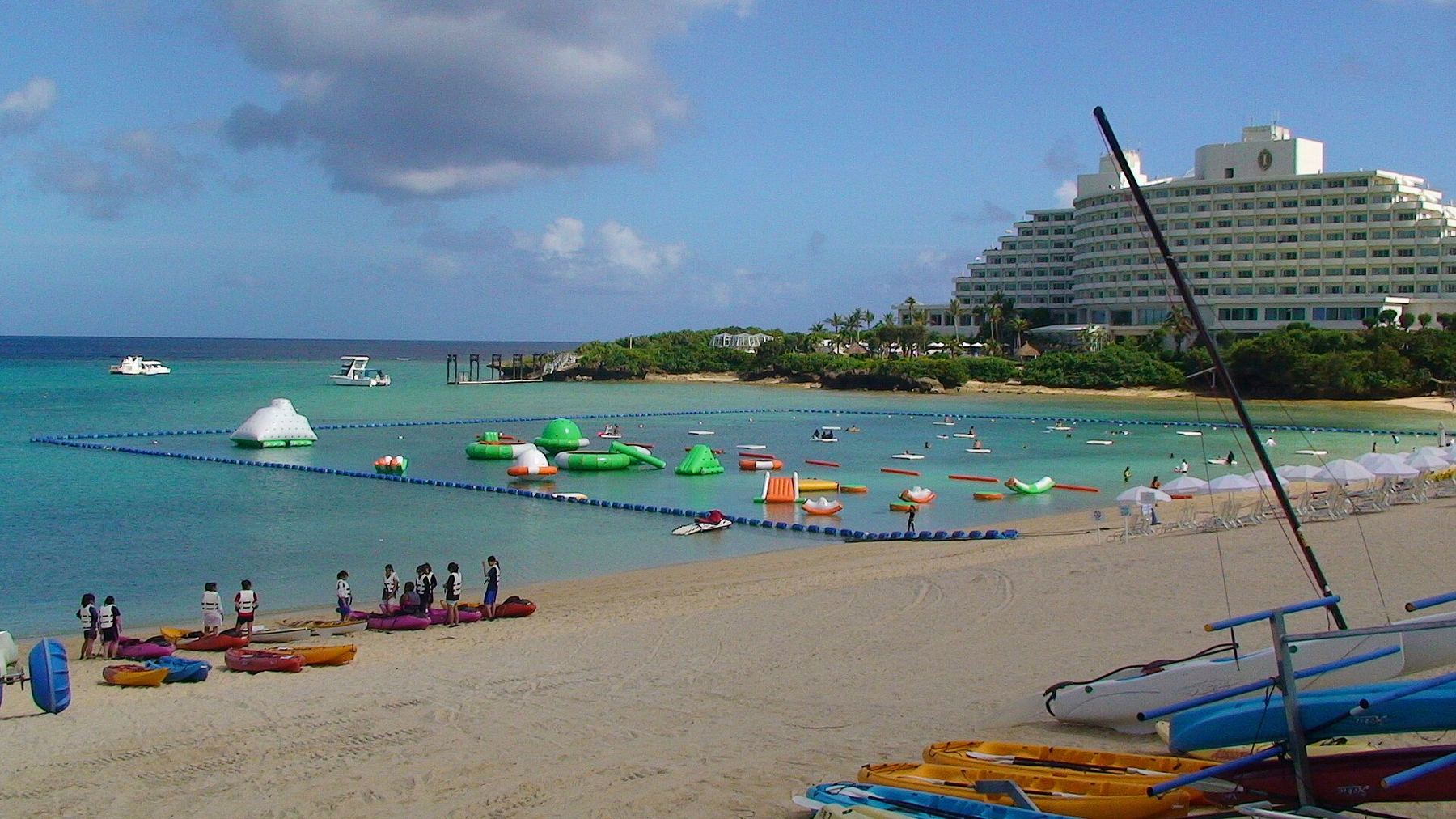
Natural crescent bay with calm offshore water. Non-hotel guests pay a day-use fee for facility access.
اسأل Parleyattractions
areas
Quiet northern enclave defined by high-end island resorts and clear water.
قريبCape Manzamo and Nabee Beach
اسأل ParleyRural coastal pocket structured around diving operations and agricultural fields.
قريبBlue Cave and Cape Maeda
اسأل ParleyLocal harbor settlement known for seafood markets and road station eateries.
قريبOnna no Eki Drive-In and Ryukyu Mura
اسأل ParleyHigh-density resort strip with walkable dining options and beach access.
قريبTiger Beach and Moon Beach
اسأل Parleyfood
Onna's dining landscape centers on Okinawan ingredients rather than mainland Japanese staples. Umibudo (sea grapes) are farmed in the shallow reef lagoons along the village coast and served fresh with citrus ponzu. Local diners line Highway 58, serving thick Okinawan soba topped with slow-braised pork ribs.
Freshly harvested sea grapes (umibudo) served locally in Onna.
Harsha K R · CC BY-SA 2.0Order umibudo at Onna no Eki market stalls. They serve fresh harvests daily from nearby tank farms.
Popular soba shops open around 11:00 and close when broth runs out, often by 14:30.
Book izakayas in Maeganeku a day ahead during July and August. Walk-ins face long waits.
history
Onna evolved from a rural farming district under the Ryukyu Kingdom into a coastal resort zone. Its modern transformation followed postwar infrastructural shifts and international summits along the western shoreline.
Ryukyu Kingdom era
Onna operates as a network of agricultural and fishing hamlets along the western coral shelf.
Reversion to Japan
Okinawa reverts to Japanese administration. Coastal road development lays the groundwork for tourism.
Ocean Expo expansion
Highway 58 upgrades trigger hotel construction along Onna's beach fronts.
G8 Summit development
International exposure attracts global resort chains to Onna's northern coastal land.
where to stay
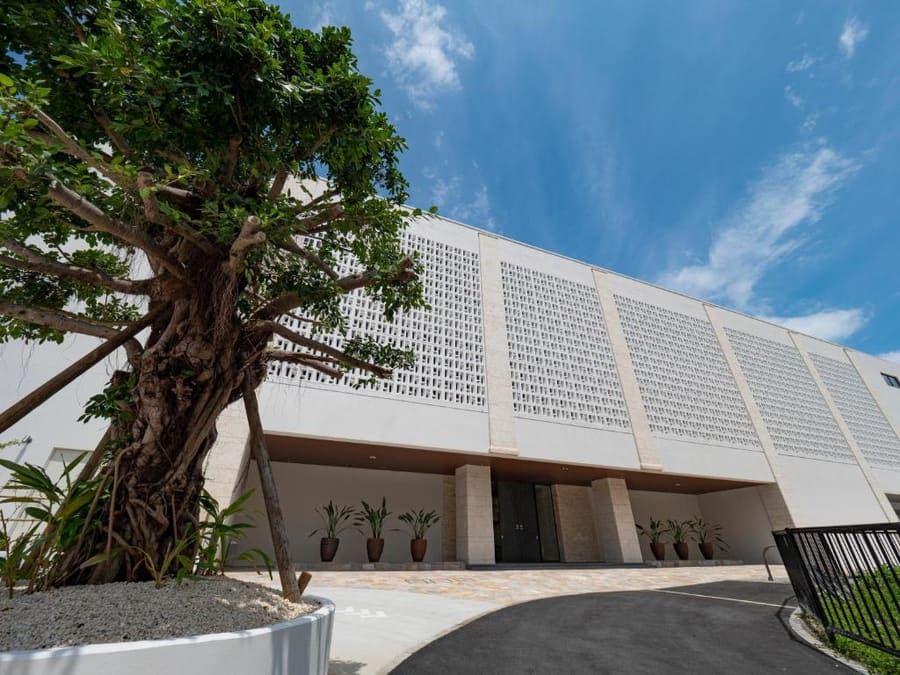
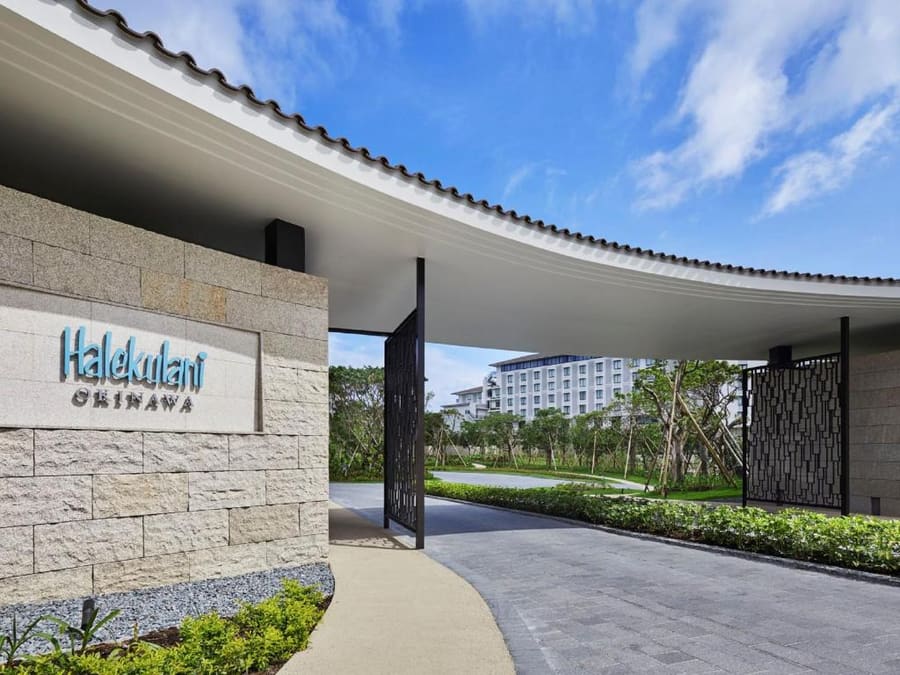
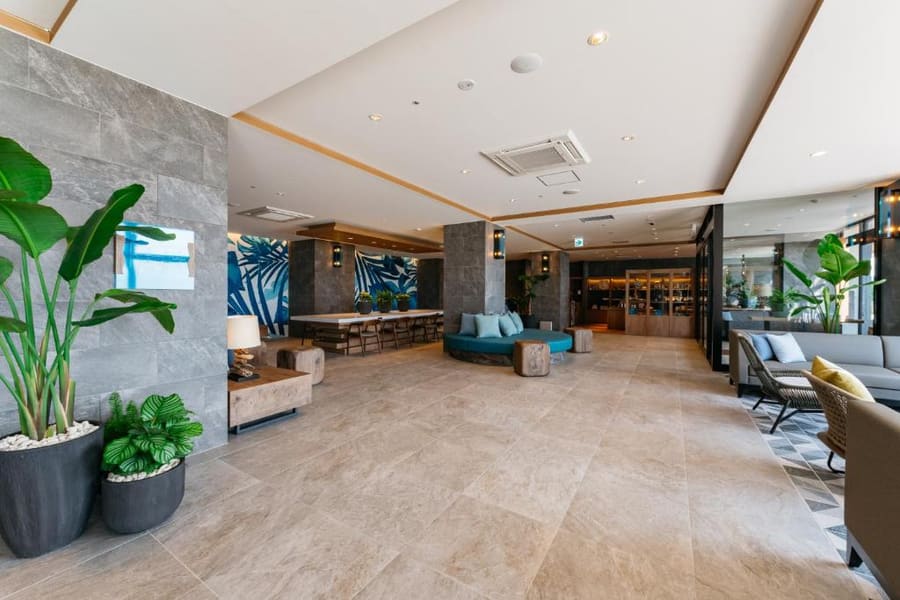
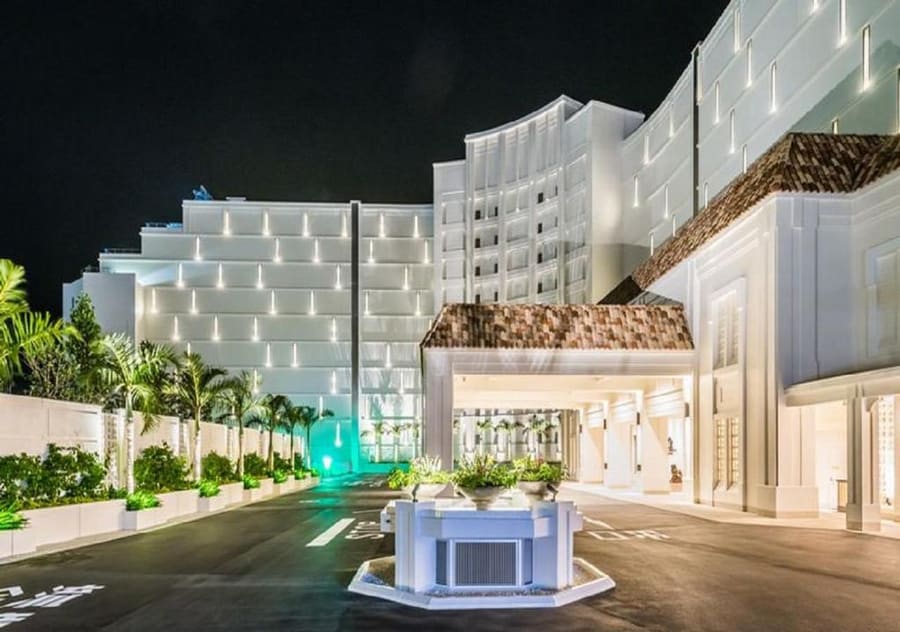
Choose your stay based on transit plans. Fuchaku and Maeganeku offer walking access to restaurants. Northern areas like Seragaki provide quiet resort grounds but require a vehicle for dining off-property.
Live rates, matched to the areas above.
%20-%20Non-Smoking/4c78354d2096.jpg)
transport
Highway 58 forms the single artery connecting Onna from north to south. Renting a car gives total schedule control. Public transit consists of express airport buses and local bus routes along the highway.
من Naha Airport (OKA)
Okinawa Airport Shuttle runs directly from OKA to major Onna hotel stops.
Local routes 20 and 120 connect Naha to Onna along Highway 58.
Fastest door-to-door option; costs increase sharply during evening traffic.
Traffic slows significantly around Maeganeku between 17:00 and 19:00 on summer weekends.
Local buses require cash or local transit cards. Major credit cards are not accepted on local routes.
Limousine buses require ticket purchases at least 30 minutes prior to departure times.
Shuttle transfers from OKA terminals to off-site rental agencies take up to 45 minutes.
cost
Onna functions on a dual economy. Resort amenities match international hotel pricing, while local markets and road stations remain affordable.
Standard price at roadside noodle shops along Highway 58.
Includes equipment rental and boat transfer from Maeda port.
Per person admission fee to the cliffside viewing paths.
Charged to non-resort guests for chair, shower, and beach access.
seasonality
MAR – MAY
Water temperatures rise above 22°C. Comfortable weather before summer humidity peaks.
JUN – AUG
Peak beach conditions and maximum water clarity. High hotel rates and heavy beach crowds.
SEP – NOV
Warm sea temperatures persist. Typhoon risks peak in September, potentially disrupting transit.
DEC – FEB
Too cool for swimming without thick wetsuits. Lowest accommodation rates of the year.
practicalities
Swim inside designated resort net zones from June to October to avoid Habu box jellyfish.
Protect shallow coral reefs by wearing UV rash guards instead of heavy chemical sunscreens.
Smaller dive outfits near Maeda prefer cash payments over credit cards.
Monitor weather updates during late summer; ferries and water sports close during storm warnings.
Public beaches charge ¥500 to ¥1,000 for parking; hotel guests usually park for free.