landmark
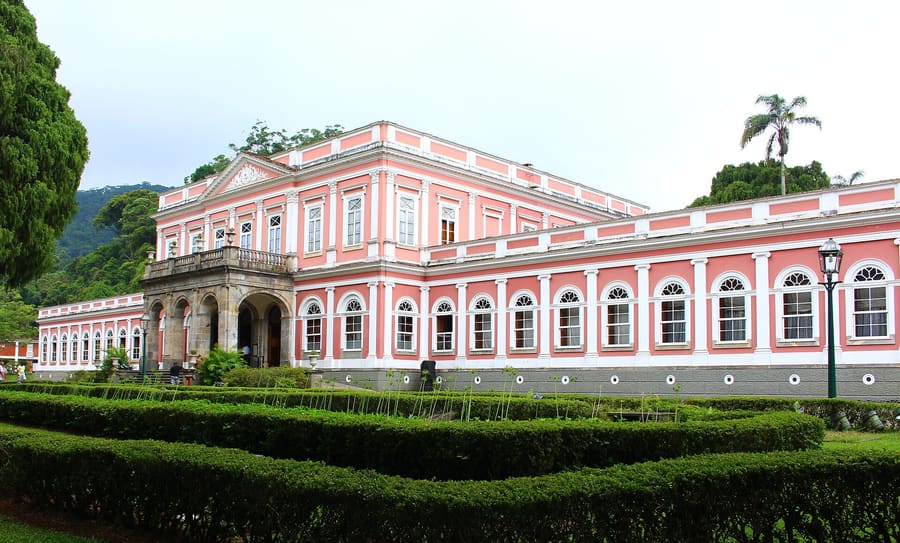
Museu Imperial
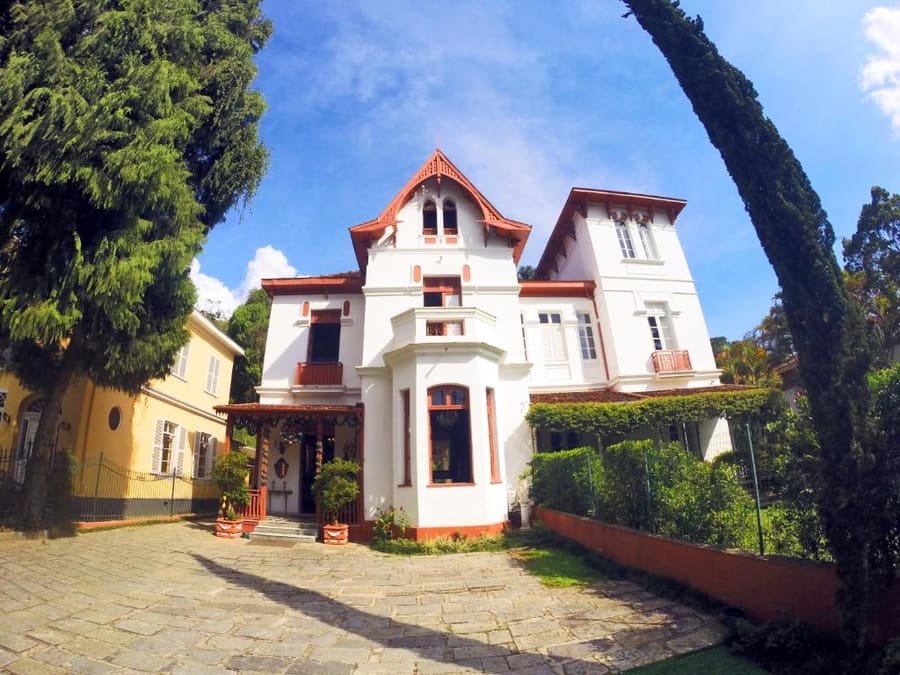
Pedro II's summer palace displays imperial crowns and furniture. Slip into mandatory velvet slippers at the entrance to protect the original floors.
اسأل Parleyالبرازيل
Imperial mountain escape, two hours above Rio.
introduction
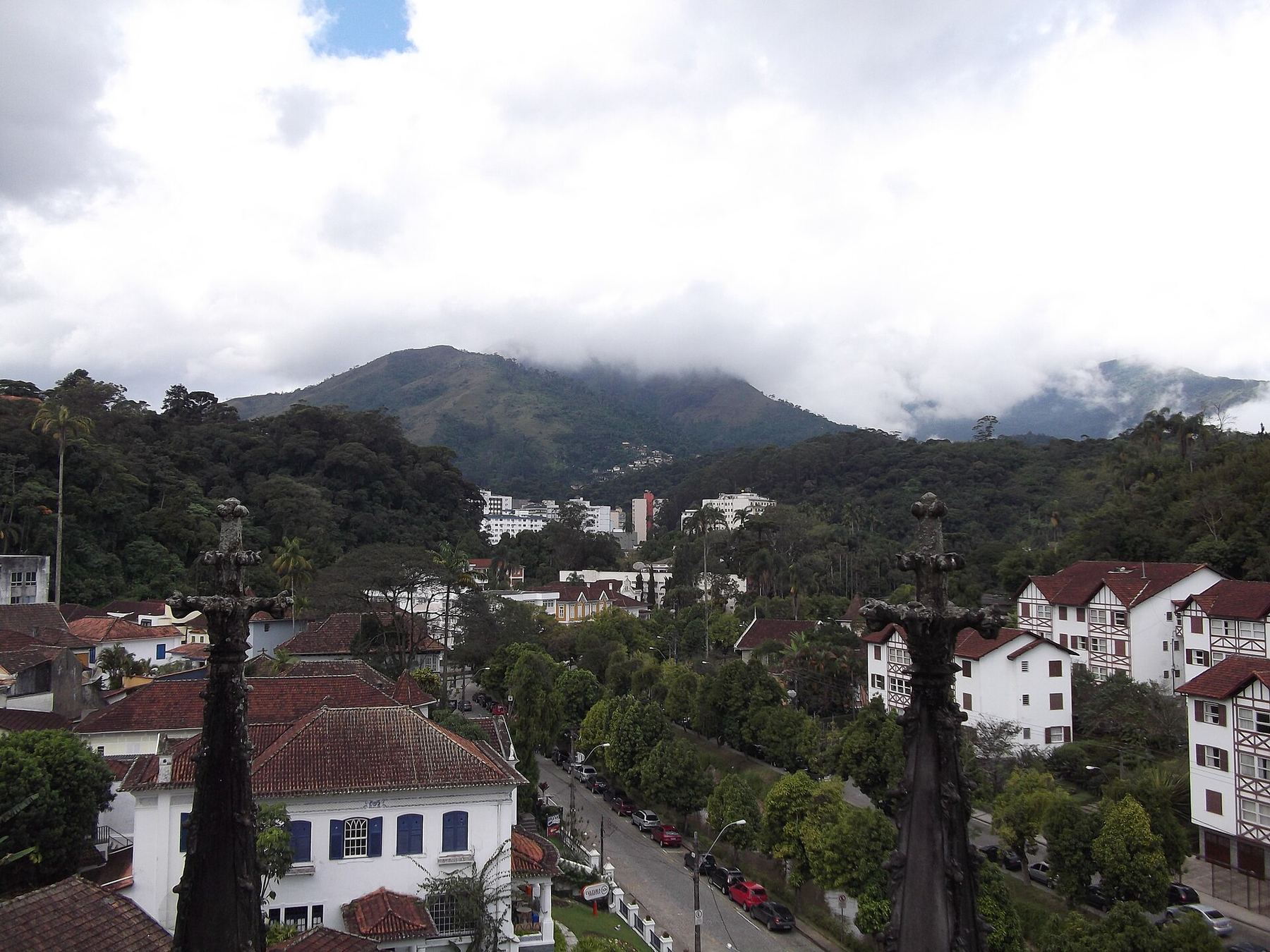
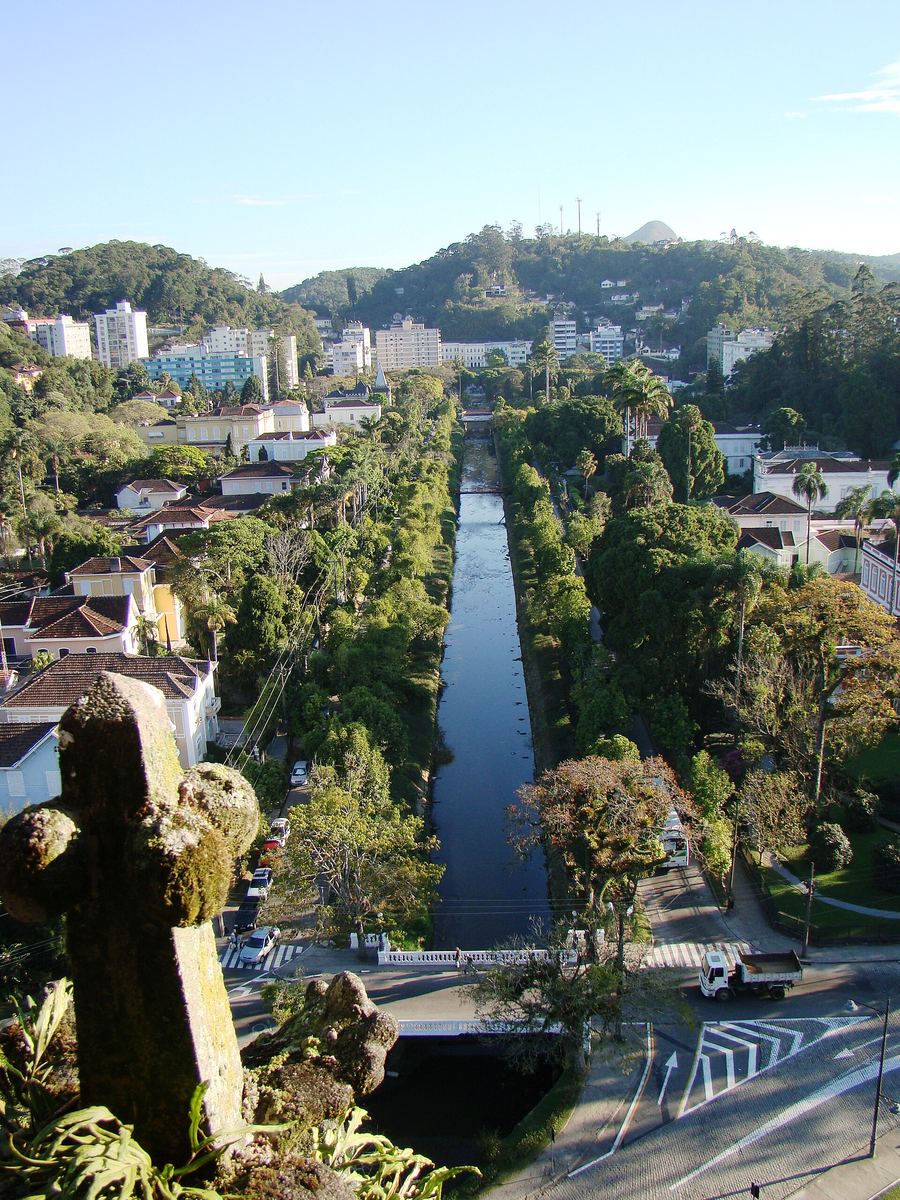
Petrópolis sits in the Serra dos Órgãos mountains, 800 metres above sea level. Emperor Pedro II built this city as a cool refuge from Rio de Janeiro's summer heat. Tree-lined canals frame German-influenced stone townhouses and XIX-century estates. You come here to walk manicured palace grounds, hike granite peaks, and eat heavy mountain food.
Bus arrival from Rio
Buses from Rio's Rodoviária Novo Rio land at Terminal Rodoviário Bingen. Take a local bus or taxi into the historic centre.
Imperial retreat status
Petrópolis was founded in 1843 as the summer residence of Emperor Pedro II. The Imperial Palace houses Brazil's original imperial crown jewels.
Monday museum closures
Most central historic sites, including the Imperial Museum, close every Monday. Schedule hikes or district dining for Mondays instead.
Petrópolis
Jean Paulo de Souza Henrique · CC BY-SA 4.0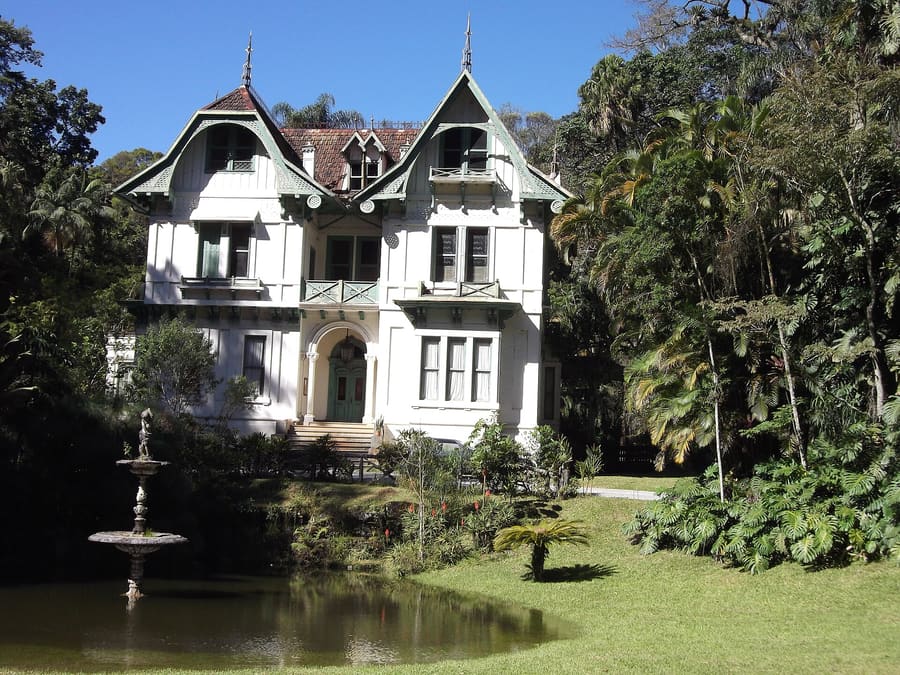
Centro Histórico — Palaces, tree-lined canals, and stone bridges. Flat and walkable.
Eugenio Hansen, OFS · CC BY-SA 3.0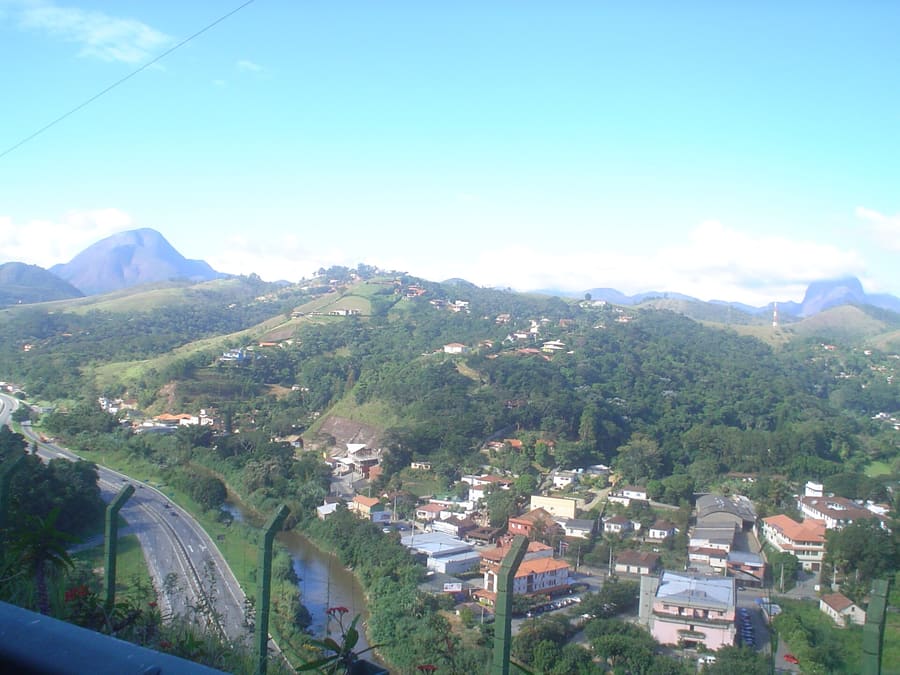
Itaipava — Highland district 20km north. Upscale dining complexes and country estates.
Clara · CC BY-SA 3.0highlights
landmark
Pedro II's summer palace displays imperial crowns and furniture. Slip into mandatory velvet slippers at the entrance to protect the original floors.
اسأل Parley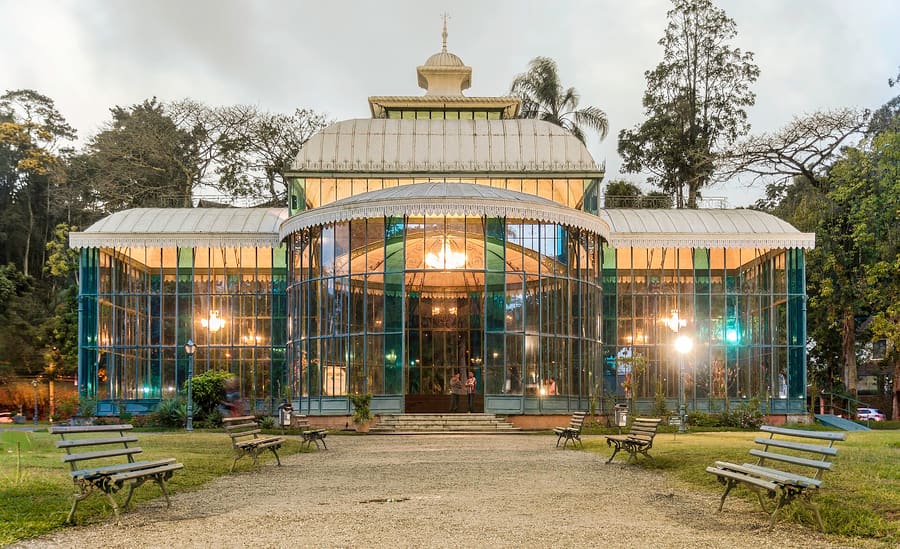
landmark
French-built glass house where Princess Isabel held anti-slavery galas. Visit early morning before sun heat warms the glass interior.
اسأل Parley
landmark
French Gothic cathedral housing the tombs of Emperor Pedro II and Empress Teresa Cristina. Climb the tower stairs for city rooftop views.
اسأل Parley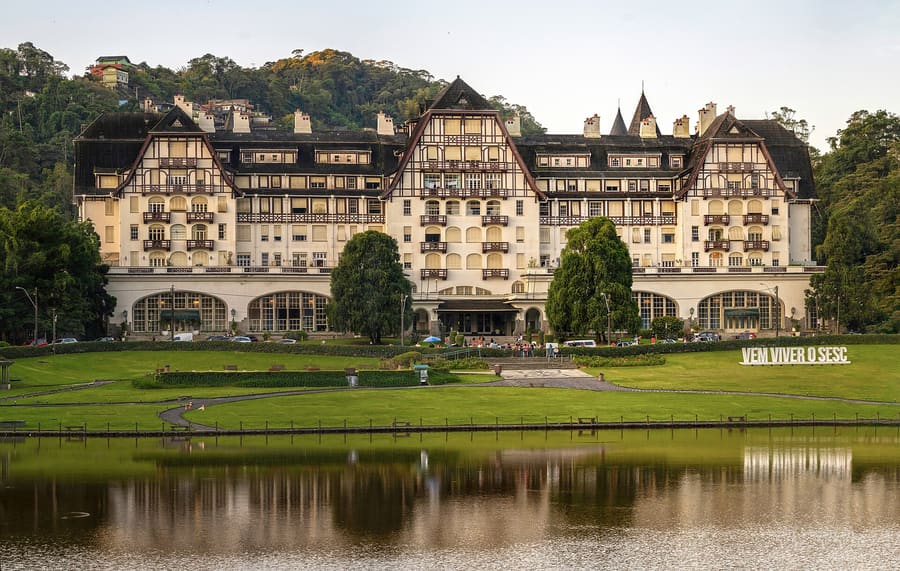
landmark
Colossal 1940s luxury hotel and casino facing a artificial lake. Tour the cavernous gaming rooms turned cultural spaces.
اسأل Parley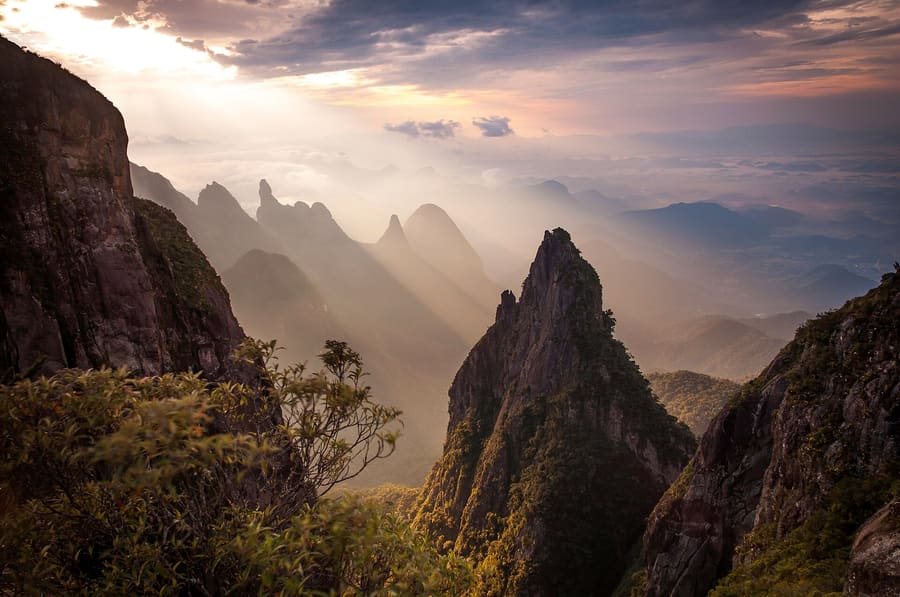
landmark
Protected mountain range with steep granite summits. Enter via Bonfim sector for day hikes to Véu da Noiva waterfall.
اسأل Parleyattractions
areas
Palaces, tree-lined canals, and stone bridges. Flat and walkable.
قريبMuseu Imperial and Catedral
اسأل ParleyHighland district 20km north. Upscale dining complexes and country estates.
قريبFeirinha de Itaipava market
اسأل ParleyQuiet residential district south of central monuments. Local dining corridor.
قريبRua Gastronômica restaurants
اسأل ParleyValley settlement between Centro and Itaipava. Gateway to trailheads.
قريبSerra dos Órgãos Bonfim entrance
اسأل Parleyfood
German immigrants established Petrópolis's baking tradition in the XIX century. Bakeries serve torrada Petrópolis, thick slices of brioche-like bread toasted with butter. Highland cold weather drives a culture of fondue and heavy trout dishes.For afternoon coffee, local tearooms serve croquete de carne alongside traditional cakes. High-end dining centers in Itaipava, where chefs cook local trout with nuts and cream.
Historic bakeries and cafes line the central canal streets.
Eugenio Hansen, OFS · CC BY-SA 3.0Order this extra-thick toasted bread slice with coffee at Confeitaria D'Angelo on Rua do Imperador.
Top Itaipava restaurants open late for dinner on Thursdays through Sundays. Reserve ahead for Saturday nights.
Casa do Alemão on the highway edge serves spiced beef croquettes refined over decades.
history
Emperor Pedro I bought land in the Organ Mountains in 1830 to escape Rio's summer fevers. His son, Emperor Pedro II, founded the town in 1843 and brought German farm families to clear land and build roads.The imperial family spent every summer here until the republic was declared in 1889. Foreign diplomats and wealthy Cariocas built grand estates that defined the city's architecture.
Imperial decree
Pedro II decrees the founding of Petrópolis and begins construction on his summer residence.
German settlement
Thousands of German immigrants arrive to build roads, bridges, and agricultural plots.
Quitandinha opens
Palácio Quitandinha opens as the largest hotel-casino in South America before gambling ban in 1946.
where to stay
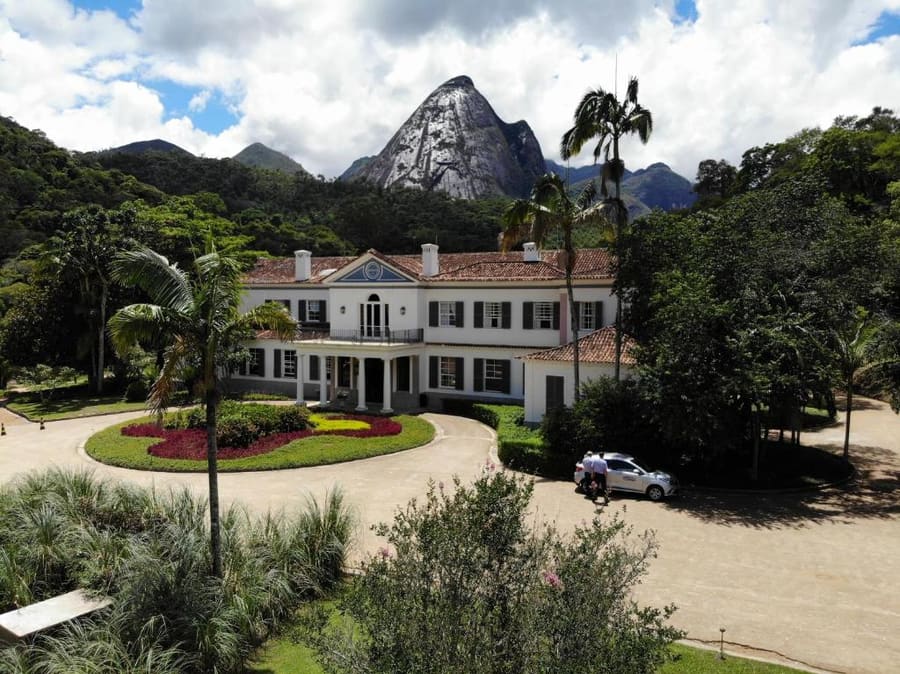
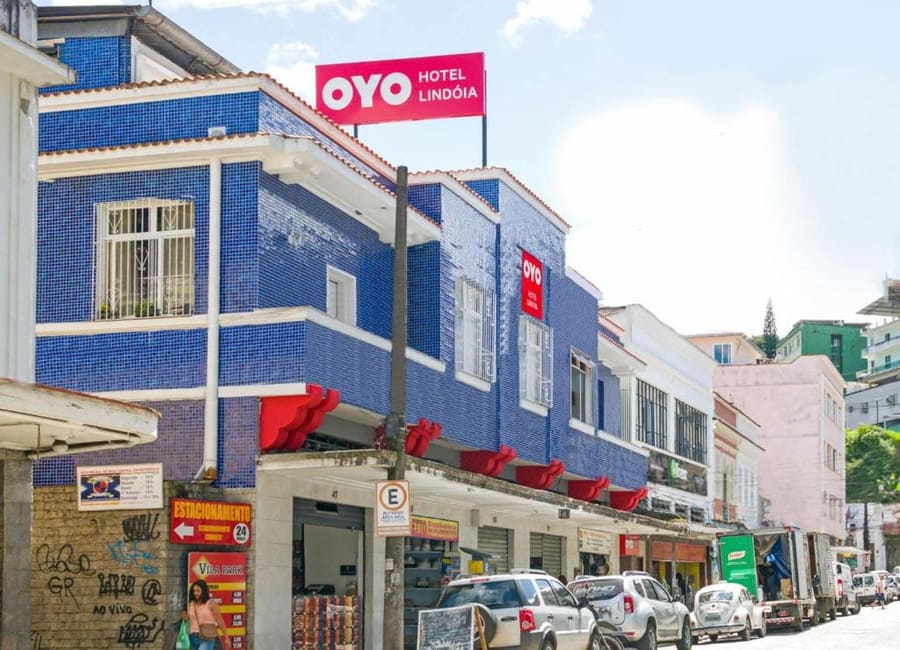
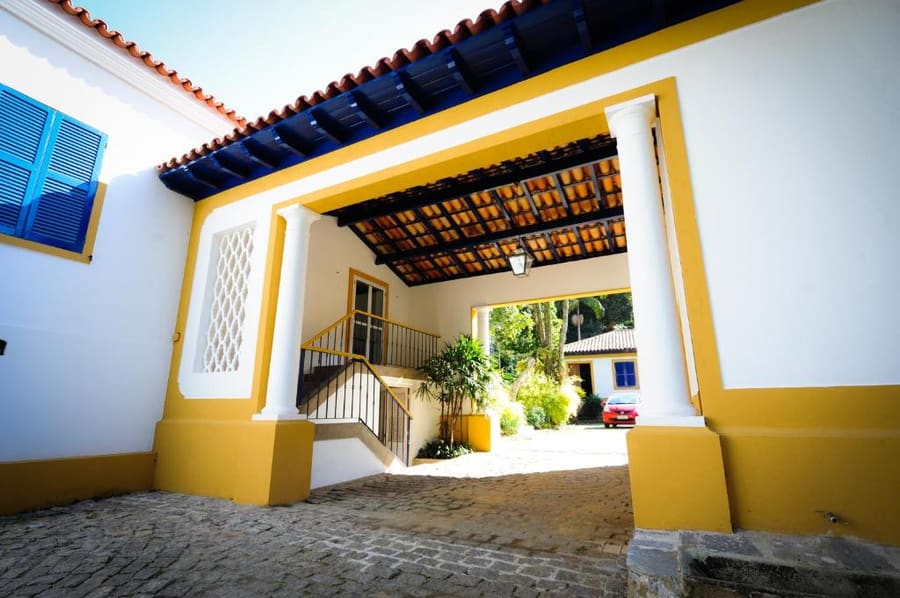
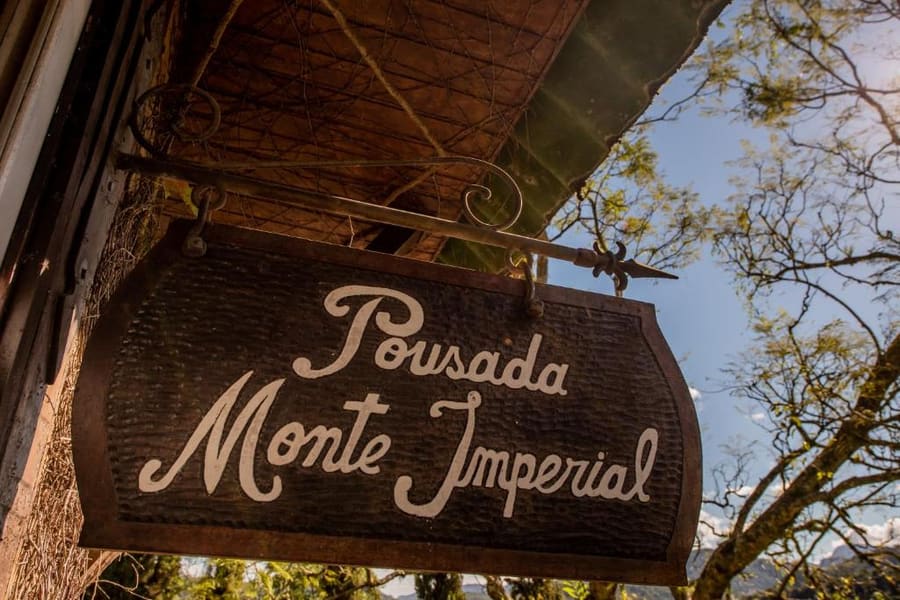
Choose your base based on transport. Stay in Centro Histórico if you rely on walking and public transit for imperial landmarks. Pick Itaipava if you have a car, want mountain resorts, and prioritize high-end food. Valparaíso offers quiet streets near central dining.
Live rates, matched to the areas above.
transport
Central Petrópolis is compact and flat along canal banks. Walking handles all historic centre sightseeing. Reaching outlying districts like Itaipava or trailhead locations requires local buses or rideshare apps.
من Rio de Janeiro GIG Airport
Unica-Fácil operates direct buses from Novo Rio terminal to Petrópolis Bingen terminal.
Uber and 99 apps operate directly from GIG airport up the mountain highway.
Pre-booked driver picks up at airport terminal arrivals.
City buses use Terminal Centro on Praça da Inconfidência as the primary hub for outlying routes.
Local city buses accept cash at the turnstile or the RioCard transit card.
Uber works reliably inside Centro Histórico and Valparaíso. Drivers grow scarce late night in Itaipava.
BR-040 up the mountain clogs on Friday evenings leaving Rio and Sunday afternoons returning.
cost
Petrópolis prices reflect its status as a Rio weekend escape. Budget dining in central snack bars is cheap, while Itaipava resort restaurants charge capital prices.
Entry fee to main palace galleries. Card or cash accepted at ticket counter.
Standard entry ticket for self-guided house tour.
Flat single-fare fare across urban routes.
Buffet por quilo or fixed daily meal in Centro Histórico.
seasonality
MAY – AUG
Dry winter window with crisp cool nights. Best hiking conditions and peak food festival season.
SEP – NOV
Spring brings garden blooms and mild temperatures. Lower weekday crowds in museums.
DEC – FEB
Warm summer rainy season. Heavy afternoon downpours can flood central streets.
MAR – APR
Rain decreases. Mild air and manageable weekend traffic on the mountain road.
practicalities
You must wear provided oversized slippers over shoes inside the palace. Wear comfortable socks.
Mountain air drops significantly at night even when Rio de Janeiro feels hot.
Summers bring sudden afternoon downpours. Keep an umbrella and monitor local weather alerts.
Cards and Pix mobile payments work almost everywhere. Carry small cash for local street snacks.
Fill out trail registration forms at Serra dos Órgãos park gates before long hikes.