landmark
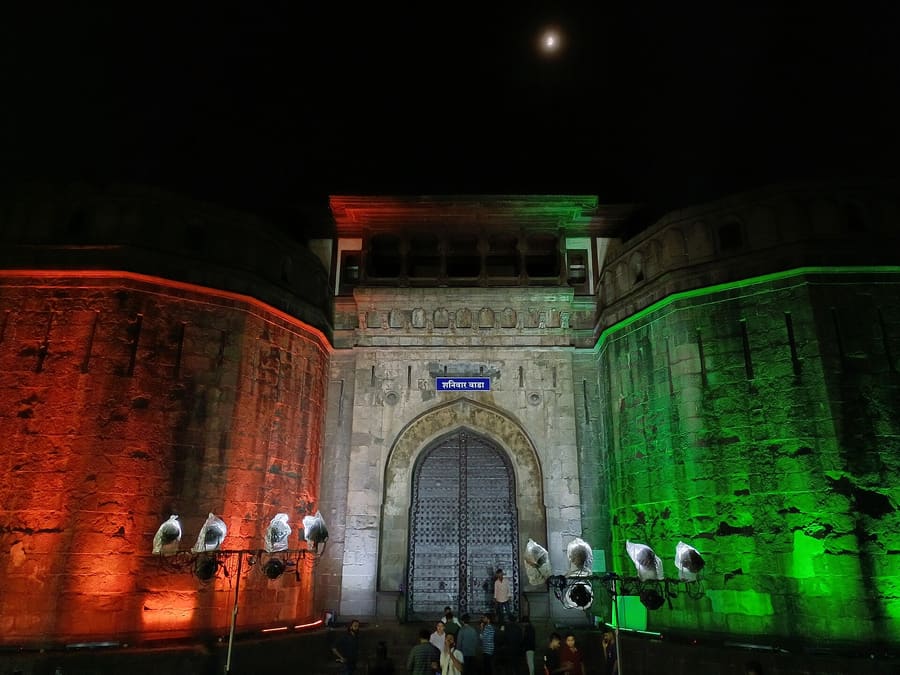
Shaniwar Wada
Peshwa fort seat constructed in 1732. Heavy stone perimeter walls survive, while interior quarters now feature open landscaped gardens.
اسأل Parleyالهند
Maharashtra's academic core and Maratha historic seat.
introduction
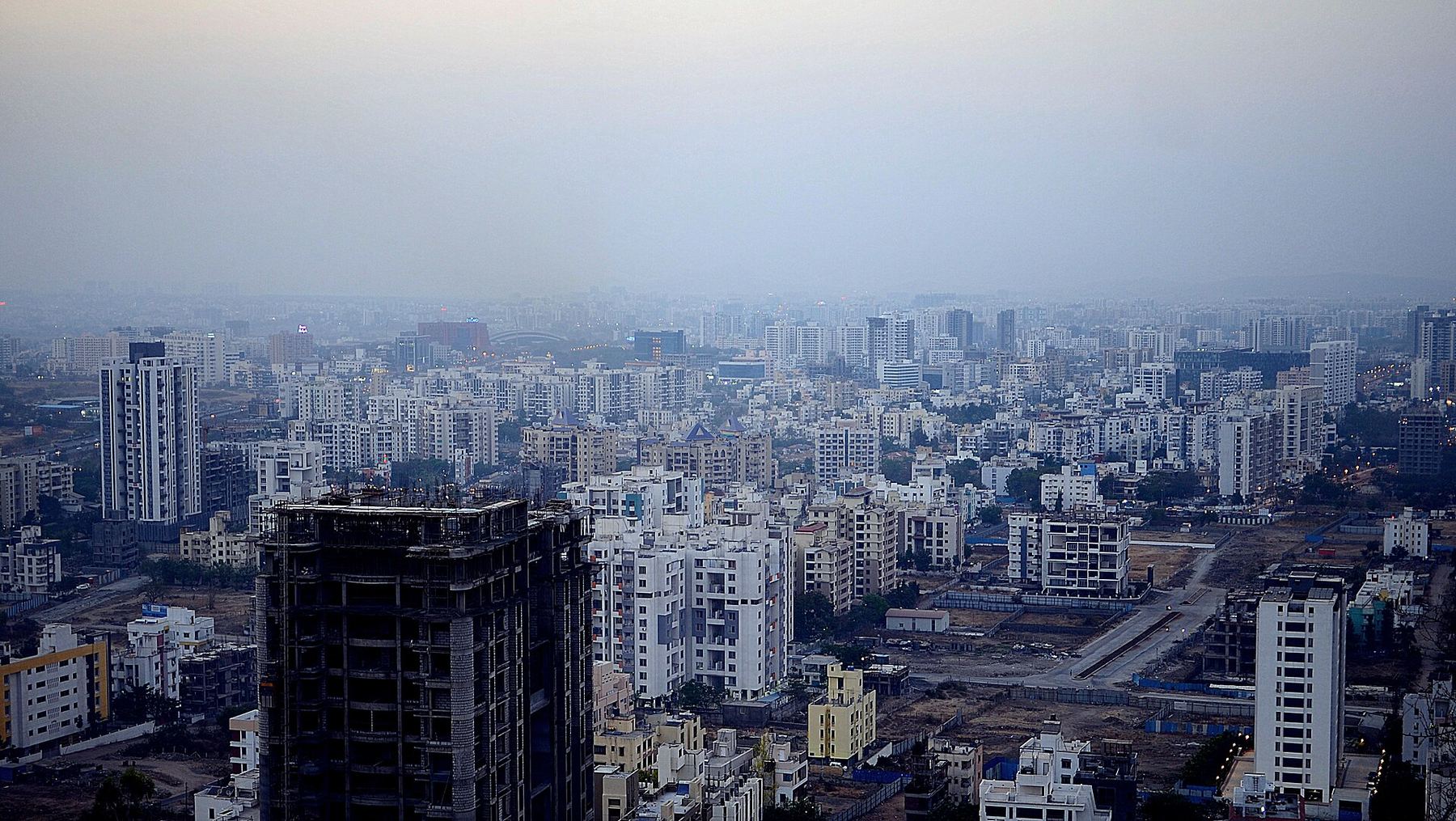
Pune pairs eighteenth-century Maratha strongholds with a massive university population and sprawling technology hubs. Auto-rickshaws and a two-line metro system move you between dense historic peths and wide cantonment avenues. Expect afternoon shop closures in traditional market quarters and severe traffic during peak commute hours.
Arrival protocol
Pune Airport shares runways with an active military base. Security rules prohibit tarmac photography and strictly enforce baggage scans.
Environmental status
The surrounding Western Ghats mountains carry UNESCO World Heritage status for exceptional monsoon biodiversity and endemic flora.
Bazaar timing
Traditional Peth district markets observe afternoon shop closures known as Dukane Band between 1:00 PM and 4:00 PM daily.
Pune
Shreesh Kawthekar from Pune, India · CC BY 2.0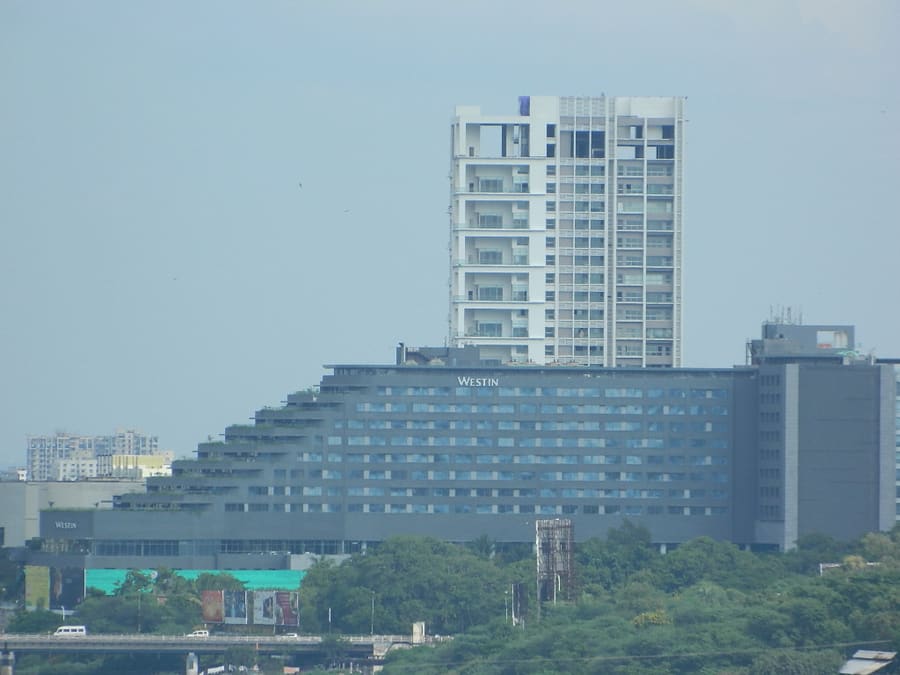
Koregaon Park — Shaded residential lanes filled with craft breweries, specialty coffee shops, and boutique retail.
Harshal sathe · CC BY-SA 3.0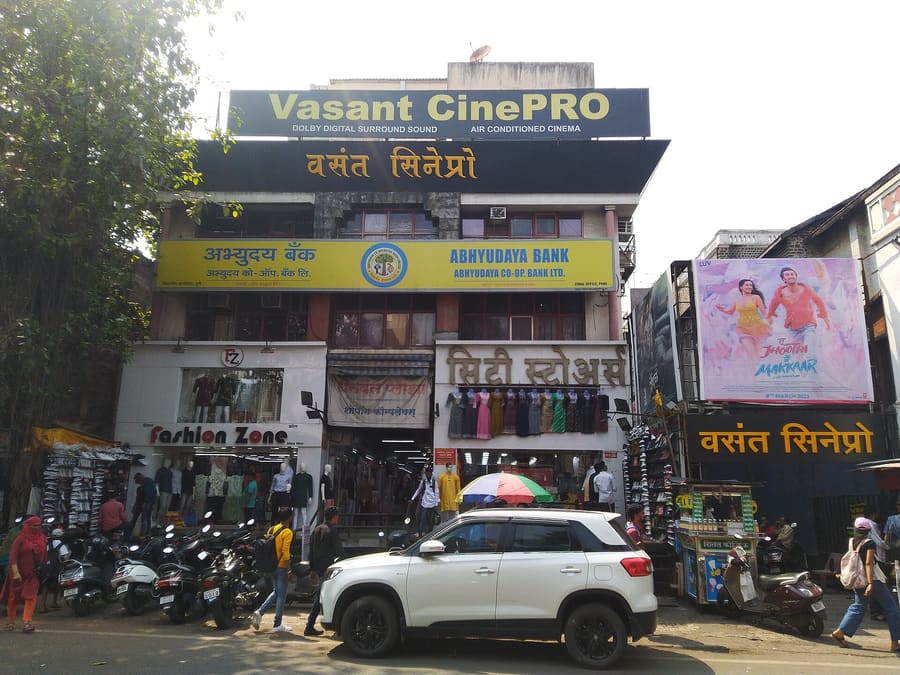
Old Peths — Historic urban grid featuring narrow lanes, century-old timber wadas, and busy street bazaars.
DesiBoy101 · CC BY 4.0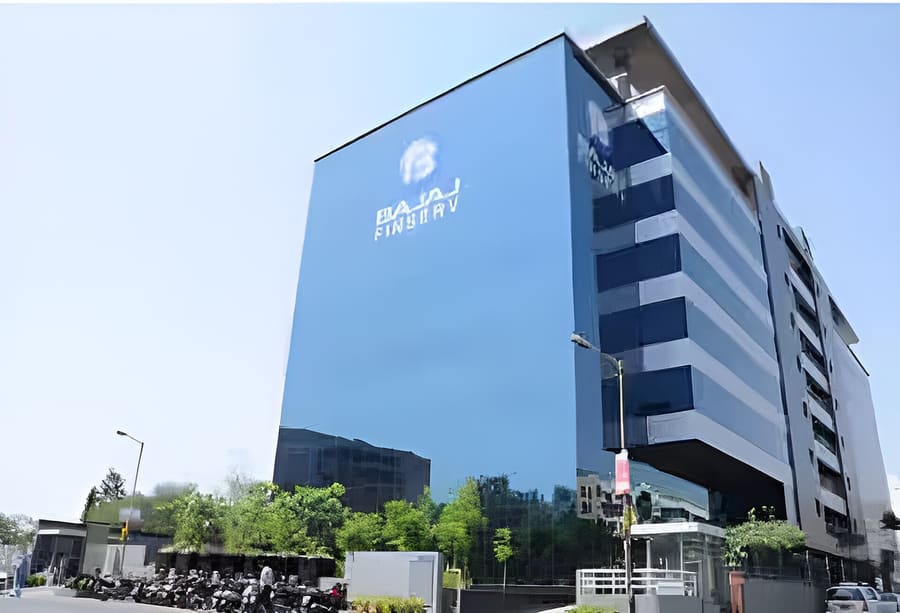
Viman Nagar — Commercial district near the airport anchored by shopping malls, corporate offices, and student housing.
Bajaj Finserv · CC BY-SA 2.0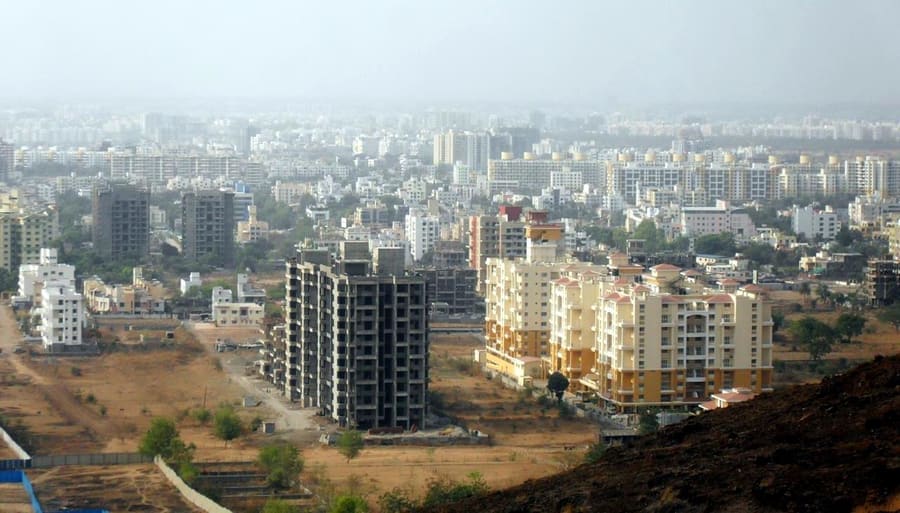
Baner — Western suburban tech corridor packed with modern apartment towers and high-end brewpubs.
Rishabh Tatiraju · CC BY-SA 3.0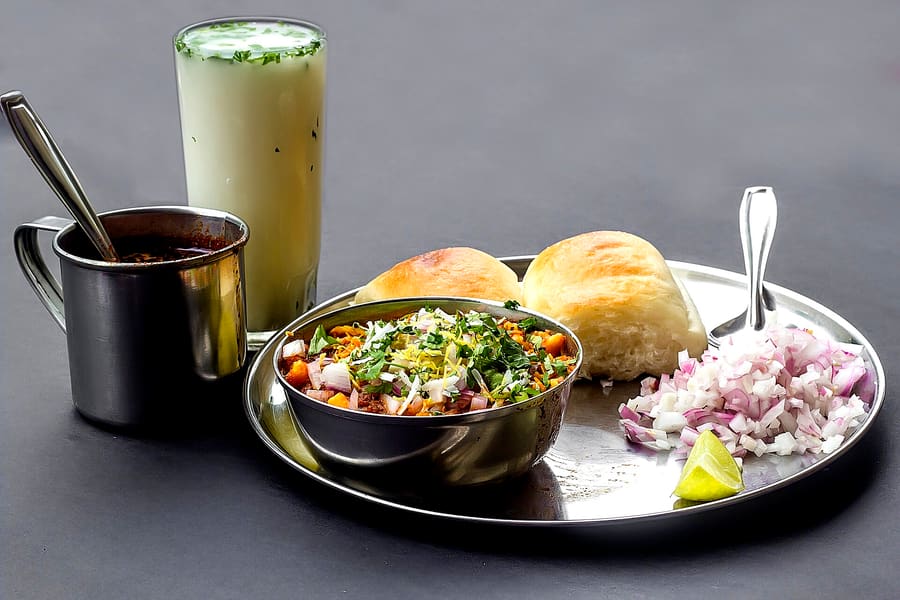
A traditional plate of Puneri misal served with pav rolls, chopped onions, and lemon wedges.
Ankushkr2020 · CC BY-SA 4.0highlights
landmark
Peshwa fort seat constructed in 1732. Heavy stone perimeter walls survive, while interior quarters now feature open landscaped gardens.
اسأل Parley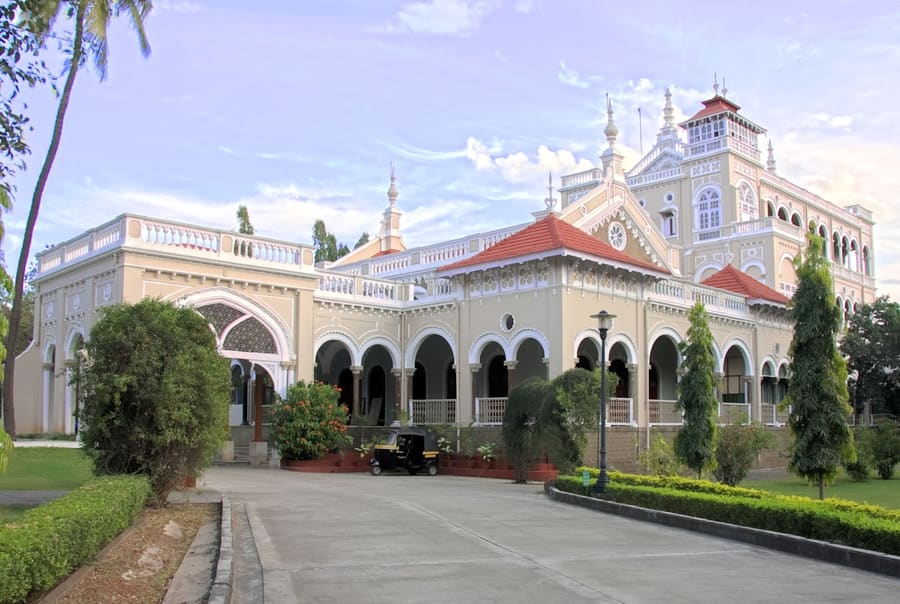
landmark
Built in 1892, this Italianate palace served as Mahatma Gandhi's internment camp from 1942 to 1944. Archives house personal artifacts.
اسأل Parley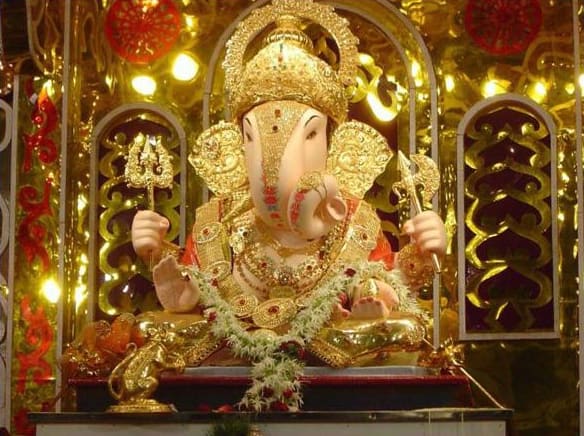
landmark
Prominent 1893 shrine housing a gold-adorned Ganesha deity. Festival queues exceed two hours; visit early morning to bypass crowd bottlenecks.
اسأل Parley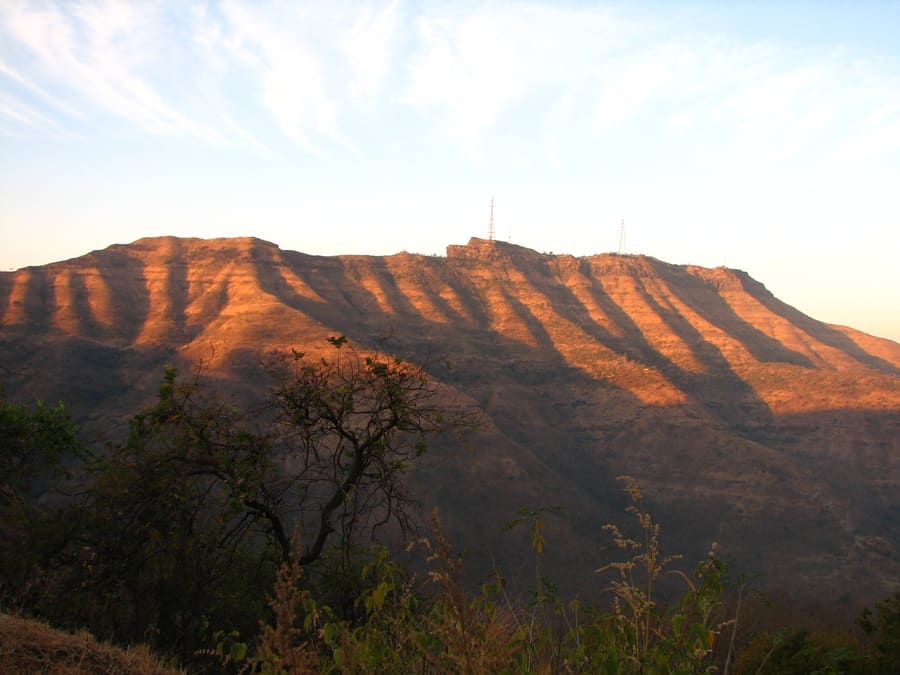
landmark
Hilltop citadel 30 km southwest, site of a critical 1670 Maratha battle. Summit vendors sell traditional pitla bhakri sorghum bread.
اسأل Parley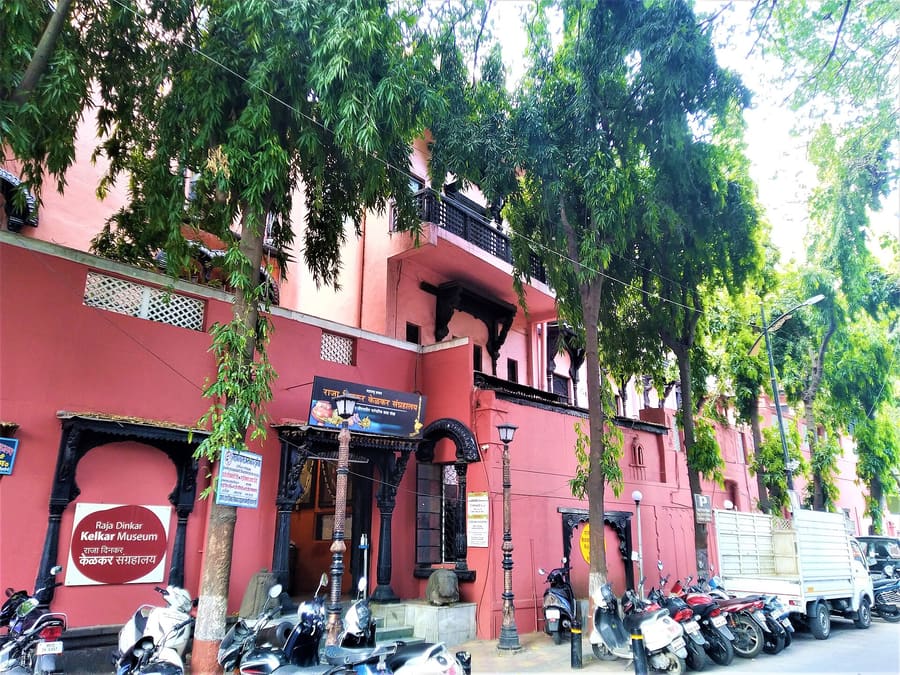
landmark
Houses over 20,000 everyday Indian artifacts gathered across three decades, including intricate carved doors and musical instruments.
اسأل Parley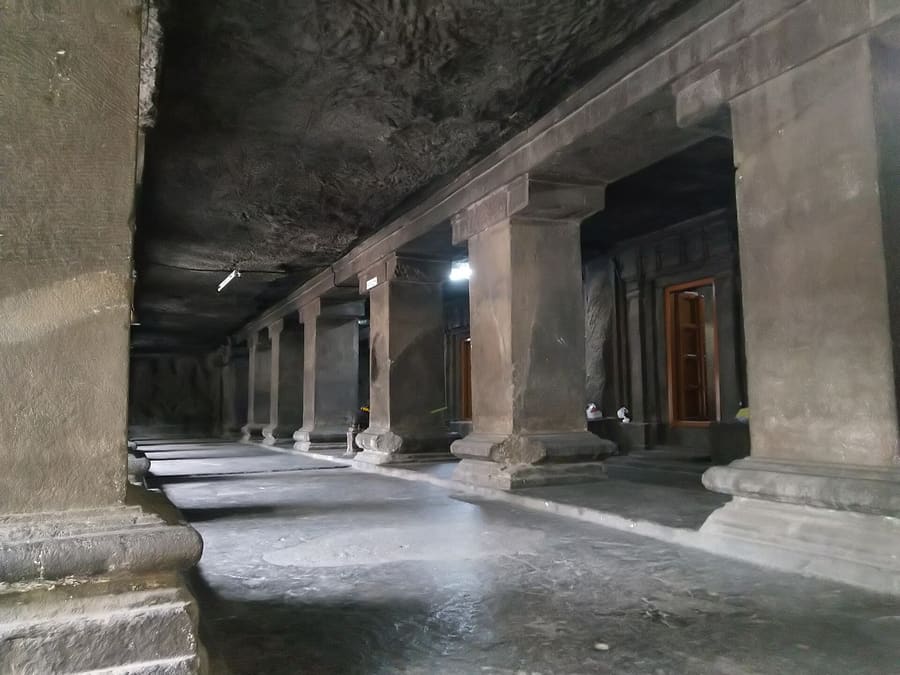
landmark
Eighth-century rock-cut monolithic shrine dedicated to Shiva, carved entirely out of a single basalt rock face.
اسأل Parleyattractions
areas
Shaded residential lanes filled with craft breweries, specialty coffee shops, and boutique retail.
قريبOsho Teerth Park and Bund Garden.
اسأل ParleyHistoric urban grid featuring narrow lanes, century-old timber wadas, and busy street bazaars.
قريبShaniwar Wada and Laxmi Road markets.
اسأل ParleyCommercial district near the airport anchored by shopping malls, corporate offices, and student housing.
قريبAga Khan Palace and Phoenix Marketcity.
اسأل ParleyWestern suburban tech corridor packed with modern apartment towers and high-end brewpubs.
قريبHinjawadi IT Park and Balewadi High Street.
اسأل Parleyfood
Pune dining relies heavily on Maharashtra's native spice blends and baked goods introduced by Parsi settlers. Breakfast revolves around misal pav, a fiery moth bean curry topped with crunchy farsan mix, chopped onions, and lemon. Parsi bakeries and old-town confectioners supply dry sweet-and-savory snacks like bakarwadi rolls.
A traditional plate of Puneri misal served with pav rolls, chopped onions, and lemon wedges.
Ankushkr2020 · CC BY-SA 4.0Order puneri misal for a slight jaggery sweetness, or request kolhapuri misal if you want intense chili heat.
Kayani Bakery on East Street releases fresh mawa cake batches at scheduled morning and afternoon times. Queues form before doors open.
Sujata Mastani serves milkshakes crowned with heavy scoops of ice cream. Alphonso mango flavor is served fresh during April and May.
history
Pune expanded in the seventeenth century under Maratha military leader Chhatrapati Shivaji Maharaj. In the eighteenth century, the city became the political center of the Maratha Empire under the rule of the hereditary Peshwa prime ministers. British conquest in 1817 established major military cantonments, laying down the dual city layout that remains visible today.
Shivaji's early base
Shivaji's mother Jijabai builds Lal Mahal, establishing Pune as a Maratha administrative center.
Peshwa capital
Peshwa Bajirao I designates Pune the official imperial capital and begins building Shaniwar Wada.
British occupation
East India Company forces defeat the Peshwa at Khadki, introducing British cantonment urban layouts.
Educational anchor
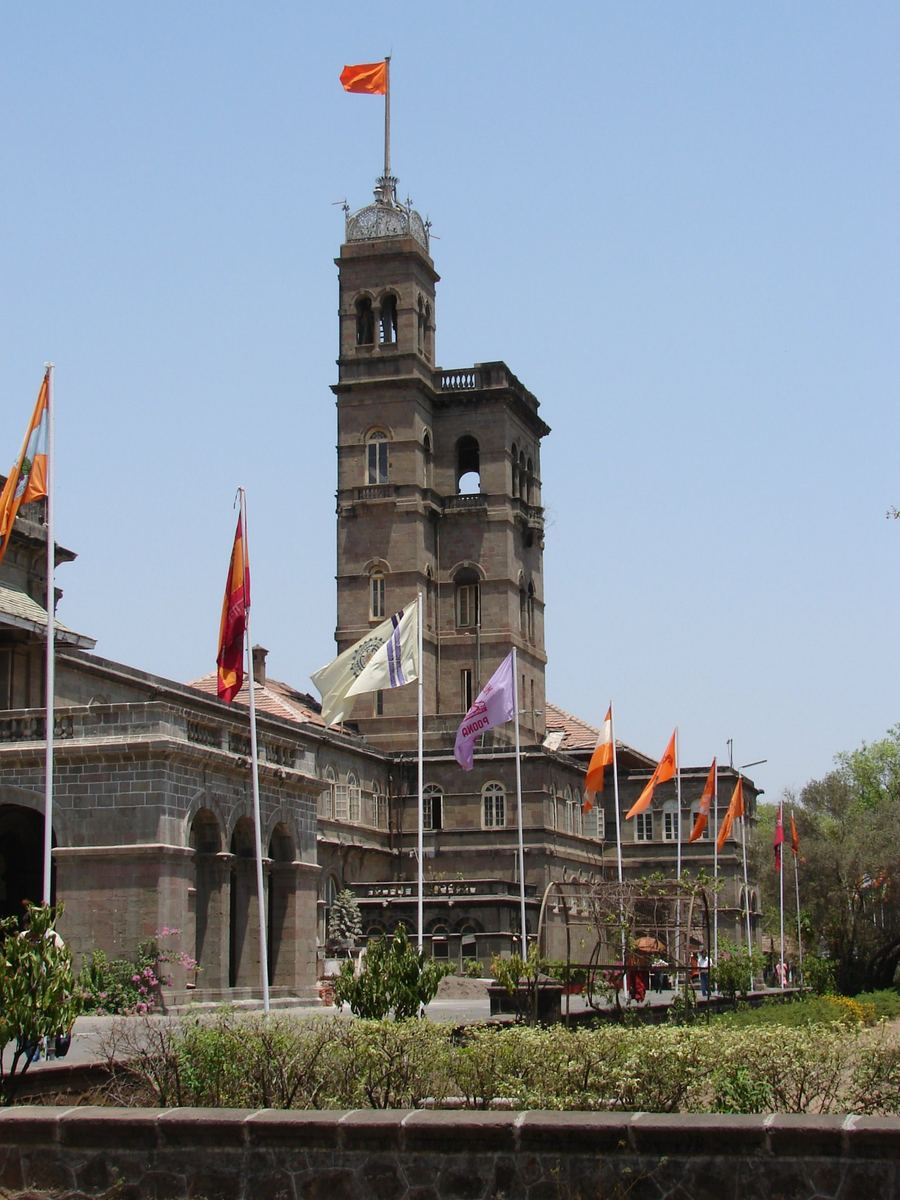
Deccan Education Society establishes Fergusson College, launching Pune's role as a regional university hub.
where to stay
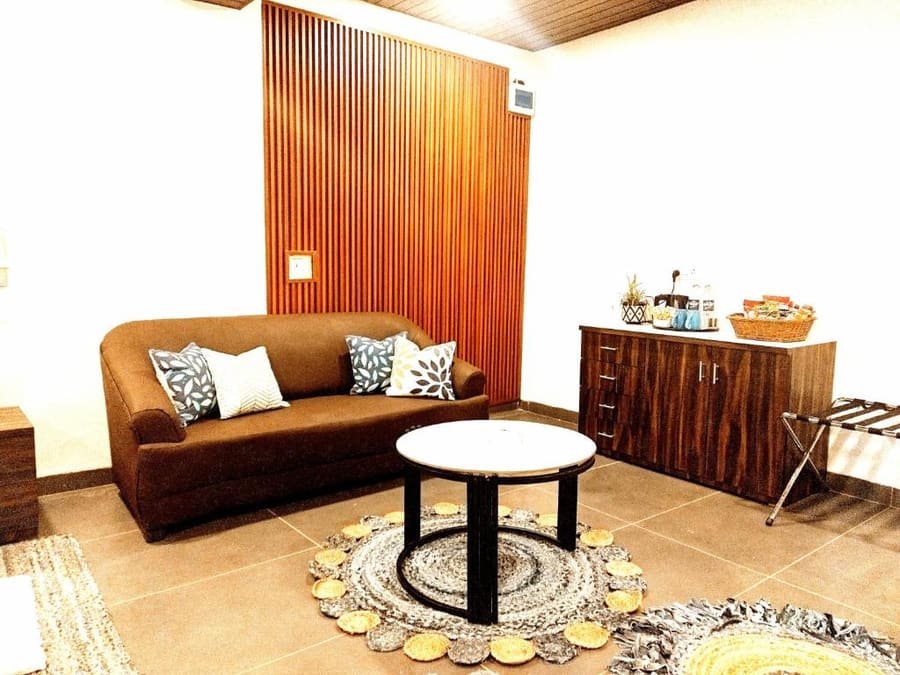
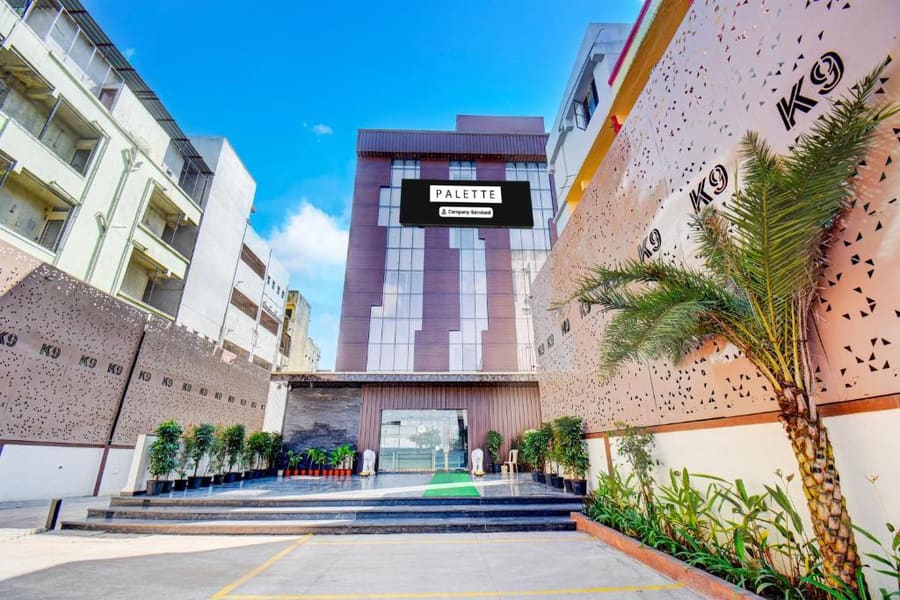
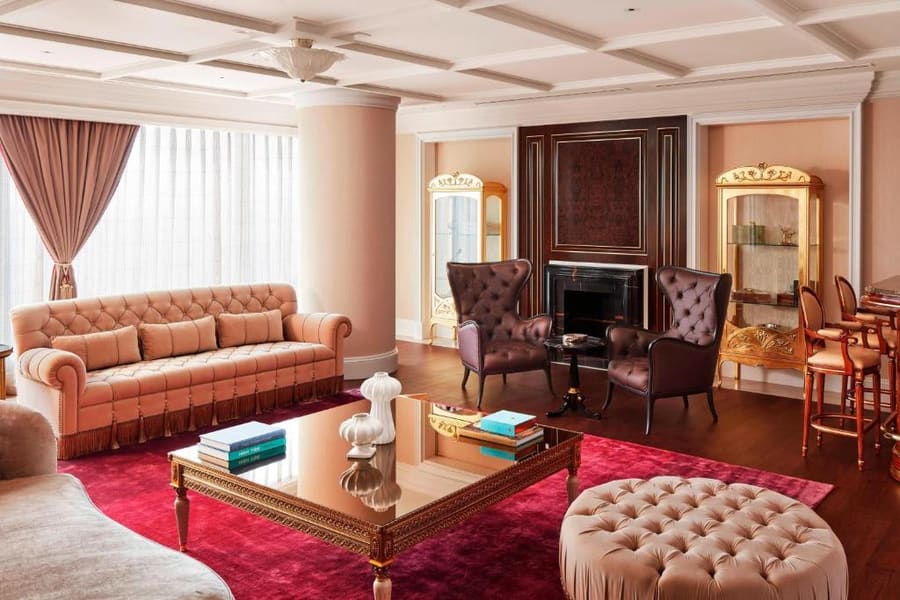
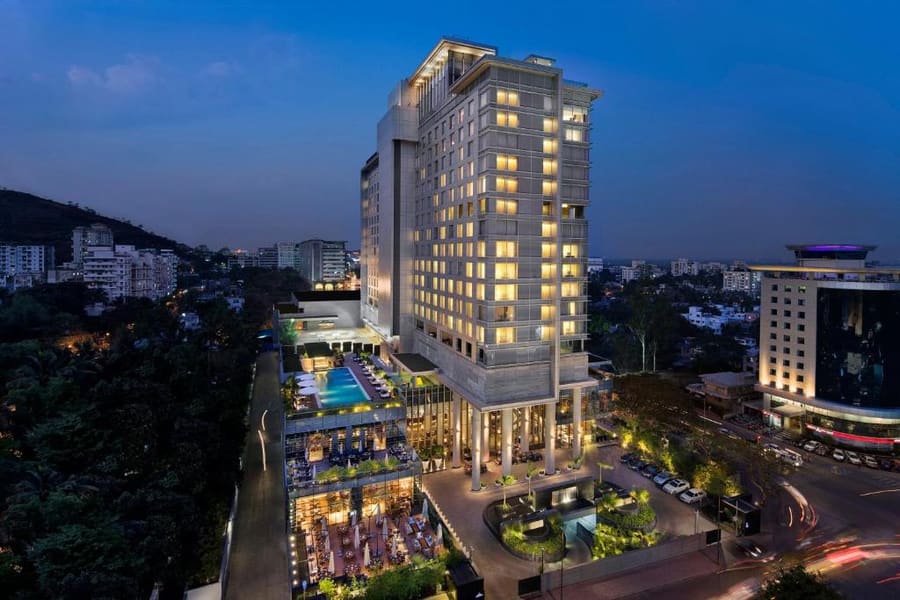
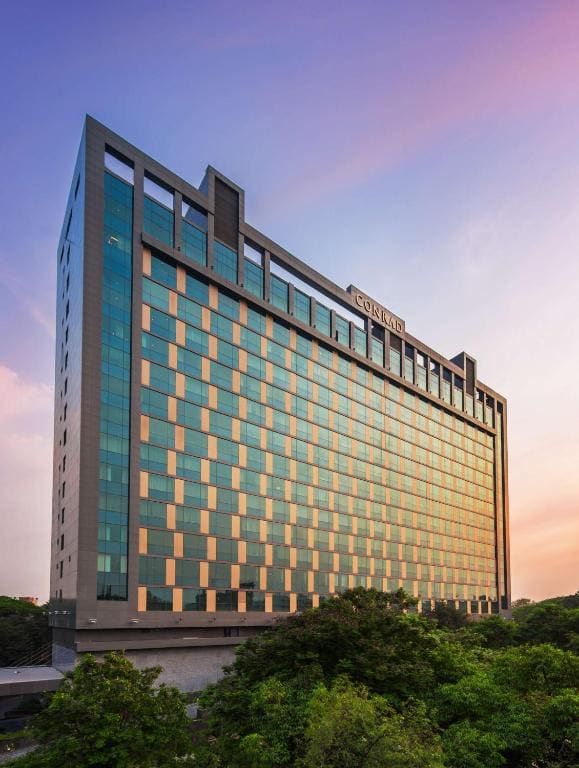
Select your neighbourhood by balancing heritage access against traffic tolerance. Stay in Koregaon Park for modern dining options, Baner for western tech corridors, or Shivaji Nagar for central access between the old markets and main transport hubs.
Live rates, matched to the areas above.
transport
Pune transit relies on a mix of auto-rickshaws, city buses, and a newly constructed two-line metro rail network. Old city peths are best explored on foot, while suburban travel requires rideshare cars or the metro to avoid heavy surface traffic jams.
من Pune Airport (PNQ)
Book via prepaid counters in the arrival terminal to secure official fixed rates.
Pickups operate exclusively from designated zones inside the multi-level parking building.
Ensure the driver activates the digital meter before departing the airport perimeter.
The Purple Line and Aqua Line intersect at District Court station, providing fast connections between Shivaji Nagar and Swargate.
Drivers are legally obligated to use meters inside city limits. Use app-based booking platforms if street drivers insist on flat fares.
University Road and Hadapsar flyovers jam between 09:00–11:00 and 18:00–20:30. Double your travel time allowances during these hours.
Purchase a Mahacard smart card at any ticket counter to receive a 10% discount on standard metro fares.
cost
Pune offers lower daily costs than neighboring Mumbai. Street dining and public transport keep budget trips inexpensive, though high-end restaurants in Koregaon Park match international prices.
Standard price for a meal portion at long-standing local outlets like Bedekar or Katakirr.
Distance-based fare covering transit across operational urban lines.
Standard price per glass at old-style corner cafes and tea stalls.
Two-course meal at independent restaurants in Koregaon Park or Balewadi.
seasonality
OCT – FEB
Cooler weather with temperatures between 15°C and 28°C; optimal window for old city walking tours and hill fort treks.
MAR – MAY
Daytime heat rises past 38°C; restrict sightseeing to early morning hours and indoor air-conditioned spaces.
JUN – SEP
Heavy monsoon rains cover surrounding hills in greenery; outdoor exploration requires rain gear and waterproof footwear.
practicalities
Old Peth retail shops close between 13:00 and 16:00 daily; schedule shopping trips for morning or evening.
Remove footwear outside active shrines and ensure shoulders and knees are covered before stepping inside.
UPI mobile payments via QR codes are accepted across street vendors and rickshaws. Carry small cash notes as backup.
Monsoon rain between June and September is heavy; pack sealed dry bags to protect cameras and personal electronics.
The ten-day festival in August or September brings large street pandals and heavy vehicle diversions to central peths.