landmark
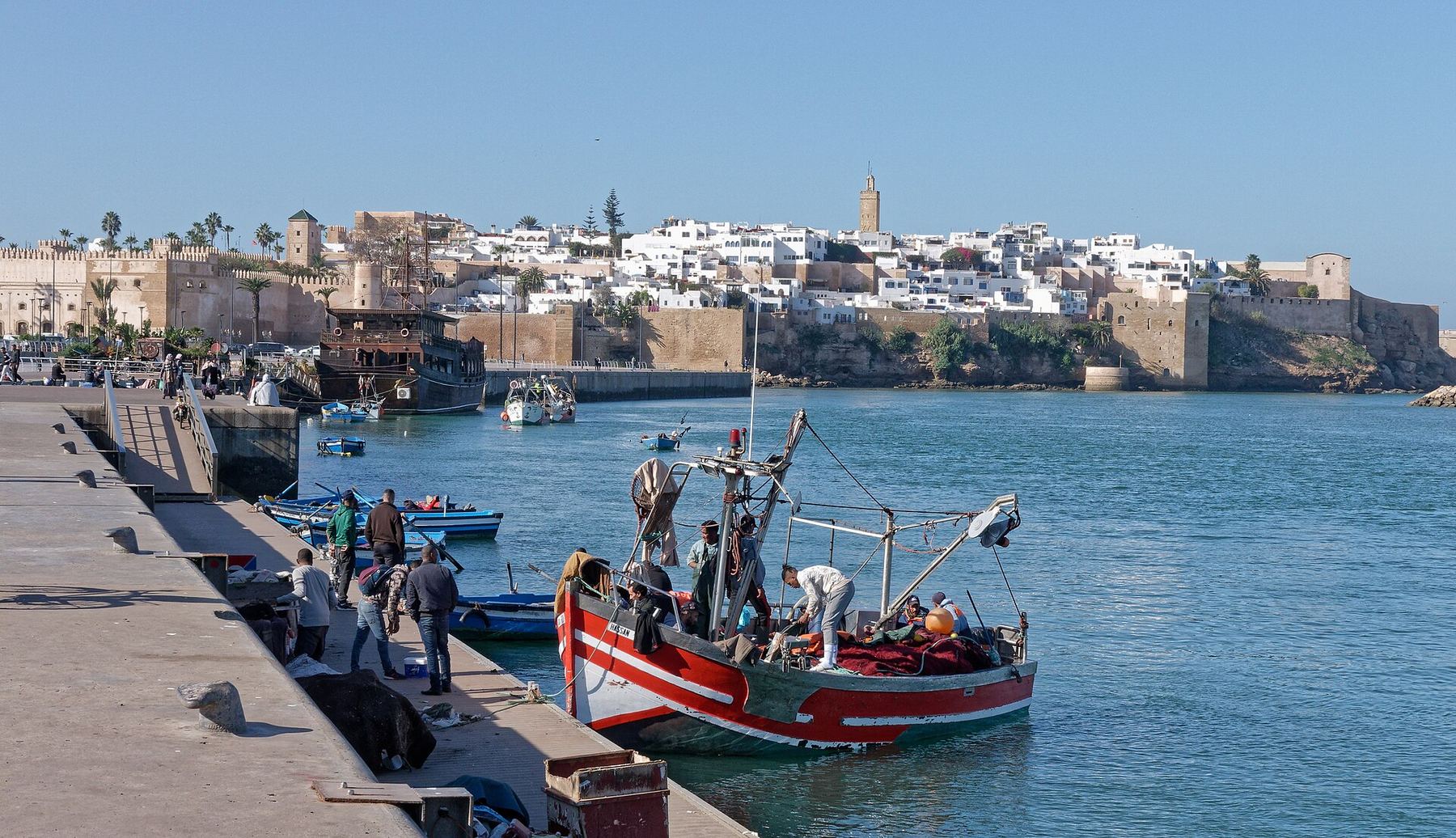
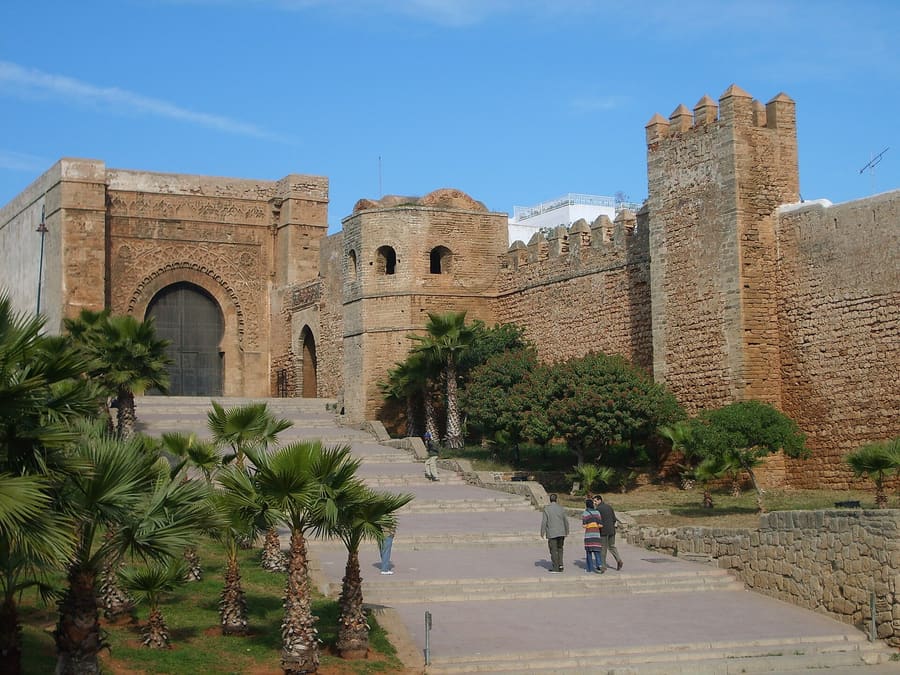
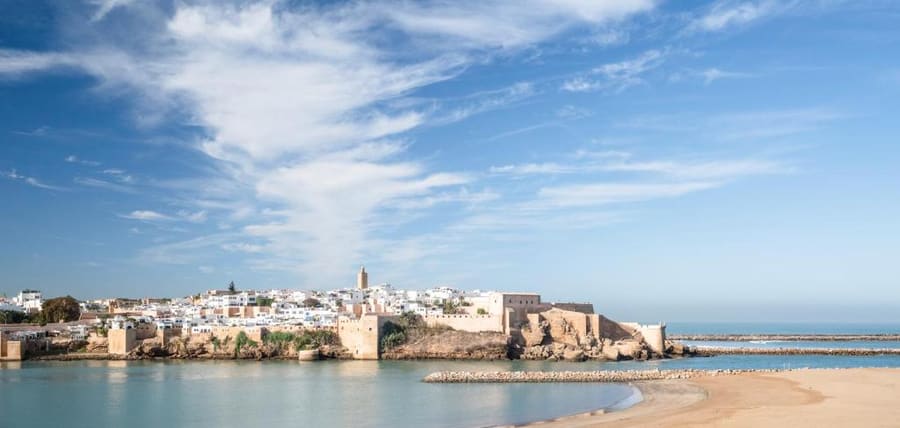
Kasbah of the Udayas
A 12th-century fortress overlooking the Atlantic. Enter through Bab Oudaia and head to the Andalusian Gardens to avoid souvenir sellers.
اسأل Parleyالمغرب
Morocco's quiet political heart and coastal capital.
introduction
Rabat operates at a deliberate pace distinct from Casablanca or Marrakech. Civil servants and students fill the wide avenues of the French-designed Ville Nouvelle, while the 12th-century oceanfront kasbah houses quiet residential lanes. You navigate the city easily on foot or via a modern two-line tram network. Expect administrative order, muted street banter, and uncrowded historical sites.
Airport connection
The airport bus costs 25 MAD and syncs with flight arrivals. A grand taxi to the centre charges a fixed rate of 150 MAD.
UNESCO listing
Rabat earned UNESCO World Heritage status in 2012. The designation covers both the 12th-century monuments and the 20th-century French new town.
Rabat
Pline · CC BY-SA 3.0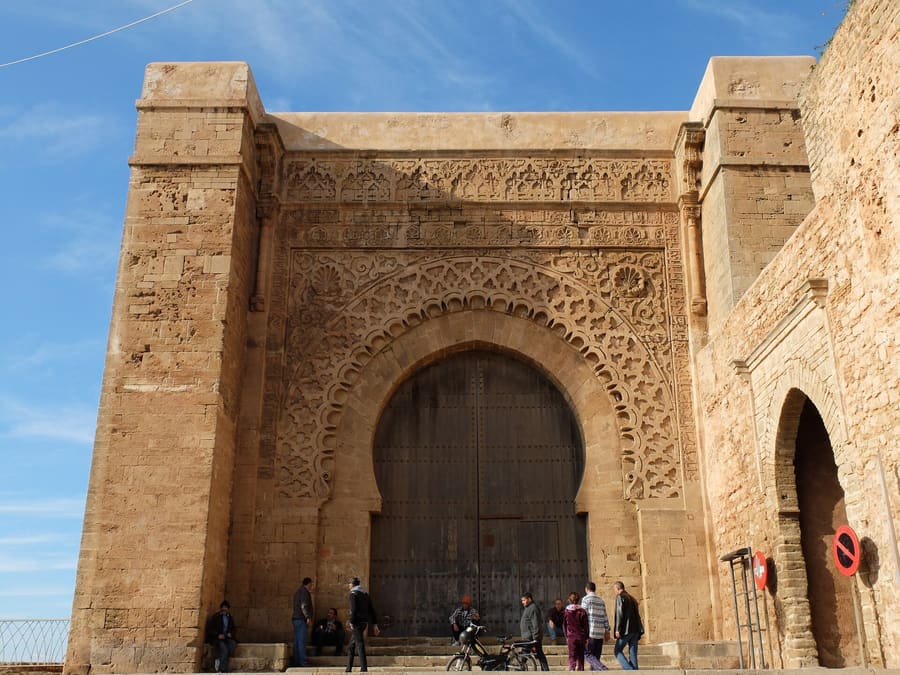
Kasbah des Oudaias — Washed blue walls, calm cobblestone alleys, and sea breezes above the river mouth.
Robert Prazeres · CC BY-SA 4.0
Medina — Enclosed market streets, traditional riads, and cheap street food stalls.
Ismael zniber · CC BY-SA 3.0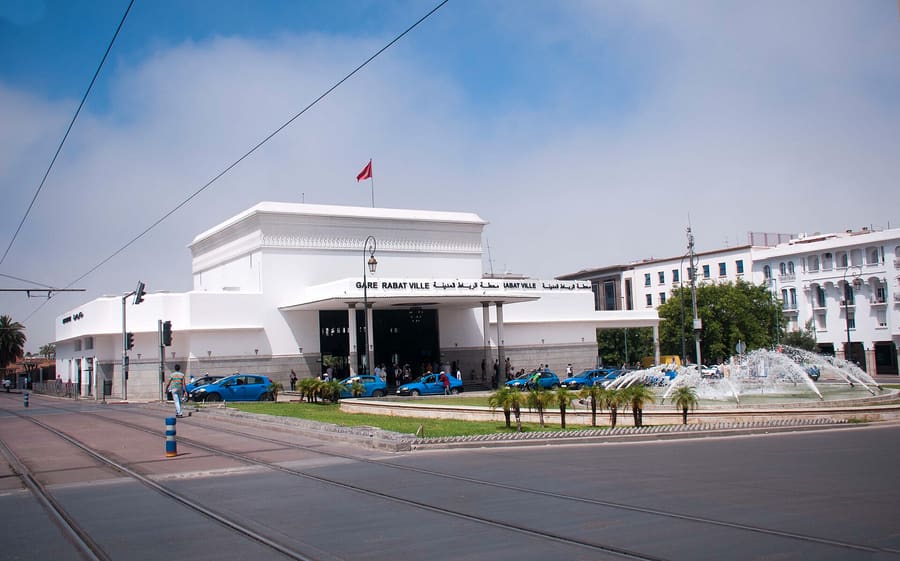
Ville Nouvelle — Broad French-era avenues lined with palms, government ministries, and art-deco brasseries.
mustapha ennaimi · CC BY 2.0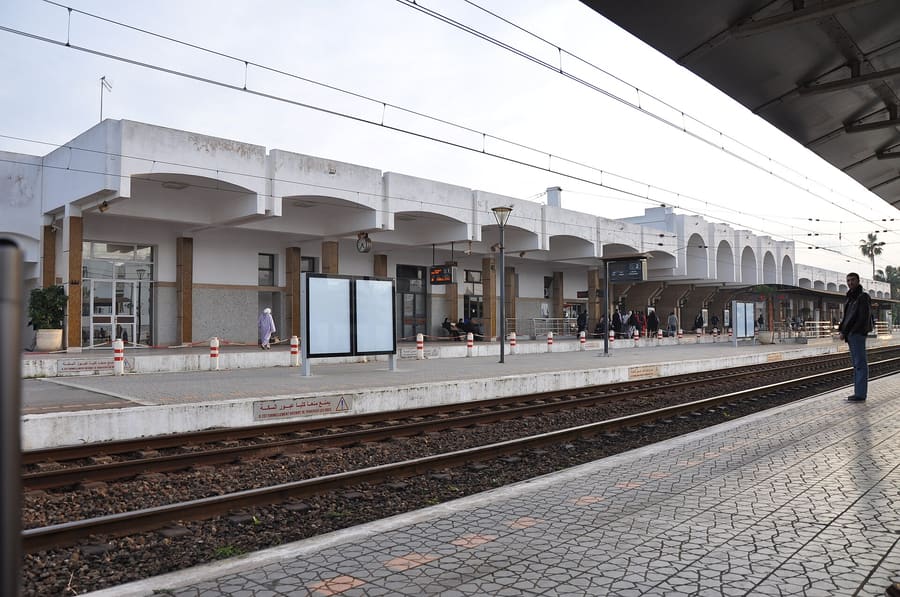
Agdal — A modern upper-middle-class suburb filled with university campuses, chains, and trendy cafes.
Jorge Láscar from Australia · CC BY 2.0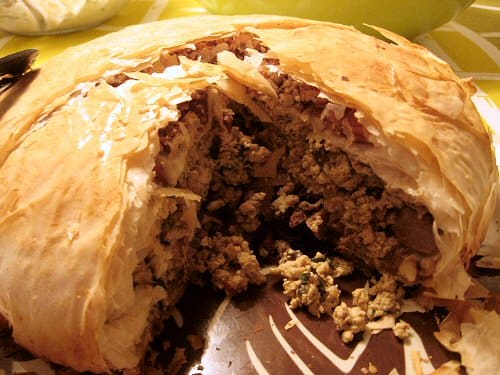
A freshly baked pastilla dusted with cinnamon and sugar.
Krista · CC BY 2.0highlights
landmark
A 12th-century fortress overlooking the Atlantic. Enter through Bab Oudaia and head to the Andalusian Gardens to avoid souvenir sellers.
اسأل Parley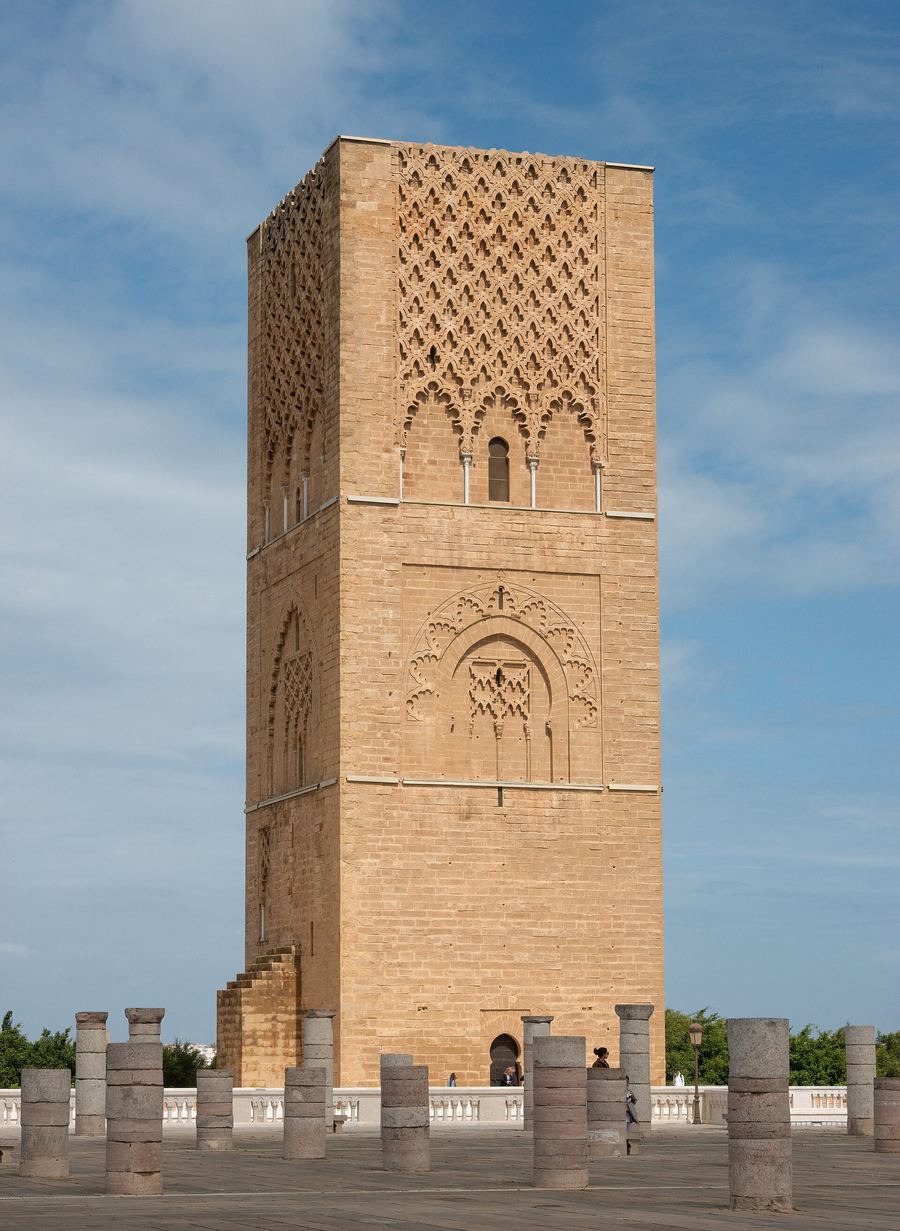
landmark
An unfinished 12th-century minaret facing the royal tomb. Entry is free; guards require respectful shoulder-and-knee coverage.
اسأل Parley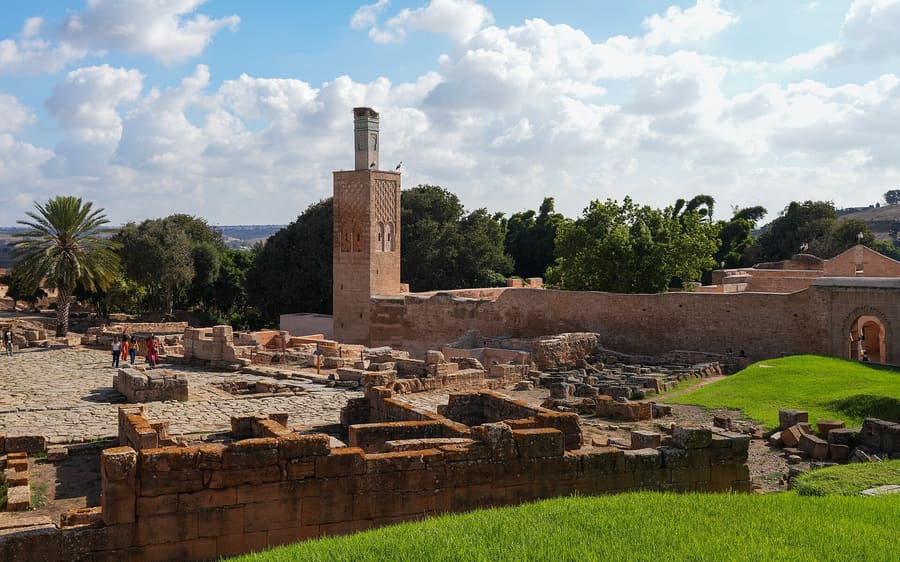
landmark
A ruined Roman colony turned Merinid necropolis. Reopened after restoration; visit early morning to photograph nesting storks in peace.
اسأل Parley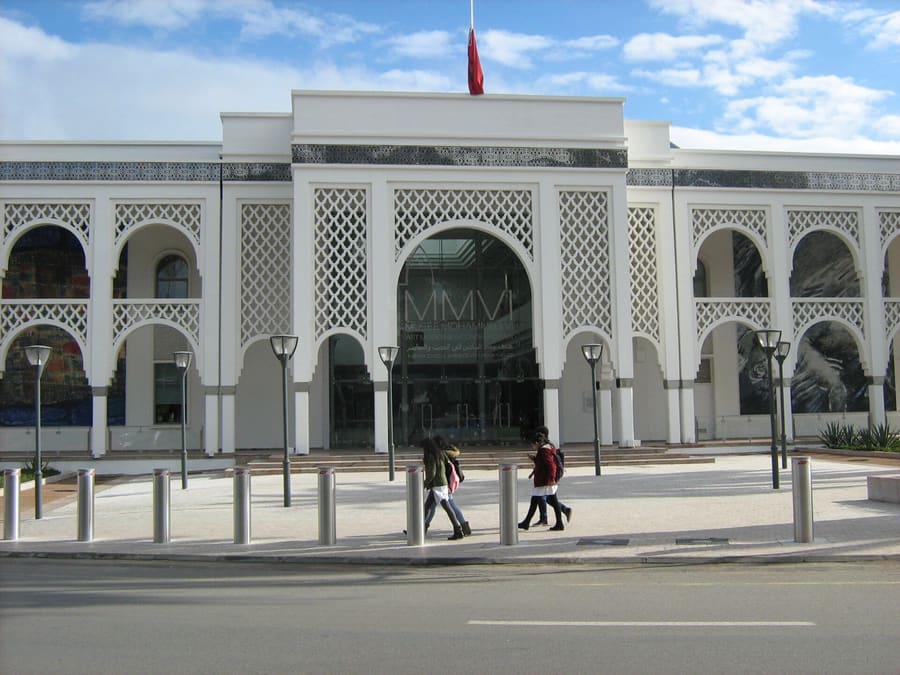
landmark
Morocco's premier modern art institution in a neo-Moorish building. Entry costs 40 MAD and ticket queues are non-existent.
اسأل Parleyattractions
areas
Washed blue walls, calm cobblestone alleys, and sea breezes above the river mouth.
قريبMedina wall, Bou Regreg beach, ocean promenade
اسأل ParleyEnclosed market streets, traditional riads, and cheap street food stalls.
قريبKasbah des Oudaias, Avenue Mohammed V, Tram Line 1
اسأل ParleyBroad French-era avenues lined with palms, government ministries, and art-deco brasseries.
قريبGare de Rabat-Ville, MMVI Museum, Medina gate
اسأل ParleyA modern upper-middle-class suburb filled with university campuses, chains, and trendy cafes.
قريبGare de Rabat-Agdal, Avenue Fal Ould Oumeir
اسأل Parleyfood
Rabat cooking leans delicate and coastal. Unlike inland culinary centers, local kitchens favour fish pastilla—stuffed with spiced sea bass, shrimp, and vermicelli under crisp warqa pastry—over sweetened meat variations. Royal patronage and embassy culture also sustain exceptional classical French bakeries alongside traditional pastry shops selling horn-shaped gazelle heels made with orange blossom water.
A freshly baked pastilla dusted with cinnamon and sugar.
Krista · CC BY 2.0Order this local specialty at traditional seafood establishments along the Bou Regreg marina rather than standard tourist cafes in the medina.
Mint tea is served intensely sweet. Ask for 'tay bila soukar' if you want sugar served separately on the side.
Head to the port market stalls in Salé across the river for grilled sardines served with fresh tomato chermoula at local prices.
history
Founded as a military fortress by the Almohad dynasty in the 12th century, Rabat served as a launching point for campaigns in Iberia. The city fell into decline after Almohad power waned, until thousands of expelled Andalusian Muslims resettled here in the 17th century and established the semi-independent Republic of Bou Regreg. French Resident-General Hubert Lyautey selected Rabat as Morocco's administrative capital in 1912, designing the orderly Ville Nouvelle that remains the government seat today.
Almohad Citadel
Sultan Abd al-Mu'min builds the initial Kasbah to house troops preparing for campaigns in Spain.
Hassan Mosque Project
Yacoub al-Mansour orders construction of the world's largest mosque, abandoned after his death in 1199.
Republic of Bou Regreg
Andalusian refugees establish a corsair republic trading in maritime commerce and piracy.
Capital Designation
The French Protectorate moves the administrative capital from Fez to Rabat, constructing the Ville Nouvelle.
UNESCO Recognition
Rabat is named a World Heritage site for combining historic Islamic urbanism and modern French urban planning.
where to stay
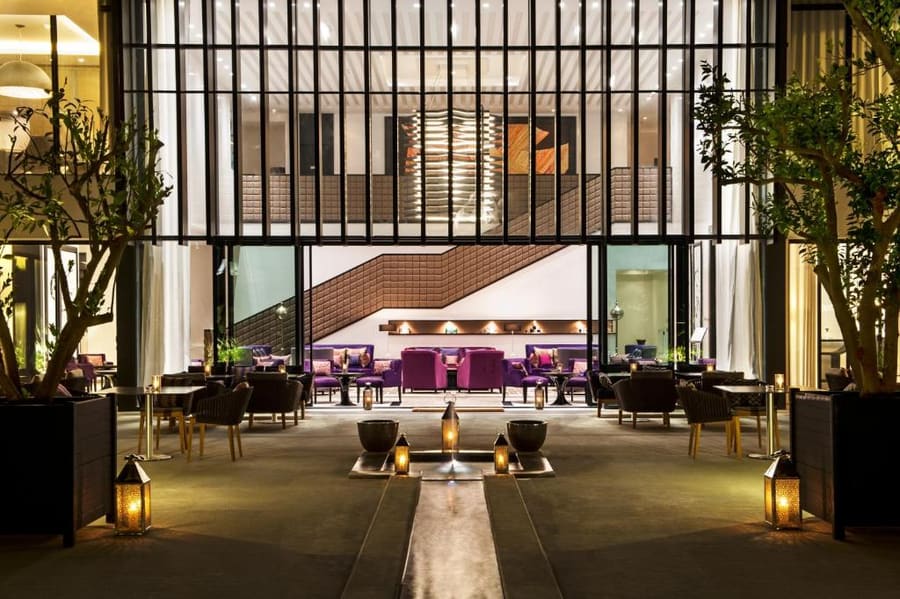
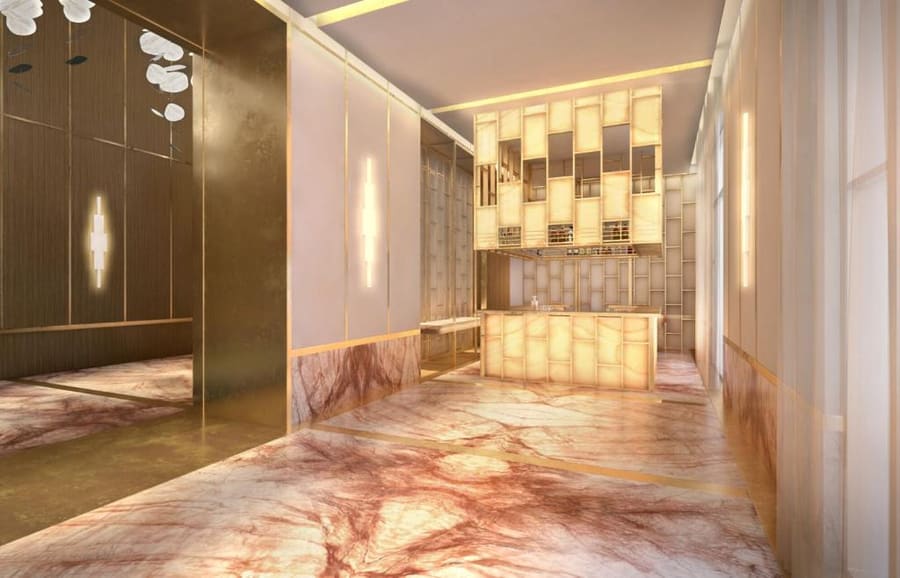
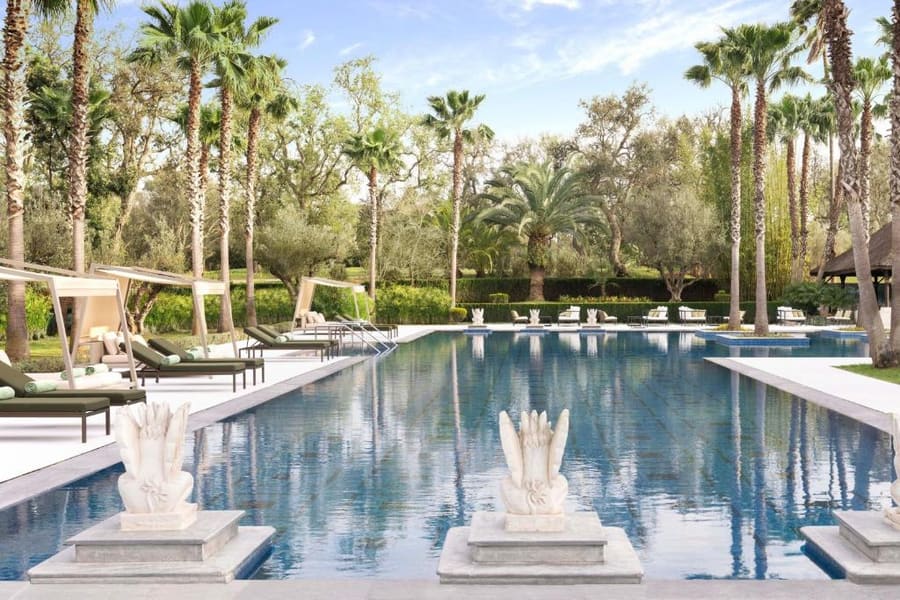
Choose by your preferred morning environment and mobility needs. Medina riads deliver courtyard architecture and quiet nights, but require walking with bags from taxi drop-off points. Ville Nouvelle hotels sit adjacent to the central train station and modern avenues, making regional rail day trips simple. Agdal suits business travellers seeking international hotel standards near the high-speed rail terminal.
Live rates, matched to the areas above.
transport
Rabat features one of North Africa's cleanest and most punctual public transit systems. Moving between major districts requires little more than walking or riding the modern tramway. Petit taxis offer an inexpensive alternative for journeys off the tram corridors.
من Rabat-Salé Airport (RBA)
Buses depart outside the main terminal and align with incoming flights. Stops at Rabat-Ville train station.
Fixed daytime rate for official Grand Taxis into the city centre. Surcharge applies after 20:00.
Rabat's petit taxis are painted blue. Drivers must use the meter (compteur); politely insist on it before closing the door.
Rabat-Ville station serves local trains and the city centre. Rabat-Agdal serves high-speed Al Boraq bullet trains to Tangier and Casablanca.
To reach Salé, take Tram Line 1 across the Hassan II Bridge for 6 MAD, or hire a traditional small wooden boat (flouka) at the river bank for 2.50 MAD.
cost
Rabat is cheaper than Marrakech for accommodation and dining, though official museum admissions and high-end restaurants in Agdal mirror European capital pricing. Cash remains king for small purchases, market transactions, and taxi fares.
Flat fare across both line networks connecting Rabat and Salé.
Freshly squeezed at street stalls around Bab El Had gate.
Includes soup or salads, a main tagine, cooked fruit dessert, and mint tea.
Standard adult ticket for entry to national contemporary art collections.
Standard daytime metered trip within the central city zones.
seasonality
MAR – MAY
Mild temperatures around 20°C and blooming gardens. Ideal for walking historical sights and outdoor dining.
JUN – AUG
Atlantic coastal breezes keep temperatures near 27°C, far cooler than inland Marrakech. Coastal humidity peaks.
SEP – NOV
Warm ocean waters and comfortable daytime temperatures. Autumn rains begin sporadically in November.
DEC – FEB
Cool daytime highs of 16°C with increased rainfall. Riad rooms can feel chilly at night as few feature central heat.
practicalities
Shops in the medina close between 12:00 and 15:00 on Fridays for congregational prayers. Plan museum visits during this window.
ATMs are abundant in Ville Nouvelle and Agdal. Carry cash into the medina and Kasbah, as small vendors do not accept cards.
Rabat is modern but administrative. Modest dress covering shoulders and knees is expected at religious sites and government districts.
Only hire licensed guides wearing official badges. Unlicensed guides offering assistance near Bab Oudaia should be firmly declined.
Ocean currents along the city beach below the Kasbah are notoriously strong. Swim only in designated guarded beach zones.