landmark
Fortezza of Rethymno
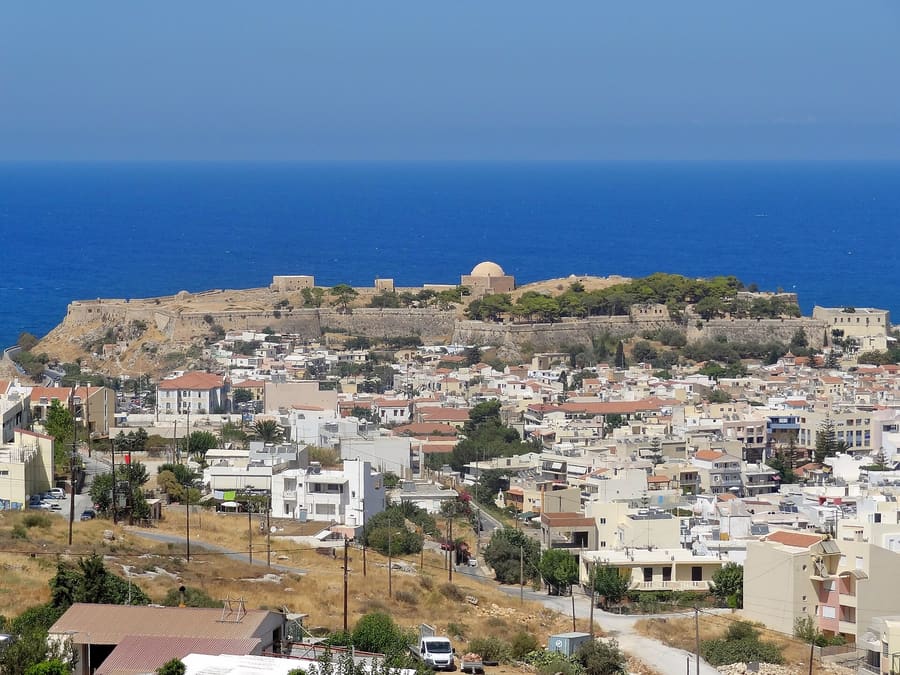
16th-century Venetian citadel on Paleokastro hill. Walk the stone ramparts early to beat heat and afternoon sun.
اسأل Parleyاليونان
Venetian fortifications and Ottoman minarets on Crete.
introduction
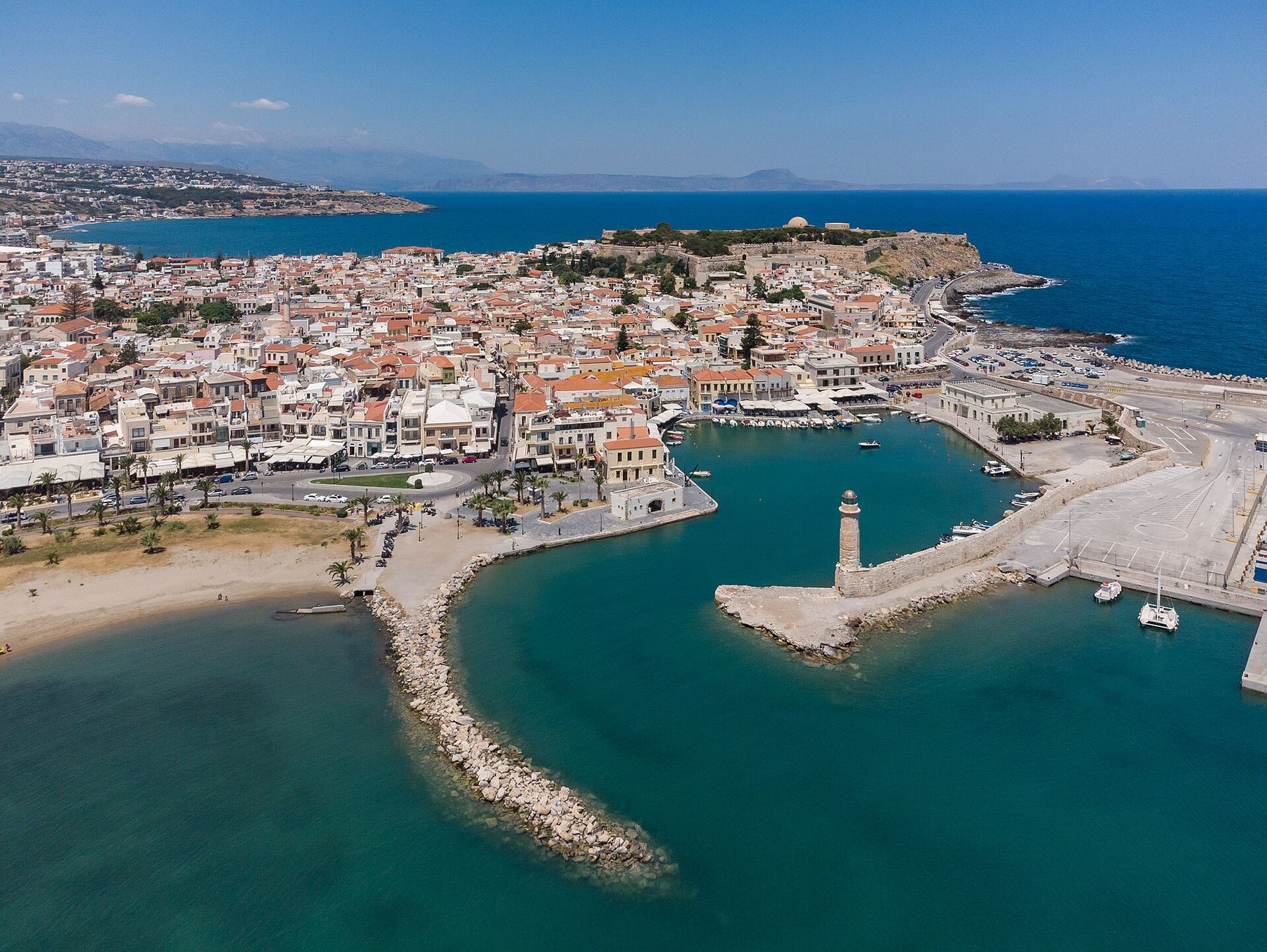
Rethymno Town balances a preserved Renaissance core with an active seaside urban life. Streets in the historic center are narrow and mostly car-free, requiring travel on foot. The Venetian fortress dominates the headland, while a wide sandy beach stretches directly east from the port. You come here for historical architecture and Cretan food without the sheer tourist volume of Chania.
Airport connections
Buses run directly from Chania (65km) and Heraklion (80km) airports to Rethymno central station. The ride takes roughly 75 to 90 minutes.
Renaissance architecture
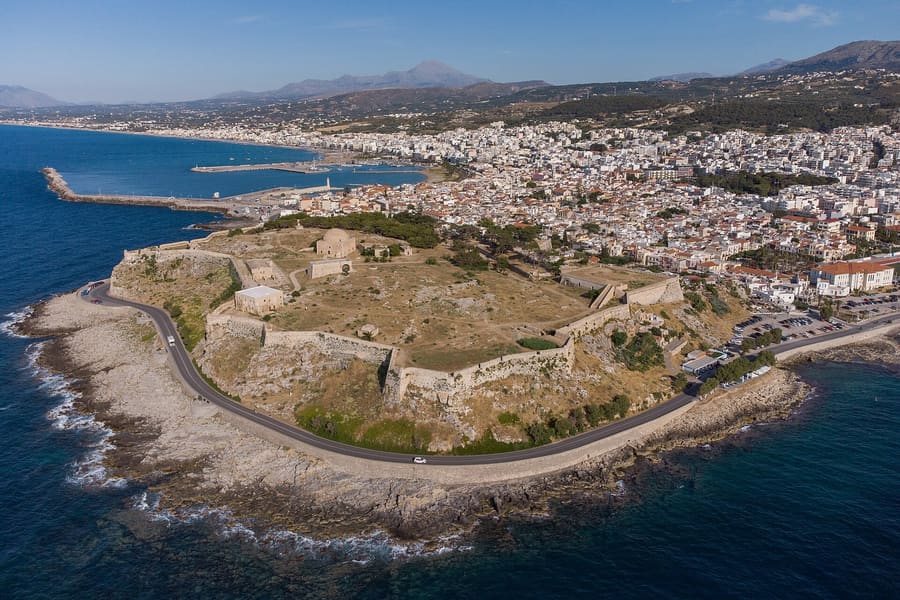
Rethymno holds the largest surviving Venetian fortress complex on Crete. Its city wall remnants date back to the 16th century.
Vehicle restriction zone
Old Town streets close to cars daily from 11:00 to 06:00. Park in the central marina lot before exploring on foot.
highlights
landmark
16th-century Venetian citadel on Paleokastro hill. Walk the stone ramparts early to beat heat and afternoon sun.
اسأل Parley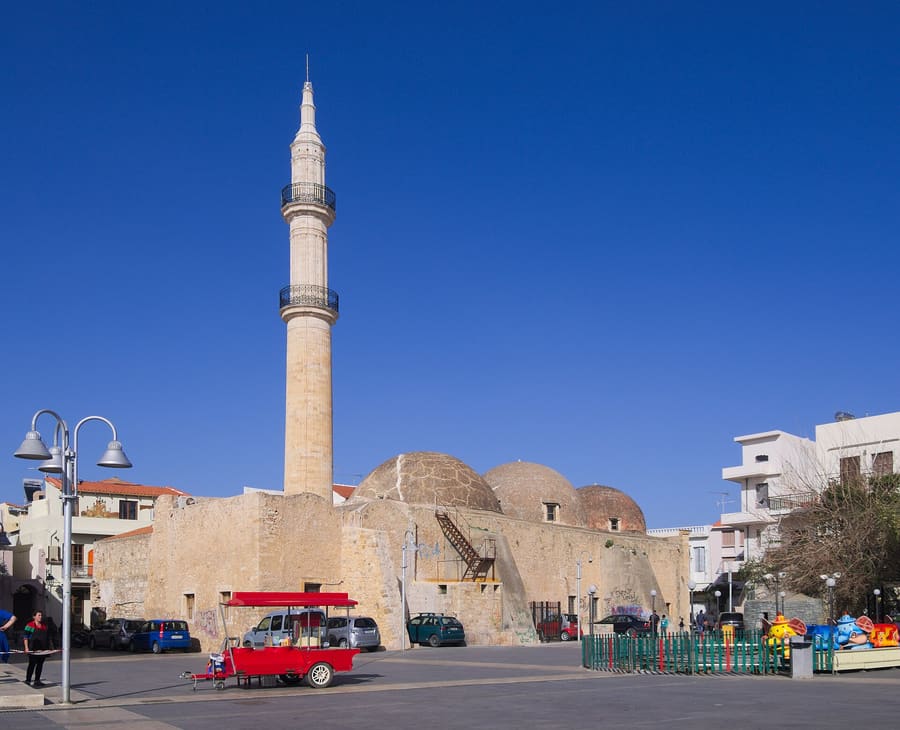
landmark
Former Augustinian church converted into a mosque in 1657. Its 27-meter minaret dominates the skyline.
اسأل Parleyattractions
areas
Stone alleys, Venetian doorways, Ottoman wooden balconies, and shaded dining courtyards.
قريبFortezza, Rimondi Fountain, Nerantze Mosque
اسأل Parley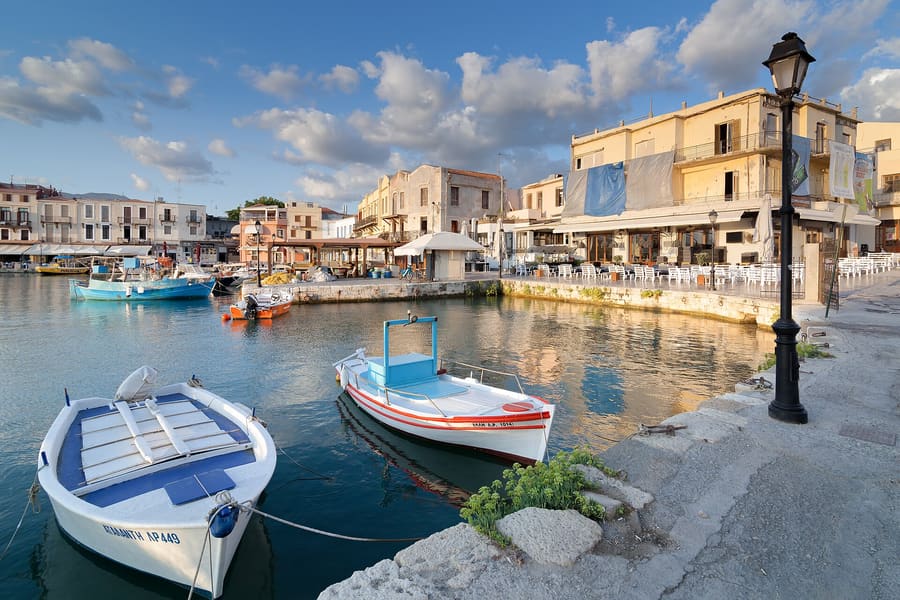
Harbor promenade with historical light, stone piers, and waterfront seafood tables.
قريبOld Town alleys, Fortezza ramparts, Marina
اسأل ParleyModern resort strip along sandy shore with palms, beach clubs, and easy swimming access.
قريبRethymno Beach, Marina, East coastal highway
اسأل ParleyResidential district west of the fortress with sea cliffs, local bakeries, and quiet night streets.
قريبFortezza West slope, Coastal road to Chania
اسأل Parleyfood
Rethymno dining relies heavily on Cretan agricultural traditions. Olive oil, wild mountain greens (*horta*), fresh sheep cheese (*mizithra*), and slow-roasted goat dominate traditional menus. In the Old Town, tavernas hidden in stone courtyards serve *gamopilafo* (rice cooked in rich goat broth) alongside *kalitsounia* (small cheese or herb pastries). A key local destination is Vernardou Street, where the family of master baker Giorgos Hatziparaskos continues operating his historic workshop to pull ultra-thin phyllo dough by hand following his passing in 2024.
Visit the workshop at 30 Vernardou Street in the morning to watch dough stretched paper-thin over felt tables.
Dine away from the harbor front. Alleyway tavernas like Avli or To Steno focus on authentic Cretan recipes.
Crete's grape pomace brandy (*tsikoudia*) is served complimentary at the end of meals alongside fresh fruit or spoon sweets.
history
Rethymno grew under Venetian rule starting in 1204 as a commercial port midway between Chania and Heraklion. The Ottomans captured the city in 1646 after a 23-day siege, adding minarets and wooden upper stories to Venetian stone structures. This dual architectural legacy forms the town center today.
Venetian takeover
Venice assumes control of Crete, developing Rethymno into an intellectual and naval trade center.
Corsair raid
Ottoman corsair Uluj Ali sacks the undefended city, prompting Venetians to construct the Fortezza.
Ottoman conquest
Ottoman forces capture Rethymno, transforming Catholic and Orthodox churches into active mosques.
Union with Greece
Crete formally joins the Kingdom of Greece, ending centuries of foreign administration.
Population exchange
The Treaty of Lausanne forces local Muslim Cretans to leave, repopulating town quarters with Greek refugees.
where to stay
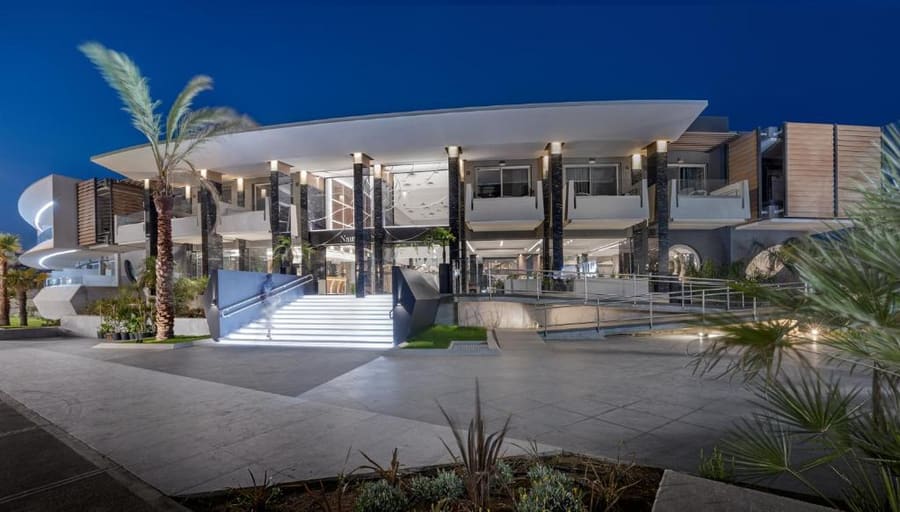
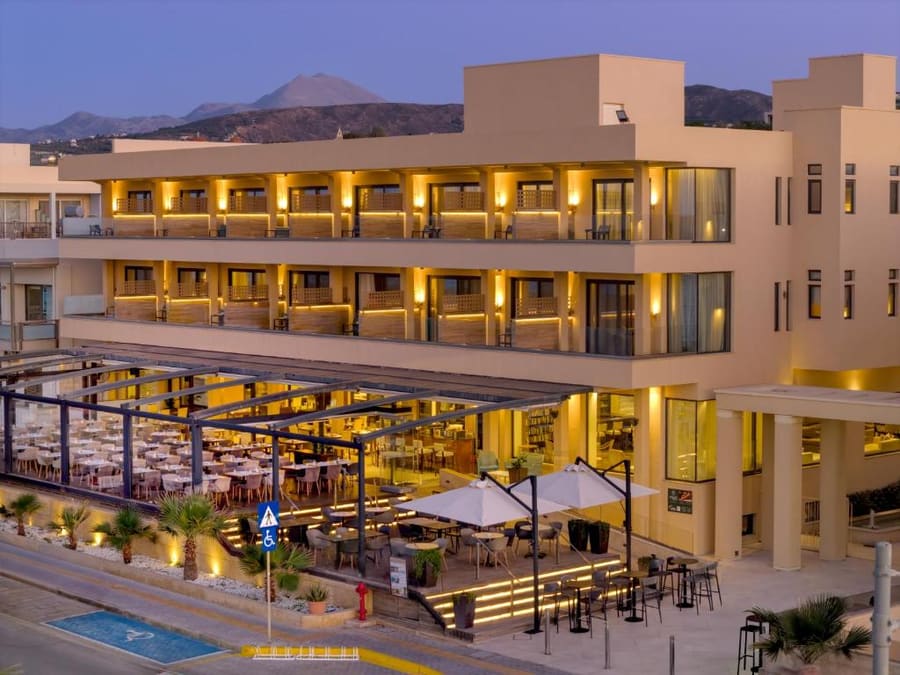
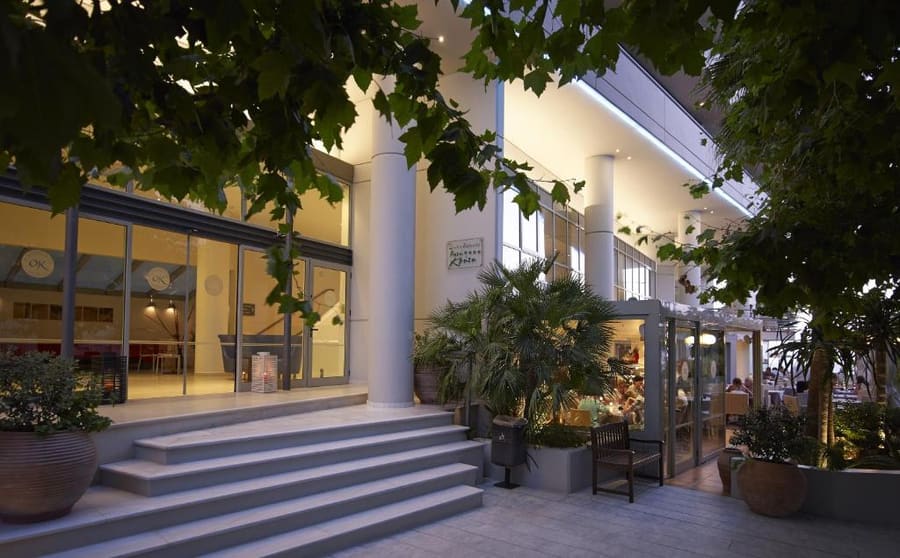
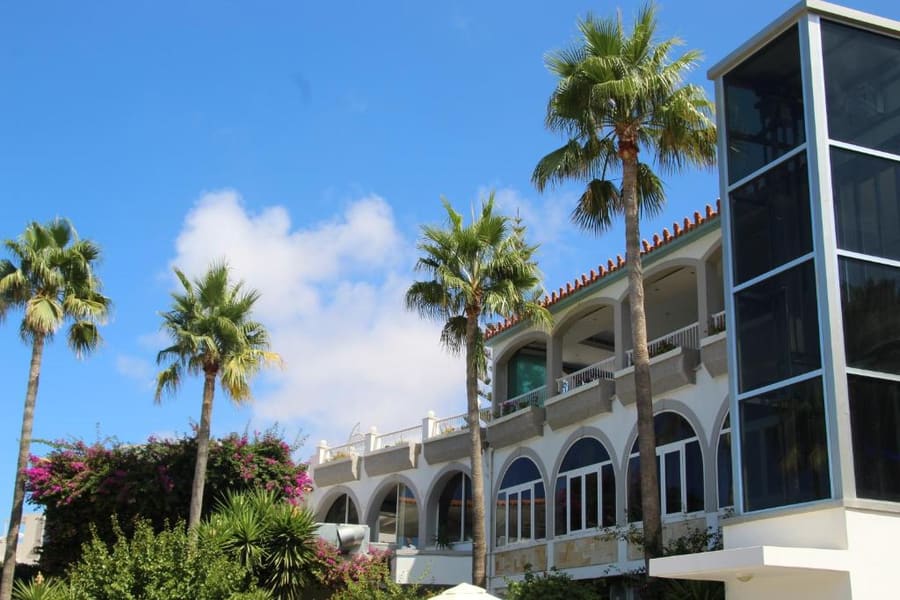
Choose your stay based on priority: heritage atmosphere or immediate beach access. Staying inside the Old Town offers character inside restored Venetian mansions, but you must haul bags from perimeter drop-off points. Staying along Eleftheriou Venizelou or the beach strip grants elevator access, pools, and sandy shorelines, though with higher noise levels and modern resort concrete.
Live rates, matched to the areas above.
transport
Rethymno lacks its own airport or commercial train network. Everything arrives via highway 90 (E75) along Crete's northern corridor. KTEL West Crete operates regular express coach routes linking Rethymno with Chania, Heraklion, and southern coastal villages.
من Chania Airport (CHQ) / Heraklion Airport (HER)
Connect via main bus stations or take direct seasonal airport services.
Flat tariffs apply from official rank stands at both airport arrivals.
Book in advance if travelling with heavy luggage or early morning flights.
The historic quarter spans roughly 800 meters across. No public transit operates inside the pedestrian zone.
Buy urban bus tickets at kiosks or ticket machines before boarding; cash drivers incur a surcharge.
Intercity coaches to Chania and Heraklion run roughly every hour from 06:00 to 22:00 in peak season.
cost
Rethymno is generally 15–20% cheaper than Santorini or Mykonos, and slightly lower priced than central Chania. Prices rise noticeably for seafood along the Venetian harbor and sunbed rentals on beach front rows.
Includes main dish, shared salad, house wine, and complimentary tsikoudia.
Grants full access to fortress grounds, bastion structures, and the Sultan Ibrahim Mosque.
Covers two loungers and one umbrella along the town beach; many bars waive fees with drink orders.
Standard local iced coffee price at town cafes; harborfront venues charge up to €5.00.
seasonality
MAR – MAY
Wildflowers carpet countryside, sea is crisp (~18°C), and town alleys remain comfortable to walk.
JUN – AUG
Hot daily temperatures (30–35°C), crowded beaches, and vibrant outdoor dining past midnight.
SEP – OCT
Warm sea temperatures (~24°C), lighter crowds, and ideal climate for hiking nearby gorges.
NOV – FEB
Quiet winter period; many tourist tavernas close, but local university keeps central bars active.
practicalities
Traditional shops close between 14:30 and 17:30 on Tuesdays, Thursdays, and Fridays, reopening late.
Do not attempt to enter Old Town with a rental car; fine cameras operate at key entrance gates.
Strong northern winds in July and August create strong red-flag waves on the open town beach.
Over 8,000 students live here year-round, keeping cafes and bar streets active outside tourist season.
Polished Venetian cobblestones become slick underfoot; wear rubber-soled shoes for walking.