landmark
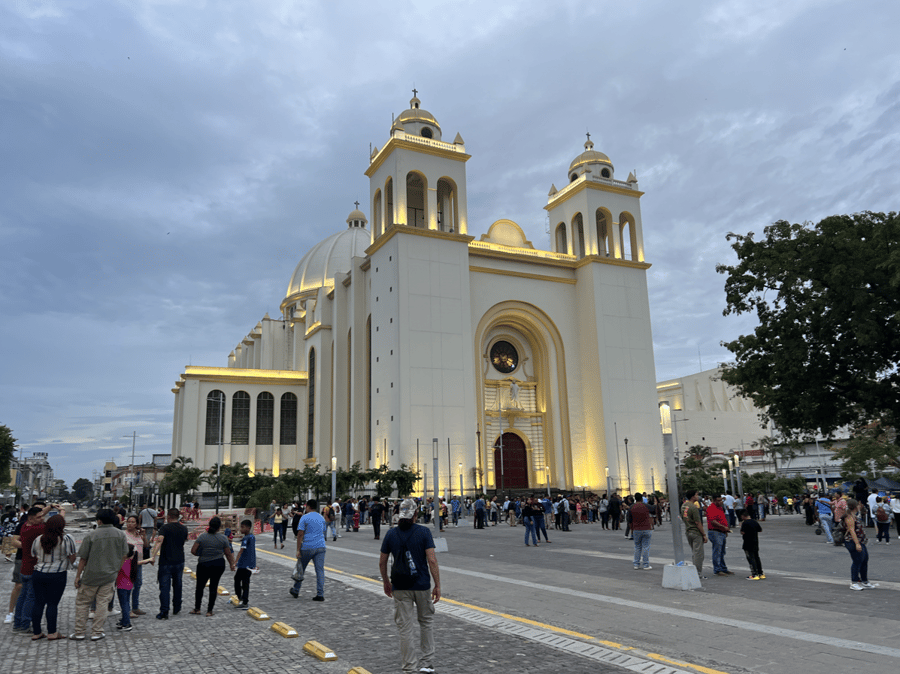
Catedral Metropolitana
Dominates Plaza Barrios. Visit the crypt below to see the tomb of Saint Óscar Romero.
اسأل Parleyالسلفادور
Volcanic ridges, concrete modernist blocks, and fast street food.
introduction
San Salvador spreads across a high valley under the rim of the San Salvador Volcano. High-rises and air-conditioned malls dominate the west, while street markets cover the revitalised central grid. You move through the capital primarily by app taxi or private car, because the public bus system is fragmented. Expect stark visual contrasts between restored historic plazas and sprawling suburban commercial zones.
Airport arrival
El Salvador International Airport sits 44 kilometres south in San Luis Talpa. The drive to the city takes 45 minutes off-peak.
National currency
El Salvador uses the US dollar for all daily transactions. Bitcoin is legal tender, but cash and cards remain standard everywhere.
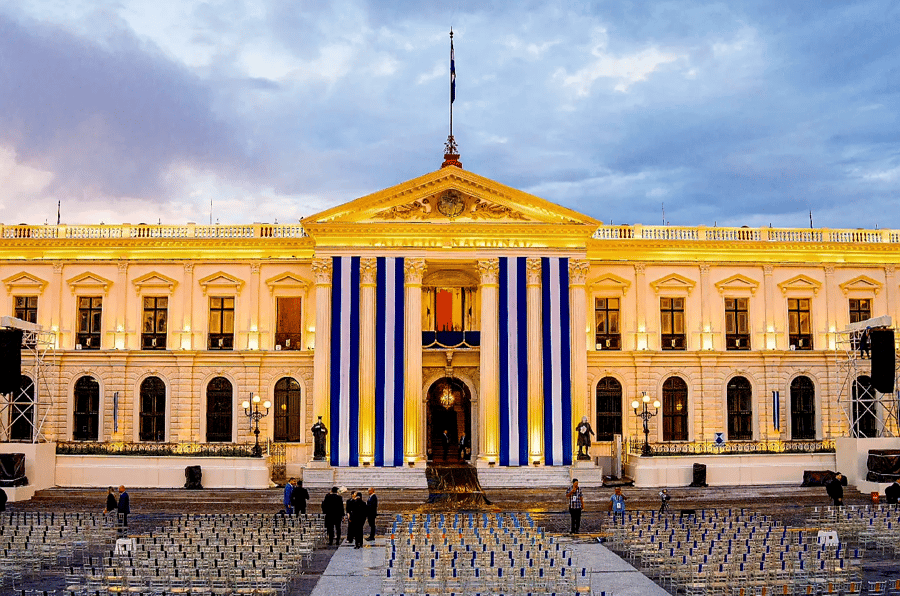
San Salvador
ArodriguezUS · CC BY-SA 4.0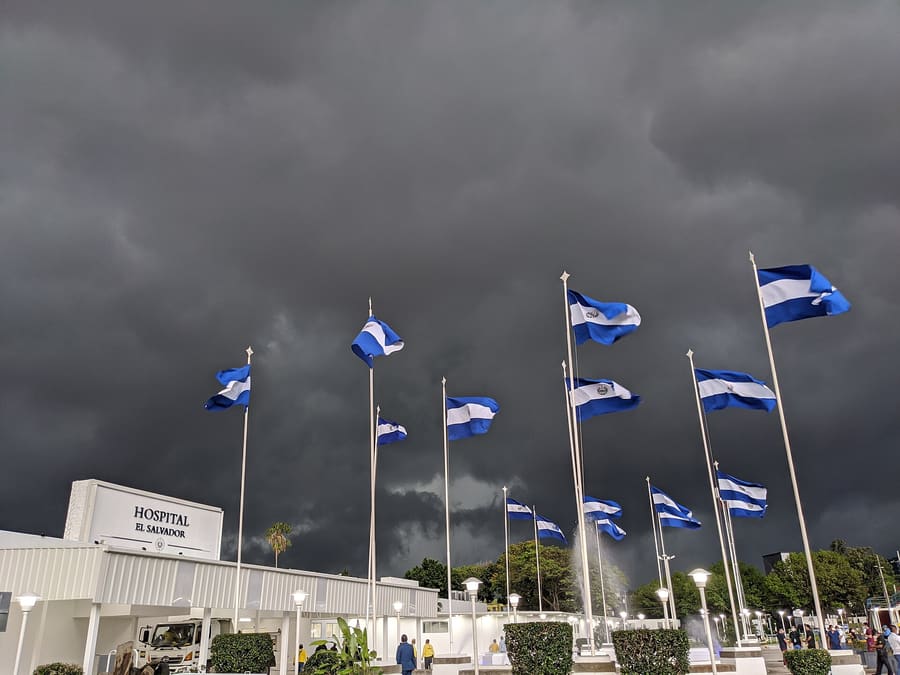
San Benito — Leafy district housing international embassies, contemporary art galleries, and upscale bars.
AndreX · CC BY-SA 4.0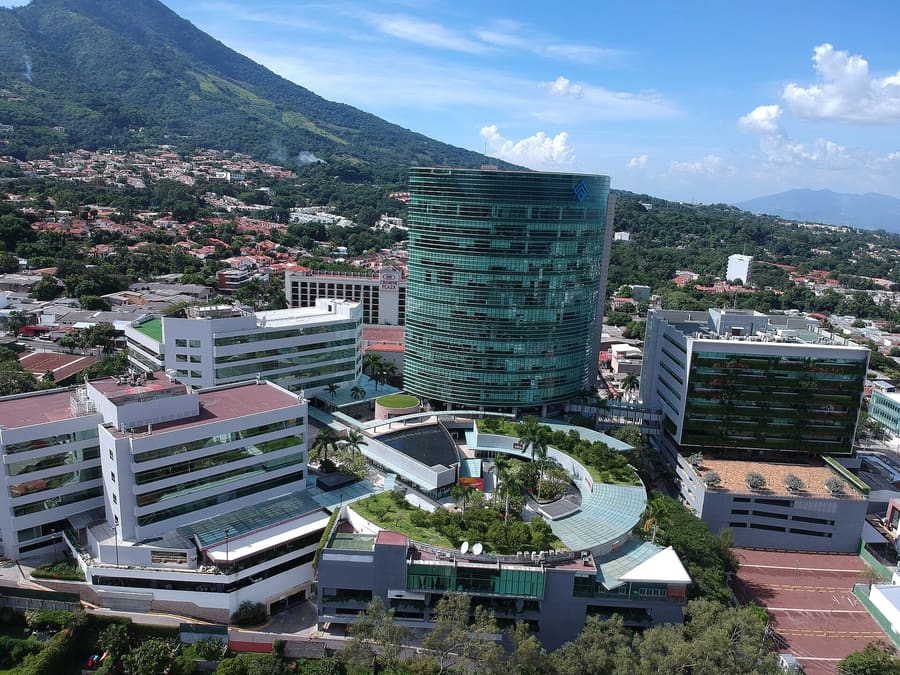
Colonia Escalón — Residential hillside neighbourhood with terraced shopping centers and views over the valley.
JMRAFFi · CC BY-SA 4.0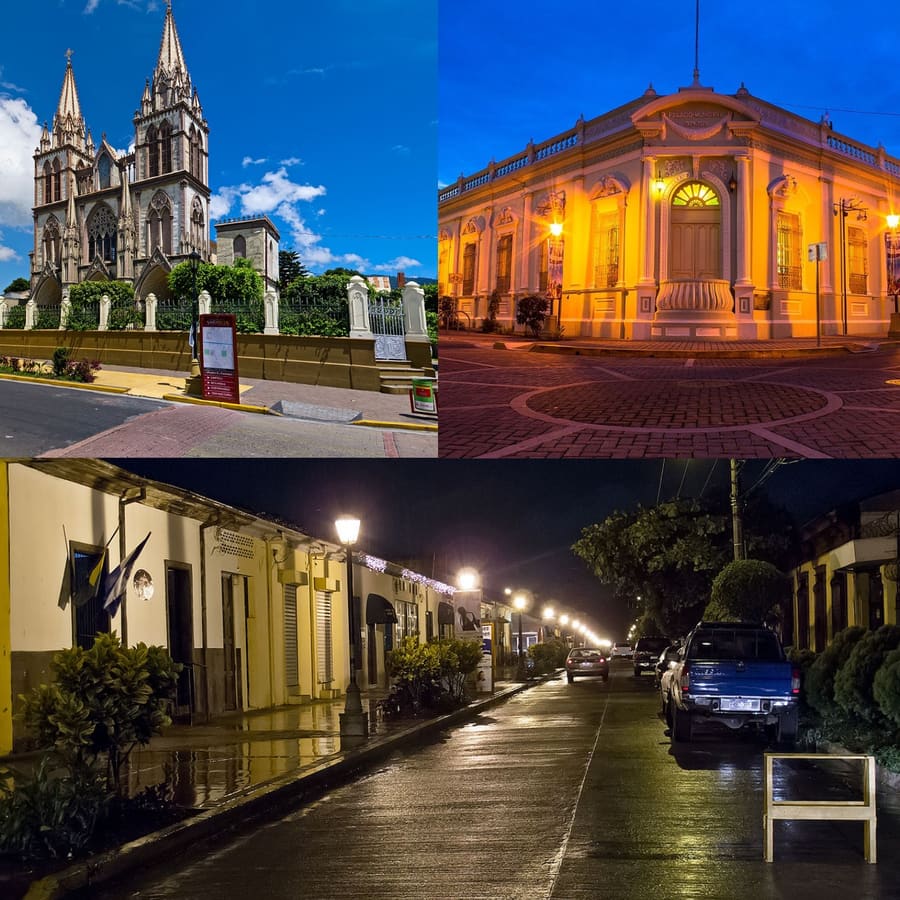
Santa Tecla — Suburban city center with cool mountain air, neoclassical facades, and active pedestrian streets.
Ezecr1s305 · CC BY-SA 4.0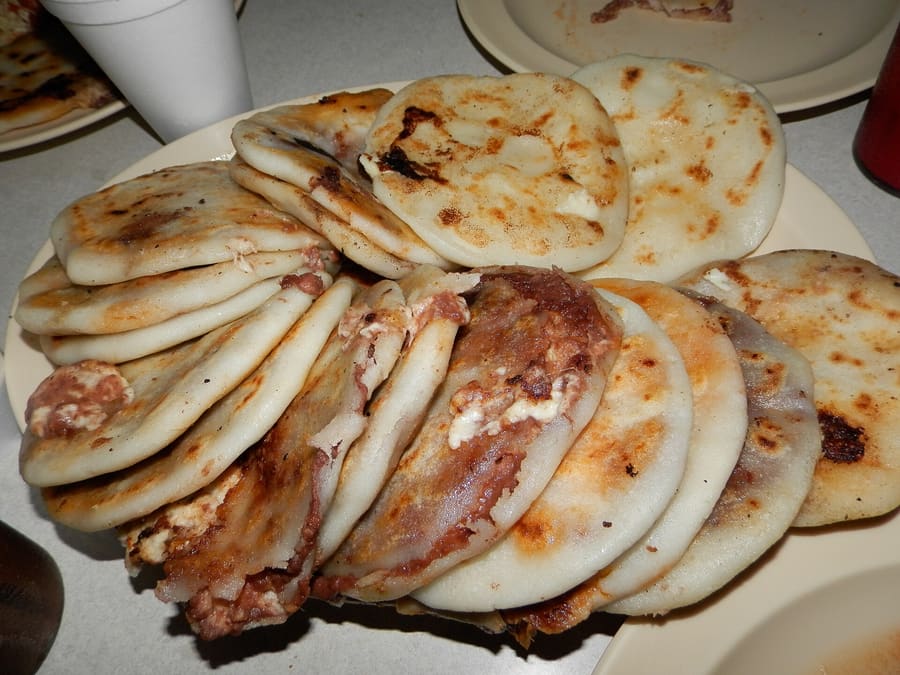
Pupusas cooking on a hot metal griddle at a neighbourhood pupusería.
JMRAFFi · CC BY-SA 4.0highlights
landmark
Dominates Plaza Barrios. Visit the crypt below to see the tomb of Saint Óscar Romero.
اسأل Parley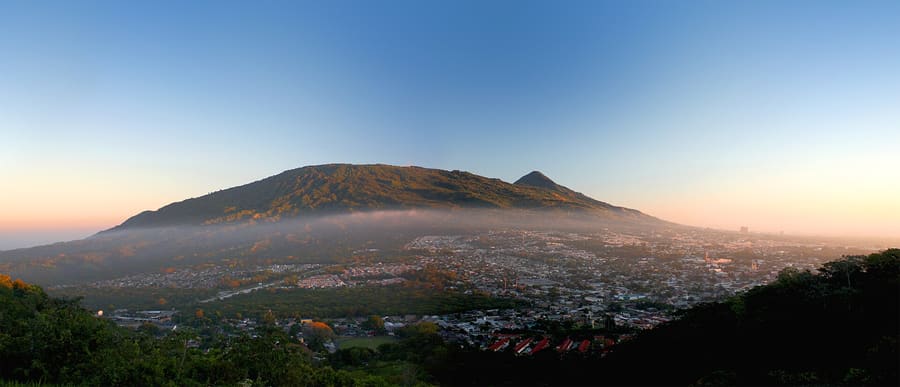
landmark
A volcanic crater 20 minutes from the western suburbs. The rim trails offer clear valley views before noon clouds roll in.
اسأل Parley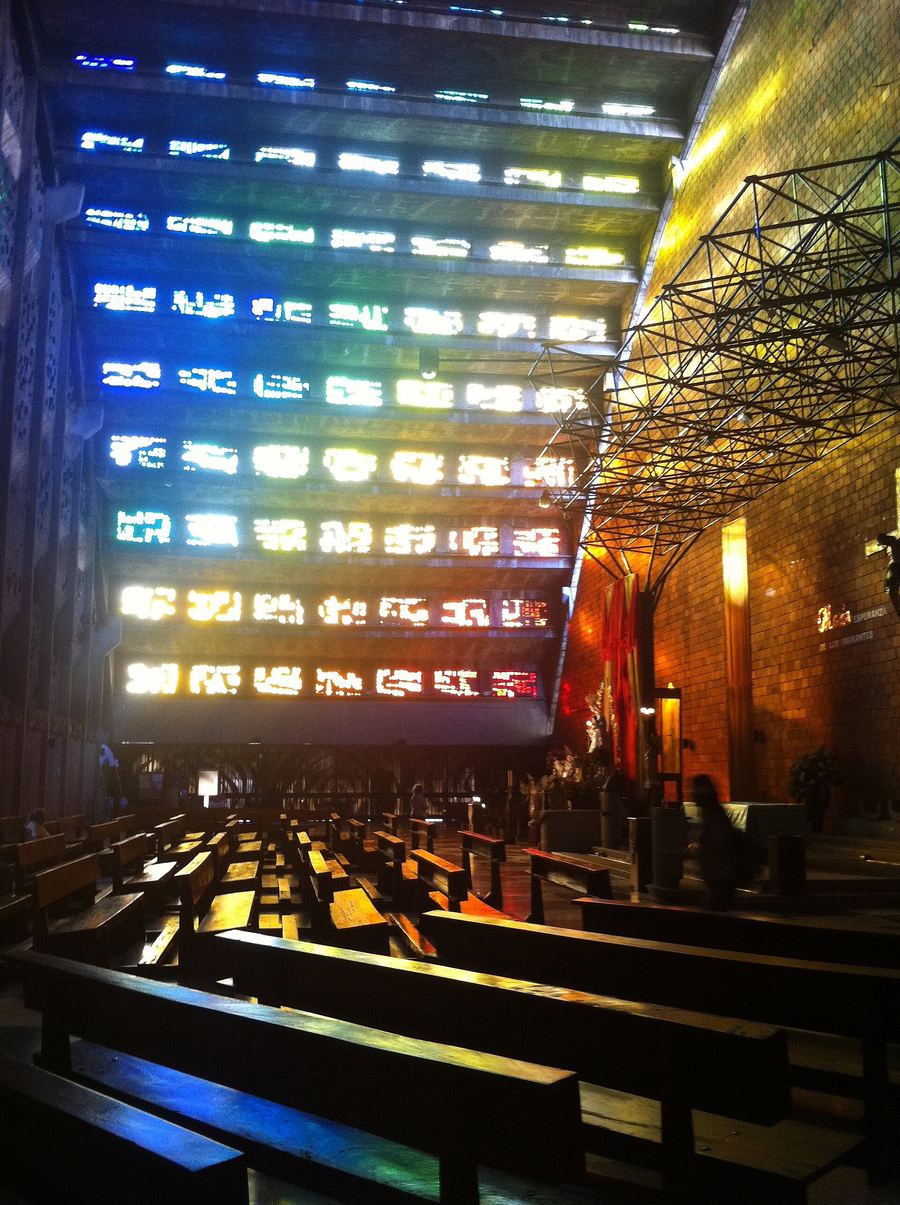
landmark
Brutalist concrete arched church built by Rubén Martínez. Morning light casts rainbow beams across the nave.
اسأل Parley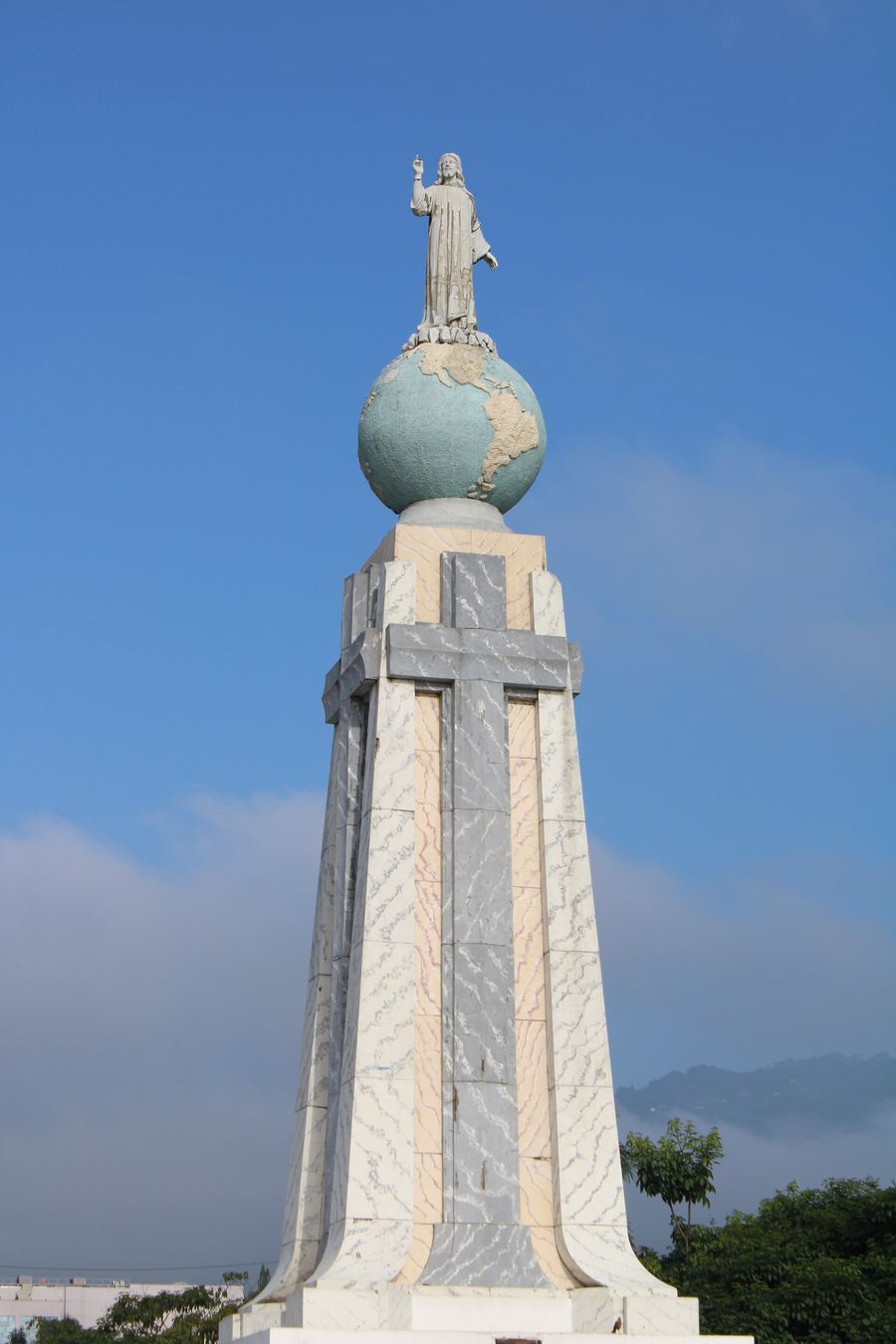
landmark
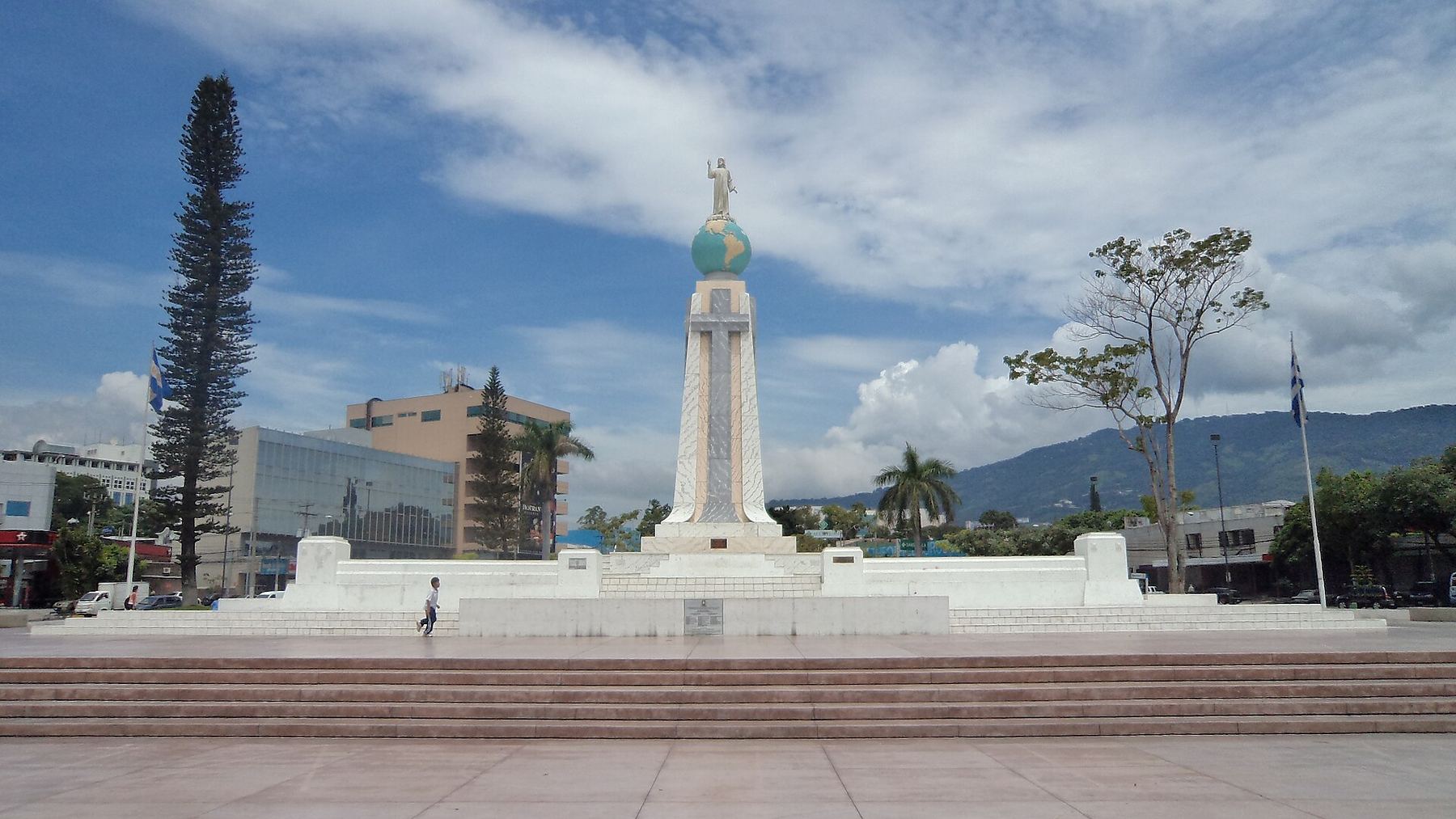
The national landmark on Plaza El Salvador del Mundo. Go at dusk when locals gather and food vendors open.
اسأل Parleyattractions
areas
Leafy district housing international embassies, contemporary art galleries, and upscale bars.
قريبMUNA, Museo MARTE, Zona Rosa
اسأل ParleyResidential hillside neighbourhood with terraced shopping centers and views over the valley.
قريبPlaza El Salvador del Mundo, Paseo General Escalón
اسأل ParleySuburban city center with cool mountain air, neoclassical facades, and active pedestrian streets.
قريبPaseo El Carmen, Parque Daniel Hernández
اسأل Parleyfood
San Salvador runs on pupusas. Cooked on flat iron comales, these thick corn dough discs come stuffed with melted quesillo cheese, ground pork chicharrón, or loroco flower buds. Every neighbourhood operates pupuserías that open in the late afternoon and run until midnight.Table etiquette requires eating pupusas with your fingers rather than a fork. You top each hot dough disc with tangy curtido, a lightly fermented cabbage slaw, and mild red tomato salsa. Specialized spots offer rice flour dough instead of traditional corn dough.High-elevation coffee farms blanket the slopes of the nearby volcano. Local coffee shops serve single-origin bourbon variety beans brewed with pour-over drippers alongside pan dulce pastry rolls.
Pupusas cooking on a hot metal griddle at a neighbourhood pupusería.
JMRAFFi · CC BY-SA 4.0Eat pupusas with your fingers. Cut off a small piece, fold in curtido cabbage, and eat.
Most pupuserías open around 16:00. Locals eat them primarily for dinner, not lunch.
Ask for 'pupusas de arroz' if you want a crispier texture made from ground rice flour.
history
San Salvador was founded by Spanish conquerors in 1525, shifting to its current valley location in 1545. Frequent earthquakes repeatedly destroyed Spanish colonial architecture across three centuries.During the 20th century, rapid coffee export wealth transformed the cityscape with French architectural imports, followed by mid-century brutalist structures built to resist seismic shocks.
Valley establishment
Settlers re-establish San Salvador in the Valle de Las Hamacas after earthquakes destroy earlier sites.
Volcanic eruption
San Salvador Volcano erupts, burying north-western farms under lava and causing widespread urban damage.
Civil War period
A 12-year conflict impacts the capital. Archbishop Óscar Romero is assassinated inside a hospital chapel.
Peace Accords
The Chapultepec Peace Accords formally end the Salvadoran Civil War, initiating central city rebuilds.
Downtown renewal
Municipal projects pedestrianize central streets and open renovated historic plazas.
where to stay
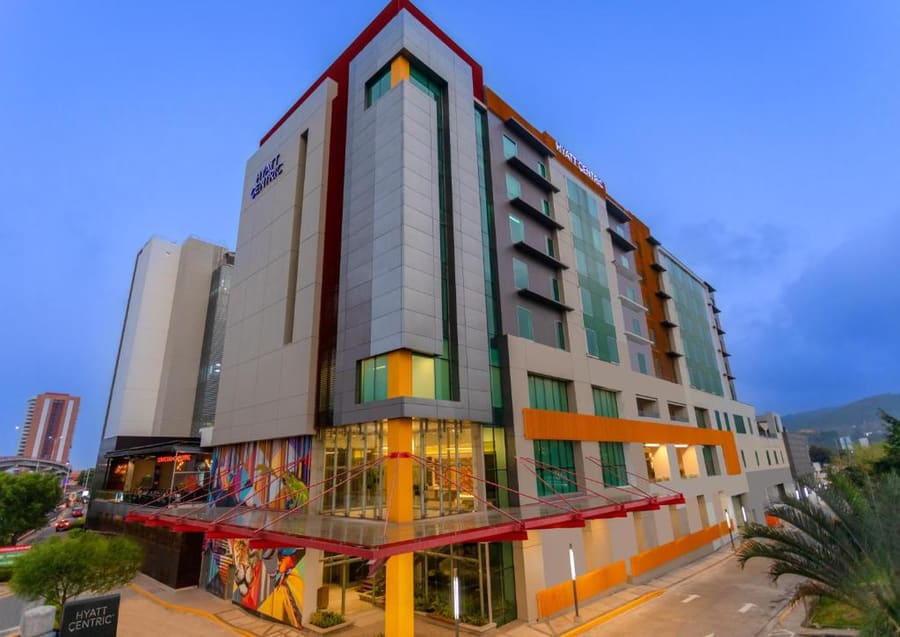
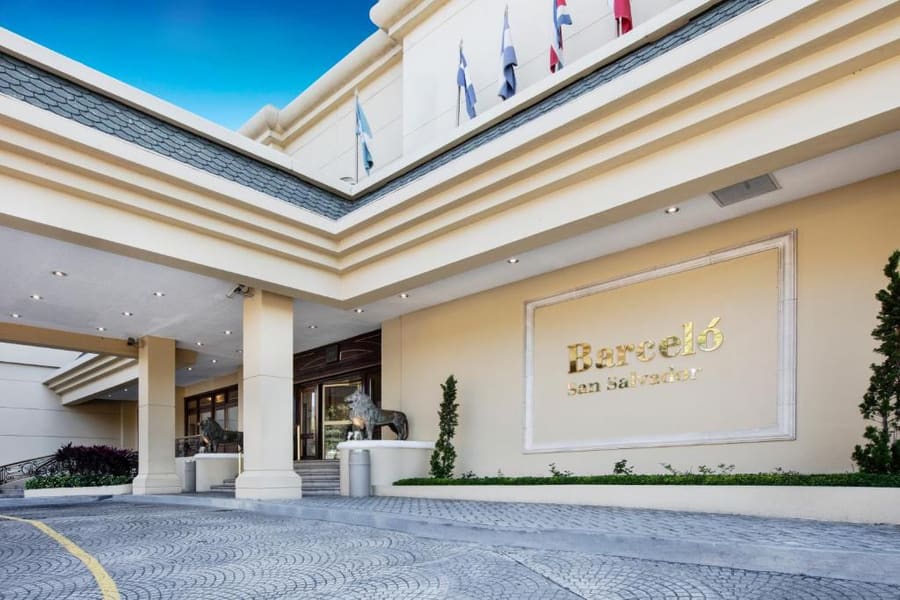
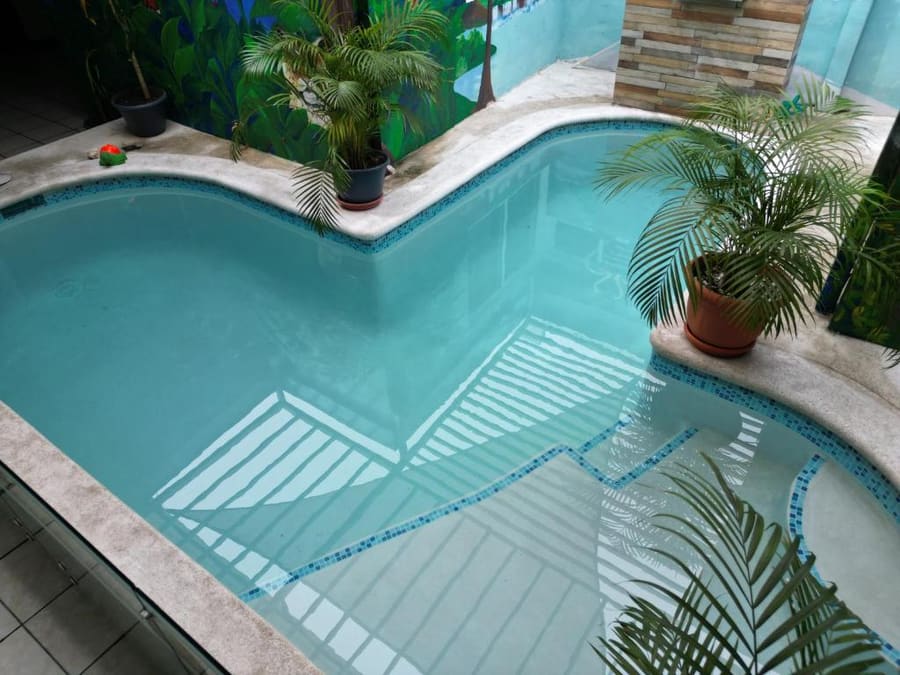
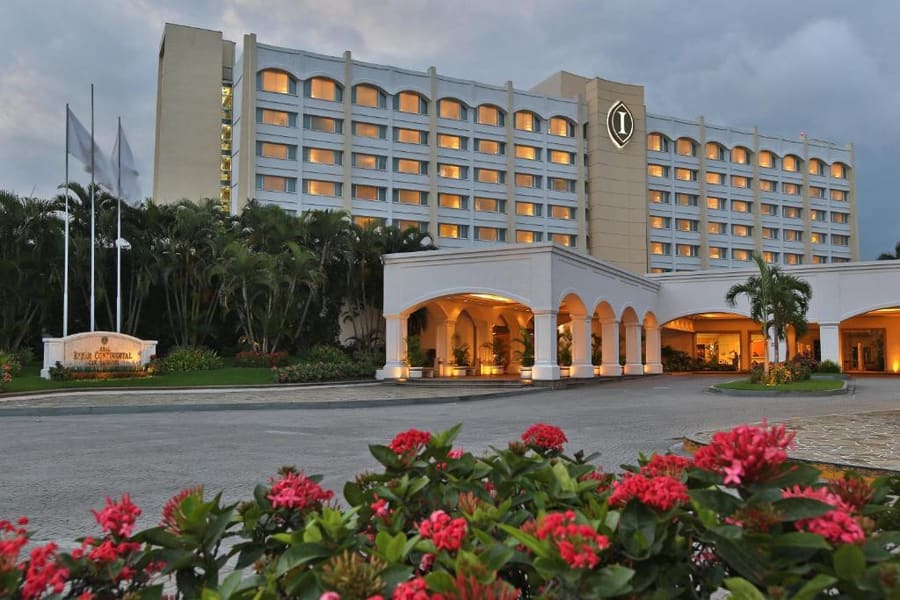
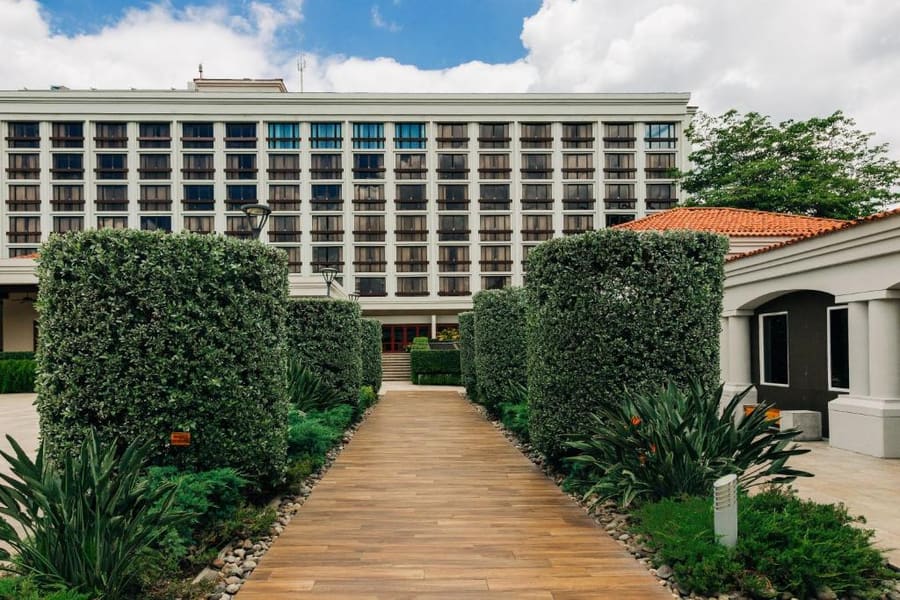
Choose your location based on transport preferences and night activity. San Benito offers leafy streets and walkable dining. Escalón puts you near high-end shopping malls and mountain roads. Centro Histórico keeps you steps from historic landmarks and remains lively and active after dark.
Live rates, matched to the areas above.
transport
San Salvador lacks a unified rapid transit system. Private vehicles and app-based rides dominate safe, reliable city transport. Traditional public buses run throughout the metro area but route maps are unposted and bus crews accept cash fares and provide change.
من SAL
Book via app after exiting arrival doors. Drivers pick up at the outer curb.
Official airport taxis operate from marked desks inside the terminal hall.
Shared vans drop passengers at major hotels in San Benito and Escalón.
Uber operates widely across the capital. Use app-based rides for late-night journeys.
Colectivo buses cost $0.20 to $0.35 in cash. Route numbers are painted directly on the windshield.
Paseo General Escalón and Boulevard Los Próceres stall completely during evening rush.
Bus drivers take exact cash in quarter coins. Transit cards are not used.
cost
San Salvador is affordable compared to North American capitals, though upscale western districts command international prices. Street food offers exceptional value, while international dining in San Benito matches European mid-range rates.
Neighbourhood pupuserías charge under a dollar, while sit-down spots charge up to $1.50.
Covers main courses and drinks at sit-down restaurants in San Benito.
Fares between San Benito and Centro Histórico standardly sit under eight dollars.
Single-origin pour-over brews in specialty cafes throughout Escalón.
seasonality
NOV – FEB
Dry season with comfortable temperatures and clear skies over the volcano rim.
MAR – APR
Hottest months of the year. High temperatures regularly cross 32°C.
MAY – OCT
Rainy season. Heavy downpours occur predictably during late afternoon hours.
practicalities
Carry small dollar bills ($1, $5). Street vendors cannot break $20 bills.
UV radiation is intense year-round. Pack sun protection for morning walks.
Shops in Centro Histórico close early around 18:00, while western malls stay open past 20:00.
Drink bottled or filtered water. Tap water is not recommended for visitors.
San Salvador experiences mild seismic activity. Note emergency exits in modern buildings.