landmark
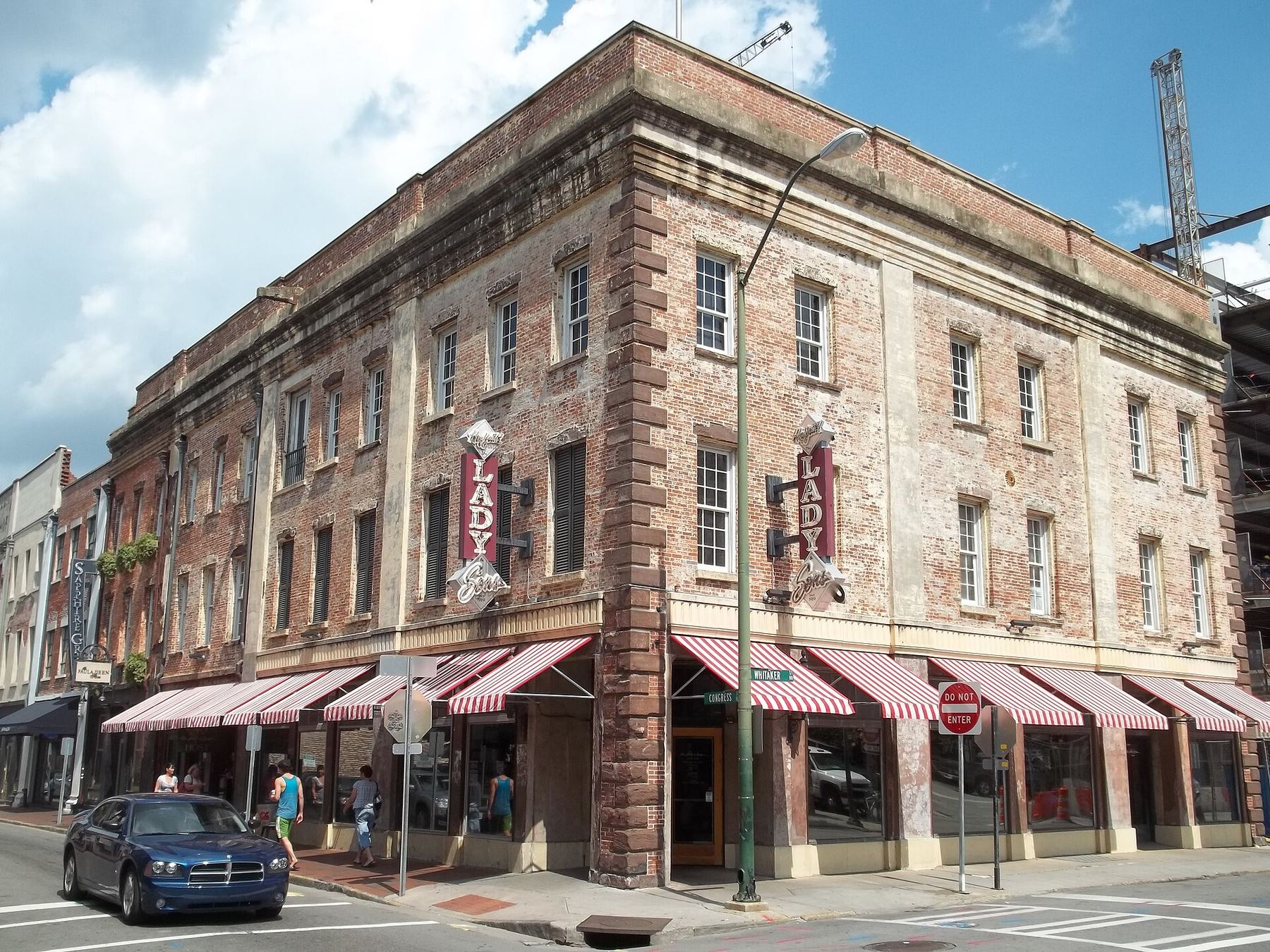
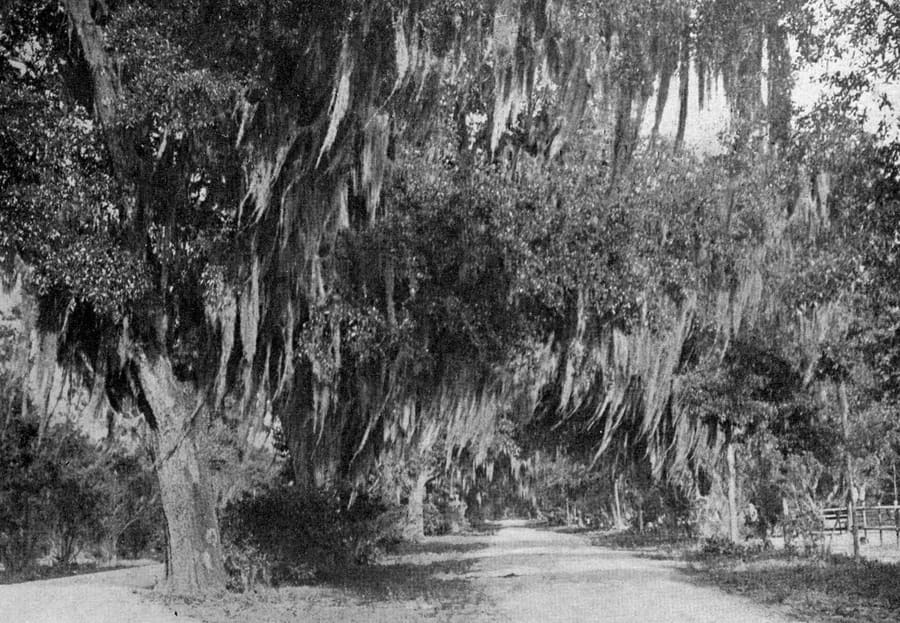
Bonaventure Cemetery
A 160-acre historical cemetery set on a bluff above the Wilmington River. Pick up a map at the main gate to locate key burial plots.
اسأل Parleyالولايات المتحدة
Shaded public squares, riverfront walks, and lowcountry food.
introduction
Savannah is a river port built around a 1733 grid of tree-shaded public squares. You explore the historic downtown entirely on foot, moving from park to park beneath spanish moss. The core stays compact, but heat and high humidity slow your pace by mid-afternoon. Plan indoor museum visits or riverfront drinks for the hottest hours of the day.
Airport transit shortcut
CAT Route 100X buses link the airport to the downtown transit terminal in 25 minutes for under $4. Rideshares cost triple during peak hours.
Historic grid design
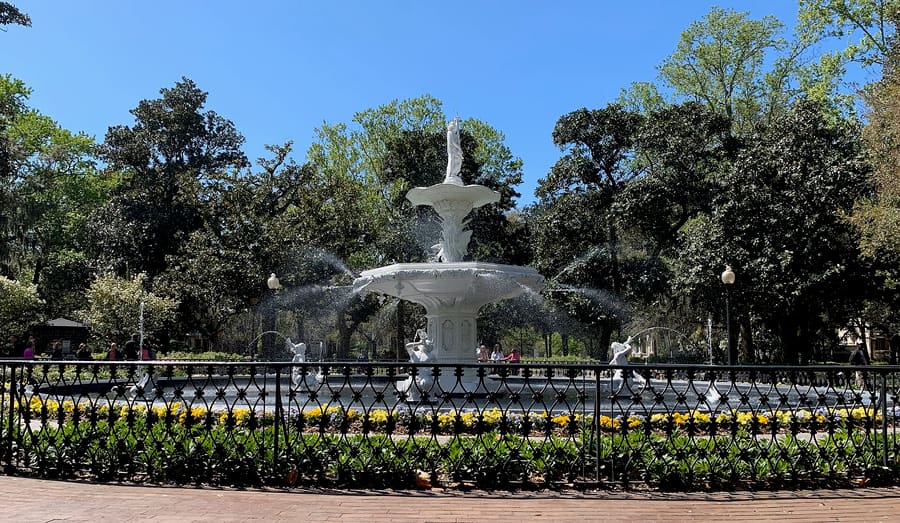
Savannah received National Historic Landmark status in 1966. Its original 1733 ward layout remains preserved across 22 public squares.
Savannah
Seasider53 · CC BY-SA 4.0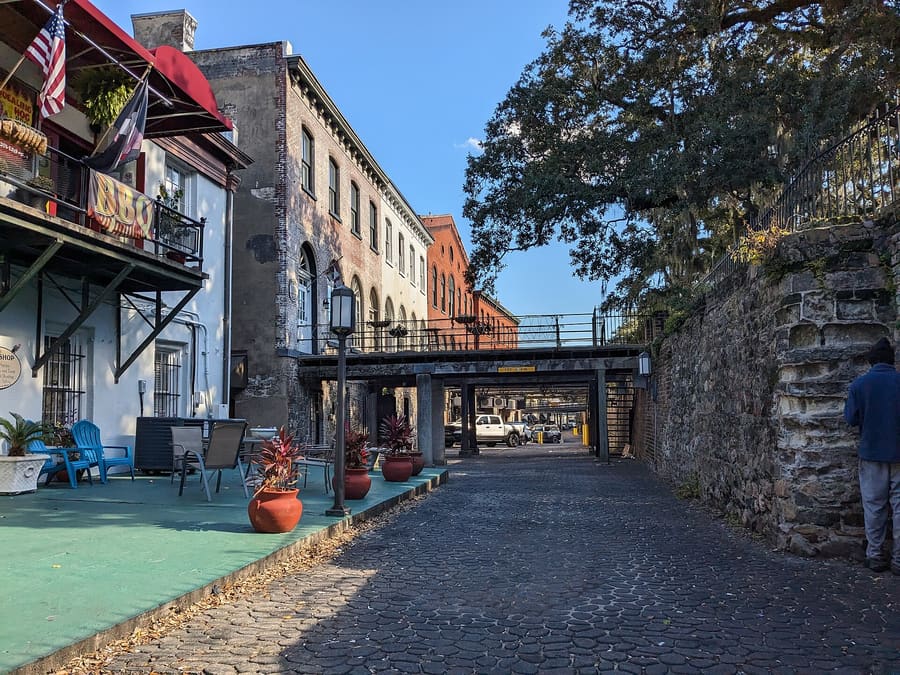
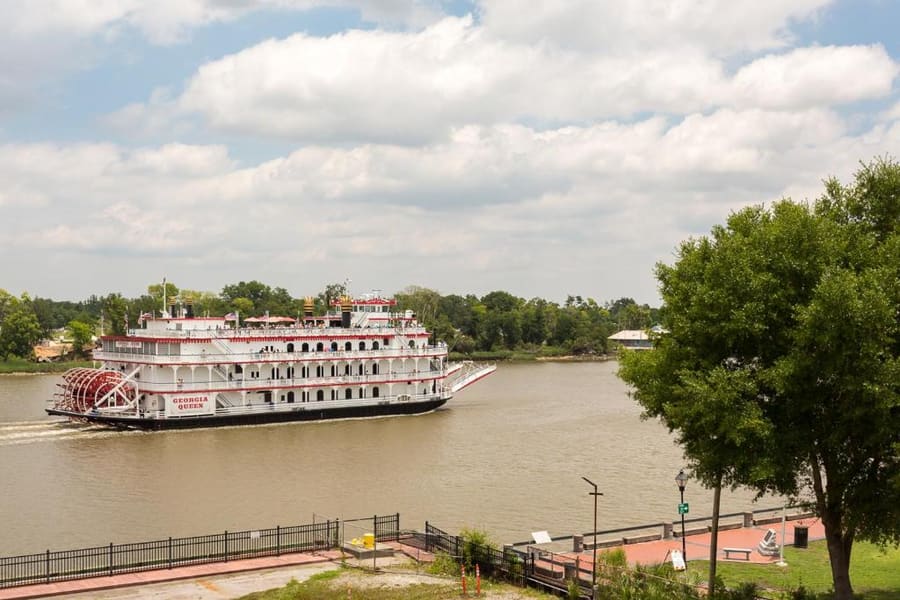
Historic District North — Restored cotton warehouses and commercial streets along the river. Expect heavy foot traffic and late nightlife.
Pokemonprime · CC BY 4.0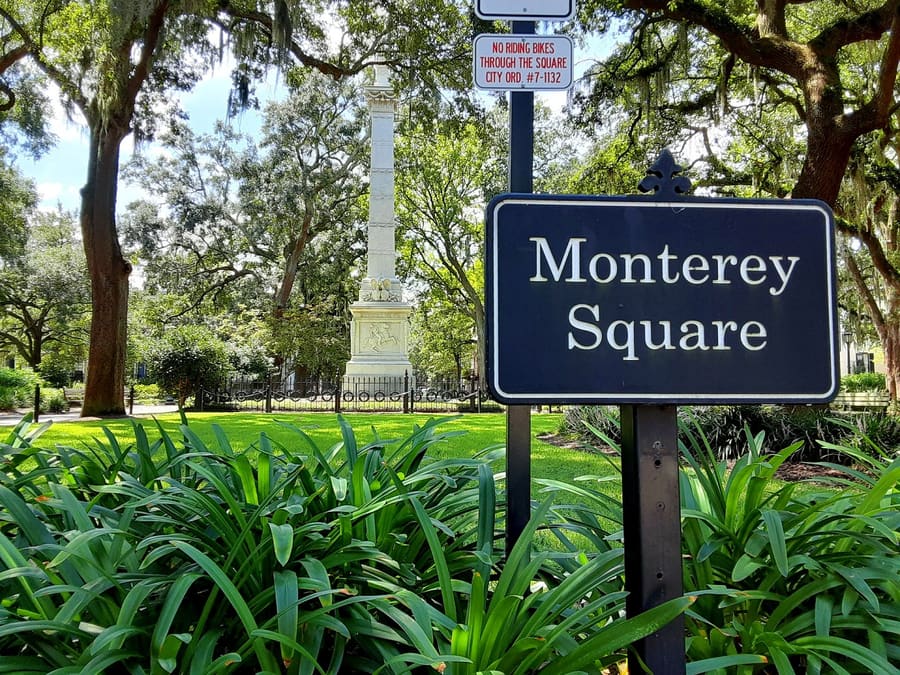
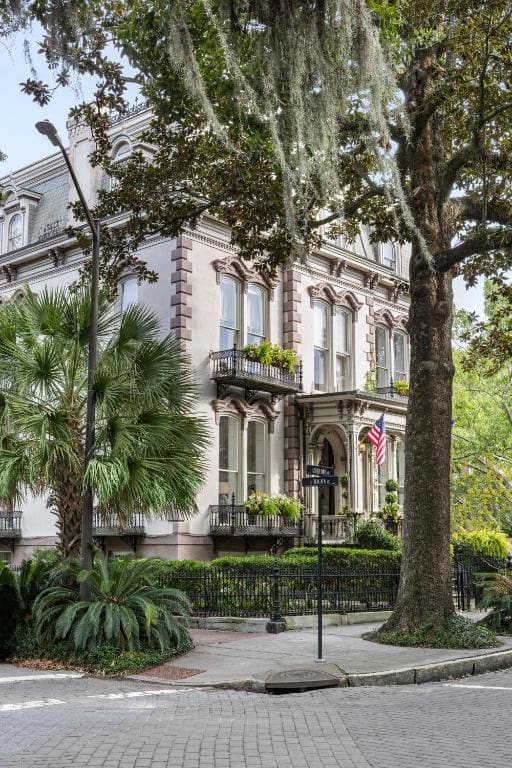
Historic District South — Quiet residential streets framed by moss-draped live oaks, historic squares, and brick townhouses.
JeffersonLH · CC BY-SA 4.0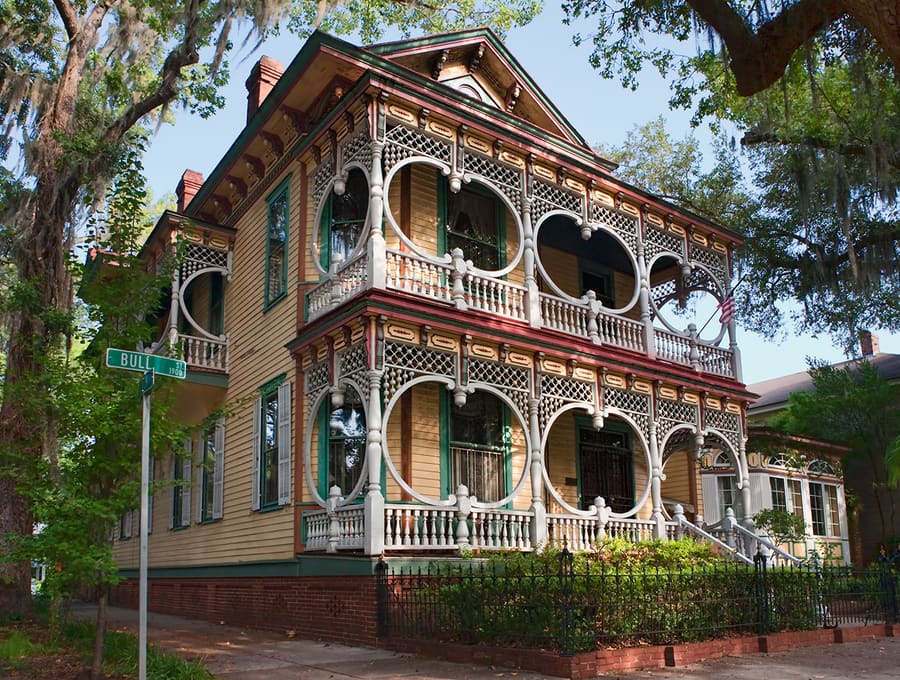
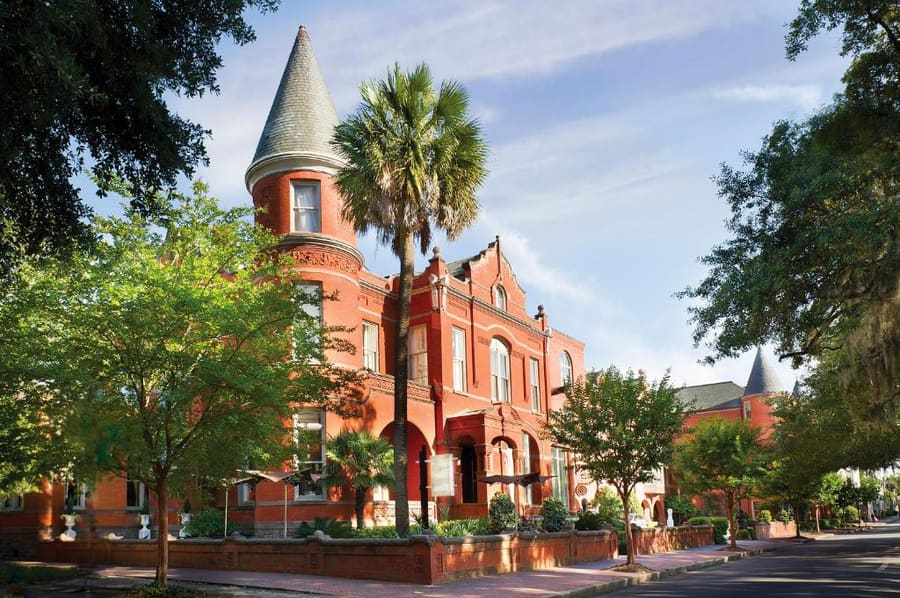
Victorian District — Intricate wood-trimmed homes and wide avenues located directly south of Forsyth Park.
Photoartel · CC BY-SA 3.0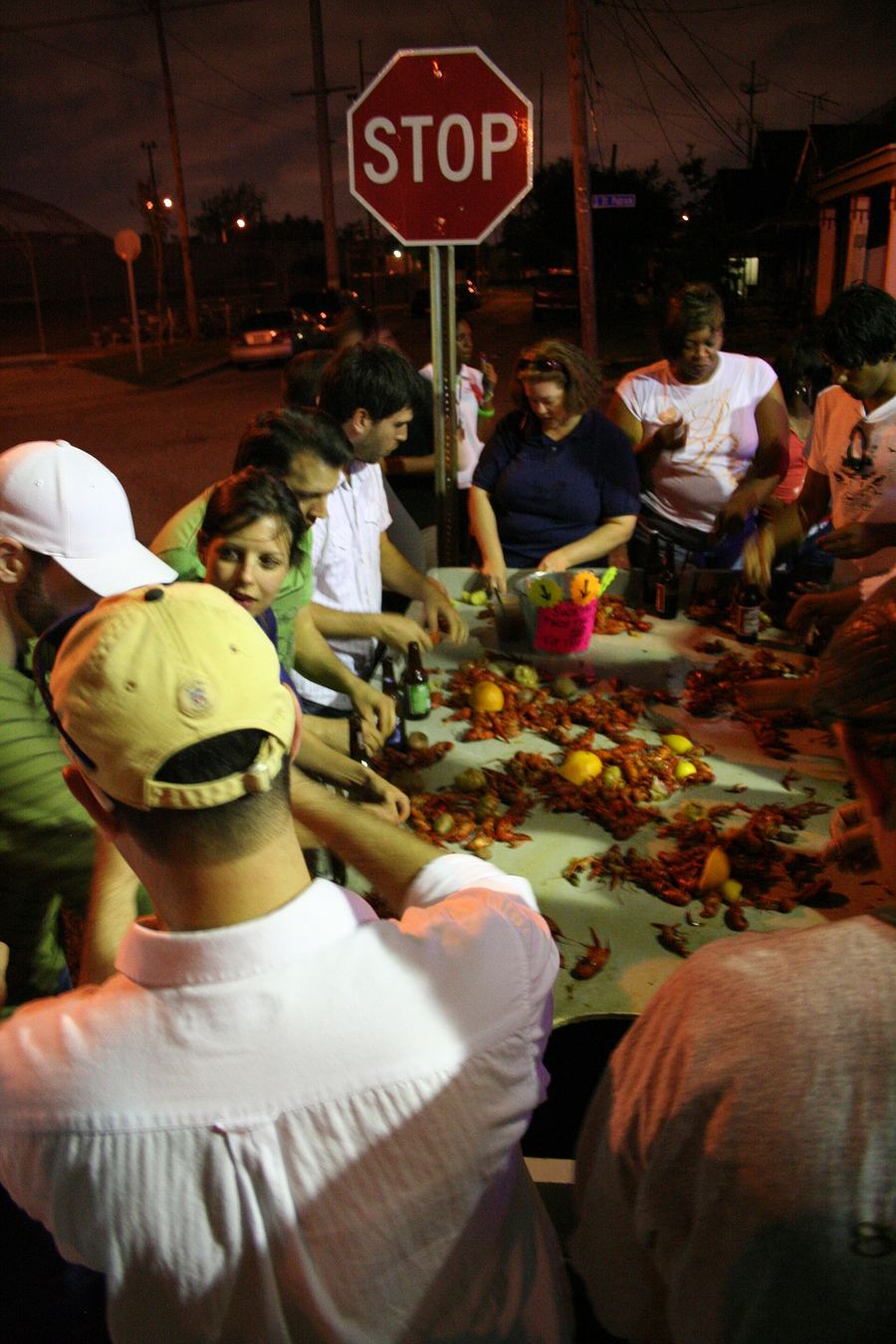
A traditional Lowcountry boil served with wild Georgia shrimp and corn.
Matthew Ginger · CC BY 2.0highlights
landmark
A 160-acre historical cemetery set on a bluff above the Wilmington River. Pick up a map at the main gate to locate key burial plots.
اسأل Parley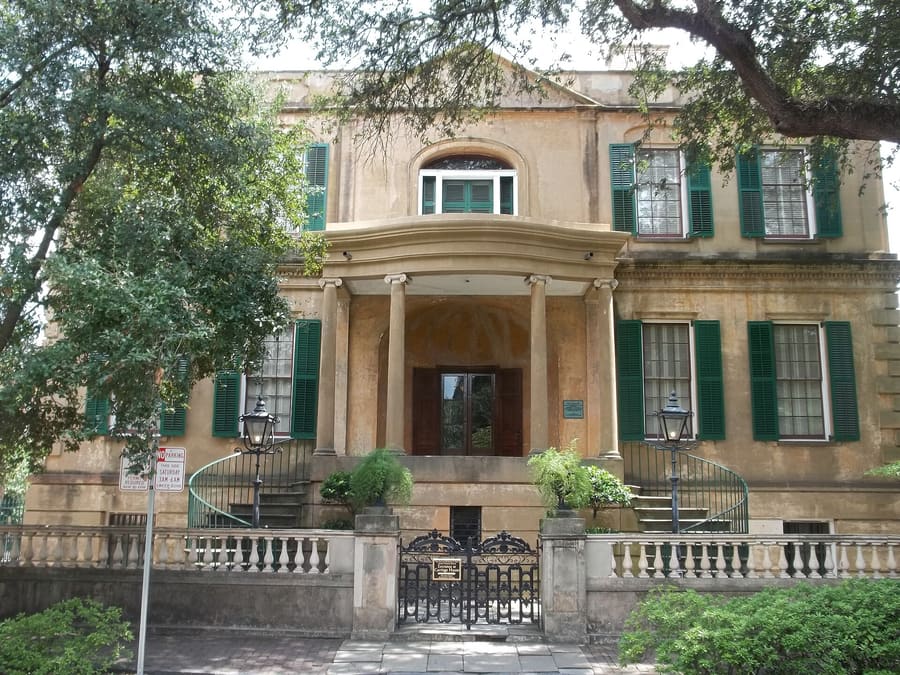
landmark
An 1819 Regency mansion preserving original urban slave quarters. Admission includes entrance to two nearby Telfair museum sites.
اسأل Parley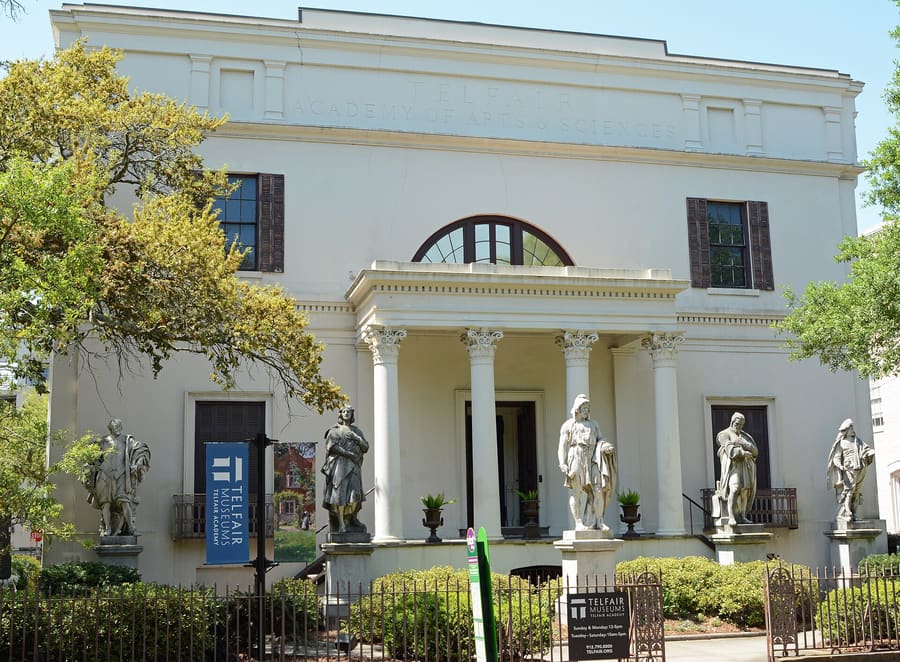
landmark
The oldest public art museum in the American South, located inside an 1818 townhouse. Holds American and European paintings.
اسأل Parley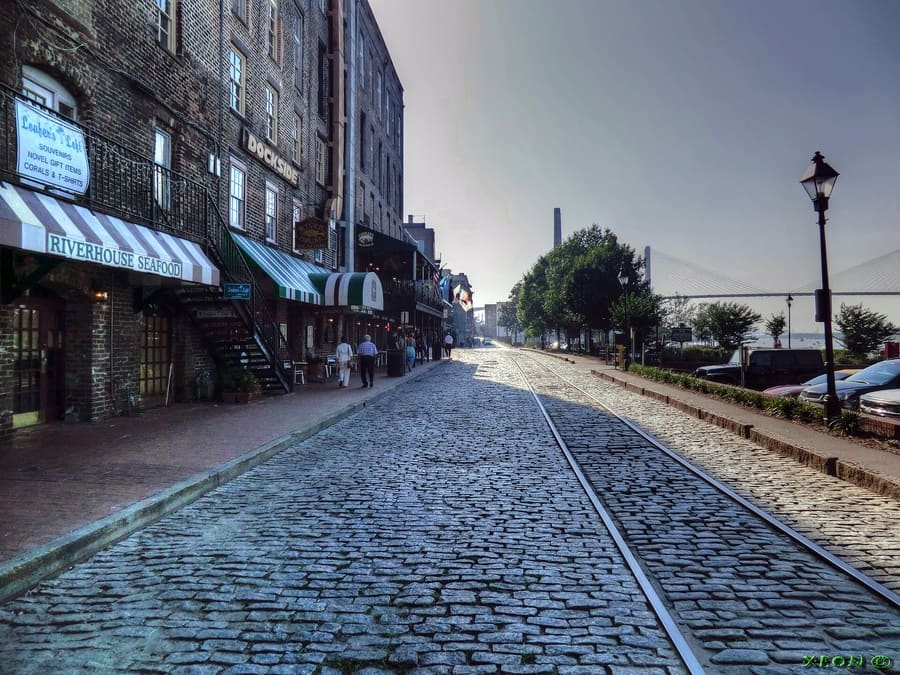
landmark
A riverfront strip of 19th-century cotton warehouses converted into shops and bars. Wear sturdy shoes for the ballast-stone paving.
اسأل Parleyattractions
areas
Restored cotton warehouses and commercial streets along the river. Expect heavy foot traffic and late nightlife.
قريبRiver Street and City Market
اسأل ParleyQuiet residential streets framed by moss-draped live oaks, historic squares, and brick townhouses.
قريبForsyth Park and Lafayette Square
اسأل ParleyIntricate wood-trimmed homes and wide avenues located directly south of Forsyth Park.
قريبForsyth Park south entrance
اسأل ParleyRepurposed industrial spaces housing vintage clothing shops, record stores, and local cafes.
قريبBull Street corridor
اسأل Parleyfood
Savannah dining revolves around Lowcountry cuisine, which relies on coastal seafood, stone-ground cornmeal, and local pork. Regional staples like shrimp and grits, crab stew, and fried green tomatoes appear on menus across every neighborhood. High demand means popular dinner tables book weeks in advance, while traditional lunch rooms rely on physical queues.The city enforces an open-container policy across the historic district. You can purchase alcoholic beverages at restaurants or bars and exit onto public sidewalks, provided the drink remains in a plastic cup under 16 ounces. Drinking from glass containers or metal cans on streets remains illegal.
A traditional Lowcountry boil served with wild Georgia shrimp and corn.
Matthew Ginger · CC BY 2.0Mrs. Wilkes' Boarding House serves family-style Lowcountry lunches at shared tables. The restaurant accepts cash or personal checks only.
Anchor restaurants like The Grey accept reservations up to 30 days ahead. Weekend dinner slots fill minutes after release.
history
General James Oglethorpe founded Savannah in 1733 as the capital of the Georgia colony. His urban layout used a modular ward system built around central public squares. The city prospered through timber and cotton trading, operating a major sea port that relied on enslaved labor across nearby sea island plantations.The city survived the Civil War without major destruction, avoiding the fires that ruined other Southern ports. Mid-20th-century preservation efforts saved hundreds of 19th-century brick townhouses from commercial demolition, forming the modern historic core.
City founded
James Oglethorpe lands on the Savannah River bluff and establishes the city grid.
Civil War surrender
Union forces occupy Savannah without destroying the historic town architecture.
Preservation movement
Seven women form the Historic Savannah Foundation to prevent demolition of historic homes.
Landmark designation
The U.S. federal government designates the downtown core a National Historic Landmark District.
where to stay
Select your hotel location based on noise tolerance and mobility needs. Historic District North puts you steps from riverfront dining and late-night nightlife, but street traffic and late crowds bring night noise. Historic District South offers quiet square-facing inns within walking distance of Forsyth Park.
Live rates, matched to the areas above.
transport
Savannah is a compact, flat city designed for walking. The central historic district covers roughly one square mile, making cars unnecessary for daily sight-seeing. Public transit options cover the core for free, while rideshares handle longer trips south to Starland or east to Bonaventure Cemetery.
من Savannah/Hilton Head International Airport (SAV)
CAT Route 100X Express connects the airport directly to the downtown transit center.
Pickups occur outside baggage claim at designated app-based ride zones.
Flat-rate fares apply from the airport to destinations in the historic downtown core.
The city runs a free bus shuttle called the Dot along two loops in the historic district every 10 minutes.
Free passenger ferries cross the Savannah River between River Street and Hutchinson Island every 20 minutes.
Walking across the entire historic core takes 20 minutes. Parking garage fees often exceed daily rental costs.
Street meters run Monday through Saturday from 8:00 to 20:00. Pay using coins or the ParkSavannah mobile app.
cost
Savannah costs align with mid-sized American tourist cities. Spring peak season drives accommodation prices up significantly. You save on local transportation by relying on walkability and free municipal transit routes.
The city offers zero-fare transit across the historic core using the Dot bus shuttle service.
Hop-on hop-off guided trolley passes cover all major historic squares for a single day.
Local breweries charge standard pint prices across historic district pubs and bars.
Seafood restaurants price fresh coastal shrimp platters based on market availability.
seasonality
MAR – MAY
Azaleas bloom and temperatures stay pleasant. Peak spring festivals drive hotel rates to annual highs.
JUN – AUG
High temperatures and intense humidity lower room rates. Heavy afternoon thunderstorms occur regularly.
SEP – NOV
Humidity drops and fall food events open. Coastal hurricane season runs through late November.
DEC – FEB
Cooler days bring smaller crowds and cheaper lodging. Some historic house tours run reduced winter hours.
practicalities
Coastal sand gnats and mosquitoes become active at dusk near shaded parks. Insect repellent is necessary from May to October.
Uneven brick sidewalks and cobblestone river streets cause trips. Flat walking shoes work far better than heels.
Walking tours operate under strict municipal noise laws after 22:00 near residential squares.
Telfair Museums sell discounted combination passes covering Telfair Academy, Jepson Center, and Owens-Thomas House.
The Savannah River has swift tidal currents and heavy cargo ship traffic. Swimming along River Street is strictly prohibited.