landmark
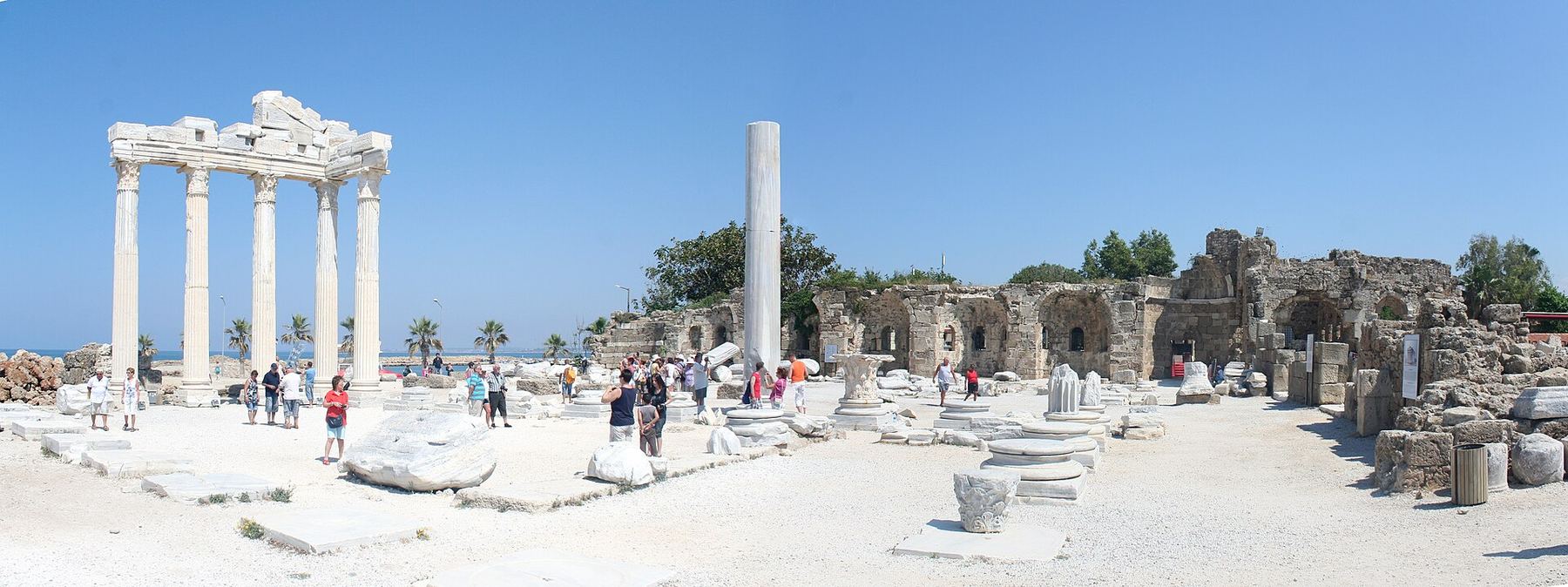
Temple of Apollo
Five standing Corinthian columns mark the edge of the sea. Visit at sunset when the marble reflects the Mediterranean.
اسأل Parleyتركيا
Roman ruins meet resort coast on a narrow Mediterranean spit.
introduction
Side sits on a flat limestone spit jutting into the Pamphylian Gulf. You walk through a 2nd-century Roman city gate directly into a functioning town of shops, restaurants, and active excavations. Sandy beaches line both sides of the neck, while the south tip holds white marble temples. Cars are banned in the historic core, so you move on foot or by electric shuttle.
Arrival gateway
Fly into Antalya Airport (AYT). The 65-kilometre drive to Side takes 50 minutes via the D400 highway.
Heritage standing
Side is a designated archaeological site. Buildings inside the Roman walls must follow strict height and design codes.
Peninsula transit
Electric municipal buggies connect the main car park to the ancient harbor. The flat fee saves you a hot 1.5-kilometre walk.
highlights
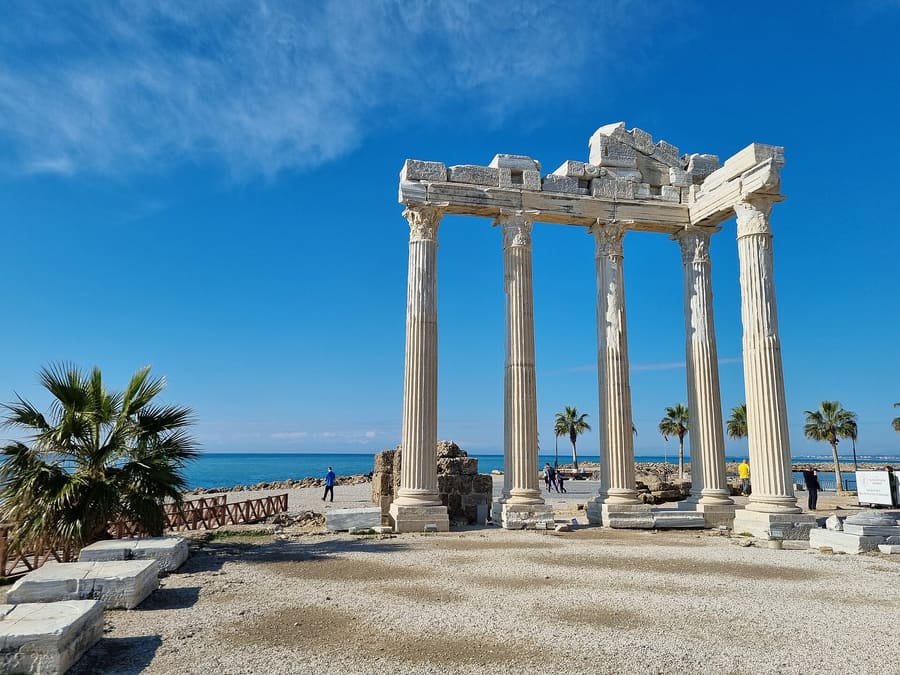
landmark
Five standing Corinthian columns mark the edge of the sea. Visit at sunset when the marble reflects the Mediterranean.
اسأل Parley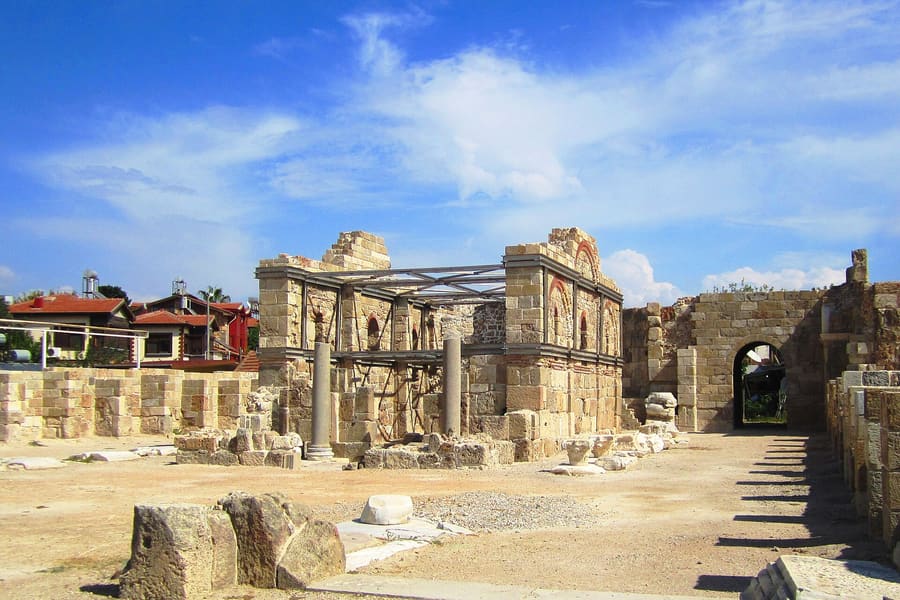
landmark
Statues of Roman deities displayed inside converted 5th-century bath halls. The shaded courtyard provides mid-day relief.
اسأل Parley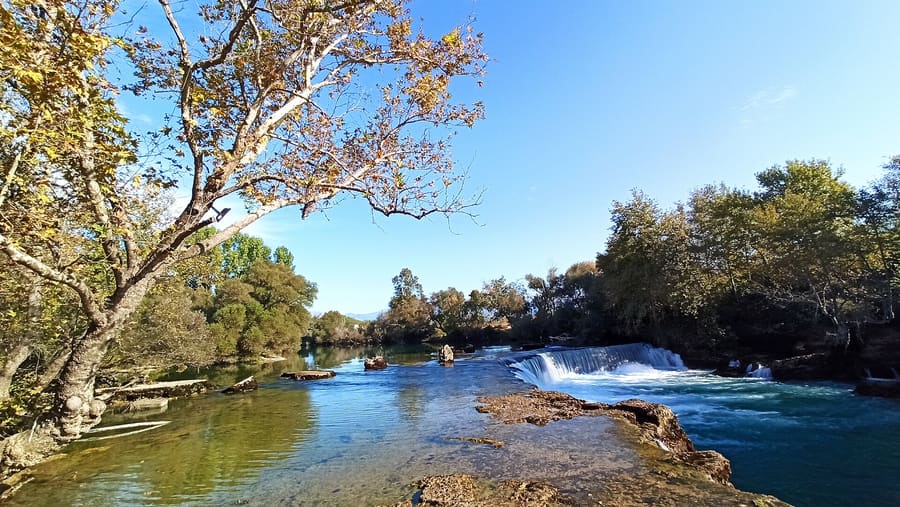
landmark
Wide, low cascades on the Manavgat River 8 kilometres inland. Take the local dolmuş minibus from Side central station for ₺30.
اسأل Parleyattractions
areas
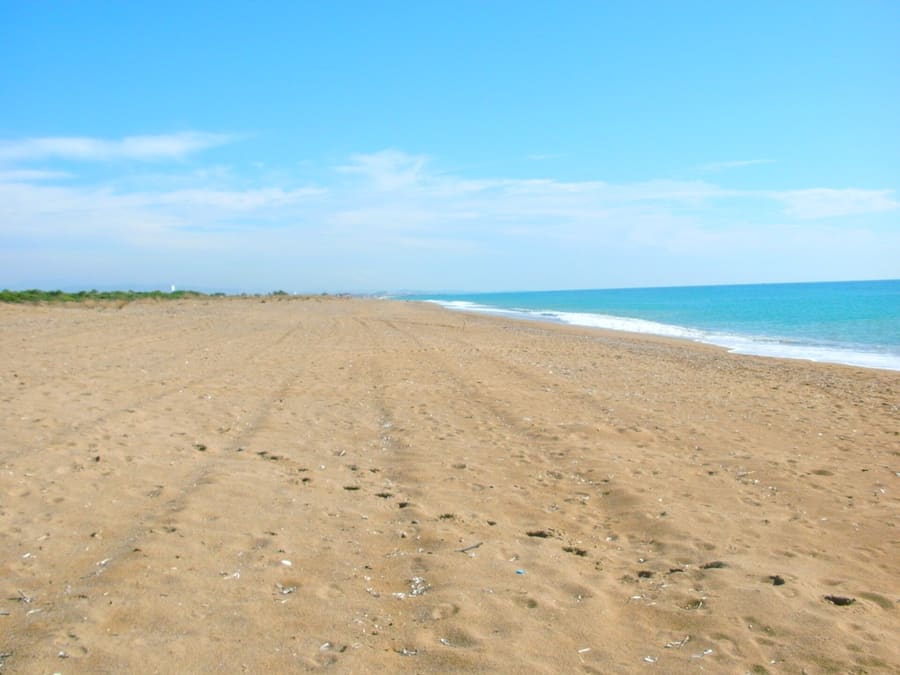
High-end resort enclaves set among pine forests with mixed sand and pebble shorelines.
قريبTitreyengöl lake and Manavgat river
اسأل ParleyPedestrian stone alleys, open-air Roman ruins, and harbor restaurants built over glass floor excavation pits.
قريبTemple of Apollo and Side Theater
اسأل ParleyShallow sandy shores lined with family resorts and a paved coastal walking promenade.
قريبSide Old Town
اسأل ParleyA quiet freshwater lake district surrounded by mid-scale hotels and riverfront walking trails.
قريبManavgat River estuary
اسأل Parleyfood
Eating in Side revolves around fresh Mediterranean fish and regional Anatolian specialties. Local taverns near the harbor serve red mullet, sea bass, and grilled octopus caught along the coast. In the streets just behind the water, bakeries bake pide flatbreads topped with minced lamb or local goat cheese.
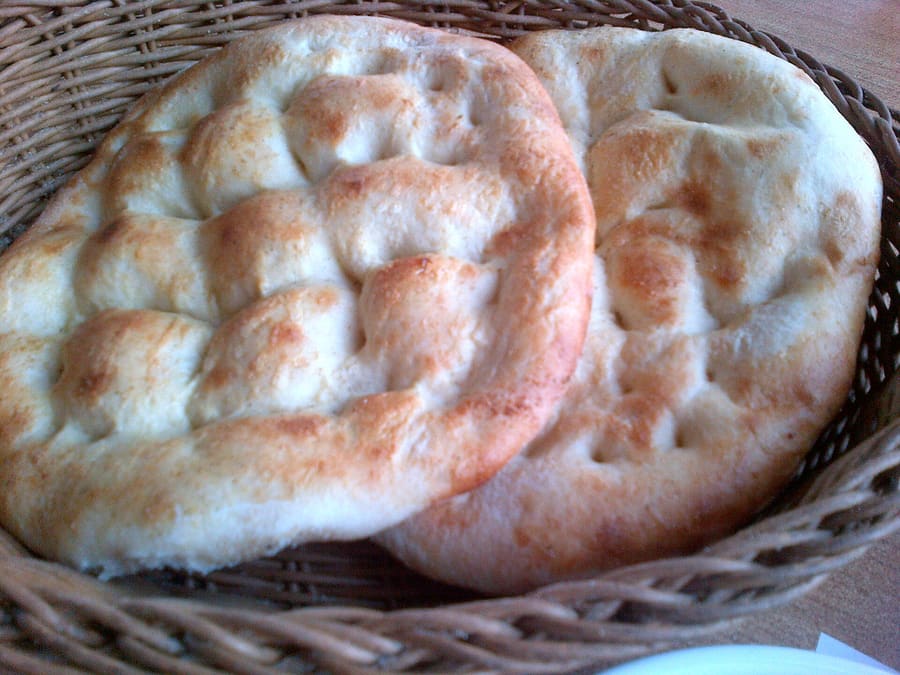
Freshly baked pide served at a traditional local lokanta.
E4024 · CC BY-SA 4.0Seafood restaurants near the tip charge premium prices for the temple view. Check the price per kilogram at the display counter before ordering fish.
Mondays and Thursdays bring local farmers to nearby Manavgat. Search the food stalls for regional olive oils, pomegranates, and fresh figs.
Traditional lokantas along the D400 serve hot mercimek (lentil) soup around the clock for late arrivals.
history
Side served as Pamphylia's principal port in antiquity, thriving on maritime trade and slave markets. Controlled successively by Alexander the Great, the Seleucids, and Cilician pirates, the city flourished under Roman rule from the 1st century BCE. Earthquakes and coastal siltation eventually forced its abandonment until Cretan refugees resettled the ruins in 1895.
Greek Settlement
Aeolian Greeks establish Side as a trading port. The local Pamphylian dialect remains distinct for centuries.
Cilician Pirate Base
Side becomes a major regional slave-trading market and anchorage for Cilician Mediterranean pirates.
Roman Golden Age
Under Roman rule, Side prospers. City walls, the 15,000-seat theater, and aqueducts are constructed.
Arab Raids & Decline
Naval raids and harbour siltation force residents to abandon the grand Roman metropolis.
Resettlement
Turkish refugees from Crete build Selimiye village inside the ruins, laying the groundwork for modern Side.
where to stay
Choose your stay based on how you want to spend your days: boutique atmospheric stays inside ancient walls, or all-inclusive resorts on the sand.
transport
Side's historical core is completely pedestrianized. Getting into town relies on dolmuş minibuses, taxis, or airport shuttles.
Minibuses connect Side central station to Manavgat, Kumköy, and Titreyengöl every 10–15 minutes until late evening.
Dolmuş drivers take cash in Turkish Lira or Euros. Exact lira change avoids rounded exchange rate surcharges.
The historic peninsula measures 1 kilometre end to end. Ancient stone streets require flat, sturdy walking shoes.
cost
Prices in Side vary sharply between the tourist-heavy peninsula and nearby residential Manavgat.
seasonality
MAR – MAY
Mild weather with temperatures around 20–25°C. Wildflowers bloom among ancient ruins and sightseers avoid summer heat.
JUN – AUG
Peak summer brings temperatures above 35°C and warm sea waters. Mid-day ruin exploration becomes uncomfortably hot.
SEP – OCT
Ideal balance of 28°C sea temperatures and manageable daytime sun. Ruins are comfortable to explore by late afternoon.
NOV – FEB
Quiet low season with cooler rain showers. Many resort hotels close, but historic pensions stay open at discounted rates.
practicalities
The Roman ruins offer almost no tree shade. Bring a wide hat, sunscreen, and water when visiting mid-day.
Boutiques in Old Town press aggressively for sales. A polite 'Hayır, teşekkürler' stops persistent shopkeepers.
Major restaurants and hotels take cards, but smaller dolmuş drivers and beach stalls require cash Lira.
West Beach has gentle sloping sands suited for swimming, while East Beach drop-offs feature stronger currents.