landmark
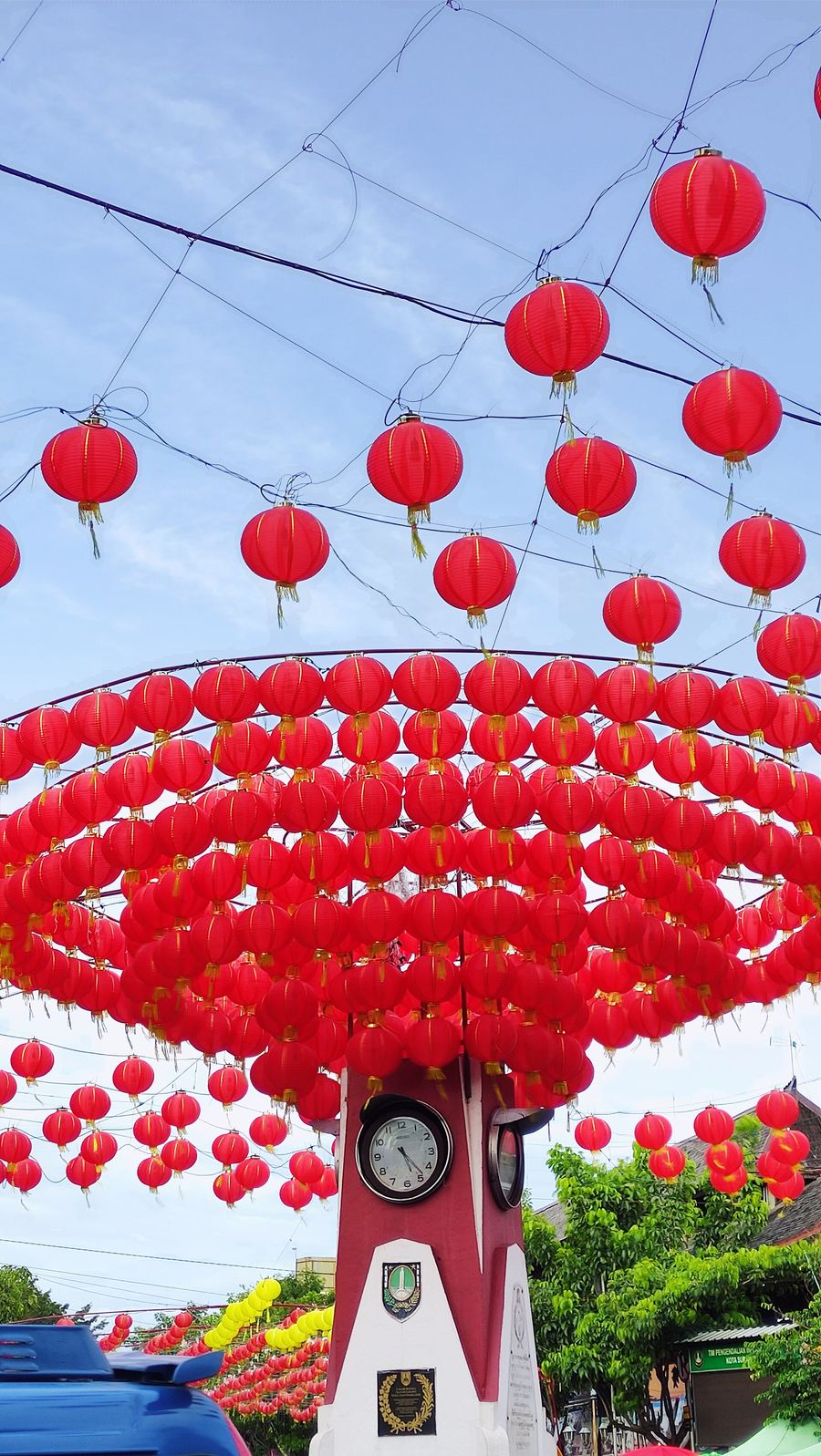
Pasar Gede Hardjonagoro
Designed by Dutch architect Thomas Karsten in 1930. Go before 09:00 for traditional herbal drinks and dawet ice.
اسأل Parleyإندونيسيا
Central Java's courtly center of batik, palaces, and food.
introduction
Solo, officially named Surakarta, is the quieter twin of Yogyakarta. Two royal houses still reside here, keeping courtly Javanese traditions alive without Yogyakarta's massive student crowds. You navigate the city along wide central avenues flanked by low-rise royal compounds and batik quarters. Expect a slow urban rhythm where morning markets and evening food stalls dictate daily movement.
Royal status
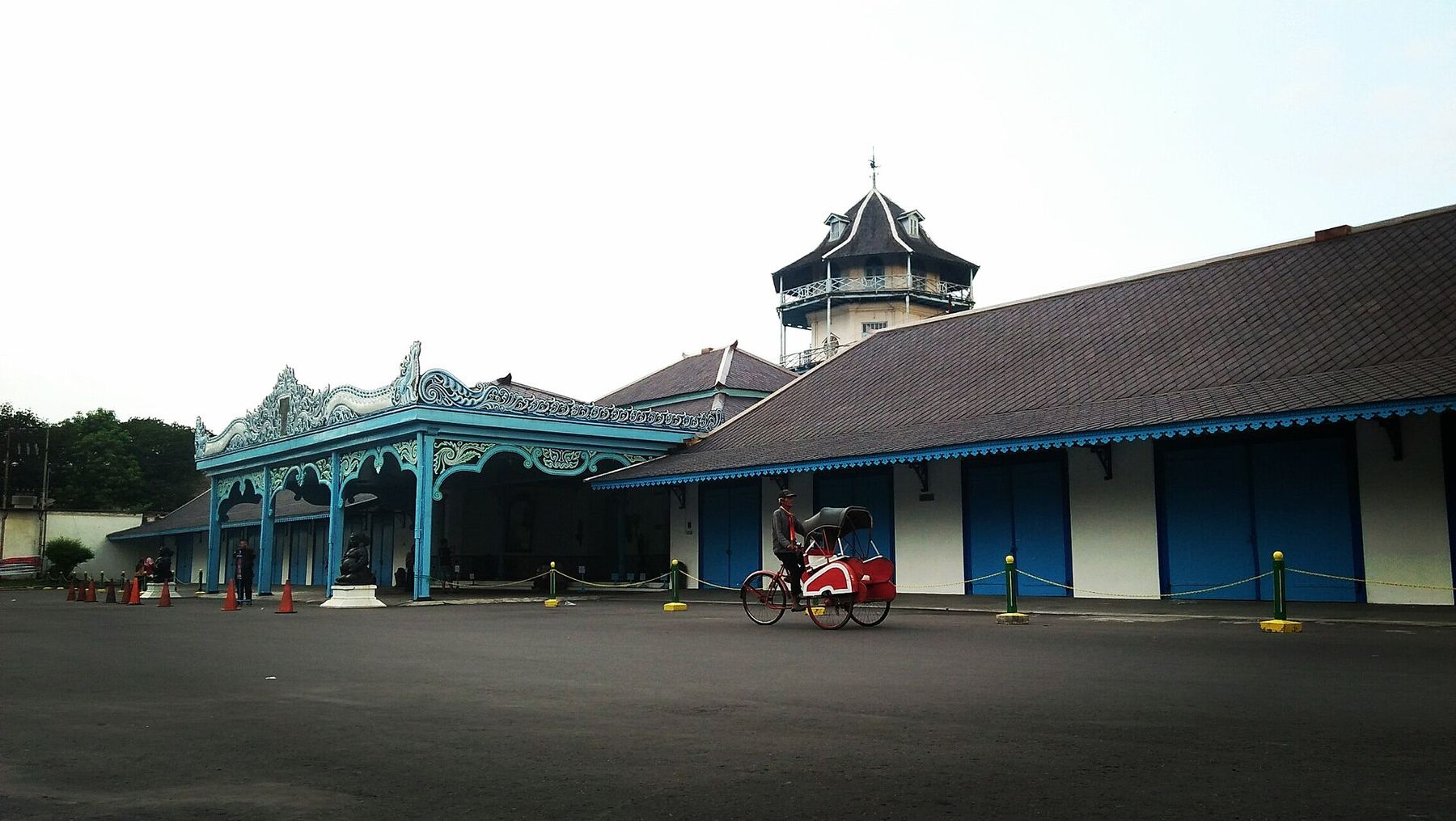
Solo remains home to two active royal residences: the Kasunanan Palace and the Mangkunegaran Principality.
Planning trick
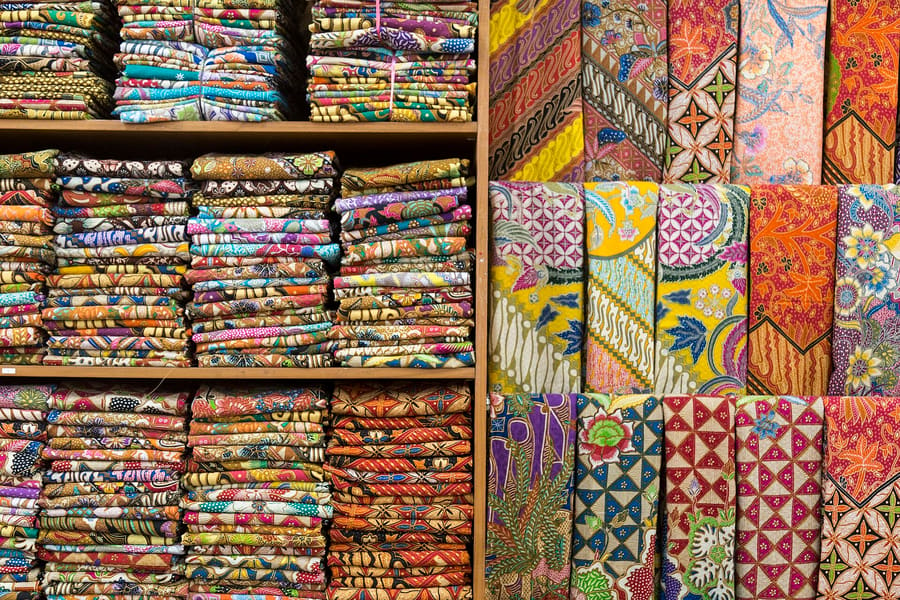
Most traditional textile workshops in Laweyan close on Sundays. Schedule your batik shopping between Monday and Saturday.
Solo
Fpangestuphotographer · CC BY-SA 4.0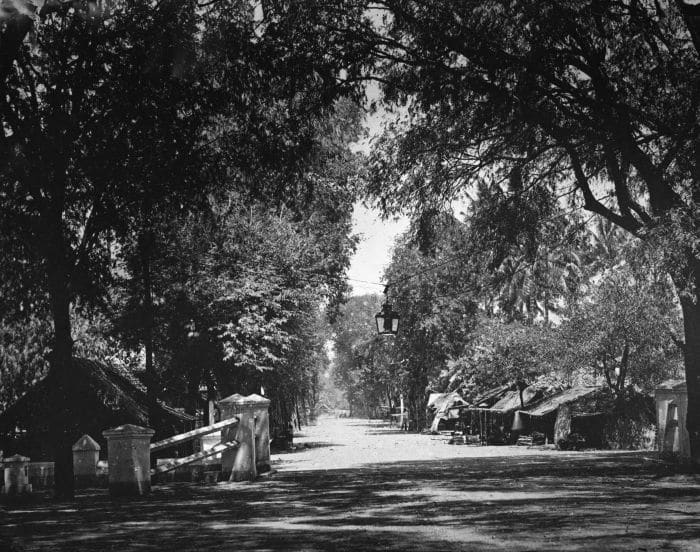
Pasar Kliwon — Royal courtyards and traditional Arab-Indonesian merchant streets.
niet bekend / unknown (Fotograaf/photographer). Woodbury & Page (Fotostudio). · CC BY-SA 3.0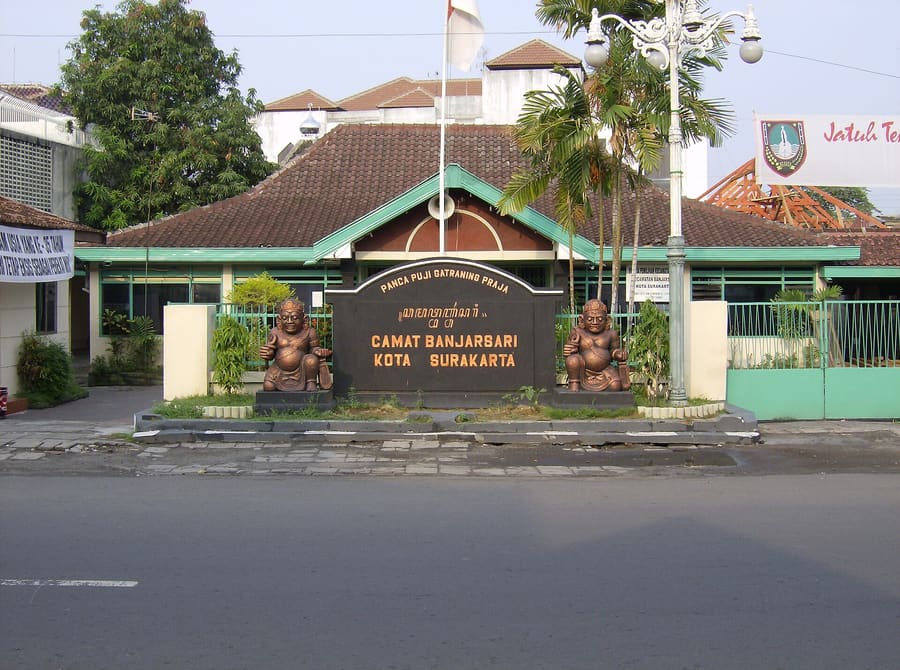
Banjarsari — Tree-lined avenues anchored by Mangkunegaran palace and Solo Balapan station.
No machine-readable author provided. Meursault2004 assumed (based on copyright claims). · CC BY-SA 3.0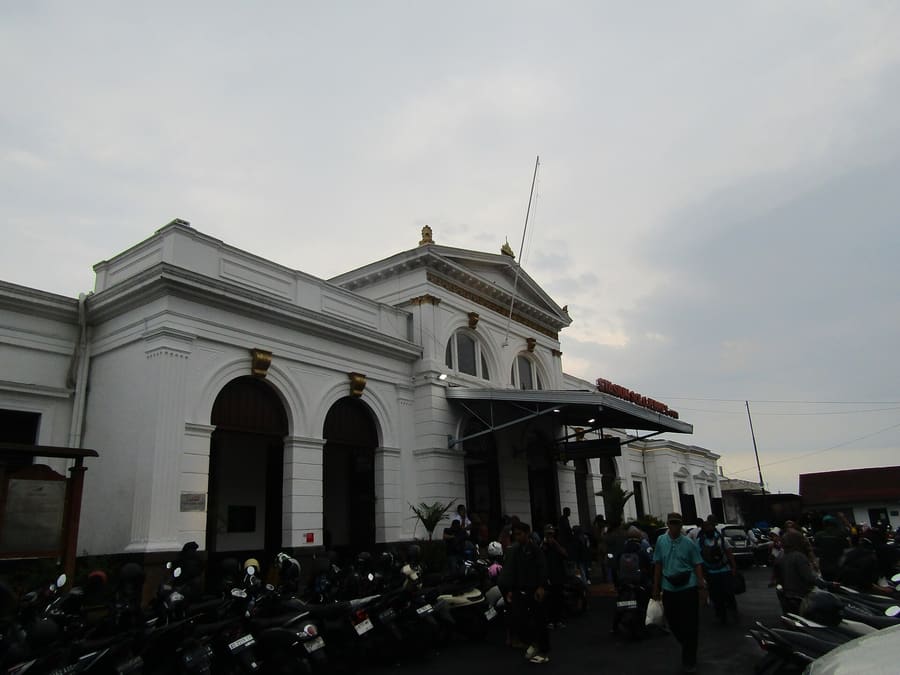
Jebres — A commercial district centered around the historic market and university.
RaFaDa20631 · CC BY-SA 4.0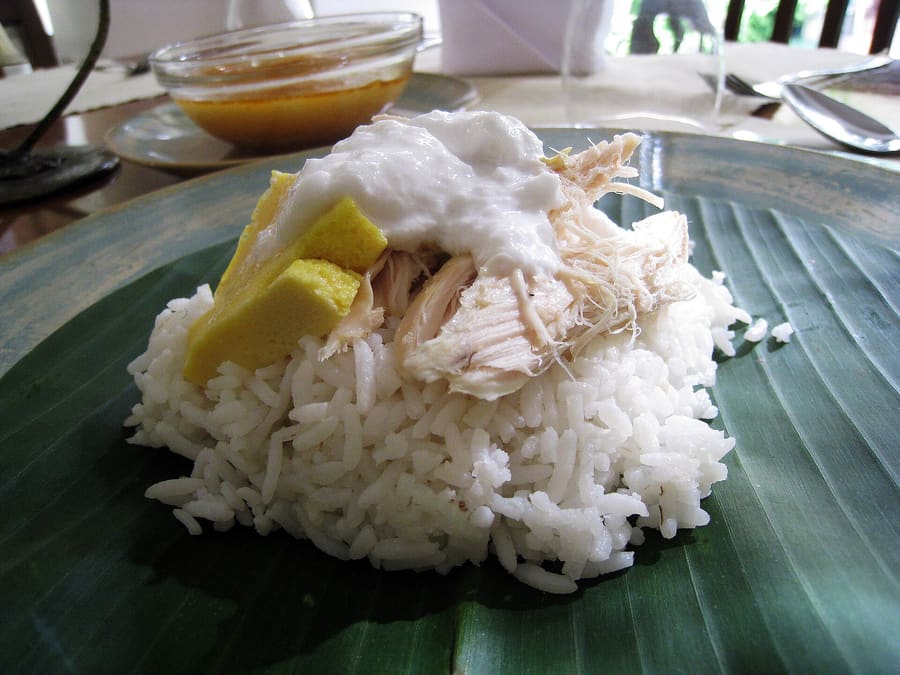
Nasi liwet served fresh on a folded banana leaf.
Gunawan Kartapranata · CC BY-SA 3.0highlights
landmark
Designed by Dutch architect Thomas Karsten in 1930. Go before 09:00 for traditional herbal drinks and dawet ice.
اسأل Parley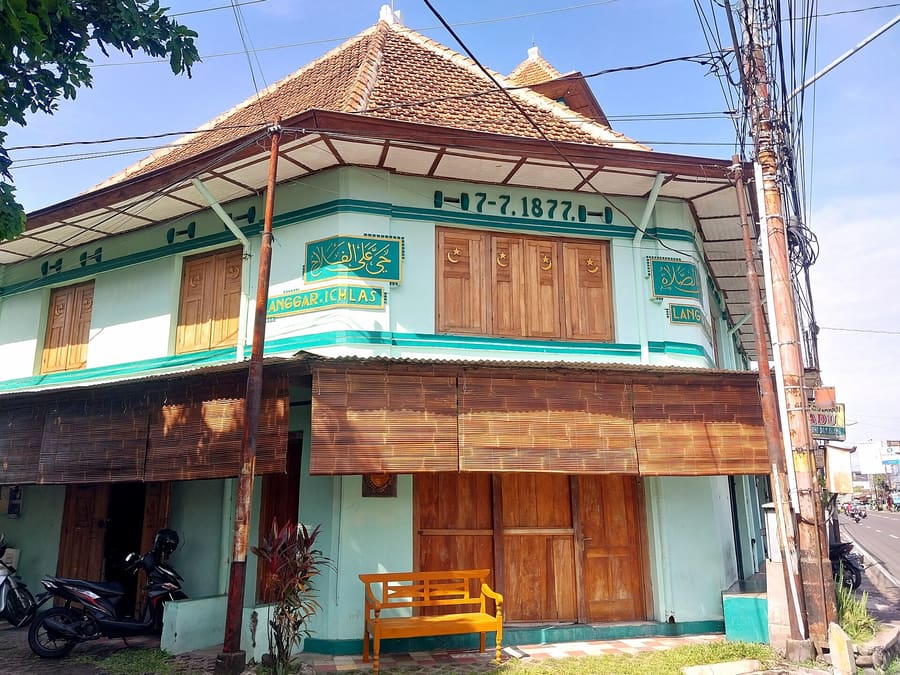
landmark
A network of walled alleyways lined with historic batik merchant mansions. Walk on foot to spot private workshops.
اسأل Parley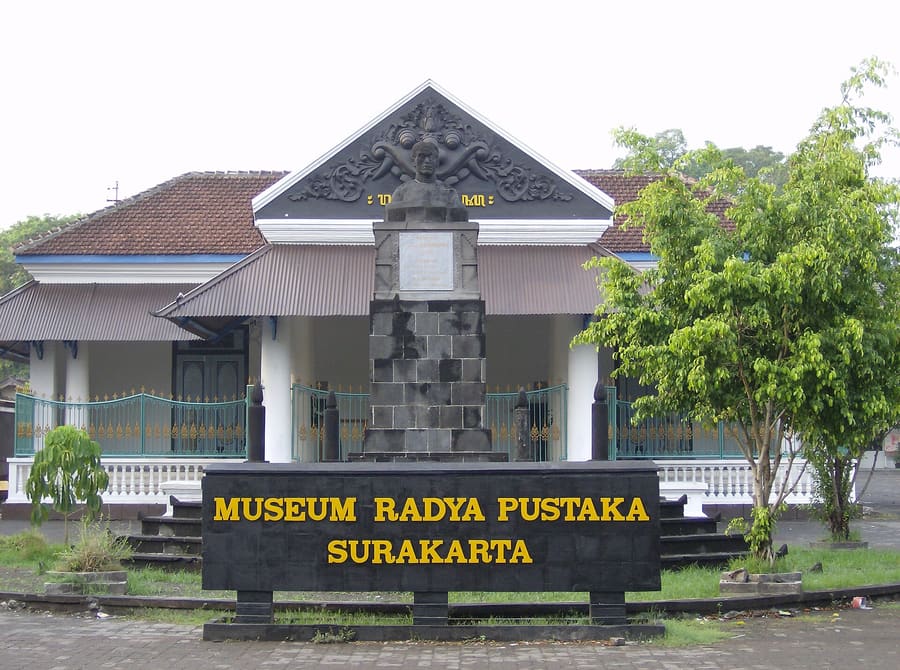
landmark
Indonesia's second-oldest museum, housing bronze statues and Javanese krises. Open Tuesday to Sunday mornings.
اسأل Parley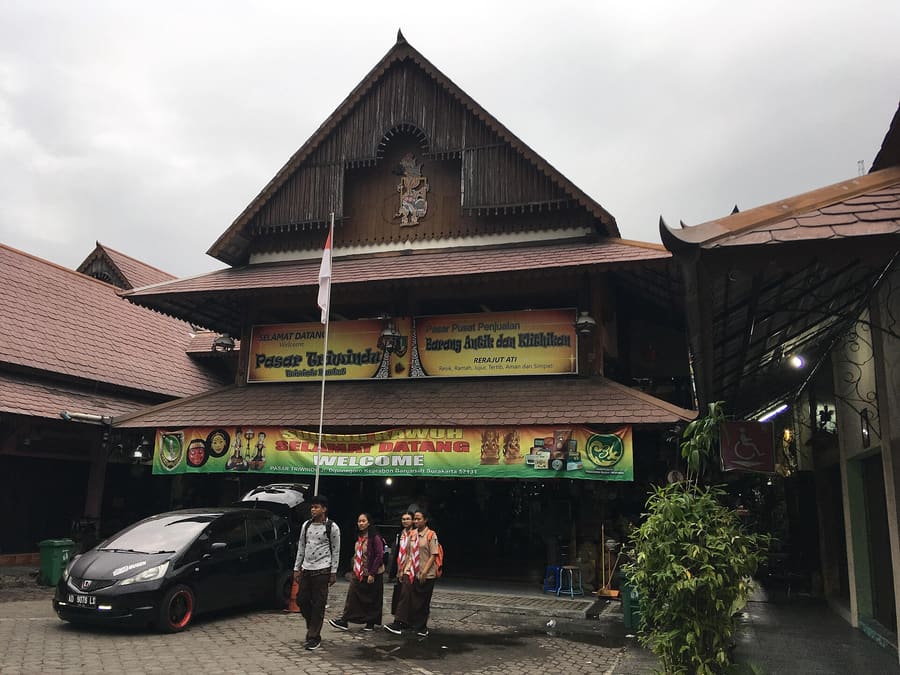
landmark
A two-story market dedicated to antiques, puppets, and brassware. Haggle politely; initial prices are routinely doubled.
اسأل Parleyattractions
areas
Royal courtyards and traditional Arab-Indonesian merchant streets.
قريبKeraton Surakarta and Alun-Alun Selatan
اسأل ParleyTree-lined avenues anchored by Mangkunegaran palace and Solo Balapan station.
قريبPura Mangkunegaran and Pasar Triwindu
اسأل ParleyA commercial district centered around the historic market and university.
قريبPasar Gede and Solo Jebres Station
اسأل ParleyHigh-walled residential alleys filled with working batik studios.
قريبKampung Batik Laweyan and Purwosari Station
اسأل Parleyfood
Solo's cuisine balances savory coconut broths with distinct Javanese sweetness. Unlike Yogyakarta's heavy reliance on jackfruit gudeg, Solo focuses on steamed rice dishes and Dutch-influenced court salads.Nasi liwet forms the base of morning meals. Rice is cooked in coconut milk and chicken broth, served on banana leaf with shredded chicken, chayote squash, and a dollop of thick coconut cream called kumut.For dinner, food vendors set up along Jalan Slamet Riyadi and around Pasar Gede. Sitting on woven mats on the pavement—a practice called lesehan—is standard at night establishments.
Nasi liwet served fresh on a folded banana leaf.
Gunawan Kartapranata · CC BY-SA 3.0This local interpretation of European beef stew combines braised beef with sweet gravy, green beans, carrots, and a mustard egg yolk sauce.
Timlo is a clear poultry broth packed with crispy sausage rolls, shredded chicken, soft-boiled eggs, and liver. Stalls open by late afternoon.
Seek out the small beverage stalls inside Pasar Gede for coconut milk ice layered with basil seeds, green rice-flour jelly, and sticky palm sugar syrup.
history
Solo became the capital of the Mataram Kingdom in 1745 after internal wars destroyed the previous court at Kartasura. Sunan Pakubuwono II moved his court east to a village on the banks of the Bengawan Solo river.Dutch colonial power forced the division of the kingdom in 1755 under the Treaty of Giyanti. This split created the rival sultanate in Yogyakarta and preserved Solo's Kasunanan realm.A second internal split in 1757 established the independent Mangkunegaran Principality within Solo itself. Since then, two distinct palaces have coexisted within two kilometers of each other.
Royal Relocation
The Mataram capital moves to Surakarta village, laying the foundations for Keraton Surakarta.
Treaty of Giyanti
Mataram divides into two realms, permanently establishing Yogyakarta and Surakarta as separate courts.
Mangkunegaran Founded
Raden Mas Said establishes the junior Mangkunegaran dynasty, creating a second palace complex.
Special Region Status Lost
Political unrest causes Surakarta to lose its autonomous status, merging directly into Central Java province.
where to stay
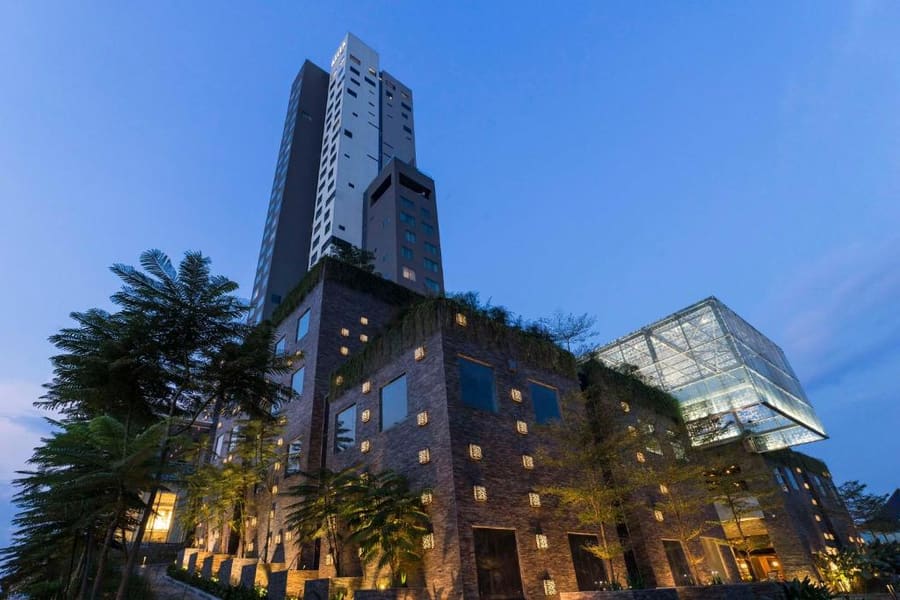
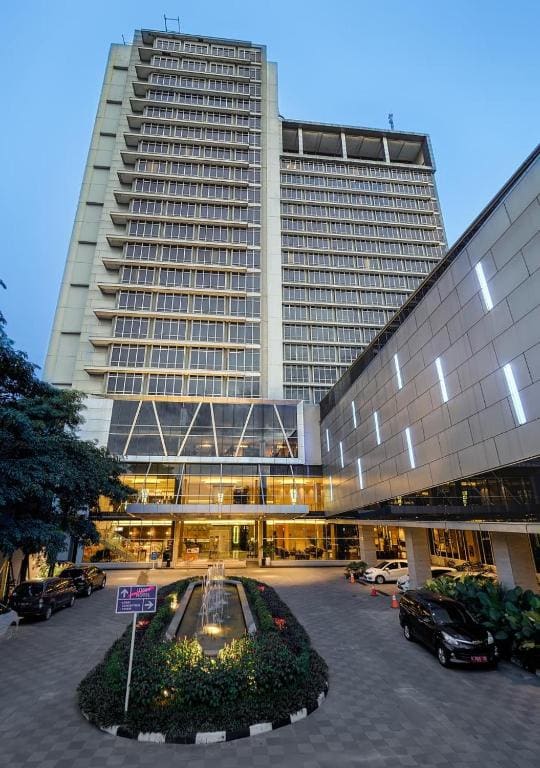
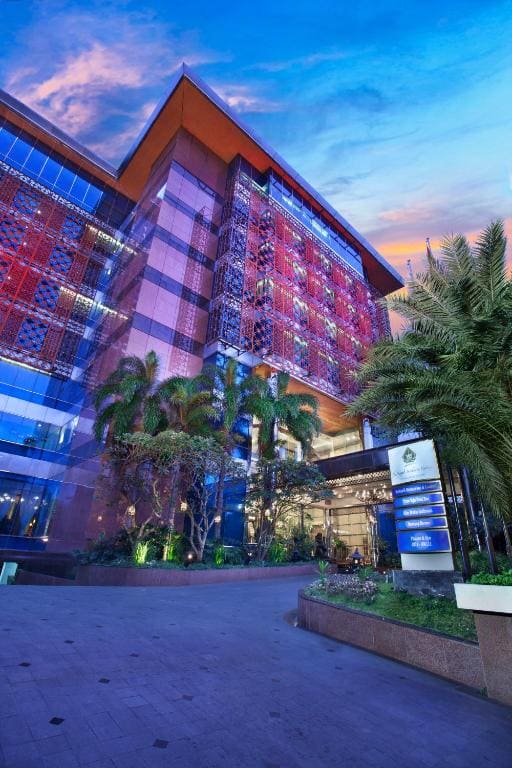
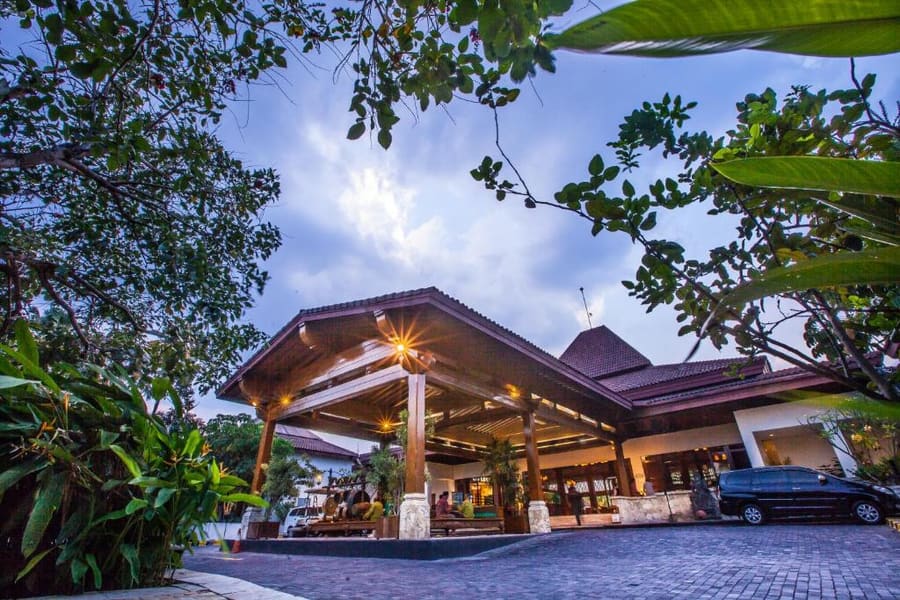
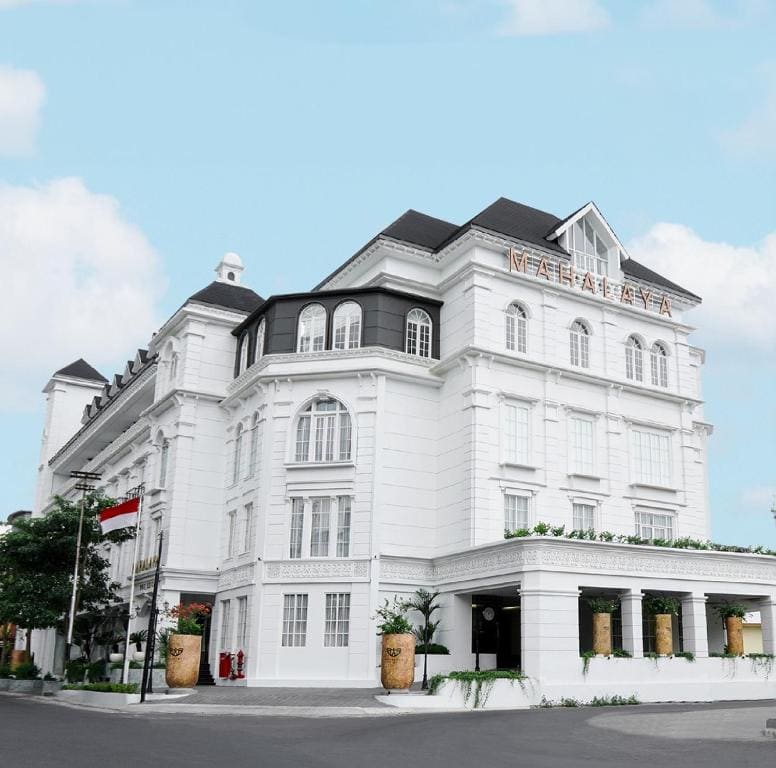
Choose your hotel by transit convenience versus historic character. Solo is compact, but major train tracks bisect the city center, making cross-town travel slow during peak hours.Banjarsari puts you within walking distance of the central railway station and Mangkunegaran Palace. Laweyan suits travellers who prefer boutique guesthouses inside quiet, historic craft quarters.
Live rates, matched to the areas above.
transport
Solo is flat and easy to navigate, though summer heat makes midday walking tiring. The city relies heavily on app-based ride-hailing alongside a dedicated bus rapid transit system.Main streets run east-west along Jalan Slamet Riyadi. Bicycle rickshaws (becak) remain standard for short distances within traditional market areas.
من Adisumarmo International Airport (SOC)
Airport rail link connects directly to Solo Balapan Station four to six times daily.
Official airport taxis operate on fixed zones paid at the terminal counter.
Grab and Gojek pick up outside the main airport gate boundary.
Batik Solo Trans Corridor 1 runs from the airport terminal to central city stops.
The BST bus system covers major city routes. Payment requires a contactless Indomaret or bank e-money card.
Pedal-powered becaks charge Rp 20,000 to Rp 35,000 for trips within the city center. Always negotiate the total price first.
The KRL Commuter Line runs hourly between Solo Balapan and Yogyakarta for Rp 8,000. Tap in using an electronic money card.
Batik Solo Trans buses and local commuter trains do not accept cash fares.
cost
Solo remains cheaper than Yogyakarta and far more affordable than Jakarta. Daily living costs cater primarily to local residents and domestic travelers.Street food meals cost under $2 USD. Mid-range hotel rooms provide exceptional value compared to Bali or Java's primary capitals.
Available from street vendors and small stalls across town.
Includes access to the royal museum section.
Covers entrance fee and an English-speaking internal guide.
Ideal for solo trips across central city zones.
seasonality
MAY – SEP
Dry season with sunny skies and lower humidity. Ideal for walking tours in Laweyan and sightseeing.
OCT – NOV
Transition period with high heat and sporadic afternoon thunderstorms. Carry an umbrella during afternoon walks.
DEC – FEB
Monsoon rainy season. Heavy downpours occur daily, occasionally causing localized flooding in low market streets.
MAR – APR
Rains taper off gradually. Hotel availability is good, though humidity remains consistently high.
practicalities
Shoulders and knees must be covered when visiting Keraton Surakarta or Pura Mangkunegaran. Open shoes are prohibited in inner royal grounds.
Keraton Surakarta closes museum gates by 14:00. Schedule your royal site visits for early morning.
Vendors in Pasar Gede and Pasar Triwindu rarely accept credit cards or foreign payment apps.
Many family-owned batik workshops and small eateries close between 11:30 and 13:30 for Friday prayers.
Avoid standing on elevated platforms inside palace grounds that are reserved exclusively for royal family members.