landmark
Dal Lake
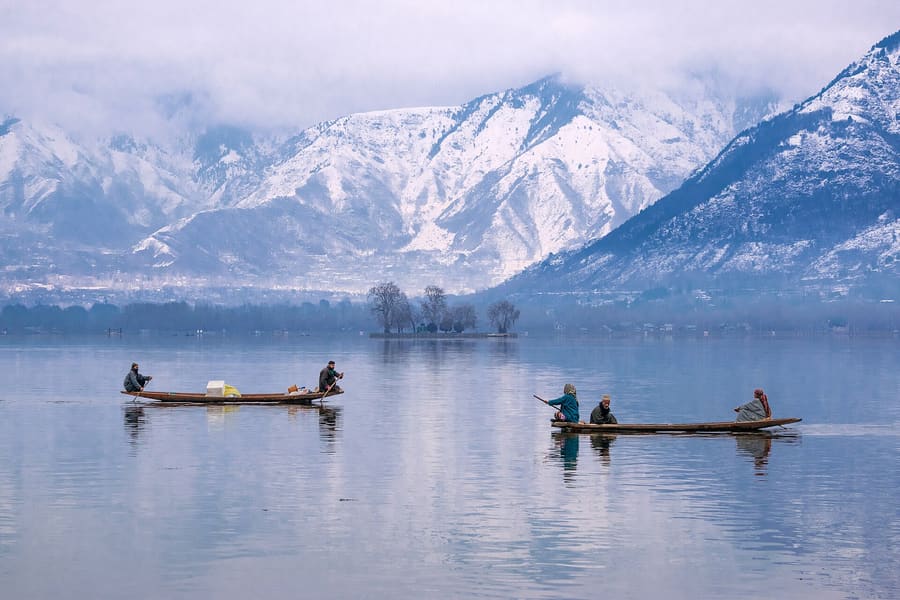
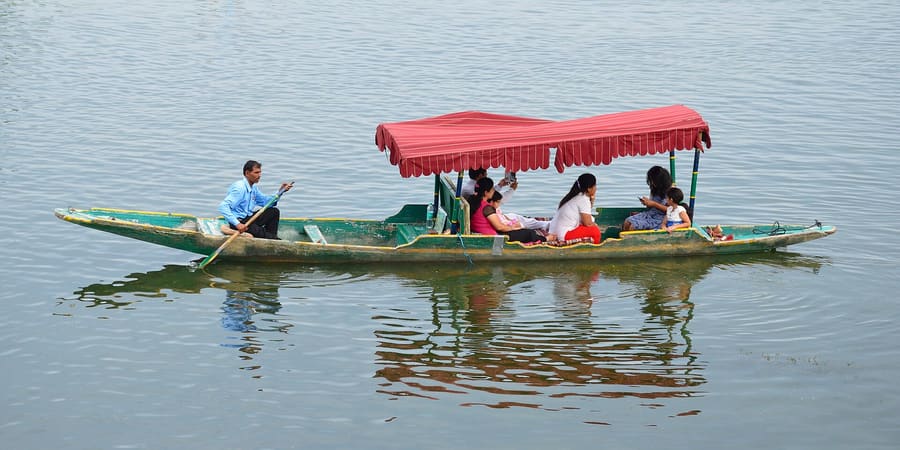
The city's central water body functions as a living neighbourhood. Hire a registered shikara early in the morning to see the floating market.
اسأل Parleyالهند
A waterborne Himalayan city defined by Mughal gardens.
introduction
Srinagar sits around Dal Lake and the Jhelum River in the Kashmir Valley. You move between neighbourhoods either by road or on wooden shikara boats. Expect visible security infrastructure across the city alongside quiet waterborne daily life. Punctuality here bends to local weather and security checkpoints.
Airport security protocol
Sheikh ul-Alam Airport requires vehicle screening before entering the terminal area. Arrive three hours before domestic flights to clear multi-stage security checks.
UNESCO Craft City
Srinagar joined the UNESCO Creative Cities Network in 2021 for Crafts and Folk Art. The Old City houses generations of paper-mâché and carpet artisans.
Houseboat booking trick
Fix houseboat rates through the J&K Tourism department desk at the airport or tourist reception centre. Prepaid vouchers prevent price haggling at the jetty.
Srinagar
Original: Biswarup Ganguly Derivative work: UnpetitproleX · CC BY 3.0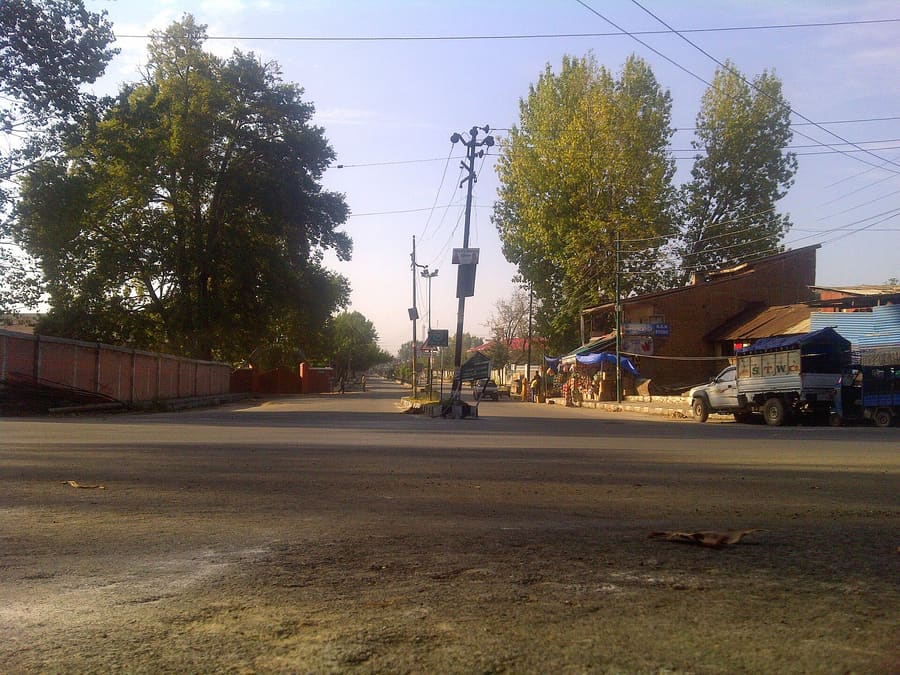
Rajbagh & Civil Lines — Tree-lined district with modern cafes, quiet boutique hotels, and traditional bakeries.
Sarkaaaar · CC BY-SA 4.0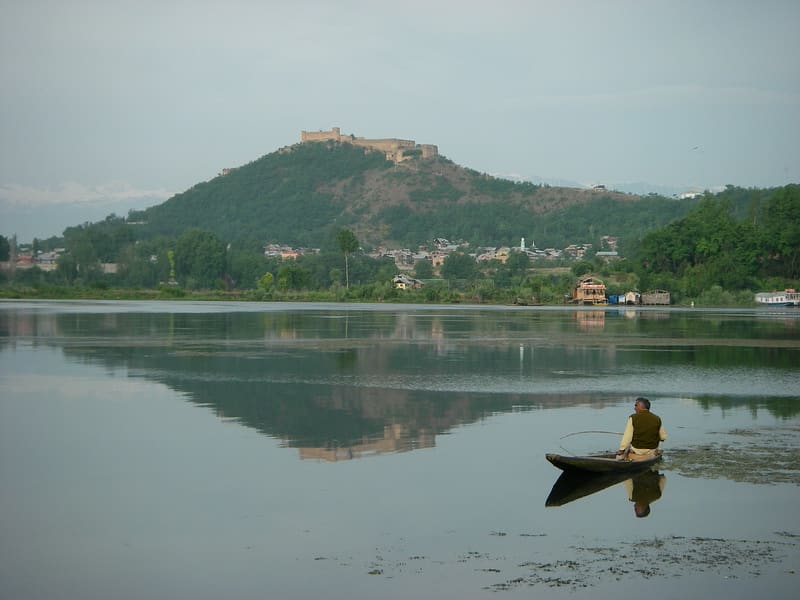
Nigeen Lake — Quieter, willow-shaded water body situated north of main Dal Lake.
Fjdelisle · CC BY 3.0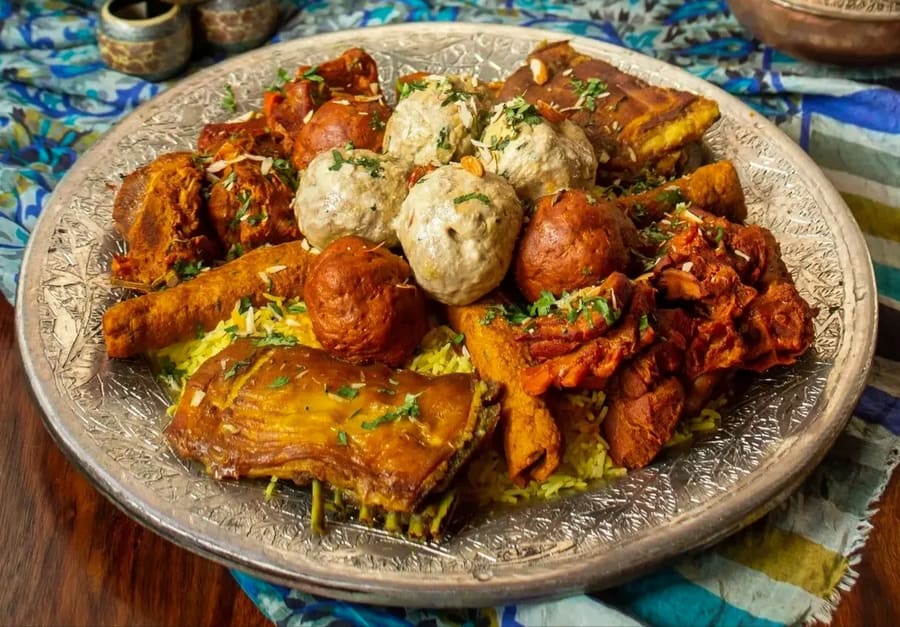
A traditional Wazwan platter featuring rista, rogan josh, and tabak maaz.
wazwanksa.com · CC BY-SA 4.0highlights
landmark
The city's central water body functions as a living neighbourhood. Hire a registered shikara early in the morning to see the floating market.
اسأل Parley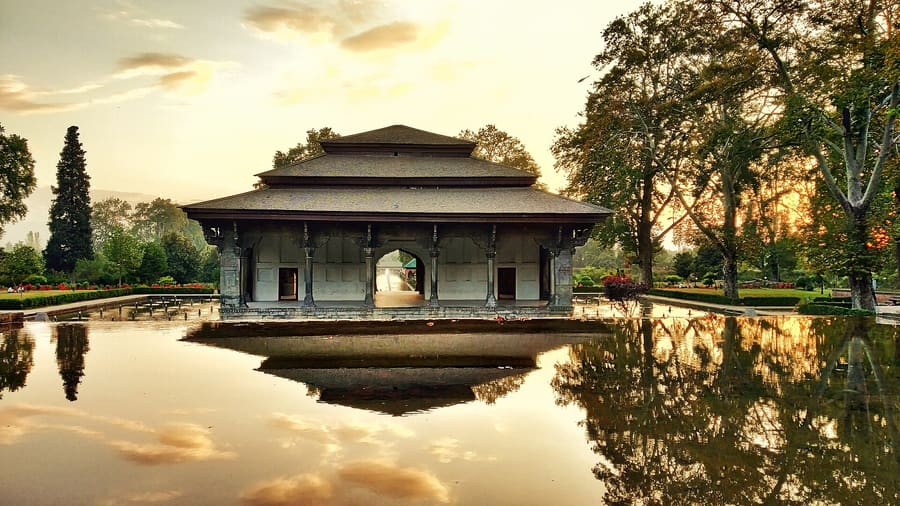
landmark
Emperor Jahangir built this terraced canal garden in 1619. Visit on weekdays to avoid regional weekend family crowds.
اسأل Parley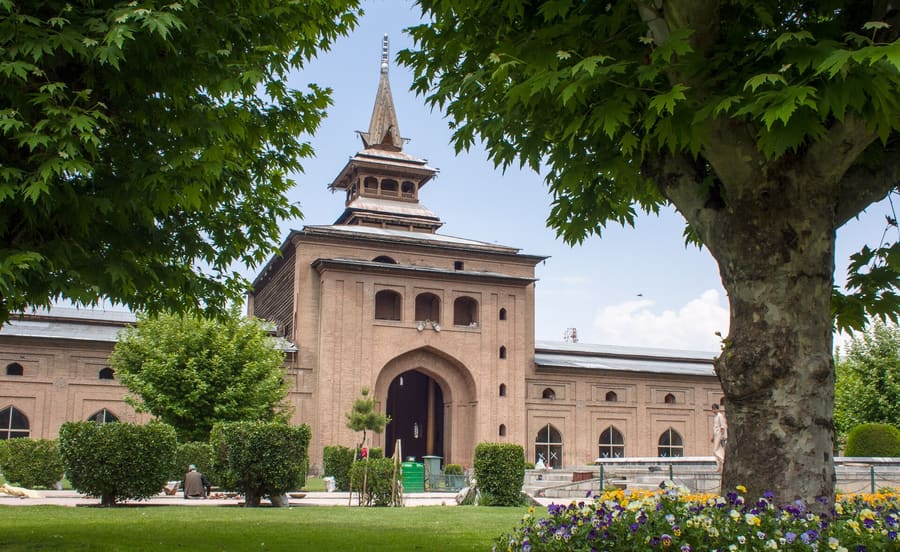
landmark
Constructed in 1394 with 378 deodar wood pillars supporting its roof. Wear conservative clothing covering arms and legs to enter.
اسأل Parley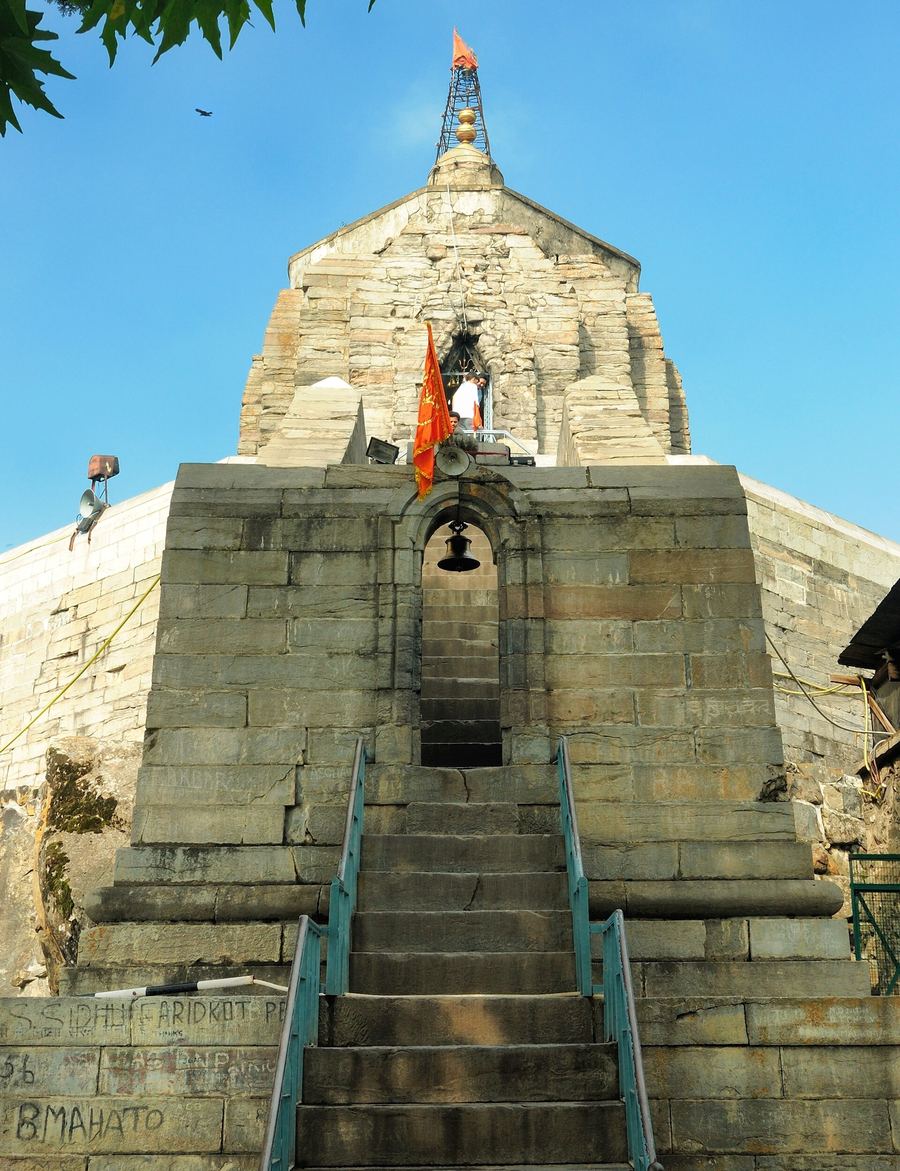
landmark
A ninth-century stone shrine atop Gopadri Hill. Leave all electronic devices, cameras, and power banks in your vehicle before ascending.
اسأل Parleyattractions
areas
Tree-lined district with modern cafes, quiet boutique hotels, and traditional bakeries.
قريبJhelum River walkway and Polo Ground
اسأل ParleyQuieter, willow-shaded water body situated north of main Dal Lake.
قريبHazratbal Shrine and University campus
اسأل ParleyLively lakeside corridor packed with eateries, boat jetties, and craft shops.
قريبShankaracharya Hill and Nehru Park
اسأل ParleyDense historic core with traditional wooden architecture, copper bazaars, and ancient shrines.
قريبJamia Masjid and Khanqah-e-Moulah
اسأل Parleyfood
Kashmiri dining revolves around meat craft and distinct spice profiles. The defining meal is Wazwan, a multi-course feast traditionally cooked by master chefs called wazas using mutton, cardamom, saffron, and dried ginger. Local bakeries (kandurs) supply bread twice daily, producing girda for morning tea and czot for late afternoon.Salted pink tea known as noon chai accompanies these fresh breads in every household and local tea shop. Green tea brewed with cardamom, cinnamon, and almonds is called kahwa and serves as a digestif after heavy meals. Freshwater trout from local hill streams appears grilled or pan-fried along the lakefront eateries.
A traditional Wazwan platter featuring rista, rogan josh, and tabak maaz.
wazwanksa.com · CC BY-SA 4.0Order a mini-Wazwan platter on Residency Road if you are dining solo or in a small group.
Buy hot girda bread directly from neighbourhood bakery ovens between 07:00 and 08:30.
Pair salted tea with flaky czochworu pastry at street stalls around the clock tower.
history
Srinagar originated as a trade center along mountain routes connecting South Asia to Central Asia. Emperor Ashoka founded an earlier city near modern Pandrethan in the third century BCE. Later Hindu and Buddhist dynasties developed the valley before Islamic rule took root in the fourteenth century under Shah Mir.Mughal rulers transformed Srinagar into their summer retreat during the sixteenth and seventeenth centuries, engineering elaborate terraced gardens around Dal Lake. Afghan, Sikh, and Dogra rulers subsequently governed the state before its integration into modern India in 1947.
Ashokan foundation
Emperor Ashoka establishes Srinagari as a major center for Buddhist culture in the Kashmir Valley.
Jamia Masjid constructed
Sultan Sikandar builds the great wooden mosque in Shehr-e-Khas, establishing the city's Islamic core.
Mughal garden era
Emperor Jahangir constructs Shalimar Bagh, setting off a wave of royal garden building along Dal Lake.
Dogra Dynasty rule
The Treaty of Amritsar transfers control of Jammu and Kashmir to Maharaja Gulab Singh.
Modern accession
Jammu and Kashmir accedes to India, making Srinagar the summer capital of the northern state.
where to stay
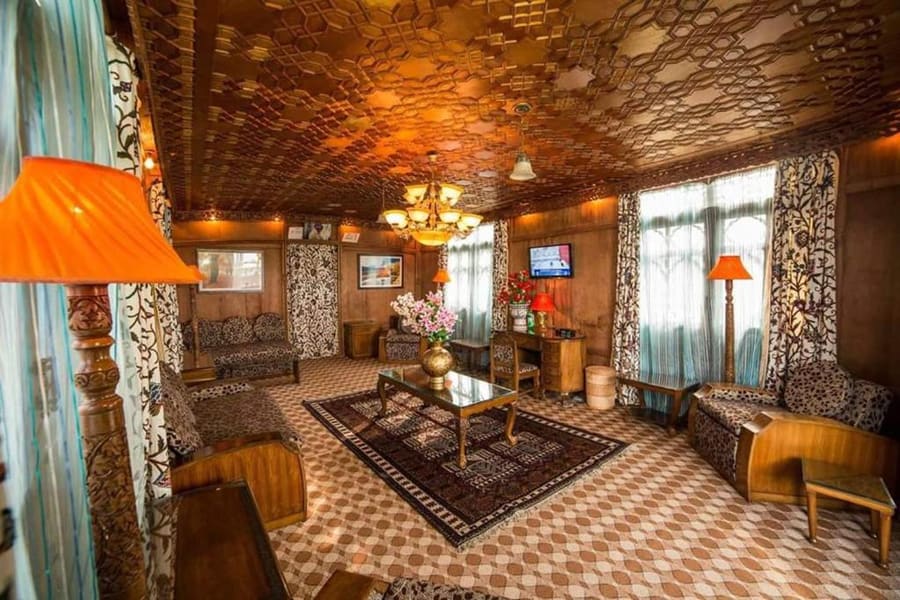
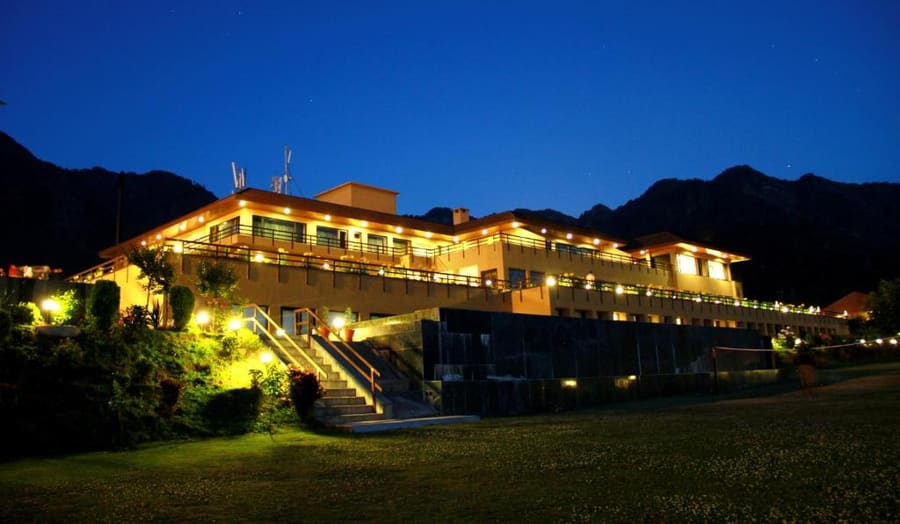
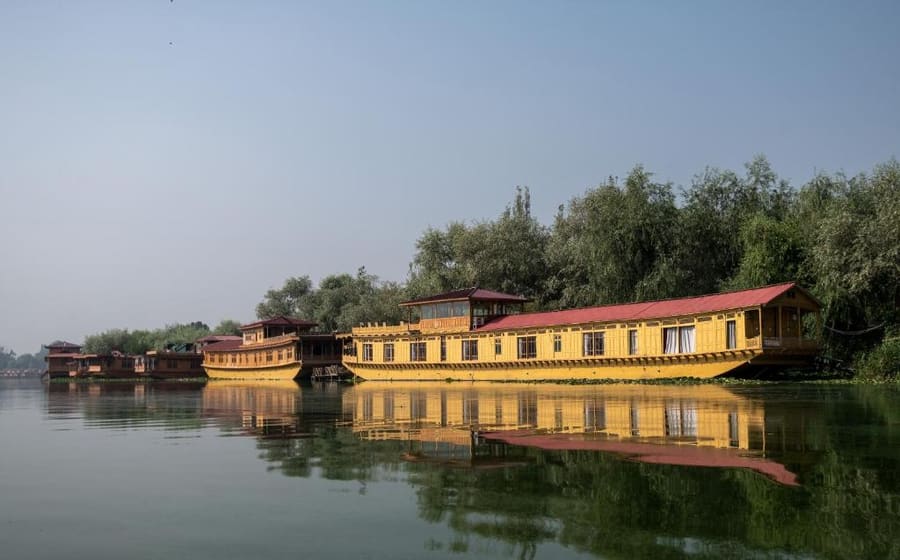
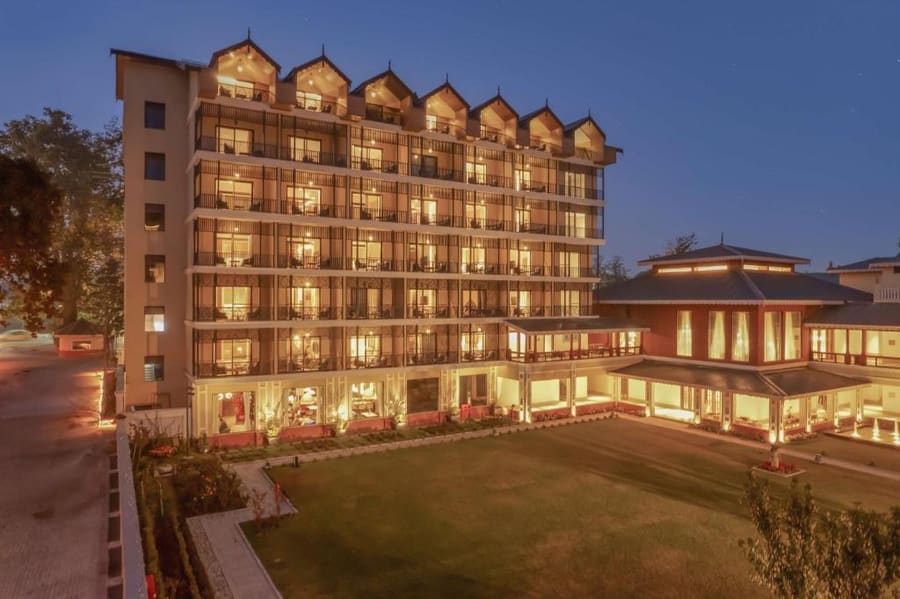
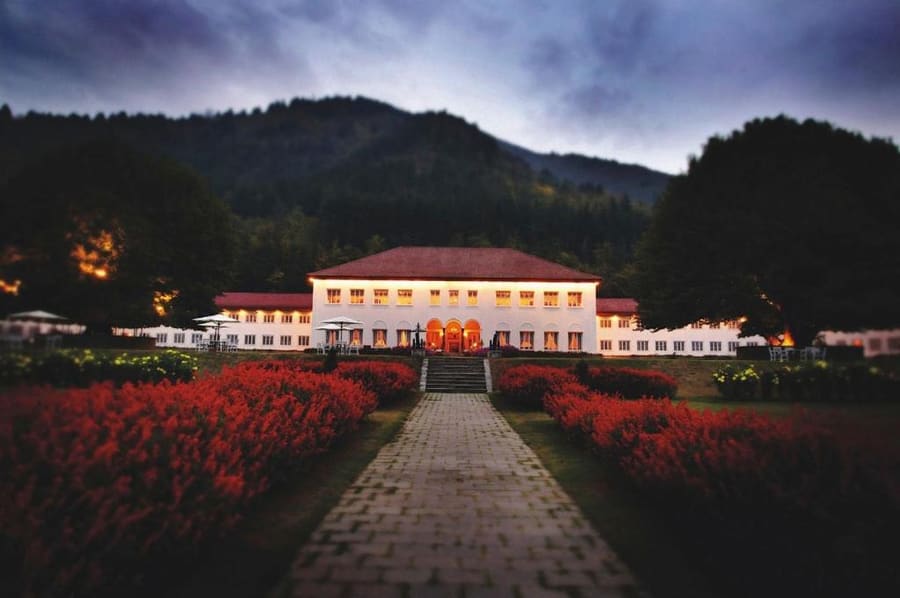
Choose your base by your willingness to use boats for daily transport. Staying on a Dal Lake houseboat requires a short shikara ride every time you leave or return to your room. Nigeen Lake houseboats offer a quieter water setting with fewer passing vendors. Onshore hotels along Rajbagh provide quick road access to restaurants and regional highways.
Live rates, matched to the areas above.
transport
Srinagar lacks a metro system. Movement across town relies on auto-rickshaws, yellow line taxis, local minibuses, and shikaras. Auto-rickshaws rarely use meters, so negotiate total fares before sitting down. Standardized rates apply for tourist taxi circuits booked through the local union counter.
من SXR
Prepaid counter operates outside the arrivals gate. Price depends on destination zone.
Government bus connects airport terminal to Tourist Reception Centre in Civil Lines.
Check government rate cards posted at jetties along Boulevard Road before boarding.
Agree on exact fare in Indian Rupees prior to departure as drivers do not use meters.
Vehicle checks near military installations can add 15 minutes to short driving trips.
Drivers and boatmen do not take card payments. Keep small notes for exact change.
cost
Srinagar operates predominantly on cash. Automated teller machines are available in main commercial centres like Lal Chowk and Rajbagh, but machines regularly run out of paper currency during high season. Digital payment apps function when mobile internet service is active, but local cash remains essential.
Standard hourly rate fixed by tourist board for up to four passengers per boat.
Entry price per adult at Shalimar Bagh, Nishat Bagh, and Chashme Shahi.
Cost per person for a multi-course platter at an established dining room.
Typical cross-town fare between Boulevard Road and Lal Chowk area.
seasonality
APR – MAY
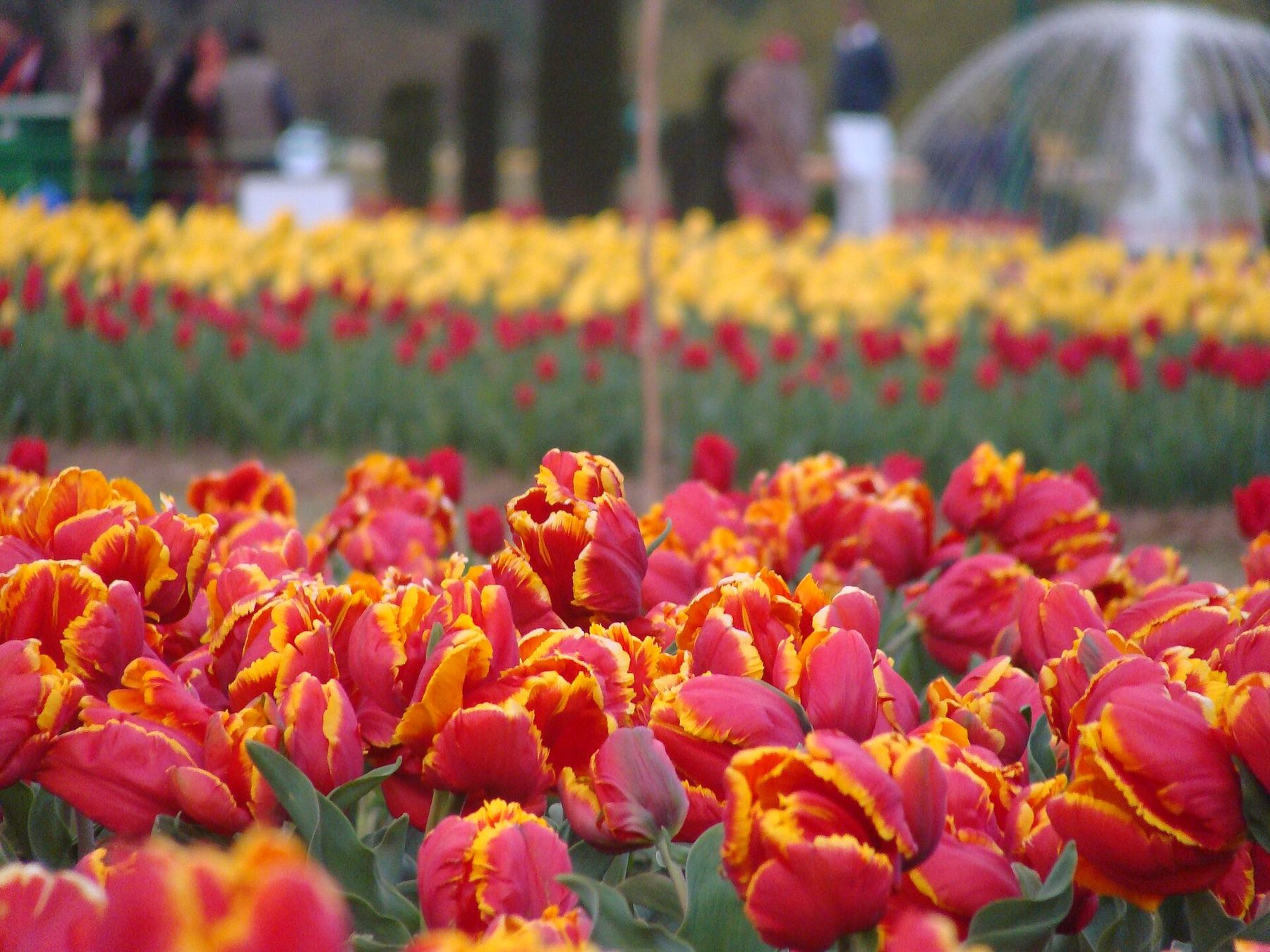
Tulips bloom at Indira Gandhi Memorial Garden. Daytime temperatures are mild and spring travel peak brings dense domestic crowds.
JUN – AUG
Warmest weather suitable for escaping lowland heat. Expect full hotels and higher seasonal prices across all categories.
SEP – NOV
Chinar tree leaves turn deep crimson in October. Crisp clear days make this the optimum season for photographing Mughal gardens.
DEC – MAR
Freezing temperatures bring snow to surrounding hills. Houseboats require heating stoves (bugharis) and lake transit slows down.
practicalities
Prepaid SIM cards issued outside Jammu and Kashmir do not work here. Buy a local prepaid tourist SIM upon landing at the airport.
Cover shoulders and knees when visiting Old City shrines and religious sites. Remove shoes before stepping onto temple and mosque carpets.
Shops in commercial districts open around 10:00 and shut by 20:00. Nightlife is non-existent outside hotel dining rooms.
Power supply drops frequently in winter months. Higher-end houseboats and hotels use back-up generators and gas heaters.
Srinagar sits at 1,580 metres elevation. Sunscreen and sunglasses are necessary during daytime water trips on Dal Lake.