landmark
St Lucia Estuary Boat Safari
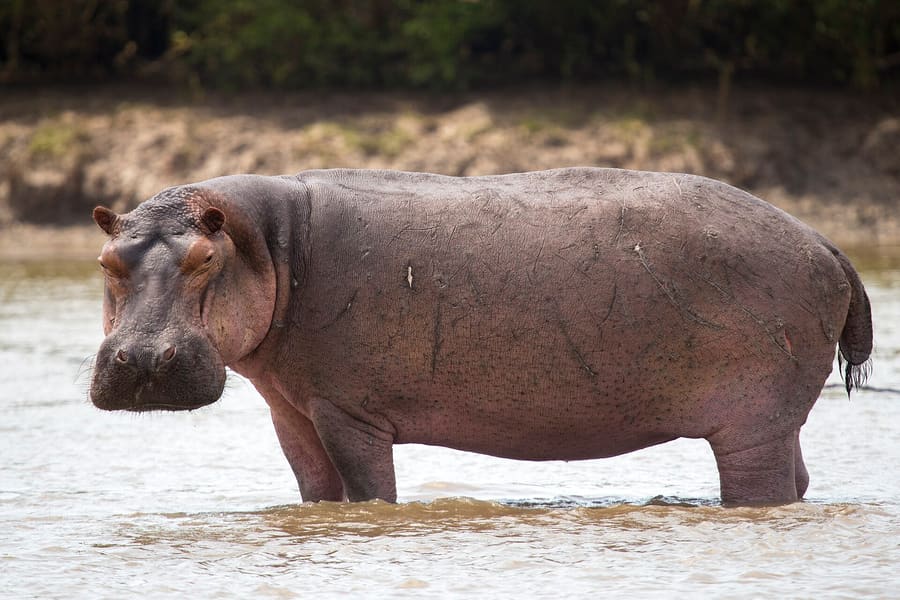
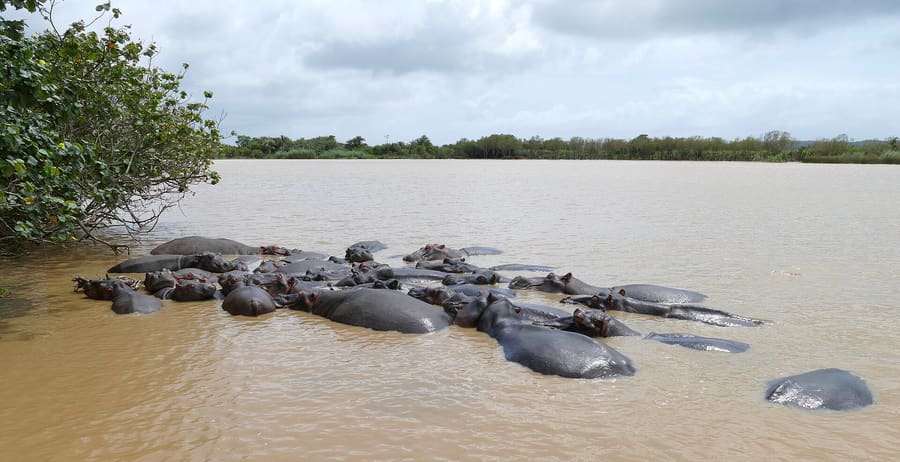
Boat tours leave daily from the estuary jetty. Booking the 16:00 departure gives you active hippos against sunset light.
اسأل Parleyجنوب أفريقيا
A coastal safari town surrounded by estuarine wilderness.
introduction
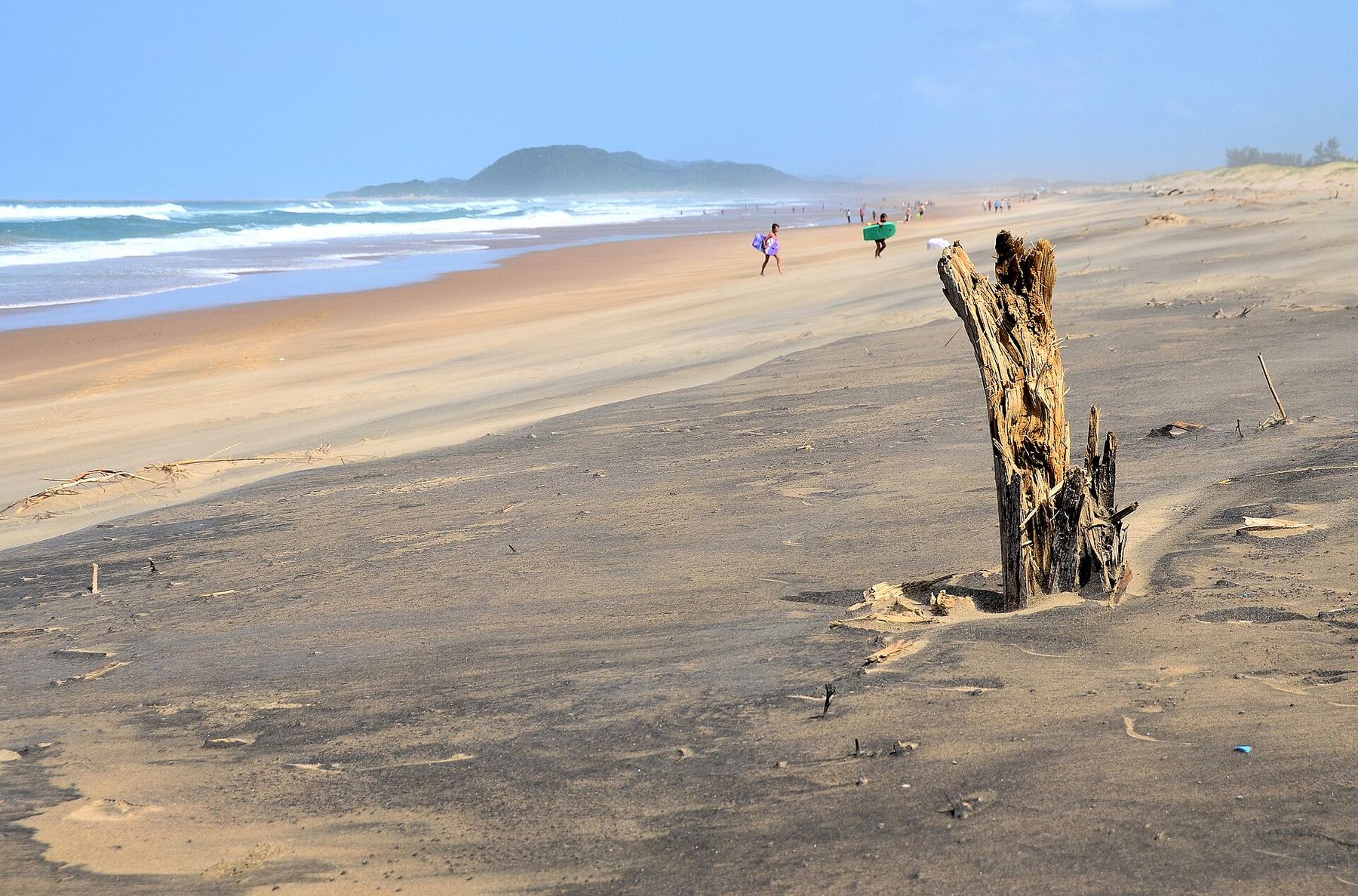
St Lucia sits inside the borders of iSimangaliso Wetland Park on the northern coast of KwaZulu-Natal. The town serves as an urban island surrounded by wildlife reserves, estuarine channels, and the Indian Ocean. You move through town on foot by day, but nightfall requires vehicle transport due to hippos grazing along paved streets. Expect direct access to bush and beach without long transit legs.
Arrival trick
Fly into Richards Bay Airport (RCB) and rent a car. The 75-minute drive along the R618 requires watching for stray livestock.
UNESCO status
St Lucia forms part of iSimangaliso Wetland Park, South Africa's first UNESCO World Heritage Site, listed in 1999.
Planning trick
Book safari boat cruises for late afternoon. Hippos become active near sunset, and light on the estuary improves.
St Lucia
Bernard DUPONT from FRANCE · CC BY-SA 2.0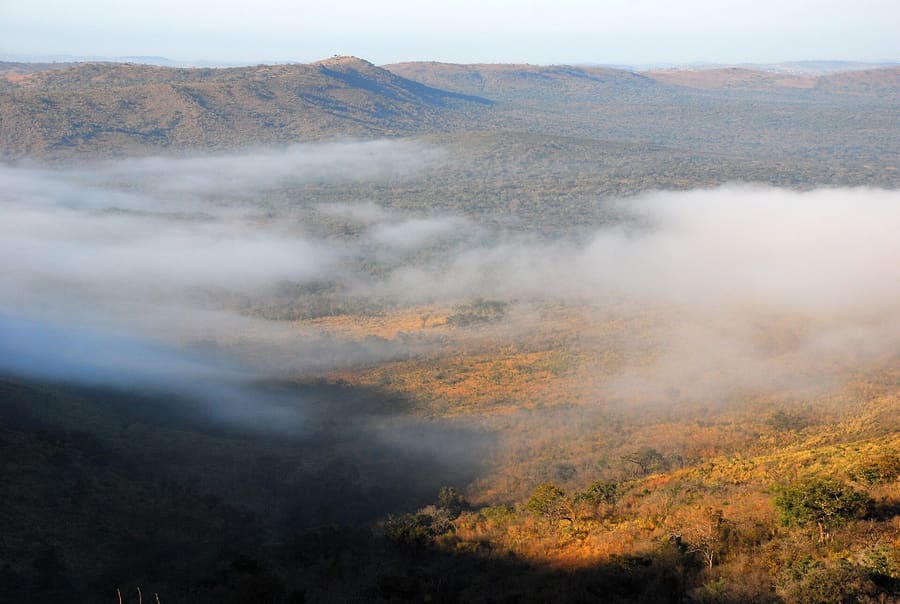
Northern Outskirts — Lodges positioned right at the Bhangazi Gate entrance to iSimangaliso.
Wegmann · CC BY-SA 3.0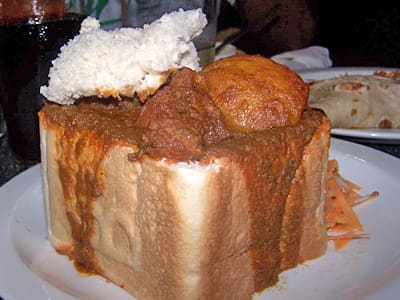
Braai options and grilled game steaks are staples across local St Lucia taverns.
Luke Comins · CC BY-SA 3.0highlights
landmark
Boat tours leave daily from the estuary jetty. Booking the 16:00 departure gives you active hippos against sunset light.
اسأل Parley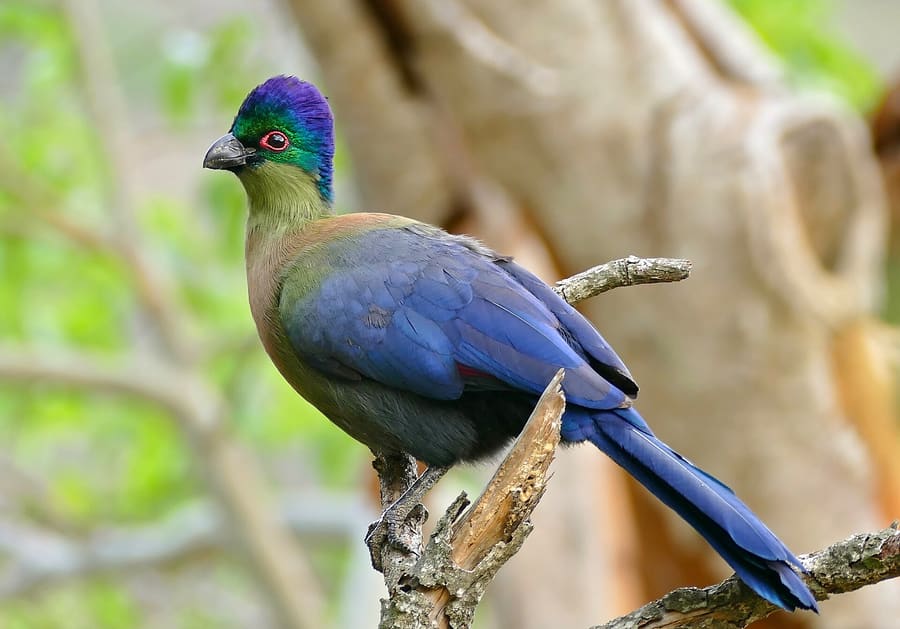
landmark
A shaded 1.5km forest loop starting near town. Walk quietly at dawn to spot red duikers and Narina trogons.
اسأل Parley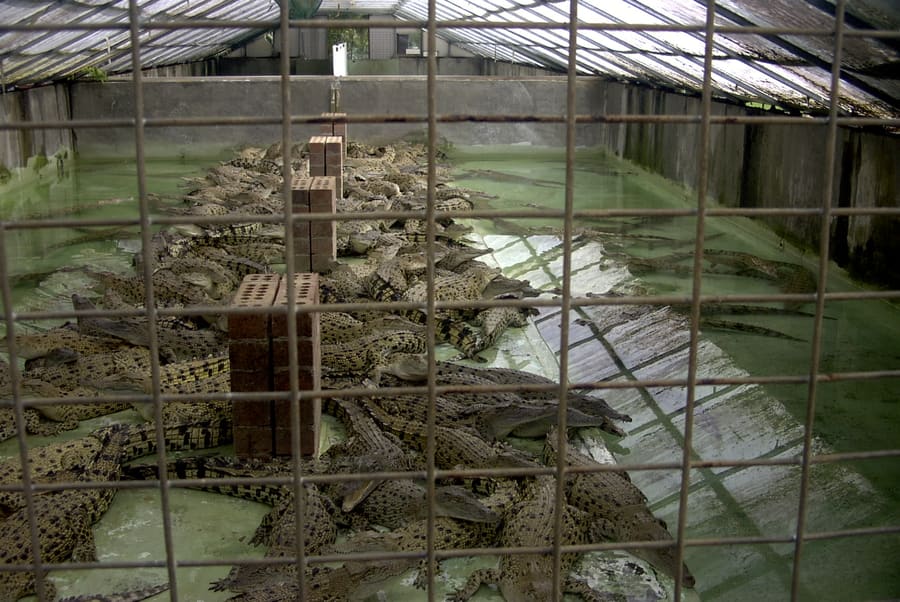
landmark
Research station focusing on Nile crocodile conservation. Visit during the 15:00 weekend feeding sessions.
اسأل Parleyattractions
areas
Lodges positioned right at the Bhangazi Gate entrance to iSimangaliso.
قريبBhangazi Gate, Crocodile Centre
اسأل ParleyThe main commercial drag with tour operators, supermarkets, and outdoor dining spots.
قريبIgwalagwala Trail head, local fruit market
اسأل ParleyQuiet residential fringe along the water channel where boat cruises launch.
قريبSiyabonga Jetty, Estuary Boardwalk
اسأل ParleyLow-density forest edge close to the ocean access points and public campsites.
قريبMain Beach, Sugarloaf Jetty
اسأل Parleyfood
Dining in St Lucia relies on fresh catches from the Indian Ocean and game meats sourced from regional farms. The local food culture revolves around informal outdoor dining, where wood-fired grills and seafood platters dominate restaurant menus.Game steaks like kudu and impala appear frequently alongside linefish and Mozambique-style peri-peri prawns. You will find standard South African classics like venison pie and potjiekos served in unpretentious open-air eateries along McKenzie Street.Reservations are rarely needed outside December peak holidays. Service runs at a relaxed pace, matching the town's holiday rhythm.
Braai options and grilled game steaks are staples across local St Lucia taverns.
Luke Comins · CC BY-SA 3.0Order kudu or springbok steaks at local grills on McKenzie Street for lean, rich meat prepared over open wood flames.
Most restaurant kitchens shut by 21:00. Plan early dinners so you are off the streets before dark.
Local prawn dishes borrow heavily from neighboring Mozambique, featuring garlic butter and spicy peri-peri chili oil.
history
The St Lucia estuary was named by Portuguese explorer Manuel Perestrello in 1575 on the feast day of Saint Lucy. For centuries, the area remained a complex wetland ecosystem inhabited by Zulu communities and wild game.In the late 20th century, commercial dune mining threatened to strip the coastal forest ecosystem. A intense public conservation campaign halted mining, leading to the formation of the park and eventual World Heritage protection.
Portuguese Charting
Manuel Perestrello charts the coast and names the estuarine body St Lucia.
First Game Reserve
St Lucia Game Reserve is proclaimed, making it one of the oldest conservation areas in Africa.
UNESCO Inscription
The Greater St Lucia Wetland Park becomes South Africa's first UNESCO World Heritage Site.
Park Renamed
The park is officially renamed iSimangaliso Wetland Park to honor its isiZulu heritage.
where to stay
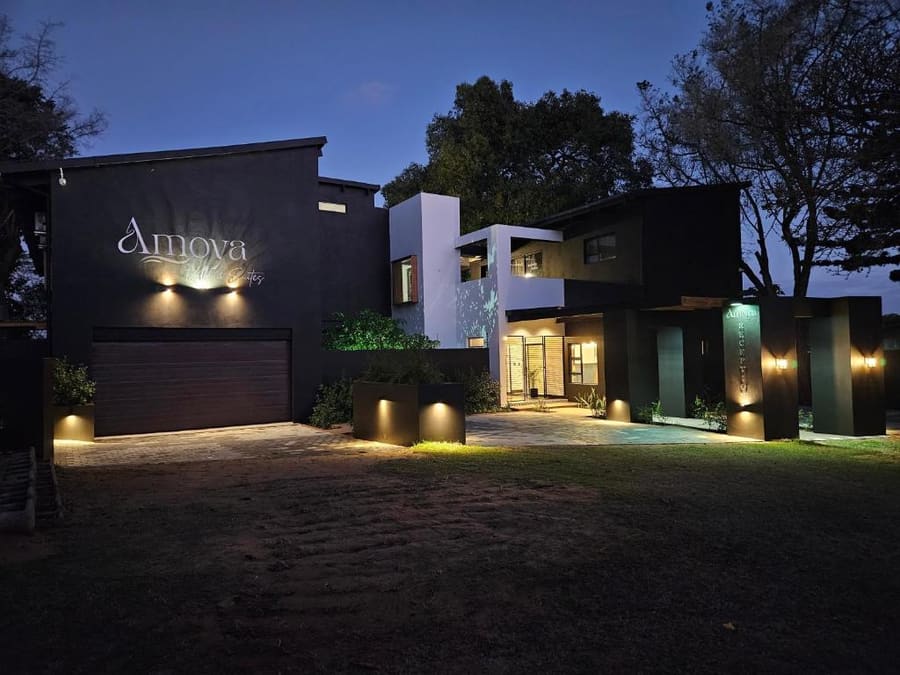
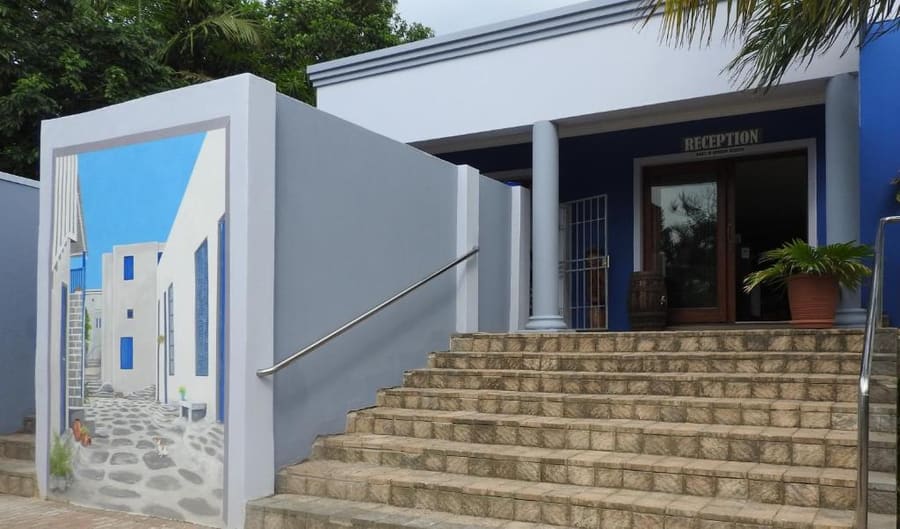
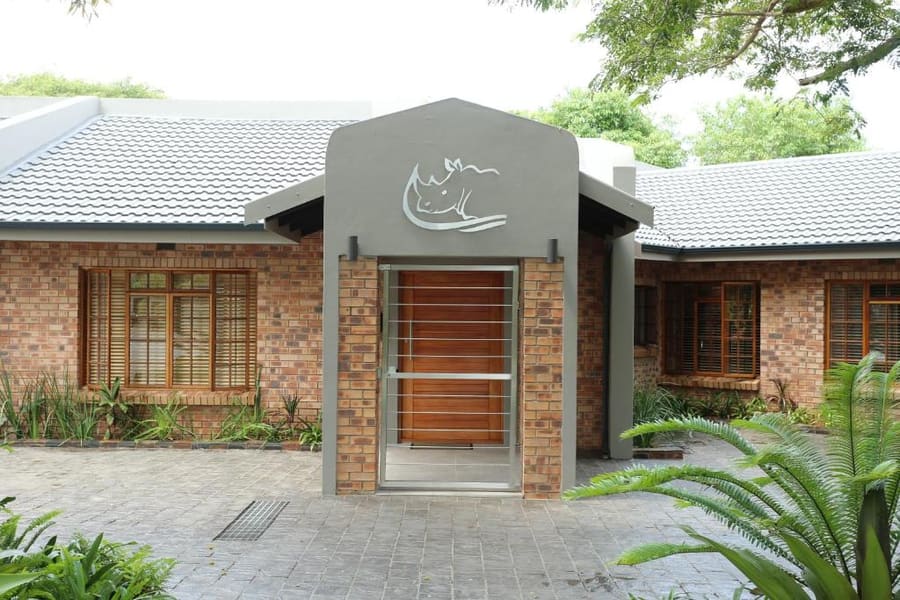
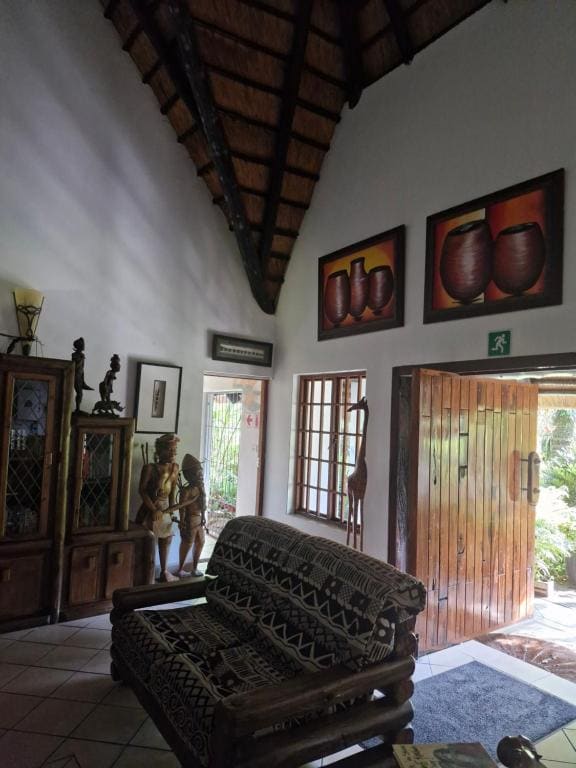
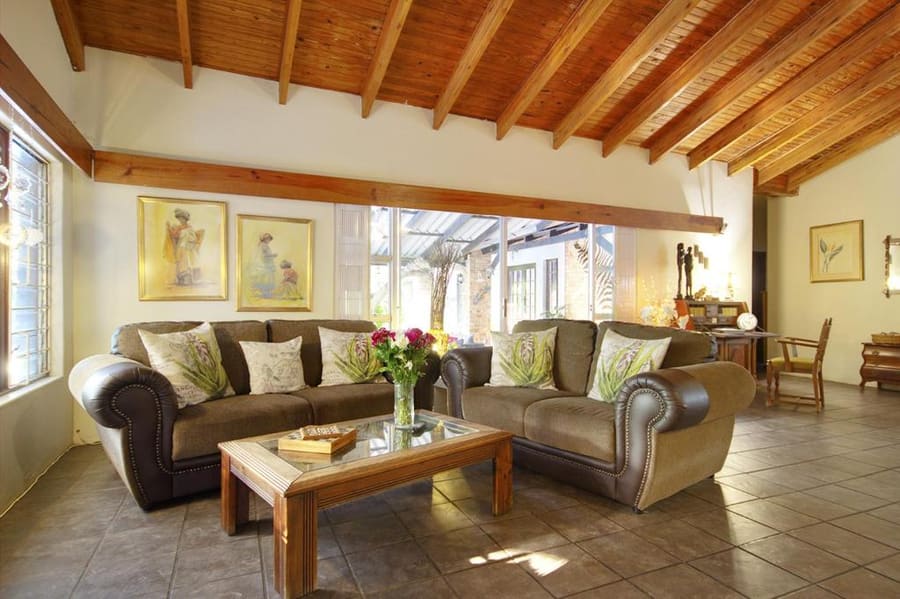
Choose your base depending on whether you prioritize dining on foot or total night-time silence. Central St Lucia is compact, but location determines your evening logistics.
Live rates, matched to the areas above.
transport
St Lucia has no public municipal transit system. The town itself is small enough to walk across in 20 minutes during daylight hours, but exploring the surrounding national park requires a vehicle.Renting a car at the airport gives you complete freedom for self-drive safaris inside iSimangaliso and trips north to Cape Vidal.
من Richards Bay Airport (RCB)
Essential for self-drive safaris inside iSimangaliso Wetland Park.
Must be arranged in advance through your lodge or tour operator.
Shared vans operate on scheduled flight arrival times.
Drive slowly inside town after sunset. Hippos leave the estuary to graze on residential lawns and roads.
iSimangaliso gates open at 05:00 in summer and 06:00 in winter. Gates strictly close at sunset.
Enforced 40 km/h speed limits inside the reserve protect wildlife crossing the tar roads.
cost
St Lucia is affordable compared to private game reserves in South Africa. You pay standard regional prices for food and accommodation, with additional costs coming from park entry fees and guided water safaris.
Standard ticket per adult on scheduled boat tours.
Includes adult entry fee plus standard vehicle tariff.
Covers fresh linefish, steaks, or peri-peri prawn platters.
Half-day open 4x4 game drive through Eastern Shores.
seasonality
JUN – AUG
Dry winter days with temperatures around 23°C. Excellent game viewing as animals gather at waterholes.
SEP – NOV
Humpback whales migrate along the coast. Spring warmth builds without extreme humidity.
DEC – FEB
Hot, humid summer with tropical rain. Loggerhead and leatherback turtles nest on northern beaches.
MAR – MAY
Cooler temperatures and calm sea water. Lower tourist numbers make this the easiest planning window.
practicalities
St Lucia is a low-risk malaria area. Use insect repellent and wear long sleeves during evening hours.
Never stand between a hippo and water. Keep at least 20 meters away if you encounter one on land.
Credit and debit cards are widely accepted across shops, entry gates, and restaurants.
Strong rip currents occur along St Lucia beaches. Swim only at Cape Vidal's protected bay area.
Power outages can occur nationally. Lodges provide back-up generators or solar lighting.