landmark
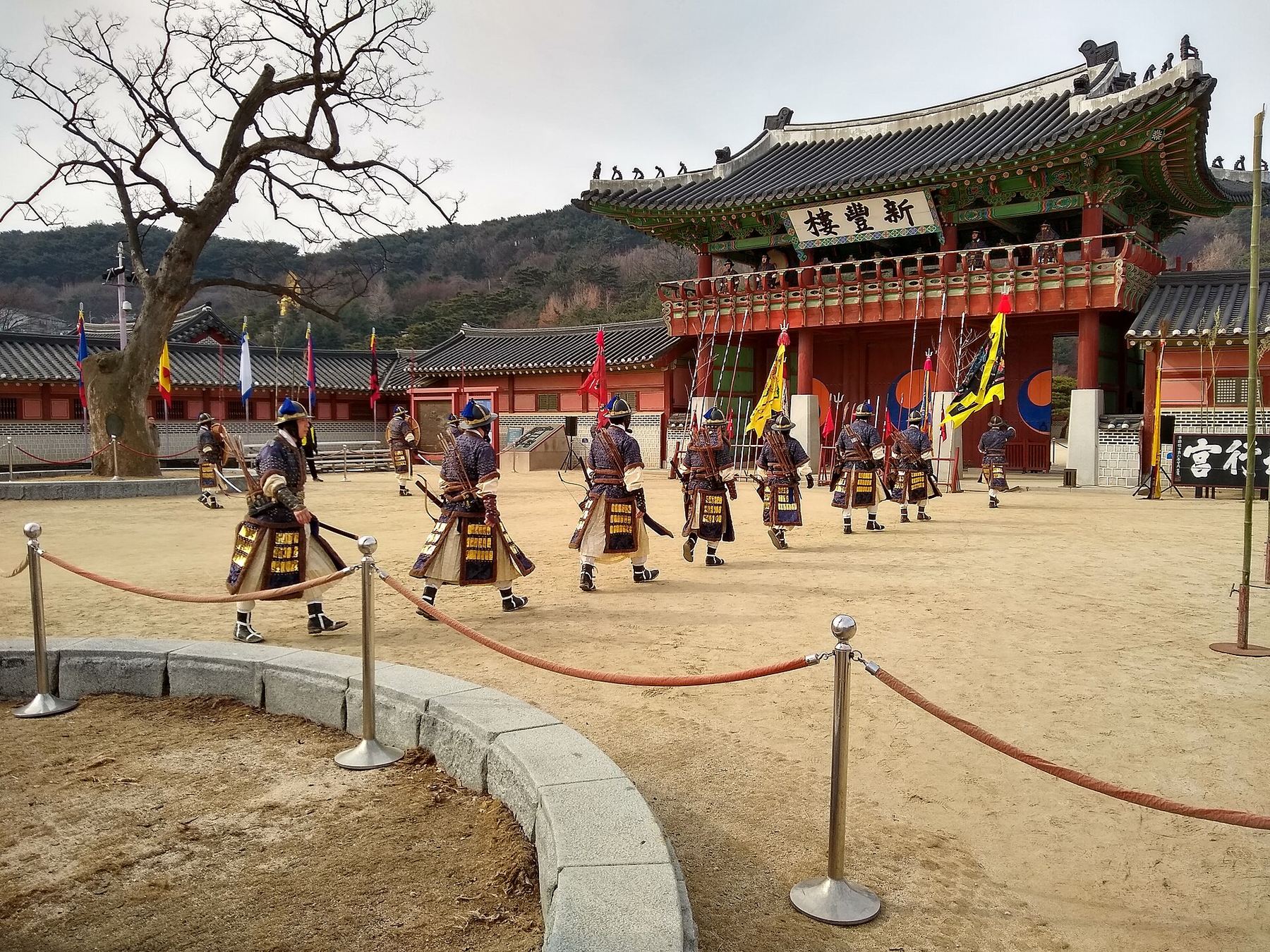
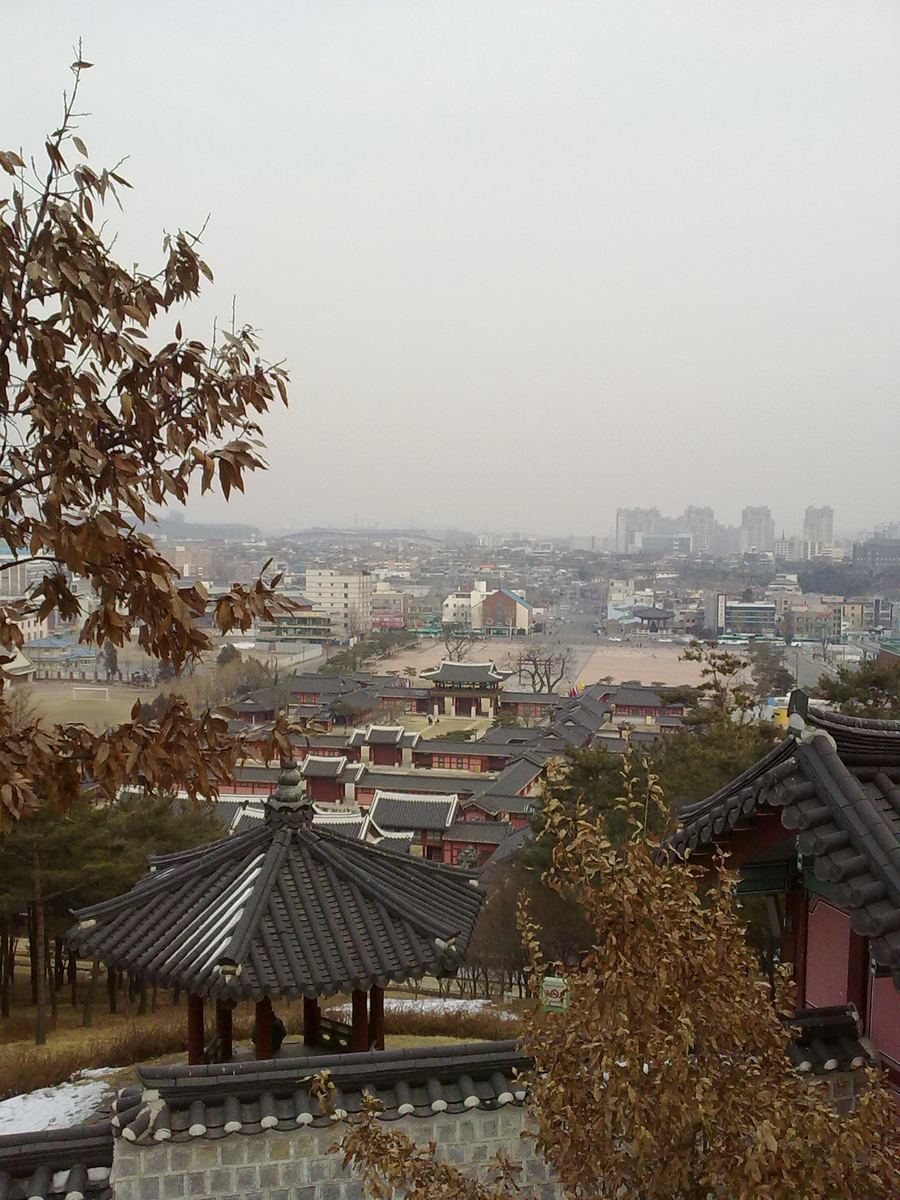
Hwaseong Fortress Ramparts
A 5.7-kilometre wall circuit encircling the historic core. Walk the full perimeter in under three hours; start at Janganmun.
اسأل Parleyكوريا الجنوبية
Complete 18th-century walls encircle galbi grills in the historic district, while tech giants like Samsung are located…
introduction
Suwon is a planned 18th-century fortress city wrapped in 5.7 kilometres of walkable stone walls, sitting 30 kilometres south of Seoul. Samsung headquarters is located several kilometers away in Yeongtong-gu rather than bordering royal pavilions, giving the urban core a functional, dual identity. You move between historic gates on foot and traverse the outer districts via metro or bus. Expect dense commercial streets, specialized food alleys, and steep ascents along the ramparts.
Direct KTX from Seoul Station
Take the KTX from Seoul Station to Suwon Station in 30 minutes. It costs under 9,000 KRW and avoids slow local subway stops.
UNESCO World Heritage fortress
Hwaseong Fortress gained UNESCO status in 1997. King Jeongjo built the entire 5.7-kilometre wall between 1794 and 1796 using early modern cranes.
Fortress pass and night lights
Walking the wall is free, but palace entry requires a 1,500 KRW ticket. Visit at sunset when floodlights illuminate the stone ramparts.
Suwon
본인 · CC BY-SA 3.0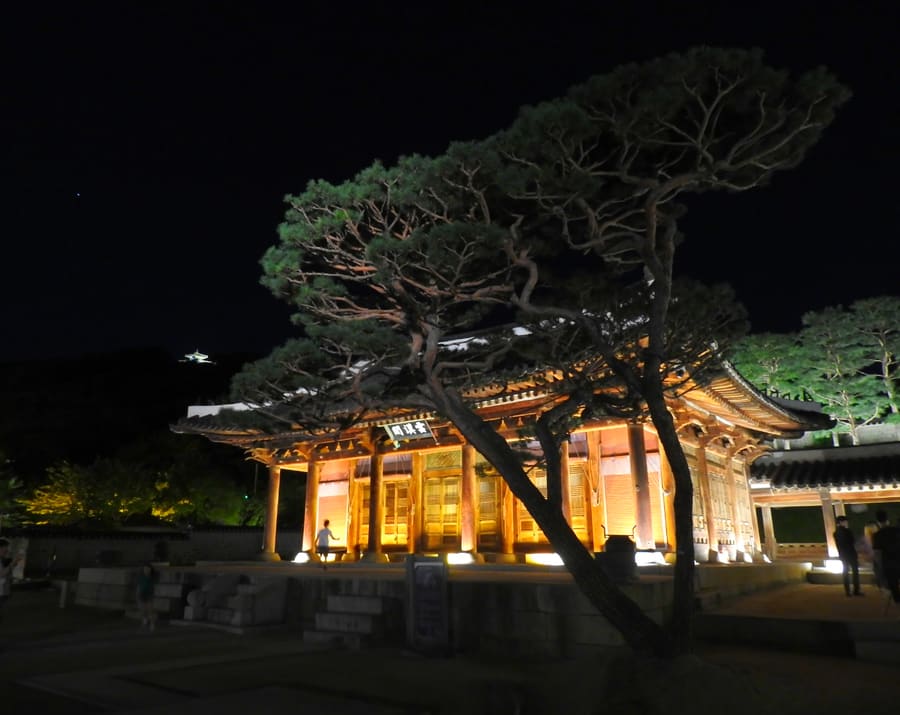
Haenggung-dong — Low-rise heritage residential zone converted into independent cafes, craft workshops, and guesthouses.
Jpbarrass · CC BY-SA 4.0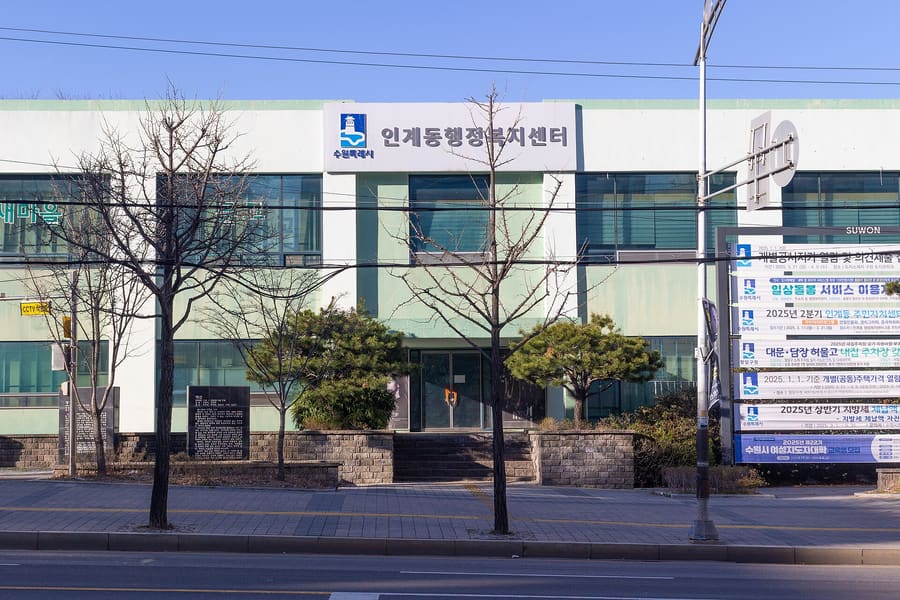
Ingye-dong — High-density entertainment center packed with neon bars, late-night BBQ houses, and business hotels.
Nt · CC BY 4.0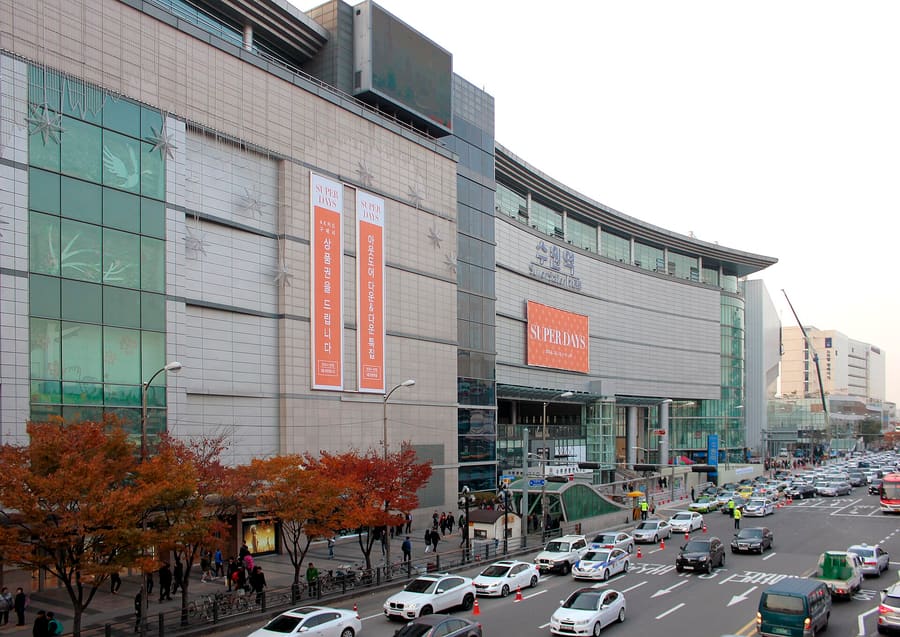
Suwon Station Area — Major transit terminal wrapped in department stores, underground shopping malls, and budget stays.
Minseong Kim · CC BY-SA 4.0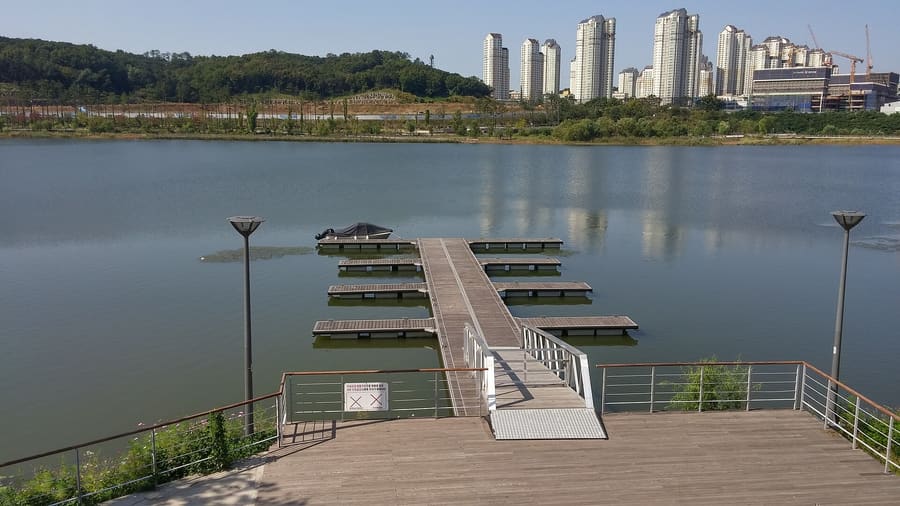
Gwanggyo — Modern planned satellite town around two large lakes, featuring high-end apartments and broad boardwalks.
Jocelyndurrey This photo was taken with LG G3 · CC BY-SA 4.0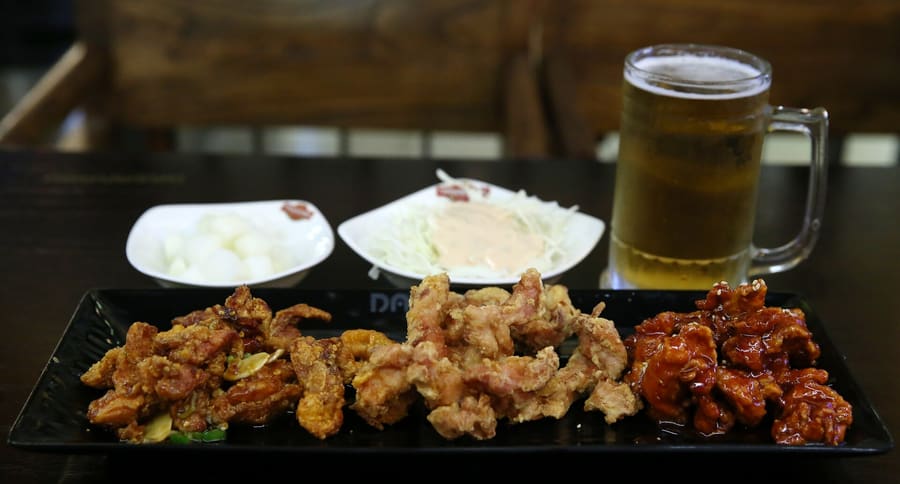
Iron cauldrons deliver super-crisp skin along Suwon Chicken Street.
KOREA.NET · CC BY-SA 2.0highlights
landmark
A 5.7-kilometre wall circuit encircling the historic core. Walk the full perimeter in under three hours; start at Janganmun.
اسأل Parleylandmark
The royal temporary palace used by King Jeongjo. Pay 1,500 KRW entry and catch martial arts demonstrations at 11:00 except Mondays.
اسأل Parley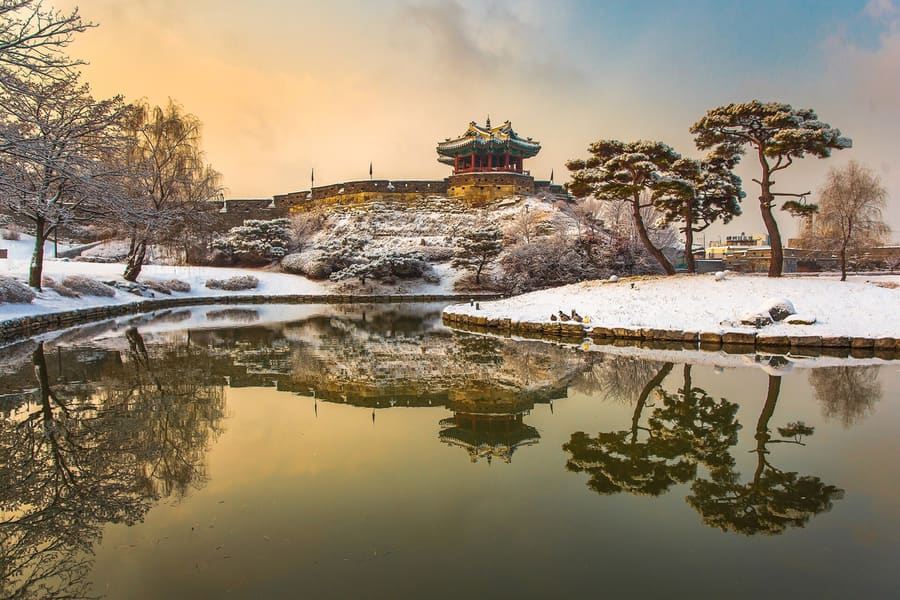
landmark
A defensive post overlooking Yongyeon pond. Bring coffee at dusk when crowds gather on the grass below the pavilion.
اسأل Parleylandmark
A street lined with cauldron-fried chicken spots since the 1970s. Order whole fried chicken at Jinmi Tongdak; expect queues past 19:00.
اسأل Parleyattractions
areas
Low-rise heritage residential zone converted into independent cafes, craft workshops, and guesthouses.
قريبHaenggung Palace and western fortress wall
اسأل ParleyHigh-density entertainment center packed with neon bars, late-night BBQ houses, and business hotels.
قريبSuwon City Hall station and Naehyang park
اسأل ParleyMajor transit terminal wrapped in department stores, underground shopping malls, and budget stays.
قريبLine 1, Suin-Bundang Line, and KTX train platforms
اسأل ParleyModern planned satellite town around two large lakes, featuring high-end apartments and broad boardwalks.
قريبGwanggyo Lake Park and Galleria Department Store
اسأل Parleyfood
Suwon galbi (marinated beef short ribs) originated at the local cattle market in the 1940s, distinguished by salt seasoning rather than soy sauce. Establishments like Kabojong serve giant prime ribs alongside a dozen banchan dishes. On Suwon Chicken Street near Suwon-cheon, cooks fry whole chickens in iron cauldrons over intense flame, tossing them in sweet galbi sauce.
Iron cauldrons deliver super-crisp skin along Suwon Chicken Street.
KOREA.NET · CC BY-SA 2.0A single serving of galbi weighs 400 to 450 grams, roughly double standard Seoul portions. Order one portion per person before adding side dishes.
High-end rib restaurants sell out of lunch-only galbi-tang (beef short rib soup) by 13:00. Arrive by 11:30 to secure a bowl.
Chicken places like Jinmi and Yongsung accept card payments at the counter. You pay after eating, not upon ordering.
history
King Jeongjo planned Suwon in 1794 as a new defensive capital to honor his murdered father, Crown Prince Sado. Engineer Jeong Yak-yong designed walls using pulleys and brickwork, completing the structure in two years. War destroyed portions in the 20th century, but exact 18th-century architectural manuals enabled complete modern restoration.
Fortress Construction Begins
King Jeongjo orders construction of Hwaseong Fortress using modern engineering methods.
Ramparts Completed
Fortress walls and 48 defensive structures finish in 34 months.
Korean War Damage
Heavy fighting destroys Janganmun gate and sections of the timber pavilions.
Meticulous Restoration
Master carpenters rebuild destroyed gates using the 1801 Hwaseong Seongyeok Uigwe manual.
UNESCO Inscription
UNESCO designates Hwaseong Fortress a World Cultural Heritage site.
where to stay
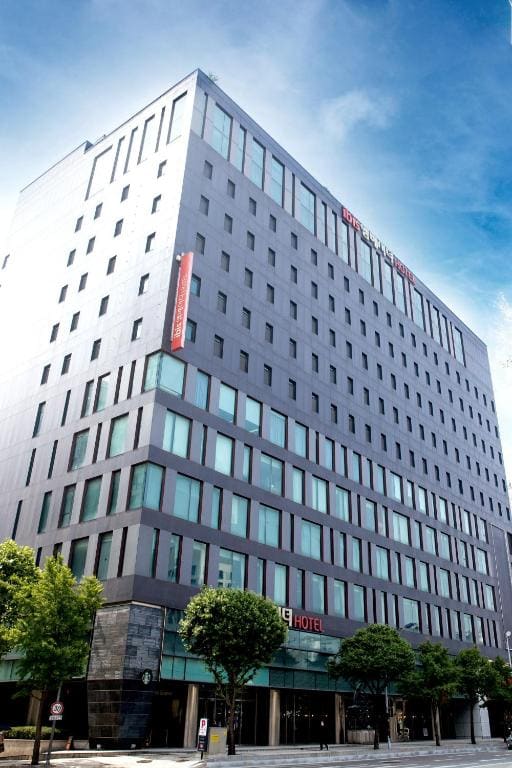
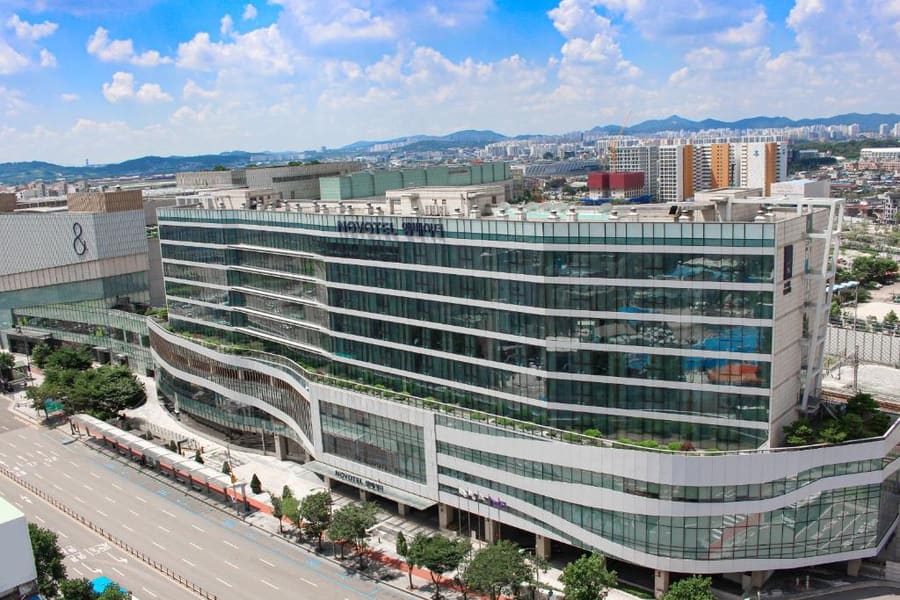
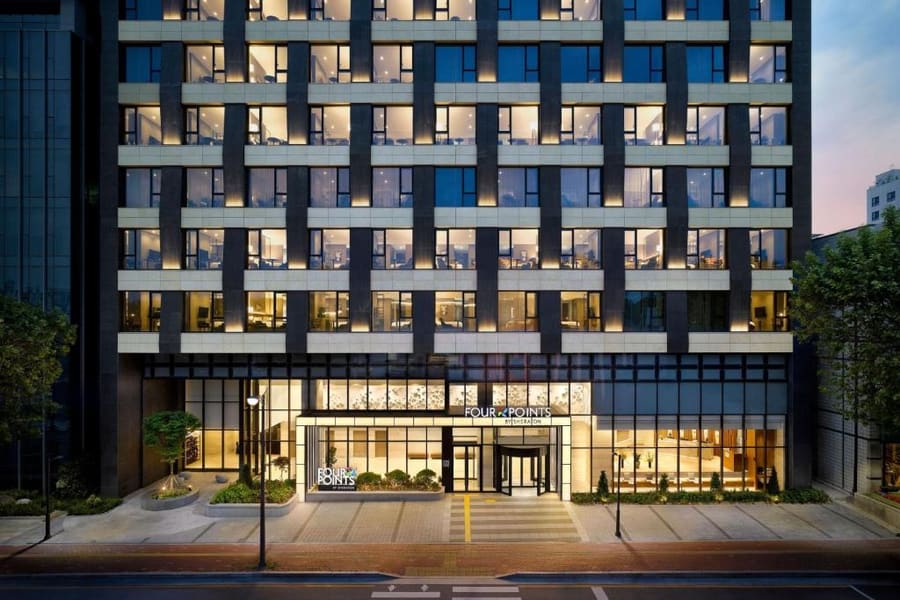
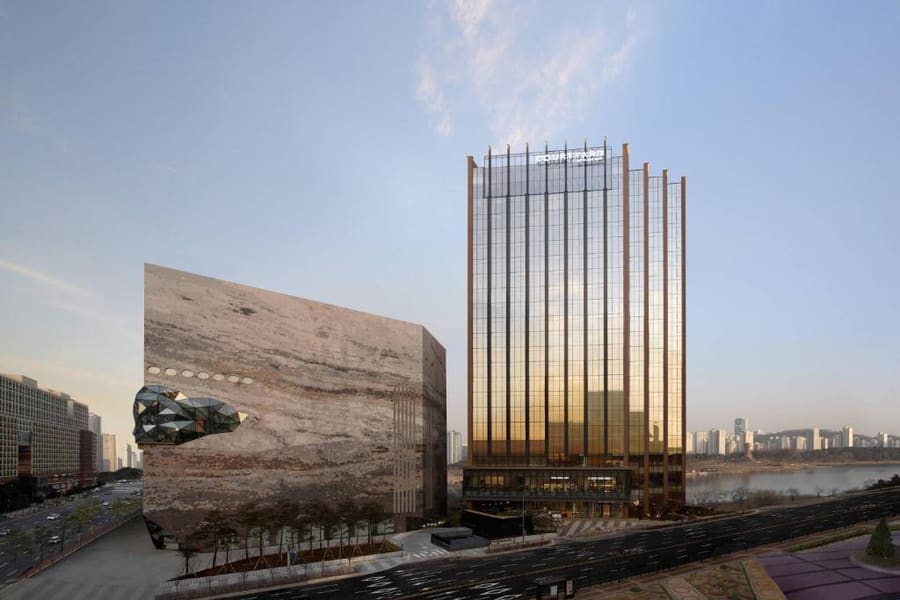
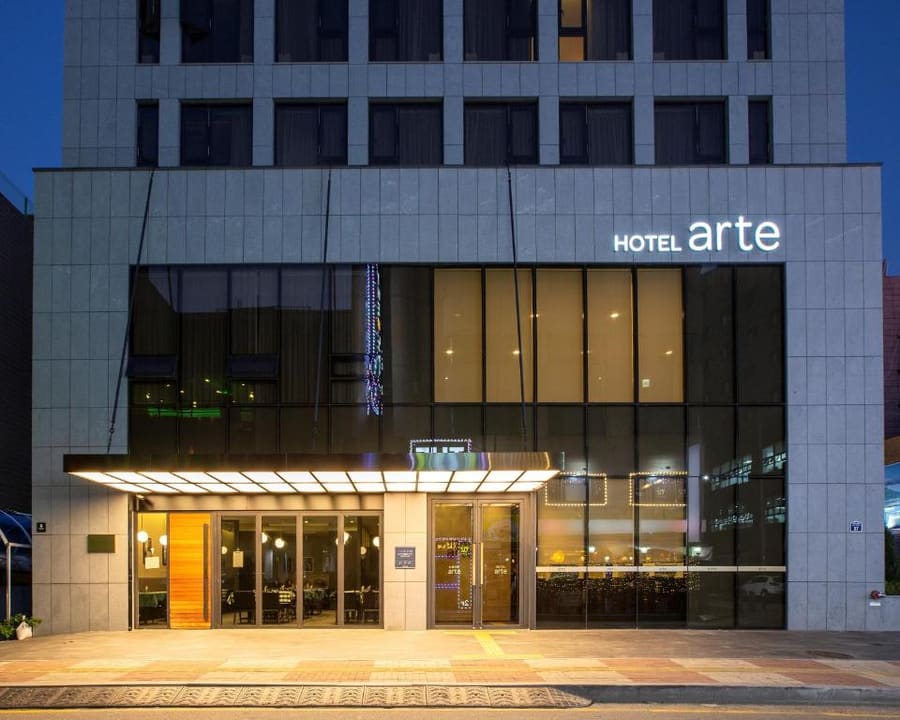
Choose your base by your priority: heritage proximity inside the fortress wall, high-speed rail access at Suwon Station, or nightlife and upscale business hotels in Ingye-dong.
Live rates, matched to the areas above.
transport
Suwon integrates seamlessly into the Greater Seoul transit network via T-money transit card. Subways and city buses link all districts, while taxi base fares in Suwon are equal to Seoul's (4,800 KRW).
من ICN (Incheon International Airport)
Airport Limousine Bus 4100 runs directly from ICN T1/T2 to Suwon Station and Hotel Castle.
Metered taxi from Incheon Airport. Toll charges of ~6,600 KRW add to the final meter fare.
Buses and subway lines require tapping your card when exiting to register transfer discounts within 30 minutes.
A dragon-headed tourist train circles key fortress spots for 3,000 KRW, ideal for skipping uphill walks.
Ask taxis for 'Janganmun' or 'Paldalmun' rather than general fortress names to land at specific wall entry points.
Check Line 1 train displays for 'Express' (Gyeongbu Express) to skip small stations between Seoul and Suwon.
cost
Suwon is moderately cheaper than central Seoul for food and lodging. Heritage entry fees are negligible, while high-end galbi commands premium prices due to meat quality.
Hearty short rib soup served with rice and kimchi at traditional rib houses.
Prime marinated beef short rib portion weighing over 400g.
Standard flat fare across all city bus routes using T-money card.
Feeds two to three people on Suwon Chicken Street, including gizzards.
seasonality
MAR – MAY
Spring cherry blossoms bloom along the fortress walls. Crisp walking weather with moderate afternoon crowds.
JUN – AUG
Monsoon rains and high humidity make daytime rampart walks intense. Evening strolls under fortress lights offer relief.
SEP – NOV
Clear skies and autumnal leaves around Yongyeon pond. Autumn hosting of the Suwon Hwaseong Cultural Festival.
DEC – FEB
Sub-zero temperatures and icy rampart steps. Clear days give sharp long-distance visibility over the city.
practicalities
Stone stairs along Paldalsan hill are steep and uneven. Wear sturdy rubber-soled shoes.
Storage lockers sit near Line 1 exit gates inside Suwon Station for 2,000–5,000 KRW per day.
Fortress floodlights turn on at sunset and stay lit until 22:00, making late evening safe for walking.
Bring a refillable bottle; drinking fountains sit near major gates including Janganmun and Changryongmun.