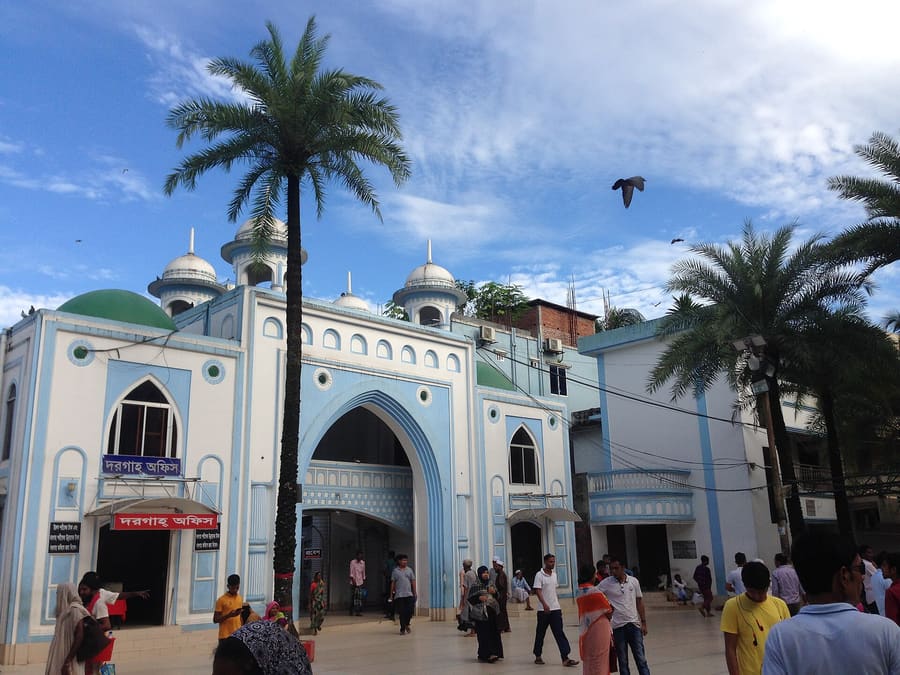
landmark
Shah Jalal Dargah
14th-century Sufi shrine complex. Dress conservatively and remove shoes before entering the inner court.
اسأل Parley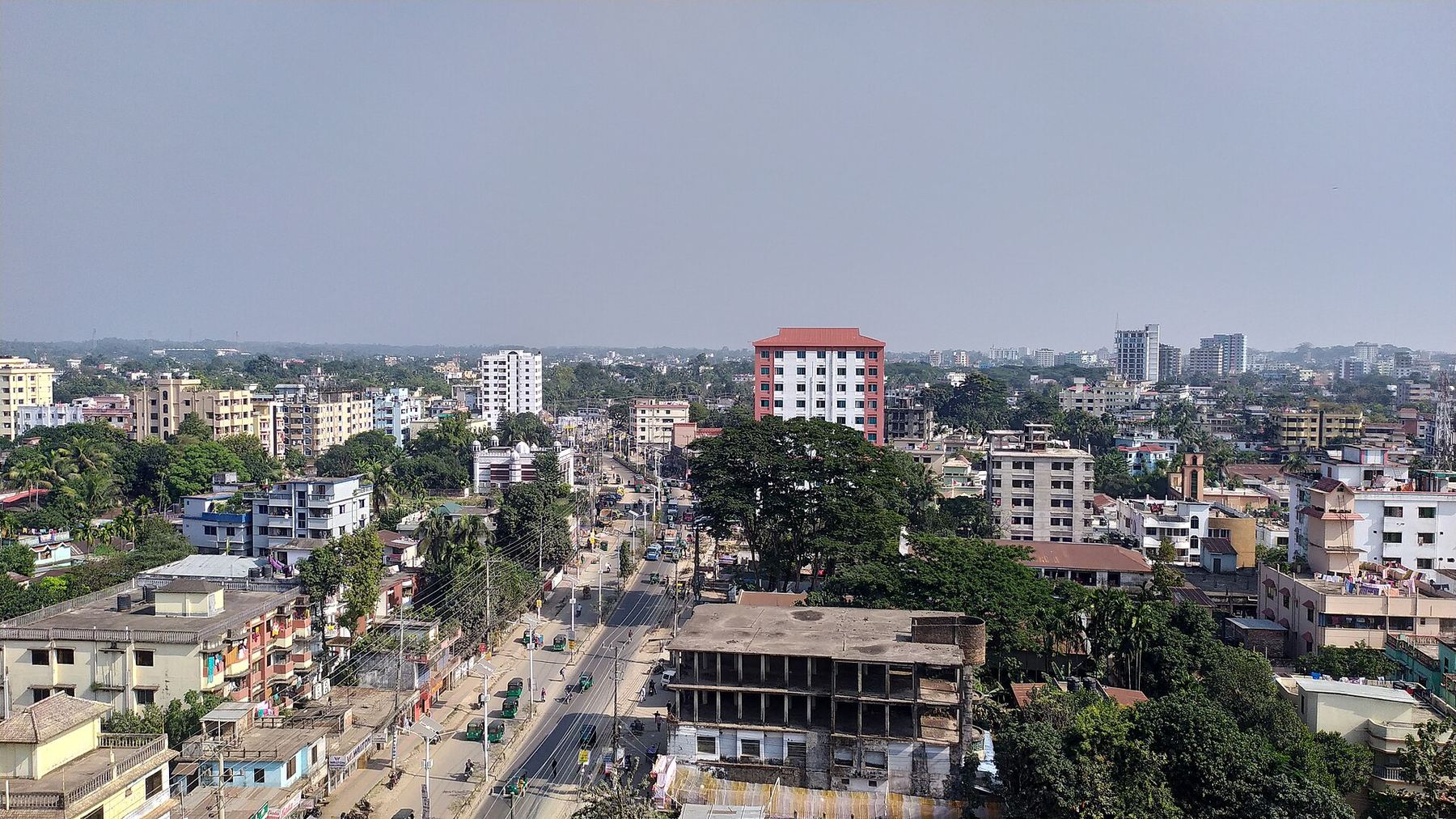
بنغلاديش
Tea estates, swamp forests, and citrus-spiced curries.
introduction
Sylhet sits in northeastern Bangladesh where tea-covered hills meet monsoon floodplains. Life here revolves around the Surma River, rain-fed inland waterways, and an economy shaped by deep ties to the Sylheti diaspora in Britain. You come here to ride wooden boats through submerged forests, eat beef stewed with wild Shatkara citrus, and walk through India-border hill passes.
Arrival hack
Osmani International Airport sits 10 km north of town. CNG auto-rickshaws outside the main gate cost half the price of terminal counter taxis.
Oldest tea plantation
Malnicherra, established in 1854, is the oldest operational commercial tea estate in the Indian subcontinent.
Seasonal access
Monsoon rains from June to September flood Ratargul Swamp Forest into a navigable boat canopy. Dry winter months turn it into a walking trail.
Sylhet
Belayet (User:Bellayet) · CC BY 3.0
Zindabazar — Commercial district dense with traditional curry houses, electronics shops, and street vendors.
মাত্রা · CC0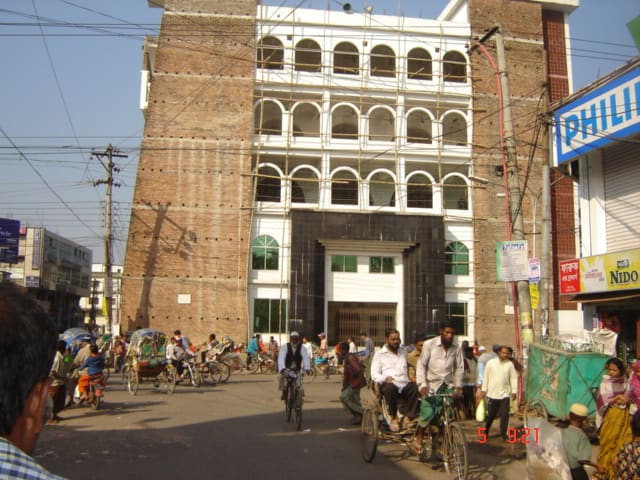
Amberkhana — Transit hub district with direct CNG links to northern tea estates and swamp forests.
Khan Hasan Mahmud · CC BY-SA 3.0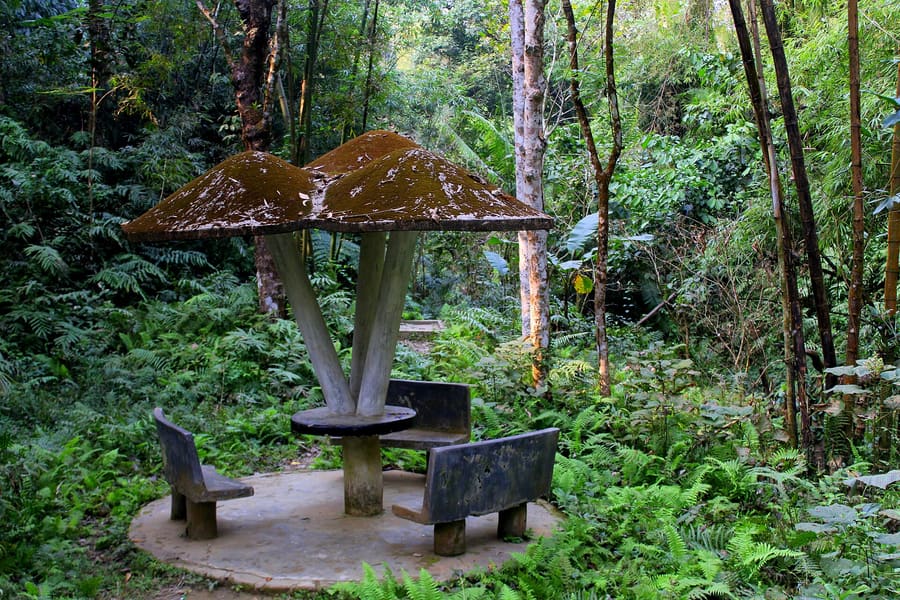
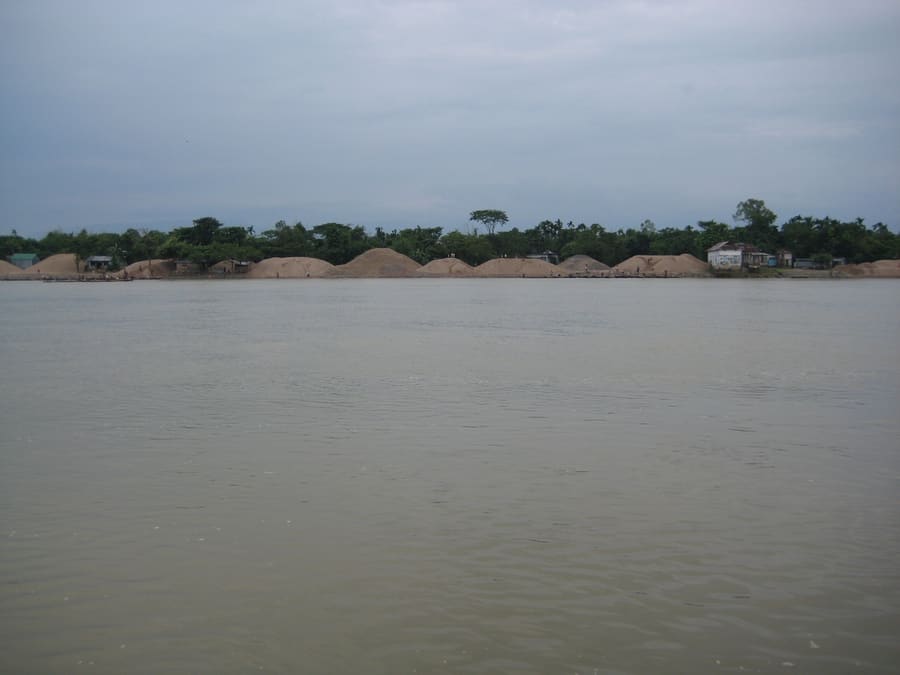
Khadimnagar — Semi-rural outer zone dominated by tea gardens and rainforest reserves.
Hasib Mehedi Porosh · CC BY-SA 4.0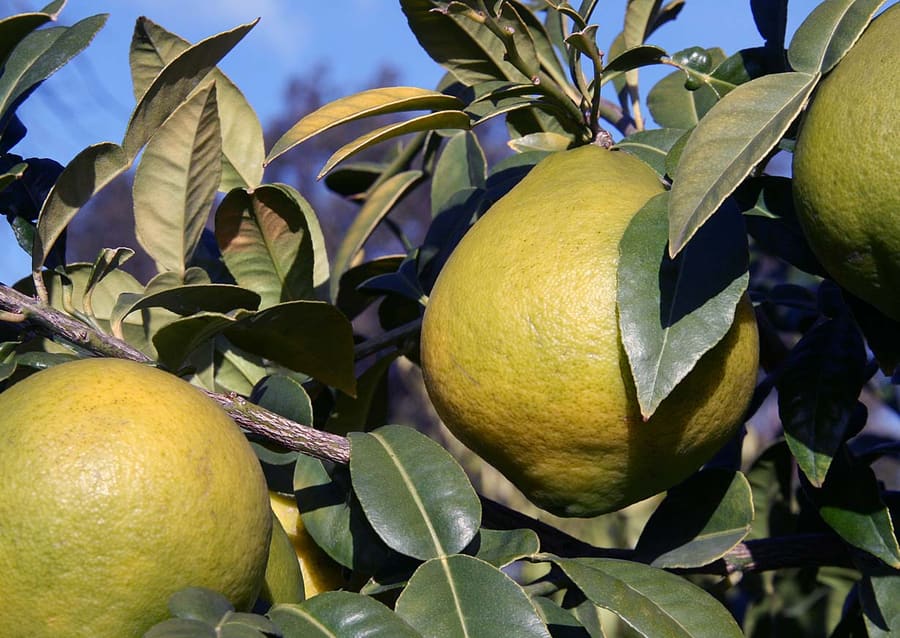
Shatkara (Citrus macroptera), the wild citrus native to Sylhet that defines its signature beef stews.
Jpbrigand · CC BY-SA 4.0highlights
landmark
14th-century Sufi shrine complex. Dress conservatively and remove shoes before entering the inner court.
اسأل Parley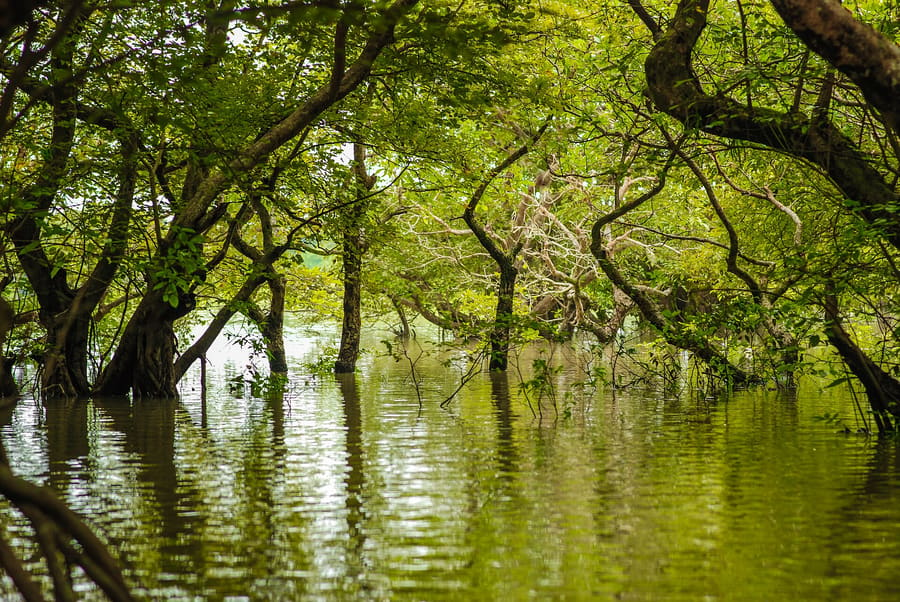
landmark
Freshwater swamp forest best explored by quiet hand-paddled boat from July through October.
اسأل Parley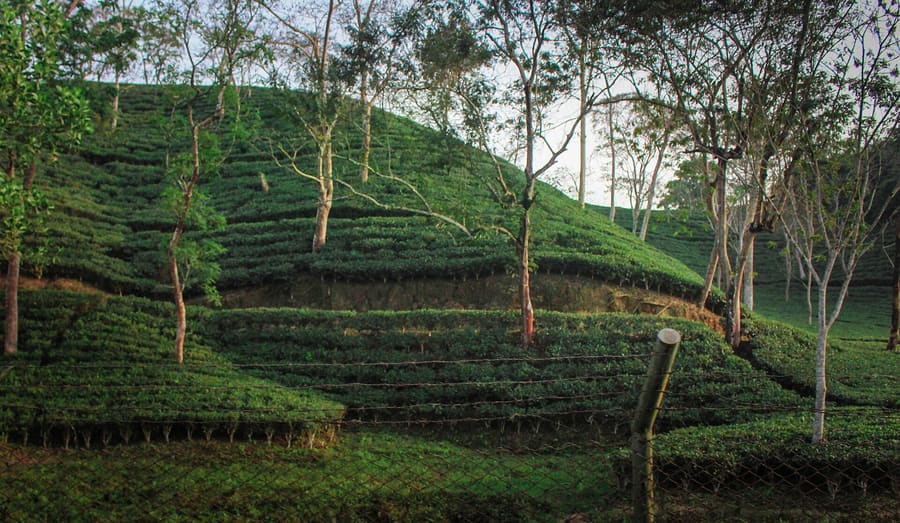
landmark
The subcontinent's oldest tea garden. Walk the perimeter tracks freely before noon.
اسأل Parley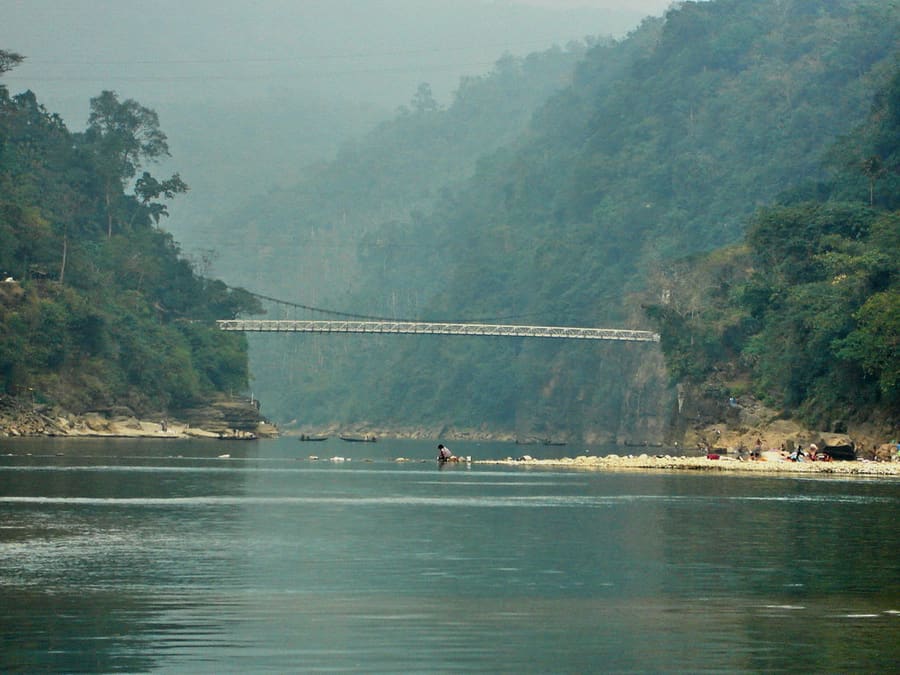
landmark
Border river point below Indian hills. Hire a boat at the bank to reach the quiet river bend.
اسأل Parley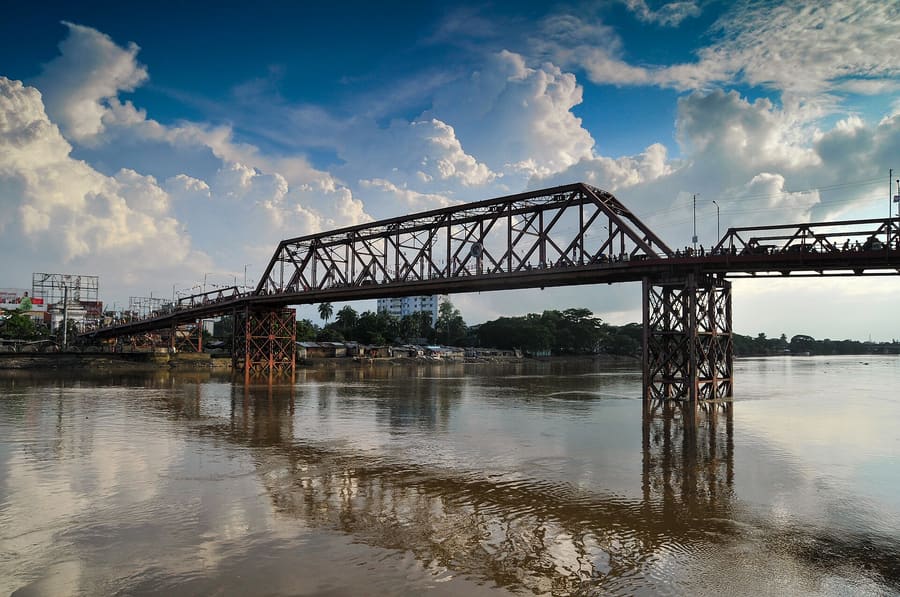
landmark
1936 iron bridge crossing the Surma River. Walk it at dusk when river currents cool the air.
اسأل Parley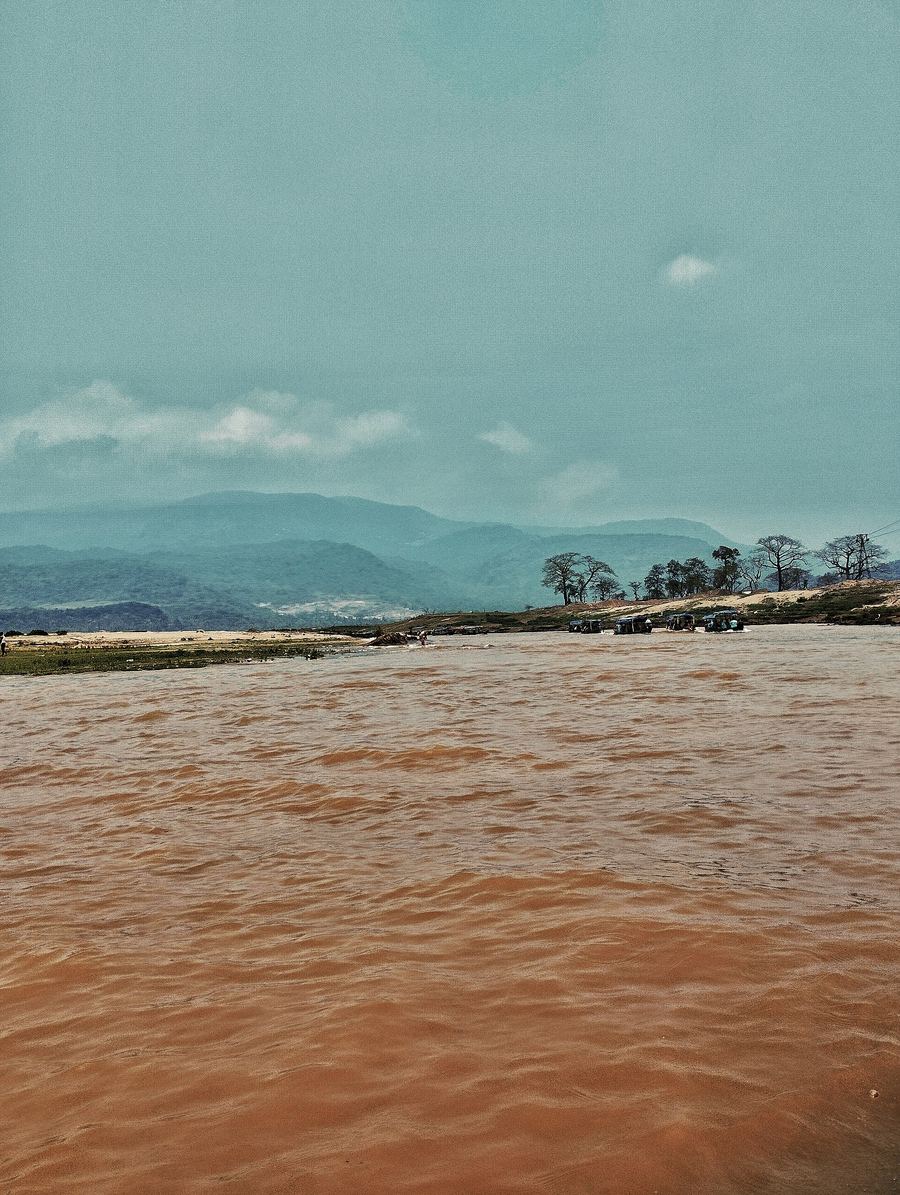
landmark
Clear mountain water running over white river stones. Take a boat from Bholaganj ghat.
اسأل Parleyattractions
areas
Commercial district dense with traditional curry houses, electronics shops, and street vendors.
قريبKeane Bridge, Surma Riverfront, City Centre markets
اسأل ParleyTransit hub district with direct CNG links to northern tea estates and swamp forests.
قريبShah Jalal Dargah, Malnicherra Estate north boundary
اسأل ParleySemi-rural outer zone dominated by tea gardens and rainforest reserves.
قريبKhadimnagar National Park, Lakhakatat Tea Estate
اسأل ParleyQuieter residential pocket with tree-lined lanes, bakeries, and boutique stays.
قريبShahi Eidgah, East Sylhet access roads
اسأل Parleyfood
Sylhet's cooking tastes distinct from southern Bangladeshi food because of wild Shatkara—a bitter, highly aromatic citrus with thick pith that slow-simmers into beef and mutton curries. During winter, restaurants serve local slow-cooked wild duck curry seasoned with whole black pepper and ginger.Freshwater fish from local haor wetlands, particularly Boal and Pabda, arrive daily at dawn markets and are cooked with mustard paste or dried fish chutneys (shutki bhorta). Pay fine attention to the cut of meat when ordering beef shatkara; bone-in cuts hold the citrus oil best.
Shatkara (Citrus macroptera), the wild citrus native to Sylhet that defines its signature beef stews.
Jpbrigand · CC BY-SA 4.0In Zindabazar, order beef with Shatkara, local duck curry, and four choices of shutki bhorta with plain rice.
Best for evening tandoori and Sylheti style naan. Arrive before 20:00 to avoid table waits on weekends.
Originating in nearby Sreemangal tea estates, local tea stalls layer different tea densities and spice milks in a single glass.
history
Sylhet was an ancient kingdom integrated into Bengal during the medieval period. In 1303, Sufi missionary Shah Jalal arrived with 313 disciples, reshaping the region's religious and cultural identity around Islam and Sufi mysticism.Under British rule, British planters established Bangladesh's first commercial tea estates in 1854. The mid-20th century saw massive migration to the United Kingdom, establishing a diaspora that today funds local infrastructure and shapes Sylheti architecture.
Shah Jalal's arrival
Shah Jalal defeats the local king Gour Govinda, establishing Sufi Islam across the Surma Valley.
First tea estate
Malnicherra Tea Estate is established by British enterprise, founding the regional tea economy.
Sylhet Referendum
Sylhet votes by referendum to separate from Assam and join East Bengal (later Bangladesh).
Liberation War
Sylhet sees fierce battles along the border passes before Bangladeshi independence.
where to stay
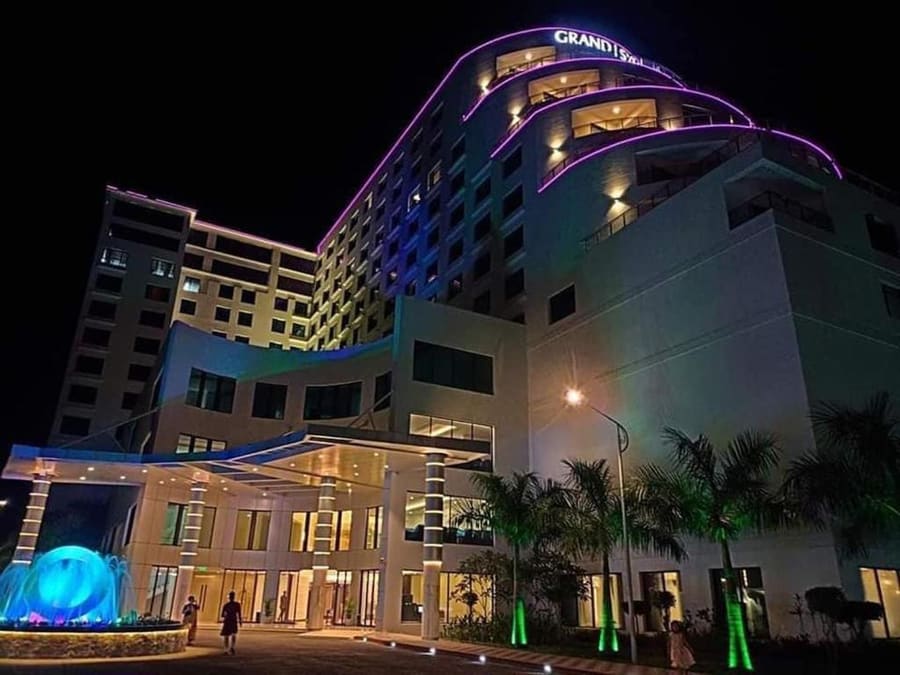
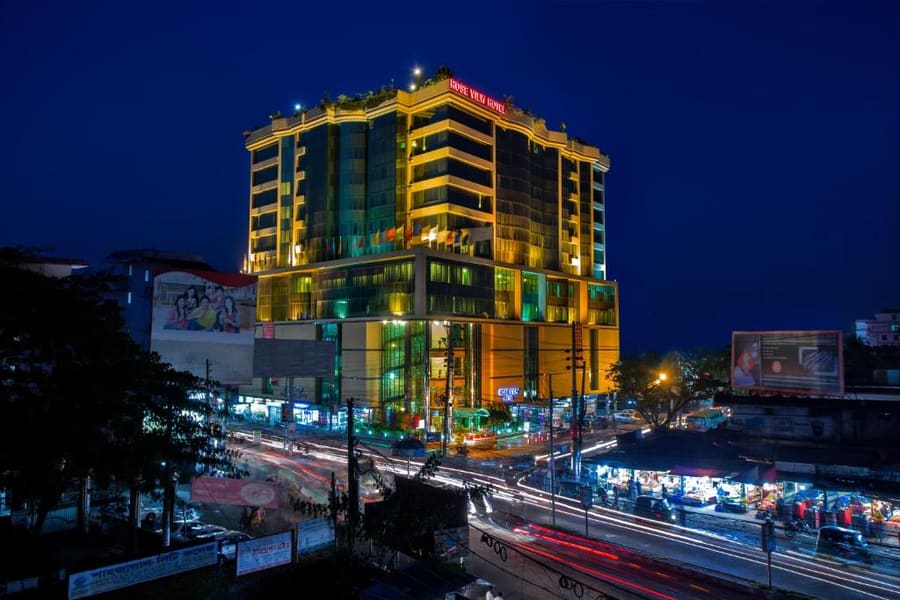
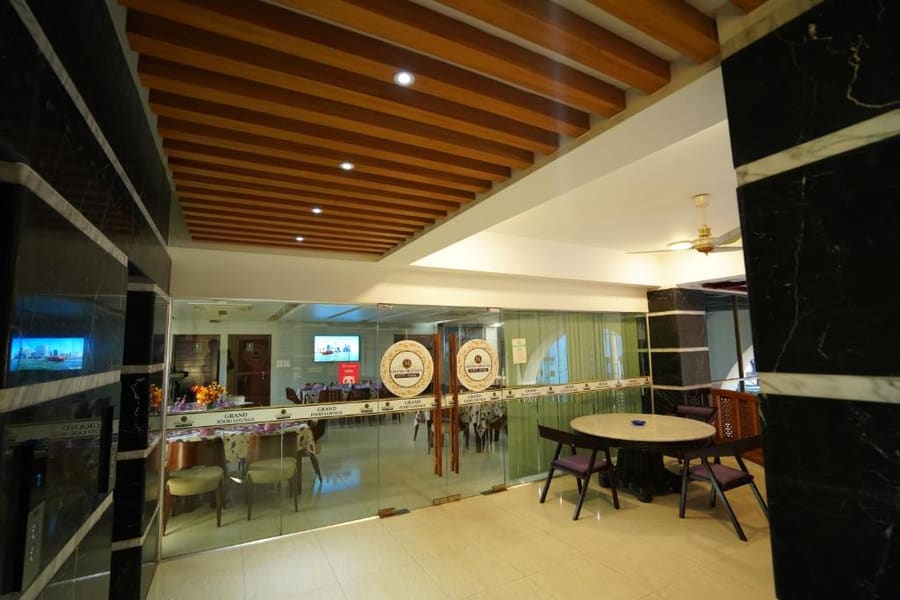
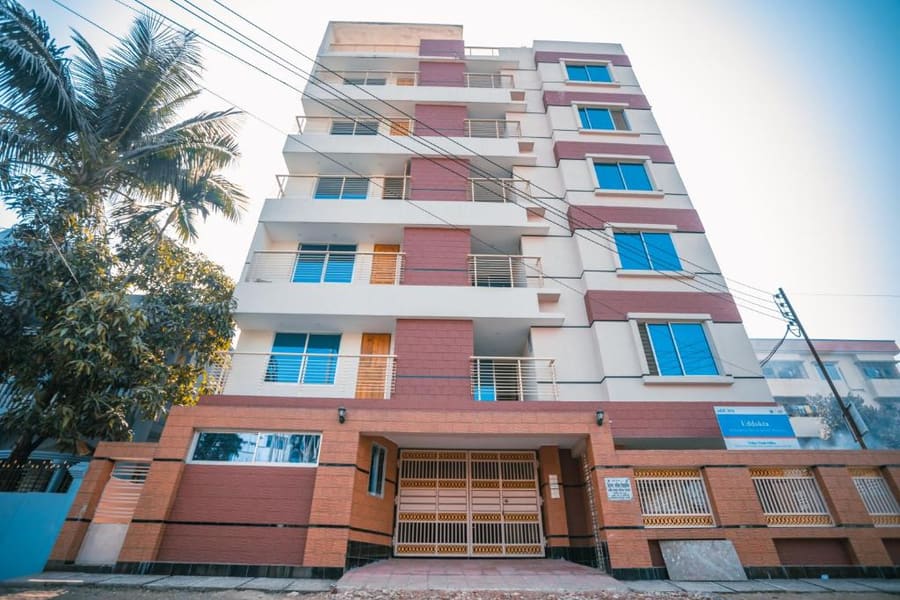
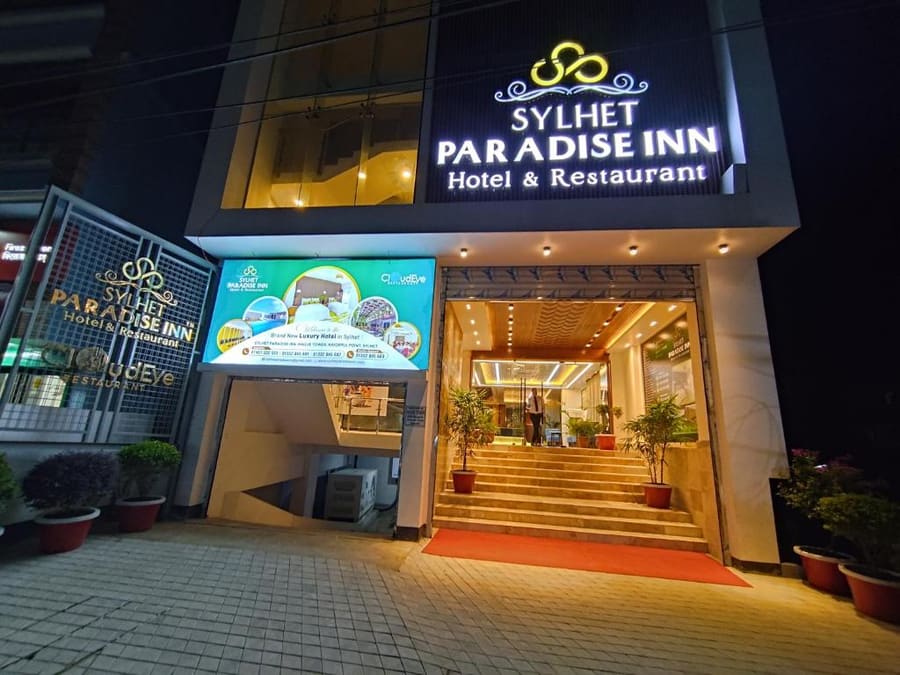
Choose your base depending on whether you want early morning boat trips or late-night curry houses. Staying in Zindabazar puts you within walking distance of famous eateries, while Khadimnagar offers resort grounds surrounded by tea gardens.
Live rates, matched to the areas above.
transport
Sylhet has no metro or large city bus fleet. Movement relies on green CNG auto-rickshaws, rickshaws for short trips, and private hired cars for day trips to border waterways like Jaflong and Bholaganj.
من Osmani International Airport (ZYL)
Pre-pay counters inside arrival lounge eliminate driver haggling.
Uber car availability varies by hour; pick up at parking lot exit.
Metres are rarely used. Agree on destination price before step-in: ৳100–150 covers most cross-city hops.
Located south of Surma River in Kadamtoli. Cross Keane Bridge to reach central Zindabazar hotels.
Day trips to Jaflong or Bholaganj require hiring a Sedan/Microbus for ৳3,500–5,000 including fuel.
cost
Sylhet is affordable relative to Dhaka, but boat rentals and car hires for day trips require cash. Mid-range hotels accept international credit cards, but street eateries and CNG drivers take cash only.
Includes rice, lentils, Shatkara beef, and multiple fish chutneys.
Official fixed boat rates per hour for up to 5 passengers.
Standard short ride rate across central neighborhoods.
Served at specialized tea stalls in town and tea garden roads.
seasonality
NOV – FEB
Cool dry winter weather (15–25°C). Ideal for walking tea gardens, but swamp forest water levels drop.
MAR – MAY
Hot humid spring with occasional pre-monsoon rain squalls. Tea leaves flush vibrant green.
JUN – OCT
Heavy monsoon rains flood Ratargul and swell river channels. Essential for full swamp forest boat trips.
practicalities
At Hazrat Shah Jalal Shrine, cover legs and shoulders. Women enter designated prayer sections.
Dutch-Bangla Bank and BRAC Bank ATMs in Zindabazar accept foreign Visa and Mastercard.
Stick to sealed bottled water; avoid unboiled water ice in roadside beverage stalls.
Shops and eateries close between 12:00 and 14:30 on Fridays for Jumu'ah prayers.
Request life jackets before boarding boats at Ratargul, Jaflong, or Bholaganj.