landmark
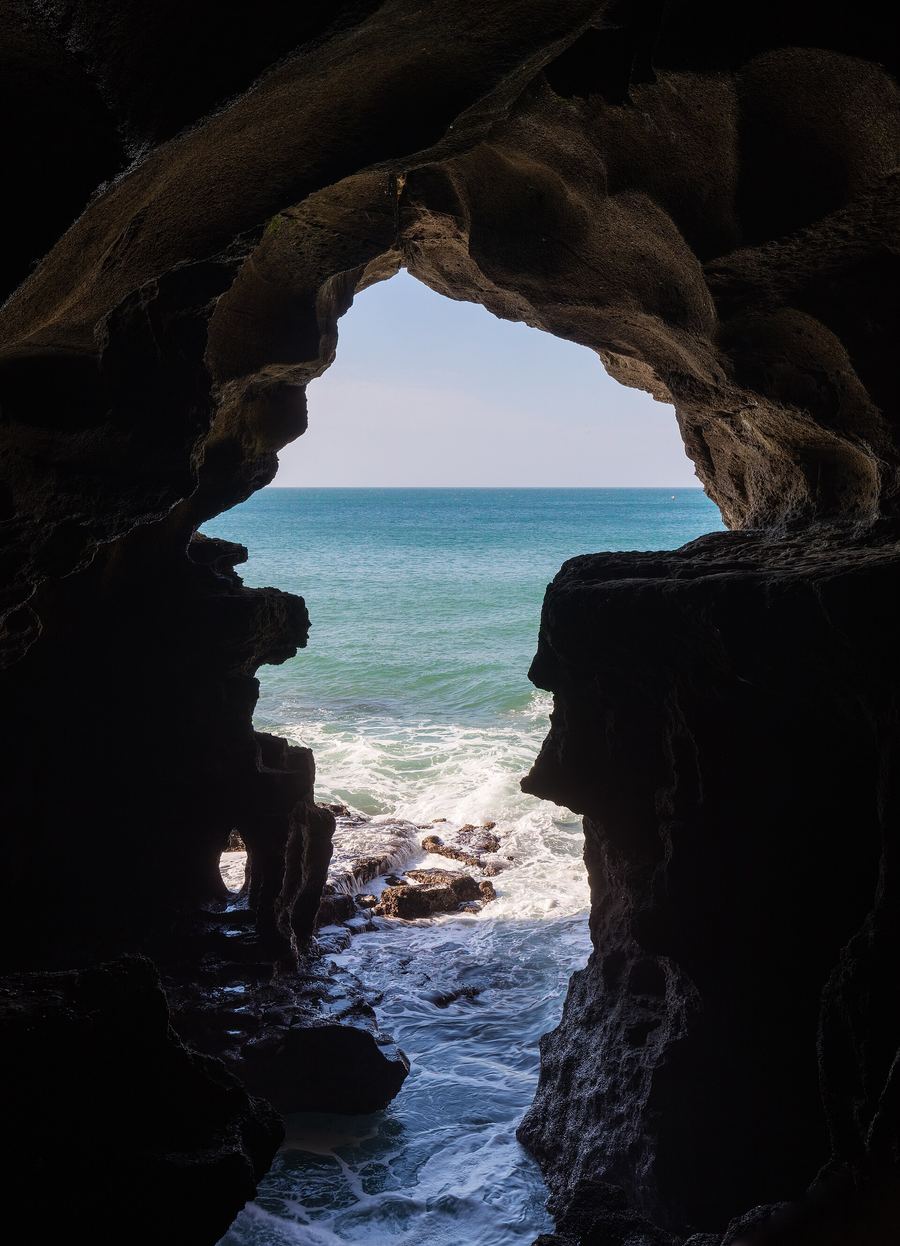
Caves of Hercules
Sea caves carved by waves feature an opening shaped like Africa. Visit at low tide around 10:00 to dodge tour buses.
اسأل Parleyالمغرب
A gateway port where two seas and two continents meet.
introduction
Tangier commands the point where Africa meets Europe across approximately 8.9 miles of sea. You navigate the city in distinct layers, moving from the steep pedestrian alleys of the Medina up to the Kasbah citadel, then down toward the wide European avenues of the Ville Nouvelle. Expectations should align with a working port city rather than a quiet resort town. The reward is a place defined by trade, sea breezes, and constant movement.
Arrival trick: Al Boraq train
The Al Boraq high-speed train connects Casablanca to Tanger Ville in two hours. Buy tickets online three days ahead for the lowest fare.
Recognition: UNESCO Medina
Tangier's Medina sits on UNESCO's tentative list. Its alley layout preserves the 18th-century defensive perimeter intact.
Planning trick: Petit taxi fares
Small turquoise taxis operate on meters by law. Drivers must turn them on; demand it before closing the door.
Tangier
Alerumi · CC BY 2.0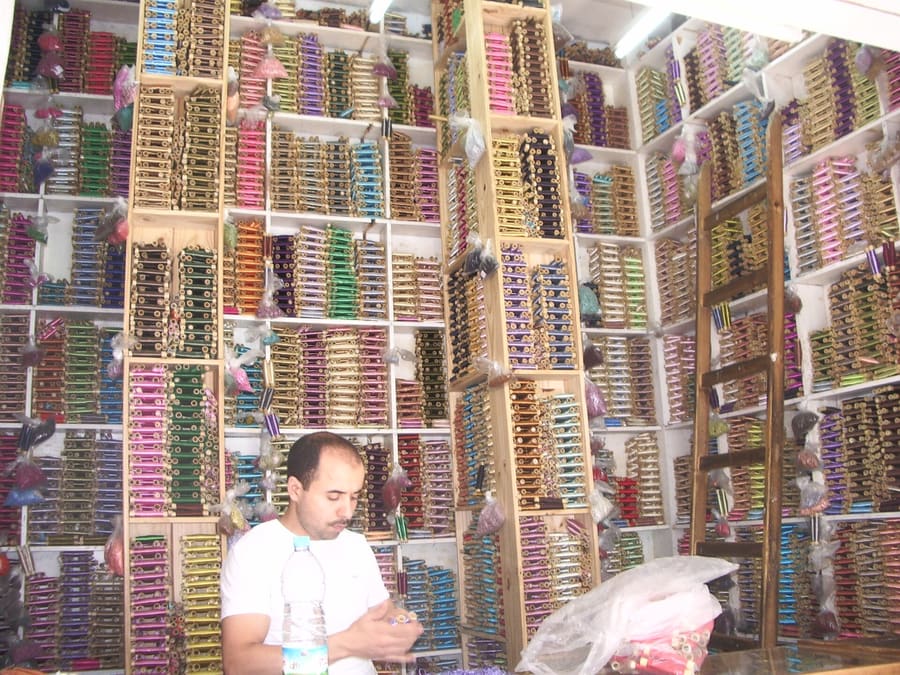
Medina — Winding alleys, market stalls, and whitewashed walls inside the historic ramparts.
carlos corzo · CC BY-SA 3.0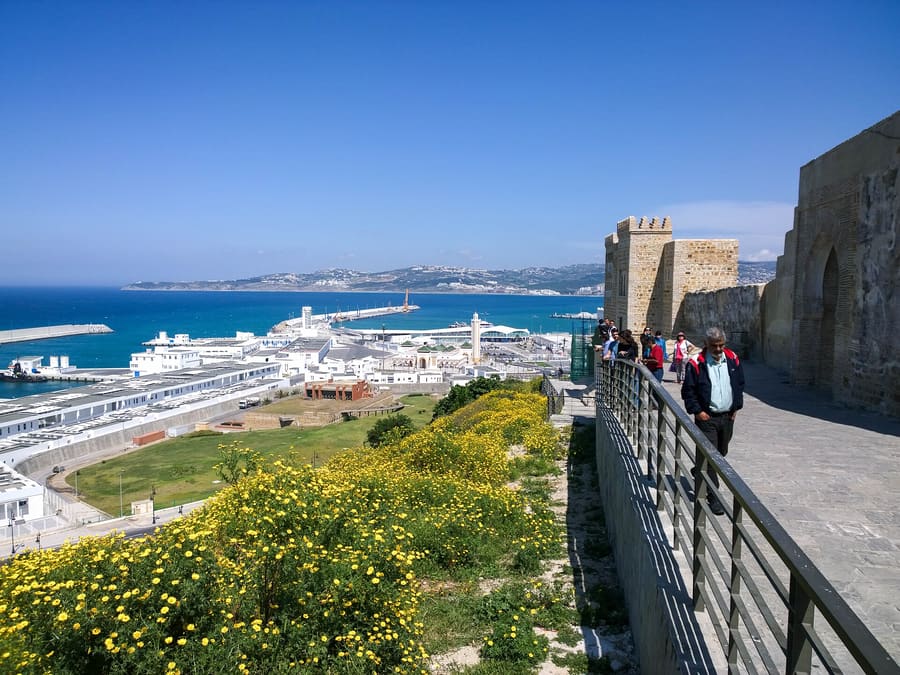
Kasbah — Quiet hilltop quarter with panoramic strait views and converted riads.
paigeproduction2012 · CC BY-SA 2.0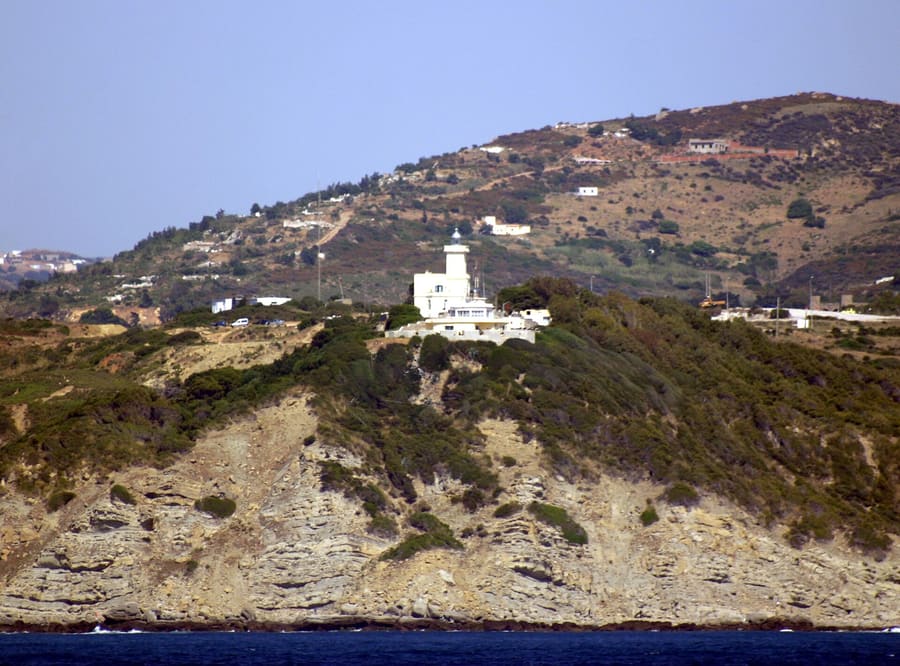
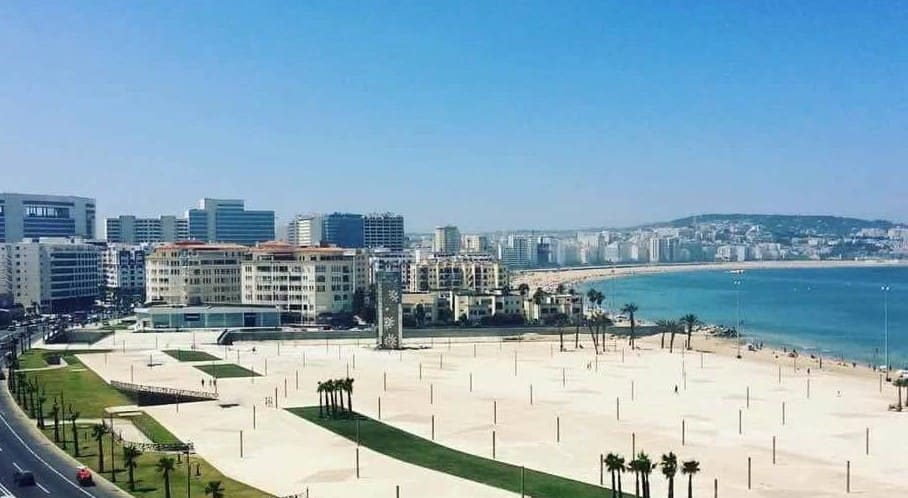
Malabata — Modern beachfront strip lined with resort hotels, bars, and sandy bay views.
California Will · CC BY 2.0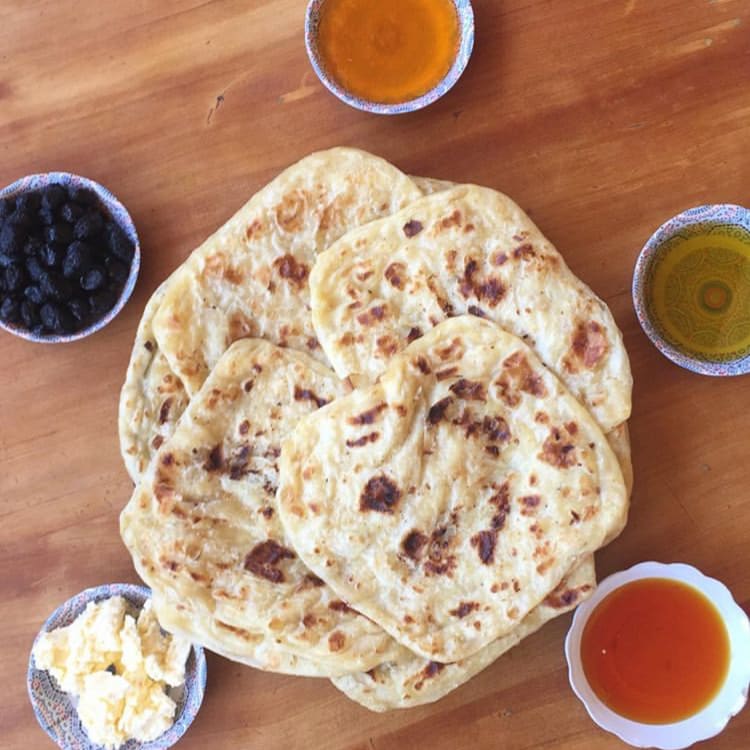
Grilled sardines and fresh tomato salad served near the port stalls.
إيان · CC BY-SA 4.0highlights
landmark
Sea caves carved by waves feature an opening shaped like Africa. Visit at low tide around 10:00 to dodge tour buses.
اسأل Parley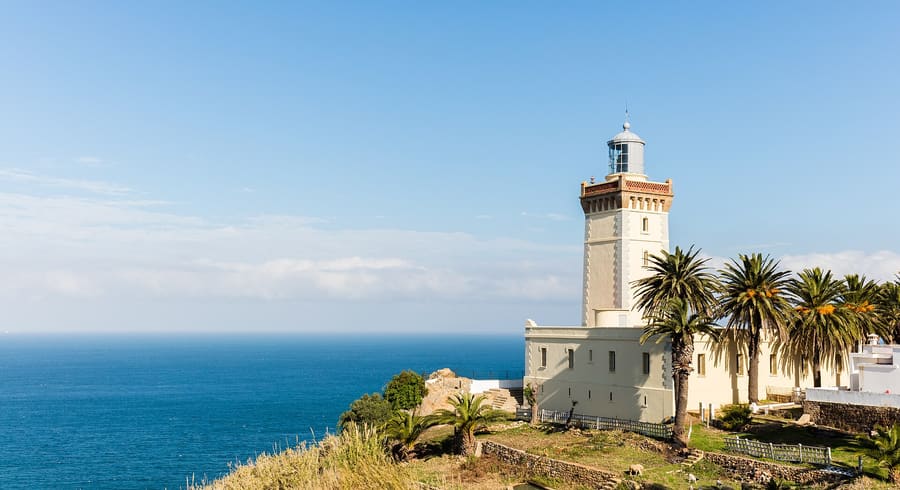
landmark
Lighthouse marking the junction of the Atlantic and Mediterranean. Ocean views cost nothing from the cliffhead pathways.
اسأل Parley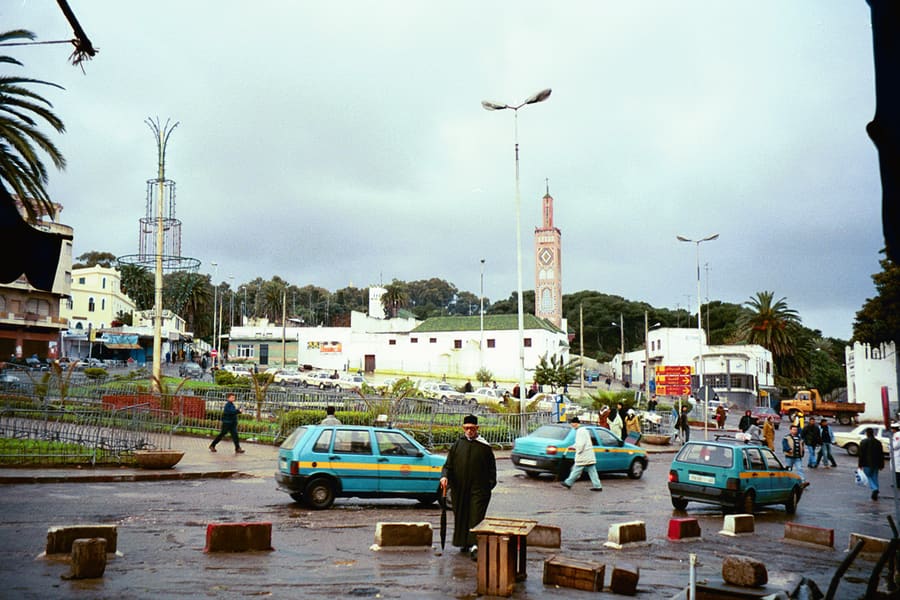
landmark
The gateway plaza separating the old city from modern avenues. Cinema Rif offers cheap espresso and people-watching.
اسأل Parley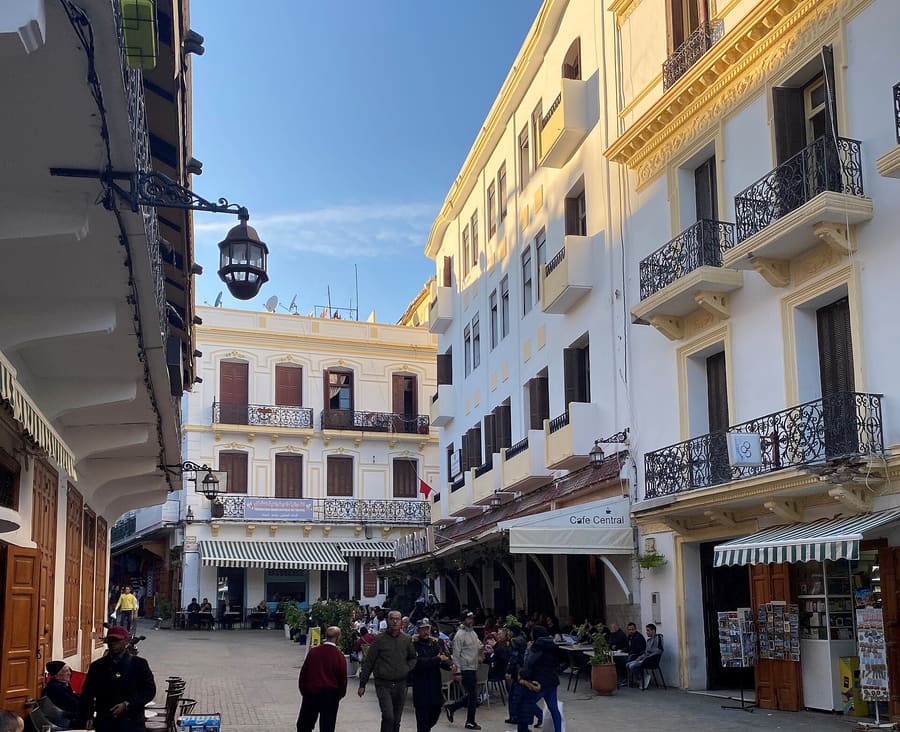
landmark
The historical heart of cafe culture in the lower Medina. Sit outside with a mint tea for 10 MAD.
اسأل Parleyattractions
areas
Winding alleys, market stalls, and whitewashed walls inside the historic ramparts.
قريبGrand Socco and Petit Socco.
اسأل ParleyQuiet hilltop quarter with panoramic strait views and converted riads.
قريبKasbah Museum and Bab Haha.
اسأل ParleyModern beachfront strip lined with resort hotels, bars, and sandy bay views.
قريبTanger Ville railway station and Tanger City Mall.
اسأل ParleyWide French colonial avenues, art deco facades, and bustling sidewalk cafes.
قريبBoulevard Pasteur and Grand Socco.
اسأل Parleyfood
Tangier eats differently from inland Morocco. The Strait of Gibraltar supplies fresh sardine plates, grilled swordfish, and tagines baked with salted lemon and bay leaves. Breakfast centers on warm bissara, a spiced fava bean soup sold from street cauldrons in the lower Medina.
Grilled sardines and fresh tomato salad served near the port stalls.
إيان · CC BY-SA 4.0Local workers start the day at small soup stalls near Grand Socco. A bowl of spiced fava bean purée drizzled with olive oil costs 10 MAD.
Fish taverns near the port serve their main catch between 12:30 and 15:00. Arrive early to secure outdoor seating.
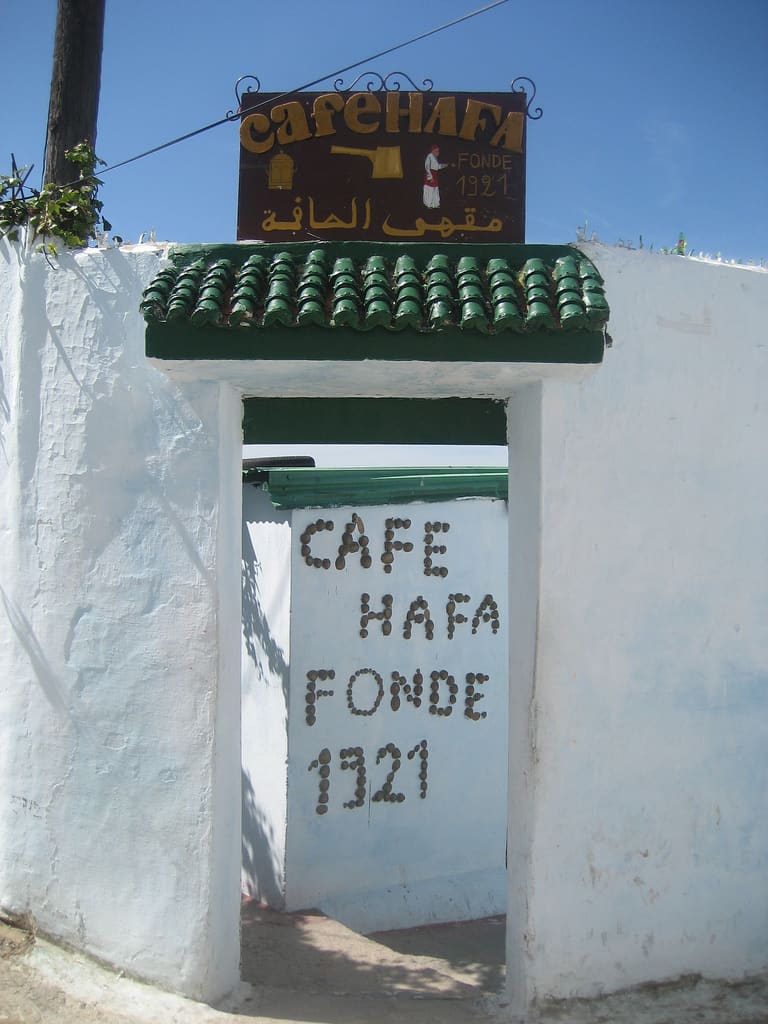
Order a mint tea for 12 MAD at Café Hafa on the Marshan cliffs. The stepped terrace has faced Spain across the strait since 1921.
history
Tangier owes its character to geography. Guarding the entry to the Mediterranean, control shifted between Phoenicians, Romans, Portuguese, British, and Moroccans. In 1923, international powers designated Tangier a neutral zone, creating a haven for traders, exiles, and beat writers before its 1956 return to Morocco.
International Zone formed
Tangier becomes an International Zone managed jointly by nine Western nations. The duty-free status attracts smugglers, spies, and writers.
Reintegration with Morocco
Tangier reintegrates into independent Morocco. The city loses its special administrative status but keeps its cosmopolitan repute.
Tanger-Med opens
Tanger-Med port opens 40km east. Commercial container traffic moves out of the city center, freeing the old harbor for marina redevelopment.
Al Boraq launch
Africa's first high-speed line connects Tangier to Rabat and Casablanca in two hours.
where to stay
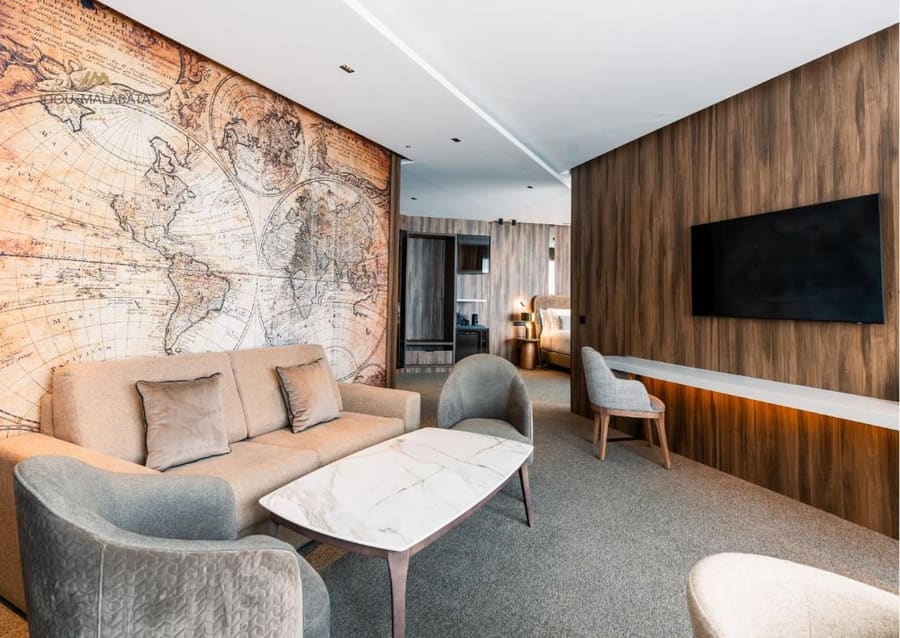
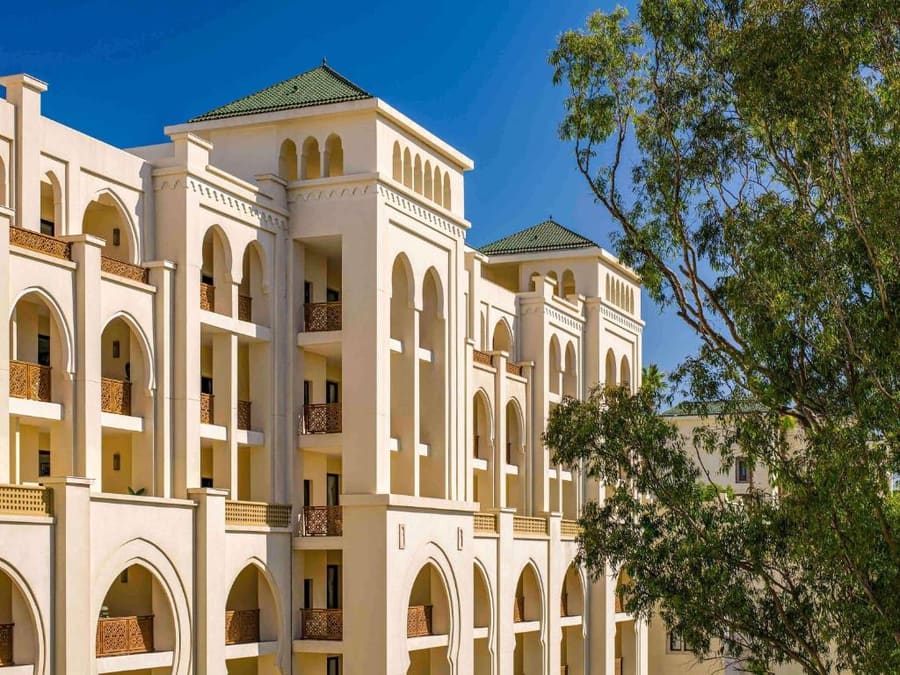
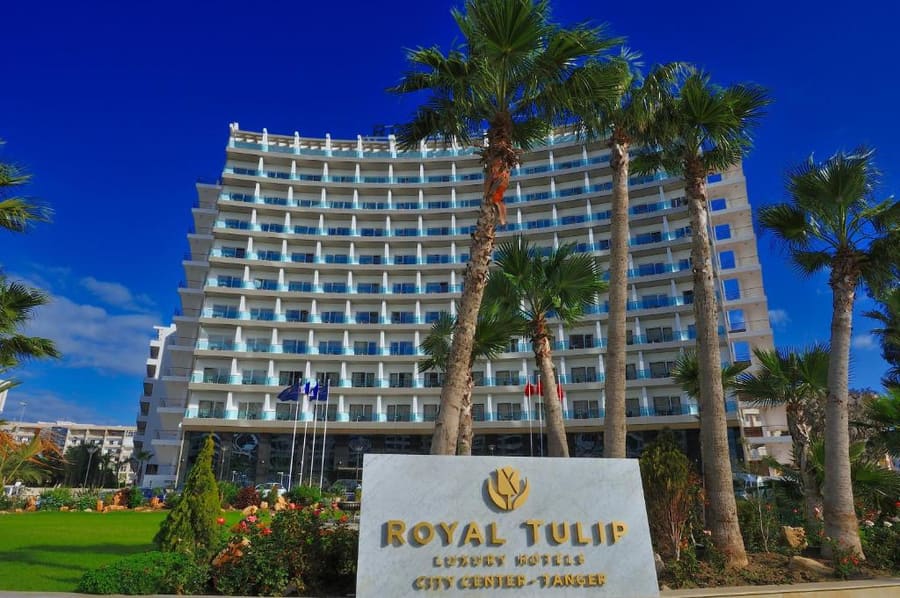
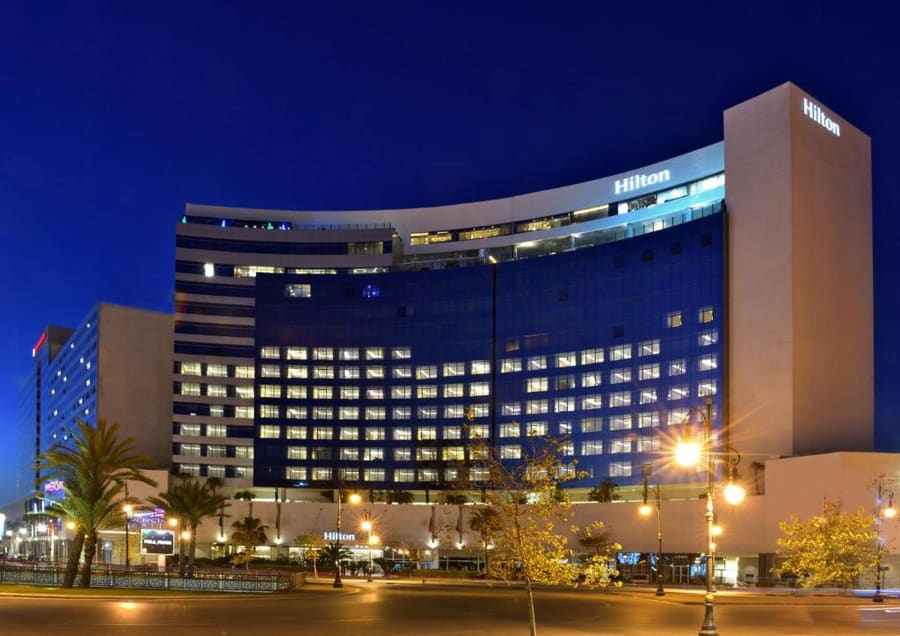
Choose your stay by mobility and style. The Medina and Kasbah house traditional guesthouses with courtyard design, but require walking with bags over cobblestones. Modern hotels along the bay or Ville Nouvelle offer elevators, parking, and straightforward taxi access.
Live rates, matched to the areas above.
/cb8d1d1a3682.jpg)
transport
Tangier is compact. The old Medina is entirely pedestrian. Taxis connect distant neighborhoods, while high-speed trains anchor regional travel at Tanger Ville station.
Turquoise petit taxis run within city limits. Meters are required by law; insist on meter usage before setting off.
Shared grand taxis run fixed routes between Tangier, Asilah, and Tetouan from the main bus station.
Public buses accept cash only. Keep small change in dirhams for local bus fares.
Navigation apps often lose signal in narrow lanes. Follow main thoroughfares down to Grand Socco if disoriented.
cost
Tangier remains accessible, though prices run higher than in southern inland cities. Fresh seafood and cafe mint tea remain inexpensive daily items.
Prices stay standard across Petit Socco cafes.
Includes bread, spiced tomato salad, and grilled fish.
Fares rely on the meter. Minimum daytime fare is 7 MAD.
seasonality
MAR – MAY
Mild weather with warm days and clear skies. Perfect conditions for walking the Medina without heavy summer crowds.
JUN – AUG
Hot and dry with heavy domestic tourism. Beachfront prices rise and hotels sell out weeks ahead.
SEP – NOV
Warm ocean waters and thinning crowds. Sea breezes keep temperatures pleasant into late autumn.
DEC – FEB
Cool, rain-prone winter months. Lower hotel prices, but evening temperatures require warm layers.
practicalities
Shops and market stalls close between 12:00 and 15:00 on Fridays for congregational prayer.
ATMs are frequent, but small market vendors and petit taxis only take cash dirhams.
Moroccan Arabic (Darija) and French dominate daily business. Spanish is widely spoken due to regional proximity.
Wind along Cap Spartel hides strong UV exposure. Pack sunscreen even on overcast days.
City beaches have strong undercurrents. Swim only in designated zones near Malabata.