landmark
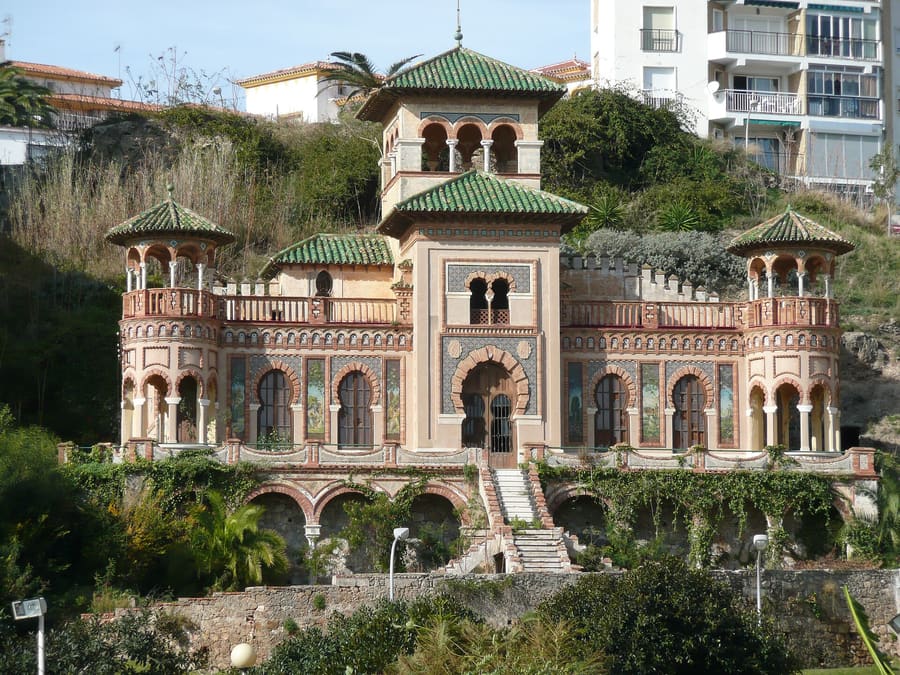
Casa de los Navajas
This 1925 Neo-Mudéjar mansion offers free entry and sea views. Visit early in the morning to beat tour groups.
اسأل Parleyإسبانيا
Pioneer resort town built on train access and sardine fires.
introduction
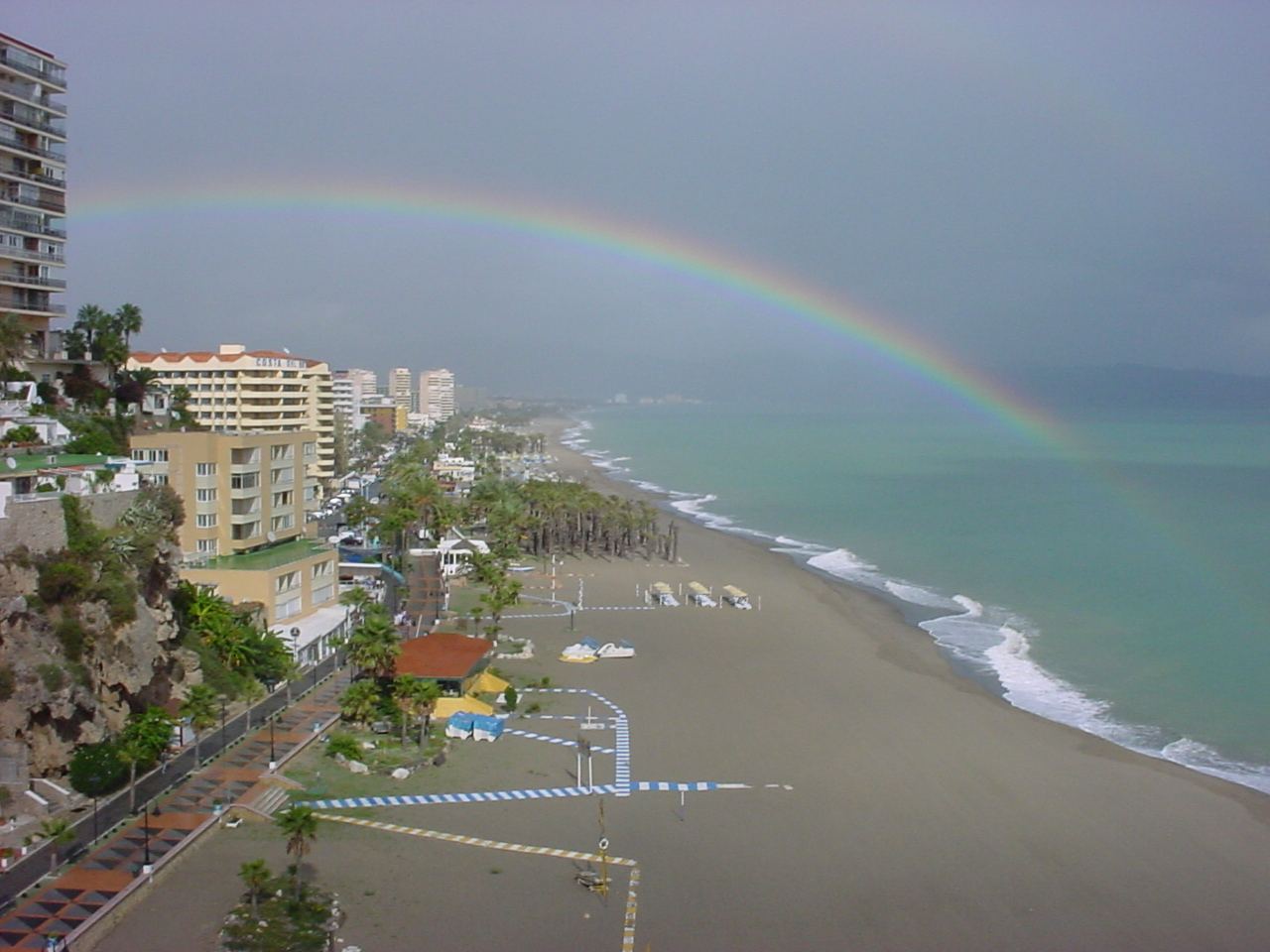
Torremolinos is a high-density resort town built on a steep coastal cliff above the Mediterranean Sea. You navigate between the elevated center and the beaches using public elevators, steps, or continuous boardwalks. The Cercanías train connects you to Málaga Airport in ten minutes, making logistics fast and cheap. Expect high-rise mid-century architecture, beach chiringuitos, and active nightlife.
Airport train connection
The C1 Cercanías train links AGP airport directly to Torremolinos station in 10 minutes for €1.80. Trains run every 20 minutes.
Cliff elevator access
A municipal elevator connects upper El Centro to Bajondillo beach for €0.50. It saves you climbing 100 steep stone steps in summer heat.
highlights
landmark
This 1925 Neo-Mudéjar mansion offers free entry and sea views. Visit early in the morning to beat tour groups.
اسأل Parley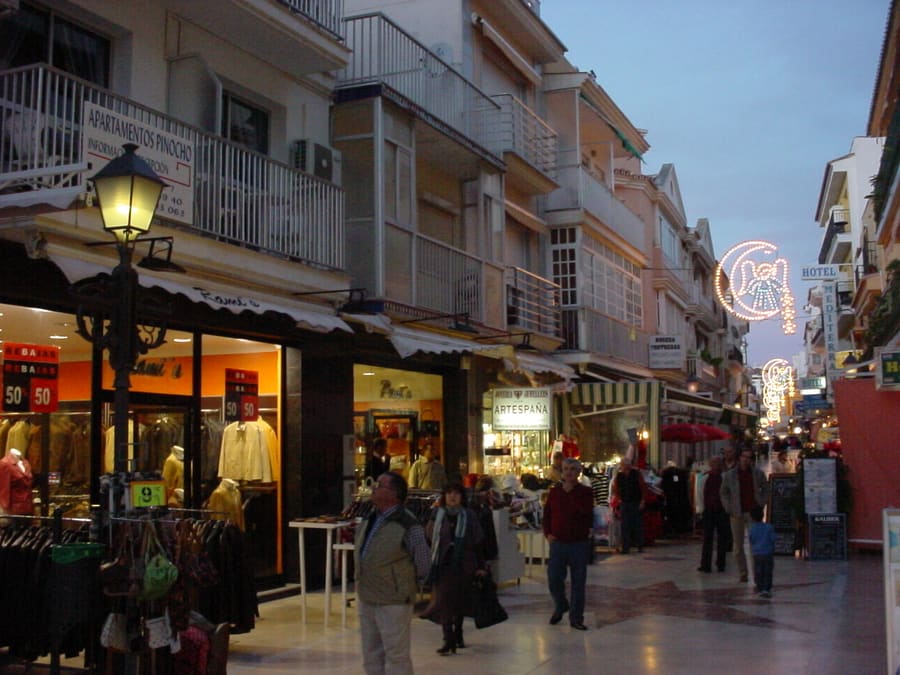
landmark
A former fishing village known for beachfront chiringuitos and charcoal grill boats. Reserve lunch tables by 13:00 on summer weekends.
اسأل Parley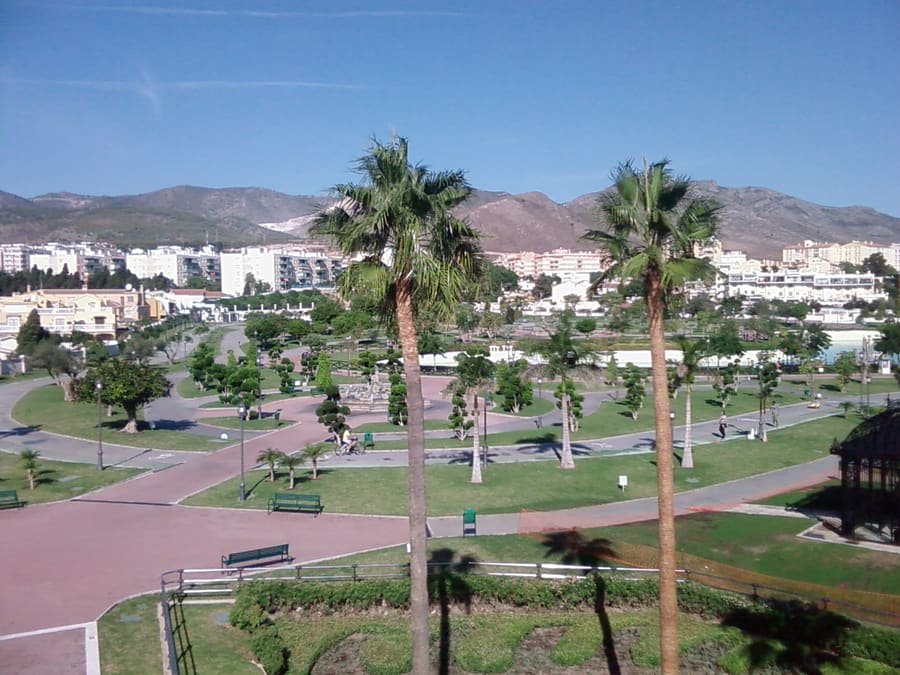
landmark
A landscaped park built over former defensive artillery batteries. Rent a rowboat on the central lake for €1 per half hour.
اسأل Parley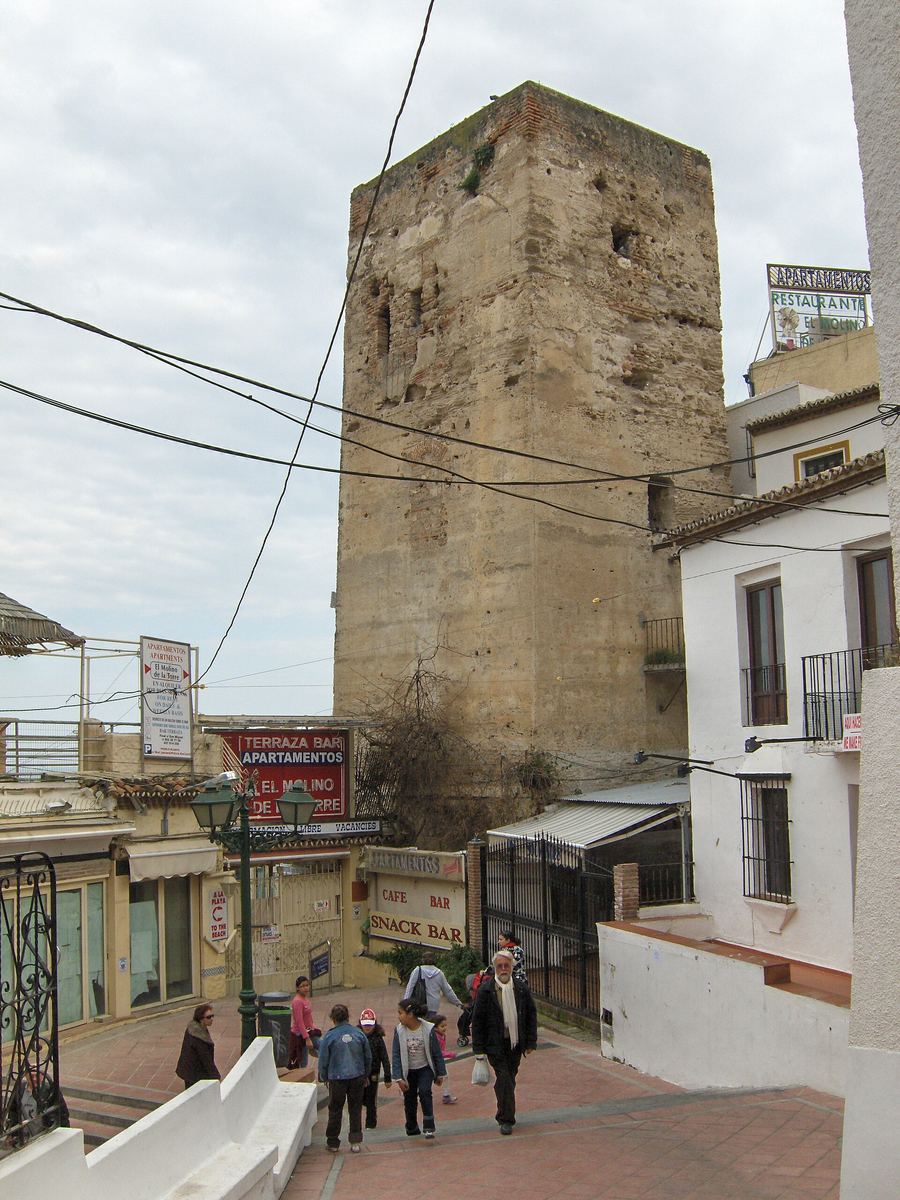
landmark
The 14th-century defensive watchtower gave Torremolinos its name. View its historic brick exterior from Calle San Miguel.
اسأل Parleyattractions
areas
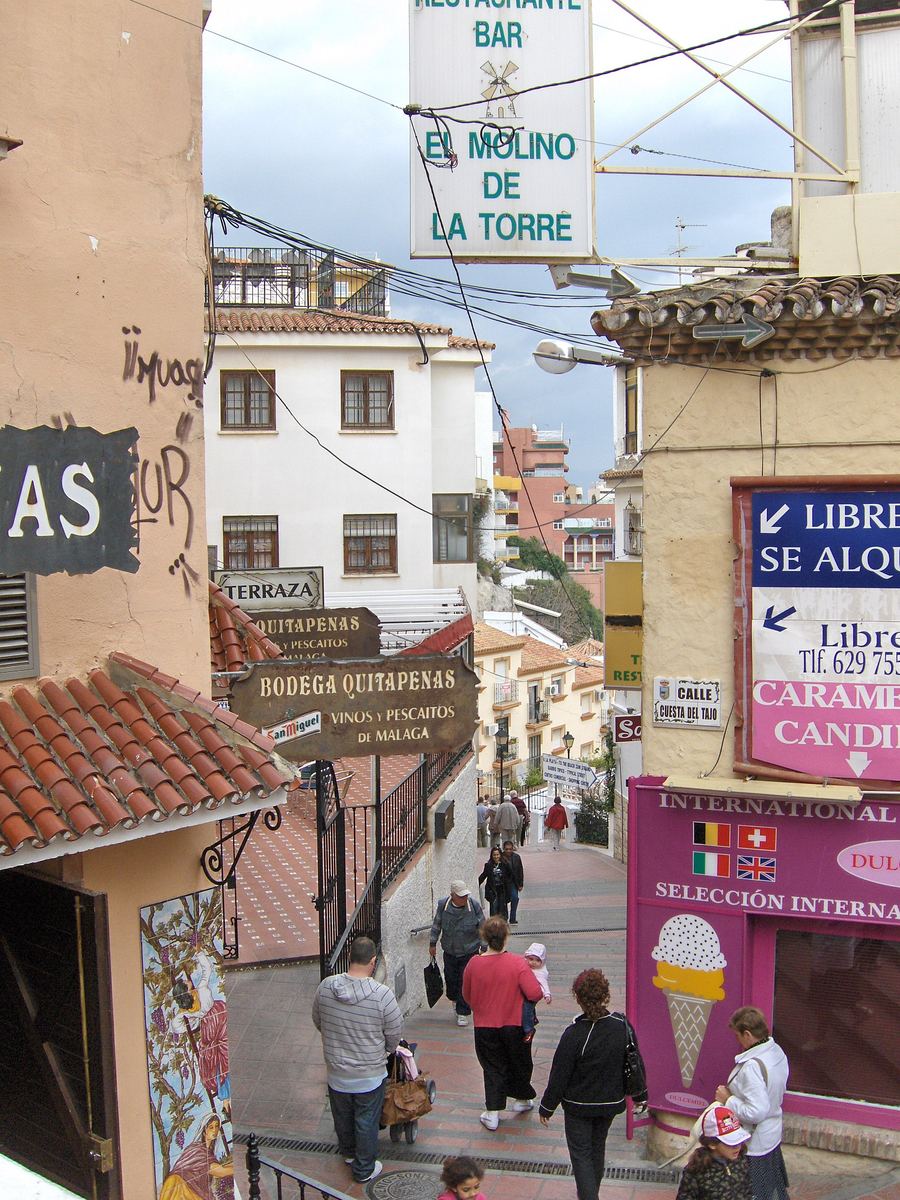
Sloped beachfront district with direct sea access and high-rise resort energy.
قريبCalle San Miguel and Casa de los Navajas.
اسأل Parley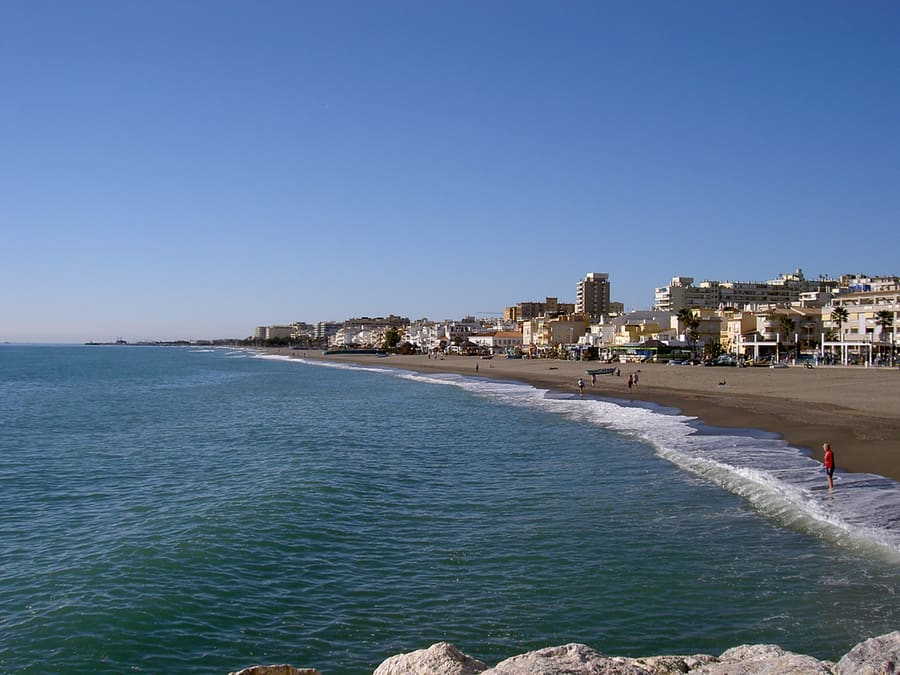
Traditional fishing quarter turned promenade with long stretches of sand and chiringuitos.
قريبBenalmádena Marina and Parque La Batería.
اسأل Parley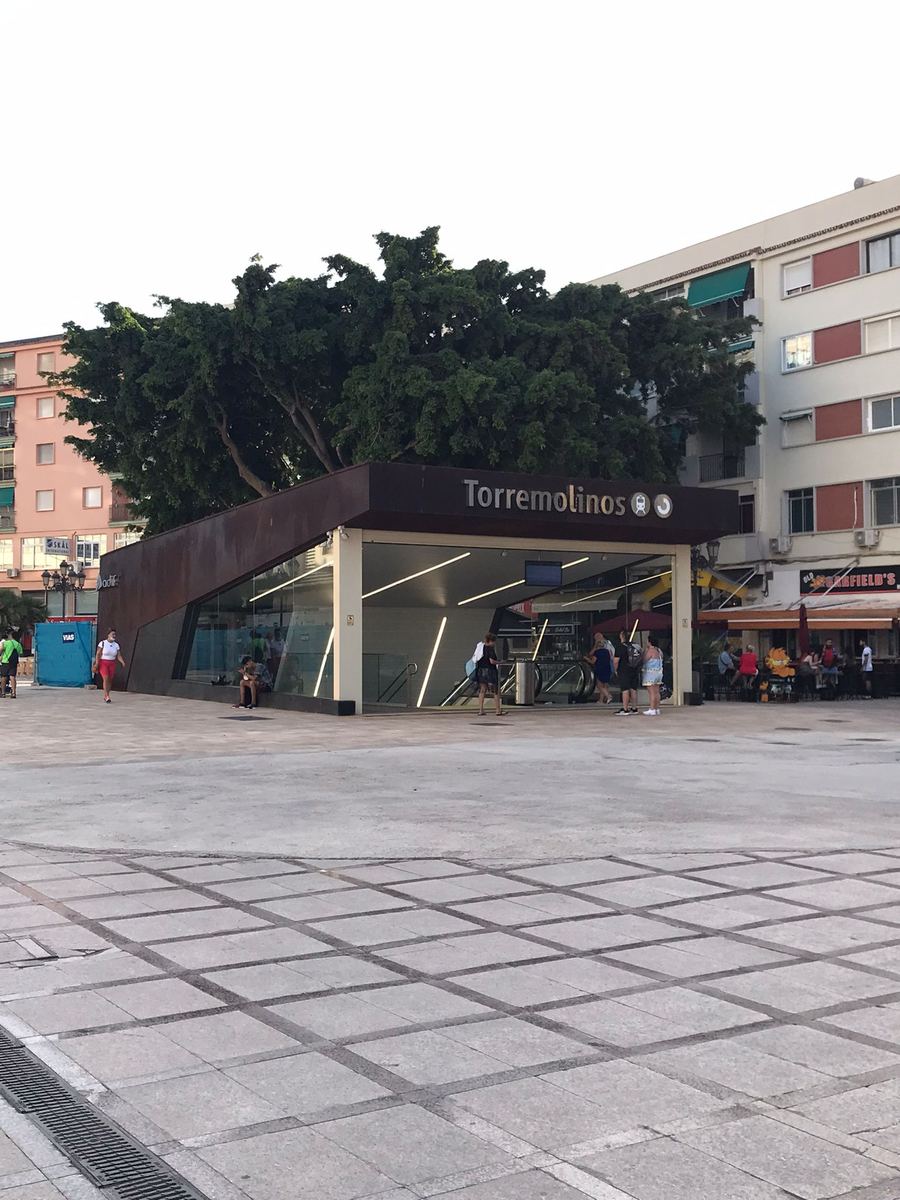
Commercial heart with pedestrian plazas, LGBTQ+ bars, and quick rail access.
قريبCercanías train station and Calle San Miguel.
اسأل Parley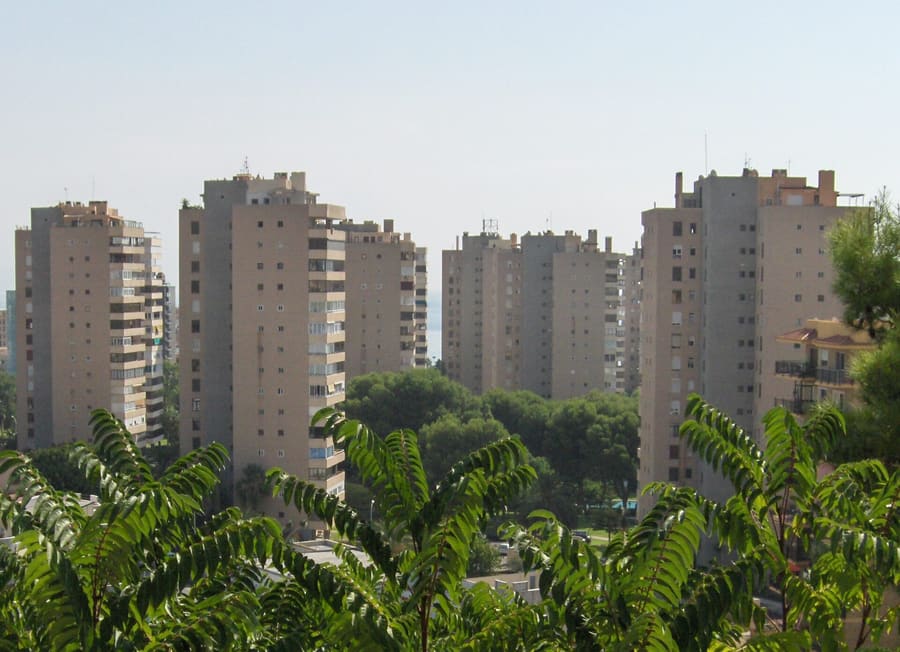
Sprawling eastern sands lined with modern beach clubs, volleyball courts, and music.
قريبPlaza Mayor shopping complex and Málaga border.
اسأل Parleyfood
Torremolinos culinary culture revolves around the chiringuito, the traditional beach restaurant built directly onto the sand. The definitive local preparation is the espeto, fresh sardines impaled on bamboo skewers and slow-roasted over olive-wood coals inside decommissioned fishing boats filled with sand. Order your espeto with coarse sea salt and a squeeze of fresh lemon.Fried fish here follows the Andalusian standard of pescaíto frito. Small red mullet, anchovies, and squid ring in light flour batter enter scalding olive oil for seconds. The result is crisp and dry, never greasy. Pair your seafood with a cold glass of Victoria, the local Málaga pilsner brewed down the road.
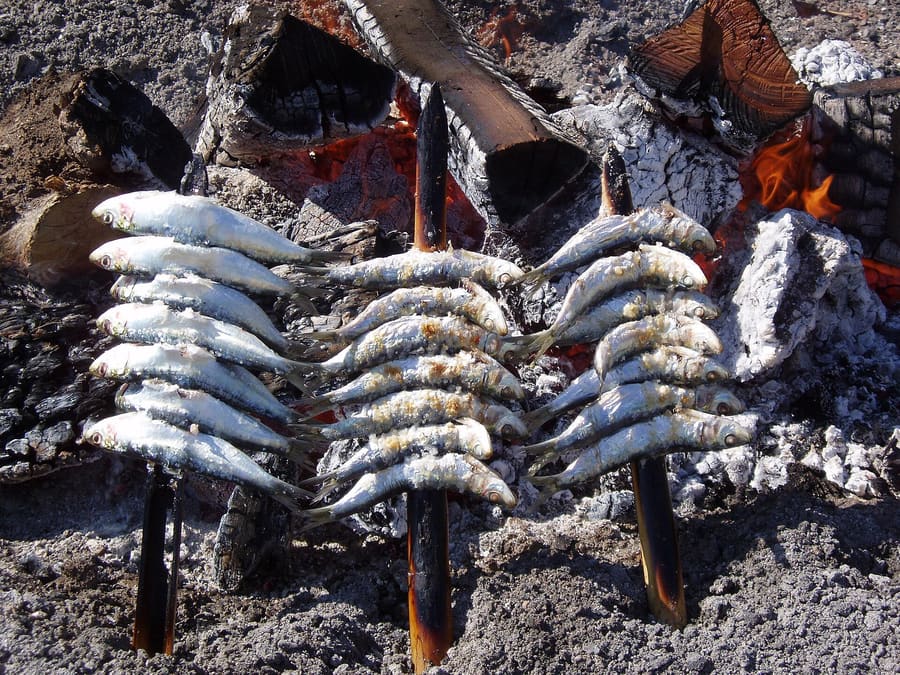
Sardines skewered on bamboo and roasted over olive-wood fires in beach sand pits.
gildemax · CC BY-SA 2.5Local tradition holds sardine fat peaks during months without an R in Spanish, making May through August prime season.
Kitchens fire up charcoal pits around 13:30. Arrive before 14:00 to avoid long waits for a table.
Most beach chiringuitos accept credit cards, but small drink kiosks on the sand prefer contactless cards or small euro notes.
history
Torremolinos owes its name to the water mills, or molinos, and defensive watchtowers built along its spring-fed slopes under Moorish rule. For centuries, it remained a modest fishing village under the administrative control of nearby Málaga.In 1959, the opening of the Hotel Pez Espada signaled the start of Spain's Mediterranean package tourism boom. Torremolinos transformed into an international resort hub, attracting global celebrities while establishing modern resort urbanism along the Costa del Sol.
Casa de los Navajas
Sugar cane magnate Luque Navajas constructs his Neo-Mudéjar residence overlooking Bajondillo.
Pez Espada Opens
The inauguration of Hotel Pez Espada marks the birth of Costa del Sol high-density international tourism.
Municipal Independence
Torremolinos officially separates from the municipality of Málaga to become an independent city.
where to stay
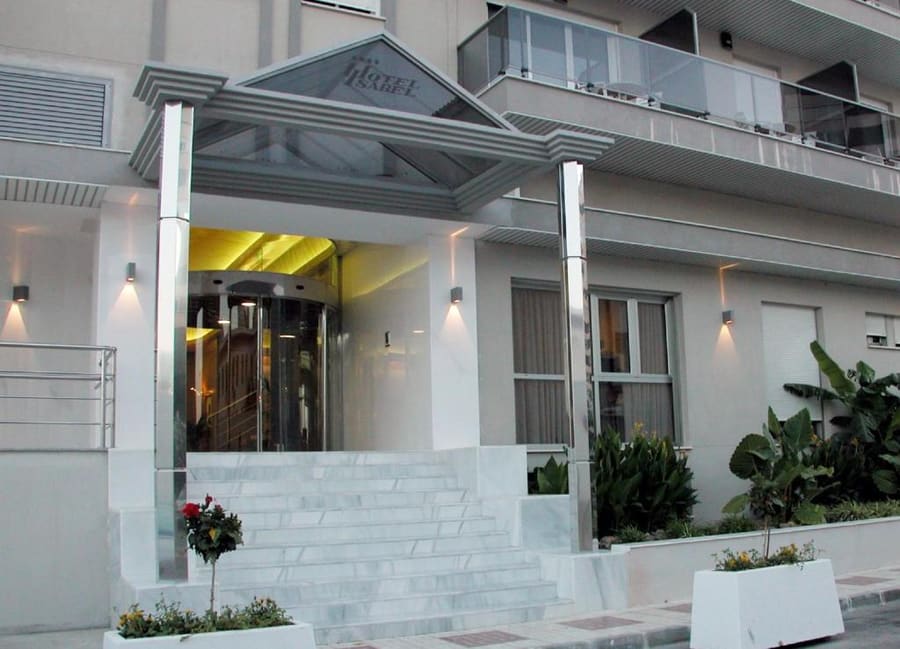
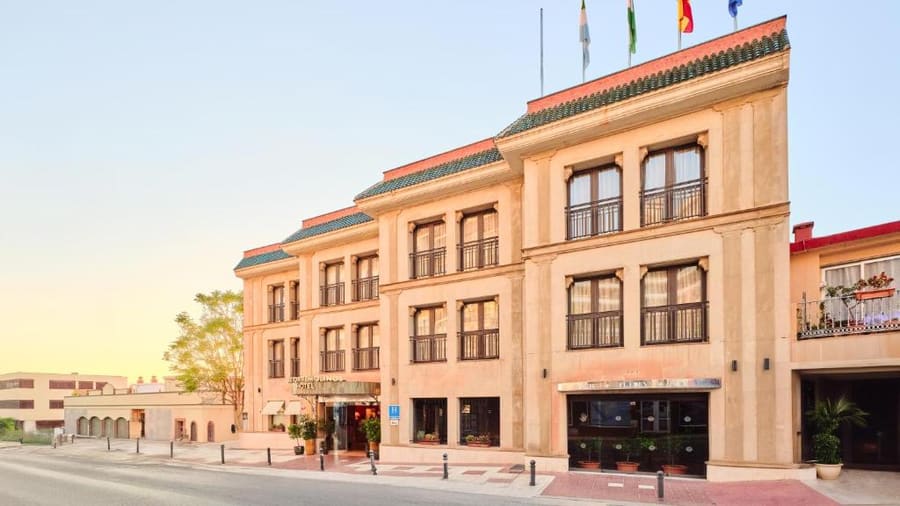
Choose your hotel location based on mobility and preferred atmosphere. El Centro puts you steps from the C1 train station and late-night venue clusters, though reaching the beach requires descending a steep cliff by steps or public elevator. La Carihuela offers direct, flat boardwalk access to calm waters and seafood dining.
Live rates, matched to the areas above.
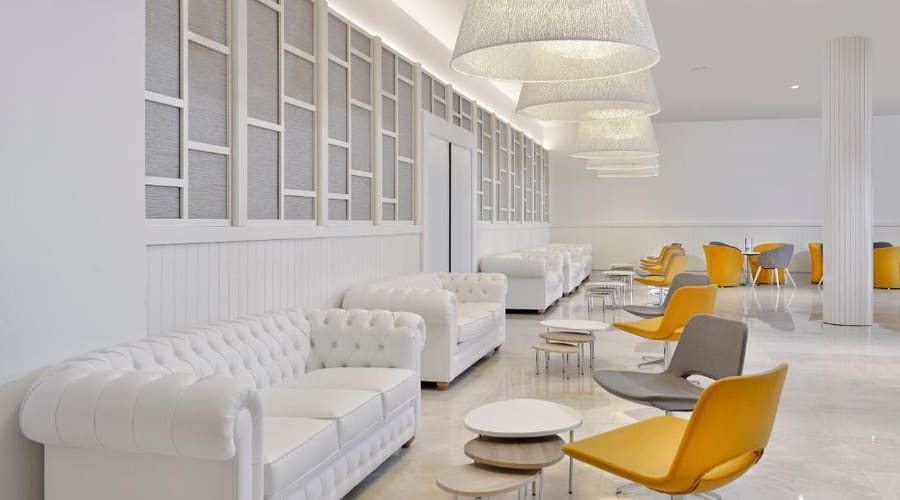
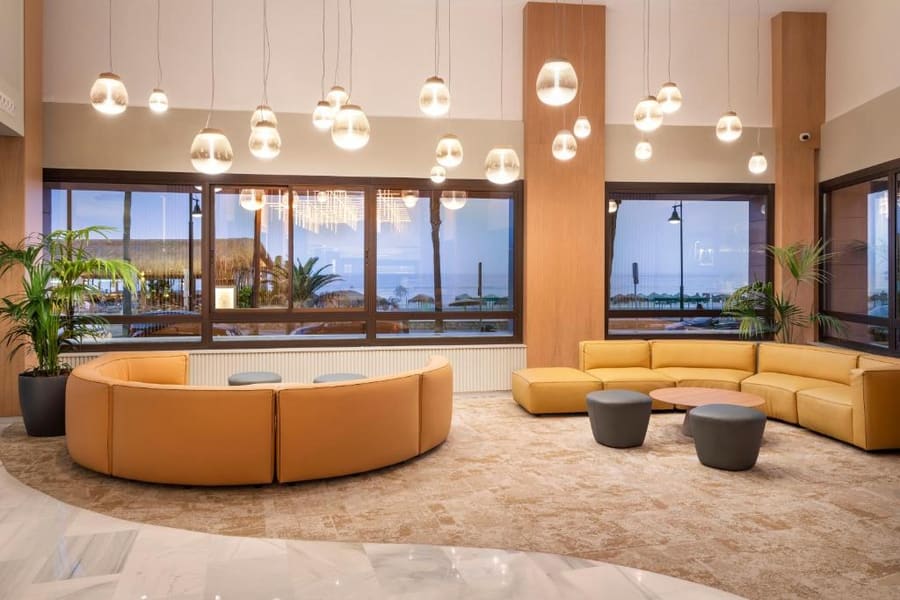
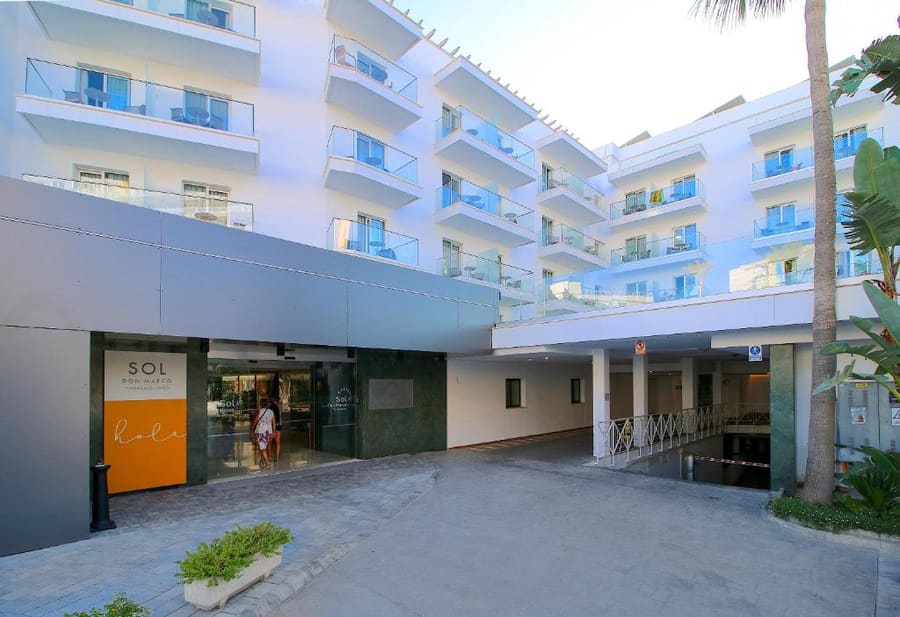
transport
Torremolinos is straightforward to navigate once you understand its physical elevation. El Centro sits on a cliff top above the Mediterranean shoreline. Public elevators, stairs, and roads connect this high town to the beachfront quarters of El Bajondillo and La Carihuela.
من Málaga-Costa del Sol Airport (AGP)
Cercanías C1 train runs every 20 minutes directly from airport terminal to Torremolinos station.
Official taxis wait outside airport arrivals. Luggage surcharges apply.
Avanza bus line M-110 stops along the main N-340 coast highway.
Cercanías C1 trains run every 20 minutes between Málaga city, AGP airport, and Torremolinos.
Tap your contactless credit card or smartphone directly at train turnstiles without buying paper tickets.
The lift between Calle San Vicente and Calle Pelayo costs €0.50 per trip and operates daily.
A continuous flat promenade connects Playamar, Bajondillo, and La Carihuela across six kilometers.
cost
Torremolinos is more affordable than neighbouring Marbella, but prices increase during peak July and August. Daily expenses center on food, beach sunbed rentals, and regional transit.
Standard set rental rate per day along Bajondillo and La Carihuela beaches.
A 200ml glass of local Victoria pilsner at street bars and plazas.
Single zone Cercanías C1 rail fare from AGP airport to central Torremolinos.
seasonality
MAR – MAY
Warm sunny days around 20°C with uncrowded beaches. Sea water stays brisk, but terrace dining is active.
JUN – AUG
Peak summer heat reaching 30°C with warm sea swimming. Expect packed sands, long restaurant waits, and high hotel rates.
SEP – OCT
Ideal water temperatures with declining summer crowds. Pleasant evening temperatures make outdoor dining easy.
NOV – FEB
Quiet winter months with highs near 17°C. Some seasonal chiringuitos close, but northern European visitors remain.
practicalities
Midday UV rays along the Costa del Sol are intense from May through September. Wear high-factor sunscreen.
Independent shops in El Centro often close between 14:00 and 17:00, while larger supermarkets remain open.
Plaza de la Nogalera is a major Southern European LGBTQ+ hub with active nightlife year-round.
The shoreline here features gentle tides and gradual drop-offs, making swimming straightforward and safe.
Small bakeries and kiosks prefer contactless payments or euro coins for purchases under €5.