landmark
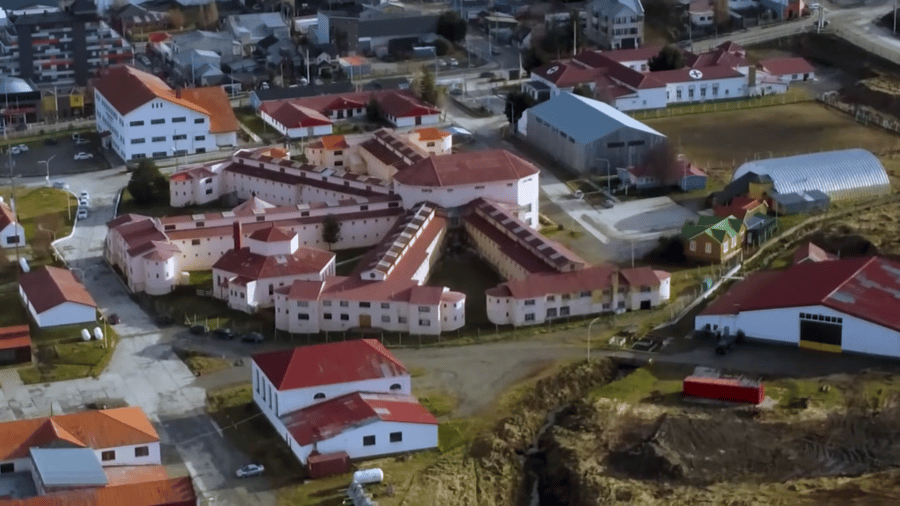
Presidio de Ushuaia
A severe 20th-century penal colony turned museum. Unheated cell wings showcase harsh prison conditions.
اسأل Parleyالأرجنتين
High winds, cold sea, and the end of southern roads.
introduction
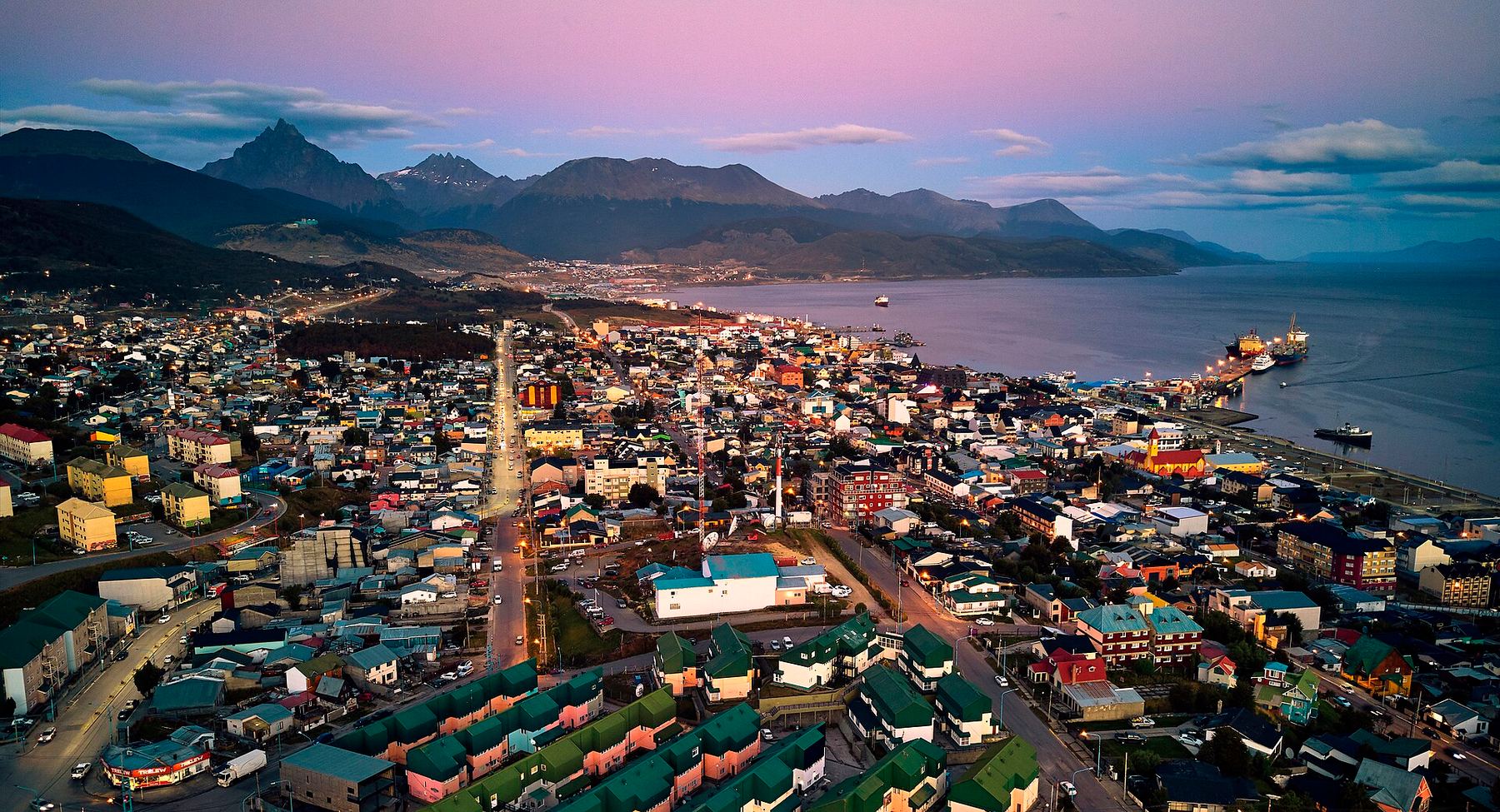
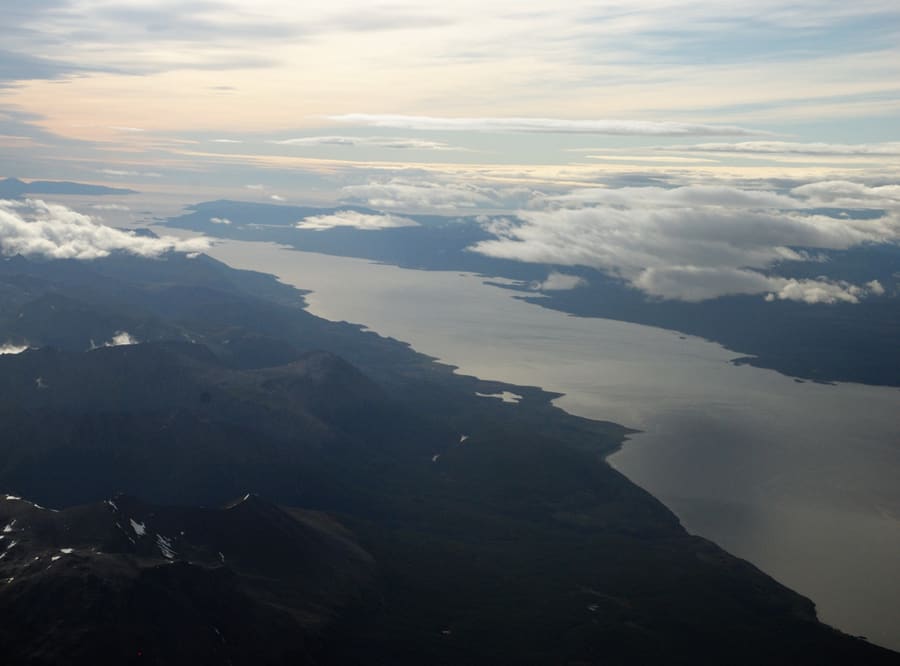
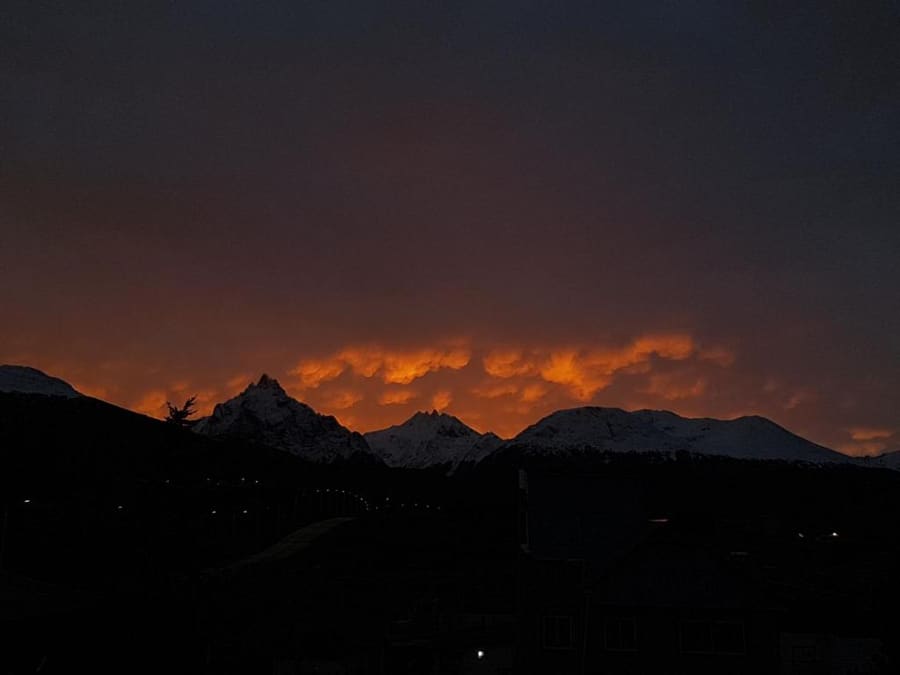
Ushuaia sits wedged between the jagged Martial Mountains and the Beagle Channel at the southern tip of Argentina. High winds and fast weather shifts dictate daily plans here. You come here to walk subantarctic forests, sail subpolar waters, or board ships heading further south. The city trades on its remoteness, but functions as a practical base for harsh terrain.
Airport arrival trick
Ushuaia Airport sits on a peninsula 5 km from town. Taxis wait outside the hall and run on standard set meters.
Subantarctic border zone
Tierra del Fuego operates as a special customs territory. You must show passport or ID when entering the port area or national park.
Seasonal booking shift
Expedition ships fill local hotels between November and February. Secure your room months ahead for summer visits.
Ushuaia
Ted Wakabayashi · CC BY-SA 3.0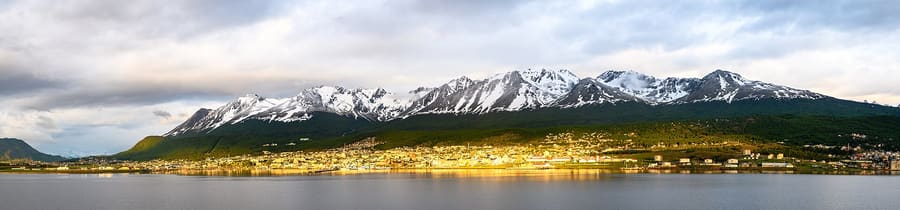
Centro — Commercial strip running along Avenida San Martín. Packed with outdoor gear shops and restaurants.
Monster4711 · CC0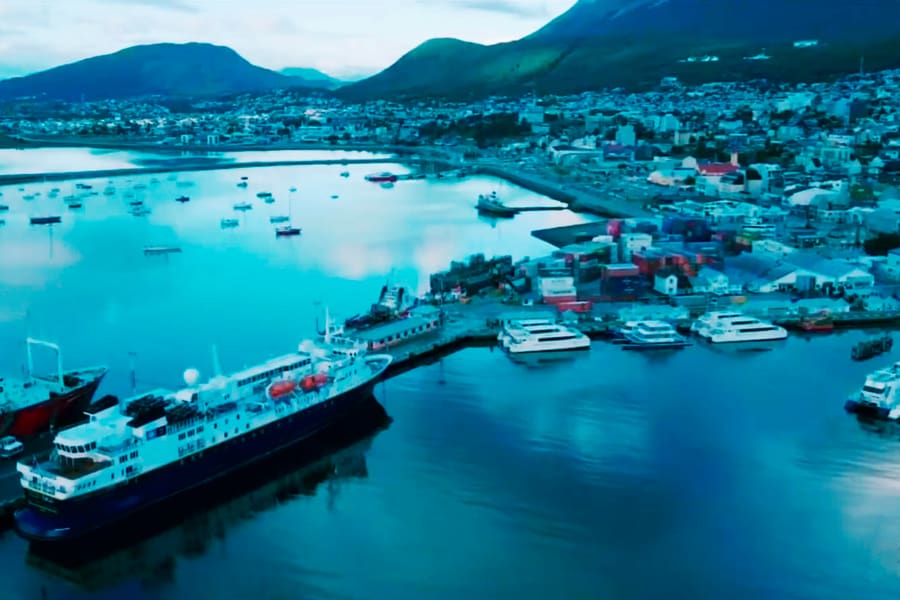
Muelle Turístico — The active port front where catamarans dock and Antarctic expedition ships moor.
Data7Noticias · CC BY 3.0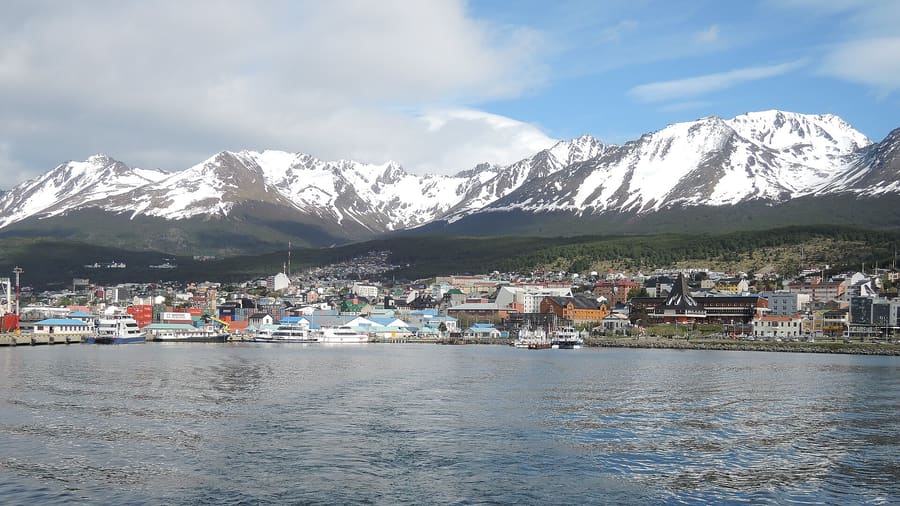
Martial Slopes — High mountain hillside district overlooking the city bay.
Dominic Sherony · CC BY-SA 2.0
Freshly prepared Fuegian king crab served along Avenida San Martín.
Gustavo A. Lovrich · CC BY-SA 4.0highlights
landmark
A severe 20th-century penal colony turned museum. Unheated cell wings showcase harsh prison conditions.
اسأل Parley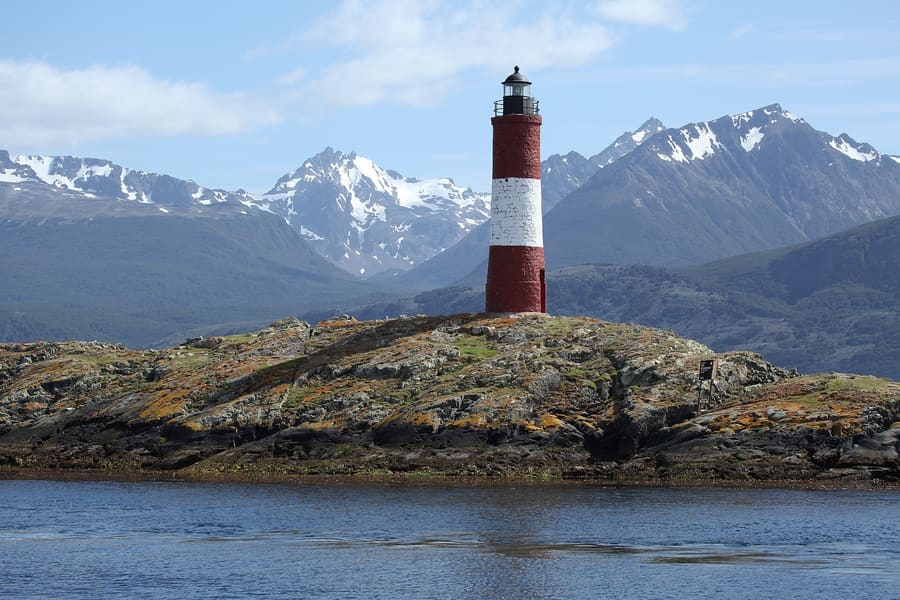
landmark
Red-and-white tower standing on sea-swept islets. Viewed exclusively from boat excursions.
اسأل Parley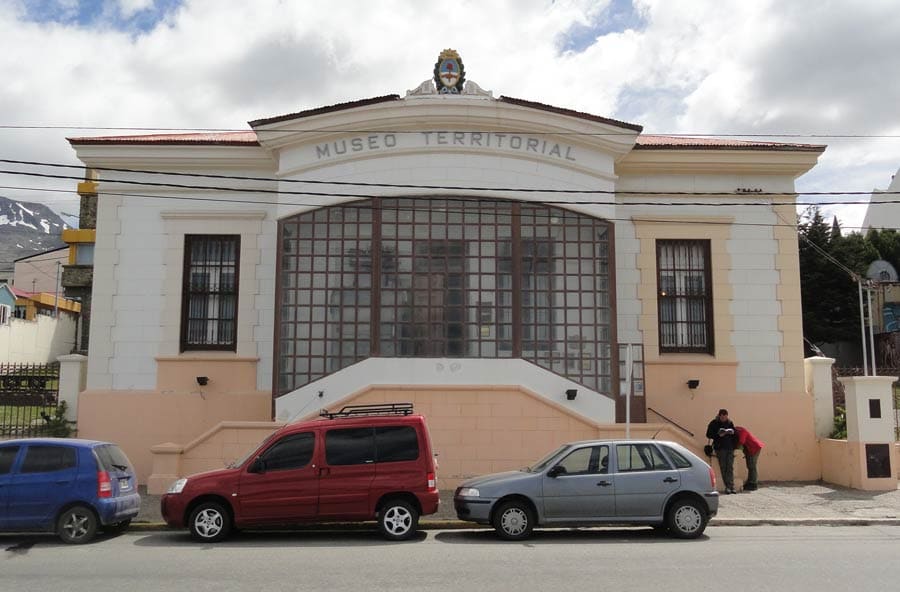
landmark
Exhibits on indigenous Yágana heritage and early shipwrecks. Entry ticket covers two separate waterfront buildings.
اسأل Parleyattractions
areas
Commercial strip running along Avenida San Martín. Packed with outdoor gear shops and restaurants.
قريبMuseo del Fin del Mundo and the main bus stops.
اسأل ParleyThe active port front where catamarans dock and Antarctic expedition ships moor.
قريبTourist information office and harbour piers.
اسأل ParleyHigh mountain hillside district overlooking the city bay.
قريبMartial Glacier trailhead and hiking paths.
اسأل ParleyResidential eastern quarter climbing up the steep hillside behind the naval base.
قريبPresidio de Ushuaia museum.
اسأل Parleyfood
Ushuaia built its culinary signature around cold-water seafood pulled directly from the Beagle Channel. Southern king crab (centolla) dominates restaurant menus along Avenida San Martín. Kitchens keep live crabs in tanks and boil them whole on order. Black hake (merluza negra) offers a rich, oily alternative caught in deep subpolar waters. Fuegian lamb (cordero fueguino) comes slow-roasted over open lenga wood fires, acquiring a lean, slightly salty profile from coastal pastures.
Freshly prepared Fuegian king crab served along Avenida San Martín.
Gustavo A. Lovrich · CC BY-SA 4.0Restaurants charge king crab by weight. Confirm the live weight at the tank before ordering to control your final bill.
Kitchens in Ushuaia open by 20:00 to cater to international hikers and maritime crews. Table reservations are essential from December to February.
Local microbreweries tap lagers brewed with pure mountain meltwater along Calle Gobernador Paz.
history
The Yágana people inhabited the shores of the Beagle Channel for thousands of years, navigating cold waters in bark canoes. British Anglican missionaries established a permanent station here in 1869. Argentina consolidated sovereign control in 1884 by founding a military outpost. The national government built a penal colony in 1902 to secure territorial claims. Convicts constructed the city's early infrastructure, timber rail lines, and public buildings before the prison closed in 1947.
Anglican Mission established
Reverend Stirling builds the first timber cabin, creating a permanent European presence among the Yágana.
Argentine flag raised
Commodore Augusto Lasserre establishes the sub-prefecture, officially incorporating Ushuaia into Argentina.
Penal Colony constructed
Work begins on the stone prison complex. Inmates cut surrounding forests and build the town's initial roads.
Prison closure
President Perón orders the facility shut. The base converts into an Argentine naval station.
Capital of Tierra del Fuego
Tierra del Fuego gains full provincial status, making Ushuaia its official administrative capital.
where to stay
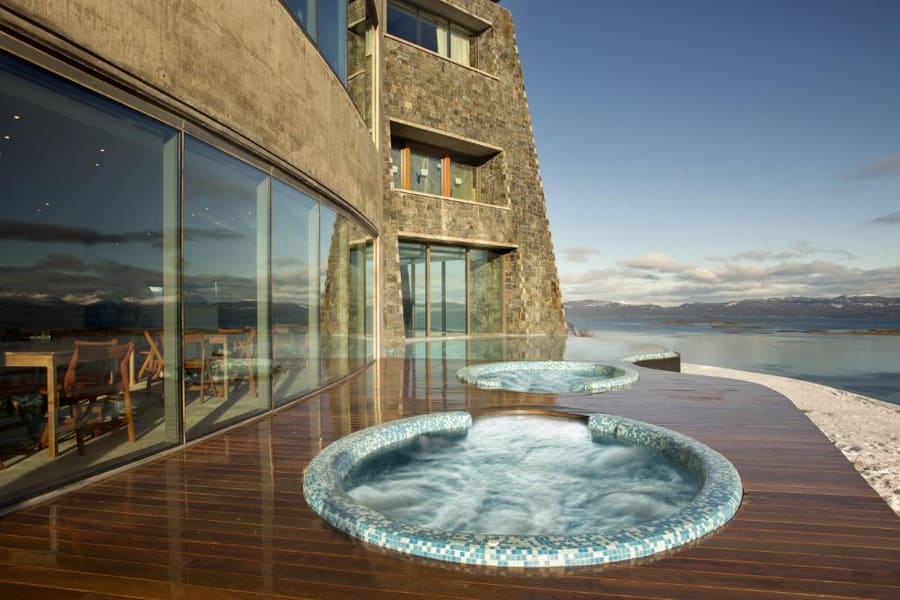
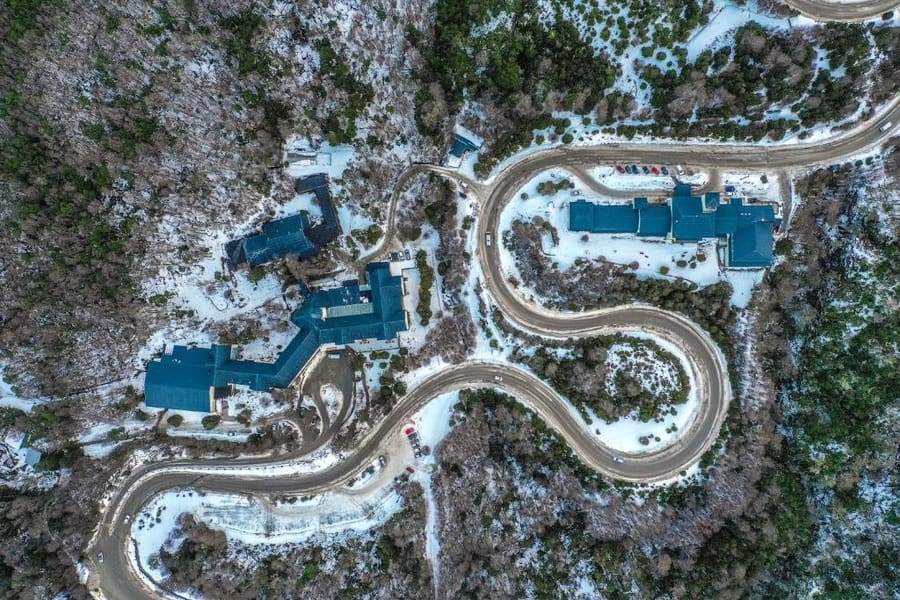
Choose your base by your transit needs. Staying in Centro puts restaurants and the boat harbor within short walking distance. Hillside mountain resorts offer solitude and views over the channel, but add daily taxi costs.
Live rates, matched to the areas above.
transport
Ushuaia has no rail network into town. You rely on taxis, private remises, or municipal buses. Avenida San Martín and the waterfront are flat, but streets leading inland climb steeply up the mountain face.
City buses accept SUBE smartcards only. Buy and load your card at kiosks along Avenida San Martín.
Regular minibuses depart from the terminal at Avenida Maipú and Juana Fadul for Tierra del Fuego National Park.
Avoid waving down moving taxis on steep inclines. Walk to designated ranks near Plaza San Martín or the port.
cost
Ushuaia carries higher price tags than Buenos Aires due to freight transport to Tierra del Fuego. Expect premium pricing on fresh produce and specialty dining along the primary tourist strip.
seasonality
DEC – FEB
Long daylight up to 17 hours. Best season for hiking trails and Antarctic ship departures.
MAR – MAY
Autumn foliage turns beech forests red. Cold winds increase and tour operations wind down.
JUN – AUG
Heavy snowfall. Cerro Castor ski resort opens while daylight drops to seven hours daily.
SEP – NOV
Snow melts on lower trails. Seabirds return to Beagle Channel colonies; high winds begin.
practicalities
Weather conditions change rapidly. Carry waterproof outer layers and warm insulation on every walk.
Shops off Avenida San Martín close between 13:00 and 16:00 before reopening until late evening.
Mobile network coverage drops outside town limits. Card terminals do not function at remote trailheads.
Glacial mud bogging requires waterproof trekking boots with ankle support for inland trails.