landmark
Face de Bellevarde
The steep black run drops directly into the village. Take the Olympique cable car to watch experts tackle the 980-metre vertical drop.
اسأل Parleyفرنسا
High-altitude Alpine skiing with steep terrain and serious snow.
introduction
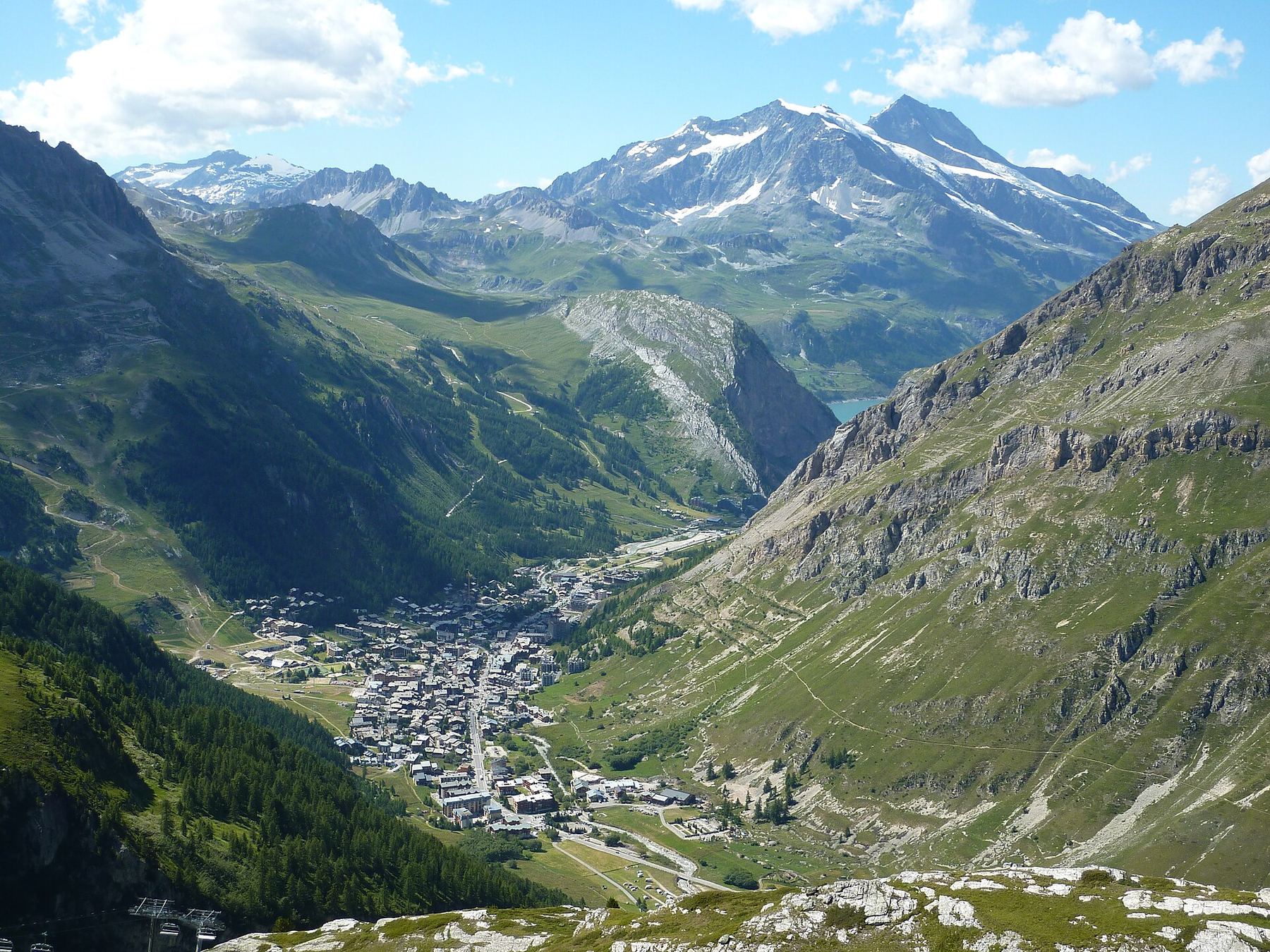
Val d'Isere sits at 1,850 metres in the French Alps near the Italian border. It connects directly with neighboring Tignes to form a 300-kilometre ski area known as Tignes-Val d'Isere. The valley offers dependable snow cover from late November through May, but high prices and cold winter shadow come with the altitude. Free shuttle buses connect the main village to outlying hamlets along the valley floor.
Arrival via Bourg-Saint-Maurice
Take the TGV to Bourg-Saint-Maurice, then catch the 45-minute bus up the valley. Booking the bus seat ahead is mandatory on winter Saturdays.
High Altitude Advantage
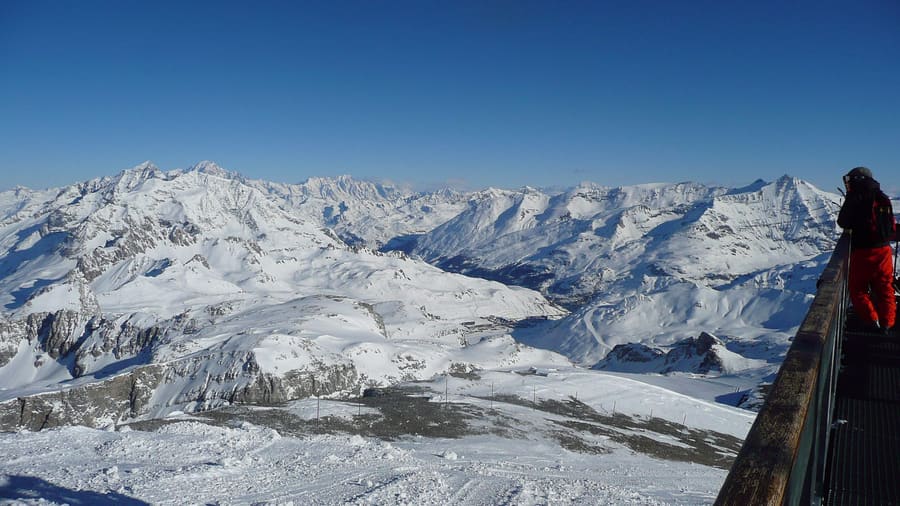
The village sits at 1,850 metres, with slopes reaching up to 3,456 metres. High altitude guarantees reliable snow cover from November to May.
The Tignes-Val d'Isère Pass
Buy the full area ski pass to access 300 kilometres of connected slopes. The local-only pass saves little money and cuts off half the mountain network.
Val d'Isere
Jmex · CC BY-SA 3.0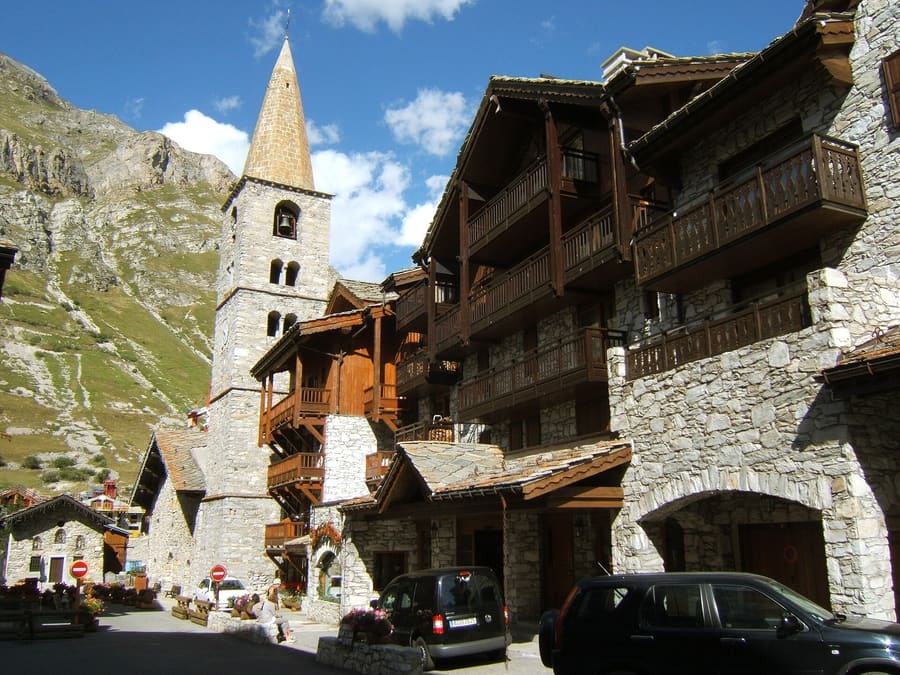
Val d'Isere Centre — The traditional stone village core with pedestrian streets, busy shops, and dense après-ski activity.
Rundvald · Public domain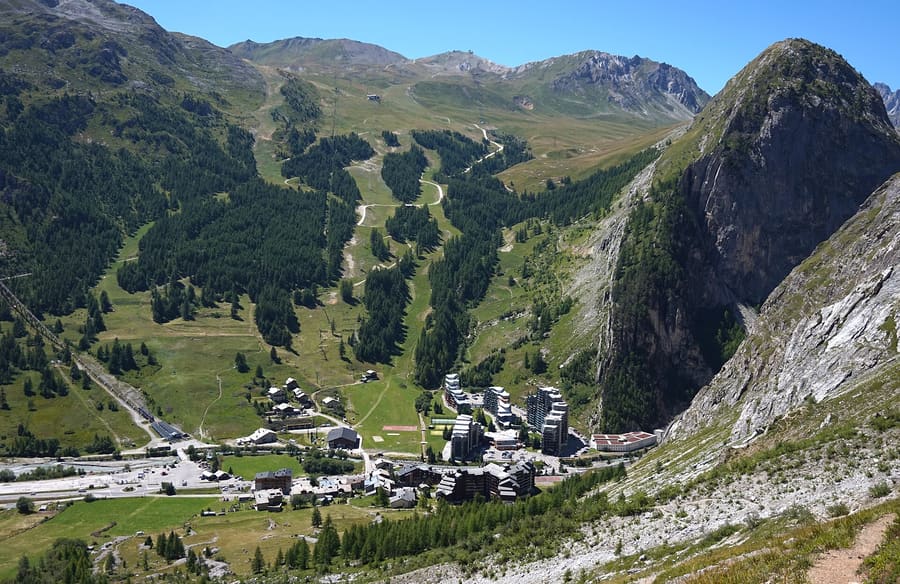
La Daille — A functional high-rise hub at the valley entrance with direct funicular access to Bellevarde.
Tiia Monto · CC BY-SA 3.0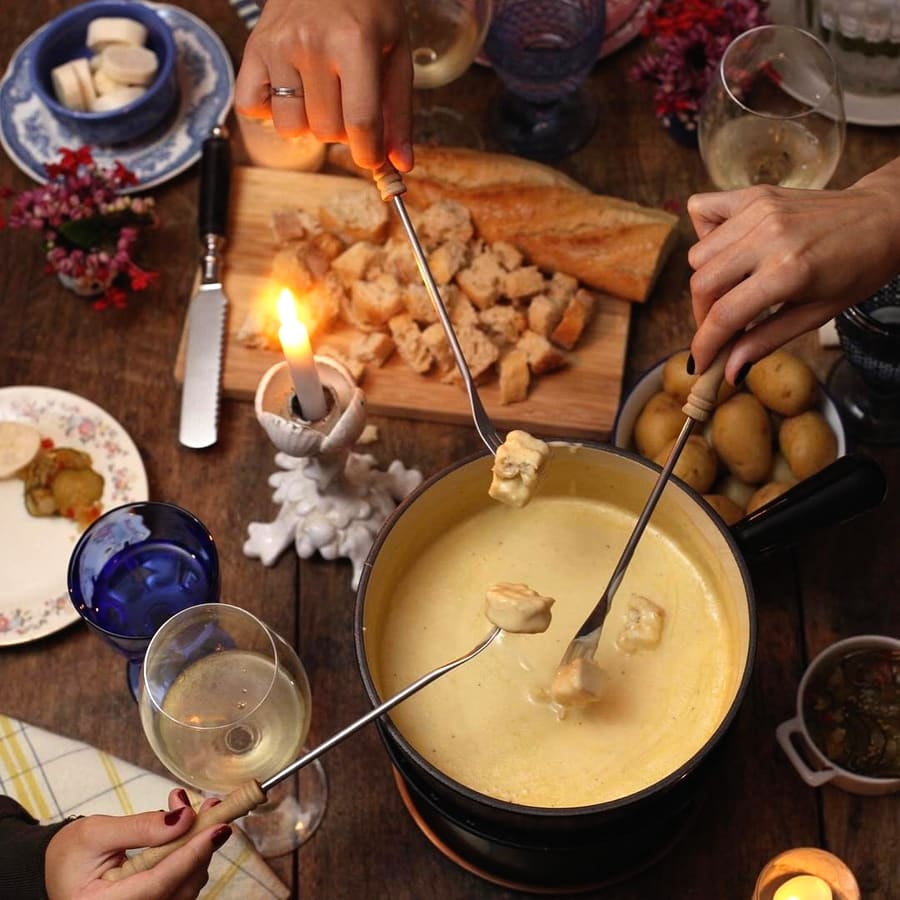
Fondue savoyarde served with bread and local cured meats in Val d'Isere.
Juliano Mendes · CC BY 2.0highlights
landmark
The steep black run drops directly into the village. Take the Olympique cable car to watch experts tackle the 980-metre vertical drop.
اسأل Parley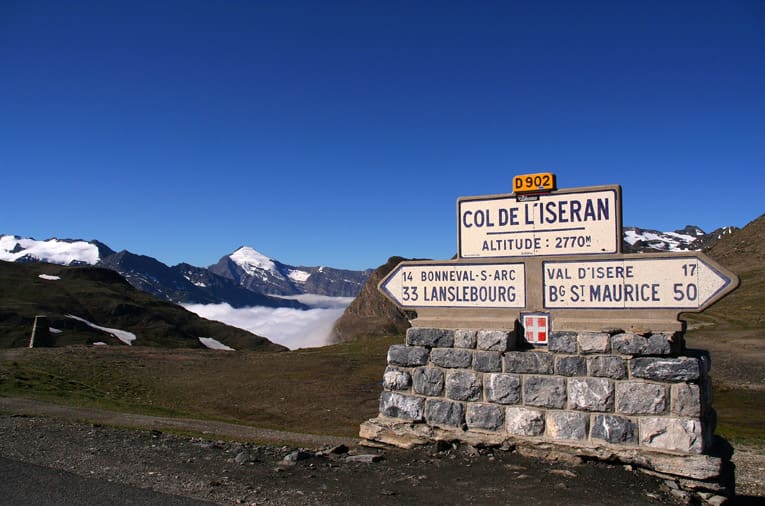
landmark
At 2,770 metres, this is the highest paved pass in the Alps. It opens to road traffic only in summer, connecting Tarentaise to Maurienne.
اسأل Parley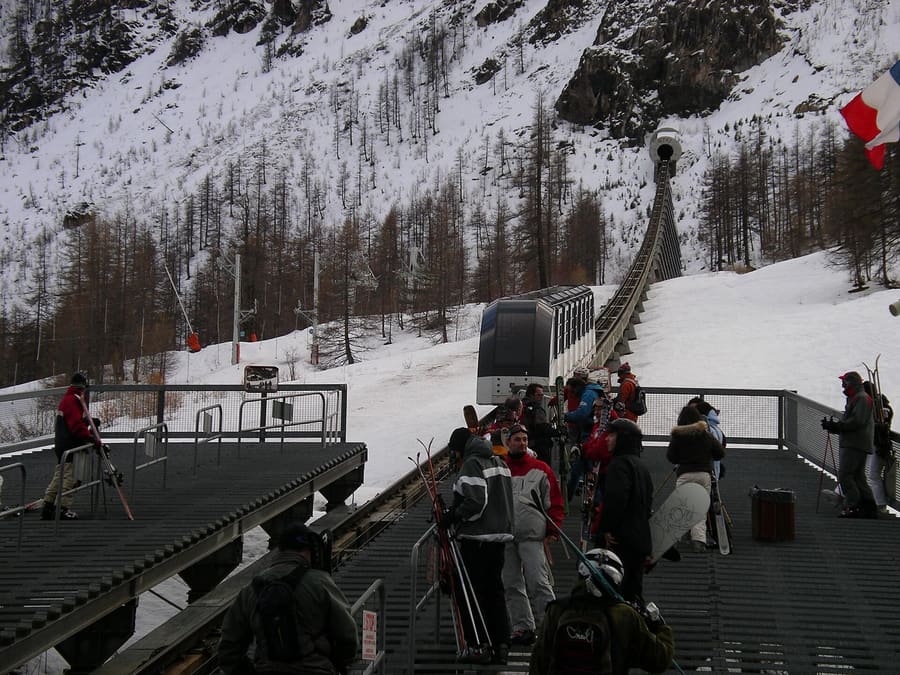
landmark
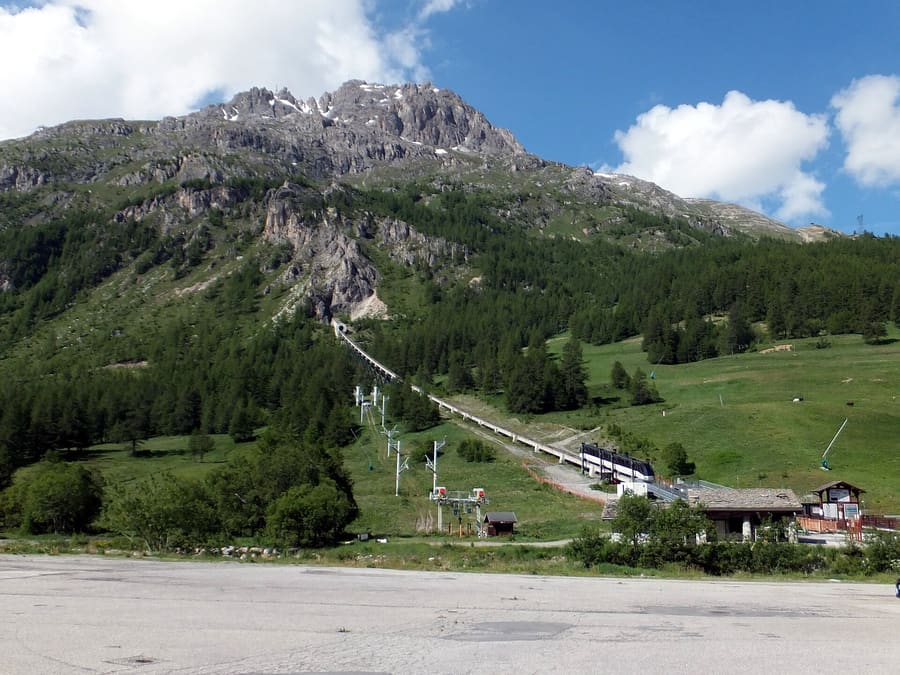
This underground funicular climbs through solid rock from La Daille to Rocher de Bellevarde in under five minutes. It runs in any weather.
اسأل Parley
landmark
France's oldest national park borders the ski resort. Summer brings chamois sightings and hiking trails through protected alpine meadows.
اسأل Parleyattractions
areas
The traditional stone village core with pedestrian streets, busy shops, and dense après-ski activity.
قريبSolaise and Express Bellevarde lift hubs
اسأل ParleyA functional high-rise hub at the valley entrance with direct funicular access to Bellevarde.
قريبFunival underground funicular and La Daille gondola
اسأل Parleyfood
Savoyard dining revolves around raw-milk cheeses like Beaufort and Reblochon. Fondue savoyarde and raclette dominate local evening menus, best paired with dry Savoy white wines like Apremont. Mountain self-service rest stops charge steep premiums for basic lunches, so dining well on the mountain requires booking slope-side tables days in advance.
Fondue savoyarde served with bread and local cured meats in Val d'Isere.
Juliano Mendes · CC BY 2.0On-piste spots like La Fruitière and L'Etincelle fill up by 11:30 AM. Reserve three days ahead for peak winter weeks.
Valley grocery stores charge 30% more than supermarket chains down in Bourg-Saint-Maurice. Stock up at the base if driving.
history
Val d'Isere evolved from an isolated high-altitude farming community into an international ski destination. The opening of the Col de l'Iseran road in 1937 linked the remote valley to the rest of France. Winter sports development began shortly after, led by local visionaries who recognized the area's snow reliability.
Iseran Pass opened
President Albert Lebrun inaugurates the road over Col de l'Iseran, connecting the isolated village to national transport networks.
Winter Olympic Games
Val d'Isere hosts the men's alpine skiing events on the Face de Bellevarde for the Albertville Winter Olympics.
World Alpine Ski Championships
The resort hosts the FIS Alpine World Ski Championships, cementing its status for technical racing slopes.
where to stay
Location determines your daily routine in Val d'Isere. Choose based on whether you prefer walking to nightlife or having immediate ski-in access to the lifts.
transport
You do not need a car inside Val d'Isere. The resort runs a frequent, free shuttle bus network that links every hamlet along the main valley road.
من Bourg-Saint-Maurice Train Station (QXB)
Cars Région line T3; advance booking recommended on winter weekends.
Night and Sunday surcharges apply; rank located directly outside the station.
Operates primarily during ski season aligned with train arrivals.
Must be booked in advance; recommended for families with ski equipment.
Runs every five minutes along the main axis between La Daille and Le Fornet during ski lift hours.
Connects central Val d'Isere to the Le Chatelard and Le Joseray residential areas every 15 minutes.
Cars Région bus lines link the Bourg-Saint-Maurice train station to Val d'Isere in 45 minutes for approximately €14 one way.
Street parking is strictly prohibited in winter for snow clearing. Underground garages cost roughly €25-€30 per day.
cost
Val d'Isere ranks among the most expensive ski resorts in Europe. Peak-season accommodation, lift passes, and mountain dining command high prices.
Expect higher prices at mountain huts reached by lift.
Fondue sets usually require a minimum of two diners.
Performance and off-piste gear sits at the upper end of the scale.
seasonality
DEC – JAN
Cold temperatures guarantee hard snow. Short sun hours leave the valley floor in shade by mid-afternoon.
FEB
French and European school holidays make this the peak crowded month. Lift lines are long and prices max out.
MAR – APR
Longer daylight and warmer weather create ideal spring skiing conditions. High-altitude lifts keep snow cold.
JUL – AUG
Summer season opens with Col de l'Iseran access, high-altitude hiking in Vanoise, and mountain biking.
practicalities
December and January feature low sun angles. High peaks block direct light from the village by 2:30 PM.
Avalanche transceivers, probes, and shovels are essential before leaving marked ski runs in Val d'Isere.
ESF and independent English-speaking instruction spots sell out months in advance for February holidays.
French law mandates winter tires or snow chains in mountain zones from November through March.
Summer skiing on the Pisaillas glacier depends heavily on winter snowfall levels and may close early.