landmark
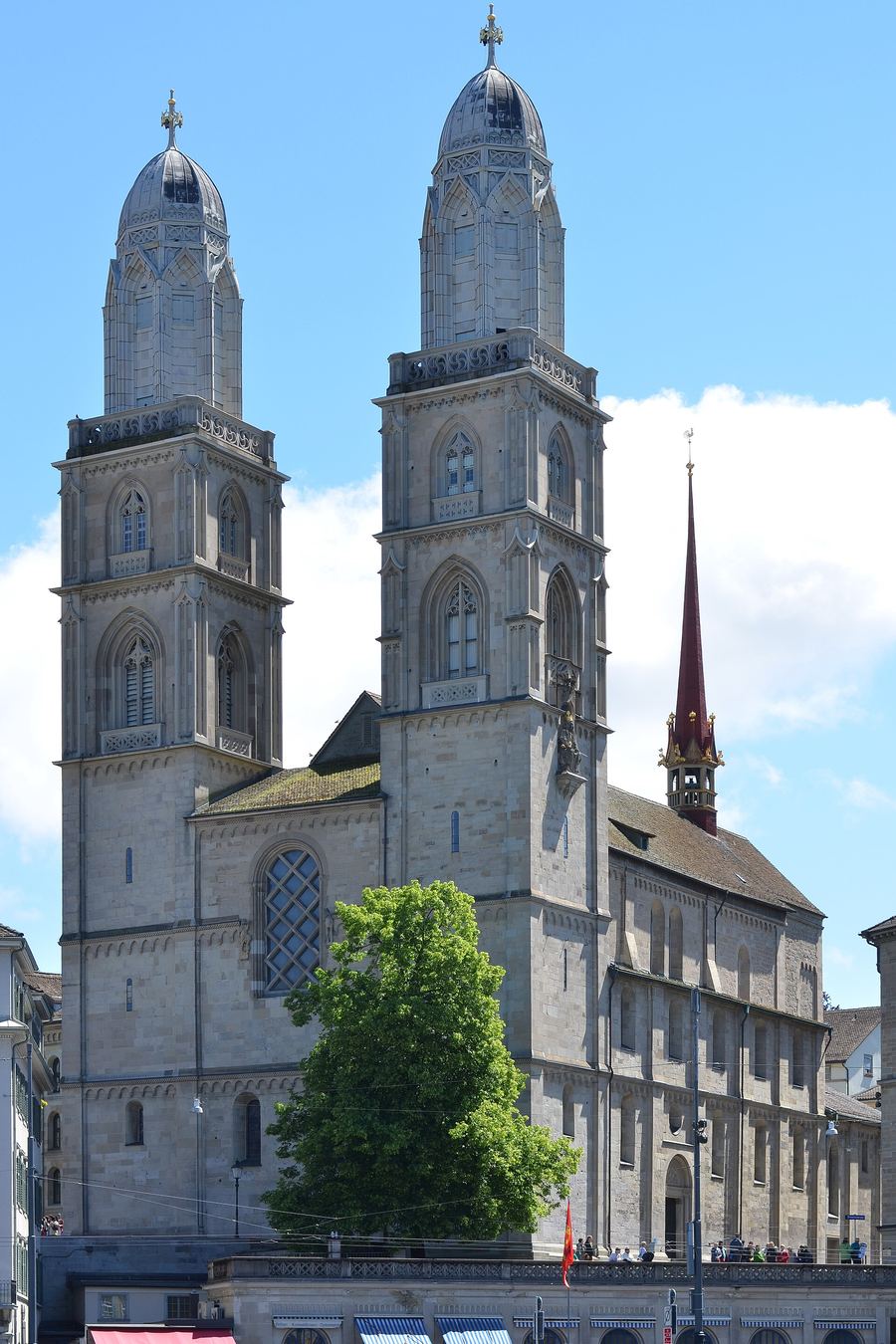
Grossmünster
Twin Romanesque towers dominate the skyline. Climb Karlsturm for clear city views for CHF 5.
اسأل Parleyسويسرا
Precision engineering, lake bathing, and cold hard capital.
introduction
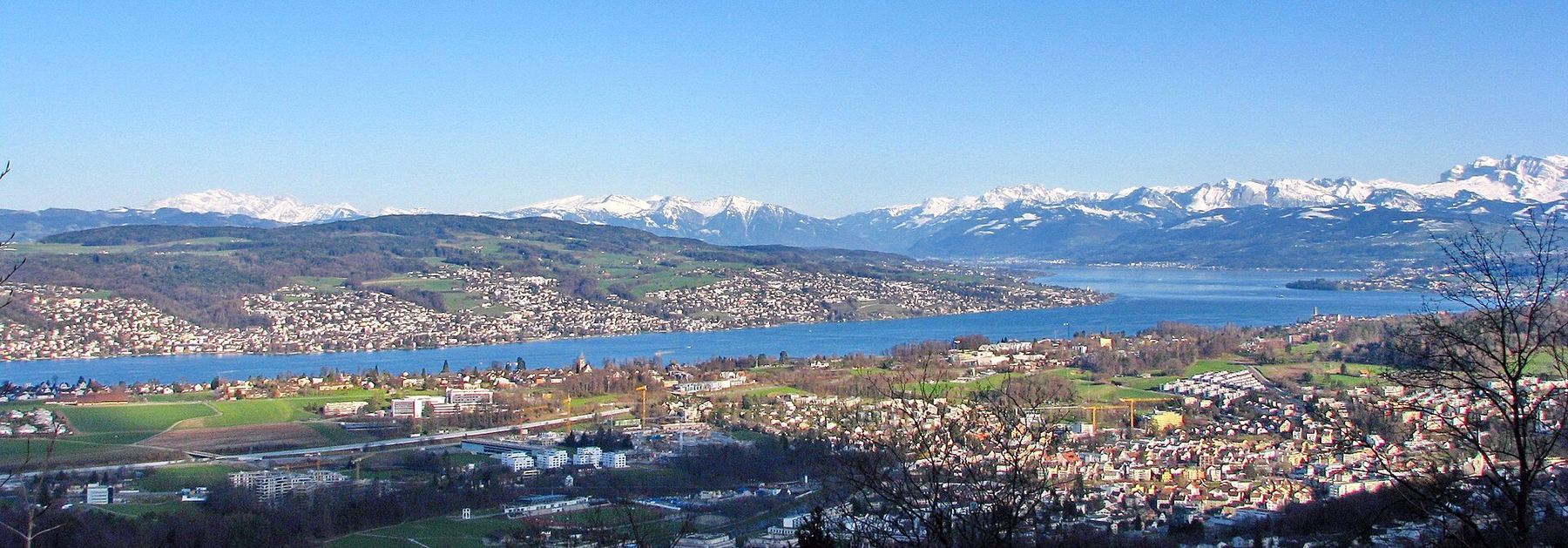
Zürich functions as a smooth, high-cost machine built around a pristine lake and river system. You navigate the city primarily on foot or by blue-and-white trams that arrive with reliable exactness. Expect immaculate public spaces, steep dining bills, and an obsession with seasonal water culture. It rewards structured planning and early mornings.
Dada birthplace
Hugo Ball and Tristan Tzara founded the anti-art Dada movement at Cabaret Voltaire on Spiegelgasse in 1916.
Sunday retail law
High-street retail shops close on Sundays. Retailers inside Hauptbahnhof and the airport train station remain open.
Zürich
Chris Brown · CC BY 2.0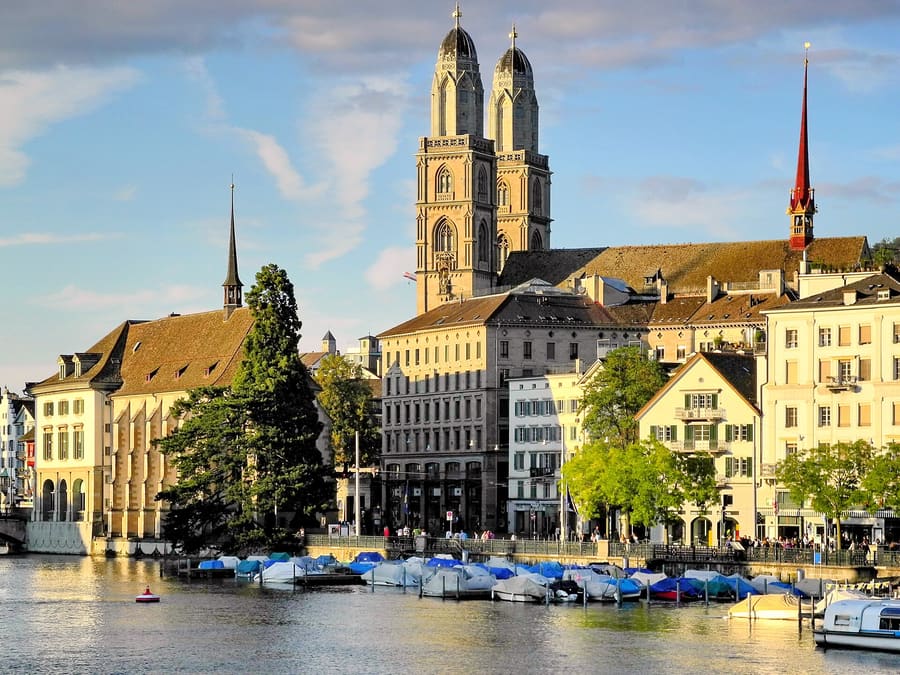
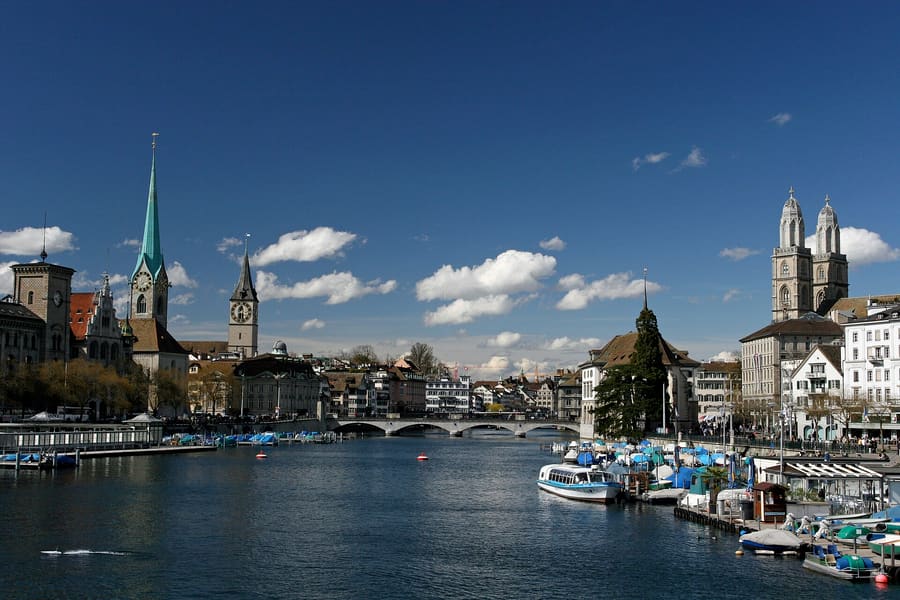
Altstadt — Pedestrian medieval alleys, guild houses, riverfront cafes, and steep cobblestone side streets.
roland zh · CC BY-SA 3.0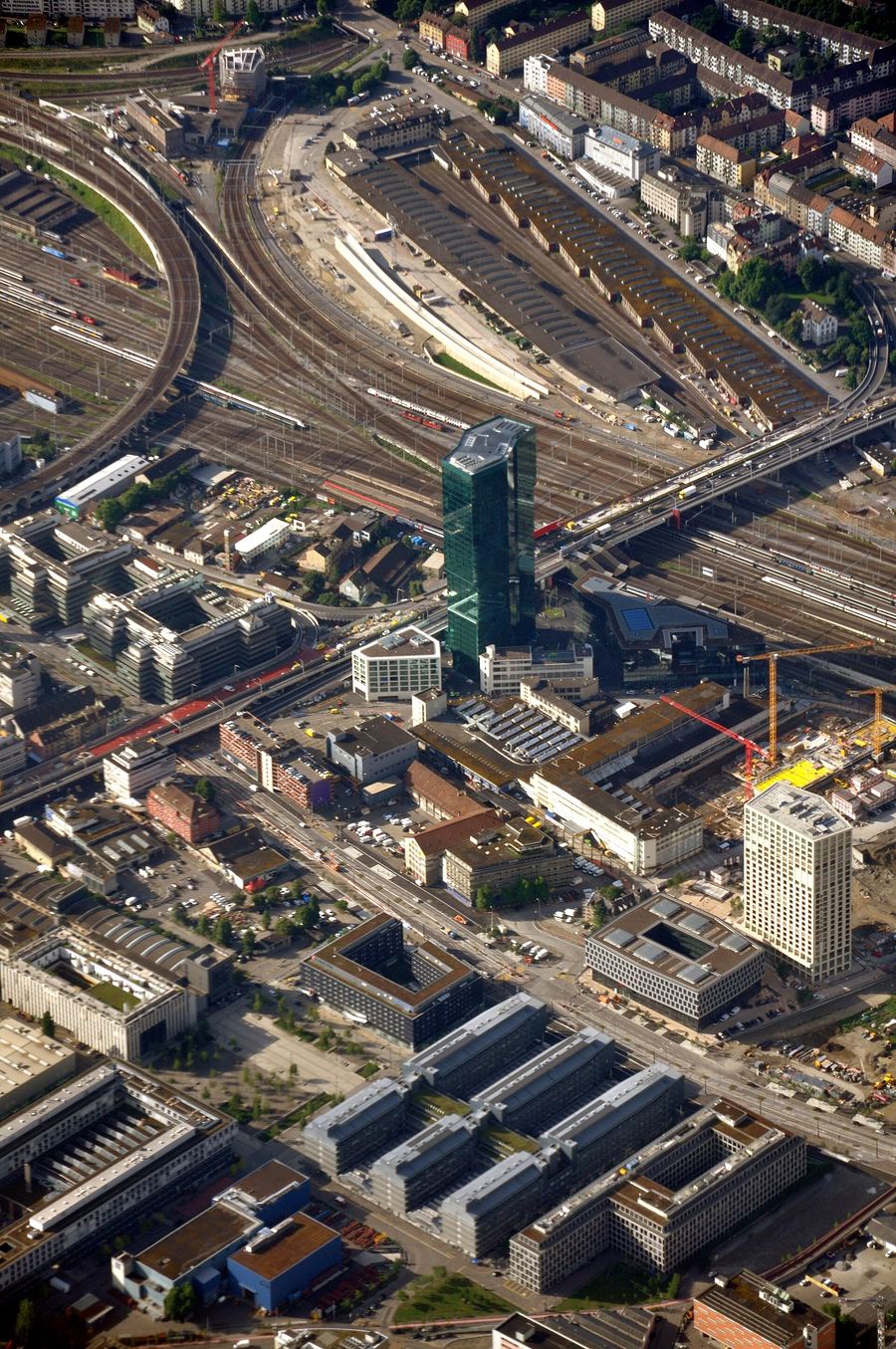
Zürich West — Former machinery factories converted into design boutiques, market halls, and concrete venues.
Hansueli Krapf This file was uploaded with Commonist. · CC BY-SA 3.0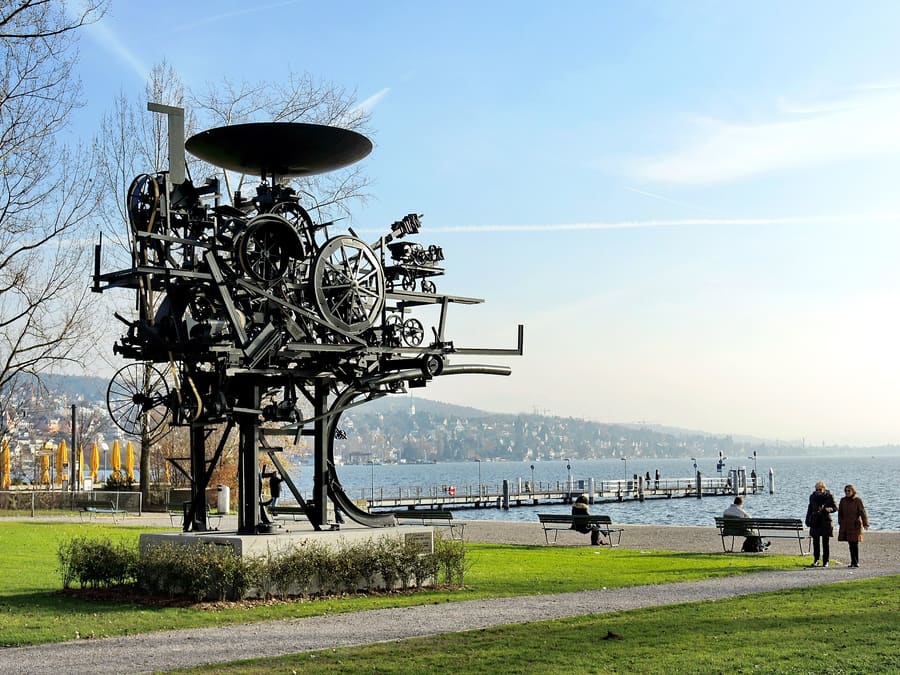
Seefeld — A polished residential district along the eastern shore, filled with art nouveau apartments and wooden bathhouses.
Roland zh · CC BY-SA 3.0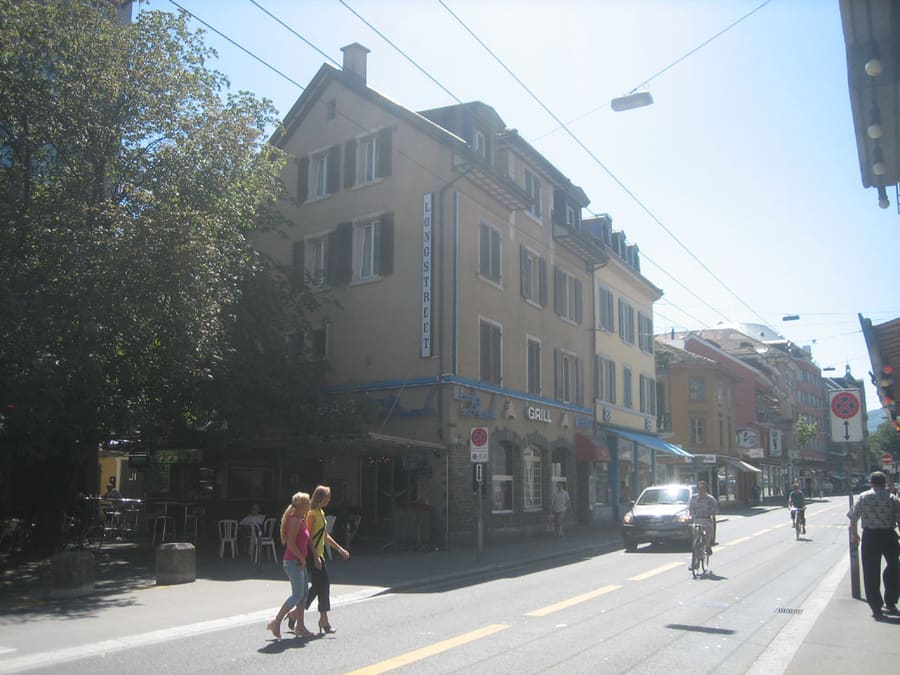
Langstrasse — A dense urban grid of late-night bars, international takeaway counters, and independent clubs.
MCaviglia digimen.ch · Public domain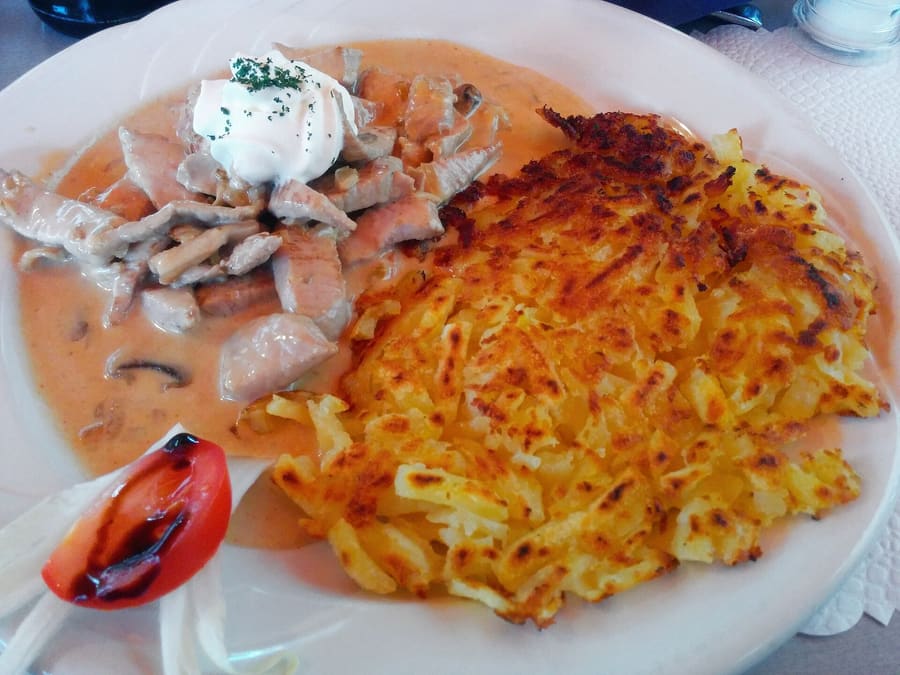
Zürcher Geschnetzeltes served alongside butter-crisped Rösti.
Jpatokal · CC BY-SA 3.0highlights
landmark
Twin Romanesque towers dominate the skyline. Climb Karlsturm for clear city views for CHF 5.
اسأل Parley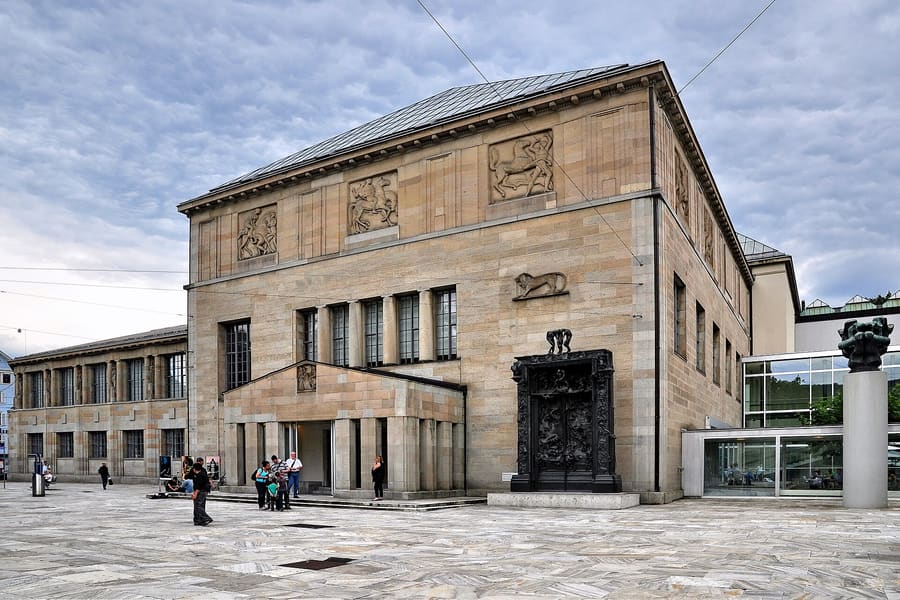
landmark
Switzerland's largest art museum includes the Chipperfield hall. Standard adult entry costs CHF 23.
اسأل Parley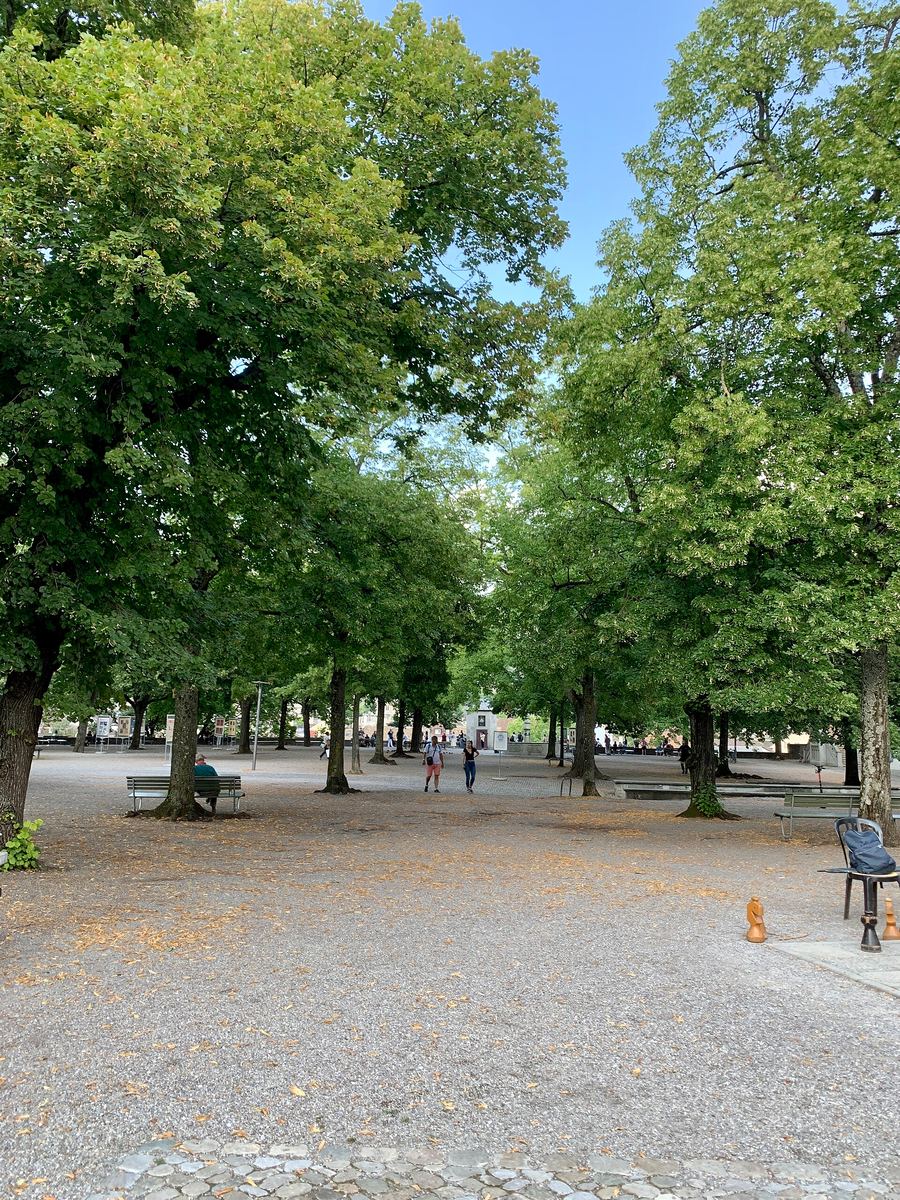
landmark
Elevated park on a former Roman fort. It provides the best free view across the river to Altstadt.
اسأل Parley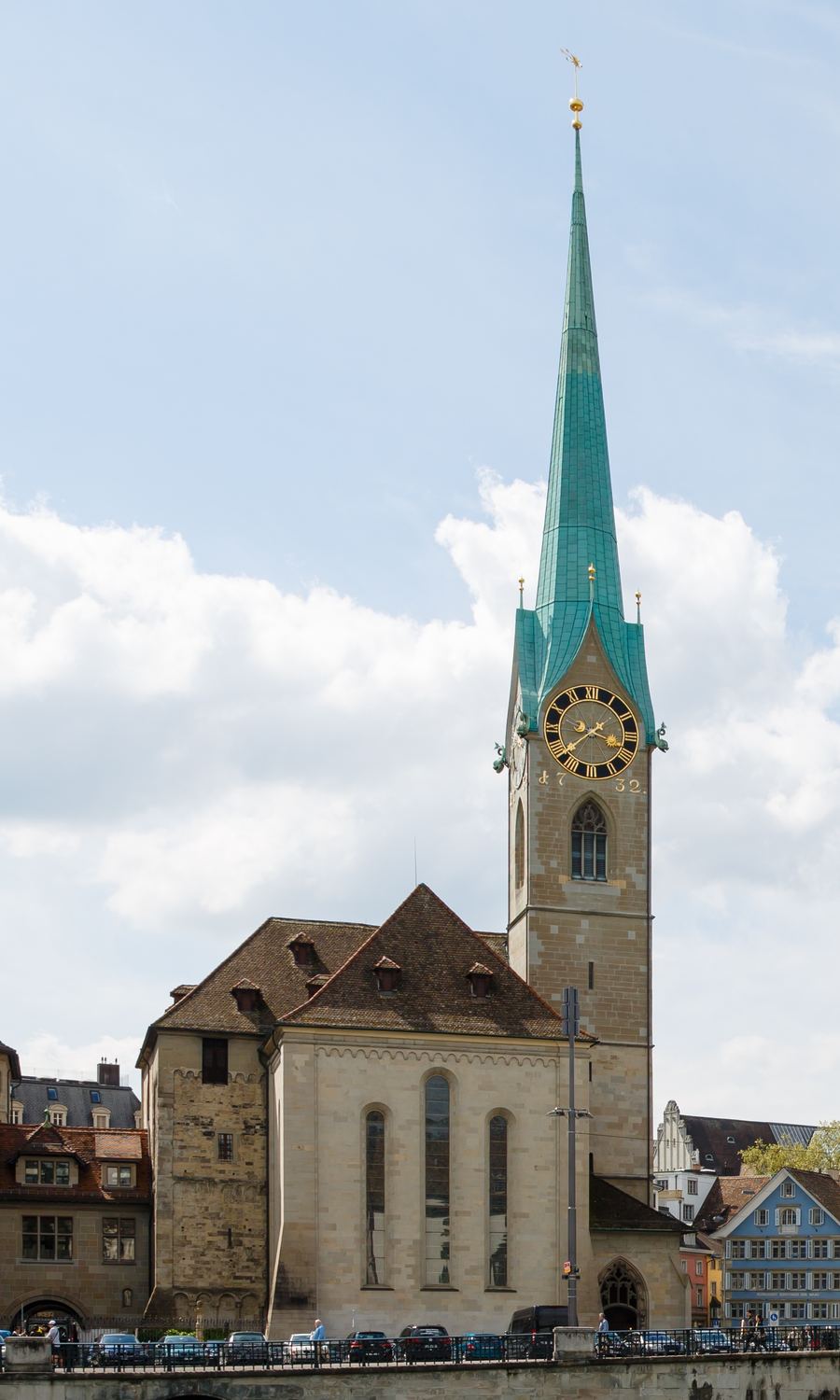
landmark
Famous for Chagall stained-glass windows. Entry costs CHF 5 and includes a portable audio guide.
اسأل Parley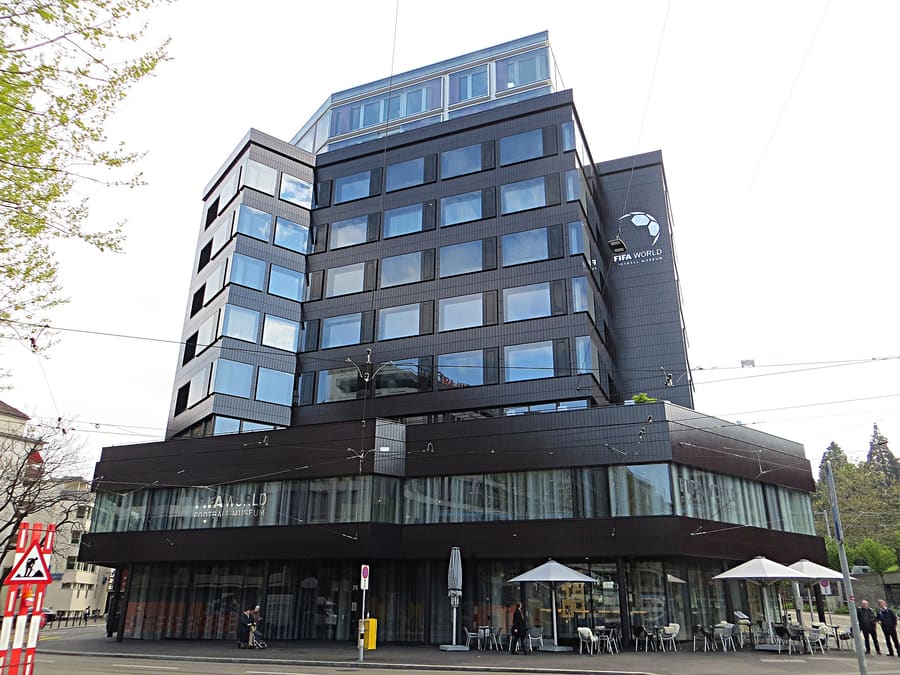
landmark
Interactive exhibits and national team shirts opposite Enge station. High CHF 26 entry targets fans.
اسأل Parley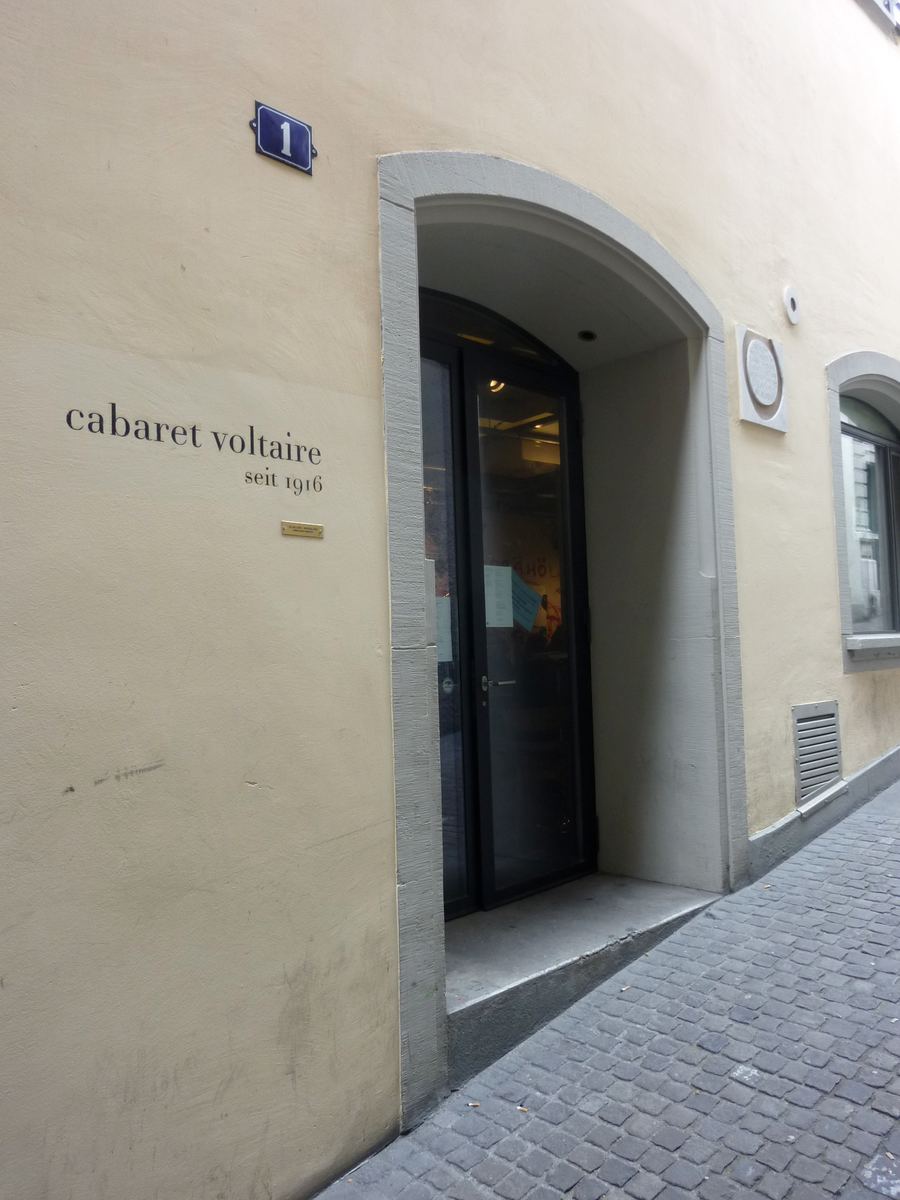
landmark
The 1916 birthplace of Dadaism functions today as a bar and modern exhibition space.
اسأل Parleyattractions
areas
Pedestrian medieval alleys, guild houses, riverfront cafes, and steep cobblestone side streets.
قريبHauptbahnhof and the Limmat river baths.
اسأل ParleyFormer machinery factories converted into design boutiques, market halls, and concrete venues.
قريبIm Viadukt arches and Frau Gerolds Garten.
اسأل ParleyA polished residential district along the eastern shore, filled with art nouveau apartments and wooden bathhouses.
قريبSeebad Utoquai and the Opera House.
اسأل ParleyA dense urban grid of late-night bars, international takeaway counters, and independent clubs.
قريبHelvetiaplatz market and Europaallee.
اسأل Parleyfood
Dining in Zürich revolves around rich, pan-fried dishes and strict traditional preparation. The city's signature specialty is Zürcher Geschnetzeltes, which consists of thinly sliced veal sautéed with white wine, cream, and button mushrooms. High-end traditional restaurants serve it paired with Rösti, a dense pancake of grated, pan-fried potatoes crisp on the outside.For casual dining, local food culture centers on outdoor stands along key transport hubs. Sternen Grill on Bellevue sets the local standard for St. Galler bratwurst, served hot with a hard crusty roll and sharp mustard. Locals eat these standing up, regardless of weather or corporate dress codes.
Zürcher Geschnetzeltes served alongside butter-crisped Rösti.
Jpatokal · CC BY-SA 3.0City fountains supply clean drinking water throughout the day. Tap water in restaurants is completely safe to drink.
history
Zürich grew from a Roman customs post called Turicum, established to collect duty on goods moving along the Limmat. By the Middle Ages, strong craft guilds controlled local governance from corporate houses that still line the river today.In 1519, Huldrych Zwingli initiated the Swiss Reformation from his pulpit at Grossmünster. His strict Protestant work ethic reshaped the city's identity, laying cultural foundations for discreet private banking, industrial manufacturing, and precise civic organization.
Roman Turicum
Romans found a tax collection post on Lindenhof hill to collect duties on water traffic.
Reformation
Huldrych Zwingli preaches at Grossmünster, establishing Protestantism and reshaping civic life.
First Swiss rail line
The Spanisch-Brötli-Bahn opens between Zürich and Baden, beginning the nation's railway era.
Dadaism born
Hugo Ball and exile artists launch Cabaret Voltaire, founding the radical Dada art movement.
where to stay
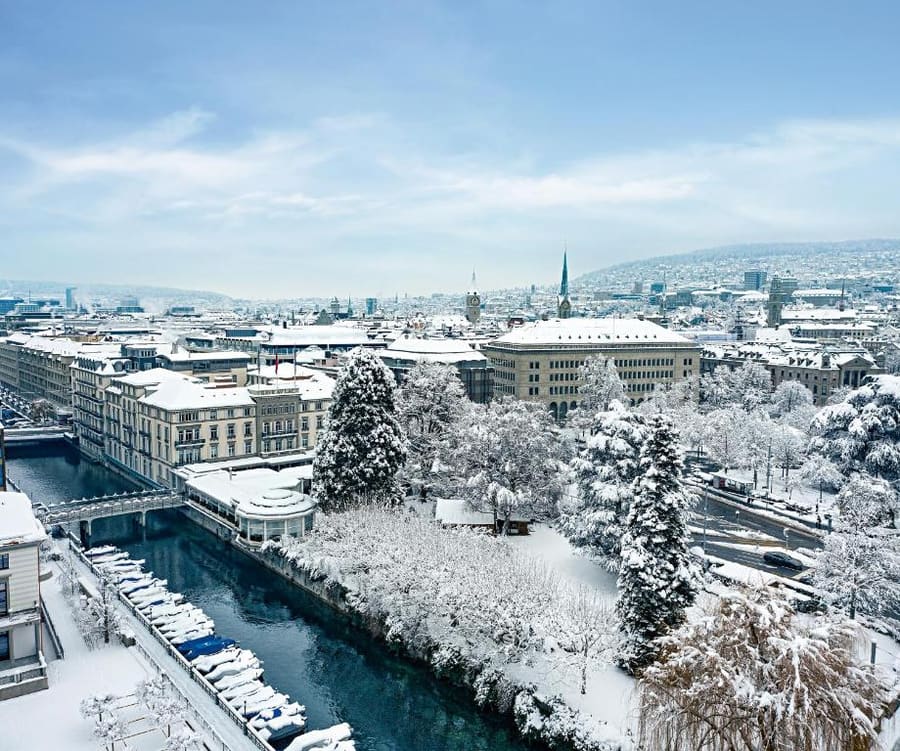
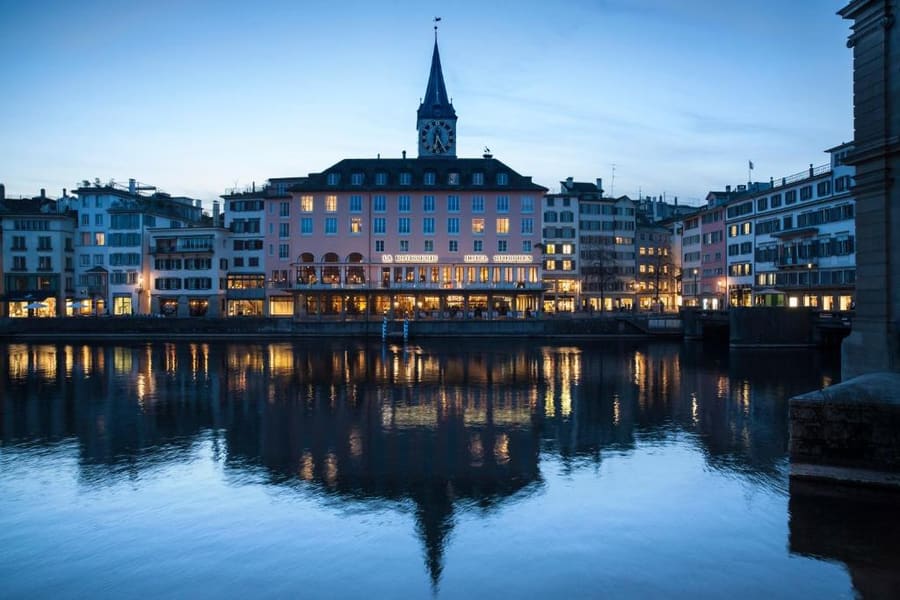
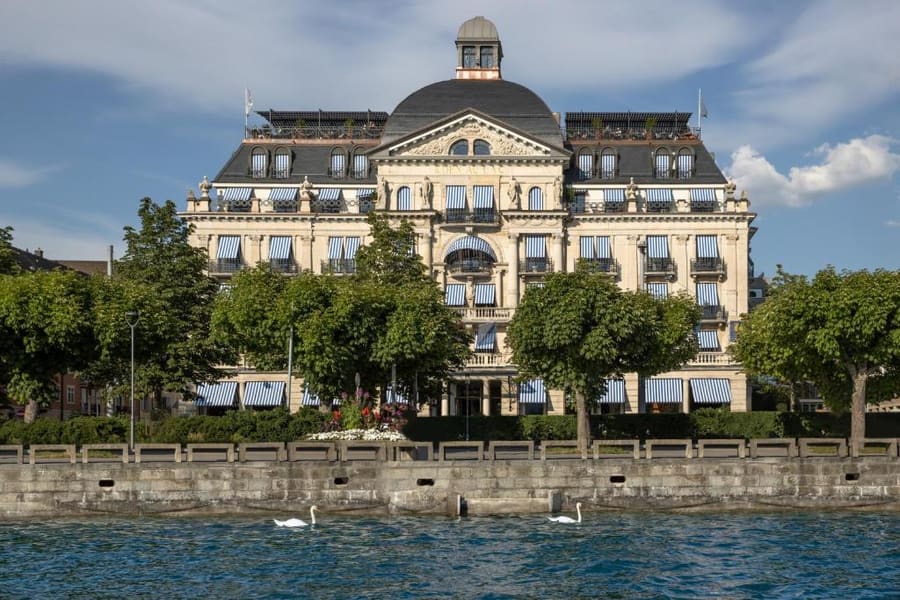
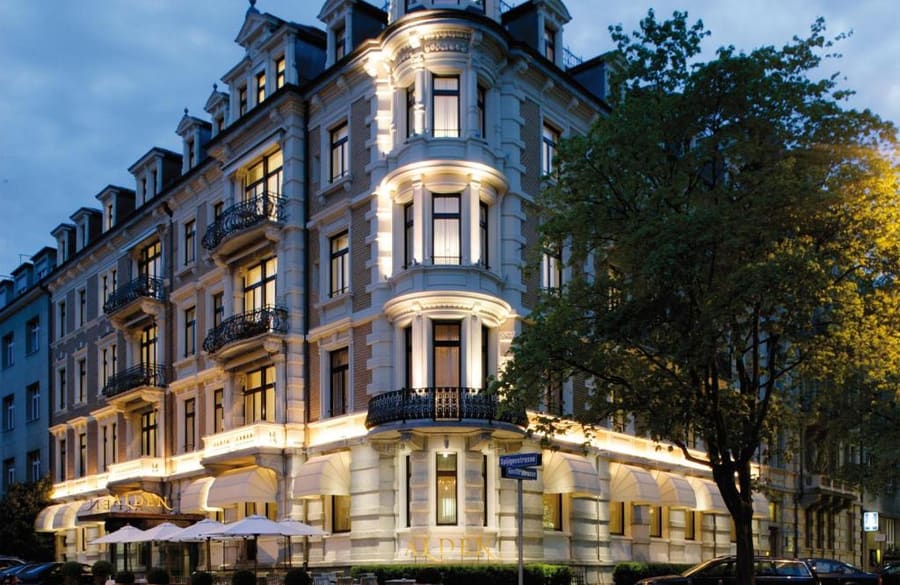
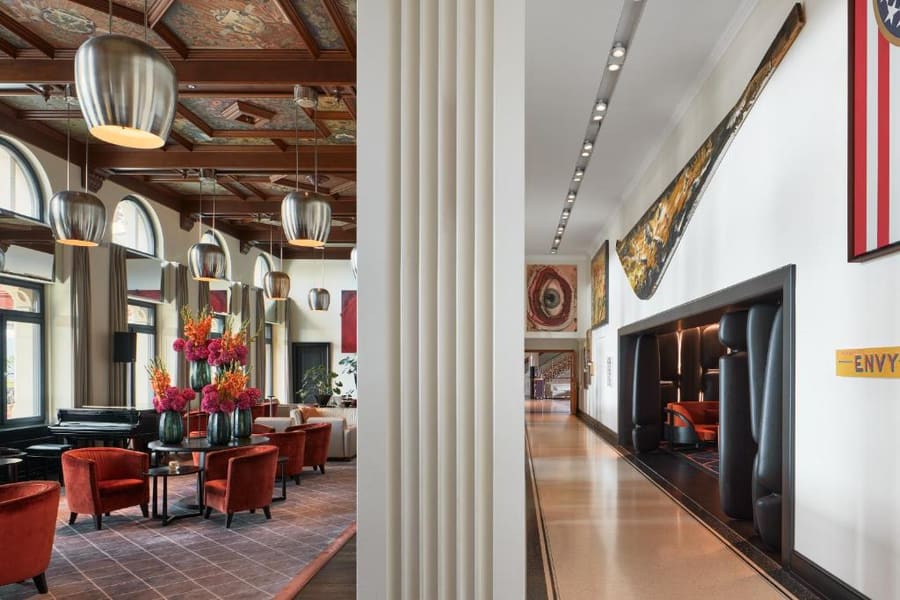
Choose your base by balancing walking proximity against urban quiet. The city is geographically compact, but transit access varies by neighborhood character.
Live rates, matched to the areas above.
transport
Zürich's transit operator, ZVV, manages an integrated network of trams, buses, commuter S-Bahn trains, and river boats. Trams run every 3 to 7 minutes during standard daytime hours. Tickets operate strictly on pre-purchase validation across designated geographic zones.
من Zürich Airport (ZRH)
Direct S-Bahn and InterCity trains leave every few minutes from underground platforms.
Tram line 10 links the airport directly to Hauptbahnhof via Oerlikon.
Metered cabs wait outside arrivals. Traffic on the A1 motorway delays peak travel.
Zürich city center sits in Zone 110, which counts as two zones for fare calculation. A 1-2 zone ticket covers all city center travel.
Buy tickets on the ZVV app or at station kiosks before boarding. Conductors conduct random spot checks with CHF 100 fines.
Limmatschiff riverboats operate seasonally between Landesmuseum and Bürkliplatz using standard ZVV transit tickets.
Night buses and weekend late trams use standard tickets. The old CHF 5 night surcharge was abolished.
cost
Zürich ranks consistently among the world's most expensive consumer markets. High staff wages mean service-heavy purchases like dining and taxis carry steep baseline prices. You can offset costs by using public water fountains and buying takeaway groceries.
Standard price in central cafes and bakeries.
Entry-level pricing for mid-range sit-down dining.
Covers all trams, buses, and cable cars in Zone 110.
Admission to municipal open-air swimming facilities.
seasonality
MAR – MAY
Cool spring weather with brisk light. Outdoor dining terraces open as daily temperatures reach 15°C.
JUN – AUG
Peak season for river floating and lake bathing. Expect warm days, full outdoor venues, and higher hotel rates.
SEP – NOV
Crisp autumn air and turning foliage along Uetliberg trails. Fine art galleries launch seasonal exhibitions.
DEC – FEB
Cold, foggy weather punctuated by Christmas markets. Lakeside saunas operate at peak capacity.
practicalities
Contactless cards and mobile payments are accepted almost everywhere, including ticket kiosks and small kiosks.
Public bathhouses (Badis) transform from daytime swimming venues into outdoor lounge bars after 19:00.
Trams and local trains depart precisely on the scheduled minute. Arriving one minute late means missing the departure.
German is the official language, spoken locally as Swiss German. High German and English are universally understood in service roles.
Swimming in the Limmat requires strong swimming ability due to river currents. Use waterproof dry bags for belongings.