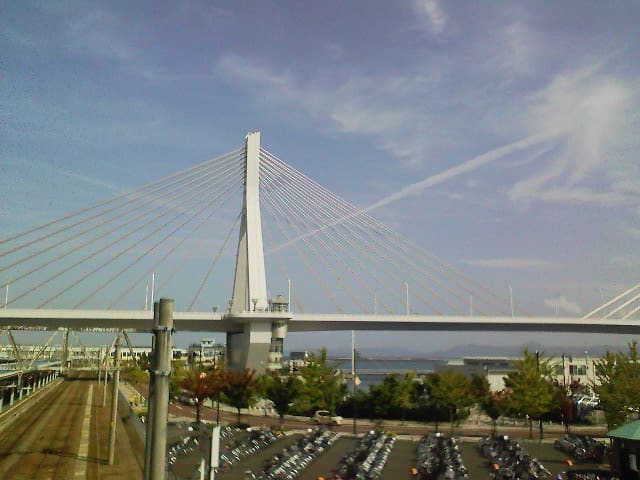
landmark
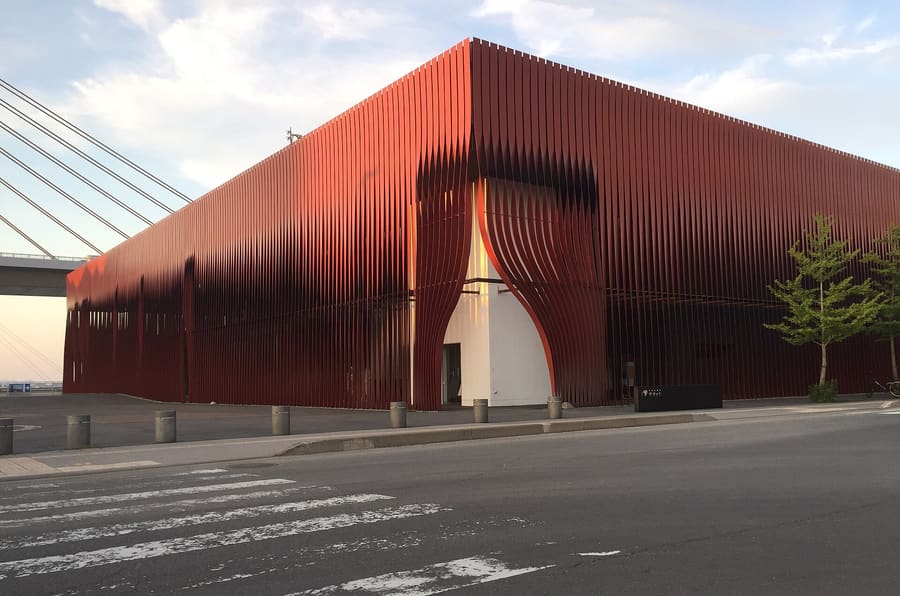
Nebuta Museum Wa Rasse
Giant paper-mache festival floats are displayed year-round inside this waterfront museum. Buy tickets online to skip morning lines.
Parley fragenJapan
Northern sea winds, Jomon roots, and winter mountain snow.
introduction
Aomori sits at the northern tip of Honshu where land meets Mutsu Bay. Rail connections hub through Shin-Aomori while local lines terminate at the harbour edge. You navigate the city by local bus, coastal train, or short walking loops around the port.
Rail and air arrivals
Fly into AOJ or arrive at Shin-Aomori on the Tohoku Shinkansen. The local train transfer from Shin-Aomori to central Aomori Station takes six minutes.
Jomon UNESCO heritage
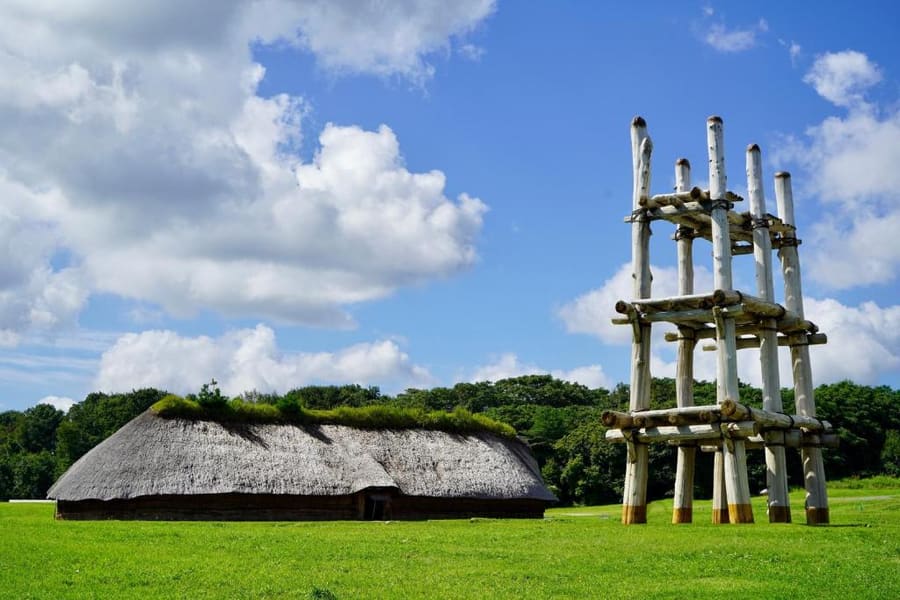
Sannai-Maruyama Site is a UNESCO World Heritage Jomon-period settlement. Its reconstruction shows hunter-gatherer village life from 3900 BCE.
Nokke-don system
Buy a multi-ticket coupon strip at Furukawa Market before joining seafood stalls. It lets you build your own custom seafood bowl piece by piece.
Aomori
Yuichi Kosio · CC BY 2.0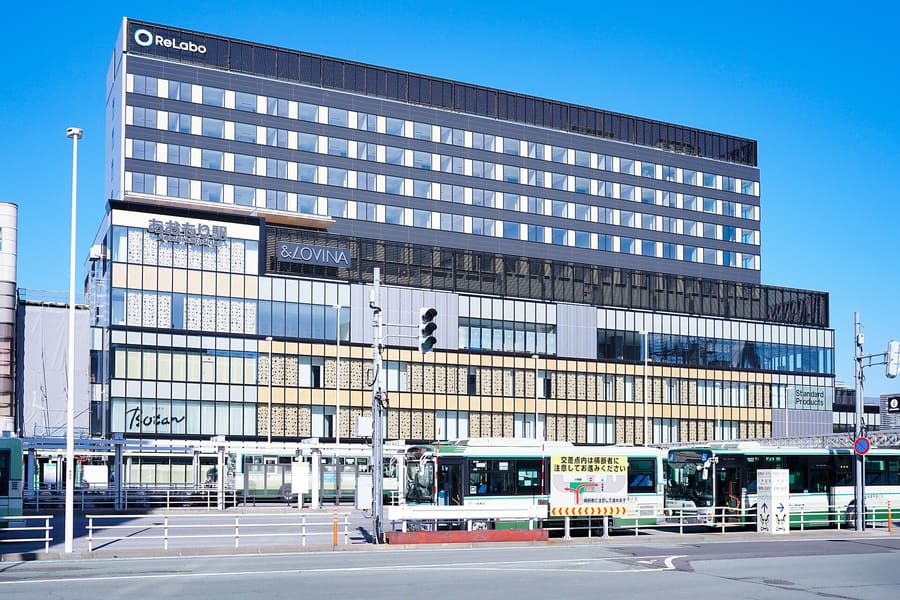
Aomori Station South — Practical transit hub with seafood markets and straightforward izakaya alleys.
掬茶 · CC BY-SA 4.0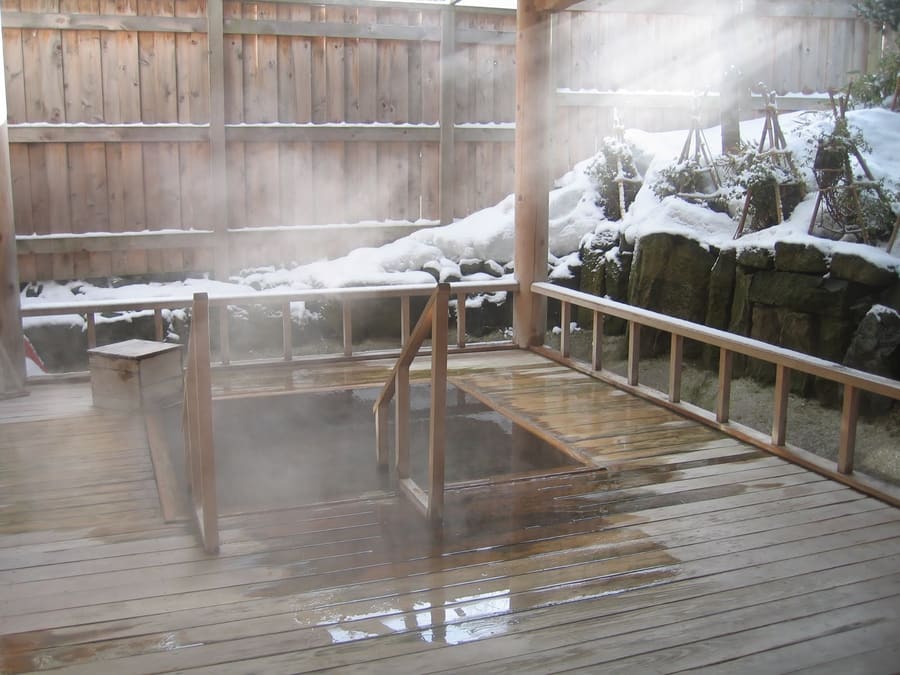
Asamushi Onsen — Coastal hot spring town overlooking Mutsu Bay islands, 30 minutes out by train.
振 · CC BY-SA 3.0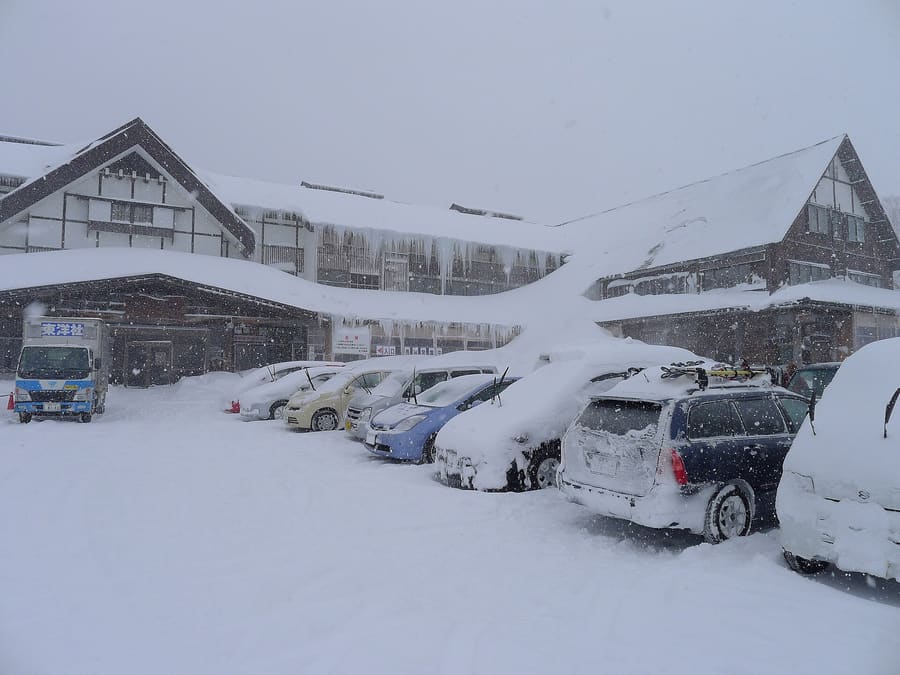
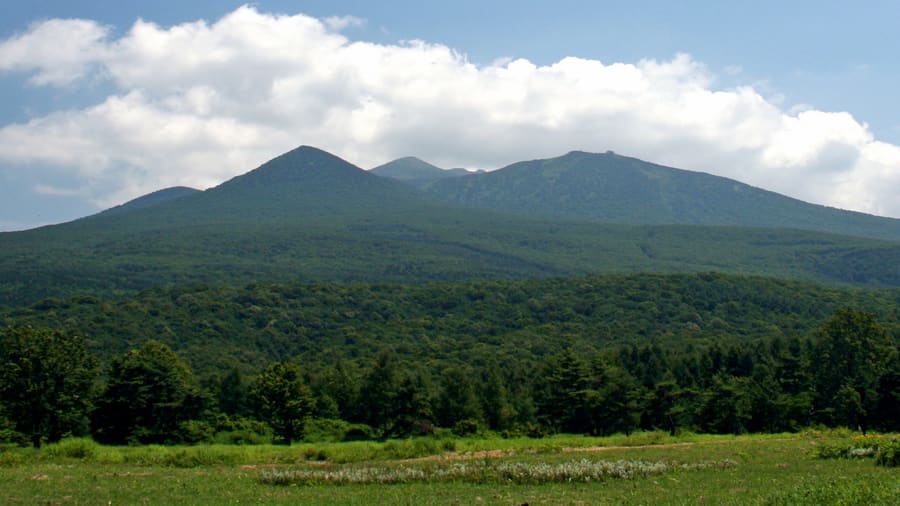
Hakkoda Foothills — Mountain air, dense beech forests, and historic thermal springs.
Nogiuchi · CC BY-SA 3.0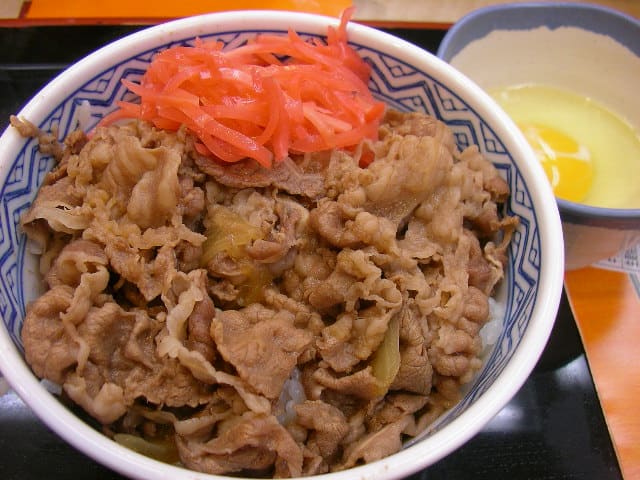
Custom Nokke-don bowls created with seafood tickets at Furukawa Market.
jetalone from Higashi-Ginza, Tokyo · CC BY 2.0highlights
landmark
Giant paper-mache festival floats are displayed year-round inside this waterfront museum. Buy tickets online to skip morning lines.
Parley fragen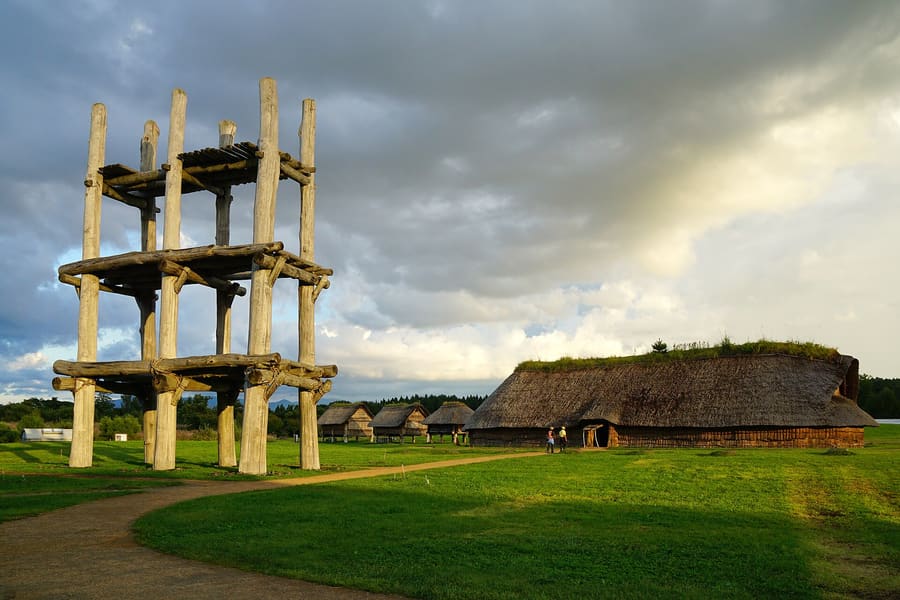
landmark
Japan's largest Jomon-period settlement features reconstructed pit dwellings. Free guided walking tours run every hour on the hour.
Parley fragen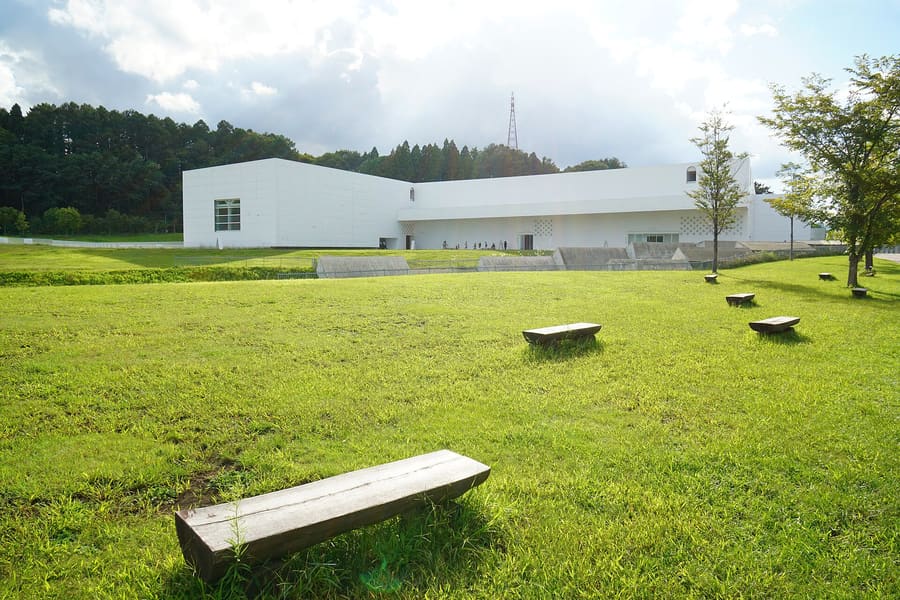
landmark
Houses Yoshitomo Nara's 8.5-meter Aomori Dog outdoor sculpture. Catch the Nebuta-go loop bus directly from Aomori Station.
Parley fragen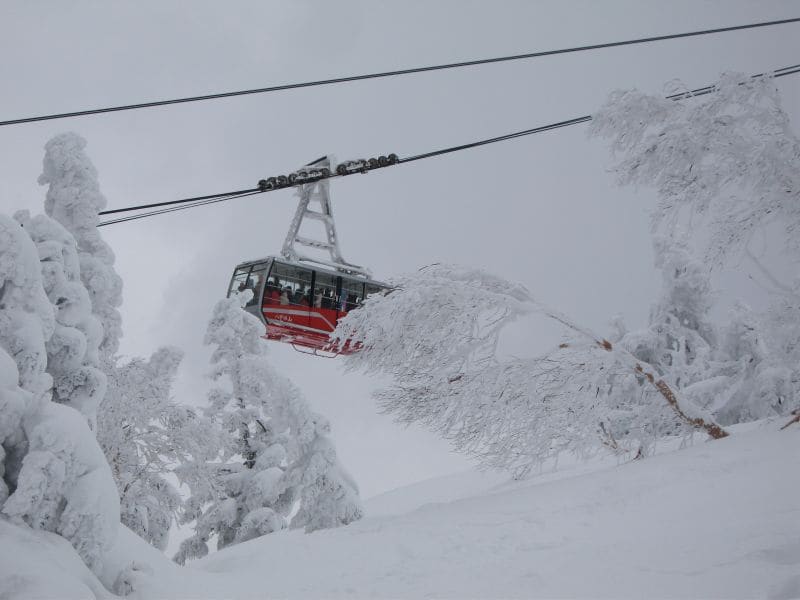
landmark
Ascends Mount Tamoyachi for winter snow monsters and summer alpine ridge trails. Strong mountain winds frequently halt operations.
Parley fragen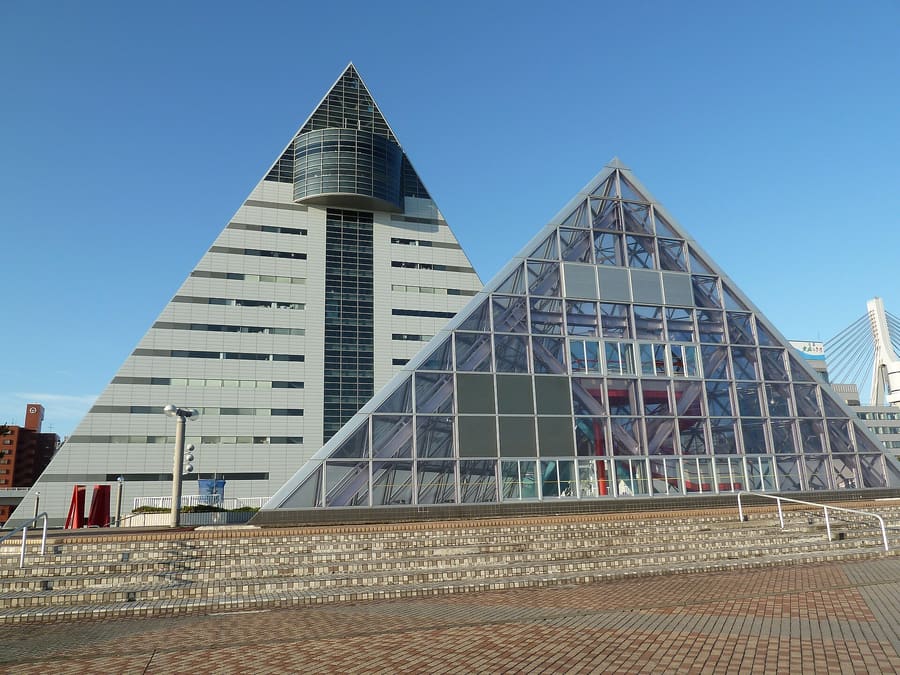
landmark
A 76-meter triangular seaside tower housing craft shops and a observation deck. Visit late afternoon for Mutsu Bay sunset views.
Parley fragenattractions
areas
Practical transit hub with seafood markets and straightforward izakaya alleys.
In der NäheFurukawa Market and Aomori Station bus terminal.
Parley fragenCoastal hot spring town overlooking Mutsu Bay islands, 30 minutes out by train.
In der NäheAsamushi Aquarium and coastal bathhouses.
Parley fragenMountain air, dense beech forests, and historic thermal springs.
In der NäheHakkoda Ropeway and Sukayu Onsen.
Parley fragenHarbour breezes, red-brick promenades, and direct access to Wa Rasse.
In der NäheWa Rasse, ASPAM, and Aomori Bay Bridge.
Parley fragenfood
Aomori cuisine draws heavily from cold-water fisheries and severe winters. Local broth masters created miso-curry-milk ramen in the late 1970s by combining Japanese miso, Indian curry powder, and local dairy milk with butter. Down by the fish market, scallop harvesting shapes daily menus, from raw adductor muscles to grilled shell dishes cooked over open coals.
Custom Nokke-don bowls created with seafood tickets at Furukawa Market.
jetalone from Higashi-Ginza, Tokyo · CC BY 2.0Ask for Miso Curry Milk Ramen at Aji no Sapporo Onishi near the station.
Furukawa Market gets crowded after 11:00; arrive at 07:00 opening for shorter lines.
Nokke-don requires paper coupon strips sold at the market entry office in ¥1,000 or ¥2,000 sets.
history
Settlement around Mutsu Bay began during the prehistoric Jomon period. Aomori grew into a key northern port during the Edo period under Hirosaki Domain control. The town was designated a national port city in the late 19th century to connect Honshu rail to Hokkaido ferry lines.
Jomon Settlement
Large-scale Jomon communities settle at Sannai-Maruyama, building timber structures and pottery.
Port Established
The Hirosaki clan establishes Aomori port to ship regional rice and timber to Honshu trade hubs.
Seikan Ferry Launch
The Seikan Railway Ferry begins links across Tsugaru Strait between Aomori and Hakodate.
Shinkansen Arrival
Tohoku Shinkansen extends to Shin-Aomori Station, cutting travel time from Tokyo to three hours.
where to stay
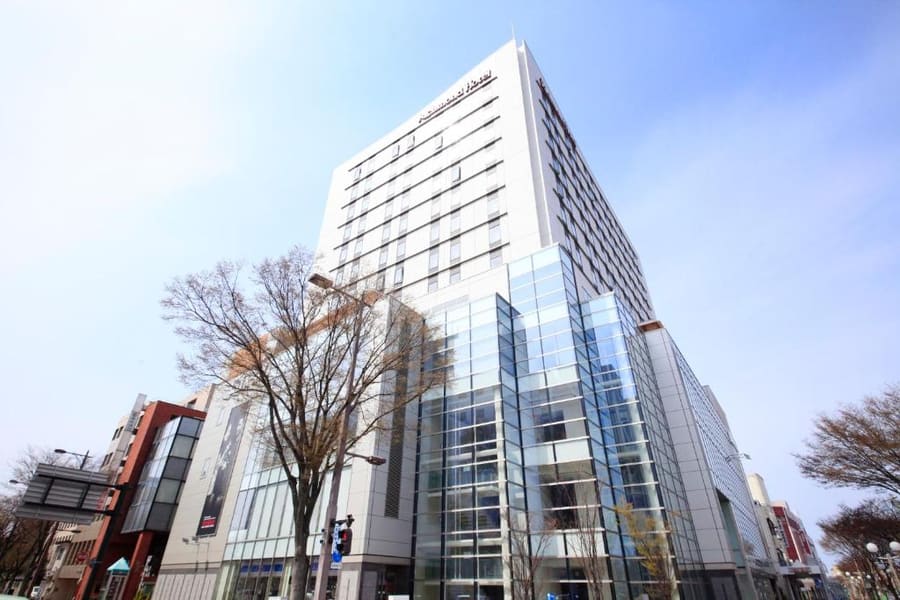
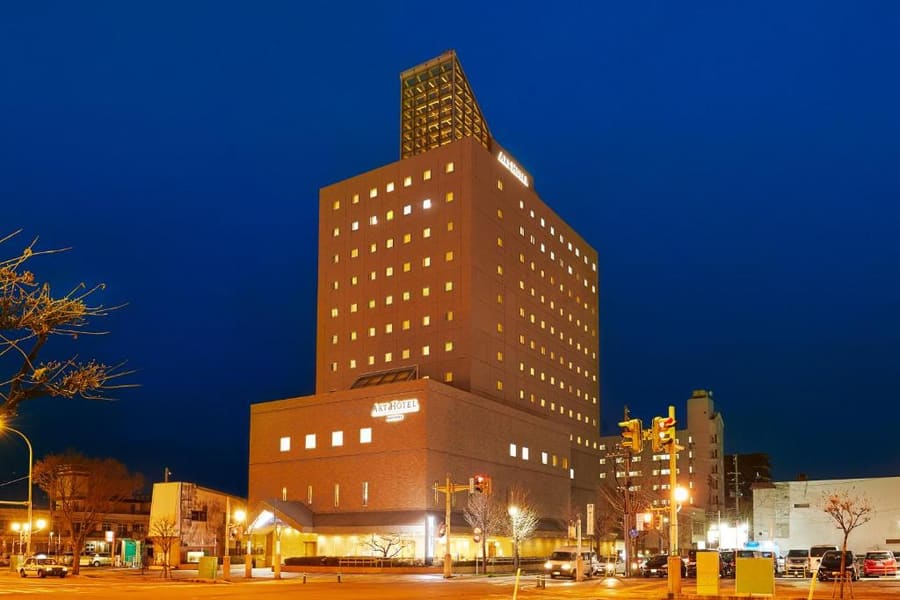
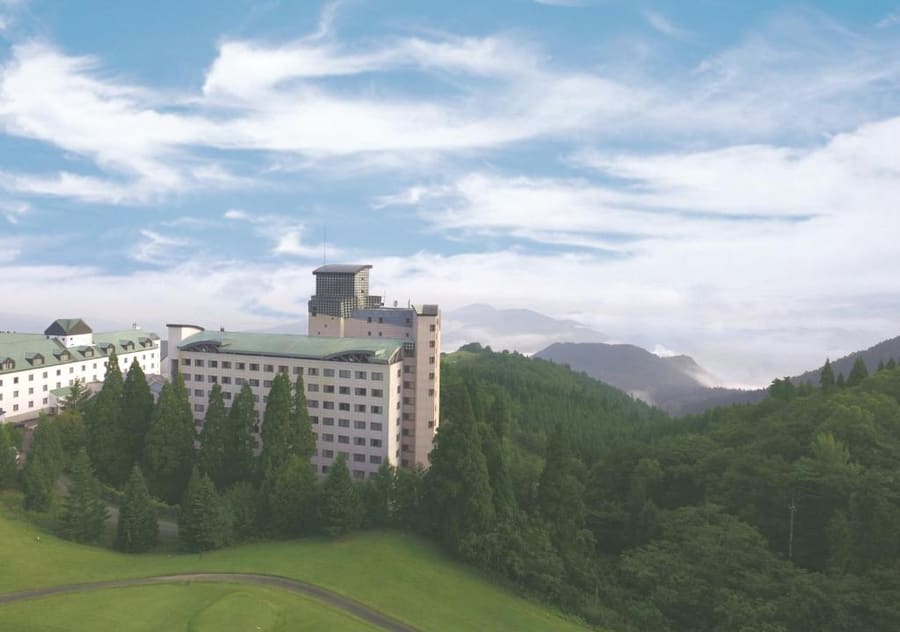
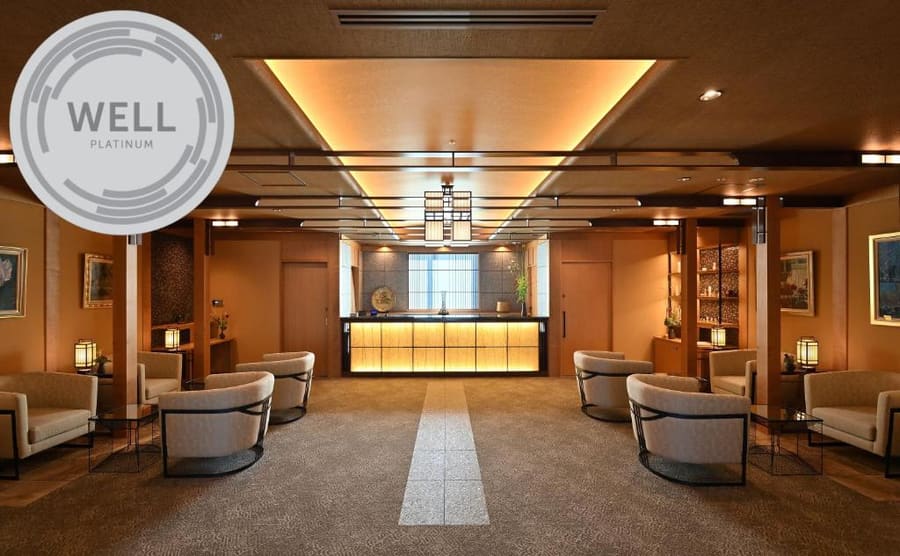
Choose your location based on transit priorities and thermal baths. Staying near Aomori Station gives instant access to regional buses and seafood markets. Coastal Asamushi or Hakkoda mountain lodges suit travellers seeking hot springs.
Live rates, matched to the areas above.
transport
Central Aomori is compact enough to walk between the station, waterfront, and fish markets. Reaching the Hakkoda Ropeway or art museums requires local buses. Shin-Aomori Shinkansen station connects to central Aomori Station via a six-minute local train ride.
Ab Aomori Airport (AOJ)
Buses meet all domestic arrival flights outside the main exit.
Fixed-rate taxis require booking prior to departure.
The Nebuta-go loop bus links Aomori Station to the Art Museum and Sannai-Maruyama for ¥300 flat fare.
Suica and ICOCA work on local JR trains and city buses, but keep cash for regional line outlets.
The Aoimori Railway runs along the coast toward Asamushi Onsen; JR rail passes have restricted validity on this line.
cost
Aomori offers straightforward pricing compared to Tokyo or Kyoto. Meals at local markets rely on ticket strips, while transport passes keep sightseeing costs predictable.
Buys 12 tickets for fresh seafood portions at Furukawa Market.
Standard adult admission to the Nebuta museum display halls.
Provides unlimited day rides between central station and city museums.
seasonality
DEC – FEB
Heavy powder and snow monster trees on Hakkoda. Dress in heavy thermal layers and waterproof boots.
MAR – MAY
Spring thaw and cherry blossoms in nearby Hirosaki. Pack layers for fluctuating seaside temperatures.
JUN – AUG
Peak season during early August Nebuta Matsuri. Hotel bookings require six to twelve months advance planning.
SEP – NOV
Autumn foliage across Hakkoda slopes and mild weather. Great season for outdoor hiking and market dining.
practicalities
Furukawa Market closes on Tuesdays; plan seafood meals accordingly.
Check weather updates before traveling to Hakkoda Ropeway as summit fog and high winds close operations.
Small seafood stalls inside fish markets take cash or market ticket coupons only.
Footpaths freeze hard in winter; buy rubber shoe spikes at convenience stores for stability.
Wash thoroughly before entering shared bath waters at Sukayu or Asamushi onsen resorts.