landmark
Cerro Catedral
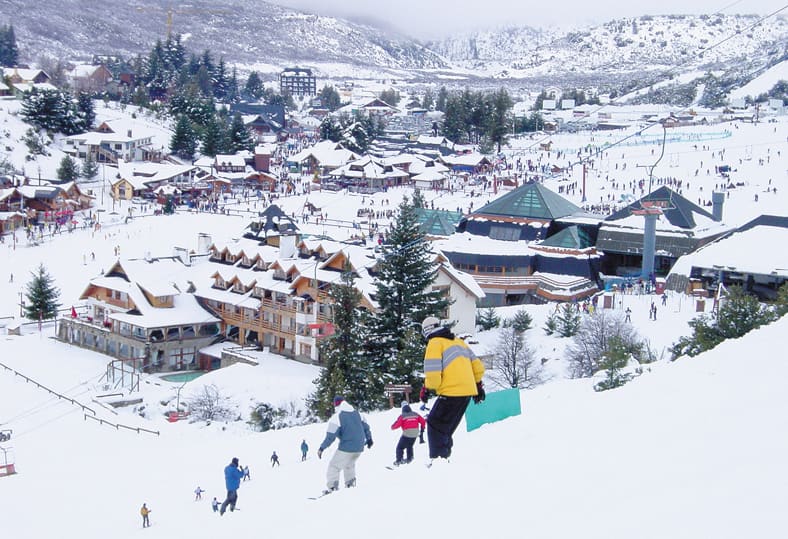
South America's largest ski area offers 120 kilometres of runs. Bus line 55 runs every 30 minutes from the centre.
Parley fragenArgentinien
Alpine trails, deep lakes, and Patagonia's largest ski hub.
introduction
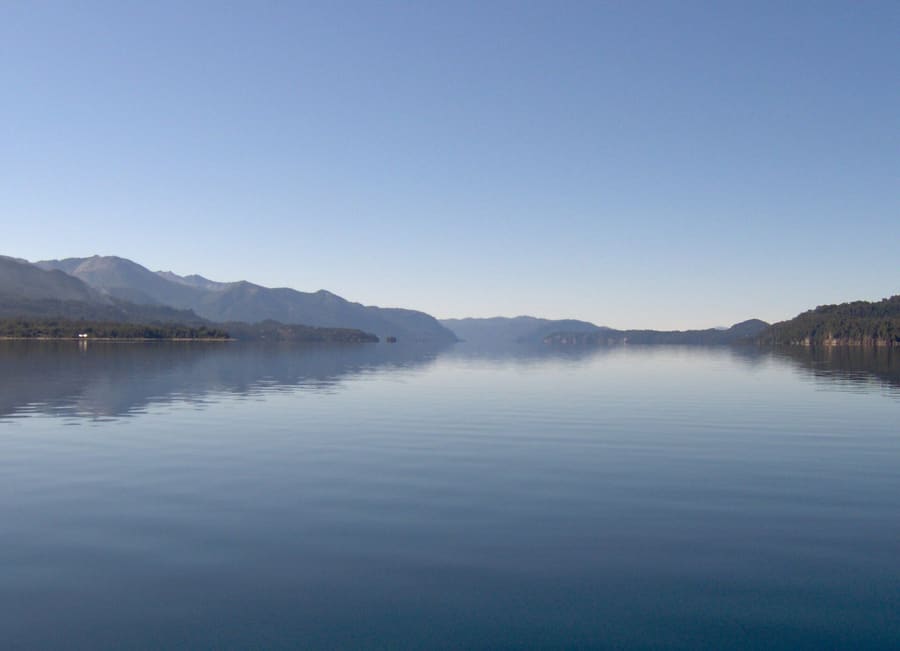
Bariloche stretches along forty kilometres of Lake Nahuel Huapi's southern shoreline. Buses on Avenida Bustillo measure locations by distance in kilometres from the central square rather than street names. Summer brings long daylight for alpine trekking, while winter turns the surrounding peaks into the continent's busiest ski network.
Airport connection
Bus line 72 links the airport to downtown in 35 minutes using the SUBE transit card. Taxis charge a fixed fare at the official arrivals desk.
Address convention
Addresses along the lake use kilometre markers on Avenida Bustillo. A hotel at Km 8 sits exactly eight kilometres west of the Centro Cívico.
Bariloche
user:Alfonso" · CC BY-SA 3.0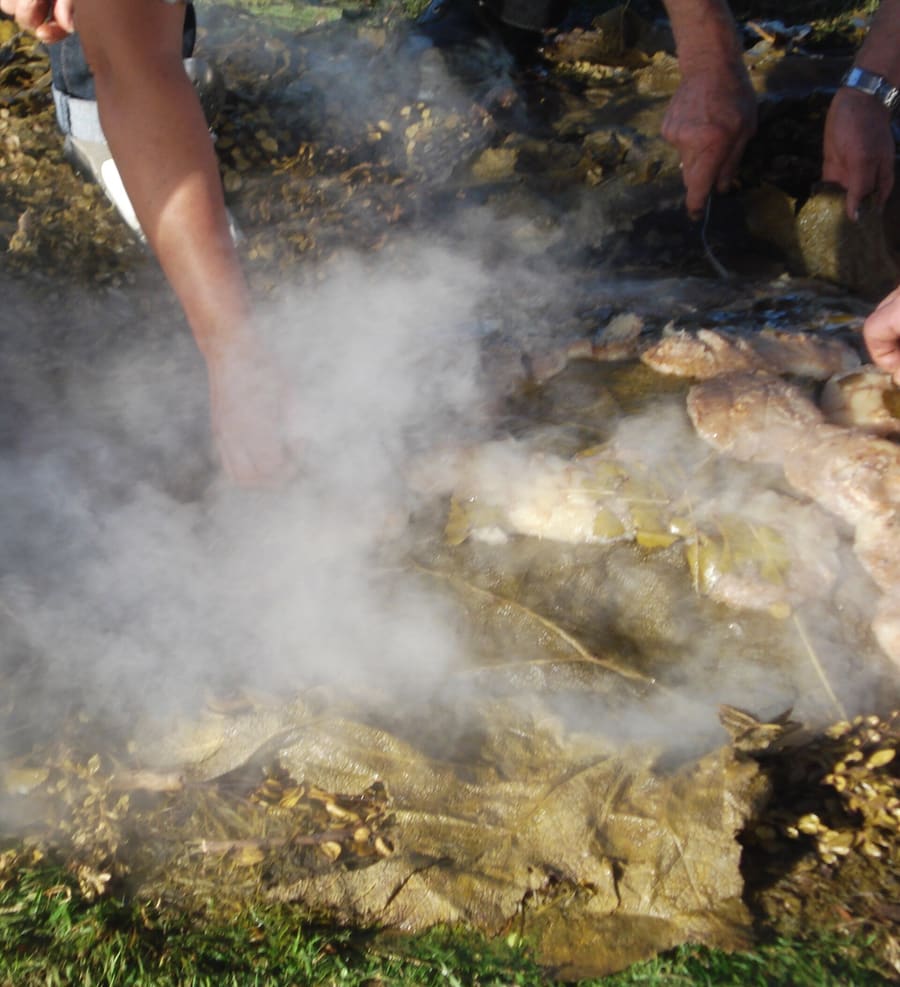
Curanto in Colonia Suiza cooks meats and vegetables underground using heated lake stones.
Lin linao · CC BY-SA 3.0highlights
landmark
South America's largest ski area offers 120 kilometres of runs. Bus line 55 runs every 30 minutes from the centre.
Parley fragen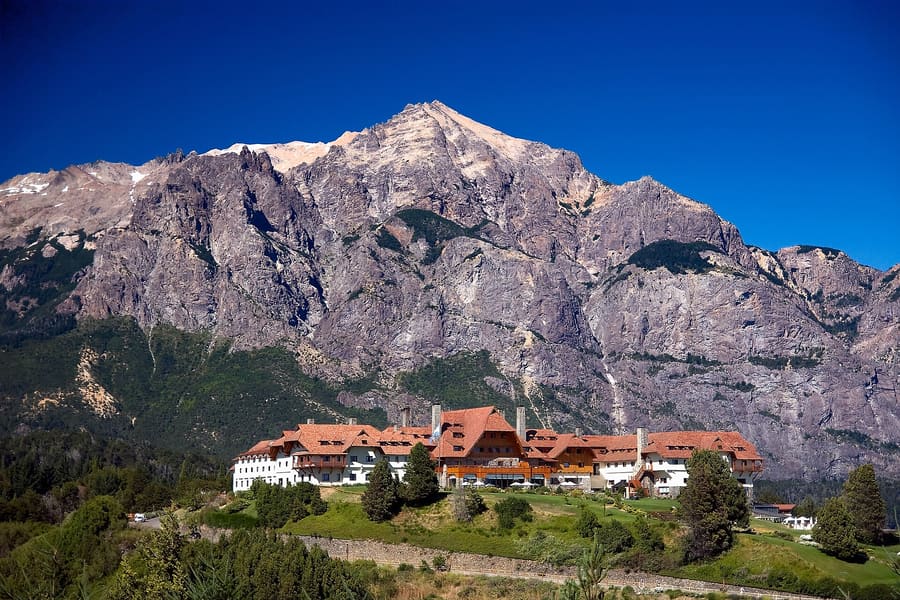
landmark
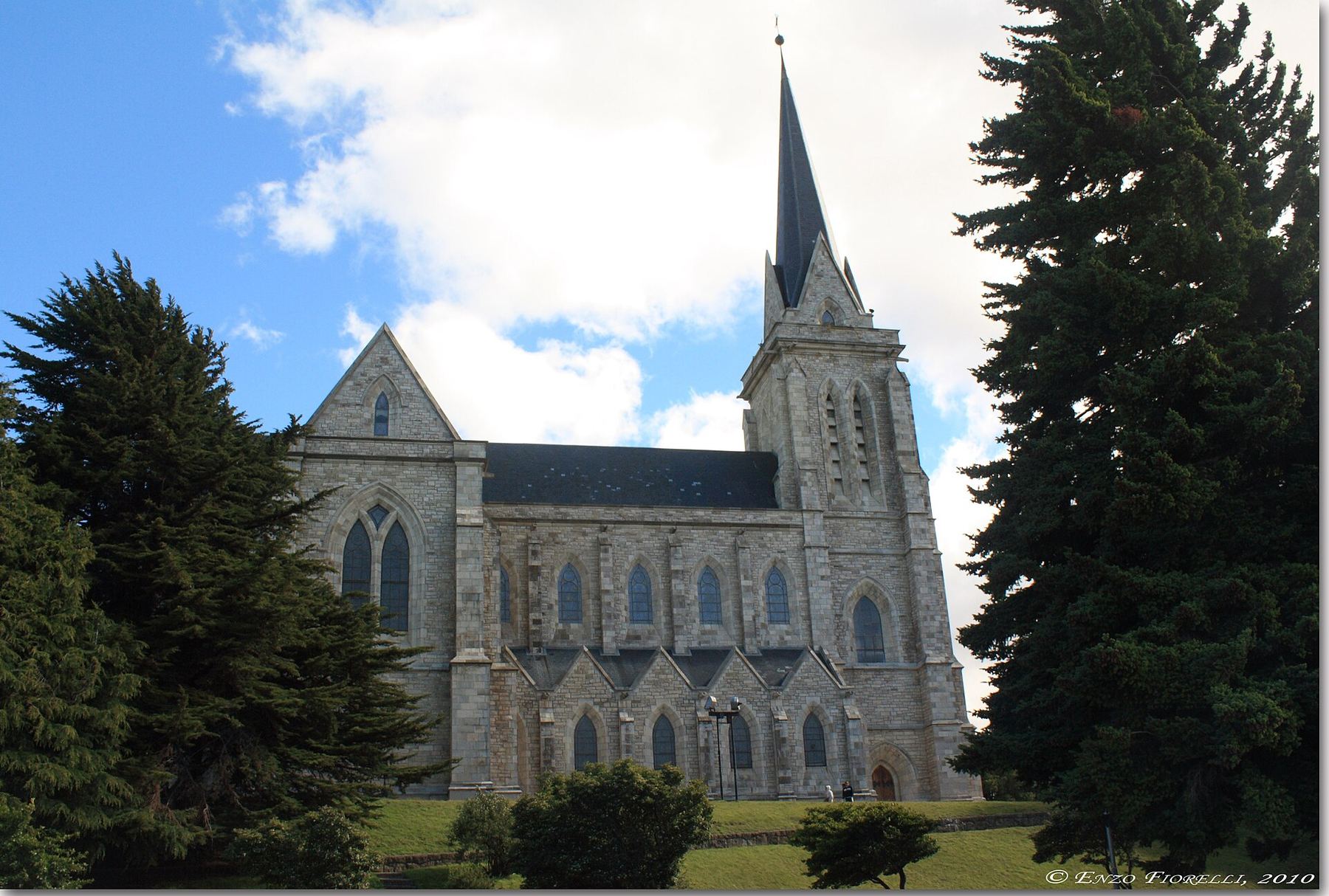
Old-growth coihue forests frame the historic hotel and port. Free trails start right behind the municipal park kiosk.
Parley fragenattractions
areas
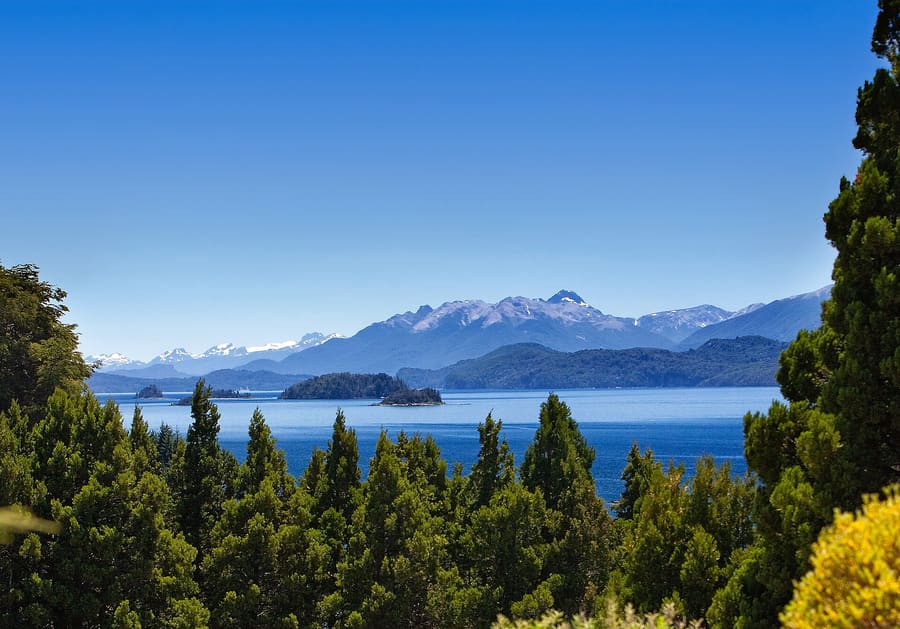
Lakefront strip lined with wooden cabin rentals, local breweries, and quiet pebble beaches.
In der NäheCerro Campanario and Playa Bonita
Parley fragen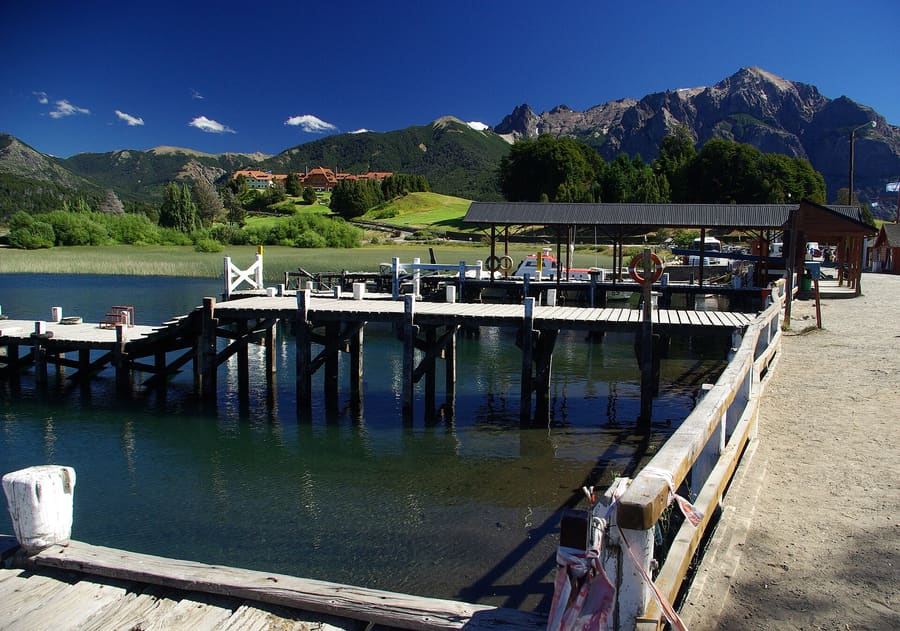
High-end resort pocket surrounded by national park forest, water access, and boat docks.
In der NähePuerto Pañuelo and Circuito Chico
Parley fragen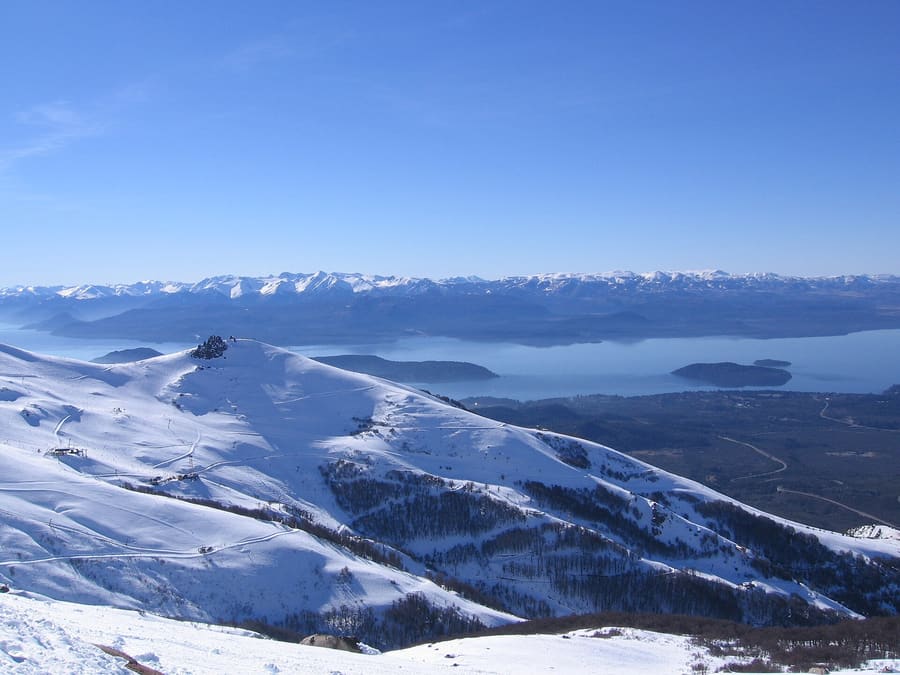
Purpose-built alpine ski village packed with gear rental shops, fondue spots, and lift access.
In der NäheSki lifts and Refugio Frey trailhead
Parley fragenGrid of chocolate shops, craft breweries, and government stone buildings along the shoreline.
In der NäheCentro Cívico and Calle Mitre
Parley fragenfood
Bariloche's food identity blends Central European alpine heritage with Patagonian livestock. Local trout comes pan-seared or smoked, while cordero patagónico cooks over open fire pits. Craft breweries line Calle Juramento, serving IPAs brewed with soft mountain water.
Curanto in Colonia Suiza cooks meats and vegetables underground using heated lake stones.
Lin linao · CC BY-SA 3.0Visit Colonia Suiza on Sunday afternoon for curanto. Ingredients are buried beneath hot stones and gunny sacks at noon.
Rapanui and Mamuschka on Calle Mitre dominate the chocolate trade. Rapanui features an indoor ice-skating rink inside the shop.
Local taprooms like Manush and Blest open around 18:00. Happy hours run early before late Patagonian dinners.
history
Bariloche evolved from a Mapuche trade stop into a German-settled farming outpost, then Argentina's flagship national park town.
German Settlement
Carlos Wiederhold opens a trading post, attracting Swiss and German immigrants who bring alpine building techniques.
Official Founding
The Argentine government officially establishes San Carlos de Bariloche, expanding sheep farming and wool trade.
Ski Resort Pioneer
The first ski lifts open on Cerro Catedral, transforming the mountain settlement into an international winter sports hub.
where to stay
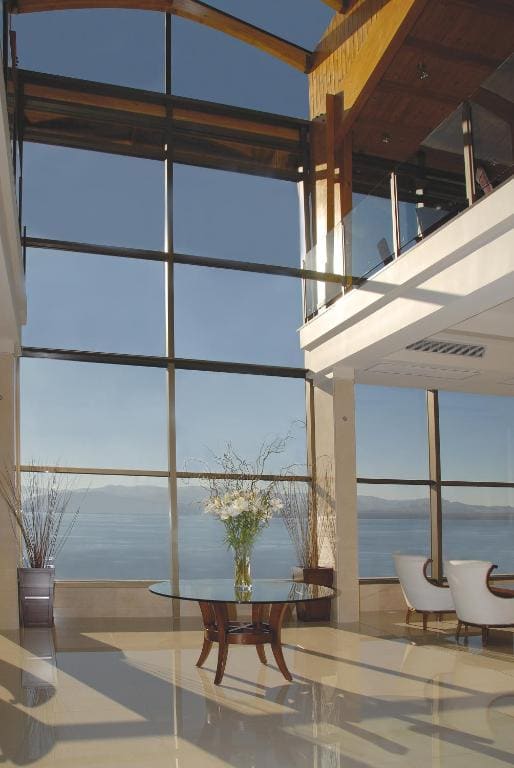
Choose by your transport strategy. Downtown lets you walk to dinners and bus stops, while Bustillo offers direct lake access if you rent a car.
Live rates, matched to the areas above.
transport
Public transit relies on the SUBE card across all city bus routes. Taxis and remises use regulated rates, but peak traffic on Bustillo slows transit.
Buses do not accept cash. Buy and top up a SUBE card at kiosks downtown before heading to outskirts.
Line 20 runs every 20 minutes along Avenida Bustillo to Llao Llao. Hold tightly as buses fill quickly at peak hours.
Line 55 connects downtown to Cerro Catedral base. Service runs hourly, with increased frequency during winter ski season.
Remises are radio taxis with fixed prices agreed before boarding. Request them through hotel desks or official agency offices.
cost
Prices fluctuate with domestic inflation, but relative costs for lift tickets, meals, and bus fares remain consistent.
seasonality
DEC – FEB
Peak summer. Warm days up to 25°C, late sunsets near 21:30, busy hiking trails and high cabin rates.
MAR – MAY
Autumn foliage turn bright yellow. Crisp air, light rains, and lower lodge prices across the lakes.
JUN – SEP
Winter ski season at Cerro Catedral. Freezing temperatures, heavy snow in mountains, and booked resort rooms.
OCT – NOV
Spring thaw brings high waterfall flows and blooming wildflowers. Windy afternoons are frequent.
practicalities
Register for free at the Nahuel Huapi National Park website before starting any overnight or alpine backcountry trail.
Westerly mountain winds lower thermal perception rapidly on lake beaches and chairlifts. Carry a windproof shell.
Restaurants open kitchen service for dinner around 20:00. Peak dining crowds fill tables between 21:30 and 23:00.
Bring crisp USD notes for official or blue exchange counters along Calle Mitre to secure favorable exchange rates.
Nahuel Huapi stays below 14°C even in midsummer. Swimming is brief; kayaks require neoprene suits.