landmark
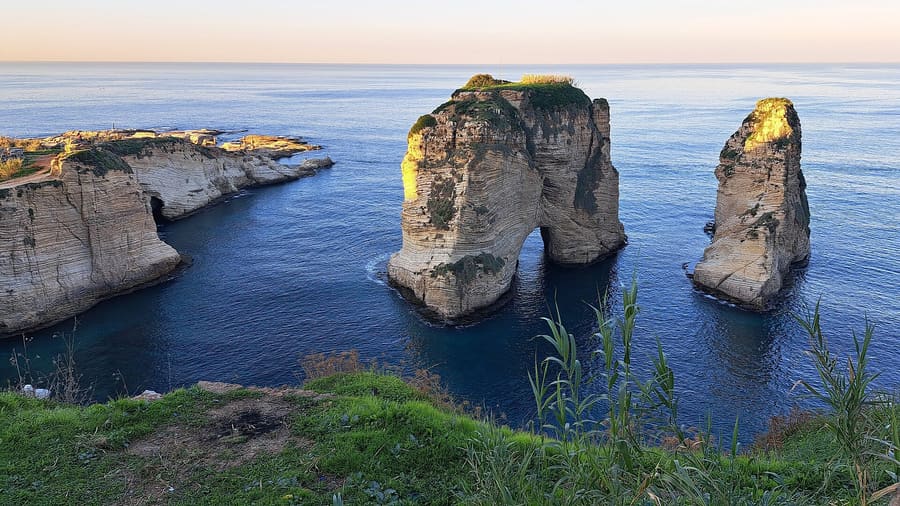
Raouché Rocks
Two massive limestone formations off the coast. Walk the cliffside path at dusk when offshore winds cool the promenade.
Parley fragenLibanon
A Mediterranean capital shaped by trade, resilience, and tide.
introduction
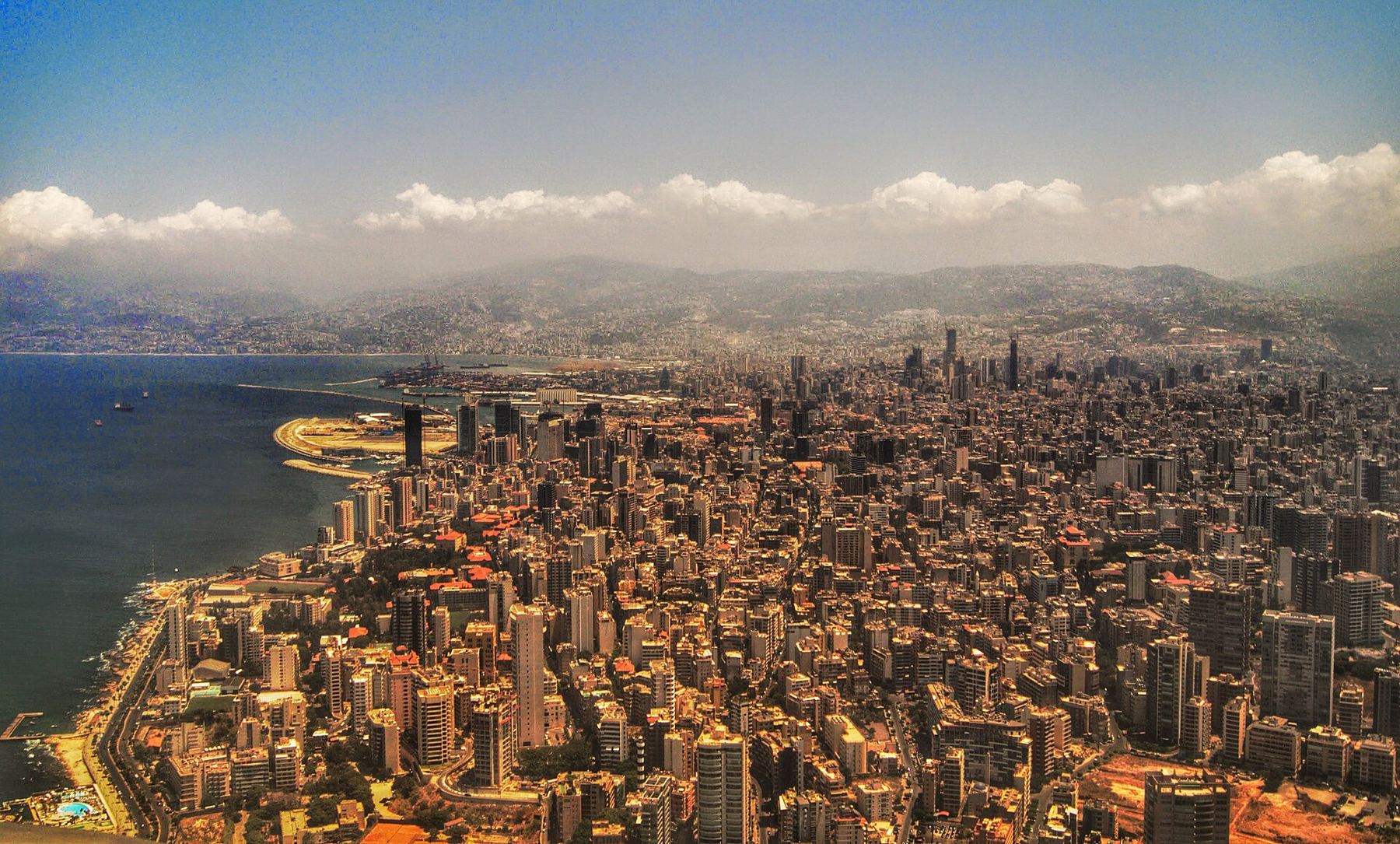
Beirut is a dense Mediterranean capital where historic French-mandate apartments sit beside modern high-rises and sea cliffs. You navigate the city district by district, walking inside neighbourhoods and taking short taxi rides to cross between them. Municipal power and public transit rely on local workarounds, so cash and ride hailing are essentials. What you find is a city of distinct neighbourhood identities, deep food culture, and direct social energy.
Skip airport arrivals taxis
Book a driver through Allo Taxi or Uber before landing. Drivers waiting inside BEY arrivals hall frequently quote inflated cash fares.
World Monuments Watch site
Historic residential architecture across Gemmayzeh and Mar Mikhaël remains monitored on the World Monuments Watch list following community recovery.
Dual currency reality
US dollars are accepted alongside Lebanese pounds. Carry crisp US dollar banknotes printed in 2013 or later for smooth payments.
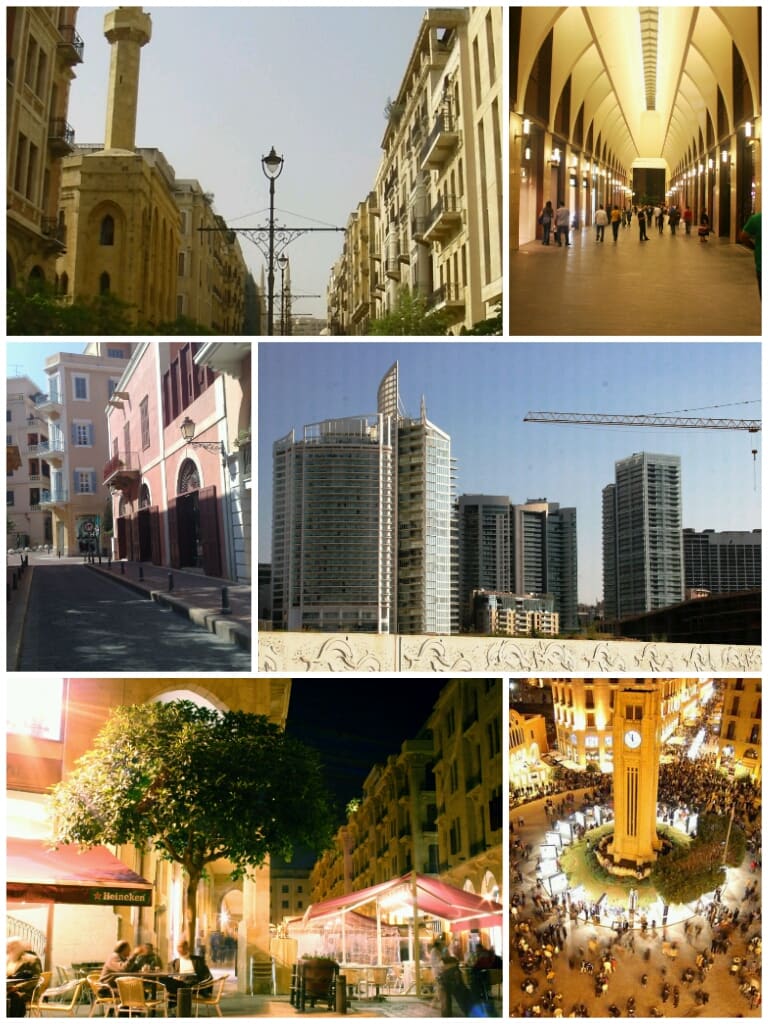
Beirut
Brian Dell Bdell555 James Gallagher A.K.Khalifeh Bertil Videt Yoniw · CC BY-SA 3.0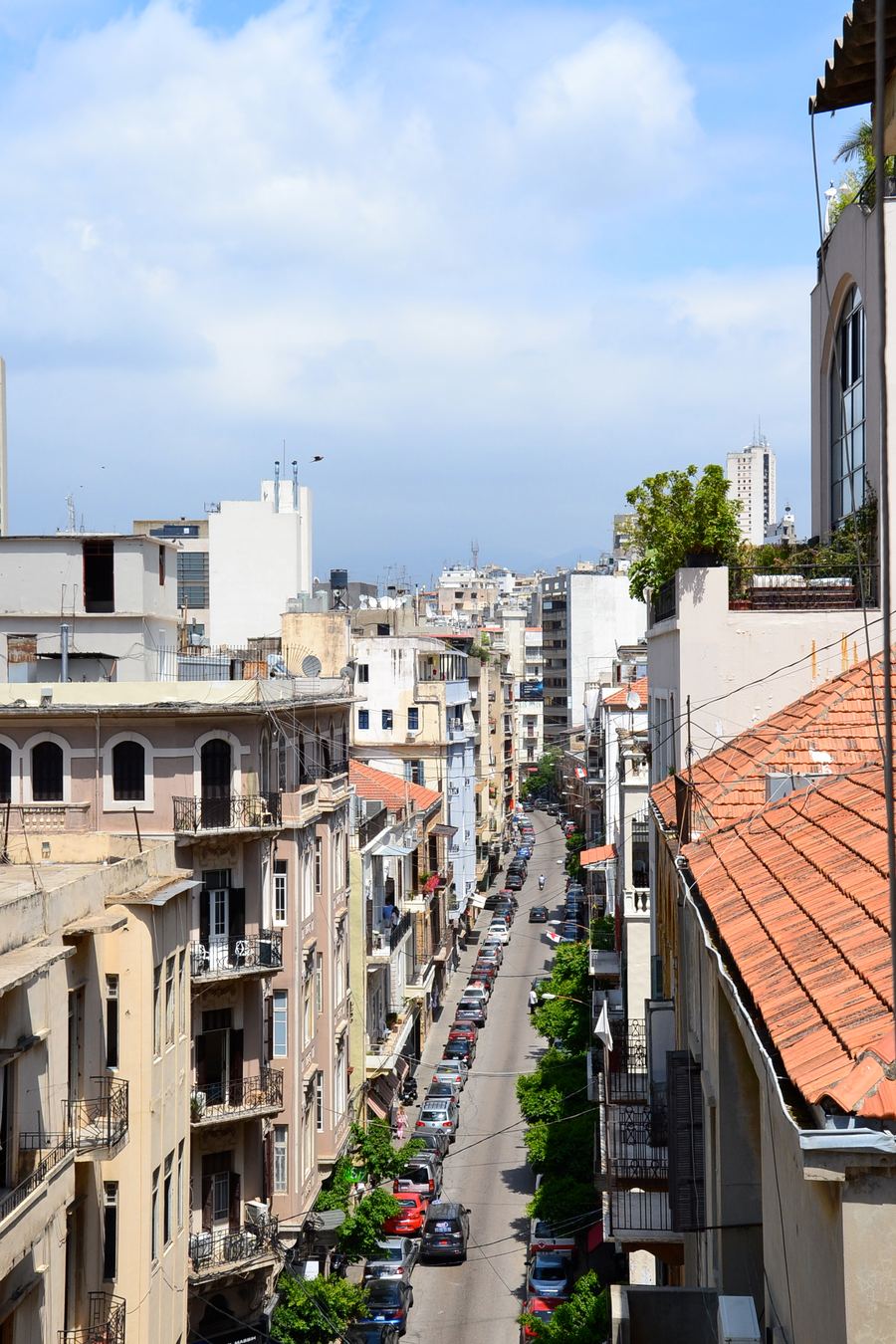
Gemmayzeh — Narrow streets lined with historic Mandate-era apartments, art galleries, and small wine bars.
Fblancart · CC BY-SA 4.0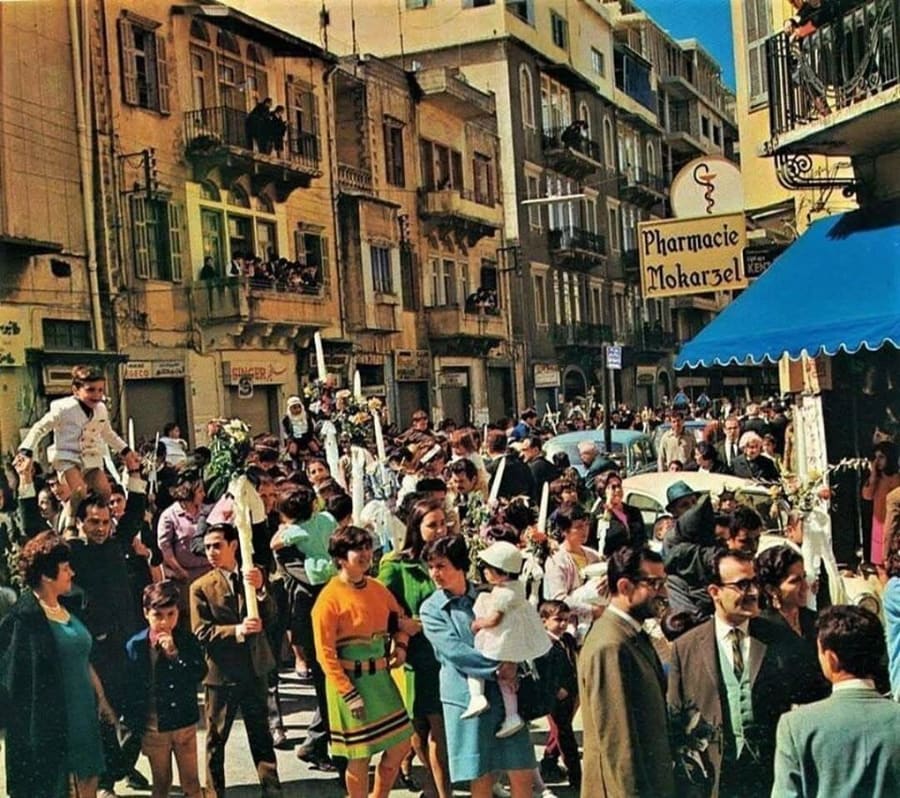
Mar Mikhaël — Former workshops turned cocktail lounges, independent design studios, and neighborhood bakeries.
Unknown photographer · Public domain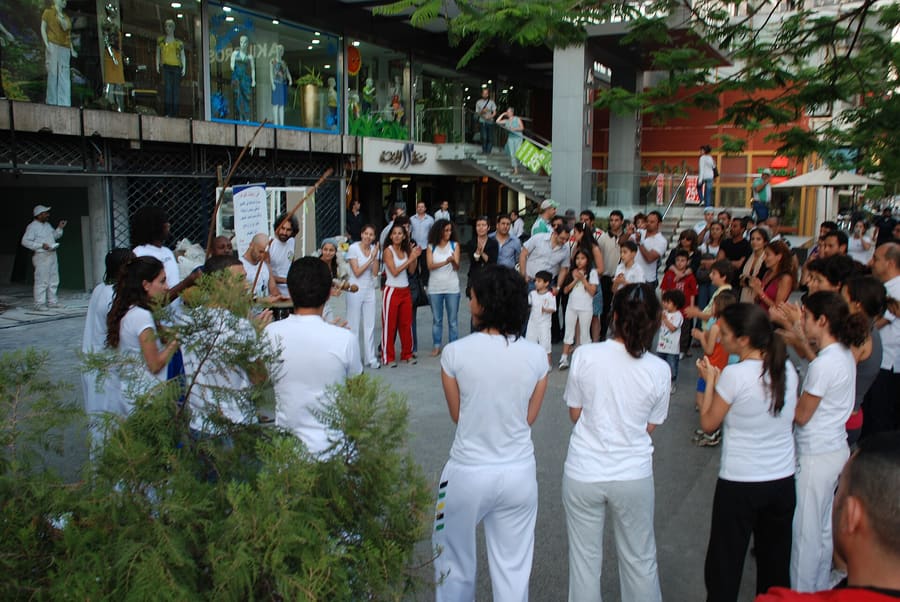
Hamra — Intellectual hub built around university gates, publishing houses, exchange booths, and cafes.
Youssef Chaker · CC BY-SA 2.0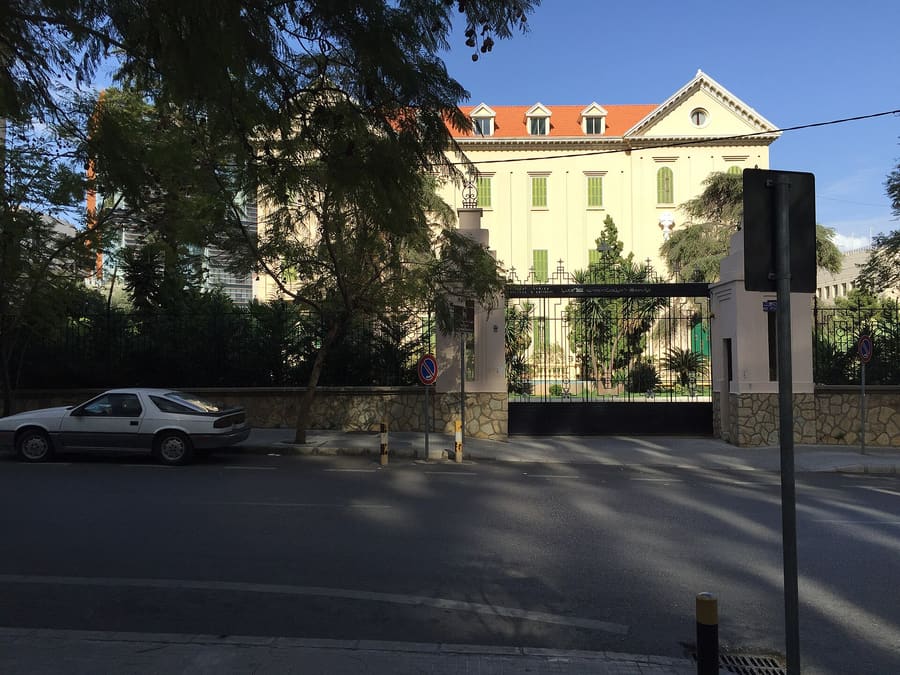
Badaro — A leafy residential grid of mid-century modern apartment blocks and outdoor neighborhood bistros.
Imageuploader2 · CC BY-SA 4.0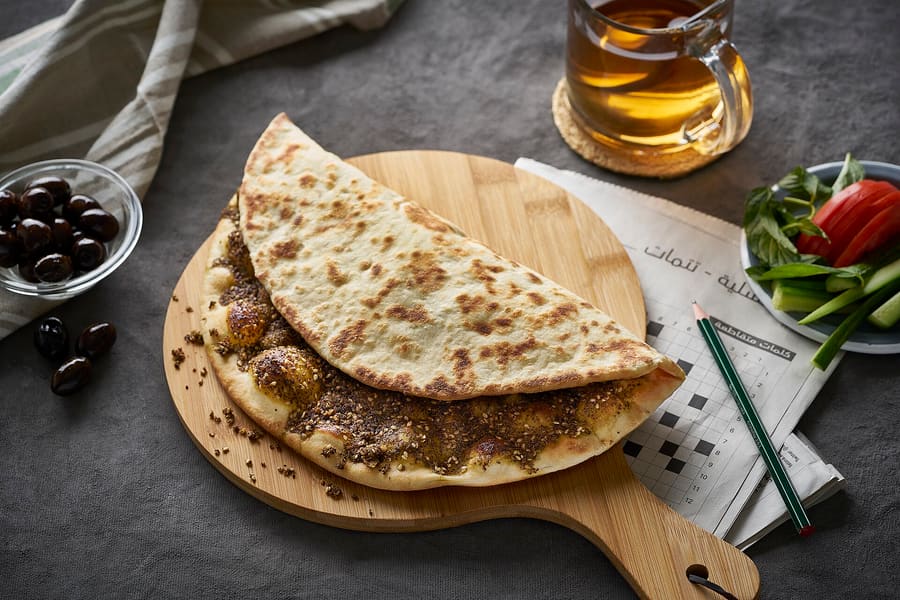
Fresh manakish flatbread topped with za'atar herbs and olive oil from a neighbourhood bakery.
Elie.ghob · CC BY-SA 4.0highlights
landmark
Two massive limestone formations off the coast. Walk the cliffside path at dusk when offshore winds cool the promenade.
Parley fragen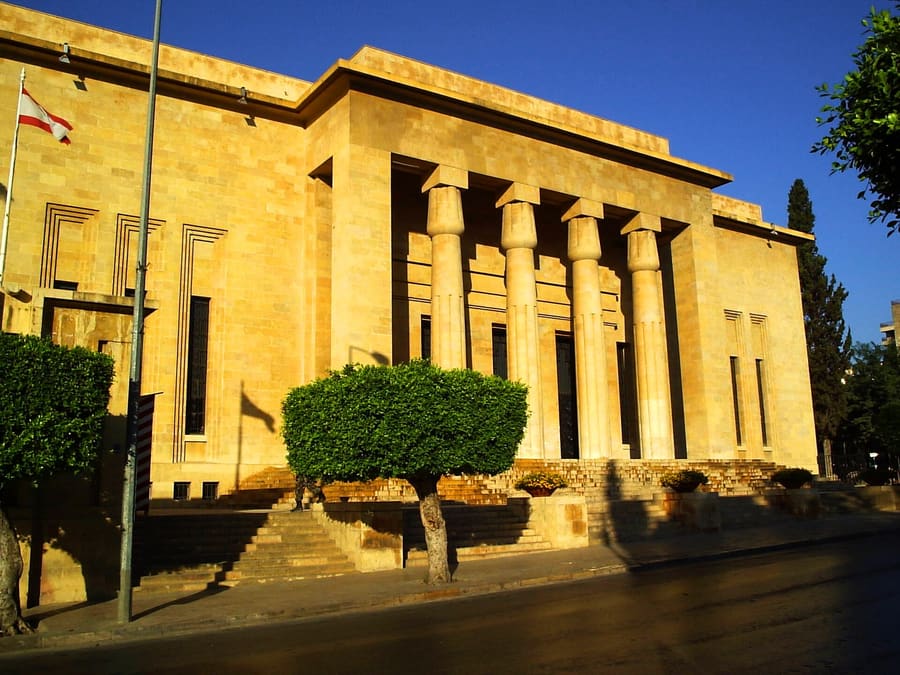
landmark
The main archaeological repository of Lebanon. Lower level displays subterranean Phoenician sarcophagi preserved behind glass.
Parley fragen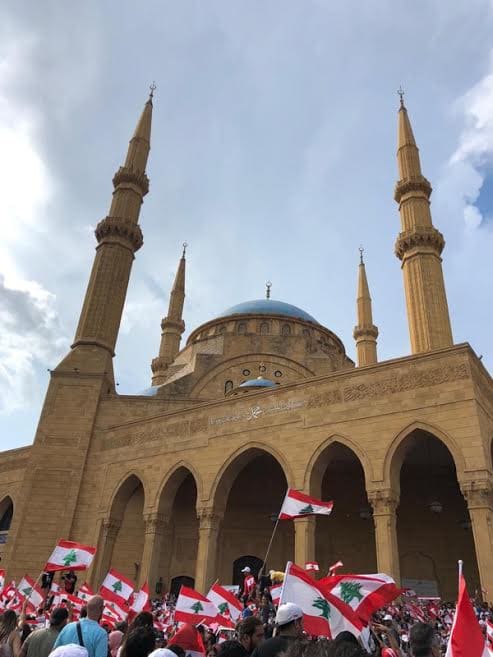
landmark
Blue-domed Ottoman-style mosque completed in 2008. Visitors enter outside prayer hours with modest clothing provided at the door.
Parley fragen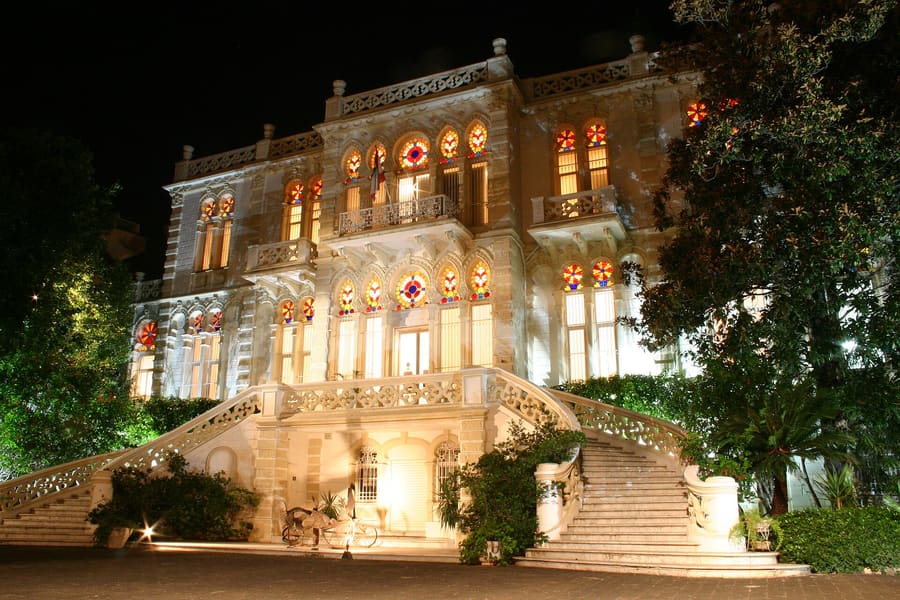
landmark
Modern art museum housed inside a 1912 villa. Admission is free, though donations support ongoing exhibitions.
Parley fragen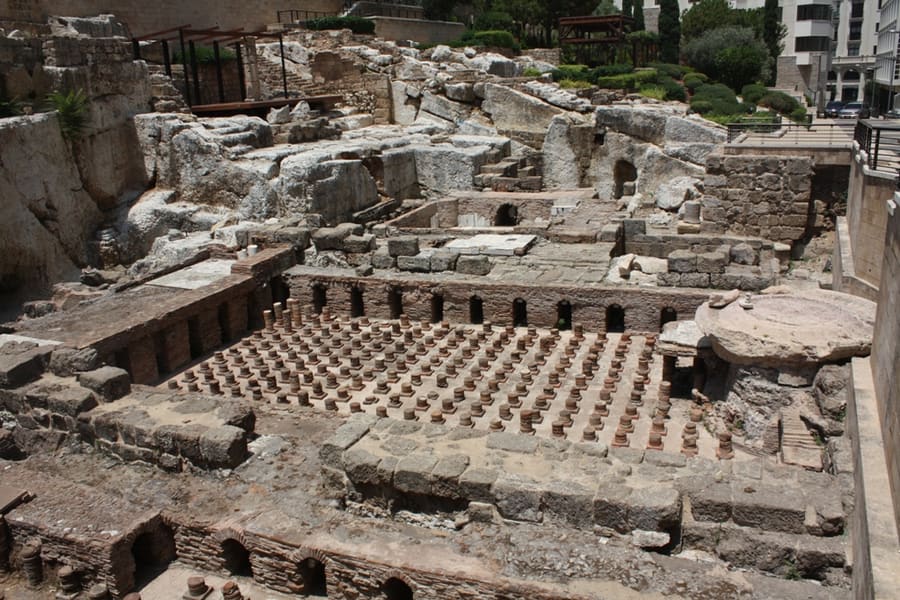
landmark
Uncovered hypocaust ruins situated between parliament and Serail Hill. Elevated walkways allow viewing without ticket fees.
Parley fragen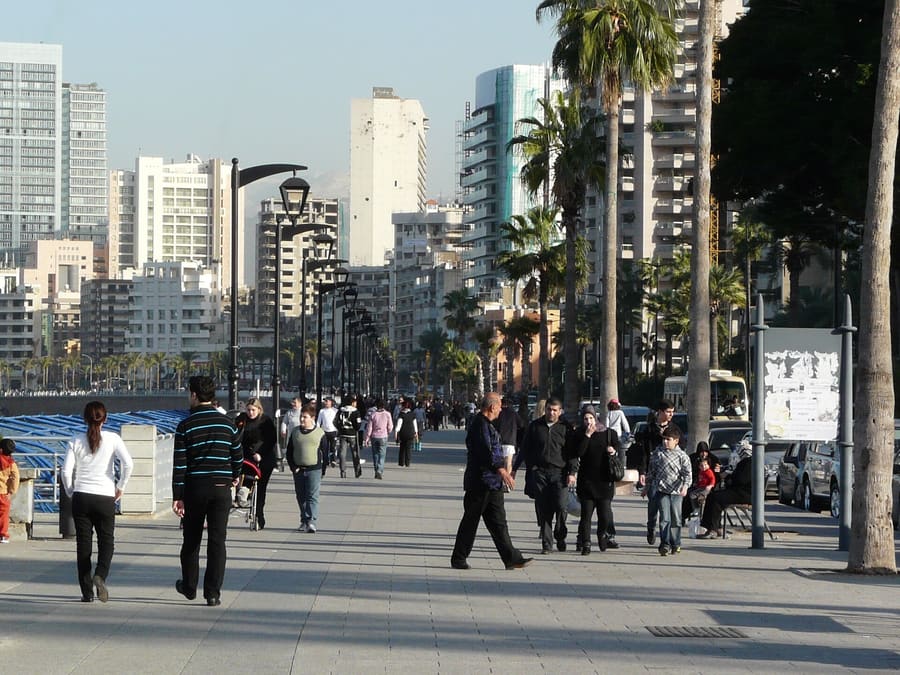
landmark
A four-kilometre seaside walkway running from Saint George Bay to Raouché. Local anglers line the railings every morning.
Parley fragenattractions
areas
Narrow streets lined with historic Mandate-era apartments, art galleries, and small wine bars.
In der NäheSursock Museum and Downtown
Parley fragenFormer workshops turned cocktail lounges, independent design studios, and neighborhood bakeries.
In der NäheGemmayzeh and Armenia Street
Parley fragenIntellectual hub built around university gates, publishing houses, exchange booths, and cafes.
In der NäheAmerican University of Beirut and Corniche
Parley fragenA leafy residential grid of mid-century modern apartment blocks and outdoor neighborhood bistros.
In der NäheNational Museum and Horsh Beirut
Parley fragenfood
Dining in Beirut centers on shared cold and hot mezze before grilled meats or fish arrive. Mornings belong to neighbourhood bakeries pulling fresh manakish flatbreads topped with za'atar spices or akkawi cheese straight from brick ovens. Seafood dining concentrates along the coast, where catches of sea bass and red mullet sell by weight alongside garlic sauce and warm pita bread.
Fresh manakish flatbread topped with za'atar herbs and olive oil from a neighbourhood bakery.
Elie.ghob · CC BY-SA 4.0Main afternoon meals routinely begin after 14:00 and stretch for two hours over tables of raw kibbeh and mezze.
Small bakery counters and street spots operate entirely in paper cash, accepting both US dollars and Lebanese pounds.
Start with hummus, fattoush, and tabbouleh first, then add warm pastries like kibbeh or ras asfoor as space frees up.
history
Beirut grew over 5,000 years from a Canaanite port into a major Roman law hub and later an Ottoman commercial center. The 20th century brought French mandate urban planning, followed by rapid postwar growth and the destruction of the 1975–1990 civil war. Modern Beirut continues to rebuild its urban fabric through community-led efforts after major political crises and the 2020 port explosion.
French Mandate
France establishes the State of Greater Lebanon, reshaping downtown street layouts and civic design.
Civil War Era
The Green Line divides eastern and western sectors of Beirut, causing heavy damage to central districts.
Port Explosion
A massive warehouse blast devastates eastern residential quarters, sparking widespread grassroots restoration.
where to stay
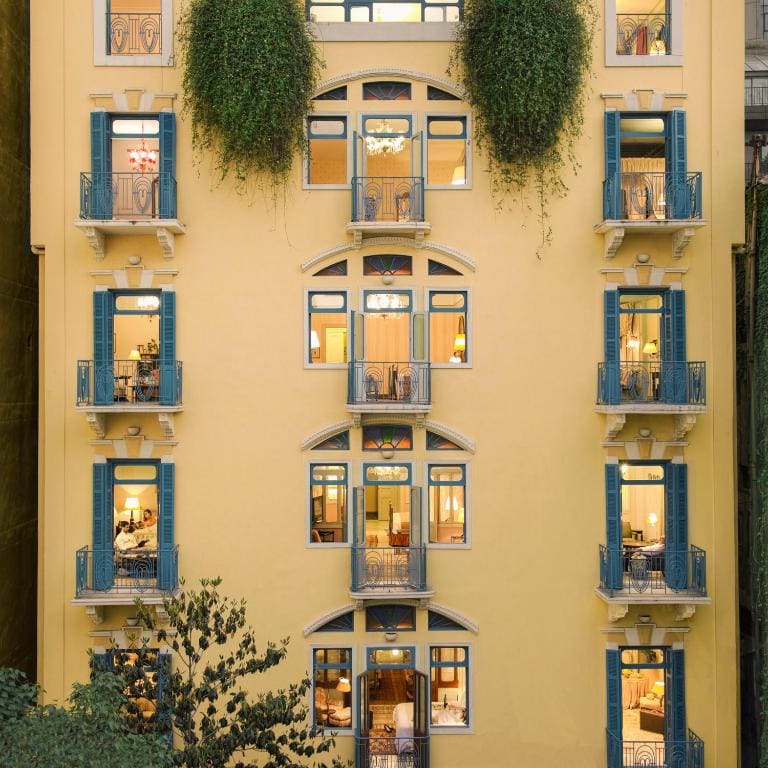
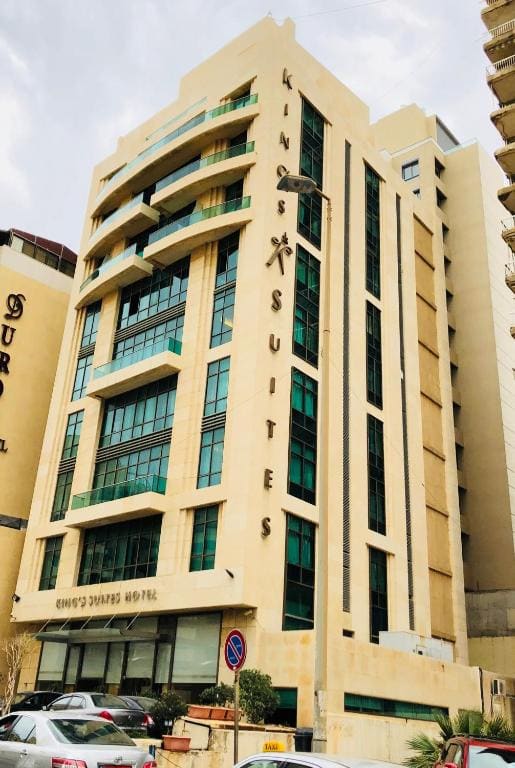
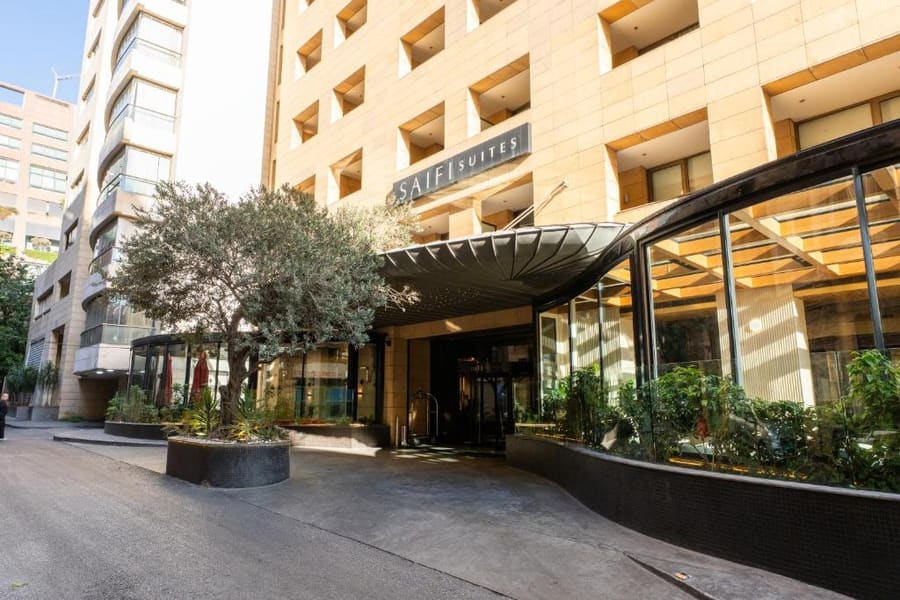
Choose your base by your preferred evening pace. East Beirut neighbourhoods like Gemmayzeh and Mar Mikhaël suit travellers seeking immediate access to bars, independent cafes, and historic architecture. Hamra on the west side offers university bustle and commercial connections, while Badaro provides a quieter residential stay near major national museums.
Live rates, matched to the areas above.
transport
Beirut has no municipal metro system or fixed light rail. Public transport consists of private shared cars called service and private minibus lines. Most travellers rely on ride-hailing applications or pre-arranged private taxis to move between separated neighbourhoods.
Ab Beirut–Rafic Hariri International Airport (BEY)
Use pre-booked Allo Taxi desks inside the terminal to avoid street pricing.
Uber pickup drivers arrange meetings near the terminal departure level exit.
Hotels arrange direct airport pickups with fixed cash rates confirmed ahead.
Shared taxis called service take passengers along flexible shared routes for a fixed per-seat price.
Street taxis lack working meters. State your destination and confirm the exact cash price before opening the passenger door.
Coastal routes and main artery intersections jam completely between 08:00–09:30 and 17:00–19:00 on weekdays.
White and blue minibuses display destination signs in Arabic behind the windshield and stop when flagged down.
cost
Lebanon operates under a multi-exchange system where paper US dollars cash is preferred across hotels, restaurants, and shops. Local businesses state prices in US dollars or convert instantly to Lebanese pounds using market rates. Credit cards face heavy bank fees or rejection at small establishments, making cash indispensable.
Fresh morning flatbread from neighbourhood neighborhood bakeries.
Per person cost for cold mezze, main grill dish, and local beer or arak.
Average trip across central districts via Uber or Allo Taxi apps.
Standard price at sidewalk cafes in Hamra or Badaro.
seasonality
MAR – MAY
Mild temperatures around 20°C and green hillsides. Ideal for walking around coastal and hillside districts.
JUN – AUG
Hot and humid coastal days exceeding 30°C. Beach clubs full and evening street nightlife reaches peak traffic.
SEP – NOV
Sea temperatures remain warm while air humidity drops. Reliable dry weather for exploring urban sights.
DEC – FEB
Cooler wet season with frequent rainstorms along the coast. Nearby Mount Lebanon resorts open for skiing.
practicalities
Exchangers and merchants refuse torn, stamped, or pre-2013 issue US dollar banknotes.
State power cuts daily. Hotels and cafes shift to neighbourhood private generators with brief power pauses.
Buy Touch or Alfa prepaid SIM cards at official telecom shops using your original passport for registration.
Drink filtered or bottled water exclusively. Tap water serves strictly for washing and domestic utility.
Avoid photographing government buildings, military checkpoints, or embassy perimeter fences.