landmark
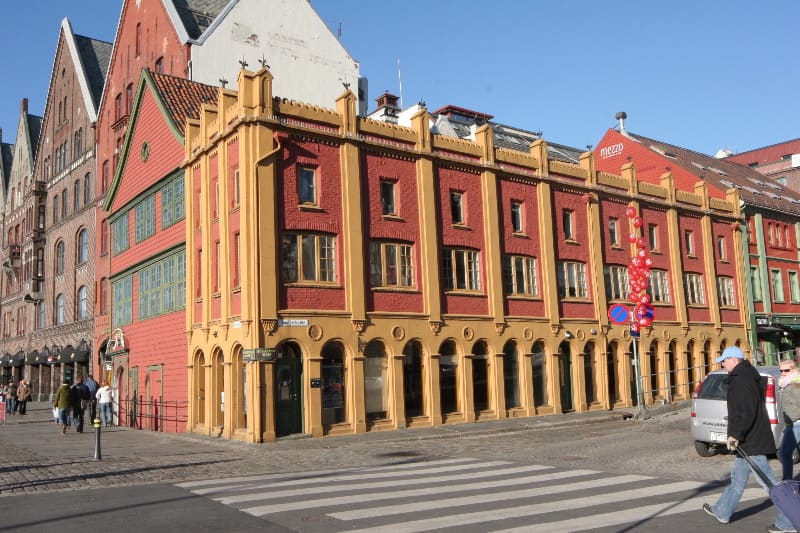
Bryggen Wharf
Fourteen wooden alleyways survive from Hanseatic trading days. Walk inside the rear timber passages to escape tour groups.
Parley fragenNorwegen
Seven mountains, heavy rain, and centuries of salt cod.
introduction
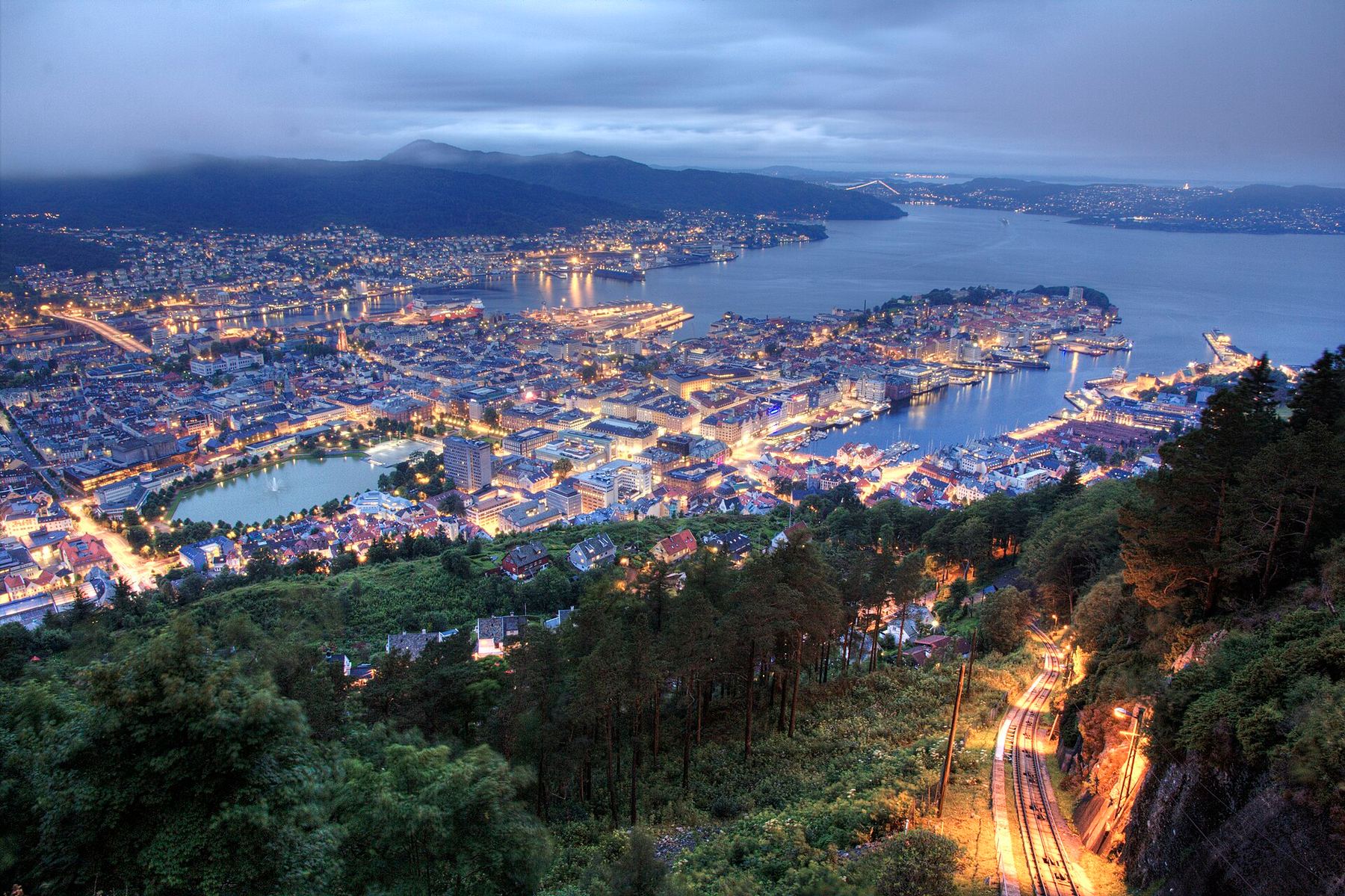
Bergen sits between seven mountains and the North Sea, where water shapes daily life and architecture. You navigate the core on foot, stepping around rain puddles and preserved wooden wharves. High peak views cost either a steep hike or a cable car ticket. Plan your days around unpredictable downpours rather than fixed indoor schedules.
Arrival trick
The Bybanen light rail line 1 connects Flesland Airport directly to the city centre in 45 minutes for 44 NOK.
UNESCO status
Bryggen earned UNESCO World Heritage status in 1979 for its surviving Hanseatic commercial wooden architecture.
Weather trick
Bergen logs roughly 240 rainy days a year. Pack real waterproof outer layers rather than relying on an umbrella.
Bergen
Diego Delso · CC BY-SA 4.0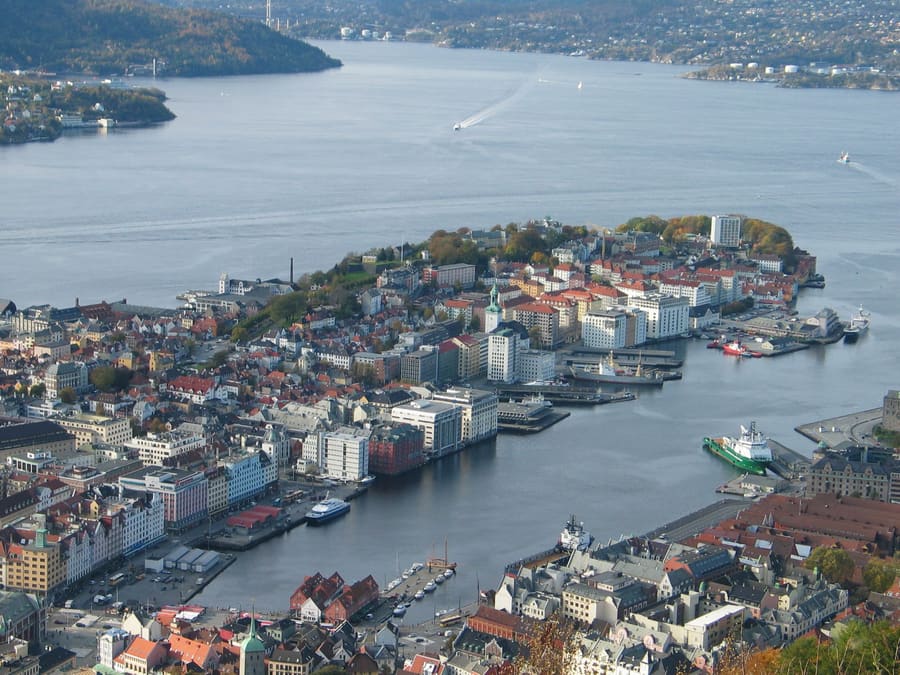
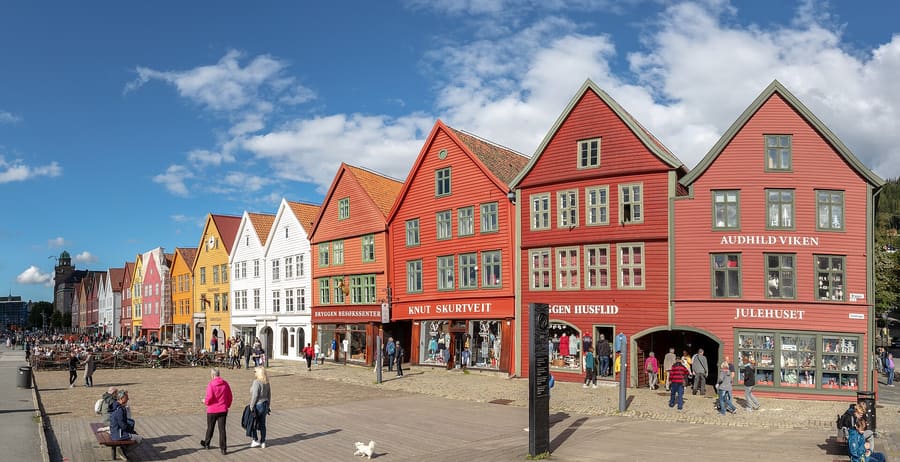
Bryggen — Preserved timber alleys, harbour frontages, and commercial Hanseatic history.
Jan's fotoside · CC BY-SA 3.0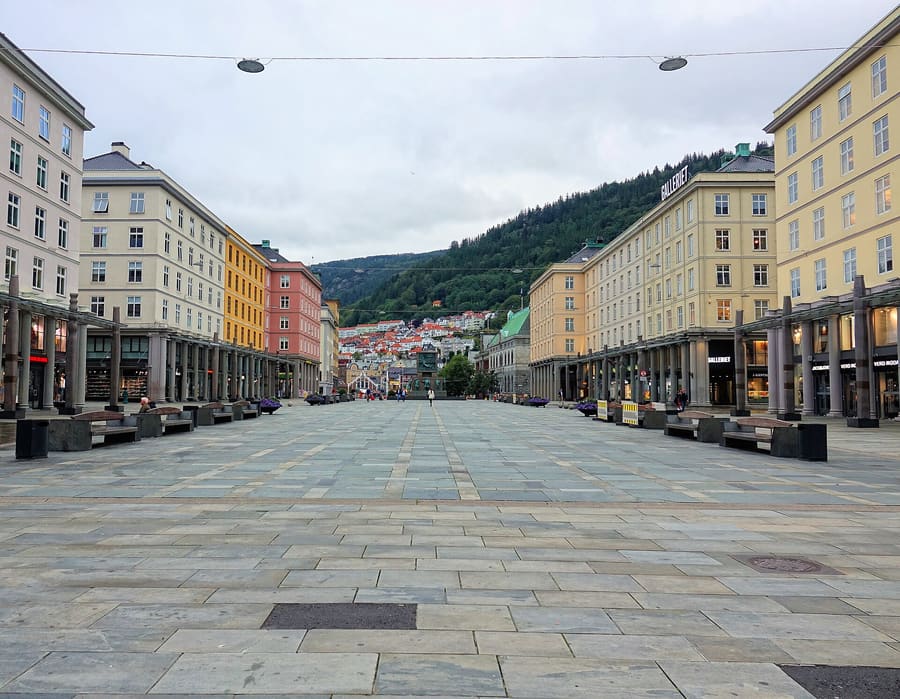
Sentrum — Civic plazas, transit hubs, Kode gallery complexes, and commercial shopping streets.
Bjørn Christian Tørrissen · CC BY-SA 4.0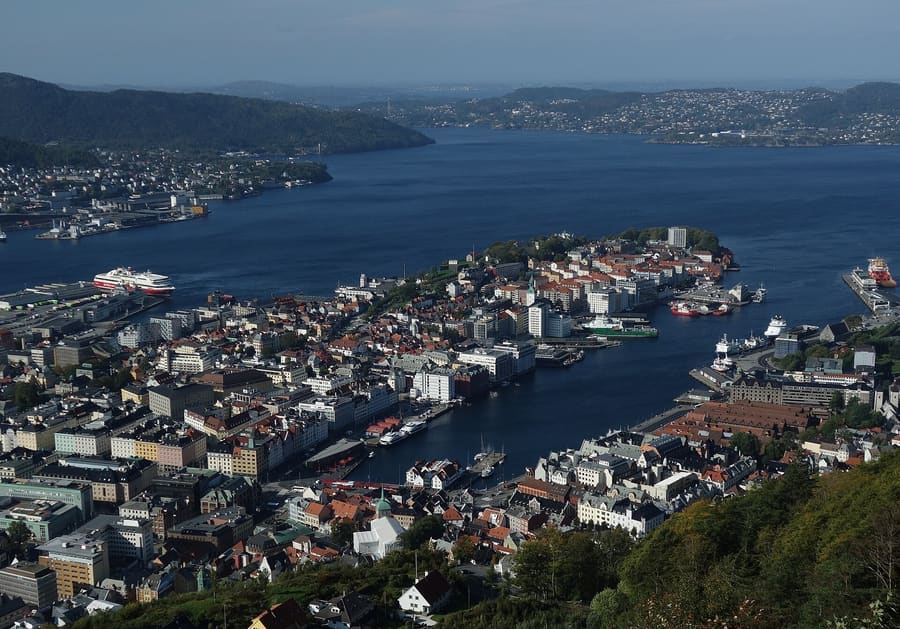
Nordnes — Quiet residential peninsula of 18th-century painted wooden houses and narrow alleys.
Spike · CC BY-SA 4.0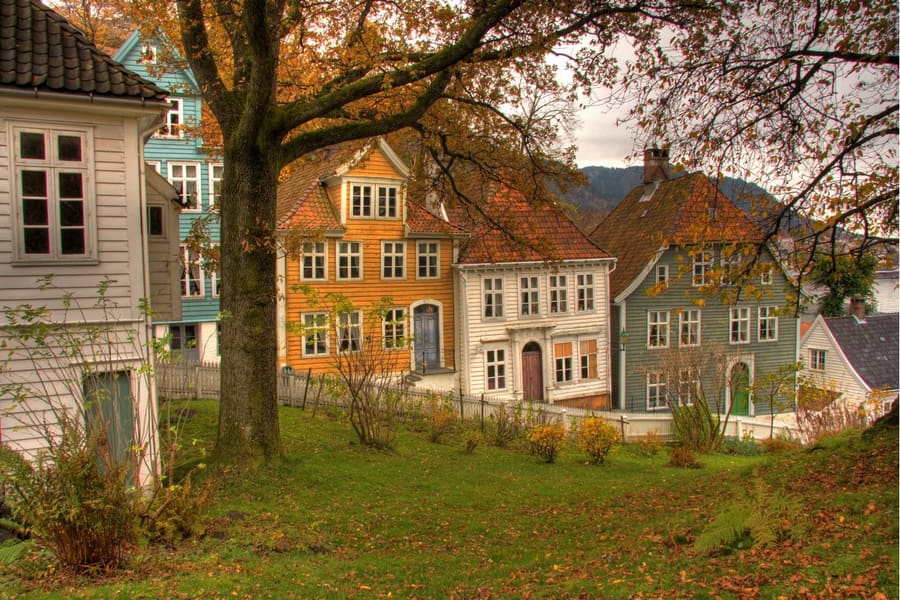
Sandviken — Old waterfront storehouses, steep stone staircases, and trailhead access.
Smtunli, Svein-Magne Tunli - http://www.tunliweb.no/SM/English/sm_eng.htm · CC BY-SA 3.0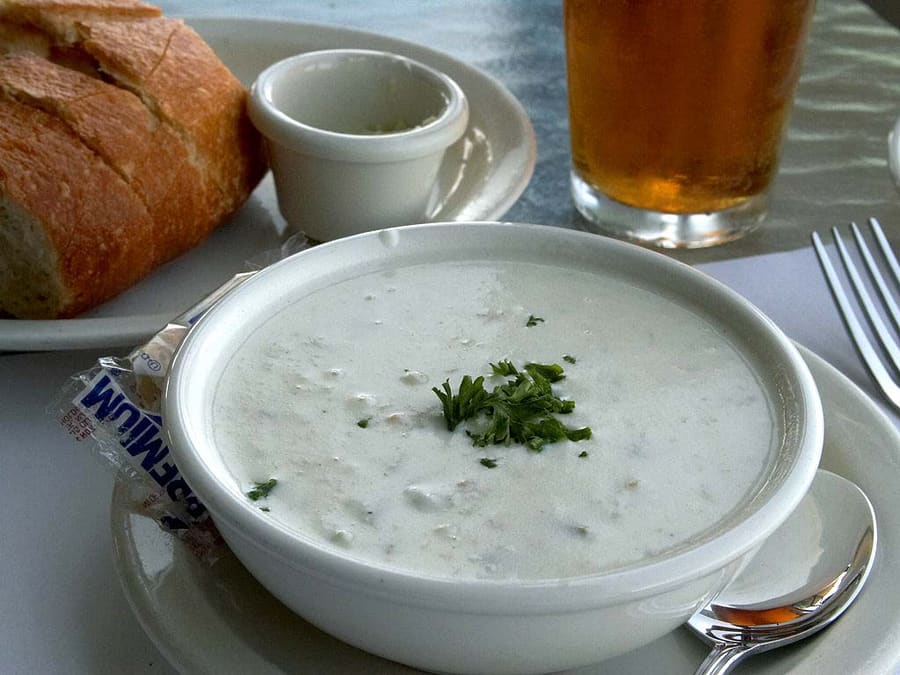
Bergensk fiskesuppe served with cod, julienned root vegetables, and chives.
Jon SullivanThe original uploader was Y6y6y6 at English Wikipedia. · Public domainhighlights
landmark
Fourteen wooden alleyways survive from Hanseatic trading days. Walk inside the rear timber passages to escape tour groups.
Parley fragen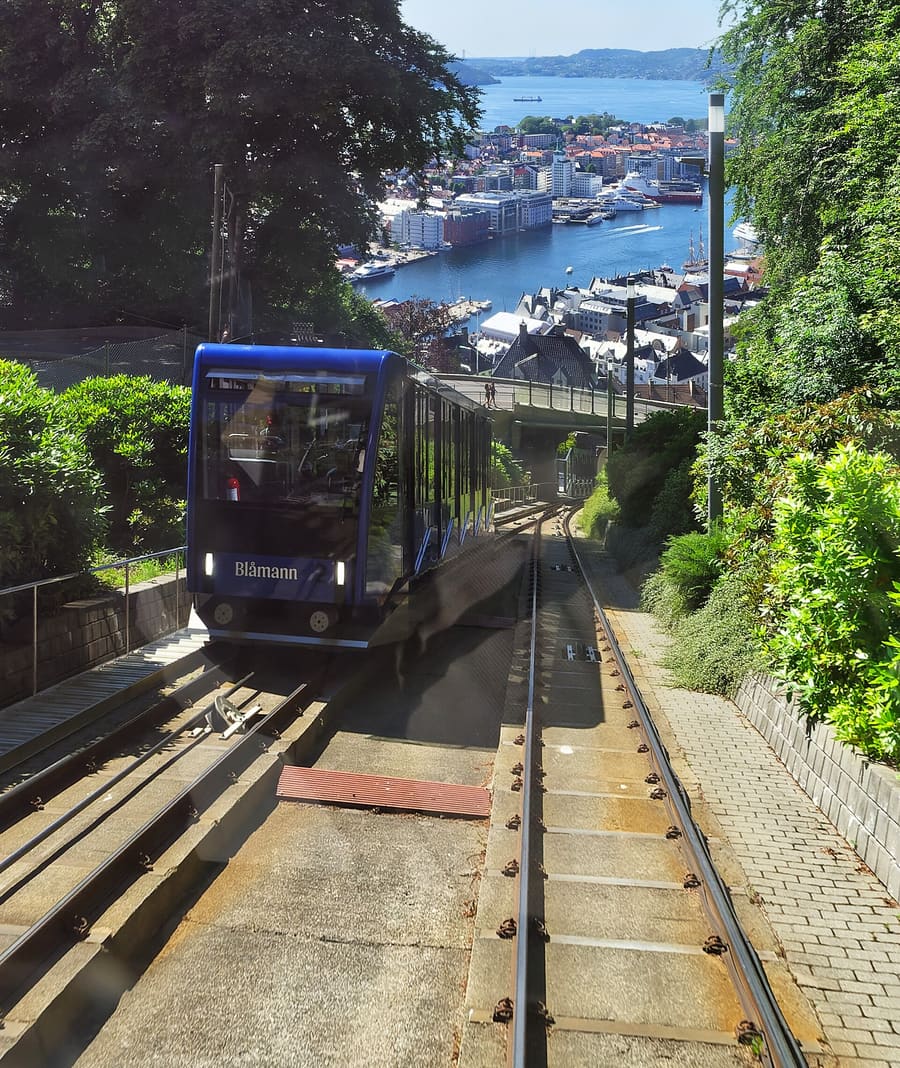
landmark
Carries passengers 320 metres up Mount Fløyen in six minutes. Walk down the forested path to save money and avoid descent queues.
Parley fragen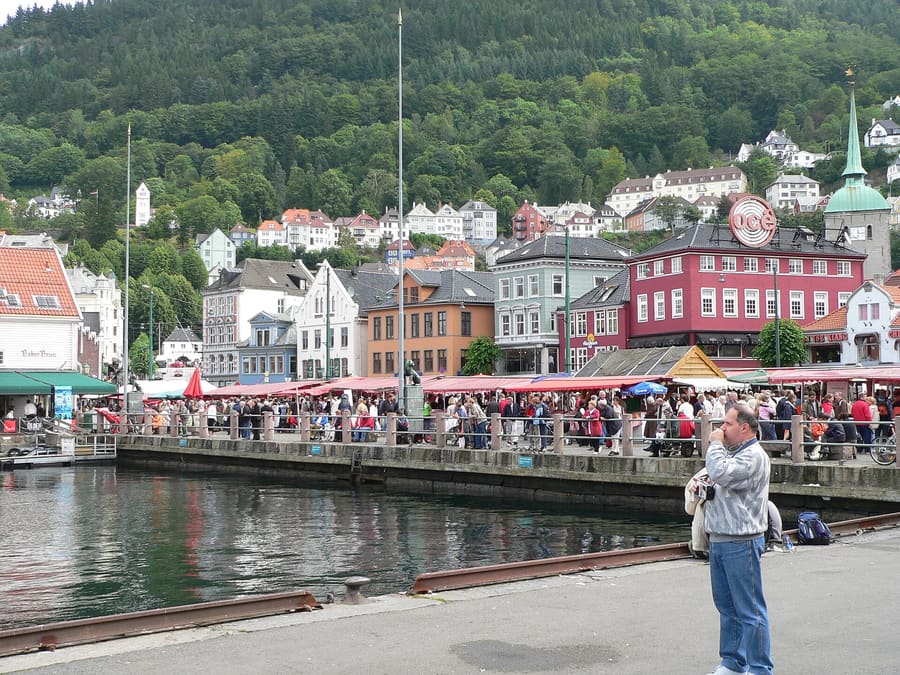
landmark
The harbour fish market trades fresh catch since the 1200s. Indoor Mathallen stalls stay warm and dry during frequent rains.
Parley fragen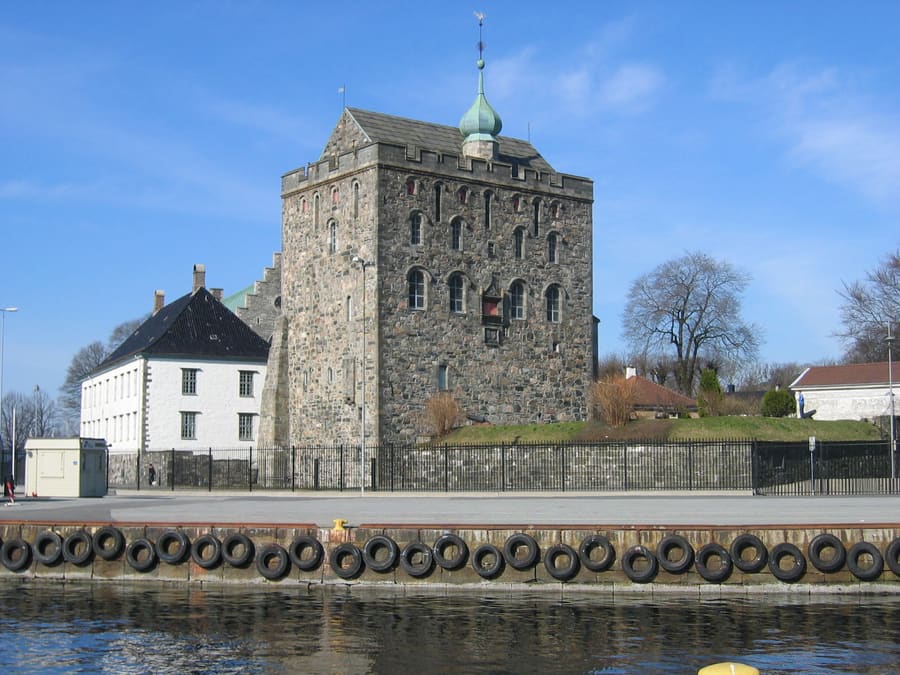
landmark
A Renaissance stronghold guarding the harbour entry. Steep stone spiral staircases offer clear views over Vågen bay.
Parley fragenattractions
areas
Preserved timber alleys, harbour frontages, and commercial Hanseatic history.
In der NäheFløibanen lower station and Bergenhus Fortress.
Parley fragenCivic plazas, transit hubs, Kode gallery complexes, and commercial shopping streets.
In der NäheBergen Station, Kode galleries, and Bybanen line 1.
Parley fragenQuiet residential peninsula of 18th-century painted wooden houses and narrow alleys.
In der NäheBergen Aquarium and Nordnes Sjøbad outdoor pool.
Parley fragenOld waterfront storehouses, steep stone staircases, and trailhead access.
In der NäheStoltzekleiven trail and Norwegian Fisheries Museum.
Parley fragenfood
Bergen dining relies on northern cold-water species harvested along the Vestland coast. Bergensk fiskesuppe balances heavy cream and sour cream with double-boiled fish stock, sour carrots, and local cod or ocean trout. Persetorsk represents a specific municipal tradition: cod fillet cured overnight in salt and sugar under weights before gentle baking. You find seafood counters around Vågen serving steamed blue mussels and boiled brown crab legs by the glass jar.
Bergensk fiskesuppe served with cod, julienned root vegetables, and chives.
Jon SullivanThe original uploader was Y6y6y6 at English Wikipedia. · Public domainThis traditional pressed cod dish appears mainly during winter harvest months on classic city menus like Søstrene Hagelin.
Walk two blocks inland to Skostredet for fish cakes and soups at local price points rather than open outdoor tourist stalls.
Kitchens close earlier than in southern Europe. Most sit-down dining rooms stop taking orders by 21:00.
history
Olav Kyrre founded Bergen in 1070 as a northern trading hub. By the 1300s, German Hanseatic merchants established an exclusive office at Bryggen, controlling northern Scandinavia's stockfish trade for four centuries. Recurrent urban fires repeatedly leveled the city's dense timber structures, prompting strict stone zoning along main thoroughfares in the 20th century.
City foundation
King Olav Kyrre establishes the settlement as a West Coast trading outpost.
Hanseatic Kontor
The Hanseatic League establishes its permanent trading enclave at Bryggen.
Great Fire
A massive fire destroys 90 percent of the city, forcing major wooden rebuilding.
UNESCO listing
Bryggen gains UNESCO World Heritage status, protecting its remaining timber alleys.
where to stay
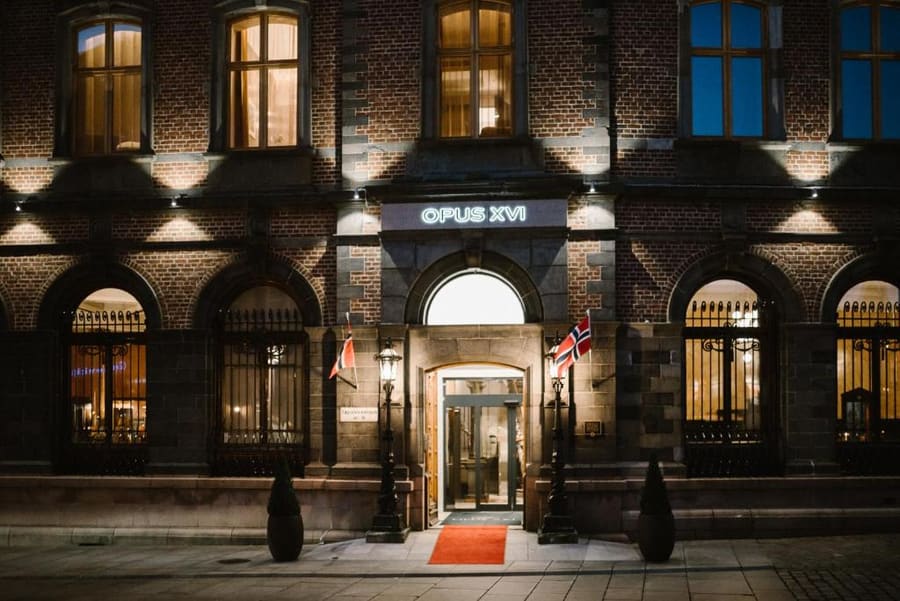
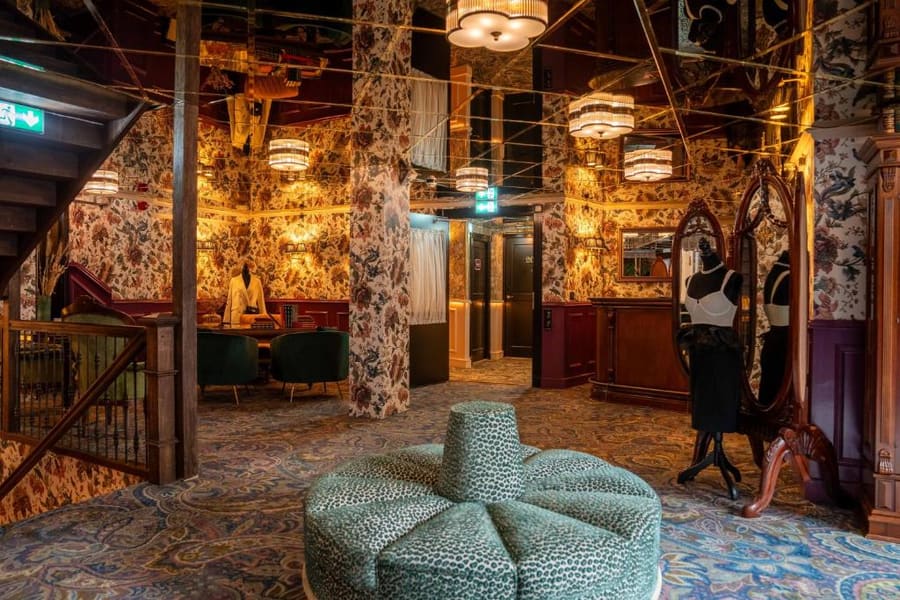
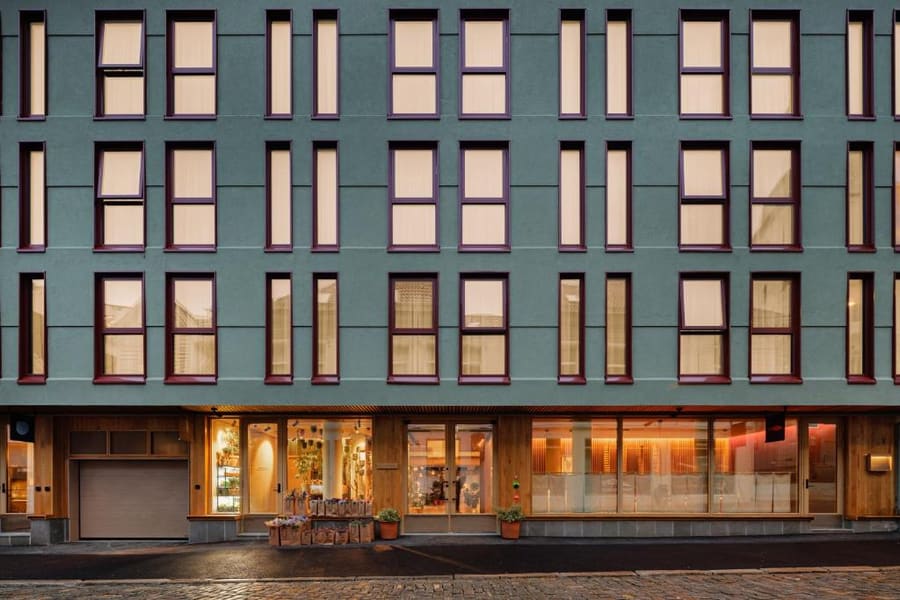
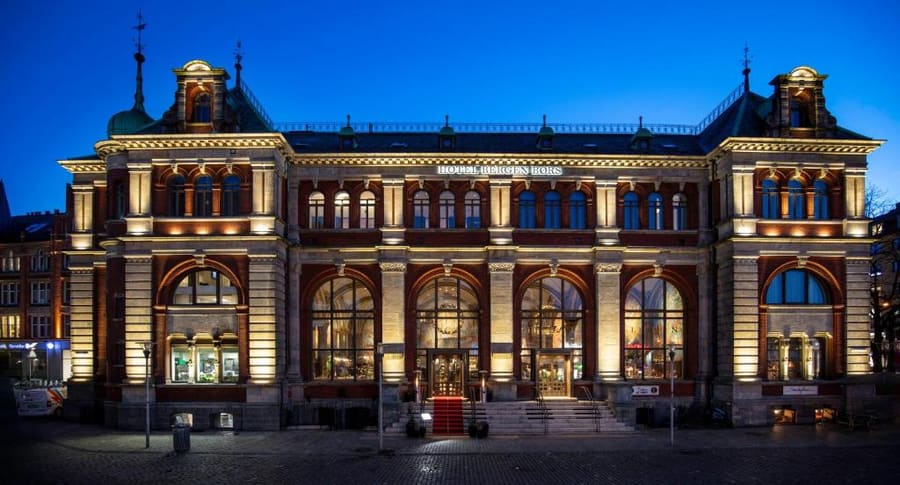
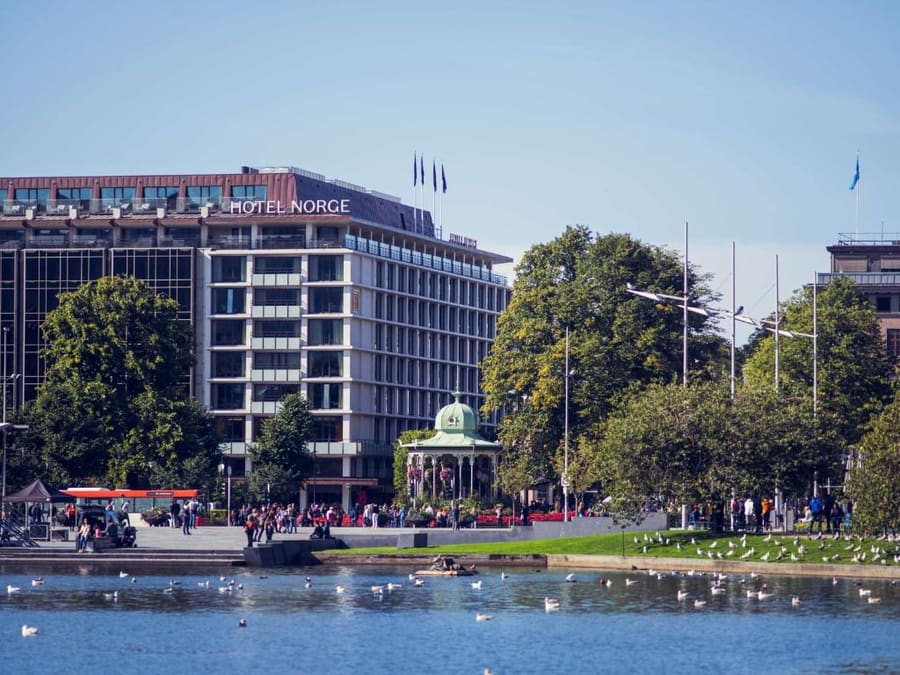
Choose your location based on transit priorities and walking preferences. Staying near Sentrum gives fast access to the airport light rail and central train station. Staying around Bryggen or Nordnes places you directly inside historic residential quarters, but requires rolling luggage over uneven cobblestone streets.
Live rates, matched to the areas above.
transport
Central Bergen operates comfortably on foot. Public transit uses a single ticketing system called Skyss, which covers city buses, the Bybanen light rail, and local ferries within zone A.
Ab Bergen Airport, Flesland (BGO)
Buy ticket via Skyss app before boarding to avoid 20 NOK onboard cash surcharge.
Faster than light rail; drops off at central hotels. Cheaper when purchased online.
Fares vary by company and carry night, weekend, and holiday surcharges.
Pickup at designated zone outside terminal; subject to dynamic surge pricing.
Line 1 runs between Flesland Airport and Byparken in central Bergen. Line 2 serves Fyllingsdalen via Haukeland Hospital.
Single zone A transit tickets cost 44 NOK on the mobile app. Onboard cash purchases carry a 20 NOK surcharge.
The small passenger ferry crosses Vågen harbour between Bradbenken and Nykirken during weekdays.
Historic districts use slick, uneven stone paving. Thin soles and high heels get stuck frequently.
cost
Norway operates nearly cashless. Credit cards and contactless mobile payments work for every service, including public toilets and single transit fares.
Valid for 90 minutes across all buses and light rail trains in zone A.
Adult return ticket fare during summer peak operating months.
Standard price for traditional creamed fish soup at central lunch counters.
Local pilsner prices at standard city centre pubs and restaurants.
seasonality
MAY – AUG
Longest daylight hours and mildest weather. Cruise ships dock daily, filling Bryggen alleys with tour groups.
SEP – NOV
Heaviest rainfall season. Autumn light is crisp between storms, and Kode museum galleries stay quiet.
DEC – FEB
Short winter days with potential snow on surrounding peaks. Ideal window for eating traditional winter Persetorsk.
MAR – APR
Transition months with wild weather swings. Trails remain muddy, but spring light brightens the harbour.
practicalities
Heavy ocean winds break standard umbrellas quickly. Bring a jacket with taped seams.
Cash acceptance is rare. Carry a physical credit or debit card with contactless capabilities.
State Vinmonopolet shops close by 18:00 weekdays and 16:00 Saturdays. Supermarkets stop beer sales at 20:00 weekdays.
Grocery stores and retail shops close on Sundays, except small convenience markets.
Granite stone steps get slippery when wet. Wear footwear with aggressive rubber tread when hiking Mount Fløyen or Ulriken.