landmark
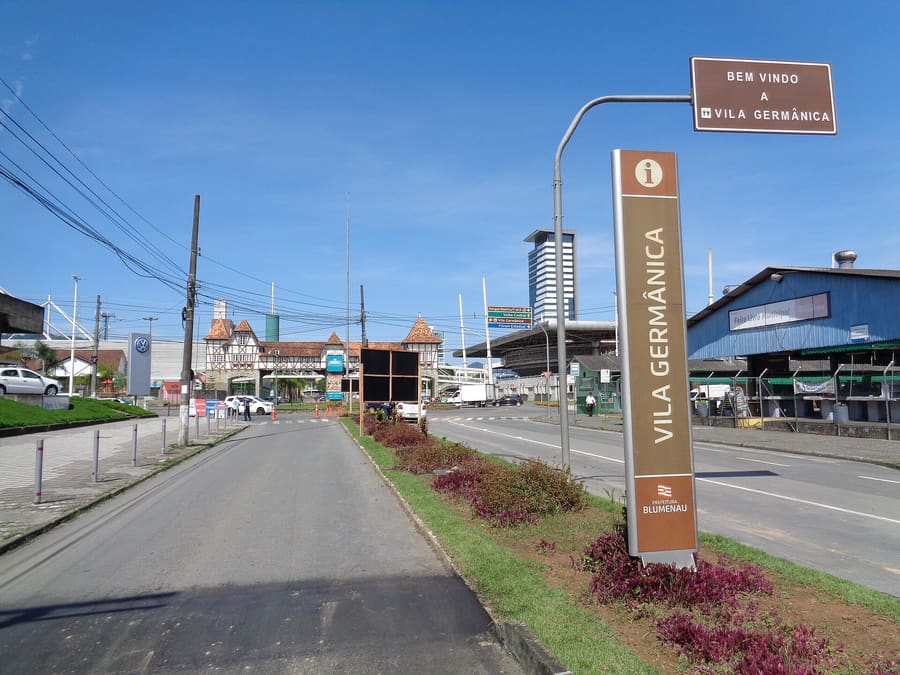
Vila Germânica
The mock-Bavarian village anchors Oktoberfest. Visit on non-event weekdays to drink draught craft beer without entry fees.
Parley fragenBrasilien
German heritage, craft brewing, and Itajaí Valley life.
introduction
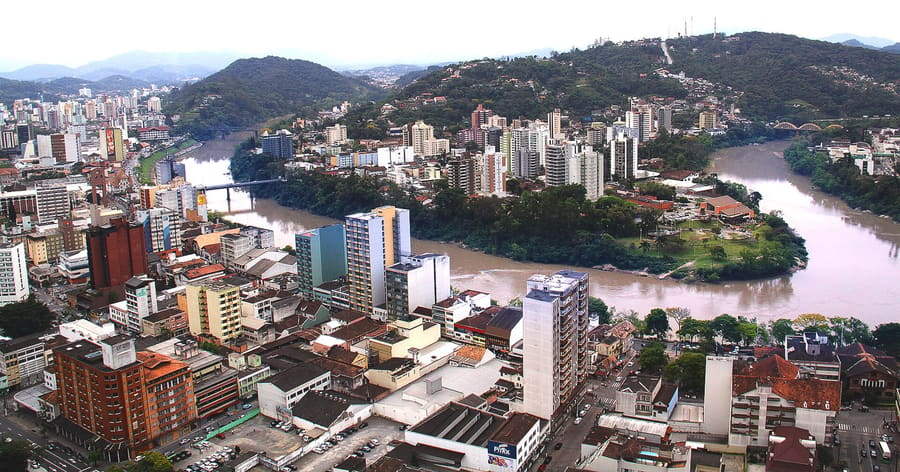
Blumenau is Santa Catarina's industrial brewing hub, founded by German immigrants along the Itajaí-Açu River in 1850. The city center combines half-timbered architecture with modern textile mills and craft beer taprooms. You can move quickly between central historical sights using local buses or Uber rides. Outside festival dates, the town delivers quiet dining and brewery visits without resort crowds.
Oktoberfest room strategy
Hotels sell out six months before October's festival. Book by April to avoid double rates in peripheral towns.
Blumenau
charles242 · CC BY 3.0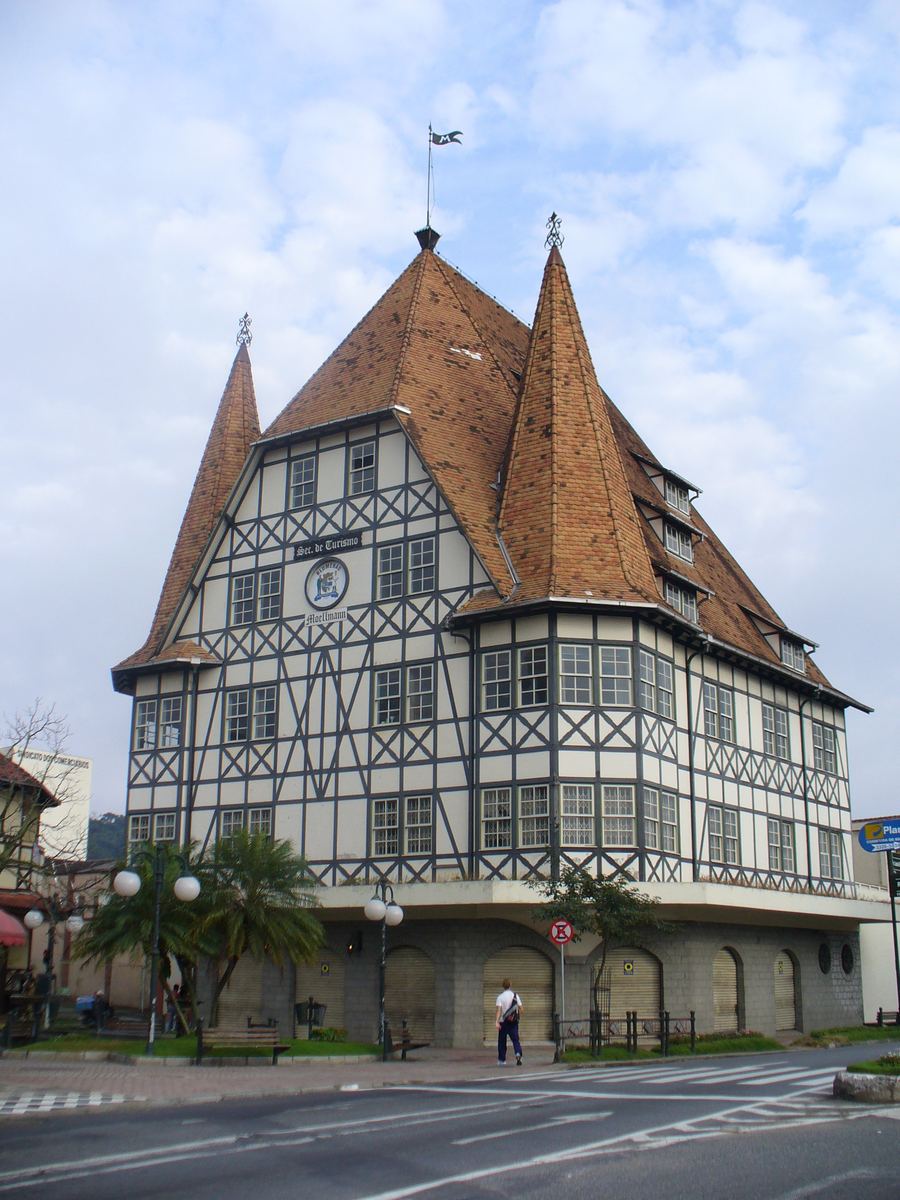
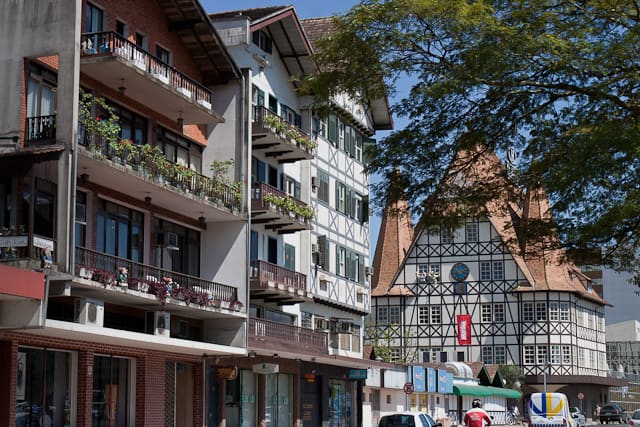
Centro — Commercial hub filled with half-timbered storefronts and civic institutions.
Boris Karpuk · CC BY-SA 3.0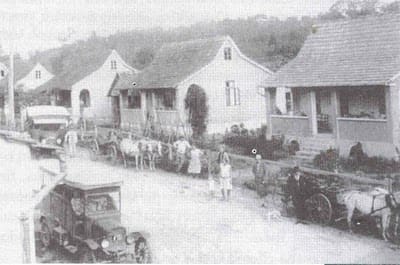
Bairro da Velha — Residential quarter transformed by beer halls and festival crowds.
desc. · Public domain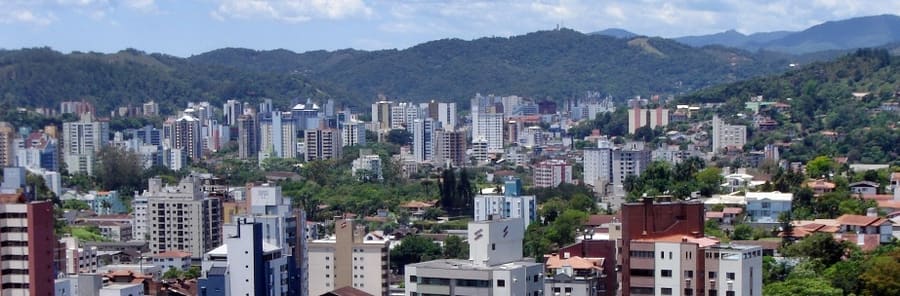
Victor Konder — University district dominated by modern brewpubs and student dining.
Charles Ringenberg · CC BY 3.0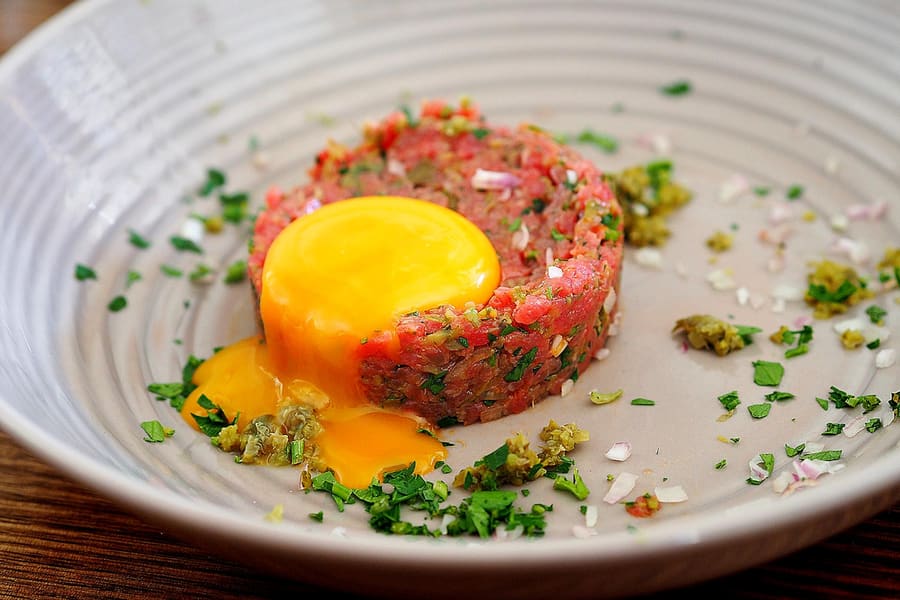
Hackepeter served with rye bread, raw onions, and mustard at a downtown beer hall.
insatiablemunch · CC BY 2.0highlights
landmark
The mock-Bavarian village anchors Oktoberfest. Visit on non-event weekdays to drink draught craft beer without entry fees.
Parley fragen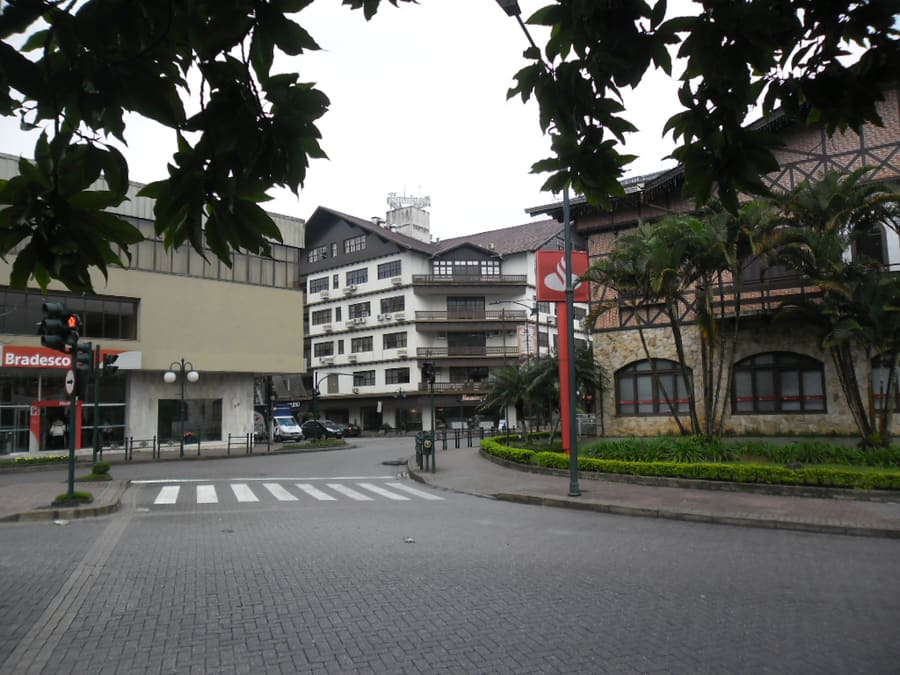
landmark
Half-timbered facades line this central boulevard. Walk early on Sunday mornings when vehicle traffic closes for pedestrians.
Parley fragen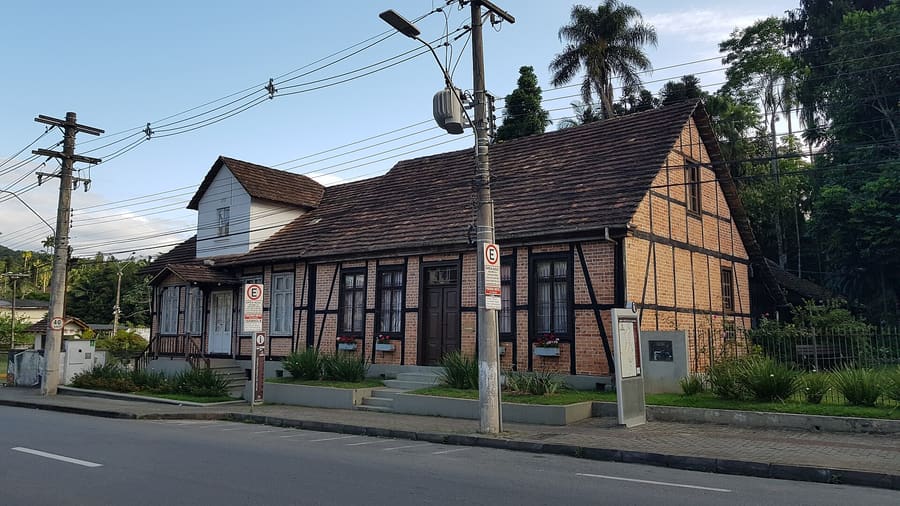
landmark
Set in 1864 timber houses, this site holds original pioneer belongings. Tickets cost R$10 and cash is required.
Parley fragen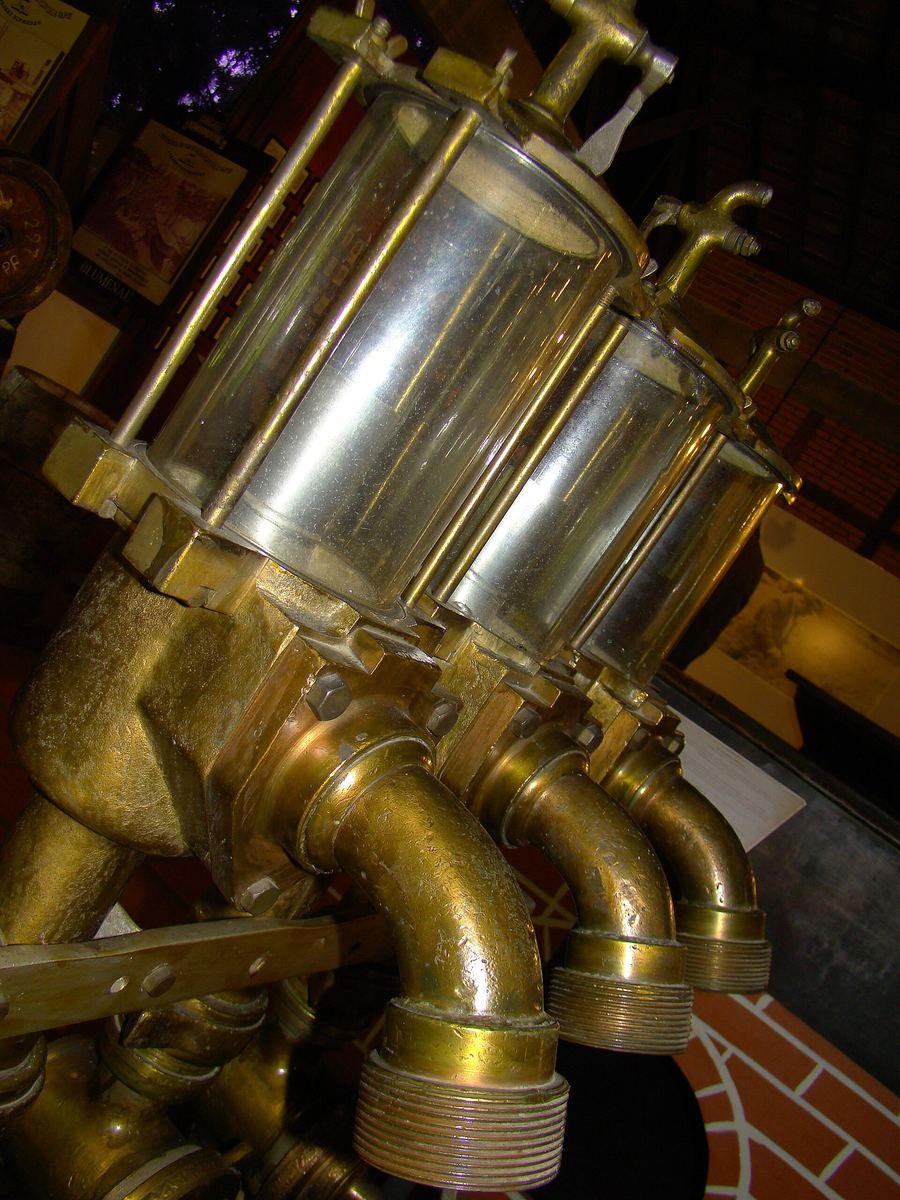
landmark
Displays brewing equipment from nineteenth-century German settlers. Exhibits take 30 minutes to tour at Praça Hercílio Luz.
Parley fragen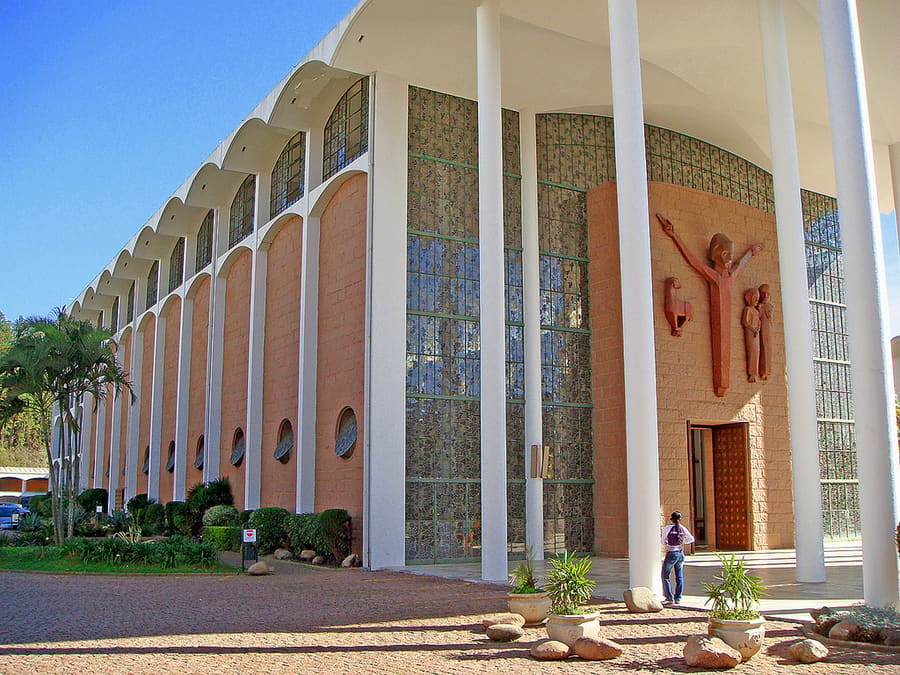
landmark
Built in 1958 with red brick and a 45-metre granite tower. Stained glass panels cool the cavernous interior.
Parley fragenattractions
areas
Commercial hub filled with half-timbered storefronts and civic institutions.
In der NäheRua XV de Novembro and riverfront parks
Parley fragenResidential quarter transformed by beer halls and festival crowds.
In der NäheVila Germânica Park
Parley fragenUniversity district dominated by modern brewpubs and student dining.
In der NäheFURB University and northern corridors
Parley fragenIndustrial-heritage neighborhood home to regional breweries and quiet streets.
In der NäheEisenbahn Brewery tasting room
Parley fragenfood
German settlement in the Itajaí Valley shaped Blumenau's kitchen. Local chefs pair spiced minced raw beef, called Hackepeter, with dark draught lagers. Pork knuckles (Eisbein) are boiled and boiled again before roasting to crisp the rind. Bakeries serve Cuca, a dense yeasted coffee cake topped with spiced sugar crumbs and seasonal fruit.
Hackepeter served with rye bread, raw onions, and mustard at a downtown beer hall.
insatiablemunch · CC BY 2.0Order Hackepeter at traditional beer halls downtown. Staff season the raw beef tableside with cognac, paprika, capers, and egg yolk.
Café Colonial buffets run on weekend afternoons. Pay a fixed entry price to access spread tables of sausages, cheeses, and cakes.
Order a Chopp Pilsen or Weiss. Regional breweries emphasize crisp lagers served ice-cold in 500ml glasses.
history
Hermann Blumenau led 17 German immigrants up the Itajaí-Açu River in 1850. The colony established timber mills, textile factories, and breweries along the riverbanks. Flooding forced architectural adaptations, elevating building bases and straightening river channels in the twentieth century.
Colony founded
Hermann Blumenau secures land along the Itajaí-Açu River for German agricultural settlers.
Textile industrialisation
Textile mills such as Hering expand, turning the agricultural settlement into an industrial powerhouse.
First Oktoberfest
Local leaders launch Oktoberfest to boost community morale and funds after severe river flooding.
where to stay
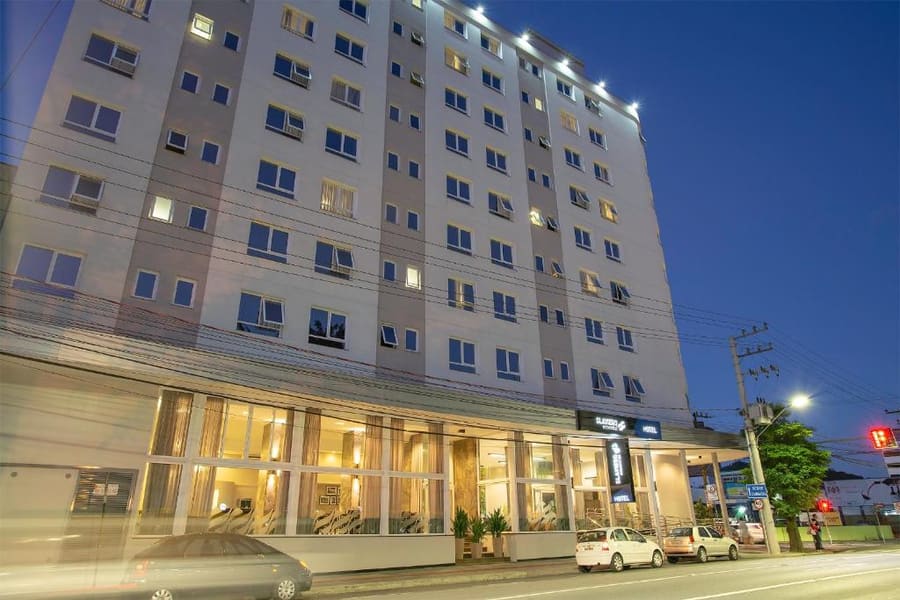
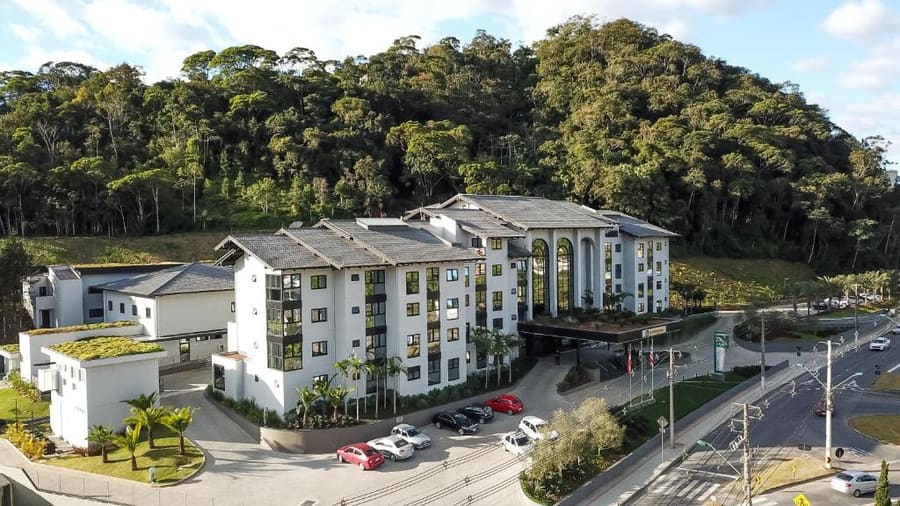
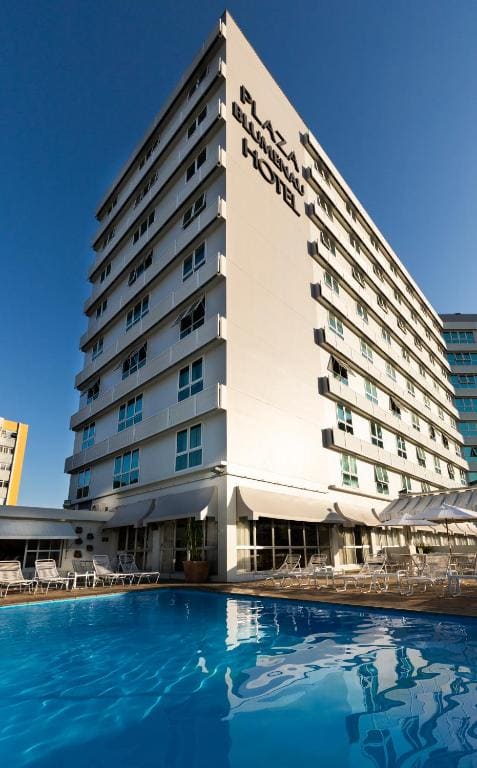
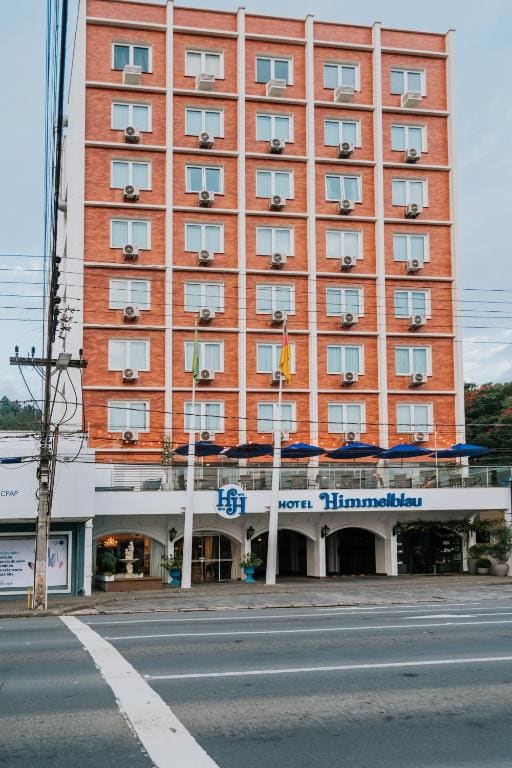
Select your neighborhood based on event timing. Stay in Bairro da Velha if attending Oktoberfest, as walking avoids night traffic jams. Choose Centro for museum access and bus connections. Victor Konder offers lower rates outside festival weeks.
Live rates, matched to the areas above.

transport
Blumenau stretches along the narrow Itajaí-Açu River valley. Main avenues run parallel to the water, making navigation simple but creating traffic bottlenecks during weekday peak hours.
Ab Navegantes Airport (NVT)
Executivo buses run from NVT airport directly to Blumenau central bus station.
Uber operates reliably between NVT and Blumenau. Tolls are included in the app estimate.
Fixed airport desk rates. Cash or cards accepted before boarding.
Uber and 99 operate extensively across Blumenau. Drivers accept card payments via the app.
Rua XV de Novembro is flat and pedestrian friendly. Pedestrians have right of way on marked zebra crossings.
cost
Blumenau is cheaper than Florianópolis or Rio de Janeiro, but prices double during Oktoberfest. Dining out and craft beer remain reasonably priced year round.
Pilsners and IPAs at local craft brewpubs in Centro or Victor Konder.
Generous dish of seasoned raw beef served with dark bread, enough for two.
Flat fare across all urban bus routes in the Seterb network.
Standard admission to Museu da Família Colonial and Museu da Cerveja.
seasonality
OCT
Oktoberfest brings over 500,000 visitors. Accommodation prices peak and reservations require months of advance planning.
NOV – FEB
Hot and humid summer days with frequent afternoon rain showers. Locals head to nearby Atlantic beaches.
MAR – MAY
Warm, dry autumn months ideal for walking tours and visiting local craft breweries without crowds.
JUN – SEP
Cool winter temperatures averaging 12°C to 20°C. Clear skies make it pleasant for exploring historical sights.
practicalities
Decembers reach high humidity in the Itajaí Valley. Pack lightweight breathable clothing and umbrella.
Cards and Pix digital payments are accepted almost everywhere. Carry R$ 50 in cash for small museum entry fees.
Most retail shops in Centro close on Sunday afternoons. Vila Germânica restaurants remain open.
Portuguese is universal. German is understood by older residents in Vila Itoupava, but basic Portuguese phrases help.
Heavy summer rains occasionally cause Itajaí-Açu river levels to rise. Local authorities publish updates on municipal apps.