landmark
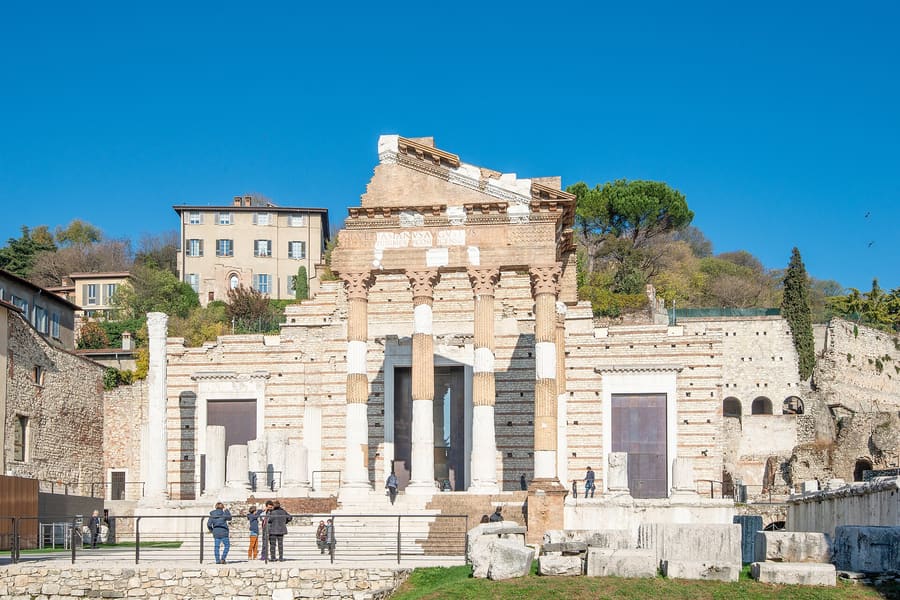
Capitoline Temple
Built by Emperor Vespasian in 73 AD. Buy a combined ticket with Santa Giulia to see the bronze Winged Victory statue.
Parley fragenItalien
Roman ruins, industrial steel, and northern aperitivi.
introduction
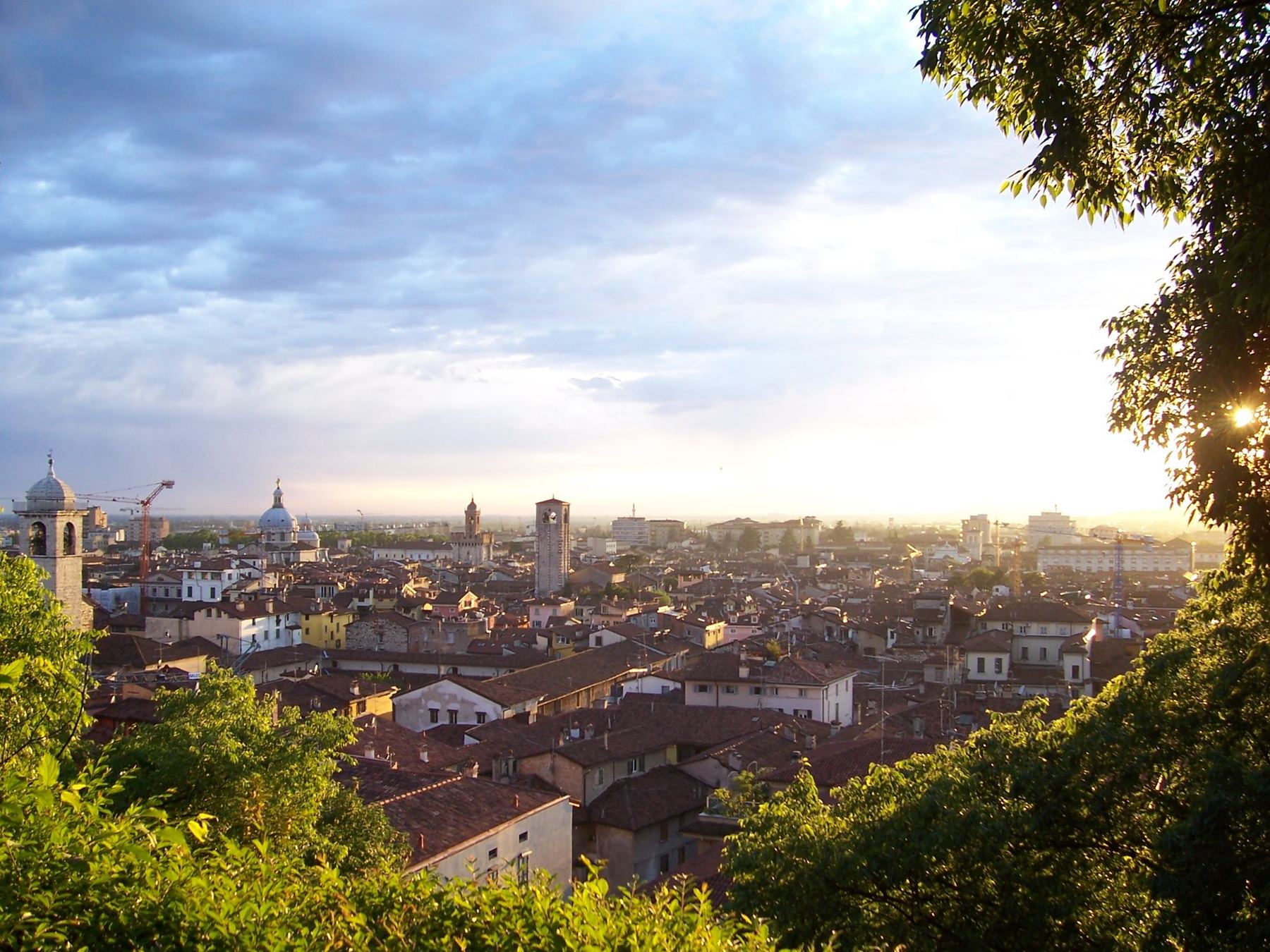
Brescia sits at the foot of the Alps between Milan and Lake Garda. Industrial factories ring a city centre built on Roman foundations and Venetian arcades. You move through two thousand years of urban planning within a ten-minute walk. The city stays working-class and unhurried even on summer weekends.
UNESCO Roman complex
Santa Giulia and the Capitoline Temple form a single UNESCO site covering Roman, Lombard, and Renaissance structures.
Brescia
This Photo was taken by Wolfgang Moroder. Feel free to use my photos, but please mention me as the author and send me · CC BY-SA 3.0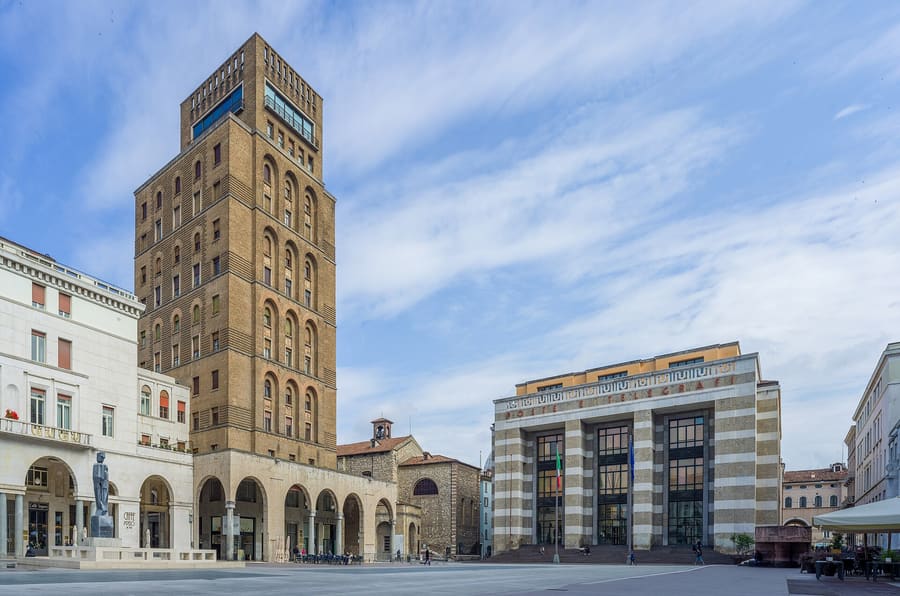
Centro Storico — Pedestrianized plazas, Venetian arcades, and major civic monuments within easy walking distance.
This Photo was taken by Wolfgang Moroder. Feel free to use my photos, but please mention me as the author and send me · CC BY-SA 3.0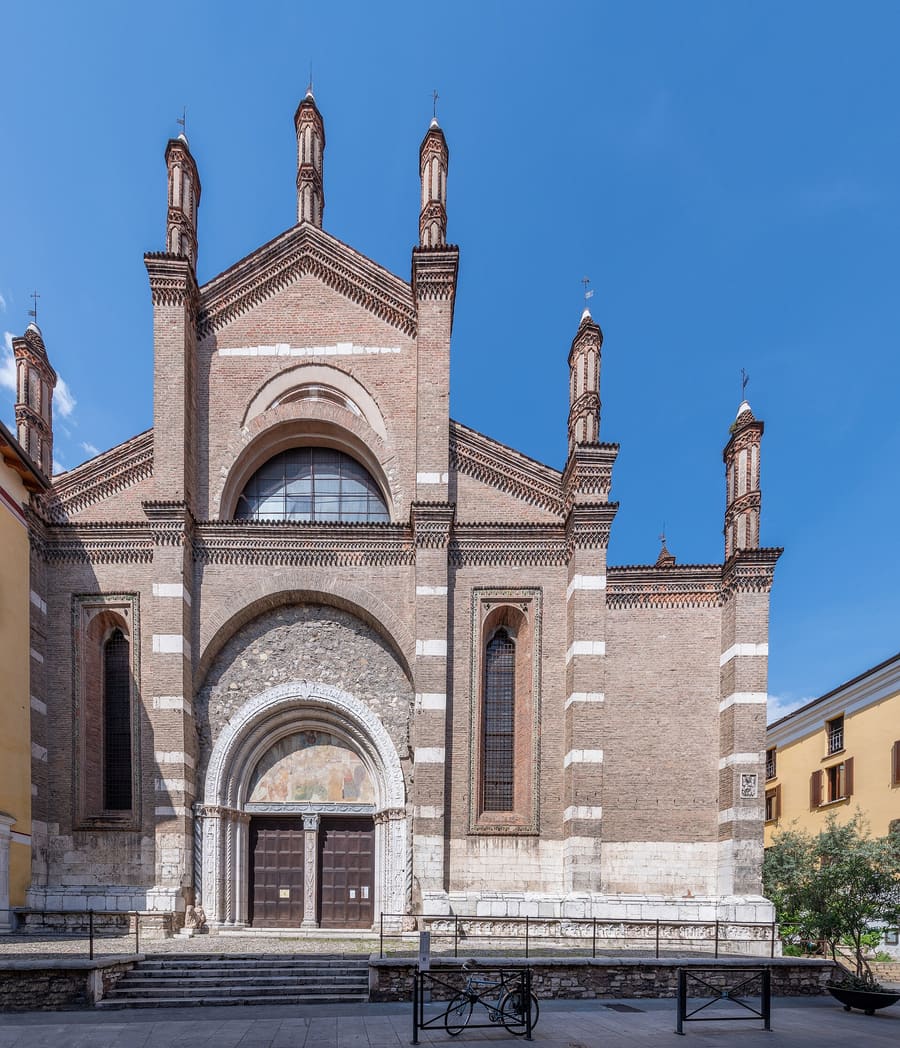
Carmine — Narrow medieval alleyways filled with student bars, art studios, and casual trattorias.
This Photo was taken by Wolfgang Moroder. Feel free to use my photos, but please mention me as the author and send me · CC BY-SA 3.0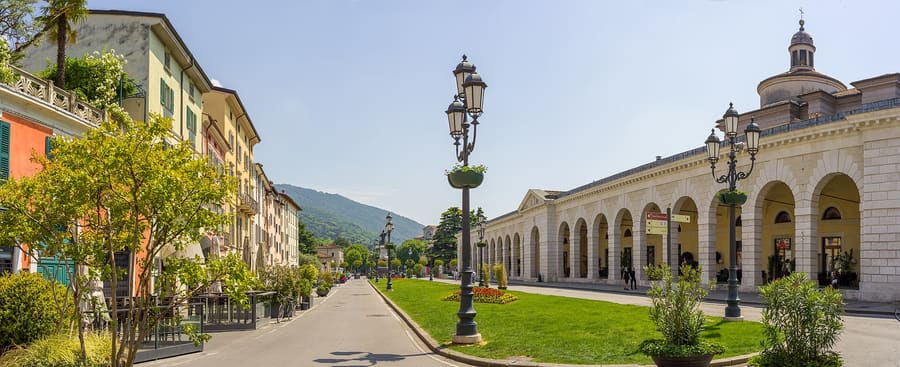
Porta Venezia — Residential green avenues lined with Liberty-style villas and quiet neighborhood cafés.
This Photo was taken by Wolfgang Moroder. Feel free to use my photos, but please mention me as the author and send me · CC BY-SA 3.0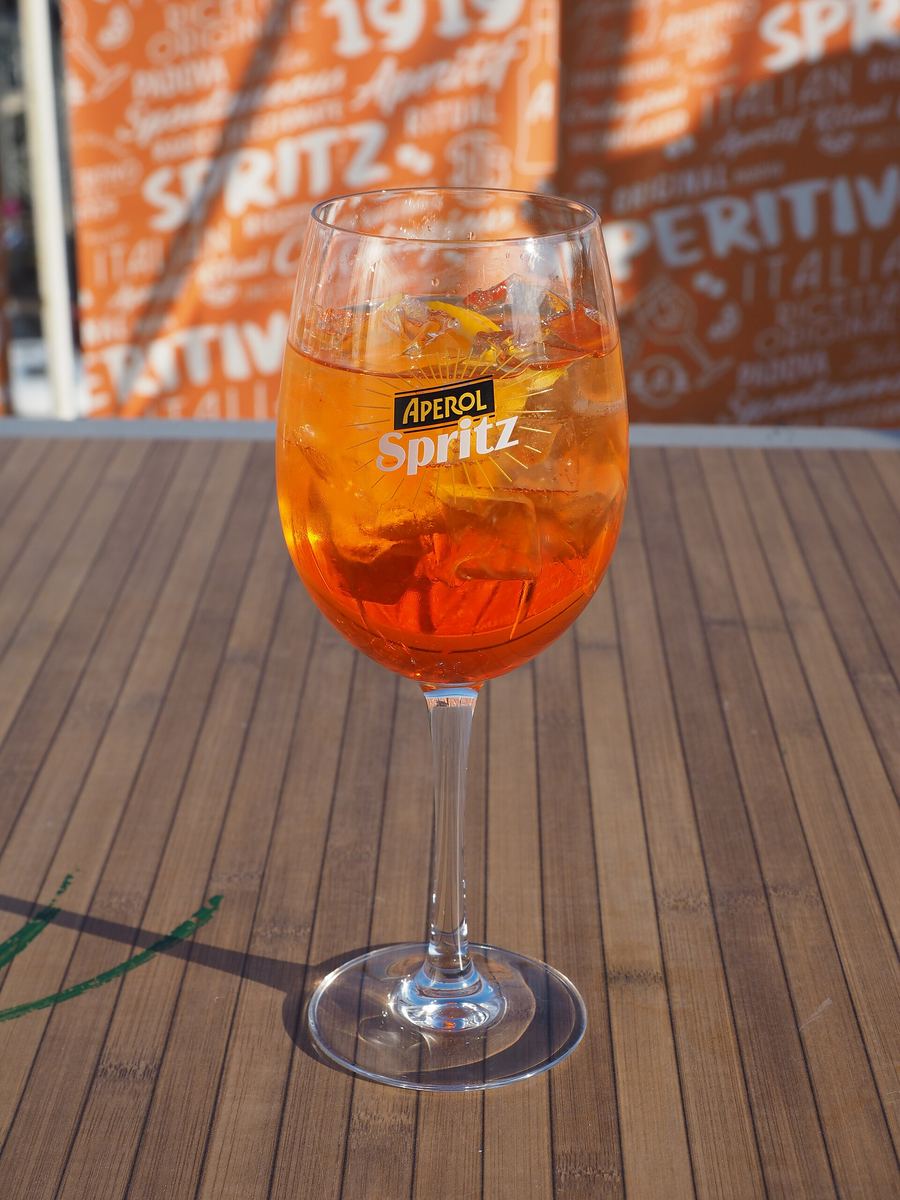
The Pirlo is Brescia's precursor to the Spritz, mixed with still white wine instead of prosecco.
JIP · CC BY-SA 4.0highlights
landmark
Built by Emperor Vespasian in 73 AD. Buy a combined ticket with Santa Giulia to see the bronze Winged Victory statue.
Parley fragen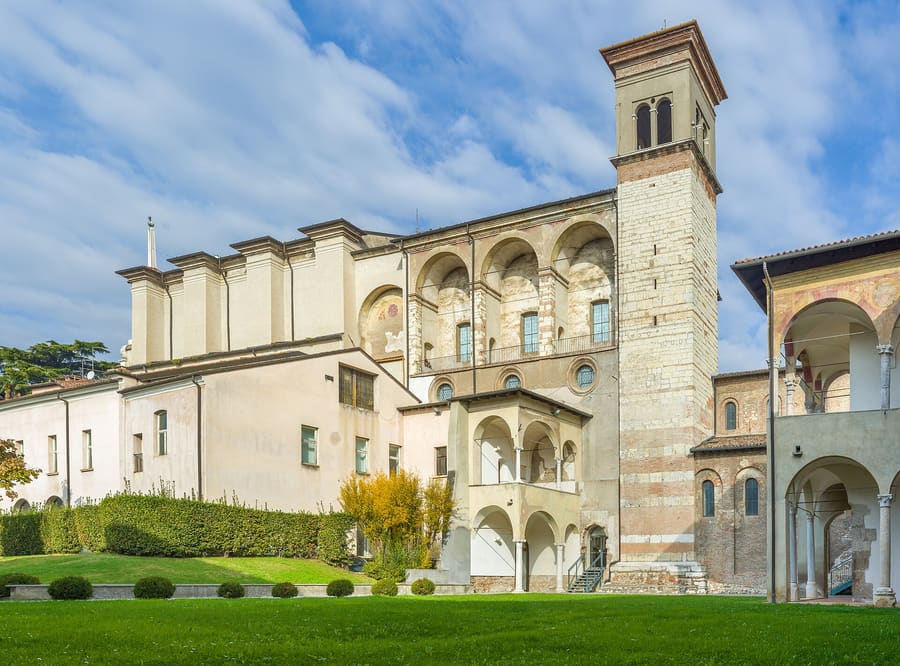
landmark
A Lombard monastery built over Roman villa mosaics. Budget at least two hours to walk the chronological layout.
Parley fragen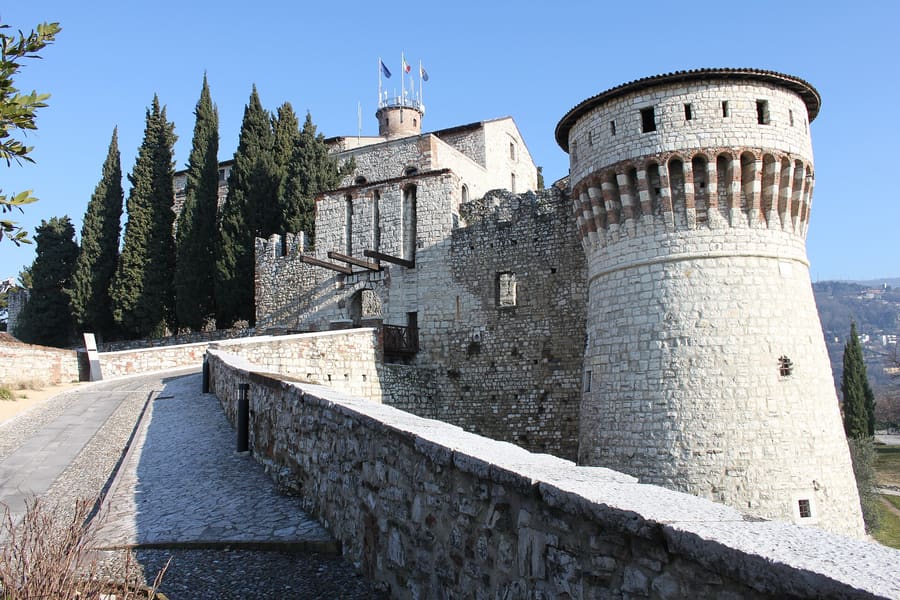
landmark
A 16th-century fortress crowning Mount Cidneo. The grounds are free to enter and give direct views over the Alps.
Parley fragen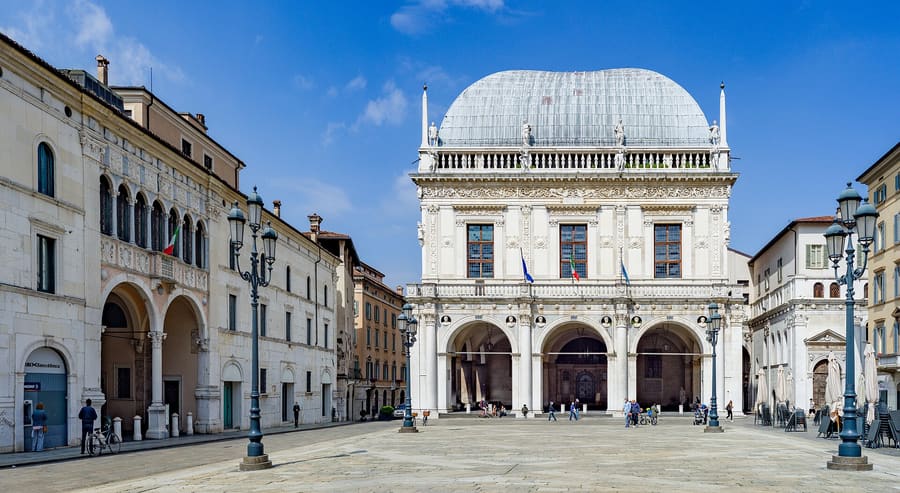
landmark
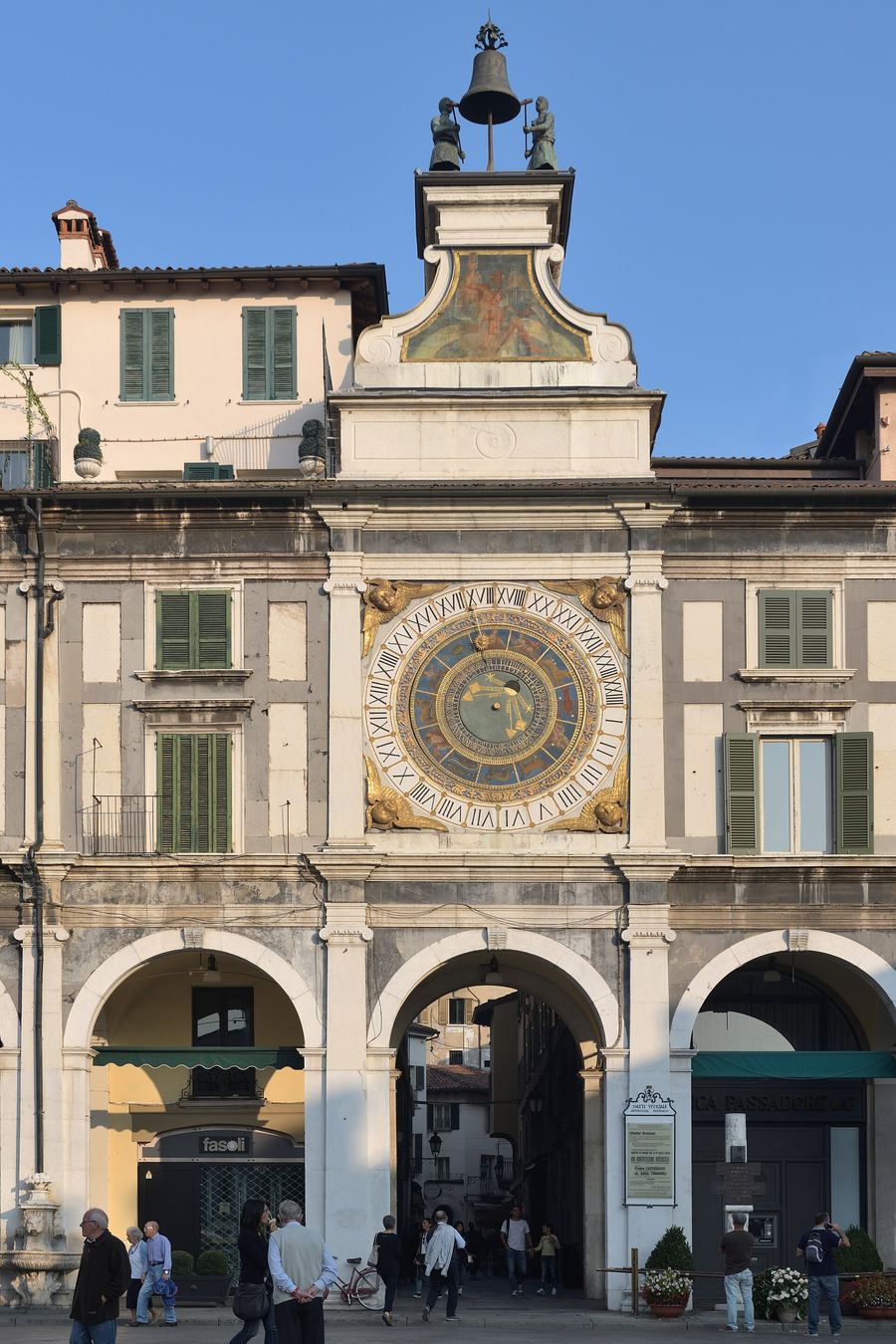
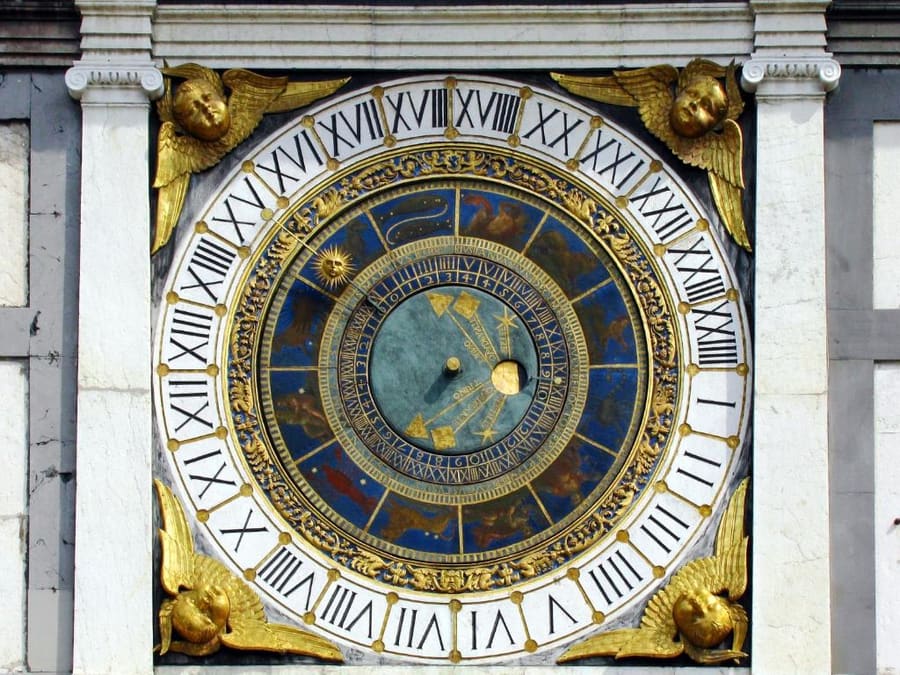
Venetian Renaissance architecture dominates this square. Look for the automated mechanical figures striking the hour on the clock.
Parley fragen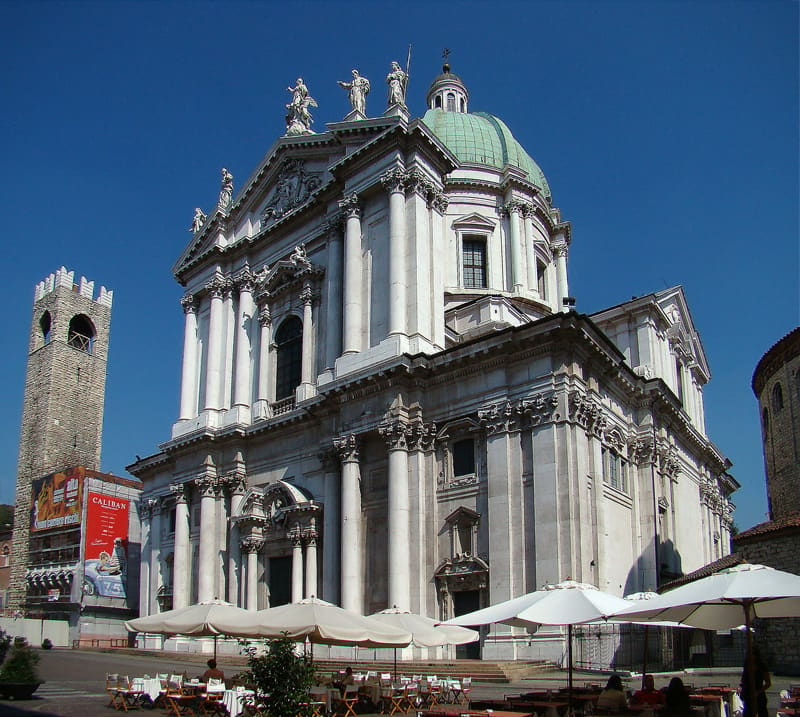
landmark
One of Italy's few squares with two cathedrals standing side-by-side. Step inside the 11th-century circular Old Cathedral.
Parley fragen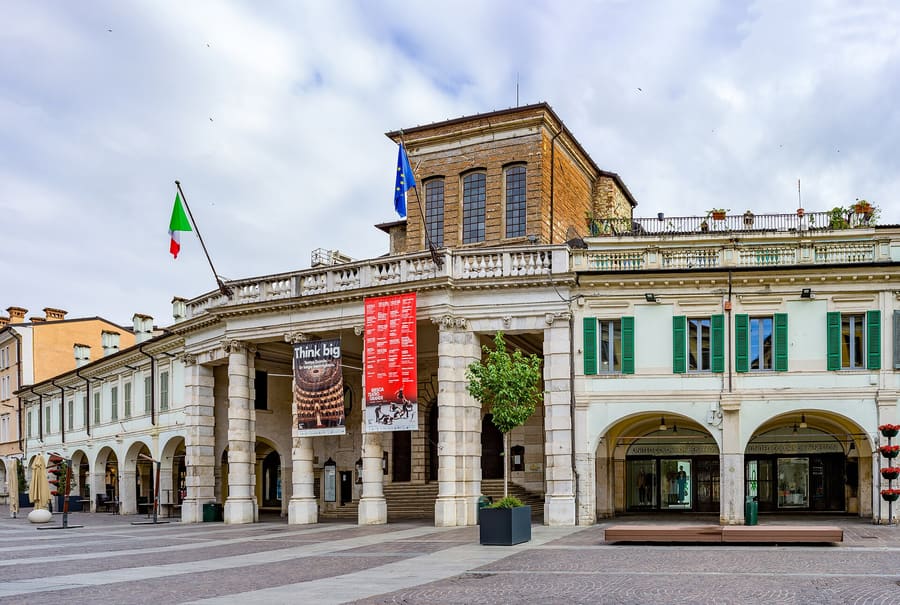
landmark
An 18th-century opera house with intact gilded plasterwork. Guided tours operate on weekend mornings.
Parley fragenattractions
areas
Pedestrianized plazas, Venetian arcades, and major civic monuments within easy walking distance.
In der NähePiazza Loggia, Duomo, Capitoline Temple
Parley fragenNarrow medieval alleyways filled with student bars, art studios, and casual trattorias.
In der NäheBrescia Castle, Piazza della Loggia
Parley fragenResidential green avenues lined with Liberty-style villas and quiet neighborhood cafés.
In der NäheMille Miglia Museum, Parco dell'Acqua
Parley fragenModern financial district with high-rise offices and wide transport corridors south of the rails.
In der NäheMain railway station, Metro line
Parley fragenfood
Brescian cuisine turns away from olive oil toward rich mountain butter and grana cheese. The staple pasta dish is casoncelli, half-moon pockets stuffed with breadcrumbs, parmesan, garlic, and herbs, swimming in melted sage butter. Do not ask for Prosecco at aperitivo hour here. Brescia drinks the Pirlo, a mix of still white wine, Campari or Aperol, and sparkling water served in a stemmed wine glass.
The Pirlo is Brescia's precursor to the Spritz, mixed with still white wine instead of prosecco.
JIP · CC BY-SA 4.0Ask for a 'Pirlo con Campari'. Standard Venetian spritz with prosecco is treated as an import from outside Lombardy.
Restaurants serve this slow-roasted meat skewered with butter and sage mostly on Sundays. Trattoria Porteri in Borgo Trento executes it properly.
Bossolà, the city's airy ring-shaped holiday bread, appears in bakeries like Pasticceria Veneto mainly between October and Easter.
history
Brescia began as the capital of the Cenomani Gauls before peaceful integration into the Roman Empire as Brixia. In the Middle Ages, it served as a key seat of Lombard power under King Desiderius. Four centuries of Venetian rule shaped its Renaissance squares, followed by fierce resistance against Austrian rule that earned Brescia its title as the Lioness of Italy.
Lombard rule
King Desiderius founds the monastery of San Salvatore, creating a religious powerhouse in northern Italy.
Venetian control
Brescia submits to the Republic of Venice, initiating centuries of trade growth and public building.
The Ten Days
Citizens rebel against Austrian forces for ten days, earning the national nickname 'Lioness of Italy'.
Mille Miglia begins
The inaugural 1,000-mile open-road motorsport endurance race launches from Viale Venezia.
where to stay
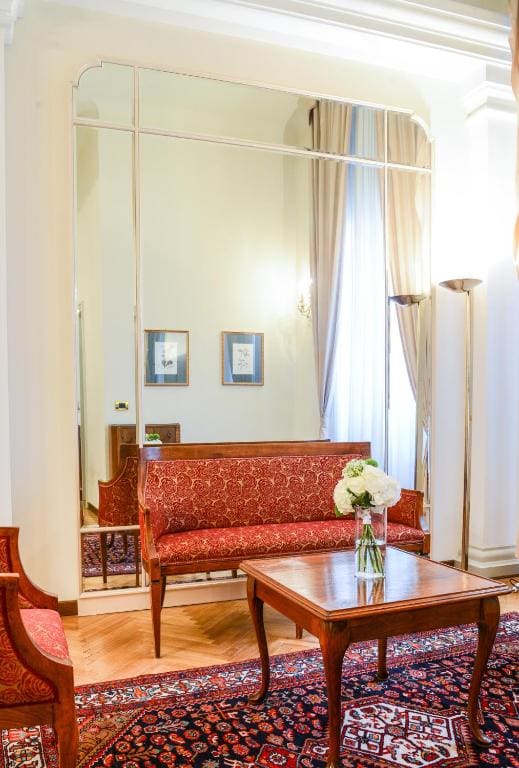
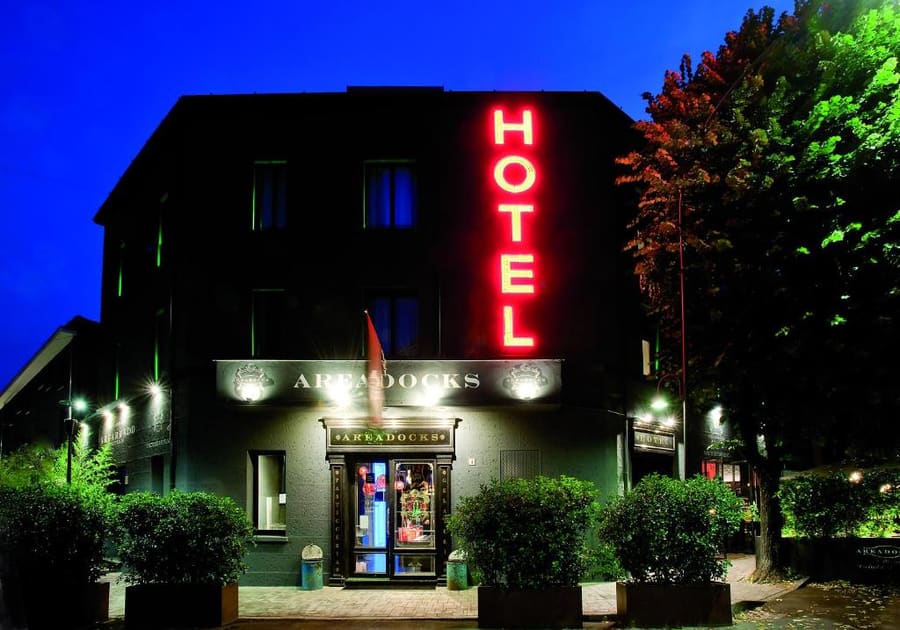
Base yourself according to your transit reliance. Staying inside the pedestrian core allows you to walk to every sight within ten minutes. Staying near the train station or Brescia Due cuts travel time if you plan daily rail trips to Verona, Lake Garda, or Bergamo.
Live rates, matched to the areas above.
transport
The historic centre is entirely walkable and heavily pedestrianized. For longer cross-city trips, Brescia operates a single, clean, driverless metro line running north to south through the city center.
Ab Stazione di Brescia (BS)
Trenord regional trains cost less; Trenitalia Frecciarossa high-speed costs more but runs faster from Milan.
Rank located outside main station exit. ZTL street cameras prevent drop-offs on some pedestrian lanes.
Cameras monitor all vehicles entering the historic centre. Driving in without a registered hotel permit generates automated fines.
Download the official app to purchase zone bus tickets and locate city bike-share docks in real time.
cost
Brescia costs significantly less than neighboring Milan or tourist-heavy Venice. Local dining and public transit offer straightforward value designed for residents rather than crowds.
Includes a bowl of crisps, olives, or small focaccia bites at neighborhood bars.
Standard price point in traditional city trattorias in Carmine or Centro Storico.
seasonality
MAR – MAY
Comfortable spring weather. May brings the Mille Miglia race, filling city hotels months ahead.
JUN – AUG
Hot, humid conditions in the Po Valley basin. Locals head to Lake Garda; city streets feel quiet.
SEP – NOV
Ideal dining weather as autumn wine harvests begin in nearby Franciacorta.
DEC – FEB
Cold, foggy winter days. Museum galleries are quiet and hotel prices drop to annual lows.
practicalities
Santa Giulia and the Capitoline Temple shut every Monday. Plan your itinerary around Tuesday to Sunday visits.
Nearly every shop and cafe accepts contactless cards. Cash is only necessary for small market stalls.
Brescia is a major manufacturing hub. Modern industrial suburbs encircle the compact historic Roman core.
Wear sturdy shoes if walking up from Piazza del Foro to the castle. The stone pathways are steep.