landmark
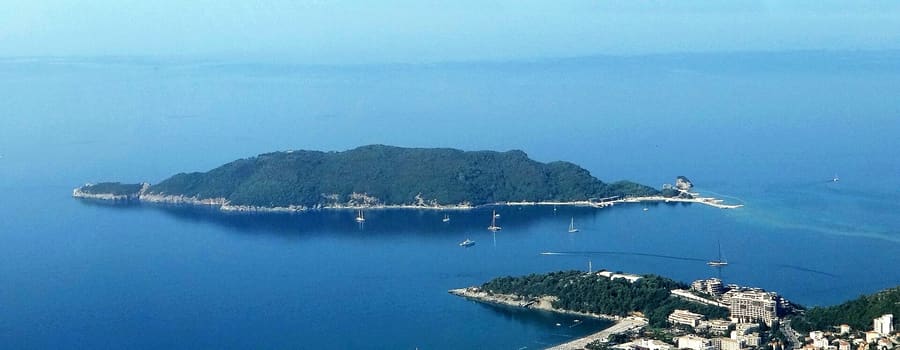
Sveti Nikola Island
Uninhabited island known locally as Hawaii. Water taxis depart every 30 minutes from Budva marina for €5 round trip.
Parley fragenMontenegro
Venetian walls, Adriatic nightspots, and cove beaches.
introduction
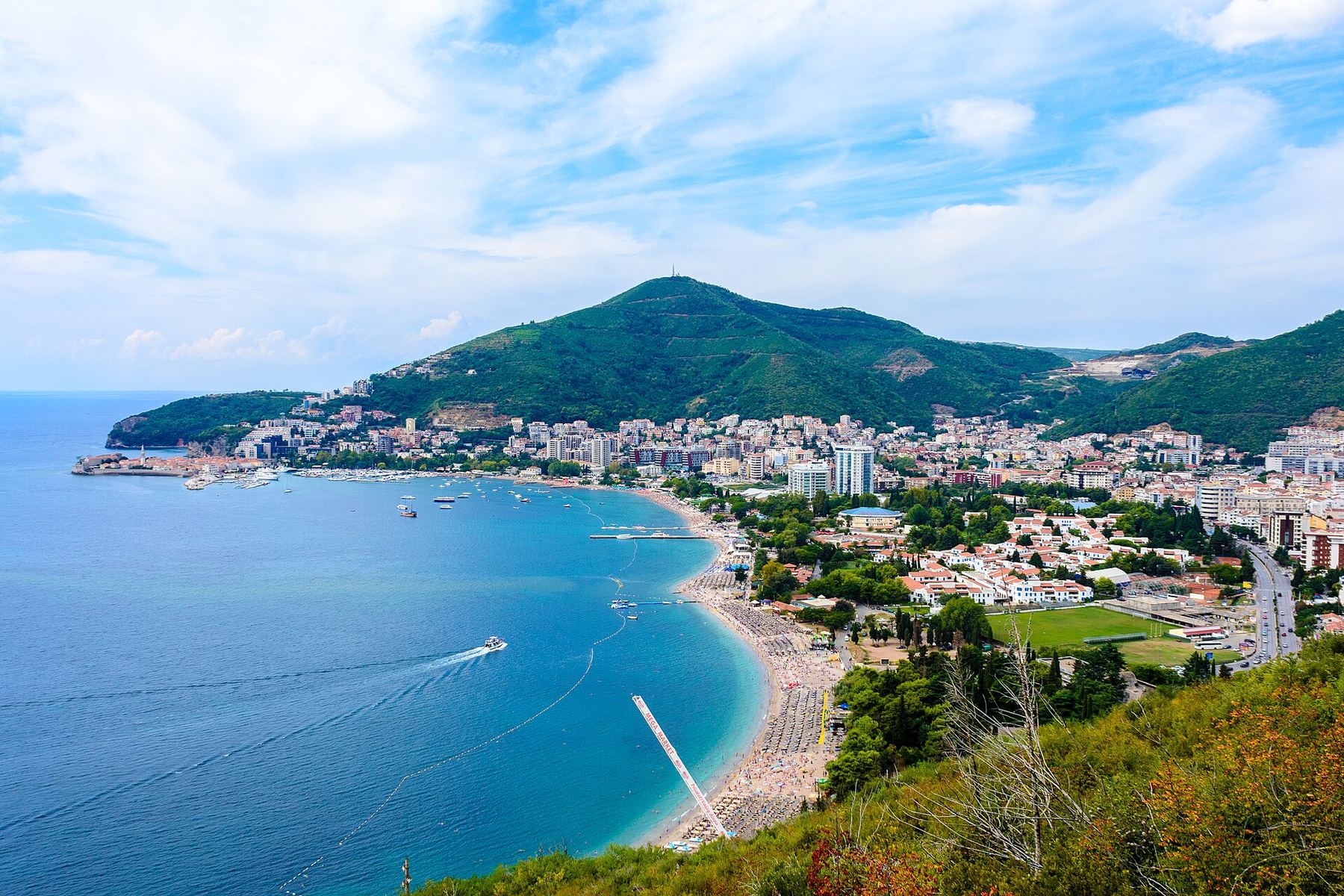
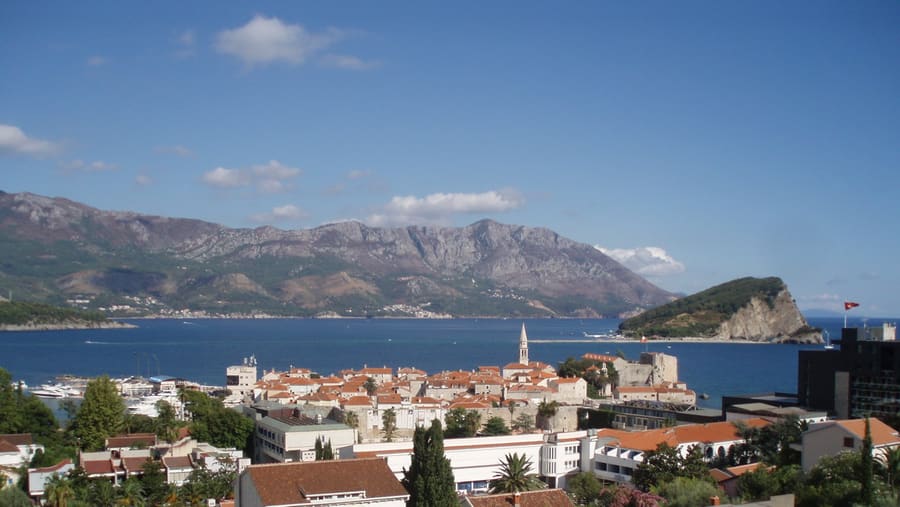
Budva splits itself between a tiny 2,500-year-old walled peninsula and miles of high-density coastal resort strip. You navigate the cobblestones of Stari Grad on foot, while public Mediteran Express buses string together the southern beaches. High summer brings crowded promenades and loud open-air clubs, but early mornings reveal quiet Venetian alleys and clean waters.
Fly into Tivat rather than Podgorica
Tivat Airport sits 20 kilometers north of Budva. A taxi takes 25 minutes, avoiding the mountain pass from Podgorica.
2,500 years of coastal urban history
Illyrians founded Budva in the 5th century BC. Venetian stonework still defines the old quarter.
Pay the tourist tax on day one
Register at a tourist office within 24 hours to pay the €1 daily tax. Keep the receipt for border control.
Budva
Bratislav Tabaš · CC BY-SA 3.0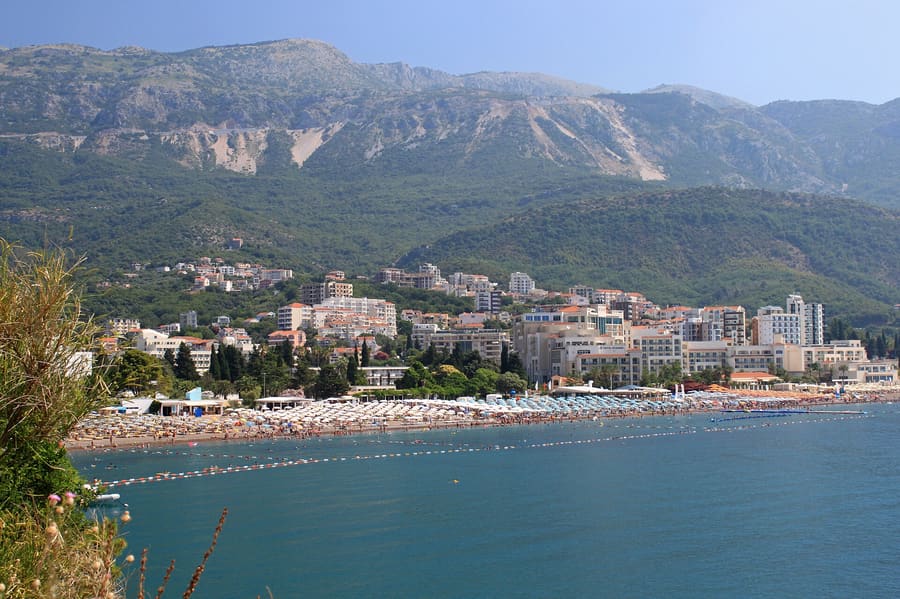
Bečići — High-rise beach resort strip anchored by wide pebble shores and family-friendly promenades.
Liilia Moroz · CC0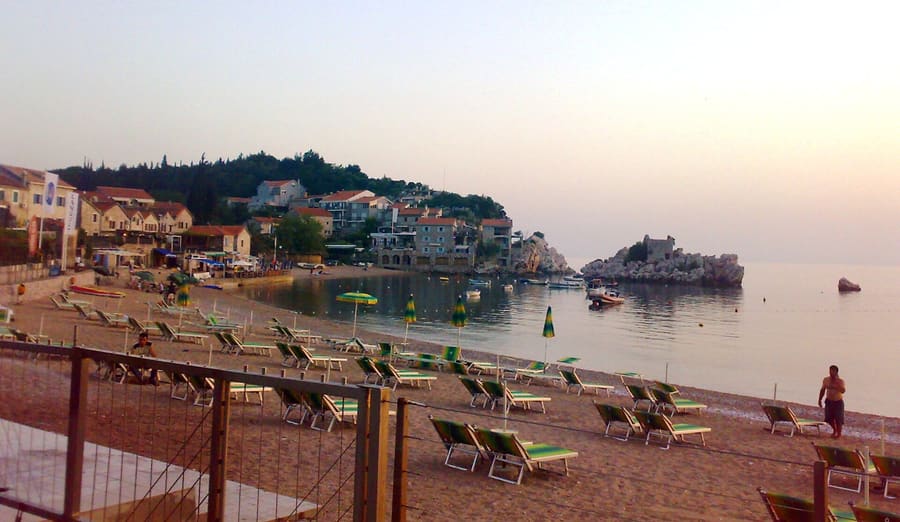
Pržno — Former fishing hamlet turned quiet cove with waterfront seafood taverns and olive groves.
Bjoertvedt · CC BY-SA 3.0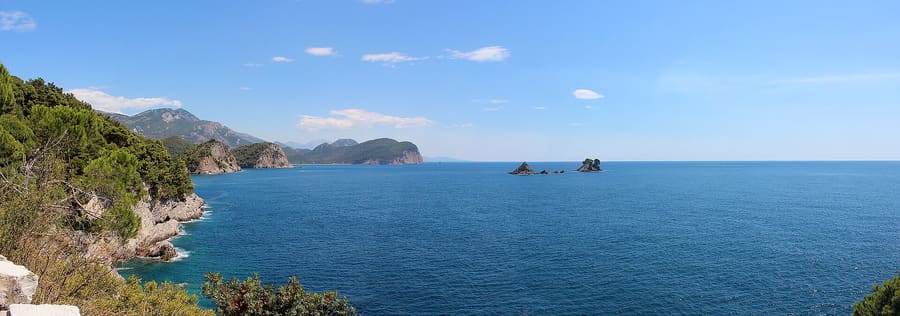
Petrovac — Relaxed coastal village 18km south, centered around a red-pebble horseshoe bay.
Wikiarius · CC BY-SA 4.0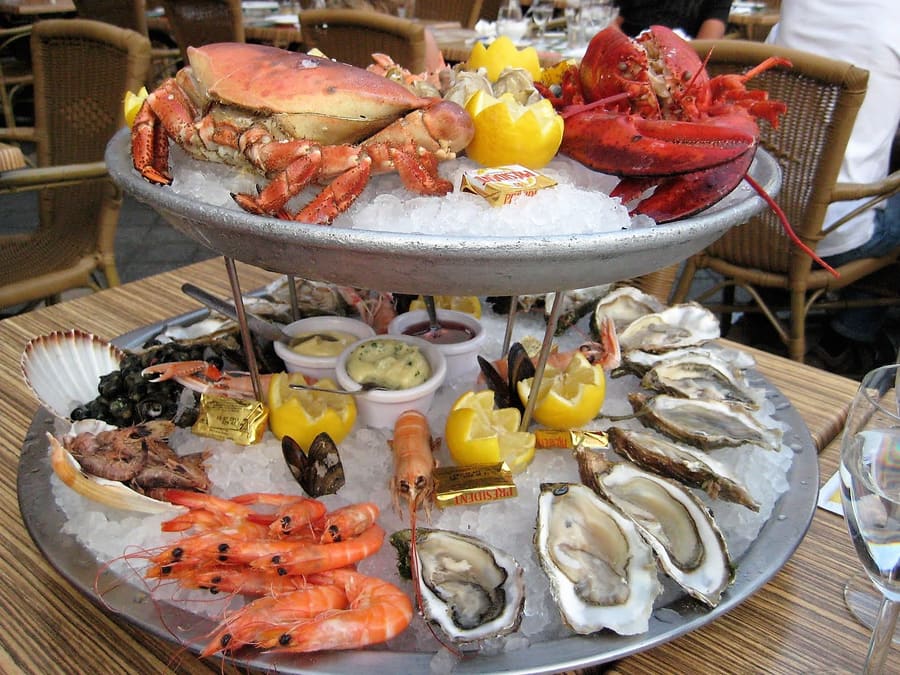
Fresh mussels cooked in white wine and garlic sauce at a seafront konoba.
Paul Arps (paularps) · CC BY 2.0highlights
landmark
Uninhabited island known locally as Hawaii. Water taxis depart every 30 minutes from Budva marina for €5 round trip.
Parley fragen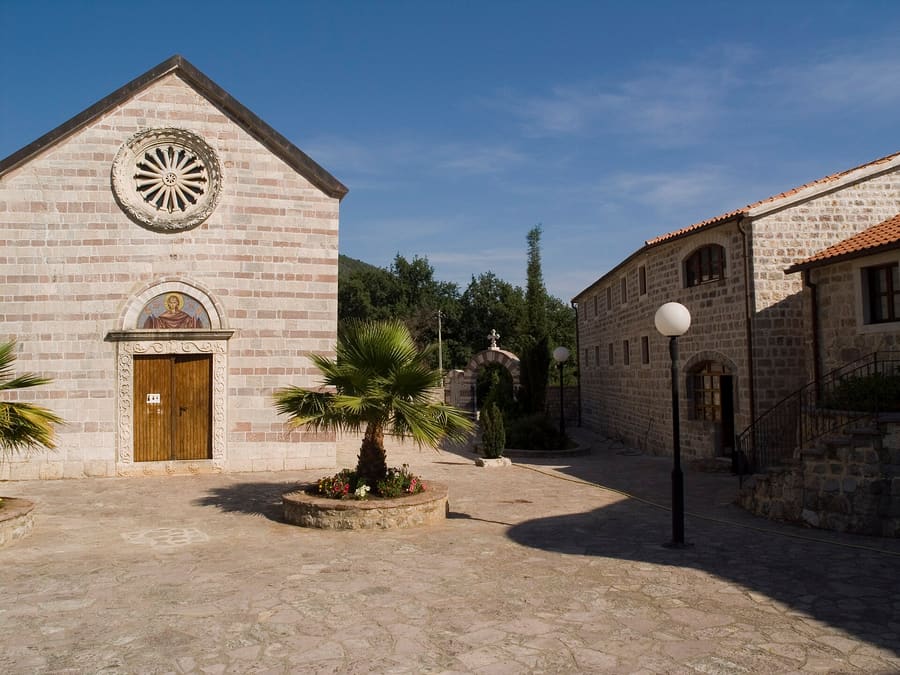
landmark
15th-century Orthodox complex set in the foothills. Walk 20 minutes uphill from the main bus station to see stone frescoes.
Parley fragen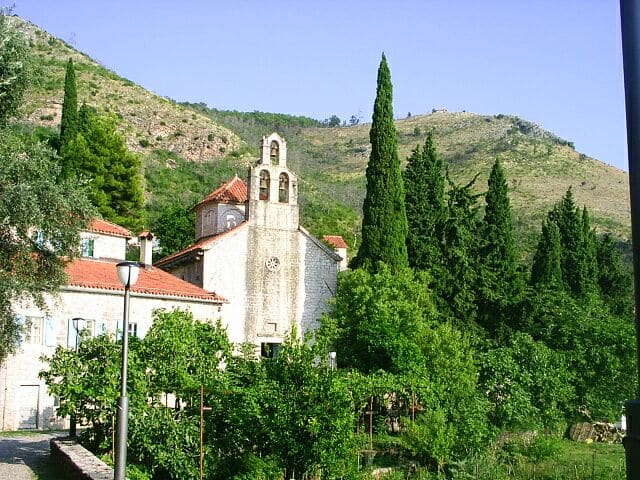
landmark
Historic hilltop monastery producing olive oil and honey. Reach it via stone steps leading up from Miločer Park.
Parley fragenattractions
areas
High-rise beach resort strip anchored by wide pebble shores and family-friendly promenades.
In der NäheBečići beach, water parks, and pedestrian tunnel.
Parley fragenFormer fishing hamlet turned quiet cove with waterfront seafood taverns and olive groves.
In der NäheMiločer Park, Sveti Stefan, and Queen's Beach.
Parley fragenRelaxed coastal village 18km south, centered around a red-pebble horseshoe bay.
In der NäheKatič islet, Lucice beach, and Venetian fortress.
Parley fragenDense medieval alleyways inside stone ramparts, packed with wine bars and small boutiques.
In der NäheCitadel, marina, and Mogren boardwalk.
Parley fragenfood
Budva cuisine splits between the sea and the inland limestone karst. Waterfront taverns specialize in buzara, where whole prawns or mussels simmer in white wine, garlic, and olive oil. Inland menus feature Njegoški pršut, a dry-cured ham from nearby Njeguši village served with hard sheep cheese.
Fresh mussels cooked in white wine and garlic sauce at a seafront konoba.
Paul Arps (paularps) · CC BY 2.0First-category wild fish like dentex or sea bream costs €50 to €70 per kilogram. Staff present the catch on a tray before grilling.
Look for konoba on the sign rather than restoran. Tucked-away establishments along the bypass road offer better value than harbourfront spots.
Kitchens open for lunch at 12:00, but locals eat dinner late. Arrive around 21:00 for the best atmosphere in Stari Grad.
history
Founded by Illyrians and colonized by Greeks, Budva became an essential Roman trading port. Venice ruled the town from 1420 to 1797, constructing the fortified walls that survive today to protect against Ottoman raids.
Illyrian origins
Legend attributes the city founding to Cadmus of Phoenicia. Excavations near Old Town reveal ancient Illyrian and Greek necropolises.
Venetian rule begins
Budva joins Venetian Albania. For nearly four centuries, the Republic builds stone walls, bastions, and civic architecture.
The great earthquake
A 6.9 magnitude earthquake destroys 80% of Stari Grad. Rebuilding takes eight years using original stone and traditional methods.
Independence era
Montenegro regains independence. Budva transforms into the nation's primary tourism center, drawing rapid hotel development.
where to stay
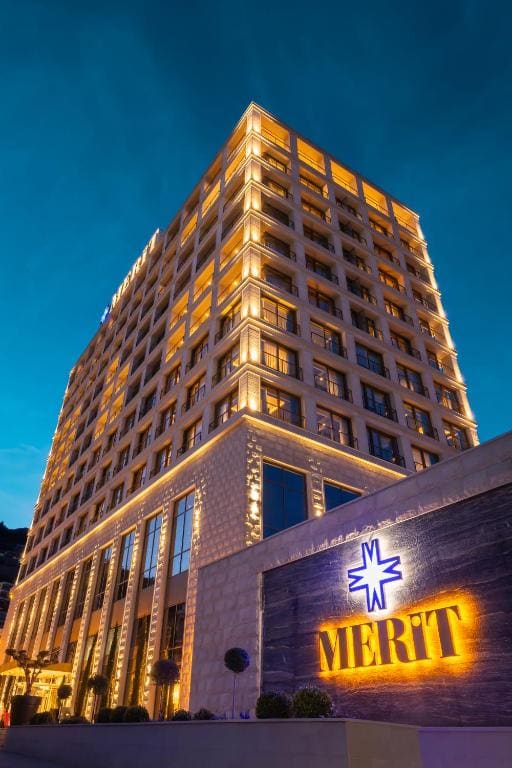
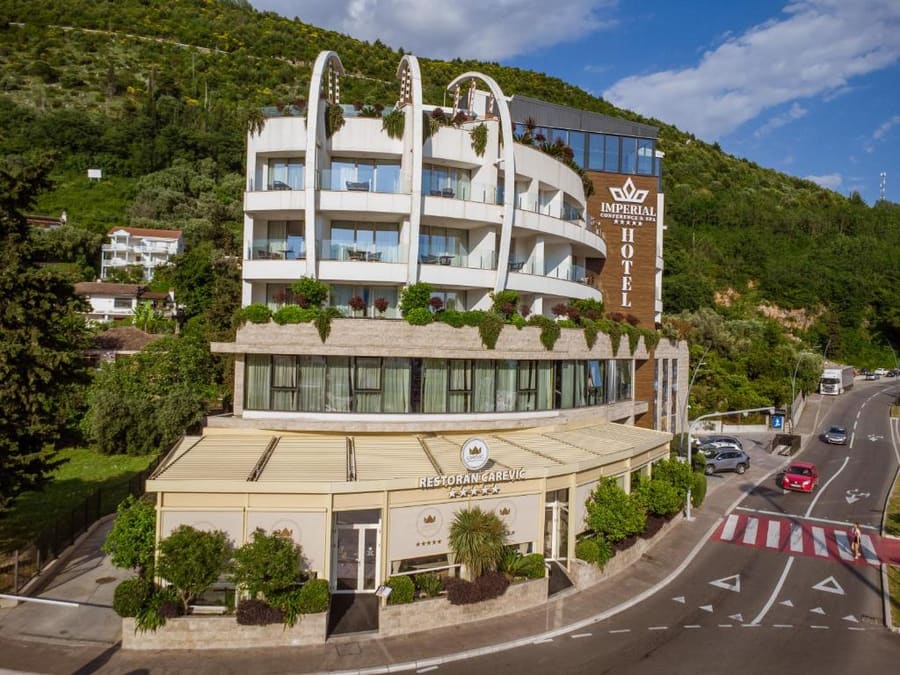
Choose your base by location and your tolerance for late-night sound. Stari Grad offers historic atmosphere, while Bečići and Pržno focus on resort beaches.
Live rates, matched to the areas above.
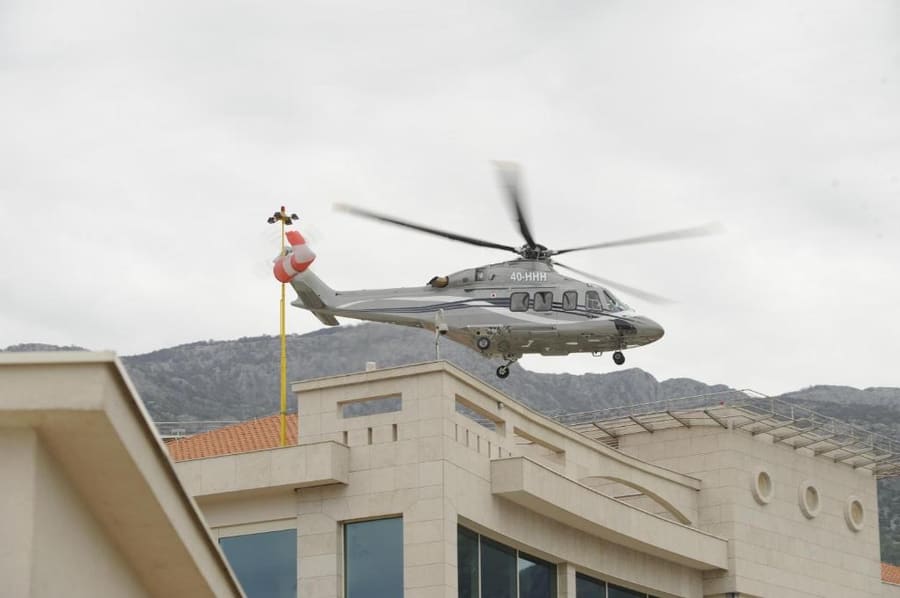
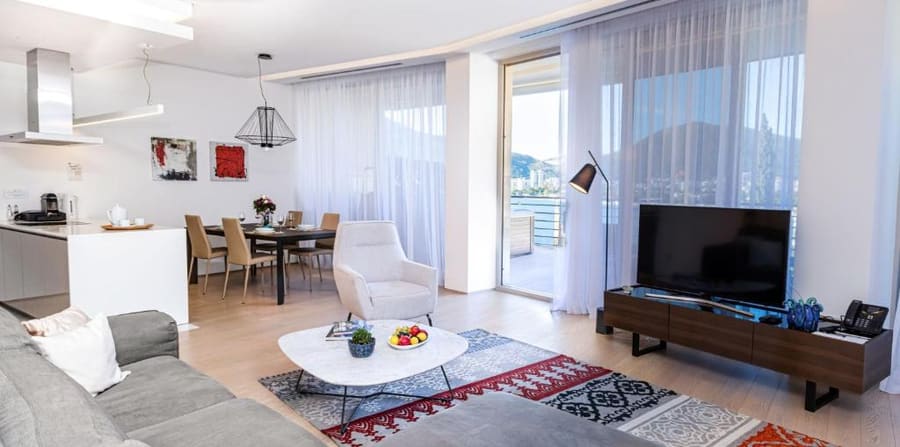
transport
Old Town is completely pedestrianized. Taxis and public buses connect the coastal towns along the main highway.
Ab TIV
Agree on the rate before departure or demand the meter.
Board intercity buses on the main road outside Tivat airport terminal.
Pre-book through your hotel to ensure fixed pricing during summer traffic.
Local blue buses run every 10–20 minutes between Budva, Bečići, and Sveti Stefan along the main highway.
Bus drivers on local lines do not accept cards. Carry exact change in small euro coins.
The two-lane coastal highway freezes between 17:00 and 20:00 in peak season. Walking or water taxi is faster.
Boats run continuously from Budva marina to Hawaii Island and remote cove beaches between June and September.
cost
Budva is Montenegro's most expensive coastal city in peak season, but remains affordable compared to Western European beach destinations.
Prices vary by location. Premium lounges at Mogren charge up to €30, while public beach ends allow free towel space.
Old Town cafes charge higher prices, while inland espresso bars serve espresso for €1.50.
One-way ticket from Budva to Bečići costs €1.50, or €2.50 to Sveti Stefan.
Fixed fare from Budva harbour to Sveti Nikola Island.
seasonality
MAR – MAY
Cooler sea temperatures, clear walking trails, and low hotel rates. Most beach bars open in early May.
JUN – JUL
Warm waters, busy promenades, and active outdoor clubs. Book hotel rooms at least two months ahead.
AUG – SEP
Peak water warmth in August with heavy traffic. September brings calm crowds and comfortable 25°C sea weather.
OCT – FEB
Quiet off-season. Waterfront venues close, but Old Town restaurants remain open for locals.
practicalities
Montenegro adopted the Euro unilaterally. ATMs line the main promenade, but smaller beach kiosks require cash.
Hotels register you automatically. If renting a private apartment, visit a Tourist Information Bureau within 24 hours.
Most beaches consist of smooth gravel or sea pebbles. Water shoes protect feet and make walking into the sea easier.
Montenegro is outside the EU roaming area. Buy a tourist SIM at any kiosk for €10–15 with generous data allowances.
Blue Flag status marks several beaches along the Budva Riviera. Mogren and Lučice consistently post top water purity scores.