landmark
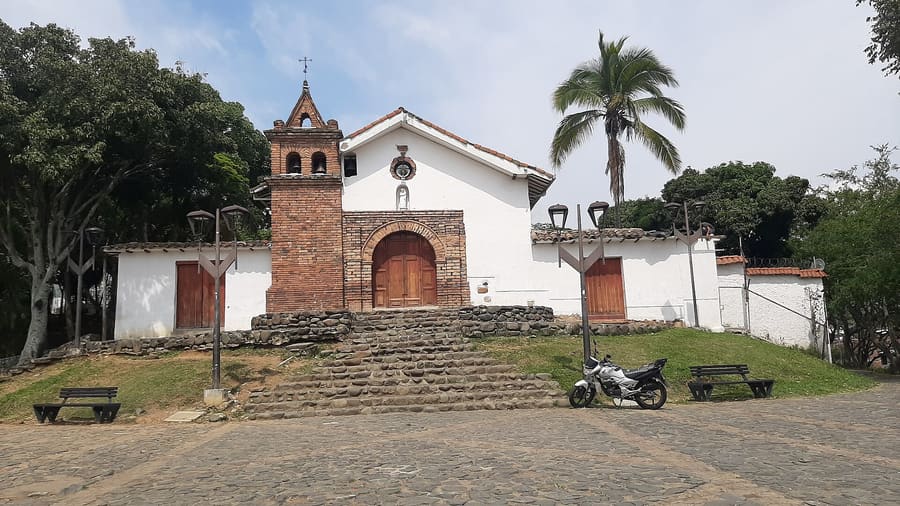
Iglesia de San Antonio
18th-century brick church on a hilltop park. Visit at sunset for street performers and valley views.
Parley fragenKolumbien
Colombia's salsa capital powered by valley heat and speed.
introduction
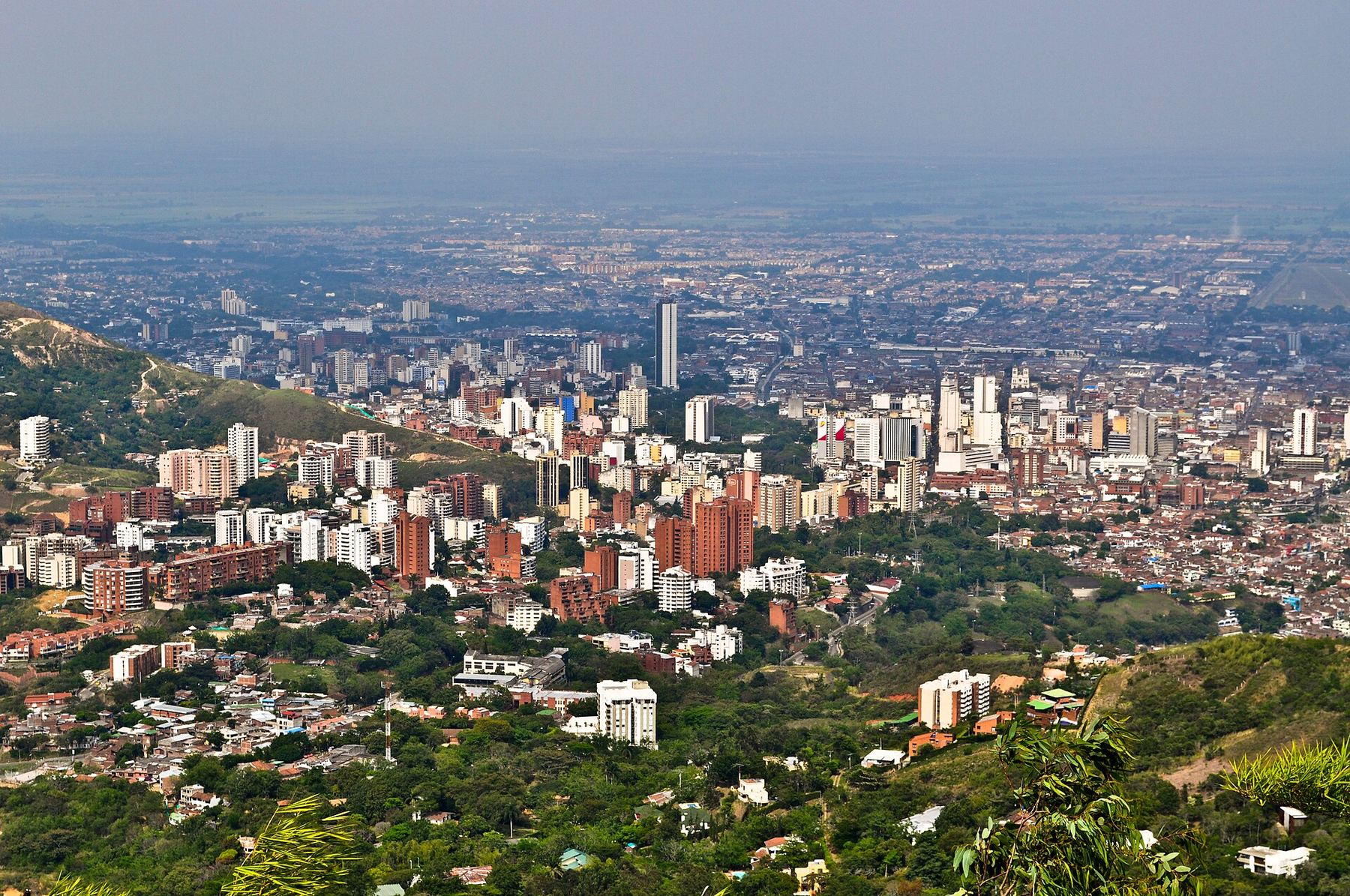
Cali sits in the warm Cauca River valley, framed by the Farallones mountains to the west. You move through the city using the MIO bus rapid transit network or rideshare apps. The valley heat slows midday activity, but late afternoons bring a Pacific breeze and night dance clubs. You come here to dance salsa, eat native tropical fruits, and experience southwest Colombian urban life.
Airport tax and transport
Official taxi desks inside CLO set fixed fares to central Cali. Never negotiate rates with unaccredited drivers outside.
Afternoon breeze planning
Pacific breezes cool the western hills after 16:00 daily. Schedule outdoor walking tours for late afternoon to skip heat.
Cali
Carlos A. Arango · Public domain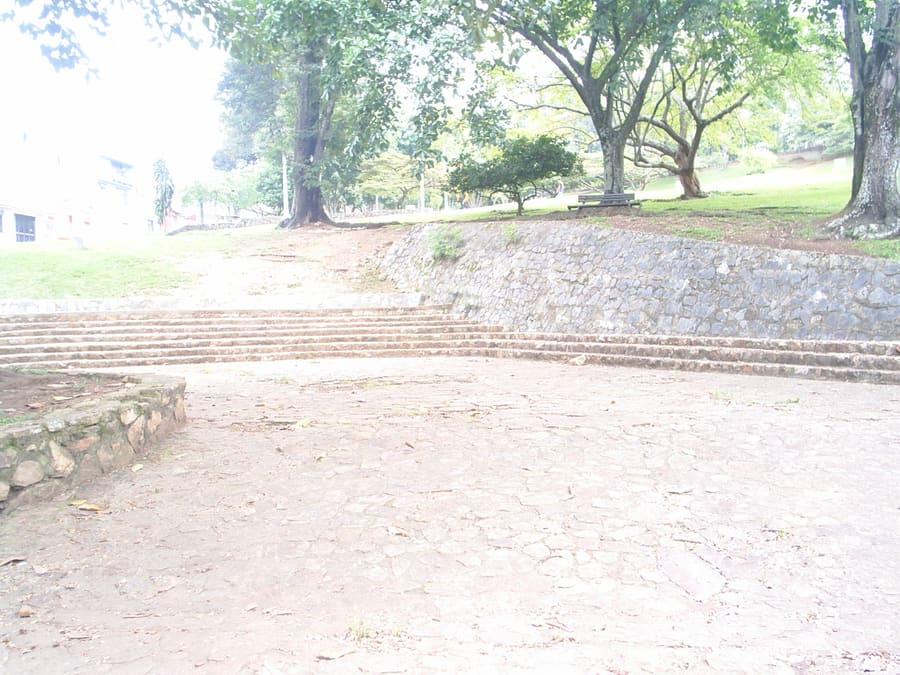
San Antonio — Historic hilly neighbourhood with whitewashed facades, hostels, and artisanal cafes.
Sahaquiel9102 · CC BY 3.0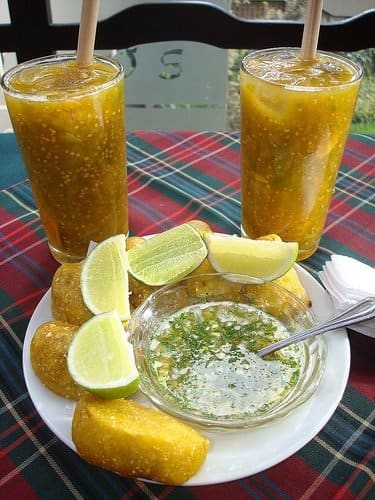
Lulada, a traditional cold beverage made from mashed lulo fruit, lime, and crushed ice.
Orcates · Public domainhighlights
landmark
18th-century brick church on a hilltop park. Visit at sunset for street performers and valley views.
Parley fragen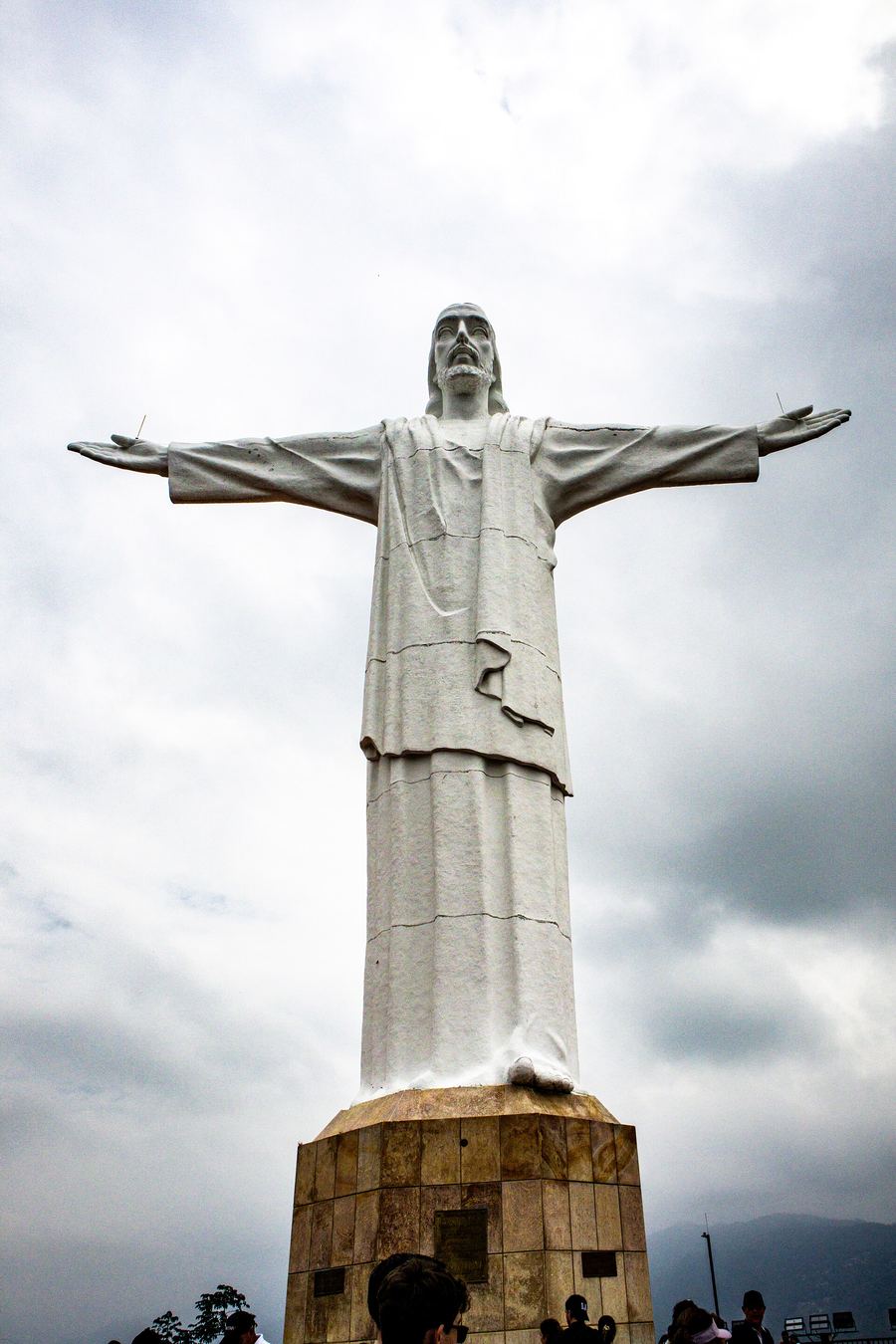
landmark
26-meter statue atop Los Cristales hill. Take an official taxi up and back to ensure safe transport.
Parley fragen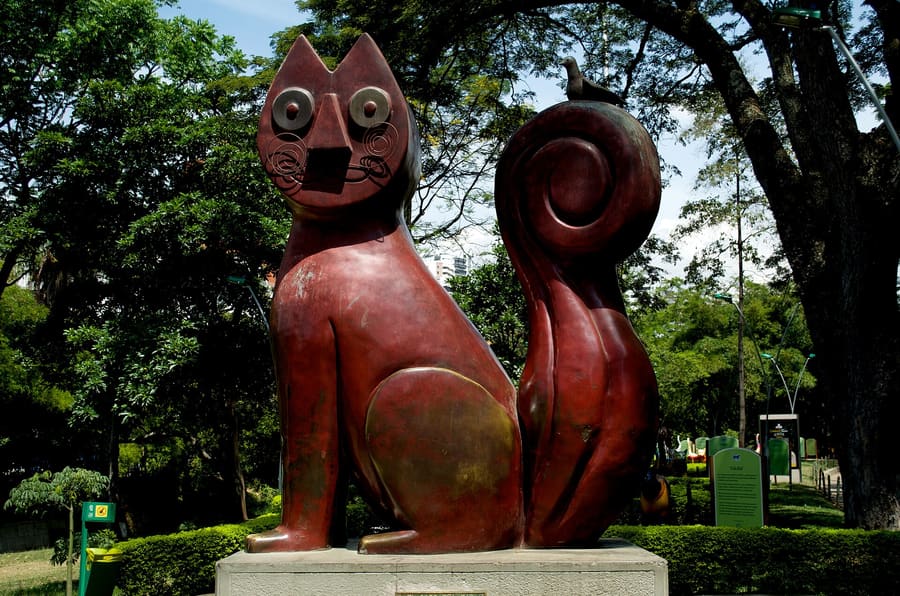
landmark
3-ton bronze cat sculpture by Hernando Tejada along the Cali River. Surrounded by 15 painted feline companion statues.
Parley fragen
landmark
Botanical garden and zoo set along the Cali River. Arrive at 09:00 opening to beat afternoon humidity.
Parley fragenattractions
areas
Historic hilly neighbourhood with whitewashed facades, hostels, and artisanal cafes.
In der NäheIglesia de San Antonio and El Peñón.
Parley fragenUpscale northern quarter filled with boutique fashion, fusion restaurants, and cocktail lounges.
In der NäheVersalles dining area and Centenario mall.
Parley fragenShaded residential pocket along the river known for mid-range hotels and bistro dining.
In der NäheEl Gato del Río park and San Antonio.
Parley fragenSprawling southern district with gated leafy avenues, shopping centers, and green parks.
In der NäheUnicentro mall and Farallones hiking access.
Parley fragenfood
Cali cuisine reflects the rich agricultural output of the Cauca River valley and Afro-Colombian Pacific coastal traditions. Local dishes highlight native tropical fruits like lulo and maracuyá alongside savory corn dough foods. Sancocho de gallina, cooked over firewood in surrounding rural towns, anchors traditional weekend family meals.
Lulada, a traditional cold beverage made from mashed lulo fruit, lime, and crushed ice.
Orcates · Public domainOrder this cold drink made from whole mashed lulo fruit, lime juice, ice, and condensed milk at Galería Alameda stalls.
Order plantain fritters stuffed with local white cheese and guava paste at traditional Valluno restaurants.
Taste this shaved ice dessert topped with chopped fresh fruit, condensed milk, and fruit syrup during hot afternoons.
history
Founded in 1536 by Sebastián de Belalcázar, Cali grew slowly as an agricultural hub for sugar cane production in the Cauca Valley. The opening of the Pacific railway line to Buenaventura in 1915 transformed the town into a primary commercial distribution center for southwestern Colombia. Urban expansion accelerated through the 20th century as Afro-Colombian migration from the Pacific coast enriched local musical traditions, establishing Cali as the world capital of salsa music.
City foundation
Spanish conquistador Sebastián de Belalcázar establishes Santiago de Cali in the Cauca Valley.
Pacific Railroad
Rail line connects Cali to the port of Buenaventura, accelerating industrial export growth.
Pan American Games
Cali hosts VI Pan American Games, prompting massive infrastructure and sports venue development.
where to stay
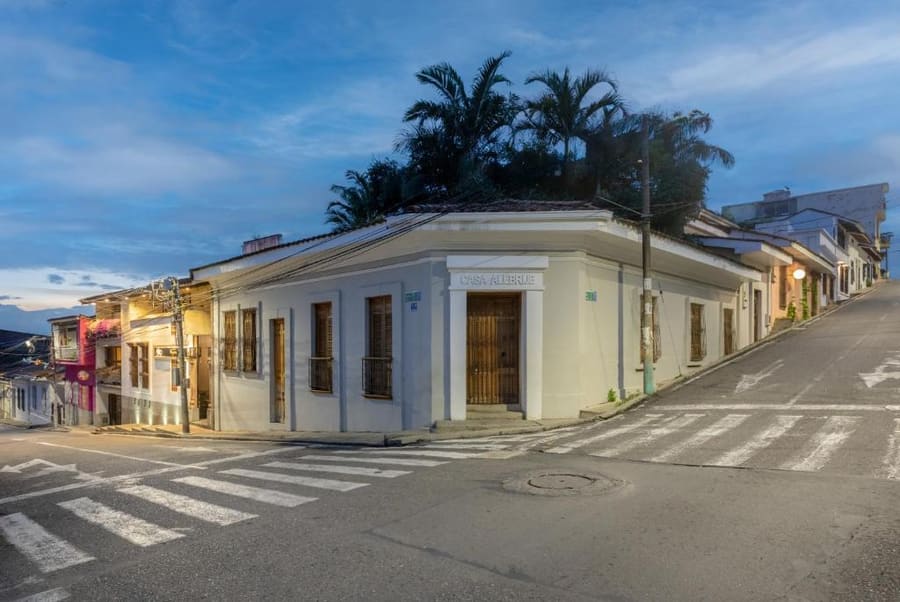
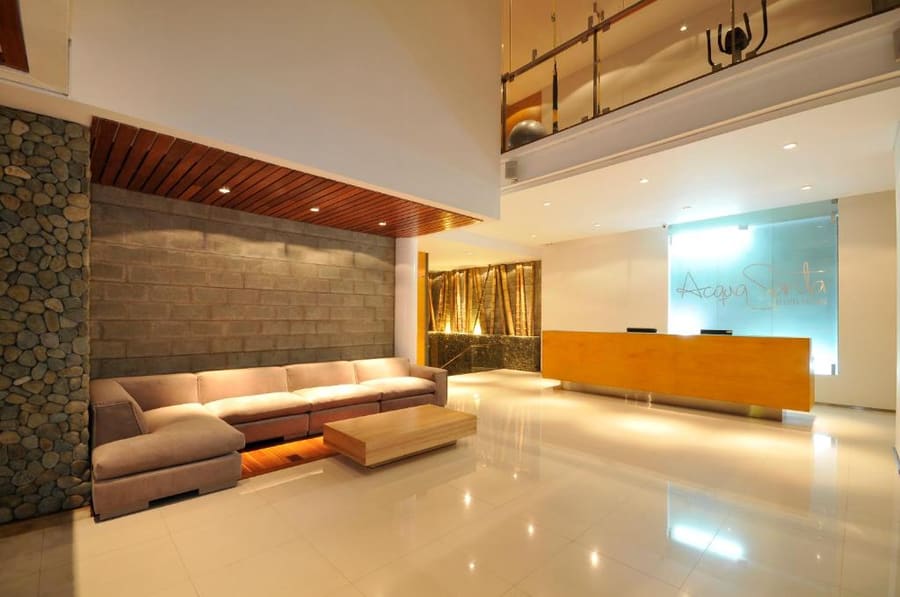
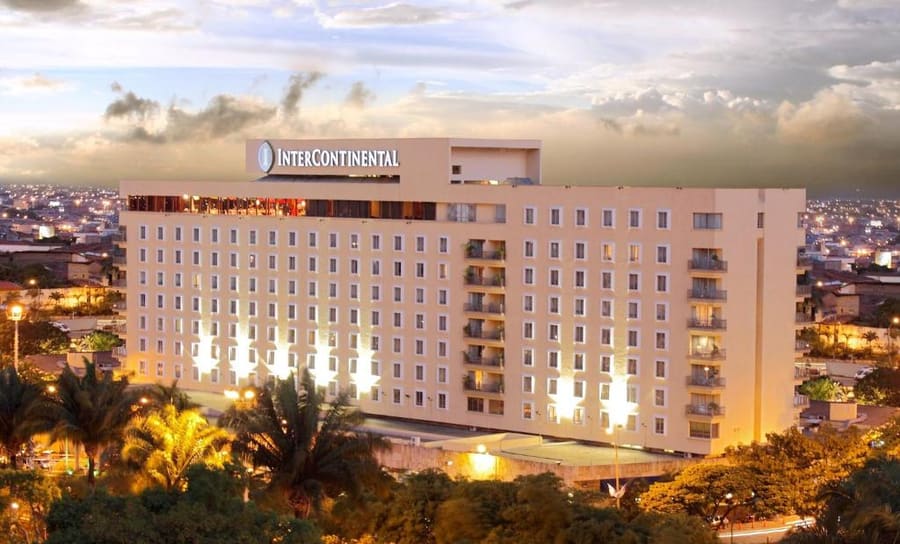
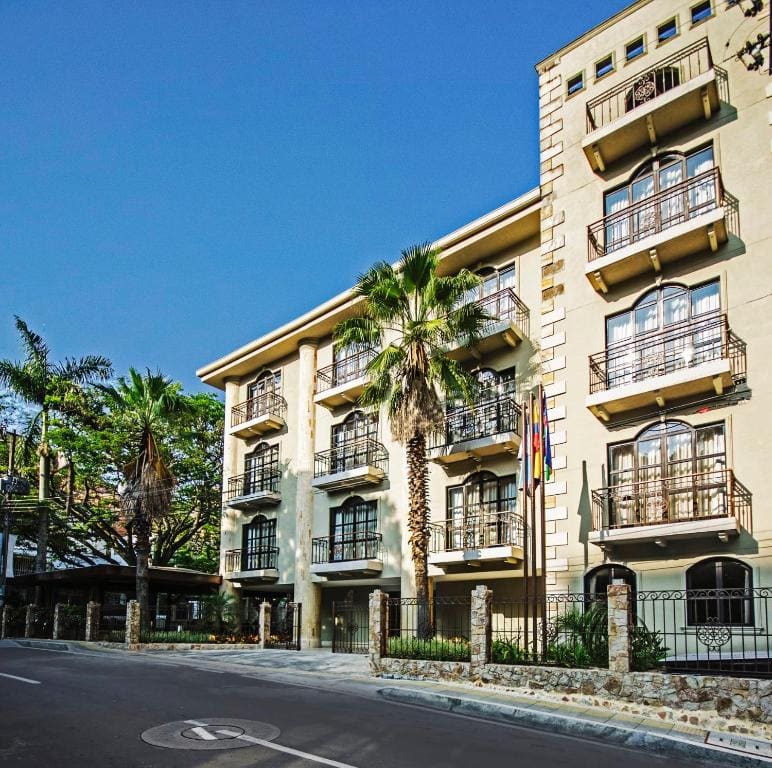
Choose your location based on your mobility preferences and night plans. Historic quarters offer immediate access to walking tours and cafes, while northern and southern districts provide quiet residential streets and gated hotels.
Live rates, matched to the areas above.
transport
Cali uses the MIO bus rapid transit network alongside taxi apps. Walking works well inside historic neighbourhoods like San Antonio, but driving or taxis are required for cross-city travel due to urban spread and heat.
Ab Alfonso Bonilla Aragón International Airport (CLO)
Fixed rates set by official airport counter inside the arrival terminal.
Buses operated by Expreso Palmira run every 20 minutes to Terminal de Transportes.
Driver pickups occur outside the main airport entrance area.
Purchase a rechargeable MIO card at main stations to ride bus trunk lines and feeder routes across the city.
Order Uber, Cabify, or InDrive after dark instead of flagging unbooked street taxis.
Expect heavy road congestion on Calle 5 and Avenida Sexta between 07:00–09:00 and 17:00–19:00.
Hold firmly on MIO buses as drivers navigate traffic rapidly on dedicated central lanes.
cost
Cali offers lower prices for dining, accommodation, and transport compared to Bogotá or Medellín. Cash remains useful in local markets and small street food stalls, while credit cards are widely accepted in restaurants and hotels.
One hour of individual instruction at a recognized dance academy in San Antonio.
Includes soup, main plate with protein and rice, plus juice at neighbourhood restaurants.
Per night double occupancy standard rate in El Peñón or Granada.
Single trip ticket price valid for transfers inside closed terminal stations.
seasonality
DEC – FEB
Warm dry season. December features the Feria de Cali salsa festival with heavy visitor crowds and higher hotel rates.
MAR – MAY
First rainy season. Quick afternoon downpours cool the valley. Hotel availability remains high and prices drop.
JUN – AUG
Peak dry heat window. High temperatures reach 32°C. Excellent conditions for evening salsa socials and mountain day trips.
SEP – NOV
Second rainy period. Afternoon storms occur frequently. Carry an umbrella for walking around San Antonio.
practicalities
Avoid holding phones visibly while walking on main avenues. Keep valuables secured in backpacks.
Cali lies close to the equator. Midday solar intensity requires sunscreen even on overcast mornings.
Nightclubs fill up after 22:30. Arrive early if you want to secure table seating near the dance floor.
Keep 2,000 and 5,000 COP bills for buying fruit, cholados, or paying street vendors.
Tap water in Cali is safe to drink according to municipal water standards, unlike in coastal regions.