landmark
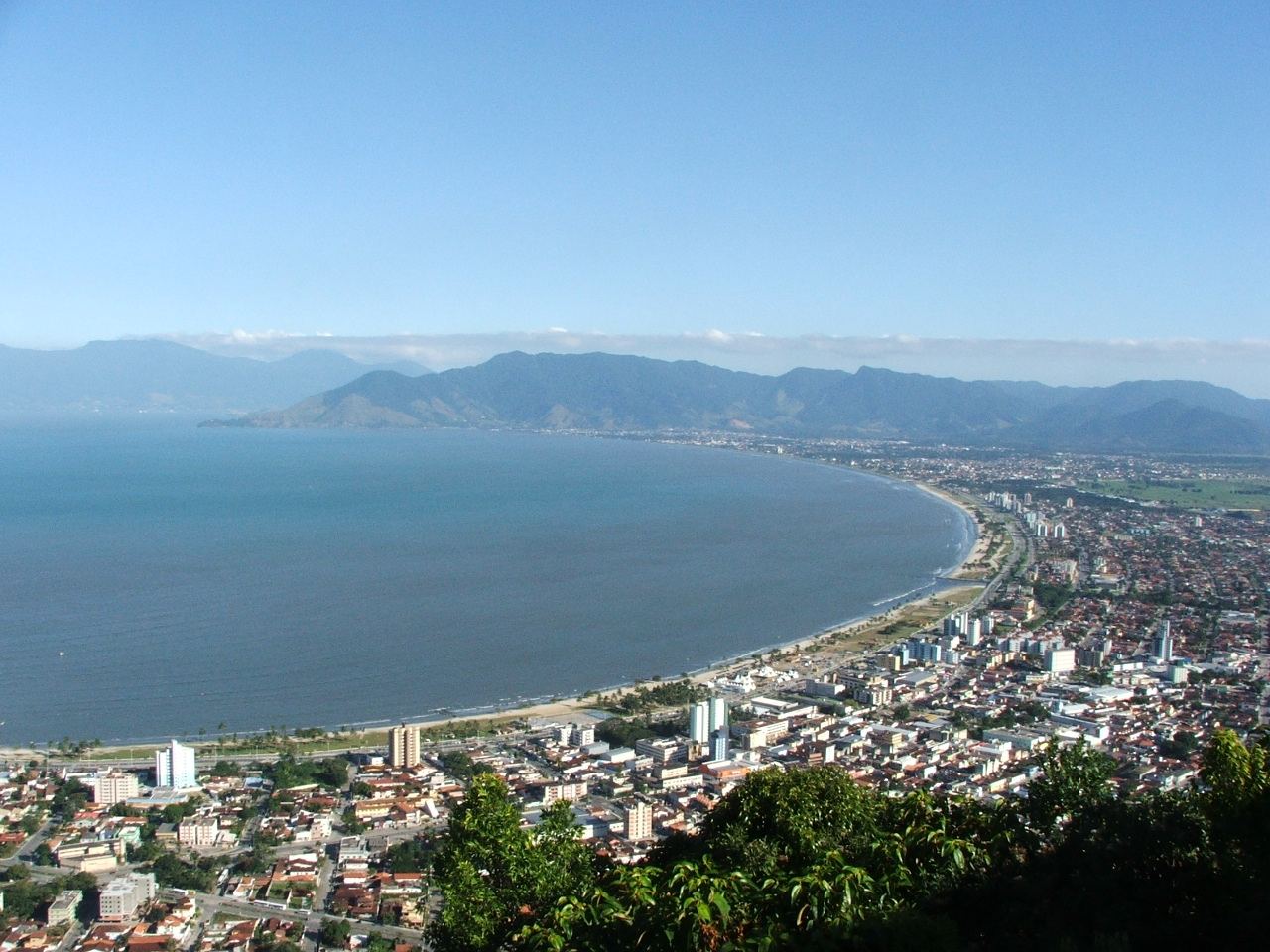
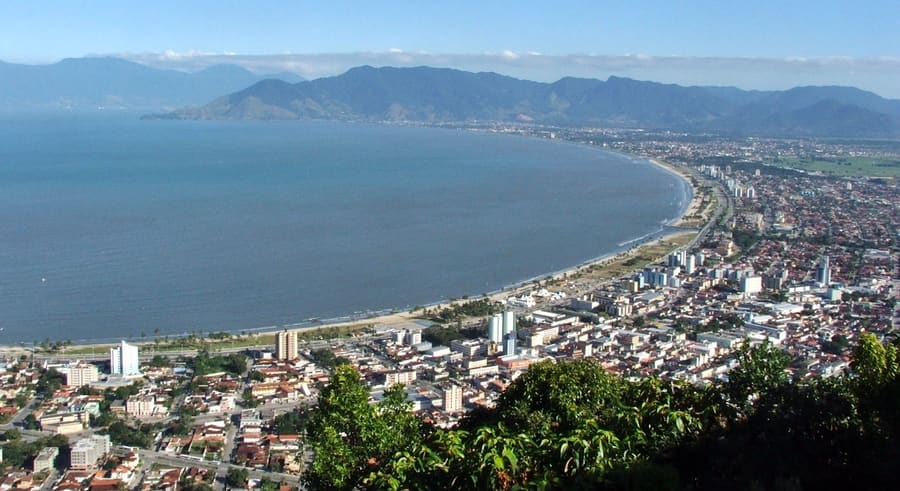
Morro do Santo Antônio
Ascend 325 meters for a full sweep of the bay. Hang gliders launch from two ramps near the summit statue.
Parley fragenBrasilien
São Paulo's coastal bridge between rainforest peaks and sea.
introduction
Caraguatatuba functions as the commercial heart of São Paulo's northern coastline. The municipality spreads between the granite cliffs of the Serra do Mar and a 40-kilometer shoreline of varied beaches. Urban avenues connect the central commercial district to residential beach sectors stretching north toward Ubatuba. Drivers encounter heavy traffic during peak summer holidays, making local bus routes or early morning transit essential.
Arrival route
Buses from São Paulo reach Caraguatatuba via the steep Rodovia dos Tamoios highway in three hours. Weekend traffic down the mountain can double that duration.
Protected Atlantic Forest
Over 80 percent of the city domain lies inside the Serra do Mar State Park. Deep rainforest trails require an accredited park ranger guide.
Marine farming hub
Cocanha contains one of São Paulo state's largest mussel farming zones. Boat tours take visitors to the open-water aquaculture lines.
Caraguatatuba
Fernando Druziani · CC BY-SA 3.0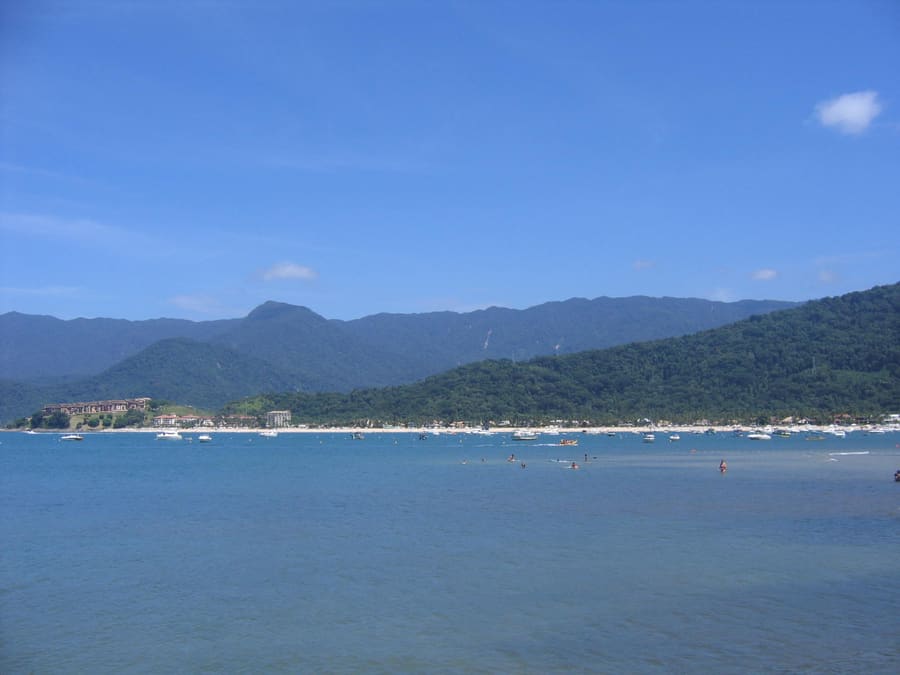
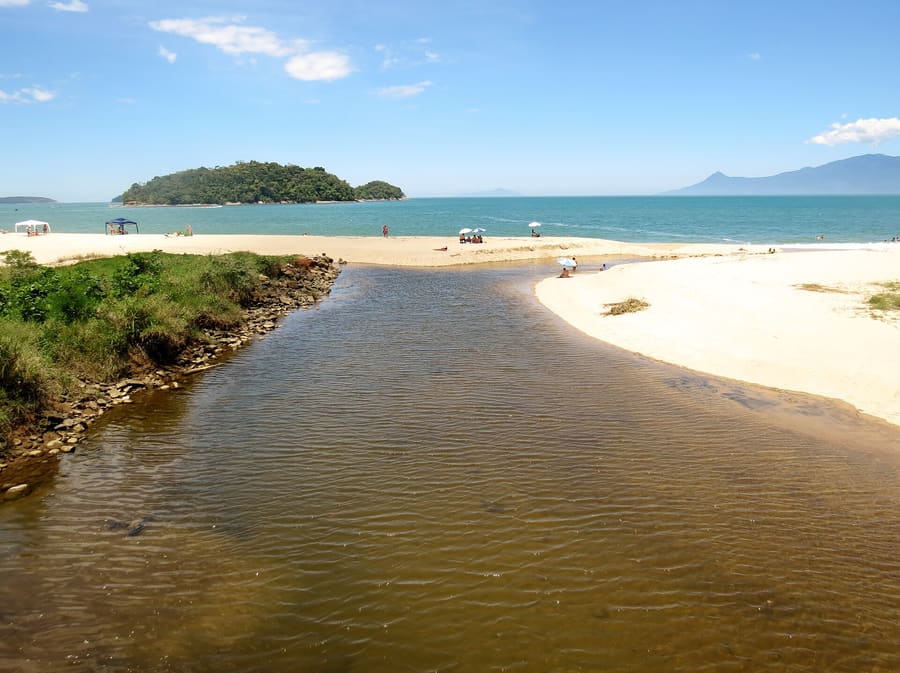
Tabatinga — Gated residential developments, private boat docks, and shallow bay waters near the northern border.
Silvio Emanuel Ferna… · CC BY-SA 3.0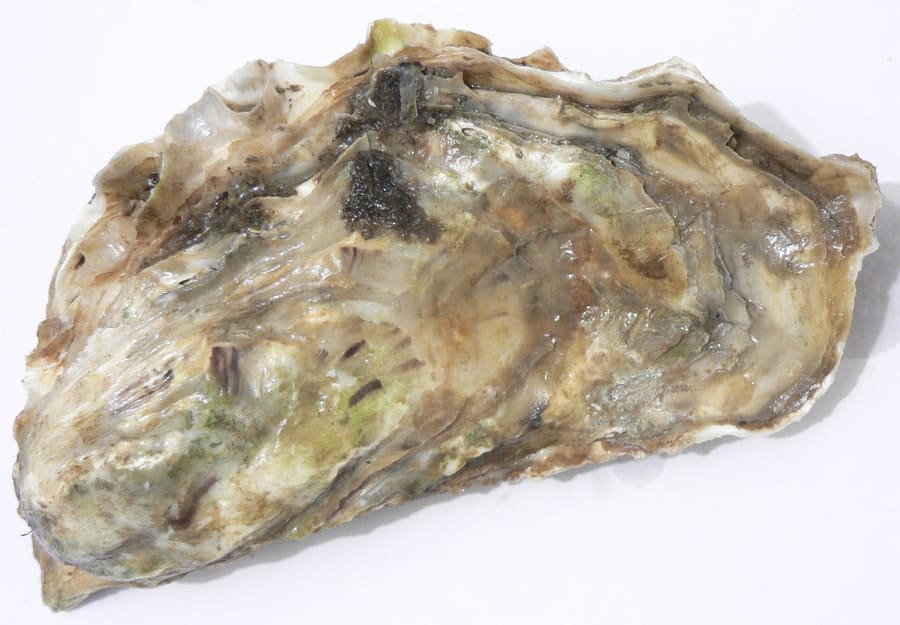
Freshly harvested mussels served direct from the ocean farms of Cocanha.
David Monniaux · CC BY-SA 3.0highlights
landmark
Ascend 325 meters for a full sweep of the bay. Hang gliders launch from two ramps near the summit statue.
Parley fragen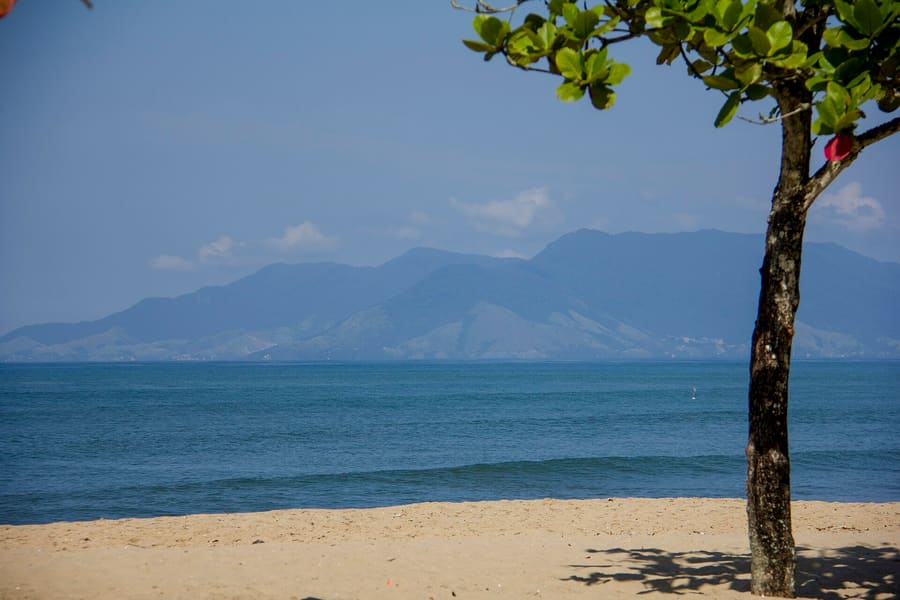
landmark
Calm waters host mussel farms offshore. Rent a kayak to reach the small islets during low tide.
Parley fragen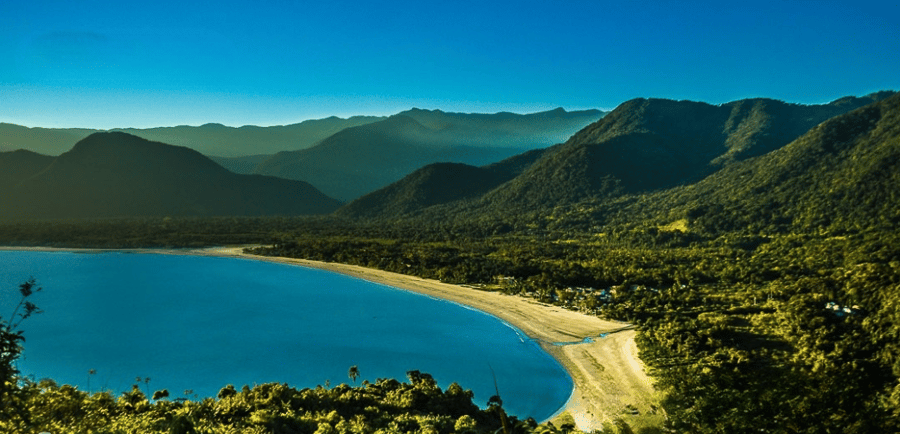
landmark
Hike dense Atlantic Forest trails to natural river pools. Book required ranger guides at the park entrance.
Parley fragenattractions
areas
Gated residential developments, private boat docks, and shallow bay waters near the northern border.
In der NäheMococa beach and Ubatuba border.
Parley fragenCivic and retail center with high-density services, craft markets, and flat pedestrian seafront promenades.
In der NäheMorro do Santo Antônio and bus terminal.
Parley fragenLively beachfront sector lined with multi-story apartments, sports bars, and late-night beach kiosks.
In der NähePrainha and central avenue.
Parley fragenNorthern coastal strip defined by seafood restaurants, marine aquaculture, and open surf beaches.
In der NäheMussel farm boats and Serra do Mar foothills.
Parley fragenfood
Local gastronomy revolves around the marine farms of Praia da Cocanha. Local growers cultivate roughly 80 to 100 tons of mussels annually directly in the bay. Beachfront kiosks along the shore serve fresh seafood fried in garlic or baked into hearty rice pots. Regional dishes incorporate locally caught croaker, shrimp, and blue crab.
Freshly harvested mussels served direct from the ocean farms of Cocanha.
David Monniaux · CC BY-SA 3.0Take a short fisherman's boat from Cocanha beach to visit the mussel ropes in the ocean. Boatmen explain cultivation and sell fresh catches directly.
Kiosks line Mártim de Sá and Massaguaçu beaches. Order 'marisco à moda da casa' (steamed mussels in white wine and garlic) rather than pre-breaded frozen fillets.
Seafood shacks along SP-055 reach capacity by 13:00 on weekends. Arrive before noon to secure parking and avoid two-hour meal waits.
history
Caraguatatuba grew slowly from a 17th-century Jesuit settlement into an isolated coastal farming village. The tropical geography enforced long periods of isolation from the São Paulo plateau until highway engineering connected the region. In March 1967, catastrophic mudslides destroyed vast sections of the city, forcing a complete urban reconstruction and reshaping the modern layout.
Village foundation
Guaruçai is established by Portuguese settlers and indigenous villages before smallpox forces temporary abandonment.
Municipal autonomy
Caraguatatuba officially separates from São Sebastião, establishing independent municipal government status.
The Great Landslide
Tropical storms trigger massive mudslides off the Serra do Mar, destroying half the town and killing over 400 residents.
where to stay
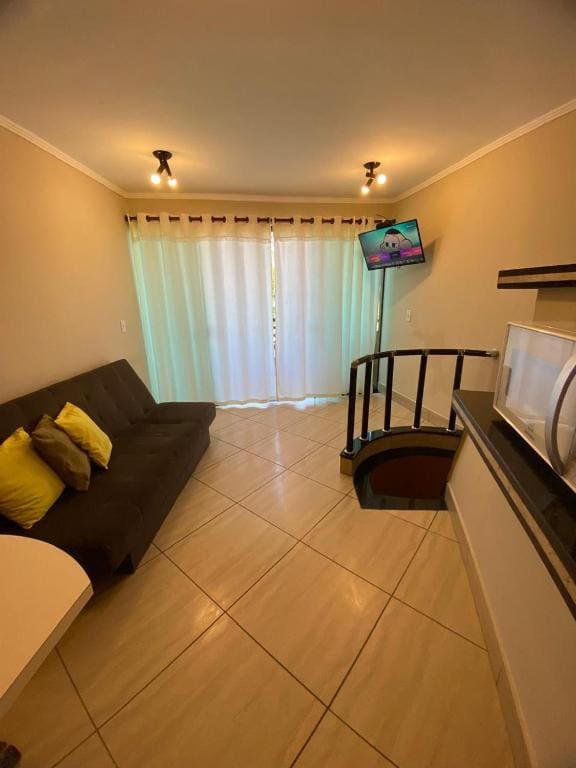
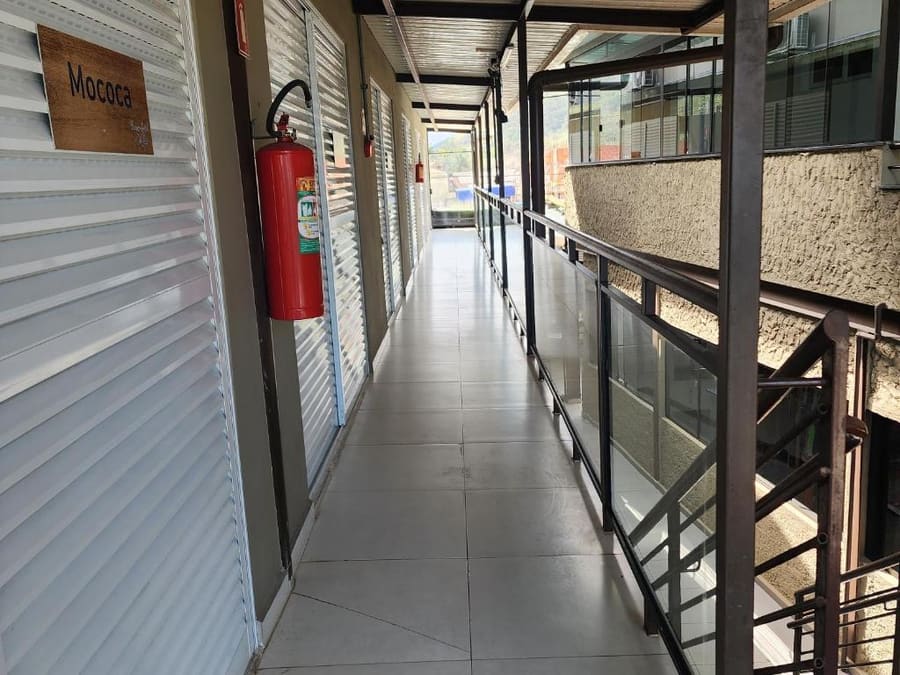
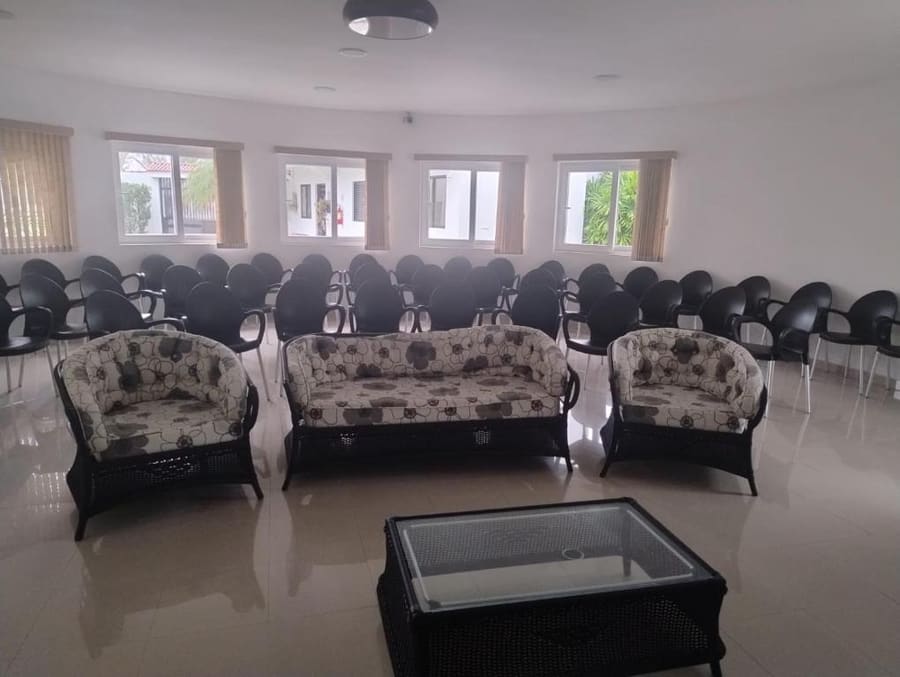
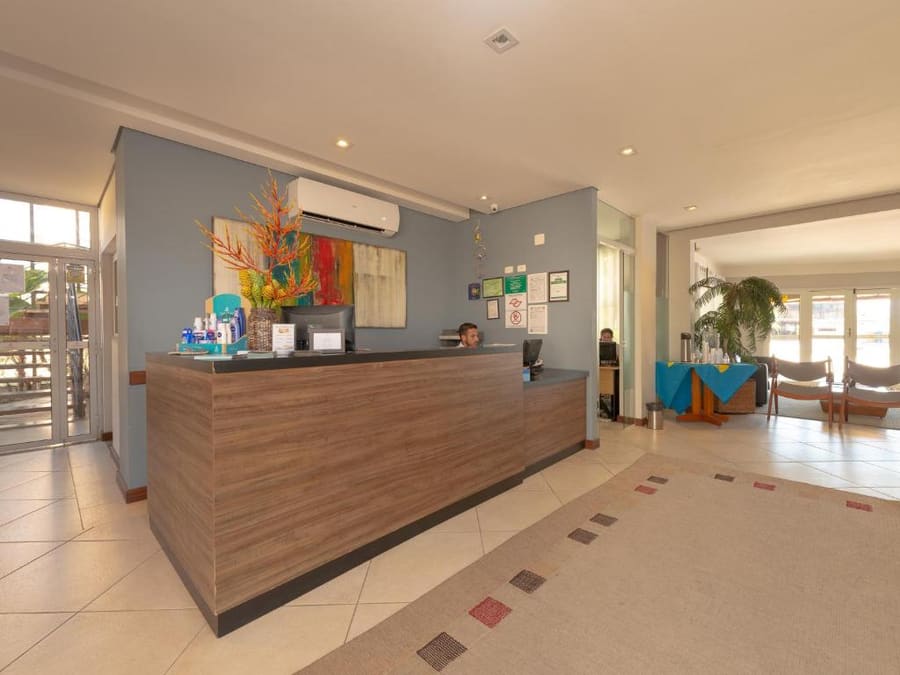
Choose accommodation by your tolerance for vehicle traffic and noise. Centro puts you near transit hubs but requires driving to reach cleaner beaches. Mártim de Sá suits travelers wanting evening activity on foot. Cocanha and Tabatinga offer quieter ocean access at higher night rates.
Live rates, matched to the areas above.
transport
The city spreads linearly along the coast. The SP-055 highway forms the main transportation spine running north to south. Having a car provides maximum flexibility for northern beaches, but local public bus routes connect all urban districts effectively.
Ab São Paulo Guarulhos Airport (GRU)
Pássaro Marron runs direct buses from Tietê terminal in São Paulo to Caraguatatuba.
App drivers accept long-distance hires via Rodovia dos Tamoios outside rush hours.
Pre-booked transfers provide set rates and avoid mountain toll complications.
Metered fares increase significantly when crossing municipal borders.
SOU Caraguatatuba operates city buses connecting Centro to northern beaches. Electronic card system operates alongside cash payments.
The dual-carriageway highway features long tunnel sections through the mountain range. Fog and heavy rainfall trigger automatic lane restrictions.
Terminal Rodoviário de Caraguatatuba sits in Jardim Rio Branco. Buy return tickets to São Paulo on arrival during holiday periods.
Blue Zone (Zona Azul) paid street parking applies along central beach avenues. Pay via mobile app or from authorized vendors.
cost
Prices peak sharply between December and February and during Brazilian national long weekends. Midweek prices during autumn drop up to 50 percent across hotels and private home rentals.
Generous seafood platter for two including fried fish, rice, and beans at coastal kiosks.
Short round-trip boat transfer from Cocanha shore to the ocean marine farm lines.
Flat fare across all SOU Caraguatatuba municipal bus lines.
Daily rate for two chairs and an umbrella, often waived if minimum food consumption is met.
seasonality
DEC – FEB
High summer with hot days and high humidity. Coastal traffic peaks and hotel rates reach maximum levels.
MAR – MAY
Warm sea temperatures with declining rain. Ideal window for outdoor hiking and uncrowded beaches.
JUN – AUG
Cooler dry months with clear blue skies. Sea swimming feels cold, but mountain trails are dry and clear.
SEP – NOV
Rising temperatures with occasional spring rain showers. Ocean conditions improve before summer holiday crowds arrive.
practicalities
Massaguaçu is an open ocean beach with steep shore drops and strong undertows. Swim only in marked areas.
Heavy afternoon rain showers occur frequently in summer. Plan outdoor rainforest hikes for early morning hours.
Forest trails and humid coves harbor tiny biting flies. Standard insect repellent is ineffective; use oil-based repellents containing citronella or DEET.
Tropical UV index remains extreme even on cloudy days along the coast. Reapply water-resistant sunscreen continuously.
Most beach kiosks and street vendors accept credit cards or Pix transfers. Keep small cash notes for rural bus fares.