landmark
Prainha
A calm river beach upstream reached by boat or inner tube float. Water is warm and current is gentle.
Parley fragenBrasilien
Sand streets, river currents, and nocturnal forró.
introduction
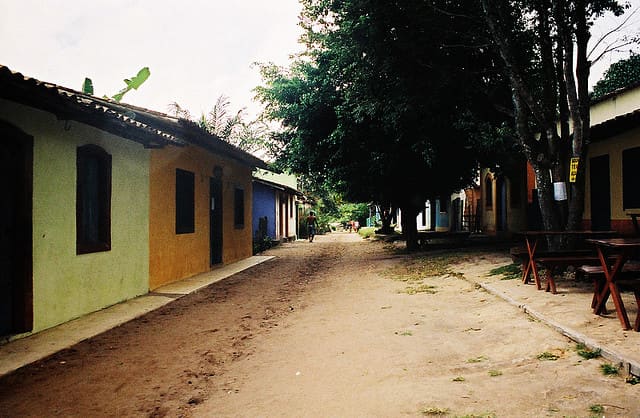
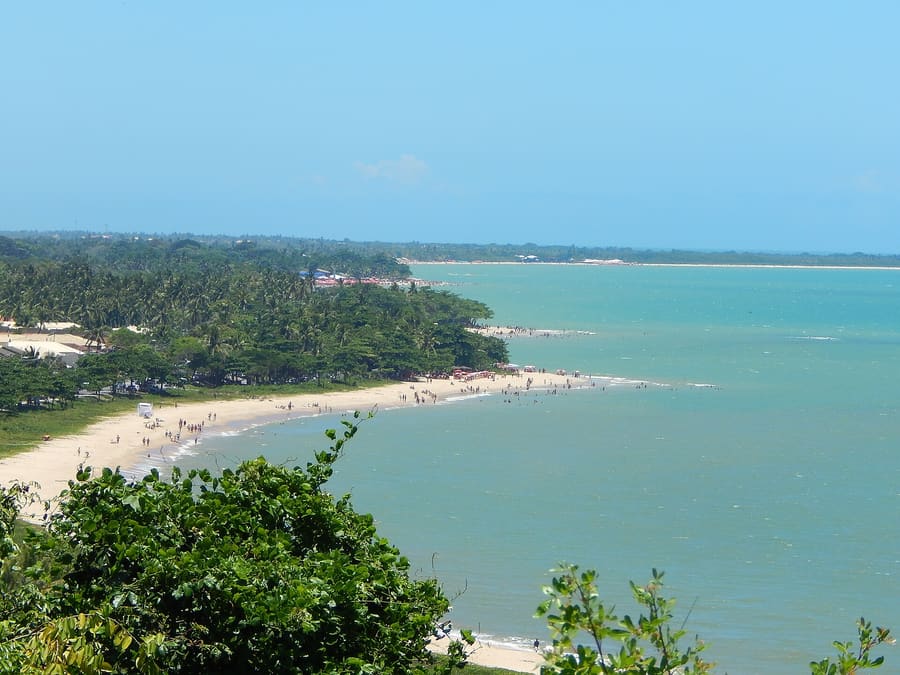
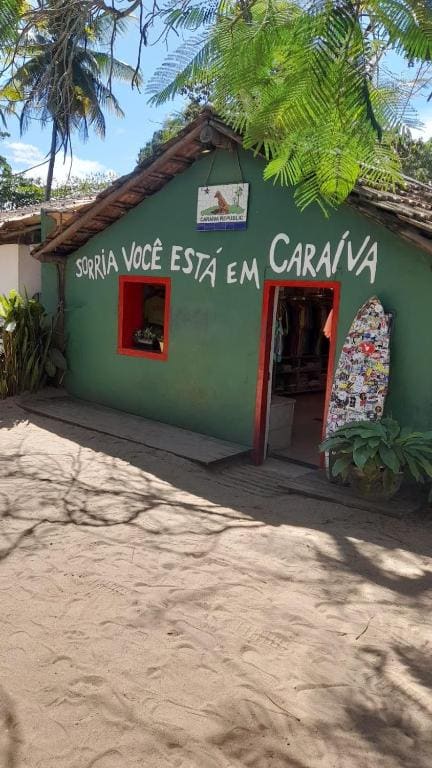
Caraíva sits where a calm river meets the Atlantic Ocean, isolated from motor traffic by water. You arrive by small wooden canoe and move through deep sand tracks on foot. Electricity runs through underground cables to keep streetlights off the sand, leaving the village dark and quiet after sunset.
The river boat crossing
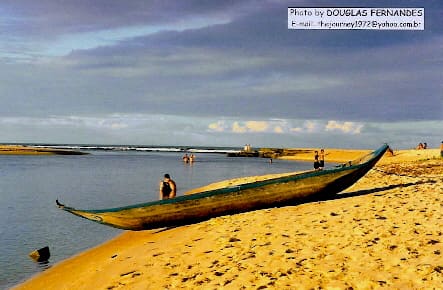
Cross the Caraíva River on a small wooden canoe for R$ 7 per person. Boatmen run transfers 24 hours a day.
Underground power grid
Electricity arrived in 2007 via underground cables to keep poles off the sand. Streetlights are banned to preserve the night sky.
Luggage and sand tracks
Wheeled suitcases fail in deep sand. Local porters wait at the riverbank with wooden wheelbarrows to carry your luggage.
Caraíva
Jackeline Gomes · CC BY-SA 4.0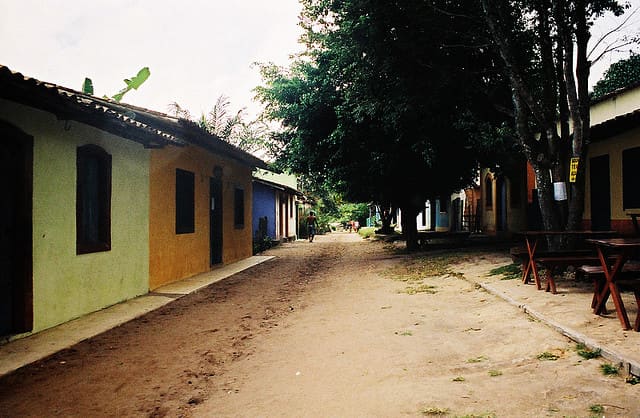
Beira-Rio — Riverfront drag lined with shade trees, fish restaurants, and wooden docks.
Nathalia Resende from São Paulo, Brazil · CC BY 2.0Pontal — Sandy point where freshwater and ocean surf trade places with the tide.
Douglas from Born in São Paulo; currently living in Belo Horizonte, Brazil · CC BY 2.0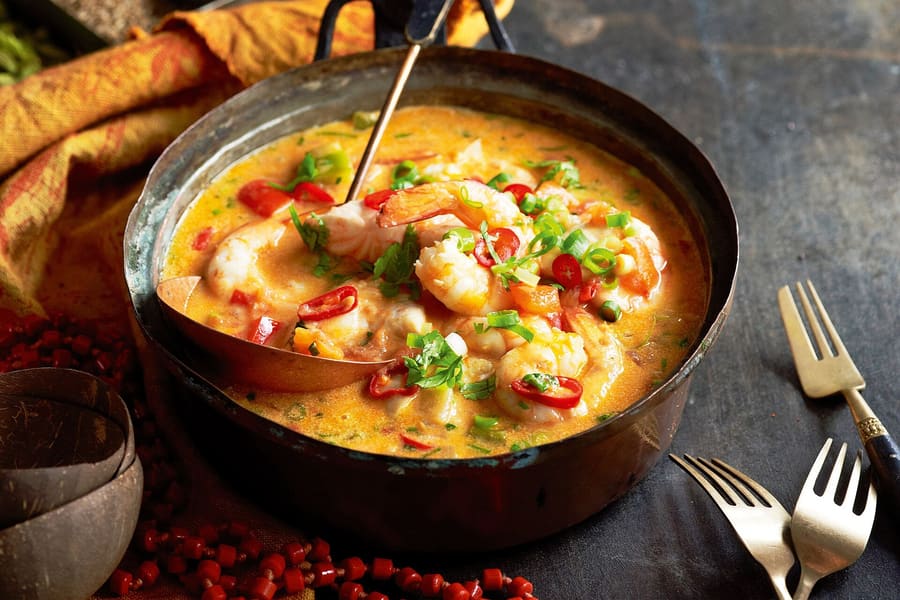
A traditional Bahian moqueca simmered with coconut milk and dendê oil.
BR · CC BY-SA 4.0highlights
landmark
A calm river beach upstream reached by boat or inner tube float. Water is warm and current is gentle.
Parley fragen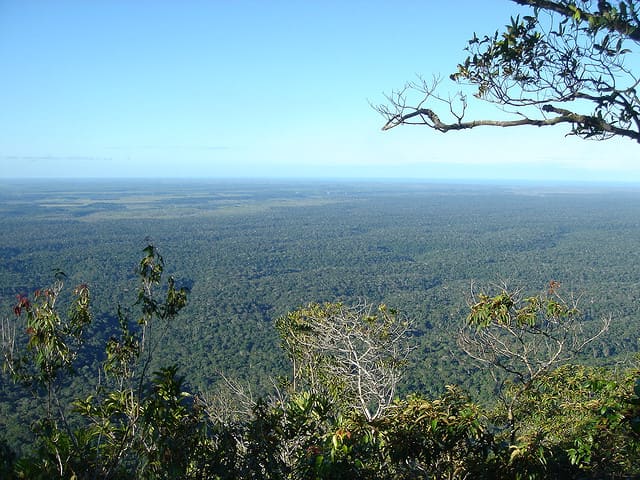
landmark
An indigenous reserve 6km south along the beach. Artisans sell handcrafted wooden bowls and seed jewelry directly.
Parley fragenattractions
areas
Riverfront drag lined with shade trees, fish restaurants, and wooden docks.
In der NäheBoat docks, Bar do Pará, and the main river crossing.
Parley fragenSandy point where freshwater and ocean surf trade places with the tide.
In der NähePontal sandbar, ocean-to-river walkways, outdoor snack bars.
Parley fragenQuiet residential grid around the historic chapel and old trees.
In der NäheChapel square, grocery stores, nightly forró venues.
Parley fragenOceanfront strip facing open Atlantic surf and coastal breezes.
In der NäheOcean beach, beach clubs, south trail to Barra Velha.
Parley fragenfood
Dining in Caraíva centres on the riverbank. Local fishermen pull stingray, dogfish, and octopus directly from regional waters, turning them into fried pastéis and rich moquecas cooked with palm oil and coconut milk.
A traditional Bahian moqueca simmered with coconut milk and dendê oil.
BR · CC BY-SA 4.0Order the fried stingray pastry at Bar do Pará on the riverfront. Pair it with cold beer while watching boat traffic.
Kitchens stay open late to match the village sleep cycle. Most people sit down to dinner between 8:30 PM and 10:30 PM.
Card readers rely on cellular data networks. Bring cash in case internet outages temporarily disrupt digital payments.
history
Caraíva was inhabited by the Pataxó people long before Portuguese missionaries established a settlement here in the 1500s. The village remained an isolated fishing outpost for centuries due to dense coastal vegetation and river barriers.
Backpacker discovery
Travelers seeking low-tech coastal retreats begin arriving via dirt tracks from Porto Seguro.
Underground electricity
Grid power reaches the village through buried cables after years of community debate.
Pataxó reserve boundaries
Barra Velha indigenous territory establishes official tourism protocols with the village.
where to stay
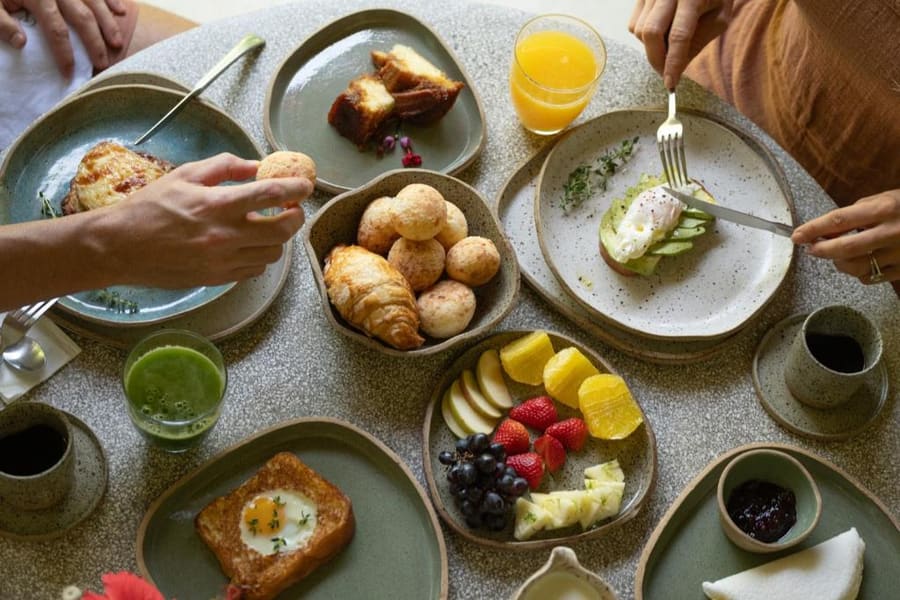
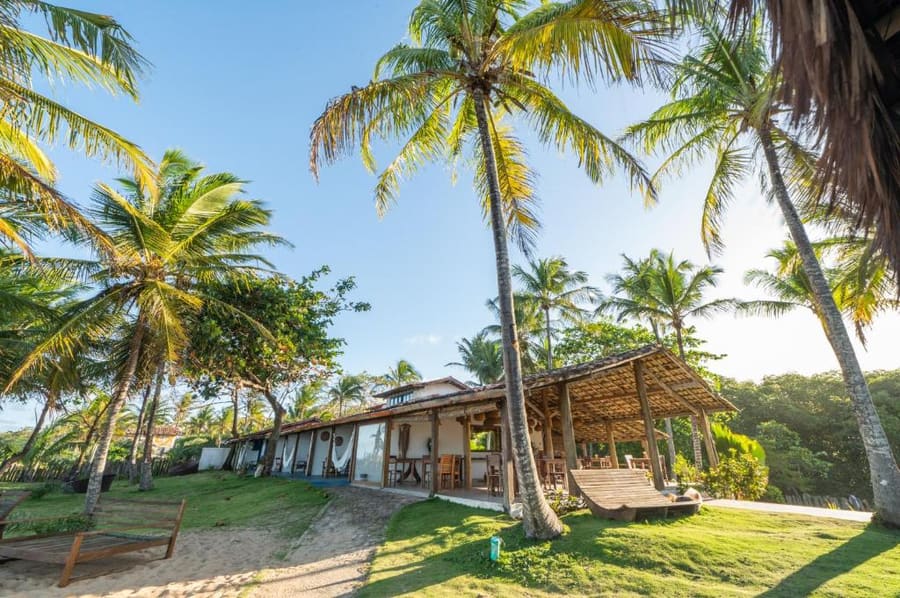
Choose your stay based on noise tolerance and walking distance. Riverfront places offer easy dining access but stay active late. Oceanfront pousadas trade evening noise for constant wind and sea surf.
Live rates, matched to the areas above.
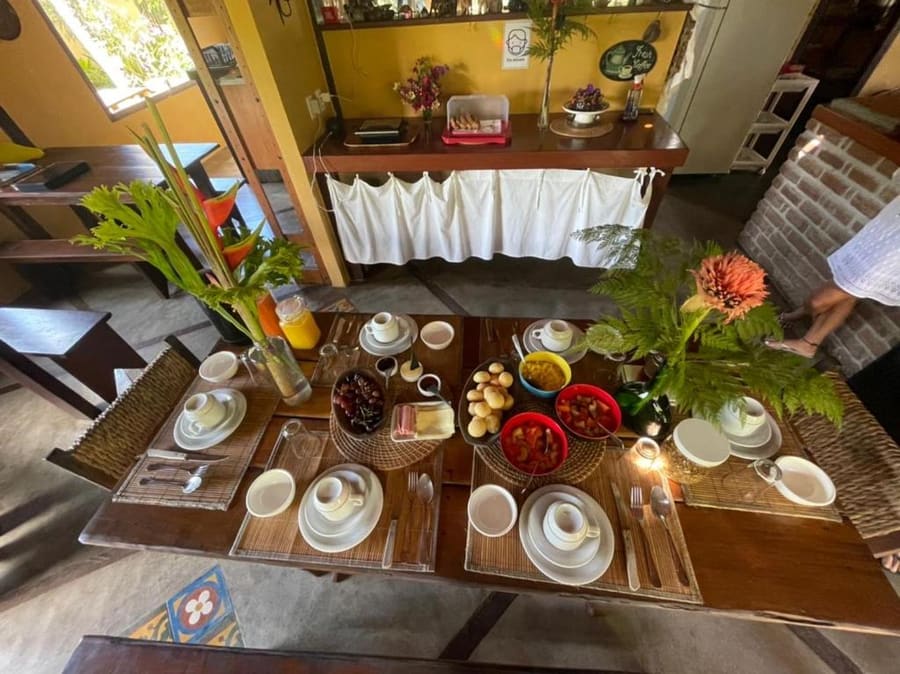
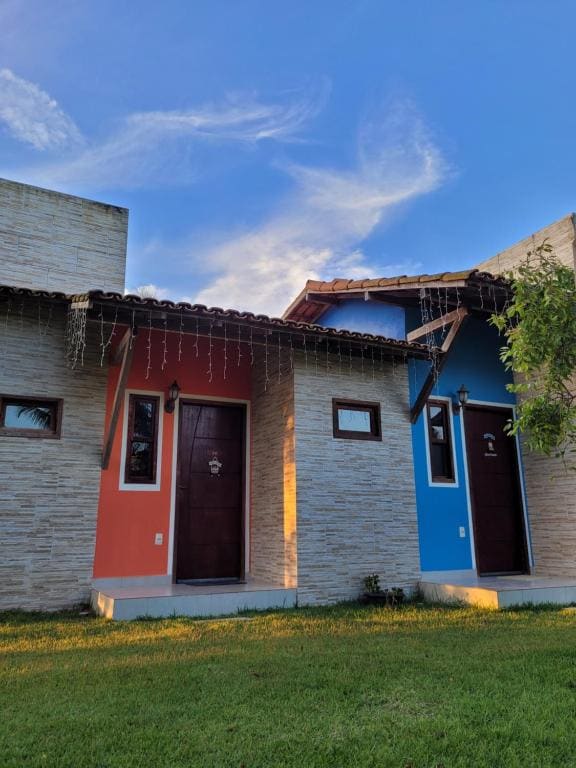
transport
Cars cannot enter Caraíva. All land travel ends at the Nova Caraíva parking lots on the west riverbank. From there, you board a wooden boat to cross over into the village.
Ab Porto Seguro Airport (BPS)
Private taxi from BPS airport directly to the Nova Caraíva river bank.
Take the ferry to Arraial d'Ajuda first, then board the local bus to Caraíva.
Small wooden canoes cross the Caraíva River 24 hours a day.
Vehicles stay across the river in paid parking lots. Inside the village, walk or hire a mule cart.
Boatmen operate all night. Late-night fares increase slightly after 10:00 PM.
Porters charge R$ 30–50 to transport heavy luggage across deep sand in wheelbarrows.
cost
Isolation drives up costs for fuel, imported food, and building supplies. Expect prices comparable to major Brazilian capital cities for meals and lodging.
Fixed rate per person each way between Nova Caraíva parking and village docks.
A classic village snack filled with seasoned stingray meat.
Entry cover for live accordion dance nights at Pelé or Ouriço.
Includes boat transport upstream to Prainha and tube rental.
seasonality
DEC – FEB
Peak summer dry season. Forró halls run every night and river water is warm, but room rates double.
MAR – MAY
Rainfall increases slightly while crowd levels drop significantly. Good balance for quiet travel.
JUN – AUG
Cooler temperatures and frequent showers. Some pousadas close for annual maintenance.
SEP – NOV
Winds pick up for kitesurfing. Clear ocean water returns ahead of summer holiday crowds.
practicalities
Leave high heels and formal shoes home. Rubber flip-flops or bare feet are the standard everywhere.
Carry a small flashlight or use a phone light when walking sand paths after dark.
There are no ATMs or bank branches in the village. Withdraw cash before leaving Porto Seguro.
Swimming at Pontal depends on tide shifts. Ask your pousada for the daily high and low tide hours.
Visiting Barra Velha requires modest clothing and respecting photography guidelines set by community elders.