landmark
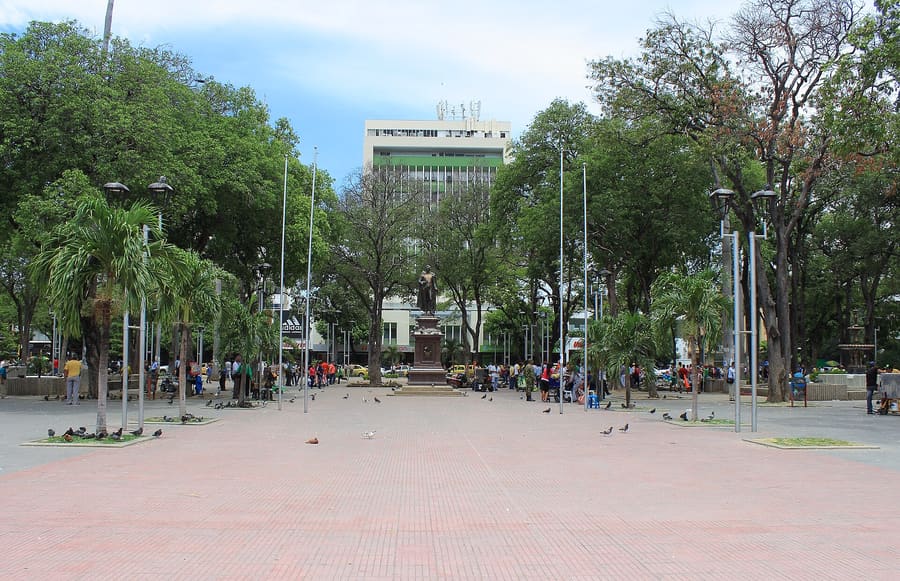
Parque Santander
The civic heart of the city sits under dense oiticica shade. Watch wild iguanas rest in the branches above the central statue.
Parley fragenKolumbien
Colombia's shaded border hub where trade meets history.
introduction
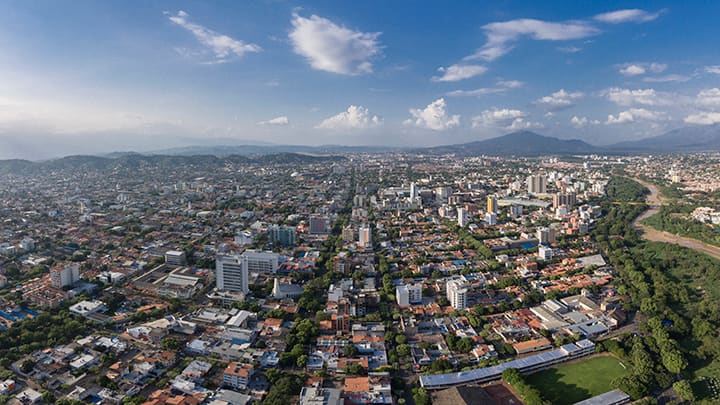
Cúcuta sits directly on the Venezuelan border in northeastern Colombia. Dense canopies of oiticica trees shade the city streets, cutting the intense lowland heat. You navigate the urban core along a standard grid where avenues run north-south and streets run east-west. Commerce drives daily life here, from informal street vendors to bustling cross-border transit points.
Arrival official taxis
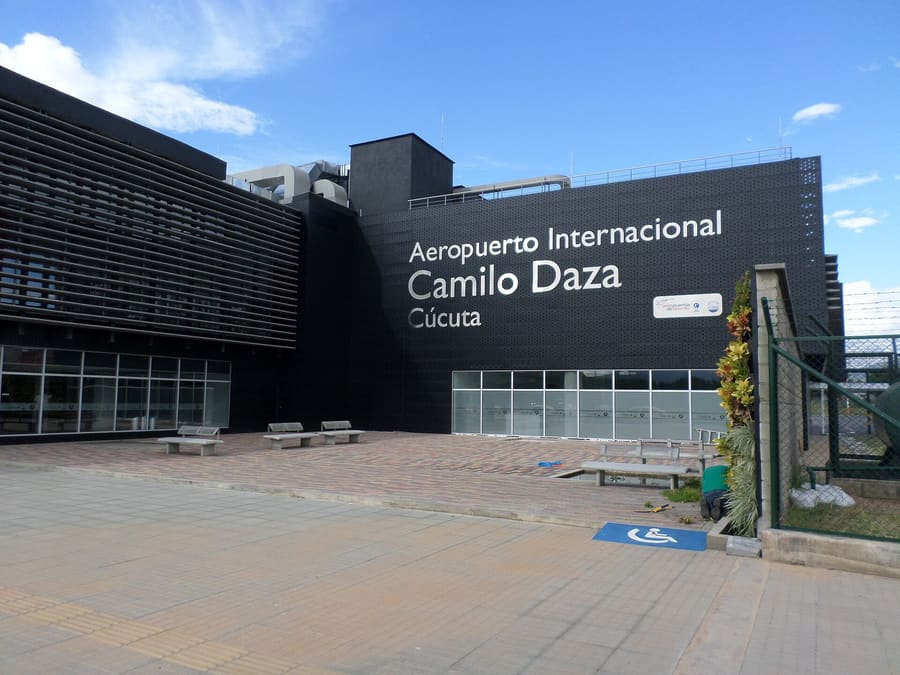
Camilo Daza Airport sits 5 kilometres north of the centre. Secure a yellow taxi at the official curb desk inside the terminal to lock in the fixed fare.
Tree canopy urban design
Municipal law mandated tree planting after an 1875 earthquake flattened the city. Over 300,000 trees keep the street temperature noticeably cooler than the surrounding valley.
Border bridge crossing
The Simón Bolívar International Bridge connects the metro area to Venezuela. Passport stamping requires queuing at the Migration Colombia office before entering the bridge line.
Cúcuta
EEIM · CC BY-SA 4.0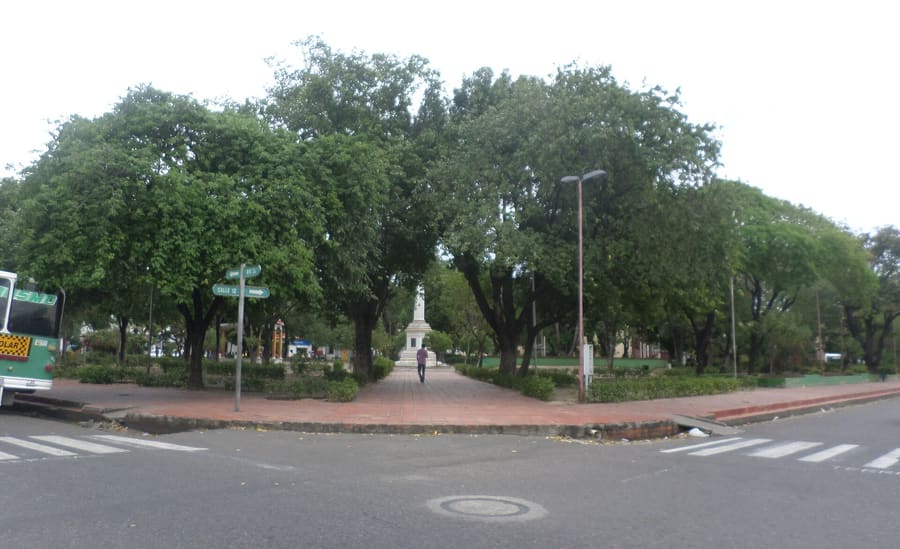
Los Caobos — Shaded streets lined with mid-range restaurants, outdoor cocktail lounges, and modern boutique stays.
EEIM · CC BY-SA 4.0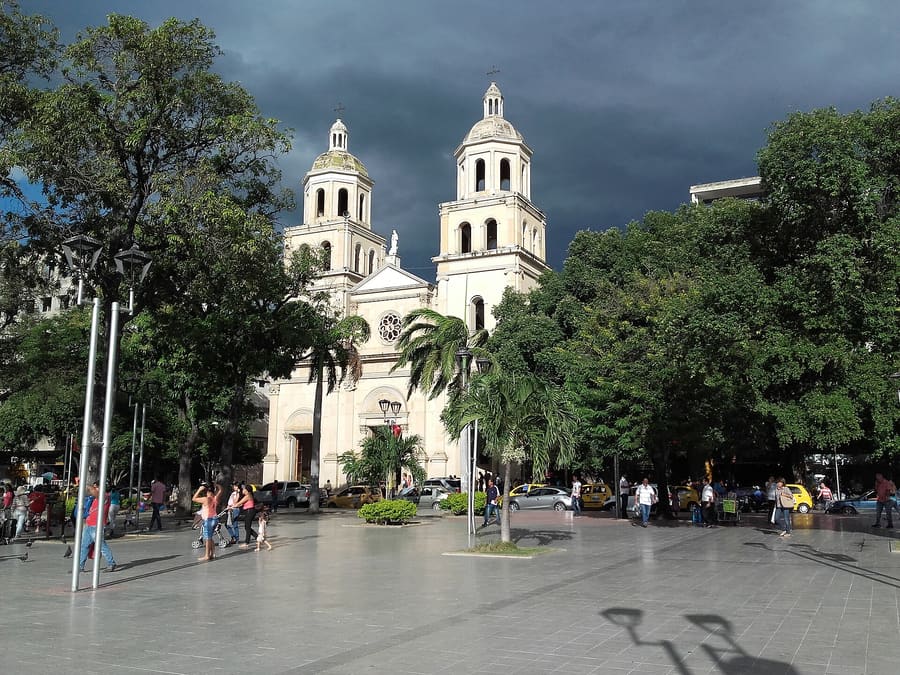
El Centro — Intense urban commercial hub packed with retail outlets, street markets, and historical buildings.
EEIM · CC BY-SA 3.0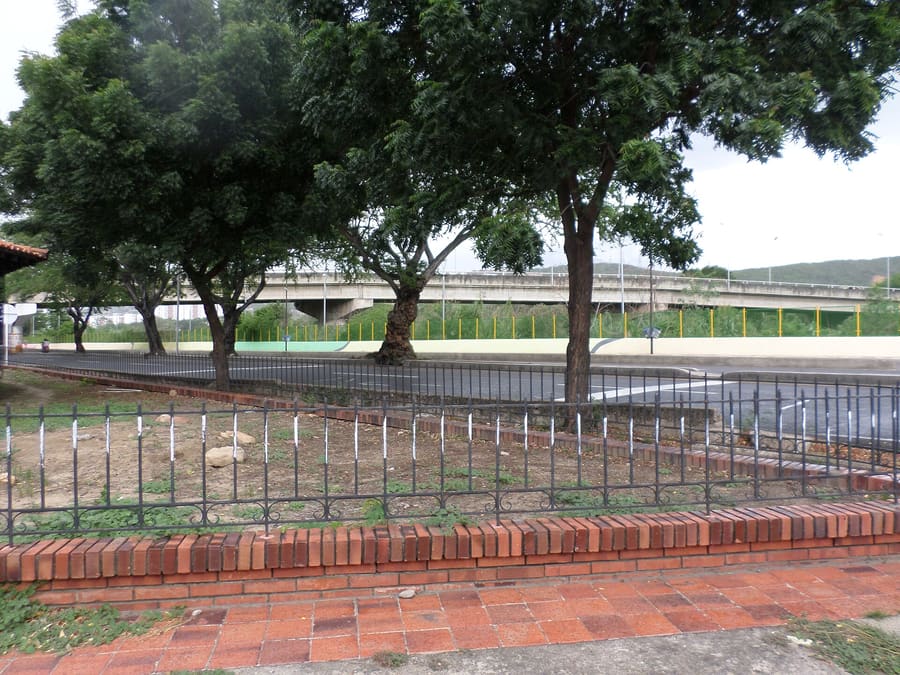
Barrio Blanco — Low-density district hosting private medical clinics, quiet cafes, and small boutique hotels.
EEIM · CC BY-SA 3.0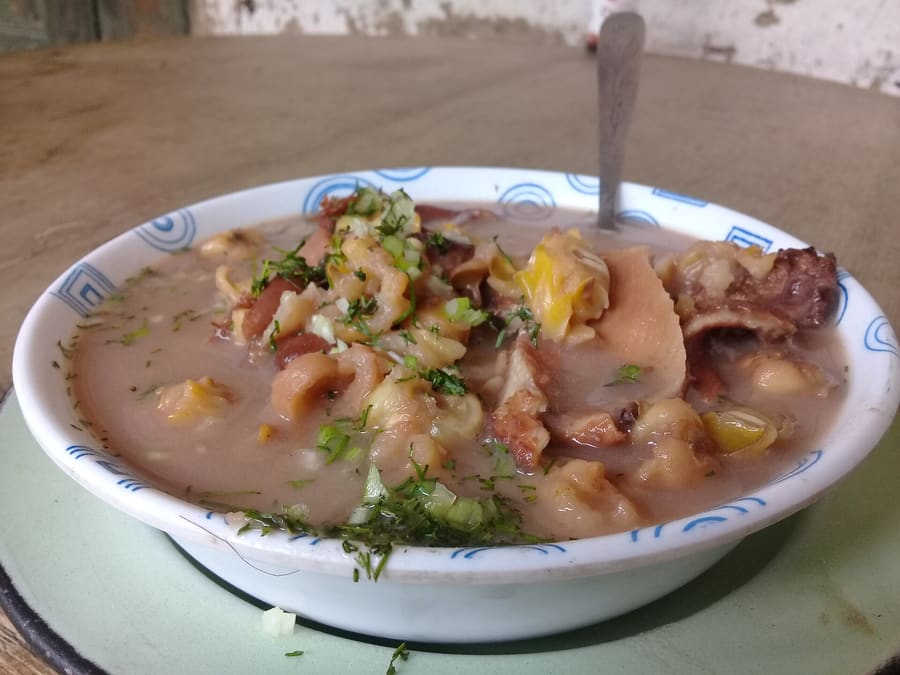
Mute cucuteño served hot with fresh avocado, arepa, and lime.
Mizotha · CC BY-SA 4.0highlights
landmark
The civic heart of the city sits under dense oiticica shade. Watch wild iguanas rest in the branches above the central statue.
Parley fragen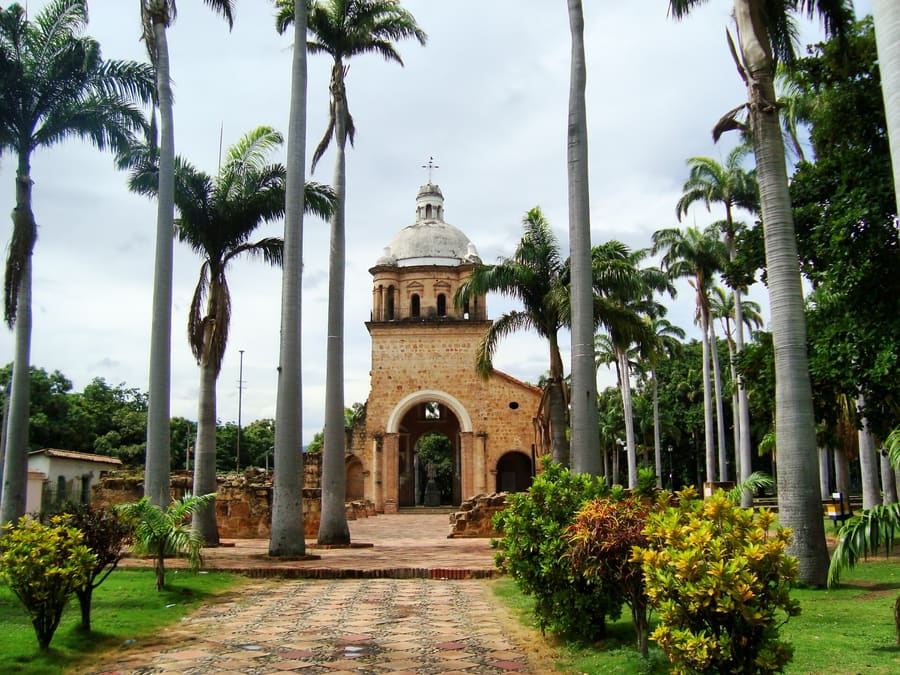
landmark
Delegates signed the 1821 constitution of Gran Colombia inside these walls. Take a taxi 8 kilometres south to Villa del Rosario.
Parley fragen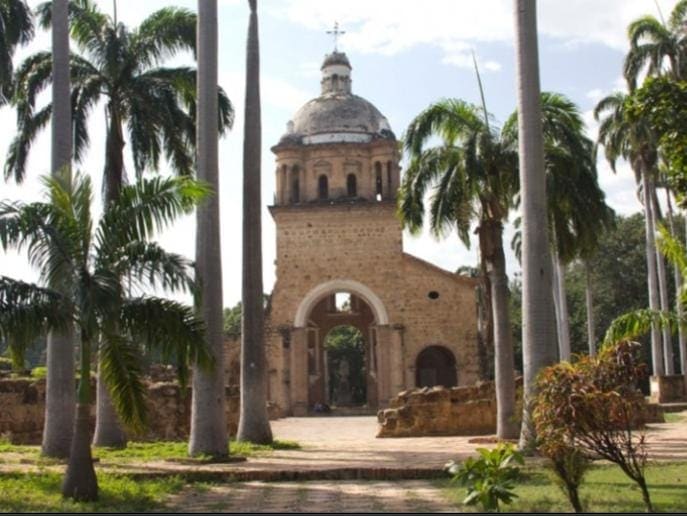
landmark
The birth home of General Francisco de Paula Santander features original colonial courtyards. Entry includes access to historical exhibits.
Parley fragen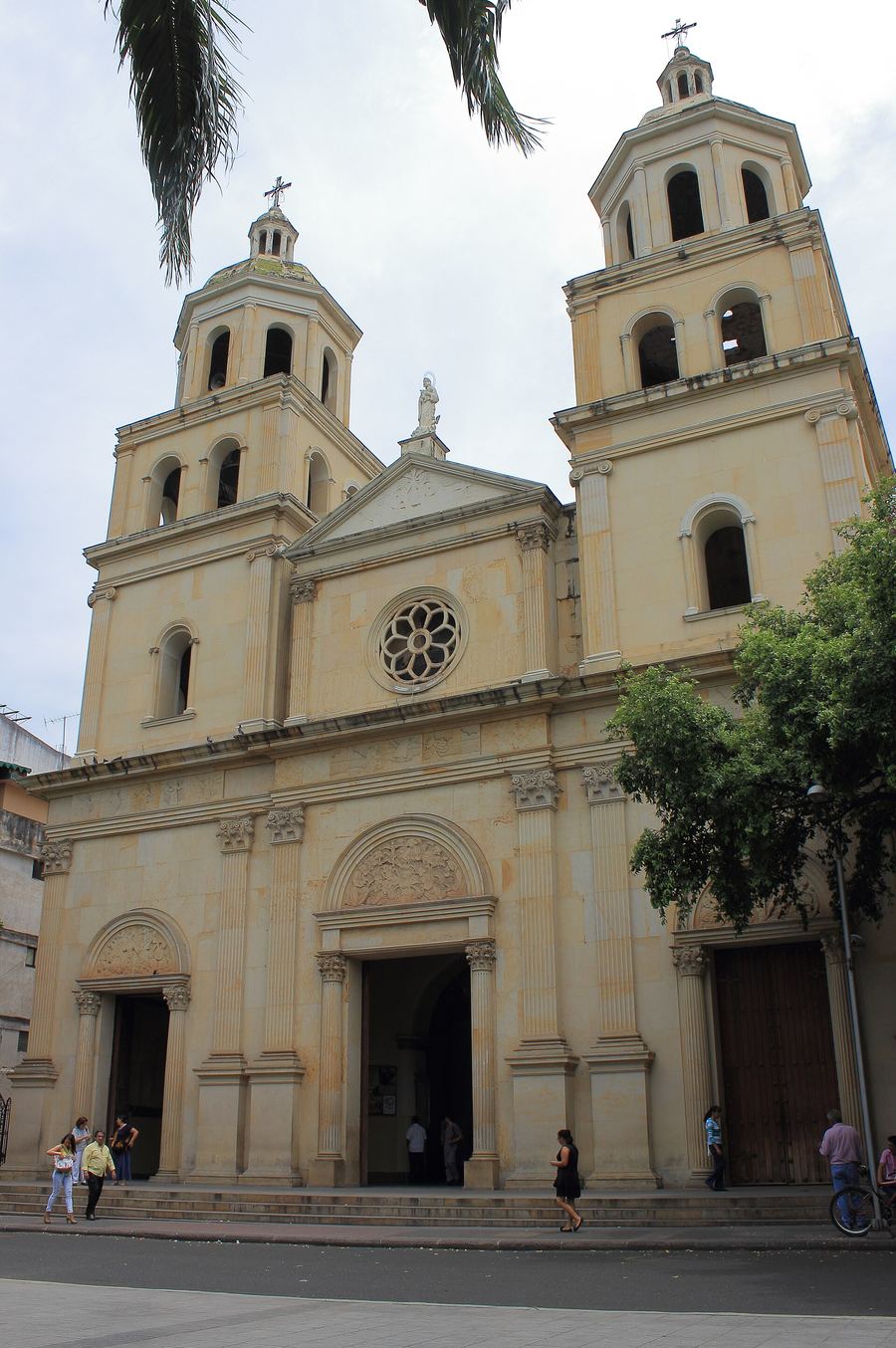
landmark
Rebuilt after the 1875 earthquake, this church features neoclassical white arches. It faces directly onto the west side of Parque Santander.
Parley fragen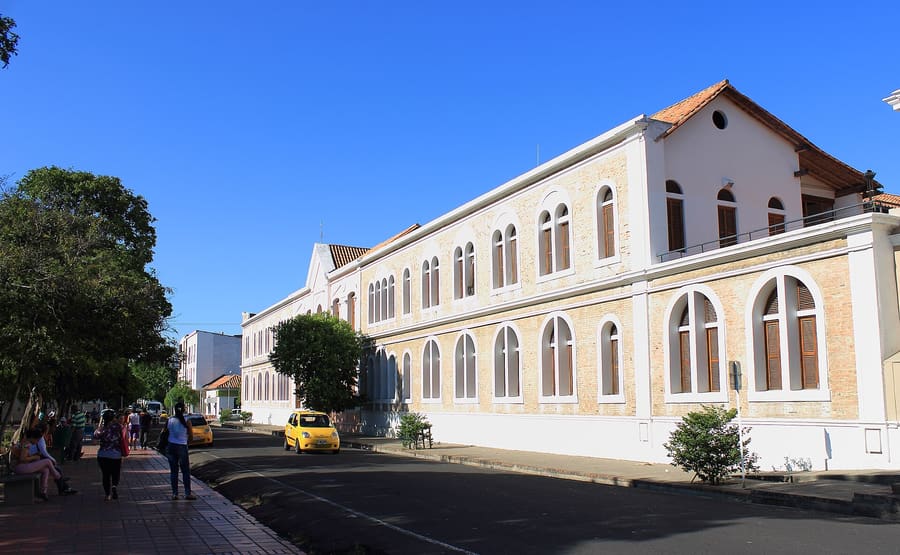
landmark
Occupies the 1887 Cúcuta Railway terminal building. The timber roof frame remains intact over reading rooms and gallery spaces.
Parley fragenattractions
areas
Shaded streets lined with mid-range restaurants, outdoor cocktail lounges, and modern boutique stays.
In der NäheEl Malecón, Calle 15 dining strip
Parley fragenIntense urban commercial hub packed with retail outlets, street markets, and historical buildings.
In der NäheParque Santander, San José Cathedral
Parley fragenLow-density district hosting private medical clinics, quiet cafes, and small boutique hotels.
In der NäheAvenida 0 commercial corridor
Parley fragenEnergetic entertainment zone adjacent to the football stadium and major shopping centres.
In der NäheGeneral Santander Stadium, Unicentro mall
Parley fragenfood
Cúcuta cooking relies heavily on hearty meats and legumes designed to sustain physical outdoor labour. The signature regional dish is Mute Cucu teño, a thick soup made with pork, beef tripe, chickpeas, corn, and pasta. Morning street stalls prepare pastel de garbanzo, a deep-fried pastry packed with seasoned chickpea puree. Goat meat, known locally as cabrito, comes roasted or charcoal-grilled alongside boiled yucca and local tartar sauces.
Mute cucuteño served hot with fresh avocado, arepa, and lime.
Mizotha · CC BY-SA 4.0Eat pastel de garbanzo before 09:00 at street side carts. Stalls sell out early as local workers grab them on their commute.
Traditional restaurants serve Mute Cucuteño primarily on Sundays. Order a half-portion if you plan to eat grilled meats afterwards.
Small cabrito grills along the highway to Villa del Rosario take cash only. Keep small bills for street pastry vendors.
history
Cúcuta grew as a river trade hub connecting to Lake Maracaibo in Venezuela via the Zulia River. In 1821, revolutionaries gathered at Villa del Rosario to draft the constitution creating Gran Colombia. A massive earthquake leveled the city in 1875, forcing engineers to rebuild Cúcuta with wide avenues, while trees were planted throughout the city to provide urban shade and relieve the intense heat. The 20th century turned the city into a crucial cross-border trading post for Colombian coffee exports.
City Founding
Juana Rangel de Cuéllar donates land to establish the settlement of San José de Guasimales, later renamed Cúcuta.
Congress of Cúcuta
Simón Bolívar and delegates draft the constitution of Gran Colombia at the Templo Histórico in Villa del Rosario.
Great Earthquake
A catastrophic earthquake destroys the city centre. Rebuilding plans introduce wide, tree-shaded grid avenues.
Railway Opening
The Ferrocarril de Cúcuta opens, connecting local coffee plantations directly to Lake Maracaibo ports.
where to stay
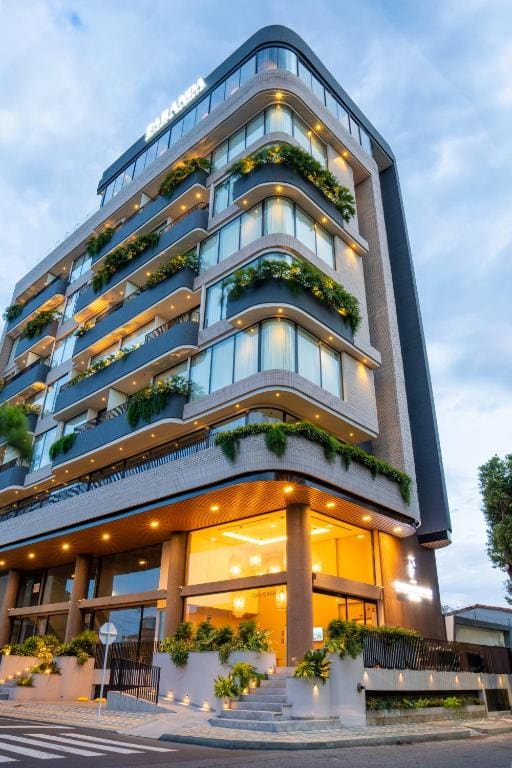
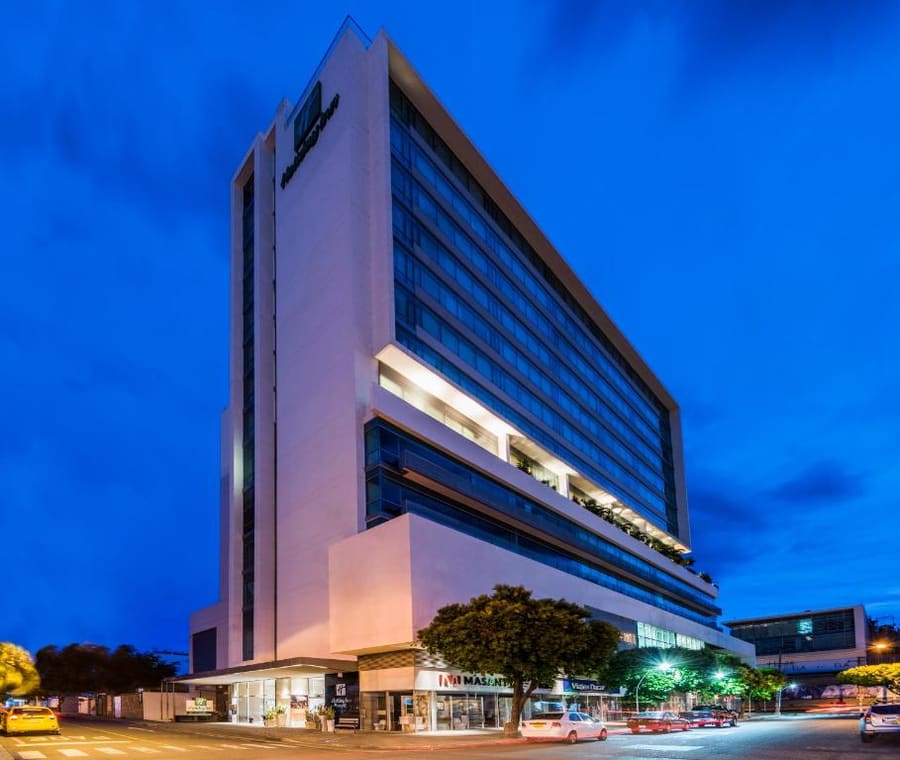
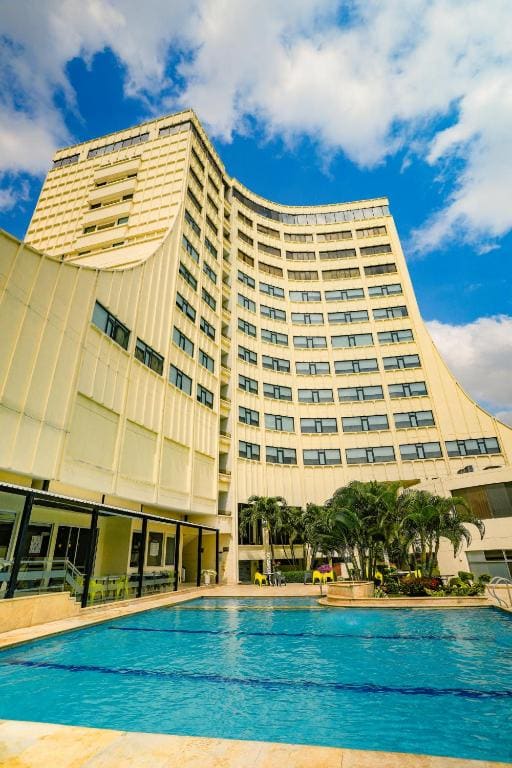
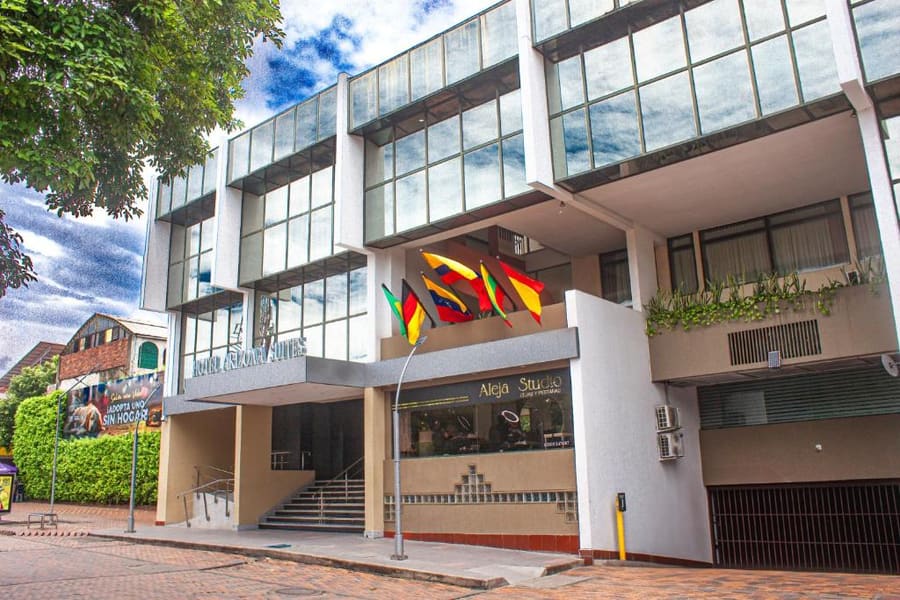
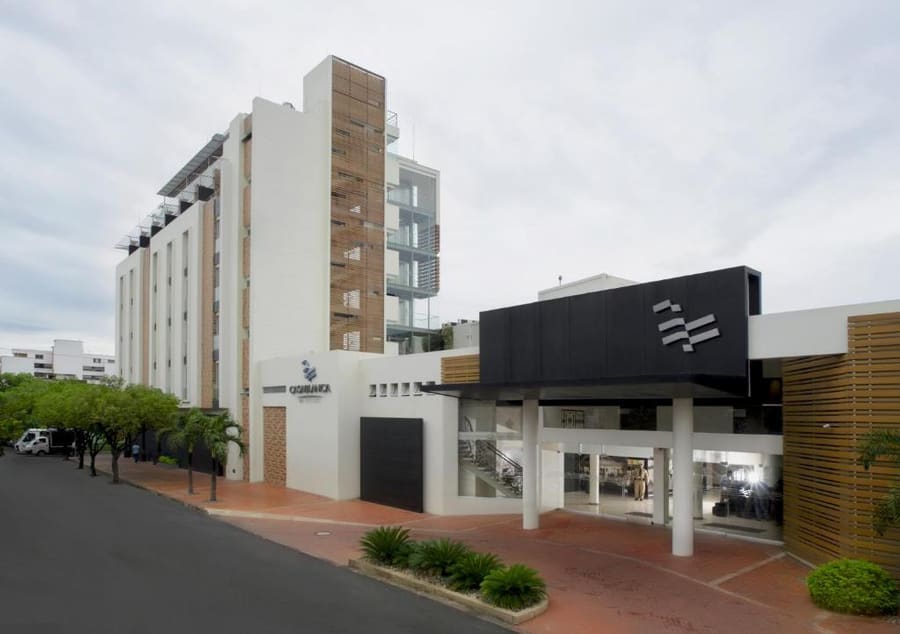
Base your lodging choice on noise tolerance and night transit plans. Staying in El Centro keeps you within walking distance of central banking and heritage sites. Los Caobos and Barrio Blanco offer upscale residential streets with air-conditioned business hotels and evening dining.
Live rates, matched to the areas above.
transport
Cúcuta relies entirely on road transit. The city lacks a metro system, using small public buses called busetas alongside a vast fleet of yellow taxis. Walking works well inside individual districts like El Centro or Los Caobos, but heat makes long daytime walks unpractical.
Ab Camilo Daza International Airport (CUC)
Pay the standardized rate at the official taxi kiosk inside the arrival lounge.
Pickup occurs just outside the airport perimeter gates due to local taxi rules.
Busetas stop on the main road outside the terminal and run straight to El Centro.
Buses display destination boards in their front windshields. Wave your arm from the curb to flag one down.
Taxis in Cúcuta operate on minimum flat rates and destination charts rather than active meters. Confirm the price before getting in.
Roads leading east to Villa del Rosario and the international bridges back up heavily between 16:00 and 19:00.
Rideshare apps operate reliably in central districts. Sit in the front passenger seat to avoid drawing taxi driver attention.
cost
Cúcuta remains lower in cost than Bogotá or Medellín. Border currency fluctuations occasionally impact imported consumer goods, but local dining, produce, and urban taxi trips offer solid value for foreign visitors.
Standard price for a hot chickpea pastry at neighborhood breakfast stalls.
A set midday meal with soup, meat, rice, plantain, and juice in El Centro.
Covers rides within the core urban area between Barrio Blanco and El Centro.
Price for a full portion of traditional soup at specialty regional restaurants.
seasonality
DEC – FEB
Dry and hot conditions. Cross-border holiday shopping drives elevated hotel rates in commercial districts.
MAR – MAY
Intermittent rain showers cut through the midday heat. Humidity rises while room availability increases.
JUN – AUG
Peak dry heat with temperatures regularly exceeding 33°C. Plan outdoor walking trips before 10:00.
SEP – NOV
Secondary rainy period bringing heavy afternoon downpours. Street flooding occasionally slows urban traffic.
practicalities
Shops in residential sectors close between 12:30 and 14:30. Use these hours for indoor dining or resting.
Busetas and yellow taxis accept paper cash only. Change 50,000 peso notes at supermarkets before boarding.
High humidity causes rapid fluid loss. Buy bottled water from trusted grocery stores rather than raw tap water.
Keep original photo identification with you at all times. Police conduct routine passport checks near transit hubs.
Lowland humidity brings evening mosquitoes near the Pamplonita River. Apply repellent when walking El Malecón.