landmark
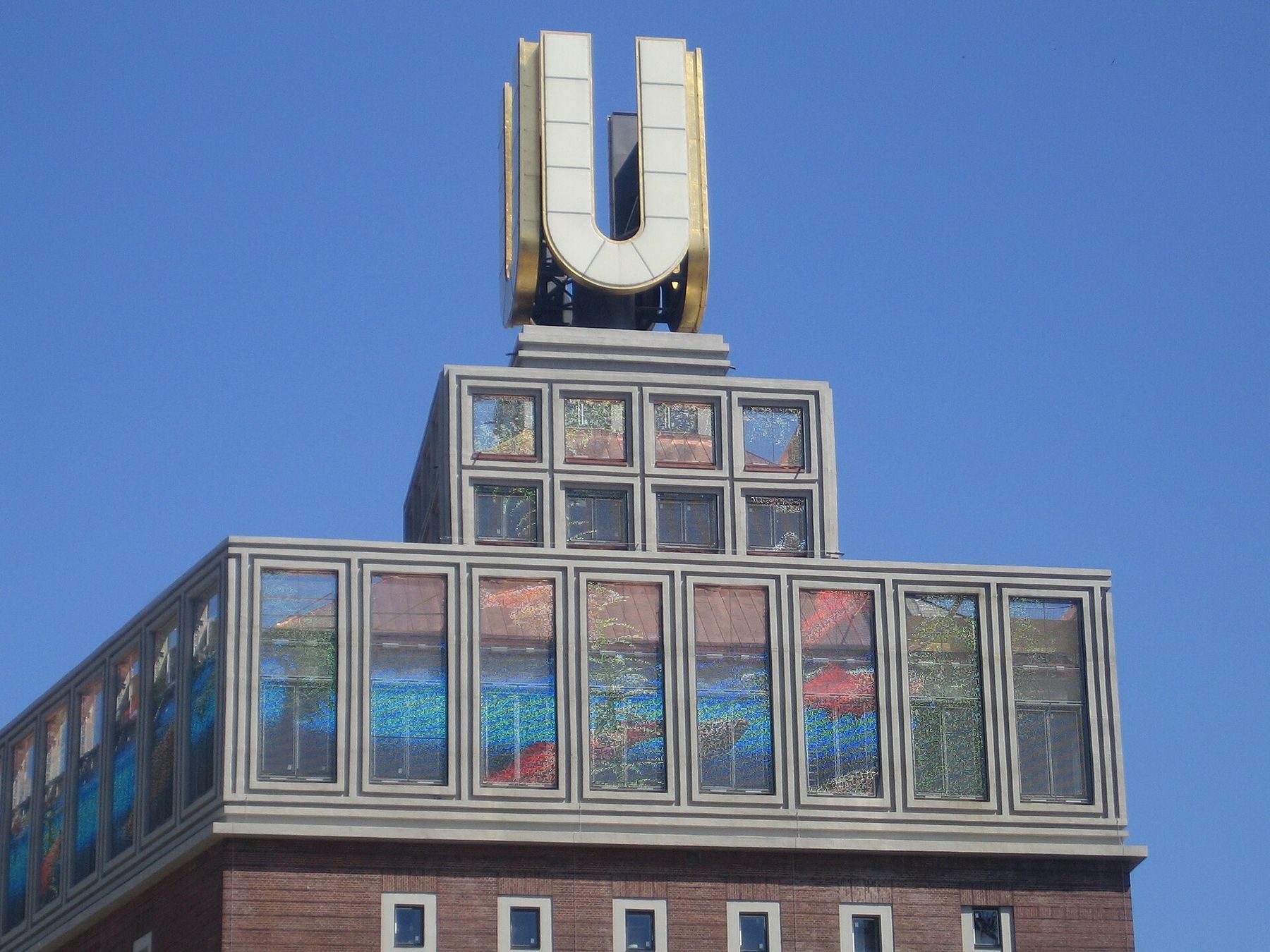
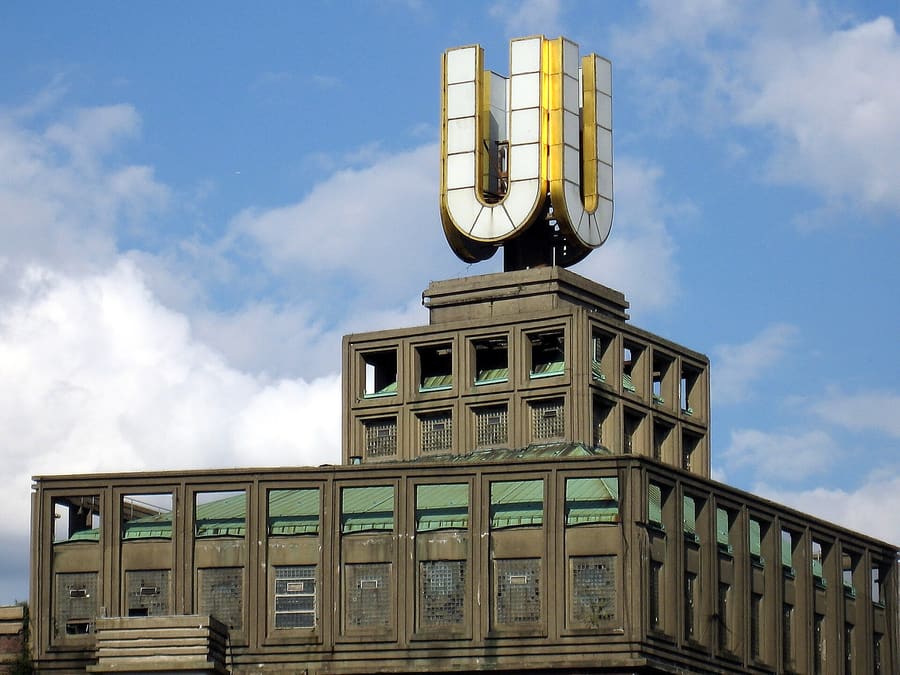
Dortmunder U
A converted 1926 brewery building now showing contemporary art. Take the escalator to the roof terrace for free panoramic views.
Parley fragenDeutschland
Steel, beer, and football rebuilt as a green creative hub.
introduction
Dortmund traded blast furnaces for technology parks and cultural spaces without erasing its industrial past. You navigate the city easily along the B1 axis and a dense U-Bahn subway network. Expect distinct neighbourhood pockets rather than a sprawling tourist old town.
Airport transport link
The AirportExpress bus connects Dortmund Airport to Hauptbahnhof in 22 minutes for €10. Tickets are sold directly by the driver.
Industrial heritage landmark
The Dortmunder U was built in 1926 as a brewery high-rise. Today it hosts the Museum Ostwall and digital arts installation spaces.
Matchday transit perk
Your Signal Iduna Park match ticket doubles as a VRR transit pass. It covers all U-Bahn and regional trains across the Ruhr area on game day.
Dortmund
selbst · CC BY-SA 2.5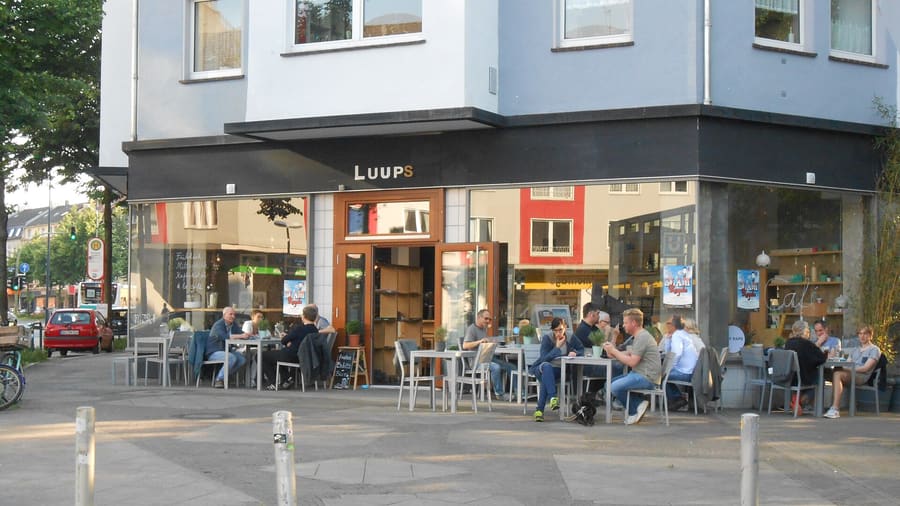
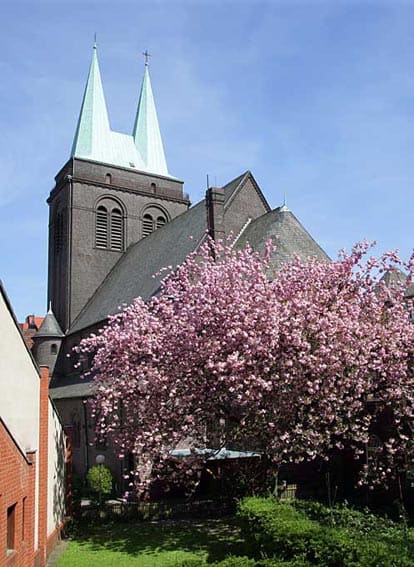
Kreuzviertel — Leafy 19th-century streets packed with pub gardens, third-wave coffee shops, and residential charm.
Joehawkins · CC BY-SA 4.0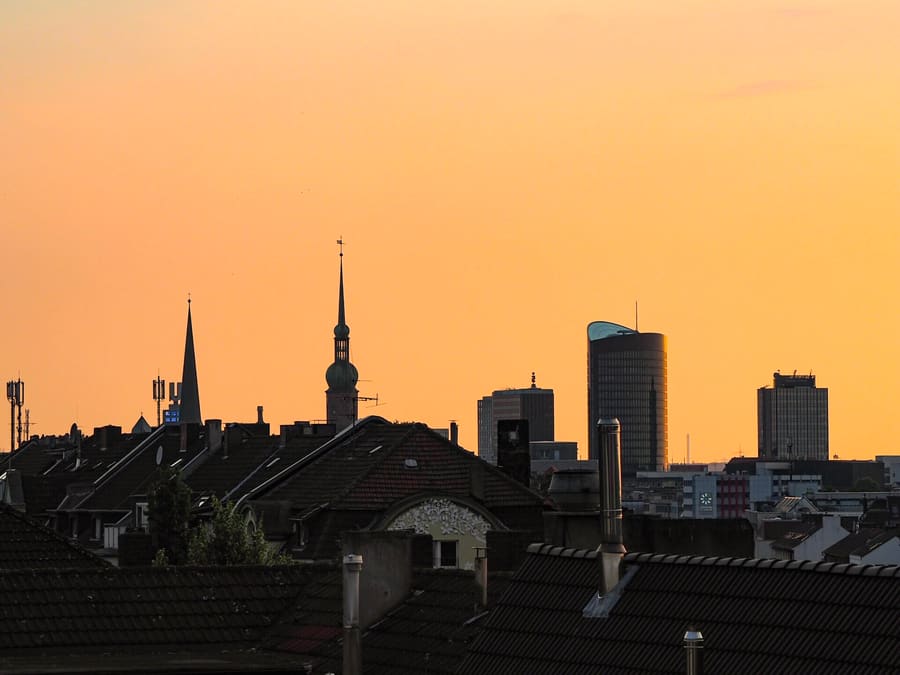
Kaiserviertel — A relaxed eastern neighbourhood lined with bakeries, independent boutiques, and quiet residential avenues.
Lucas Kaufmann · CC BY-SA 4.0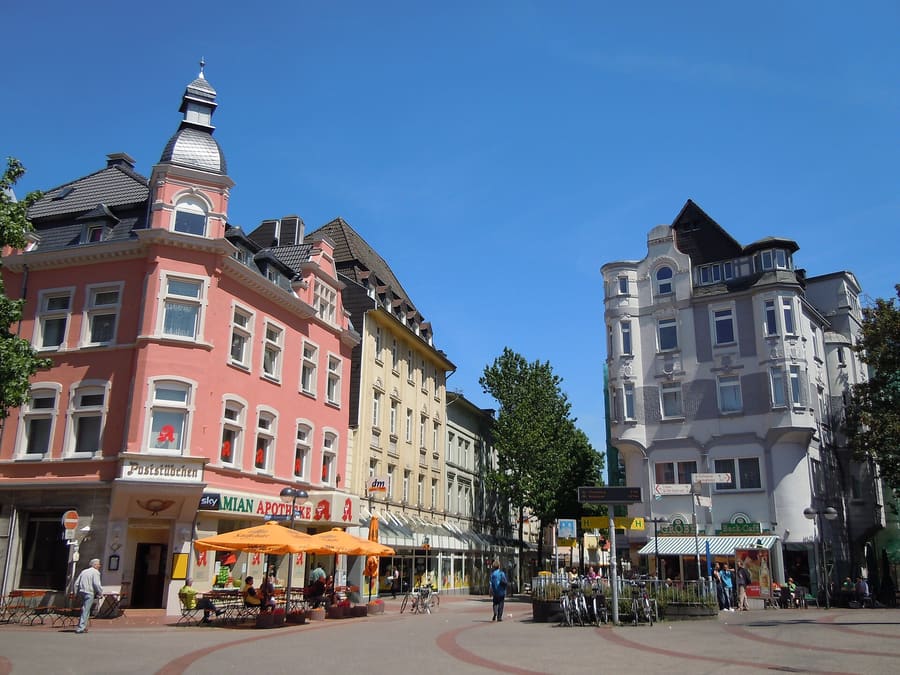
Hörde — A former steelworks district reborn around Phoenix-See with modern promenade dining and historic ruins.
Lucas Kaufmann (DortmunderWestfront) · CC BY-SA 3.0highlights
landmark
A converted 1926 brewery building now showing contemporary art. Take the escalator to the roof terrace for free panoramic views.
Parley fragen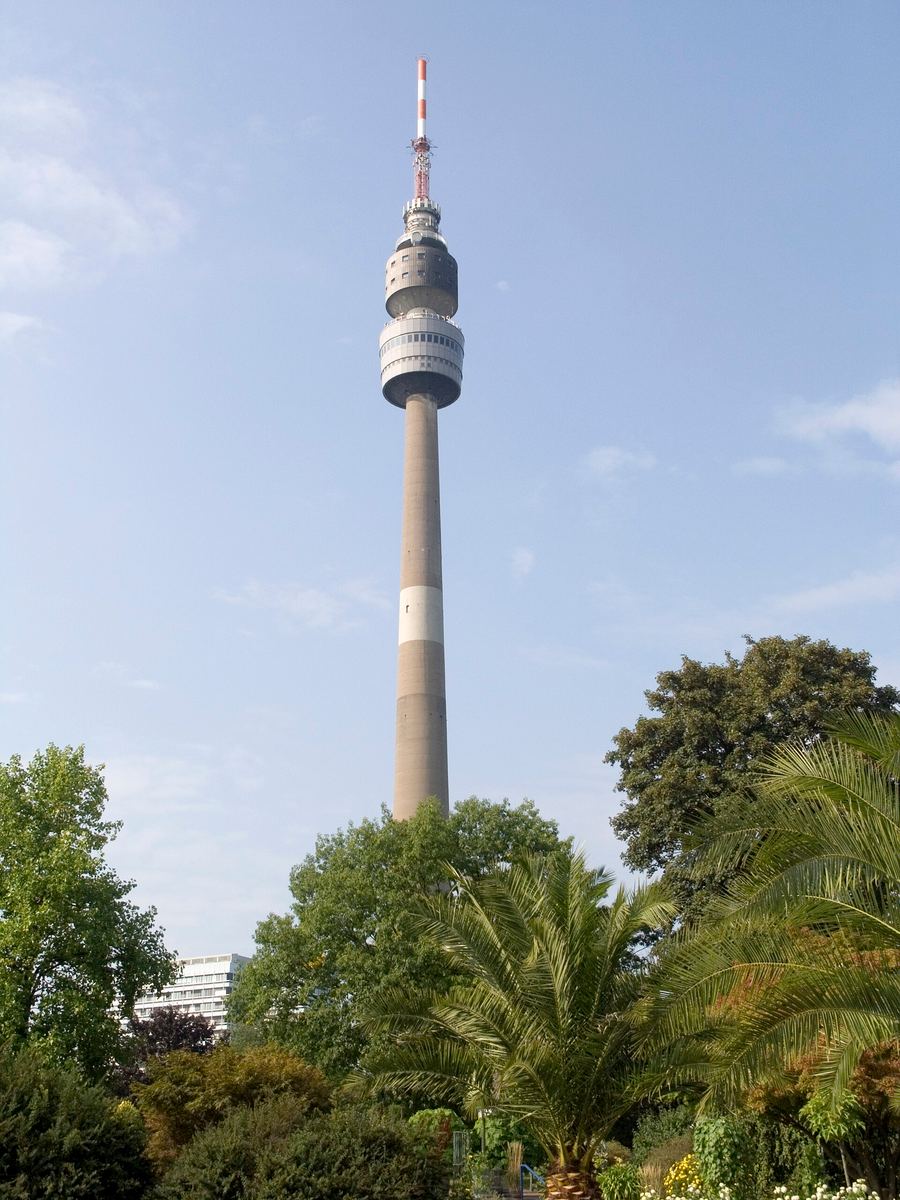
landmark
A 70-hectare park with the 200-metre Florian Tower. Entry costs €4, plus €3.50 for the elevator to the top observation deck.
Parley fragen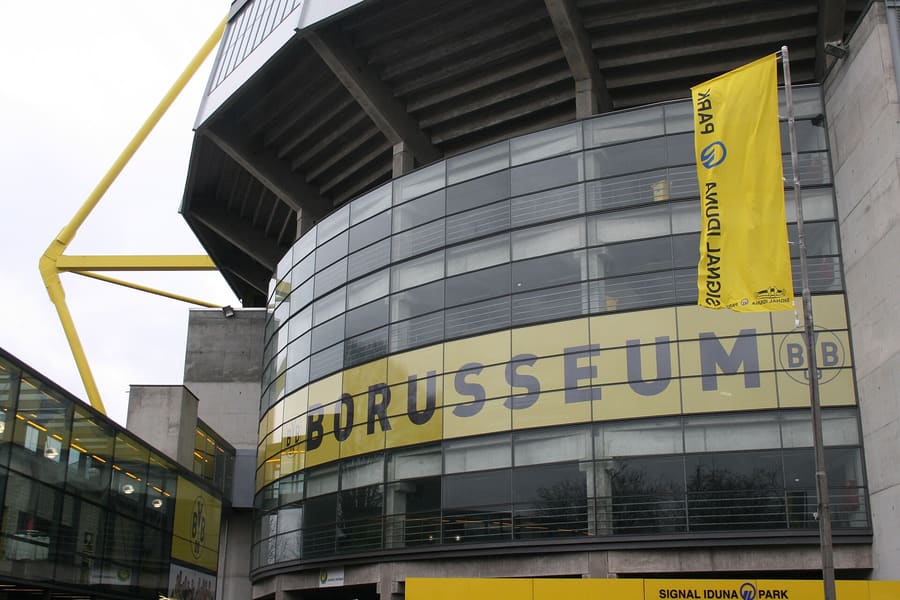
landmark
Home of Borussia Dortmund. Book stadium tours weeks in advance, or visit the Borusseum museum on non-match days for €9.
Parley fragen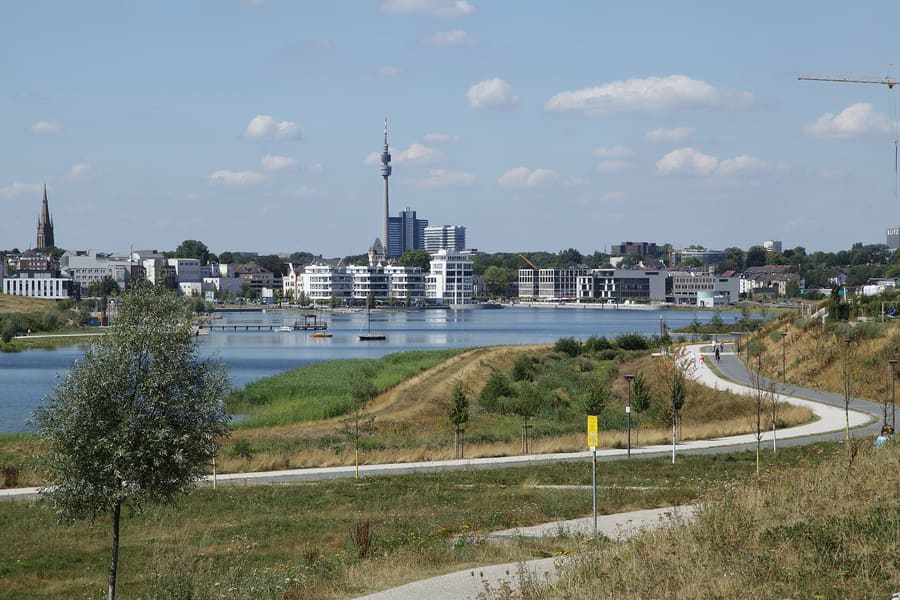
landmark
An artificial lake created over a former blast-furnace site. Walk the 3.2 km perimeter trail past modern housing and lakeside cafes.
Parley fragen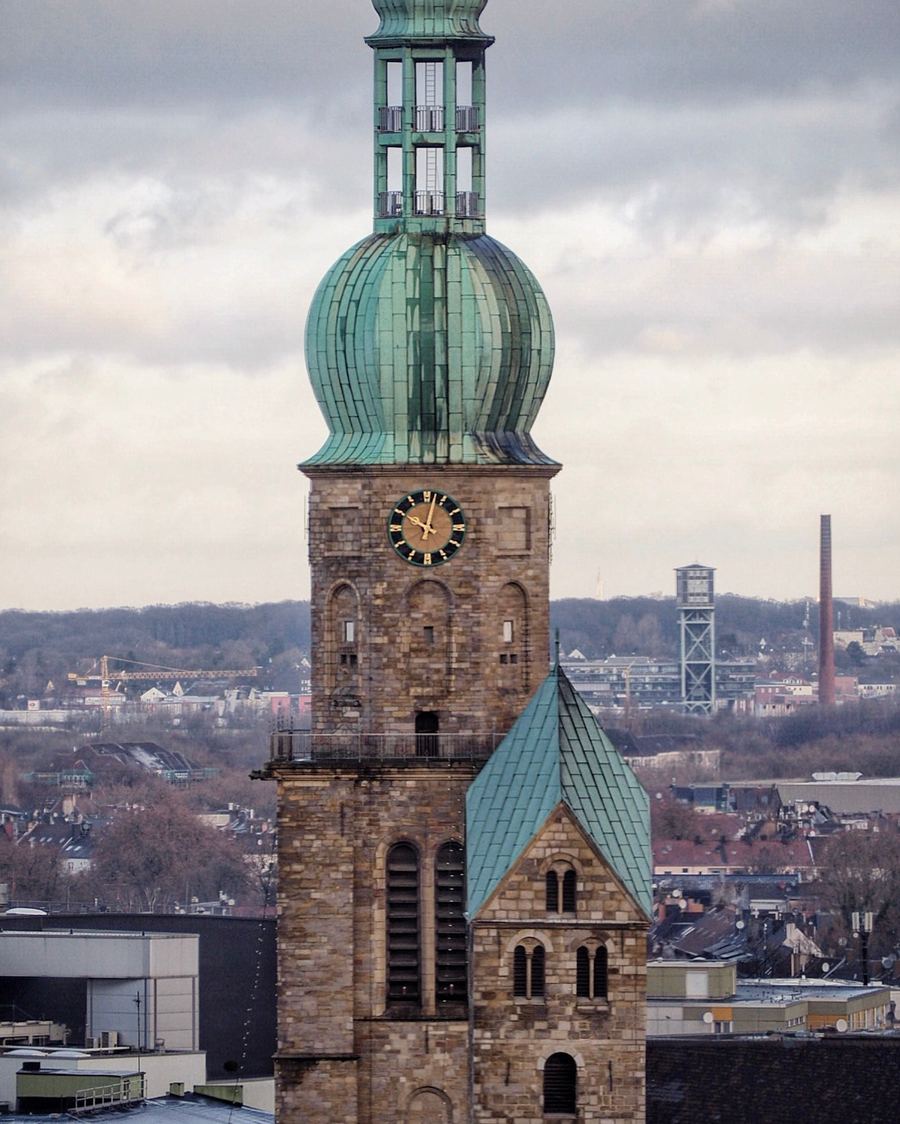
landmark
Dortmund's oldest church in the pedestrian center. Climb the 207 steps up the tower for €2 to look over the shopping district.
Parley fragen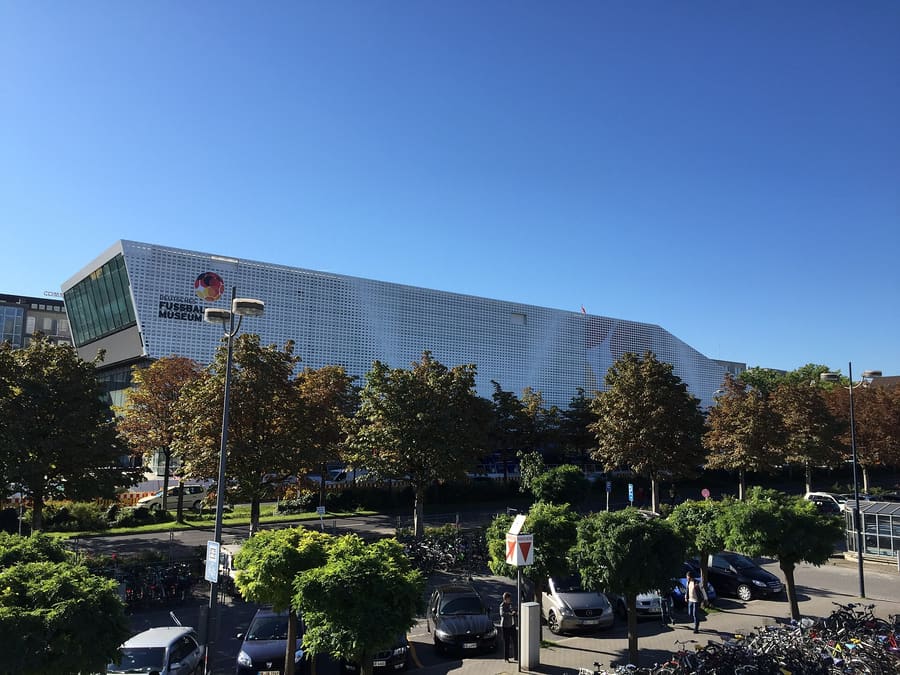
landmark
Interactive exhibits tracking German football history across from Hauptbahnhof. Tickets cost around €19 when bought online ahead.
Parley fragenattractions
areas
Leafy 19th-century streets packed with pub gardens, third-wave coffee shops, and residential charm.
In der NäheSignal Iduna Park and Westfalenpark
Parley fragenA relaxed eastern neighbourhood lined with bakeries, independent boutiques, and quiet residential avenues.
In der NäheOstfriedhof and Stadtgarten
Parley fragenA former steelworks district reborn around Phoenix-See with modern promenade dining and historic ruins.
In der NähePhoenix-See and Westfalenpark
Parley fragenA gritty, multicultural hub north of the station with industrial arts venues like Kulturort Depot.
In der NäheHauptbahnhof and Hafen Dortmund
Parley fragenfood
Dortmund's food traditions reflect its industrial past: caloric, quick, and built to sustain long brewery or steel shifts. The signature dish is Pfefferpotthast, a peppery beef stew boiled with onions and bay leaves, traditionally served with pickled cucumbers and boiled potatoes. You find the truest version at traditional inns directly on Alter Markt like Zum Alten Markt.Beer culture remains central despite the consolidation of historic breweries. Order a cold Dortmunder Export or a draft Hövels Original. On matchdays, street vendors around the stadium sell local Rostbratwurst in crusty white rolls with mustard.
Stalls along Strobelallee open three hours before kickoff, selling Bratwurst and Currywurst for around €3.50 to €4.50.
Carry €20 in cash for small beer stands along Strobelallee and neighborhood kiosks, though indoor restaurants take cards.
history
Dortmund grew from an 8th-century Hanseatic trading outpost into a 19th-century industrial powerhouse. The discovery of rich coal seams transformed the town into Germany's major steel and brewing capital. By the mid-20th century, the city operated dozens of breweries and massive blast furnaces.World War II destroyed nearly 98% of the inner city core. Rebuilding prioritized modern road networks over historic reconstruction. When coal and steel collapsed in the late 20th century, Dortmund reinvented its industrial land as technology parks, lakes, and cultural centers.
First Mention
Dortmund enters recorded history as Throtmanni, a stop on the Hellweg trade route.
Imperial Free City
Dortmund gains imperial immediacy, joining the Hanseatic League as a wealthy trading hub.
Industrial Boom
The opening of the Cologne-Minden railway line ignites coal mining, steelworking, and industrial brewing.
Post-War Reconstruction
Heavy Allied bombing leaves the city center in ruins, prompting a modern urban redesign.
Phoenix Transformation
The Phoenix steelworks close, clearing the path for the creation of Phoenix-See and tech hubs.
where to stay
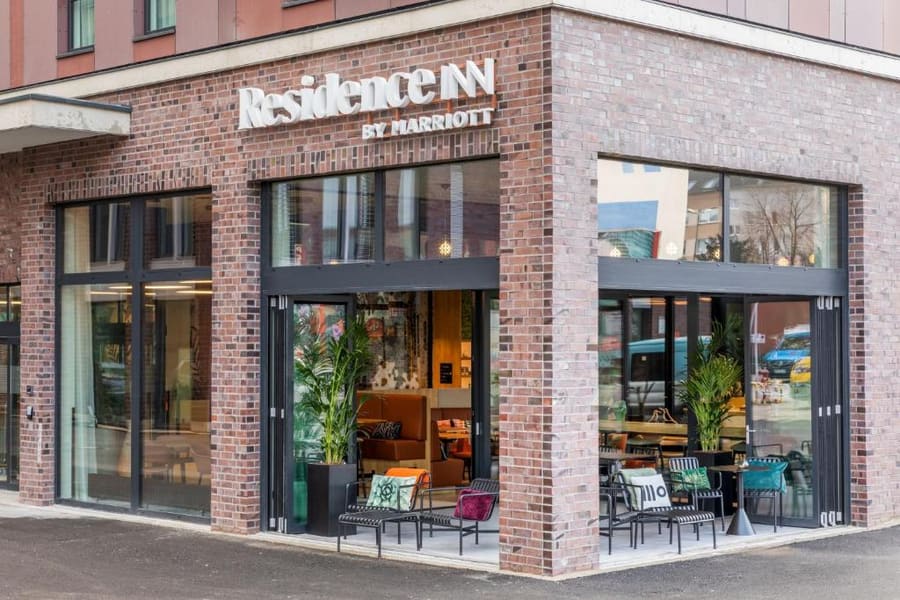
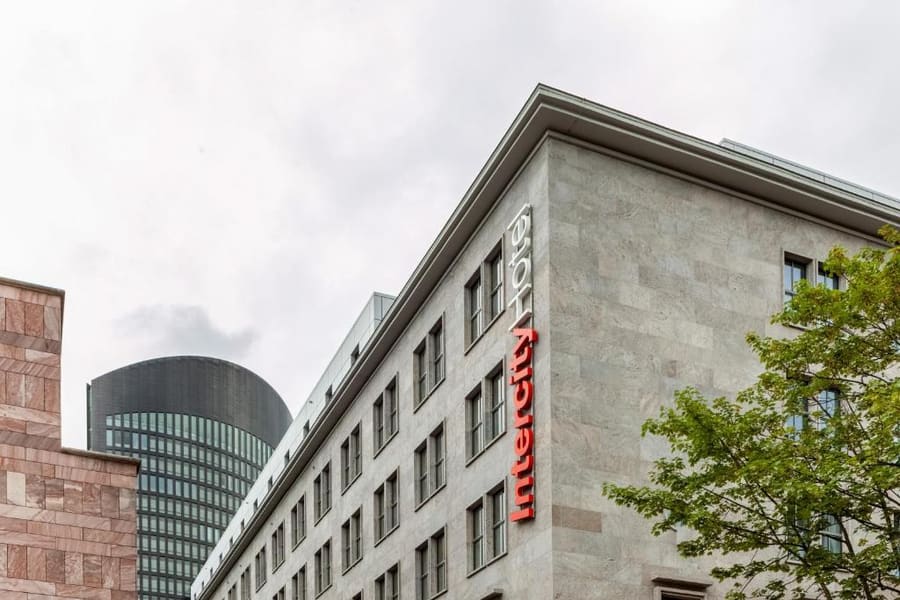
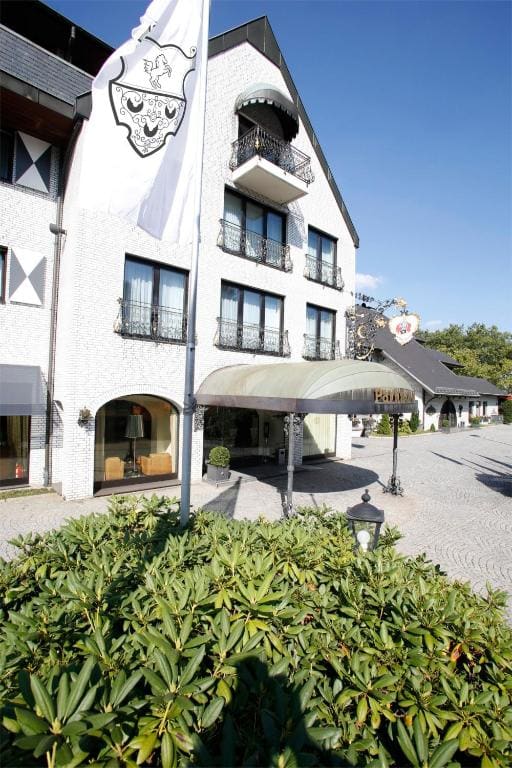
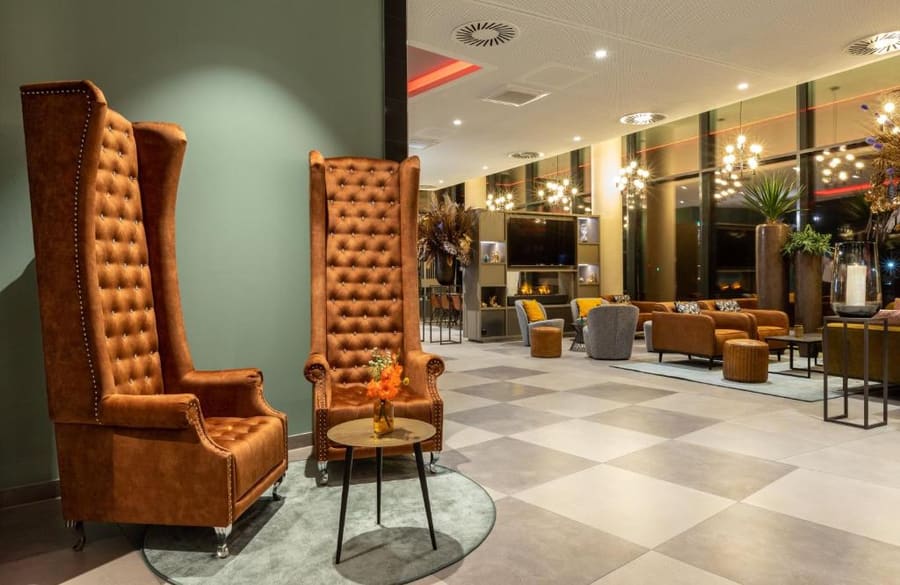
Choose your base by transit connection rather than old-town postcard charm. Staying near Hauptbahnhof keeps regional rail travel effortless. Kreuzviertel puts you near nightlife and restaurants, while Hörde offers quiet lakeside hotels a short subway ride away.
Live rates, matched to the areas above.
transport
Dortmund operates a fast light rail network (Stadtbahn/U-Bahn) and buses managed by DSW21. Hauptbahnhof sits as the primary transit hub. Line U45 links Hauptbahnhof to the stadium/Westfalenhallen, while line U49 links Hauptbahnhof directly to Westfalenpark in under ten minutes.
Ab Dortmund Airport (DTM)
Direct AirportExpress bus to Hauptbahnhof. Departs hourly outside the terminal.
Bus 440 to Holzwickede station, then regional train to Hauptbahnhof.
Metered cabs wait outside arrivals. Rideshare apps operate with fluctuating rates.
An Einzelticket Zone A3 costs €3.30 and covers 90 minutes of travel across Dortmund.
A 24-Stunden-Ticket costs €8.50 for one person and gives unlimited subway and bus rides.
Your match ticket includes free travel on all DSW21 buses and U-Bahn lines on matchday.
NachtExpress bus lines run hourly from Reinoldikirche on Friday and Saturday nights.
cost
Dortmund remains one of Germany's more affordable major cities. Dining out and public transit cost less than in Munich or Frankfurt, though hotel prices surge sharply during Borussia Dortmund home games and major trade fairs at Westfalenhallen.
Poured cold at local pubs throughout Kreuzviertel.
Valid for 90 minutes across the DSW21 city network.
Südtribüne standing ticket when bought through official BVB channels.
seasonality
MAR – MAY
Mild spring weather and peak football season. Book hotel rooms well ahead of Saturday home games.
JUN – AUG
Warm days best spent around Phoenix-See and beer gardens in Kreuzviertel. Football takes a summer break.
SEP – NOV
Crisp autumn air and lively stadium crowds. Rain increases, so keep indoor museum plans ready.
DEC – FEB
Cold temperatures. The Hansaplatz Christmas market features one of Germany's tallest tree structures.
practicalities
Shops and supermarkets close on Sundays. Bakeries and Hauptbahnhof travel stores remain open.
Avoid wearing blue-and-white (Schalke 04 colors) anywhere near Signal Iduna Park on match days.
Credit cards work in most hotels and restaurants, but carrying cash helps at kiosks and street markets.
Drinking beer in public parks like Westfalenpark and along Phoenix-See is legal and common.
Check the Westfalenhallen event calendar. Hotel prices triple during major trade conventions.