landmark
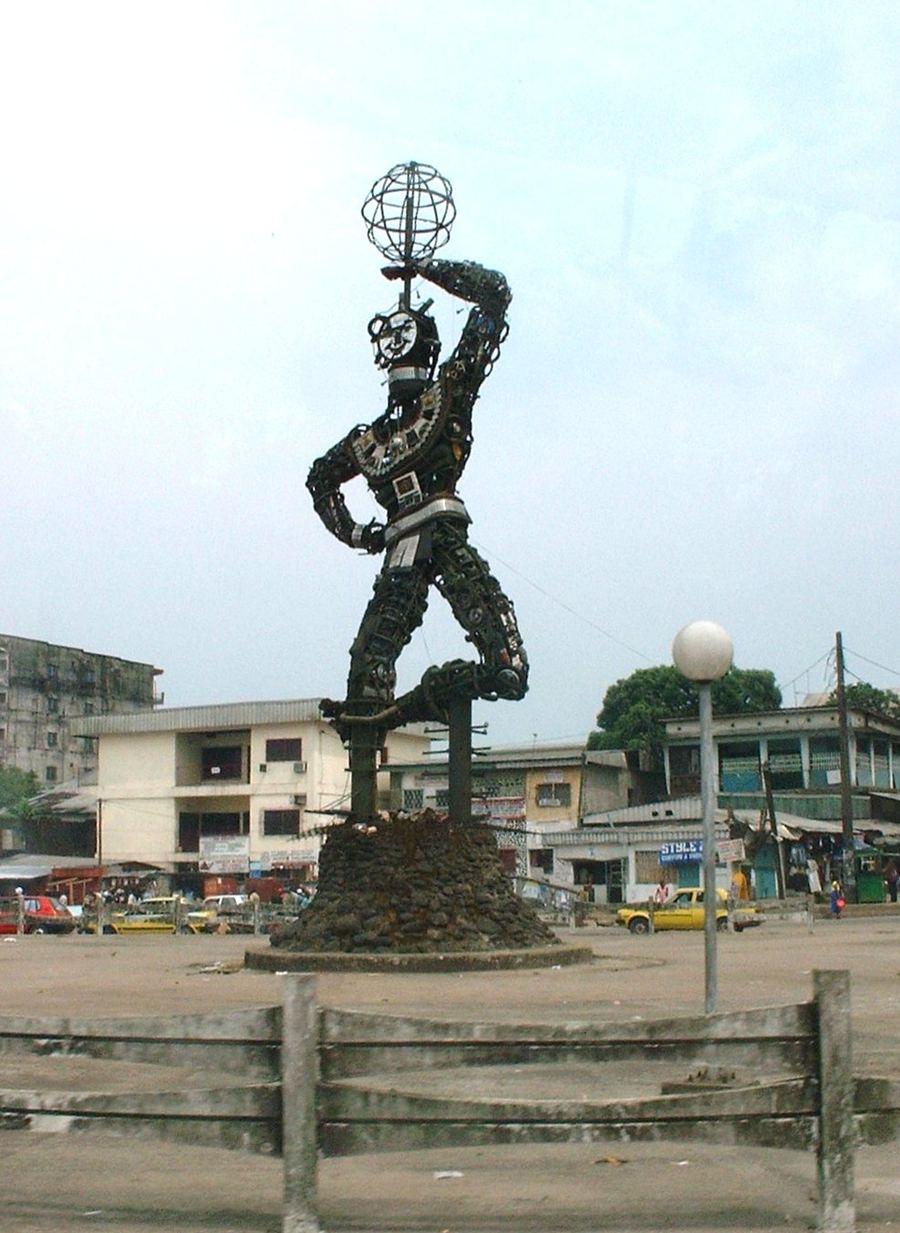
La Nouvelle Liberté
Joseph-Francis Sumégné built this 12-metre sculpture from recycled scrap metal at Deido roundabout.
Parley fragenKamerun
Central Africa's port capital of hustle, heat, and Ndolé.
introduction
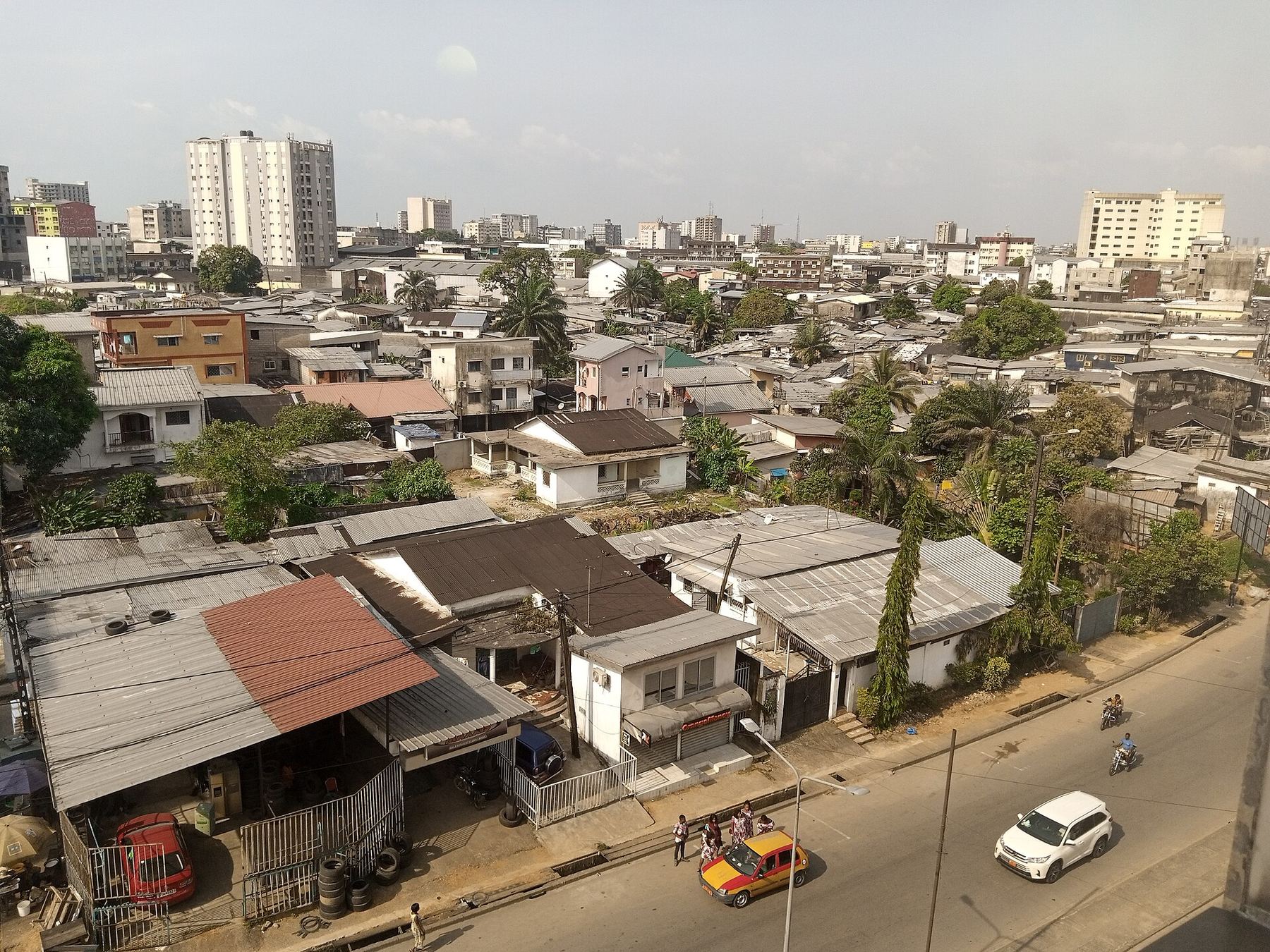
Douala is Cameroon's commercial engine, built along the muddy banks of the Wouri River. Humidity stays high year-round, and yellow car taxis set the pace of traffic. You come here for sharp contemporary art, intense street dining, and direct access to coastal business hubs.
Airport taxi fares
Official taxis from DLA airport charge fixed rates into central districts. Agree on the fare before putting luggage in the trunk.
Port logistics hub
Douala Port handles over 80 percent of Cameroon's trade volume. The city operates primarily as an economic engine rather than a resort.
Yellow fever compliance
Immigration officers inspect yellow fever certificates at arrival. Carry your physical vaccination booklet with your passport.
Douala
Steve Mvondo · CC BY-SA 3.0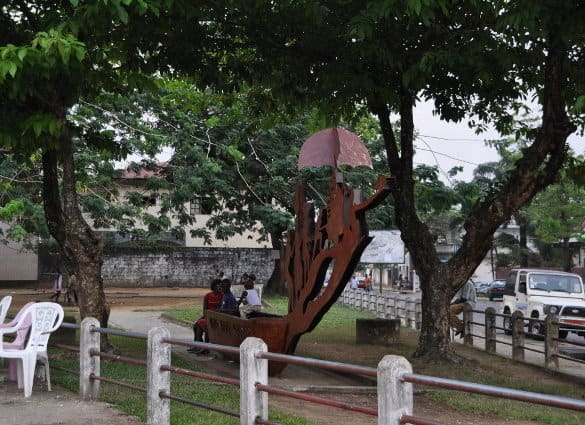
Bonapriso — Residential enclave with international restaurants, bakeries, and paved sidewalks.
doual'art · CC BY-SA 3.0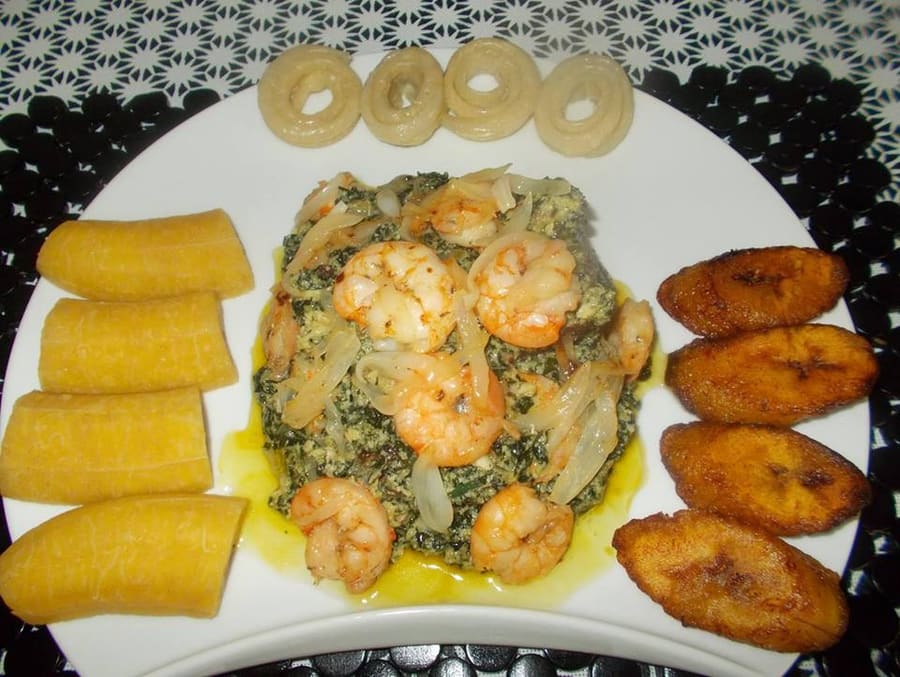
Ndolé served with boiled plantains at a local restaurant.
Coco lago · CC BY-SA 4.0highlights
landmark
Joseph-Francis Sumégné built this 12-metre sculpture from recycled scrap metal at Deido roundabout.
Parley fragen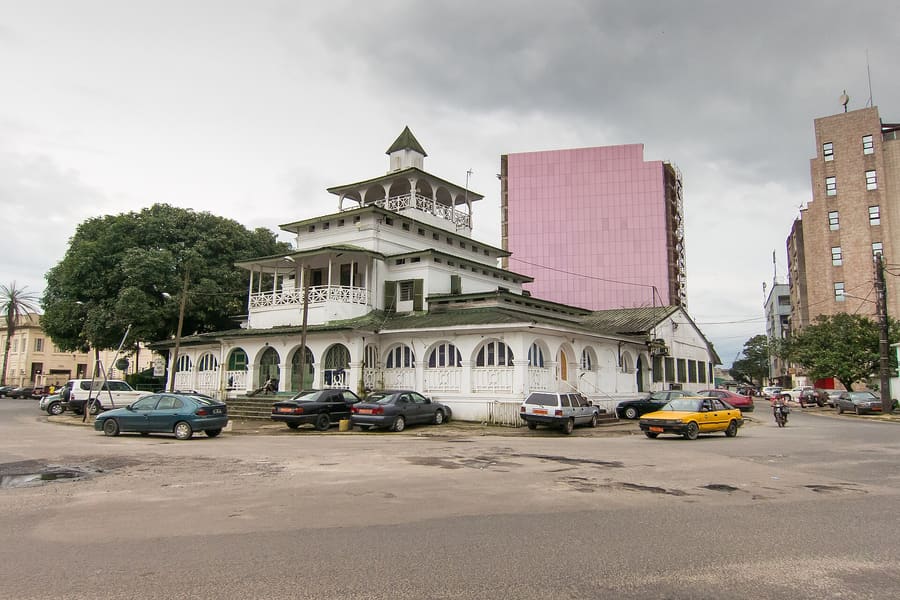
landmark
Built in 1905 for King Auguste Manga Ndumbe Bell, this Asian-influenced palace sits in central Bonanjo.
Parley fragen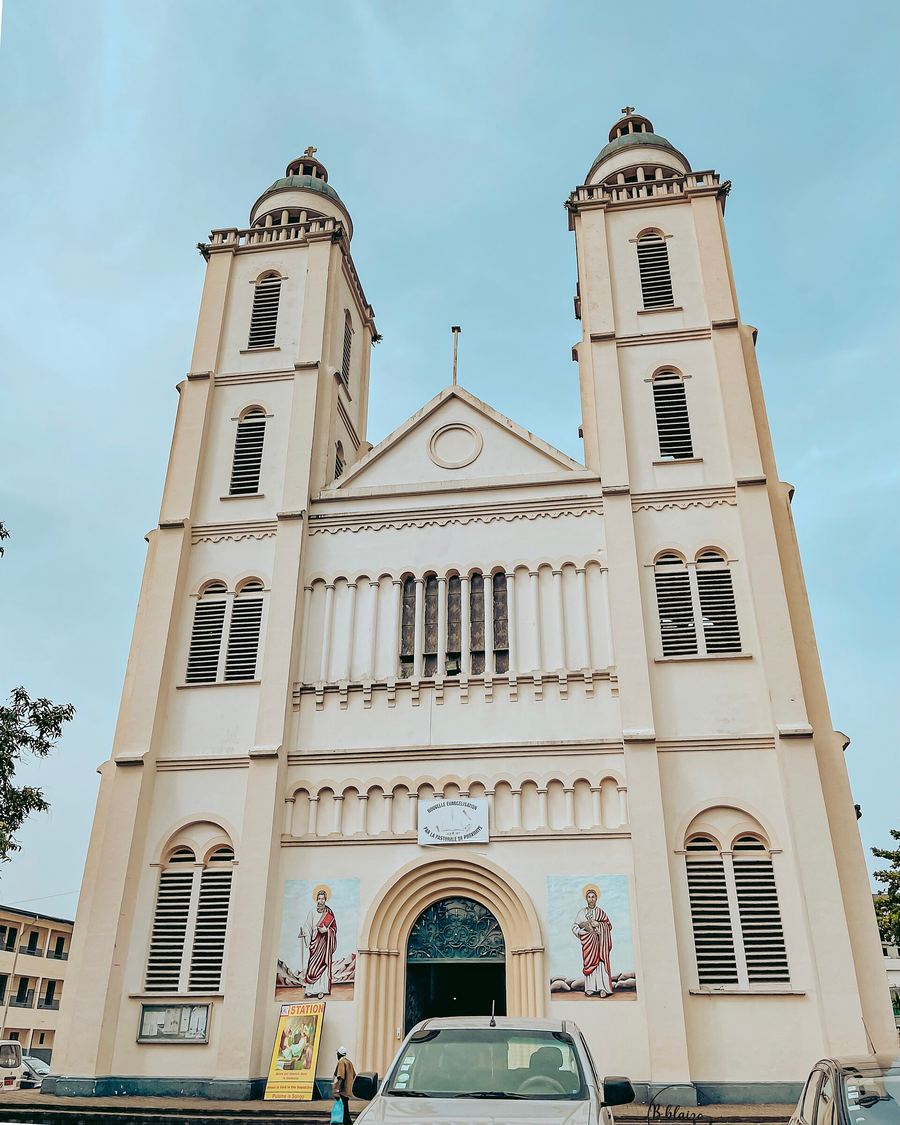
landmark
Constructed by French Spiritan fathers in 1936, this stone church marks the edge of Akwa.
Parley fragen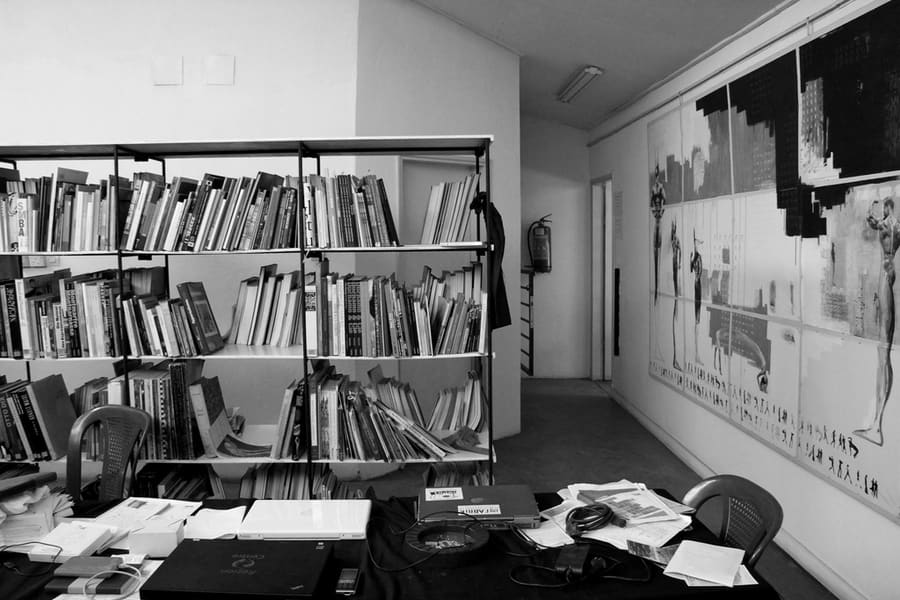
landmark
An independent contemporary art space in Bonanjo that commissions public art across Douala.
Parley fragenattractions
areas
Residential enclave with international restaurants, bakeries, and paved sidewalks.
In der NäheDouala International Airport
Parley fragenShaded administrative district with colonial architecture and quiet government offices.
In der NäheMusée Maritime and doual'art
Parley fragenCommercial core packed with banks, street food stalls, and music venues.
In der NäheCathédrale Saint-Pierre-et-Paul
Parley fragenDensely populated neighbourhood famous for late-night grilled fish joints.
In der NäheLa Nouvelle Liberté roundabout
Parley fragenfood
Douala's food culture centers on Ndolé, a dish made from stewed bitter leaves, ground peanuts, and crayfish. You eat it with plantains or miondo, a fermented cassava roll cooked in banana leaves. Grilled fish, locally called poisson braisé, dominates evening street stalls in Deido and Youpwé. Vendors grill freshwater and ocean catches over open charcoal fires.
Ndolé served with boiled plantains at a local restaurant.
Coco lago · CC BY-SA 4.0Select your fresh sea bass or captain fish directly from the ice bin at street stalls before the cook grills it.
Street food stalls along Boulevard de la Liberté in Akwa start serving after 19:00 and stay open late.
Most local stews rely on dried smoked crayfish for flavor. Inform staff early if you have seafood allergies.
history
Douala grew from dual Duala ethnic villages into the German colonial capital of Kamerun in 1884. French governance followed World War I, shifting administrative authority while Douala retained its role as the primary Atlantic port. The city expanded rapidly after Cameroonian independence in 1960, drawing migrants from across Central Africa.
Pagode built
King Auguste Manga Ndumbe Bell constructs his pagoda-style residence in Bonanjo.
French administration
French forces take control of Douala during World War I, redesigning the city's urban layout.
Independence hub
Cameroon gains independence. Douala solidifies its position as the country's economic capital.
where to stay
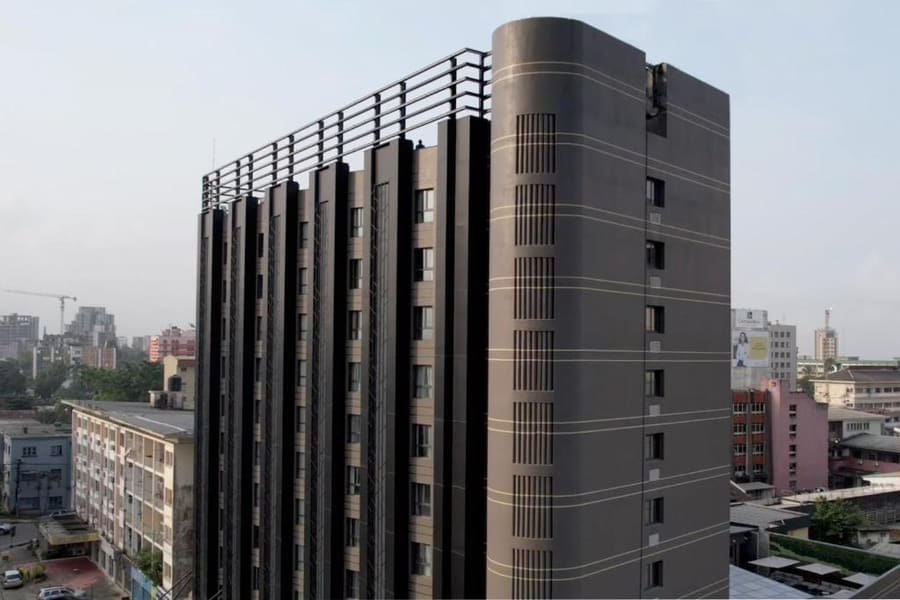
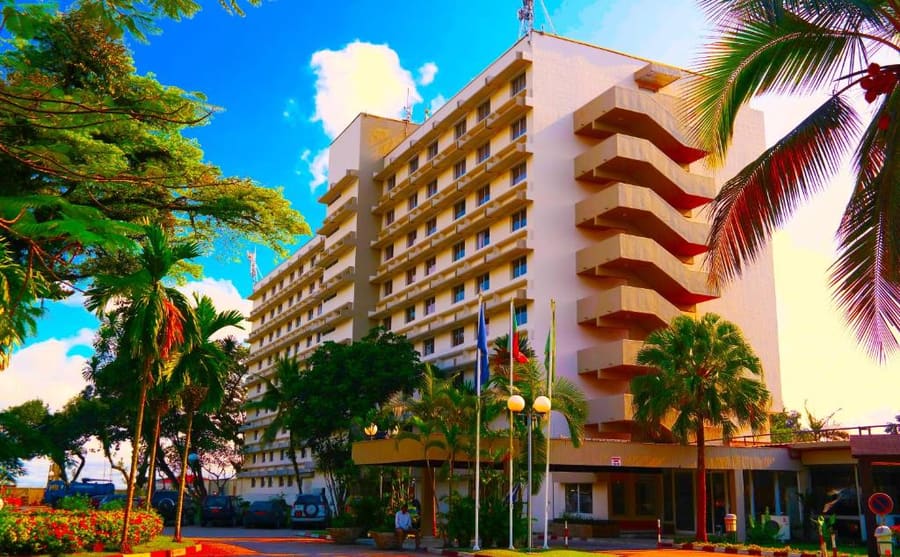
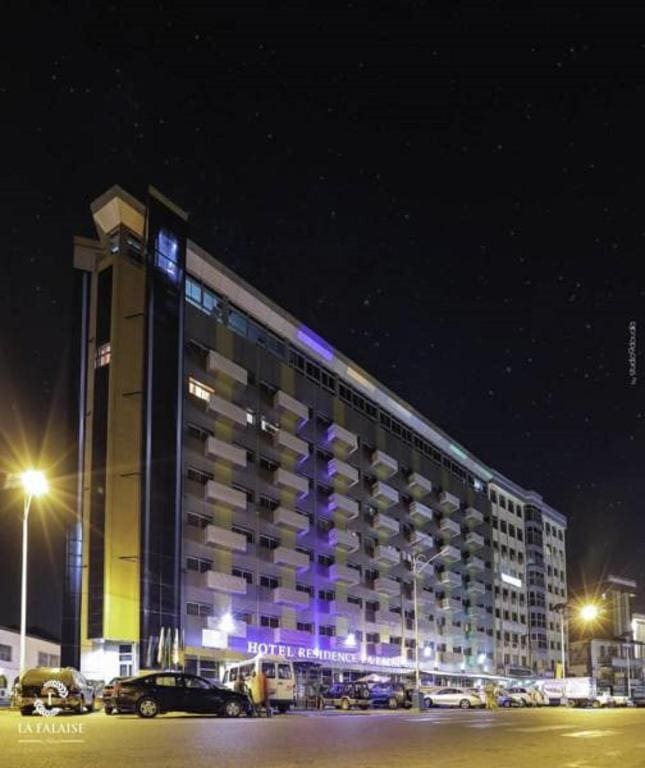
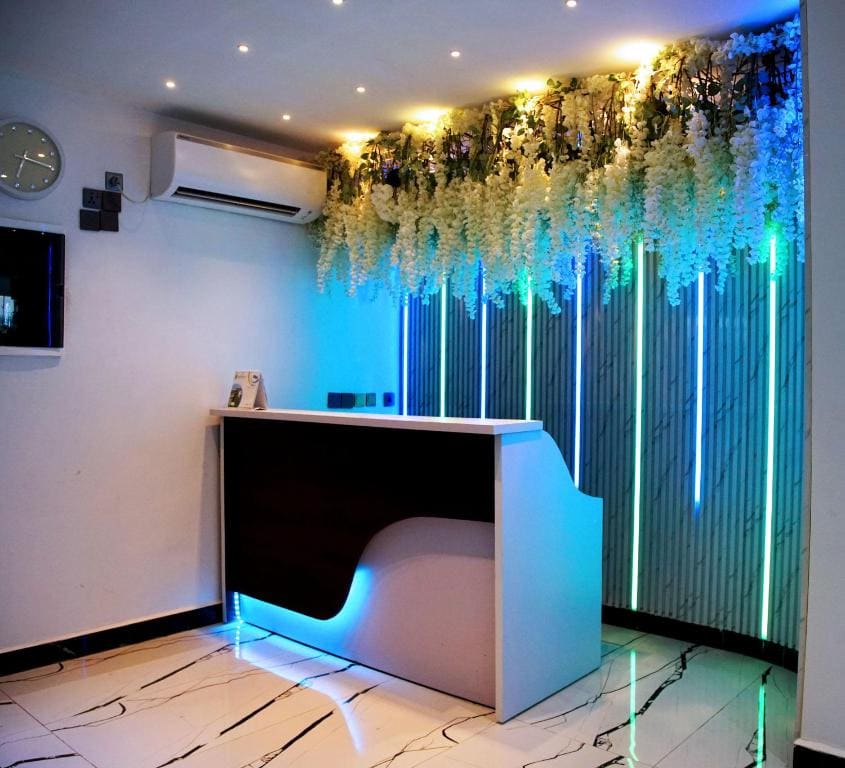
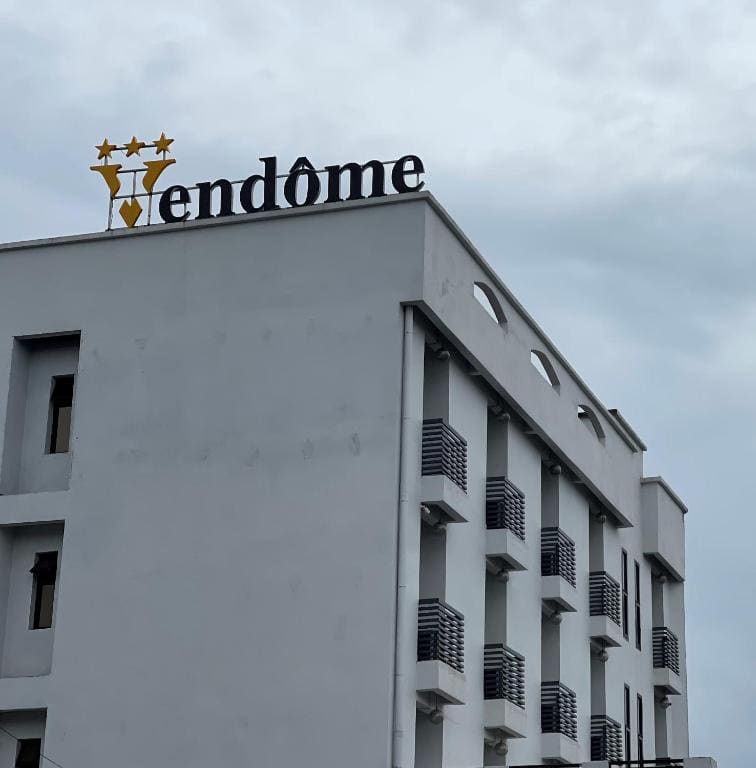
Choose your base by your transit needs and sensitivity to noise. Bonapriso offers modern hotels close to the airport and upmarket dining. Akwa places you in the middle of nightlife and business offices, but brings traffic noise. Bonanjo suits business travellers seeking quiet evenings.
Live rates, matched to the areas above.
transport
Douala lacks a metro system, but city buses are operated by SOCATUR. You navigate using yellow shared taxis, motorcycle taxis known as Benskins, or ride-hailing applications. Walking is practical inside Bonanjo and Bonapriso, but crossing between districts requires vehicle transport due to heat and missing sidewalks.
Ab Douala International Airport (DLA)
Airport taxis charge standard rates. Negotiate before getting into the car.
Yango operates reliably in Douala. Fare is fixed in the app.
Arranged through major hotels. Driver meets you inside the arrivals terminal.
Yellow cabs function as shared transport along fixed avenues. Raise fingers to indicate your stop.
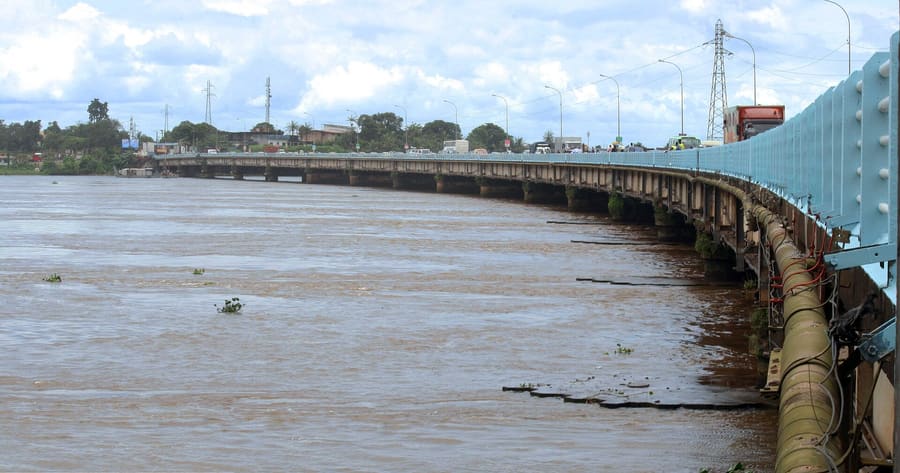
Crossing the Wouri River bridge takes over an hour between 07:30–09:30 and 17:00–19:30.
Use Yango to avoid negotiating fares in French. Payments are made in cash to the driver.
cost
Douala uses the Central African CFA franc (XAF), pegged to the euro at 655.957 XAF. Cash is essential for street markets, taxis, and small restaurants. Upscale hotels and international restaurants accept major credit cards.
Includes a grilled sea bass or captain fish with fried plantains.
Standard rate for a short route within the central districts.
Three-course meal in Bonapriso without alcohol.
seasonality
NOV – FEB
Dry season brings warmer temperatures and lower rainfall. Road trips outside the city are easier.
MAR – MAY
High humidity and rising temperatures precede the rains. Expect severe afternoon heat.
JUN – SEP
Heavy monsoon rains flood low-lying streets. Carry waterproof footwear and allow extra transit time.
OCT
Transition month with tapering rainfall. Humidity remains high throughout the day.
practicalities
French is the primary language spoken in Douala. Pidgin English is widely understood in markets.
Do not photograph government buildings, military personnel, or port infrastructure.
ATMs along Boulevard de la Liberté accept Visa and Mastercard. Carry cash reserves.
Drink sealed bottled water. Avoid ice cubes at informal street stalls.
Short electrical cuts happen regularly. Carry a charged power bank.